Background

Basilika St. Lambertus: A Twisted Tale of Faith and History

Discover the captivating Basilika St. Lambertus in Düsseldorf: a historic church with a twisted spire, stunning Gothic architecture, and a rich cultural heritage in the heart of the Altstadt.

4.6

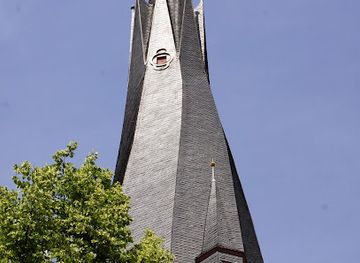
Basilika St. Lambertus, a prominent Catholic church in Düsseldorf's Altstadt (Old Town), stands as a testament to the city's rich history and enduring faith. Dating back to the 13th century, with origins even earlier, this architectural gem showcases a blend of Romanesque and Gothic styles. Its most distinctive feature is the twisted spire, a captivating anomaly that has become a beloved symbol of Düsseldorf. Visitors are drawn to its serene atmosphere, stunning interior adorned with religious artifacts, and the intriguing stories woven into its very stones. Whether seeking spiritual solace, architectural inspiration, or a glimpse into the past, Basilika St. Lambertus offers a compelling experience for all.

A brief summary to Basilika St. Lambertus

Local tips

  • Check the official website for mass schedules and special events, as opening hours may vary.
  • Consider joining a guided tour to learn more about the history and architecture of the basilica.
  • Explore the Altstadt surrounding the church, with its charming streets, shops, and restaurants.
  • Photography is allowed inside, but be respectful and avoid using flash.
  • Combine your visit with other nearby attractions like the Schlossturm or the Rhine promenade.
widget icon

Getting There

  • Walking

    Basilika St. Lambertus is centrally located in the Altstadt and easily accessible on foot from most points within the Old Town. From Marktplatz (Market Square), head south, passing the Old Town Hall on your right. The basilica will be visible within a few blocks. From the Rhine promenade, walk inland towards the Altstadt, using the distinctive twisted spire as a visual guide.

  • Public Transport

    The closest public transport stops are Heinrich-Heine-Allee U and Benrather Straße U, both served by multiple tram and subway lines (U-Bahn). From either stop, it's a short walk to the basilica. Tram lines U70, U74, U75, U76, U77, and U78 serve Heinrich-Heine-Allee. A single ticket for a short trip (Kurzstrecke) within Düsseldorf costs approximately €1.90. A day ticket is €8.80 and allows unlimited travel within the city.

  • Taxi/Ride-Share

    Taxis and ride-sharing services are readily available in Düsseldorf. A short ride from Düsseldorf Hauptbahnhof (main train station) to Basilika St. Lambertus would typically cost between €8 and €12, depending on traffic and the specific service used. Be sure to specify 'Basilika St. Lambertus, Altstadt' as your destination.

  • Driving

    Parking in the Altstadt is very limited and can be expensive. It's recommended to park in one of the Park & Ride facilities outside the city center and take public transport to the Altstadt. If driving directly, be aware of the environmental zone (Umweltzone) regulations; a green sticker is required for most vehicles. Parking garages near the Altstadt, such as the one at Carlsplatz, charge approximately €3-€5 per hour. Pre-booking parking through services like MOBIAN is recommended.

Unlock the Best of Basilika St. Lambertus

Buy tickets

    No tickets available

Book tours with entry

    No tours available

Book tours without entry

    No tours available

Discover more about Basilika St. Lambertus

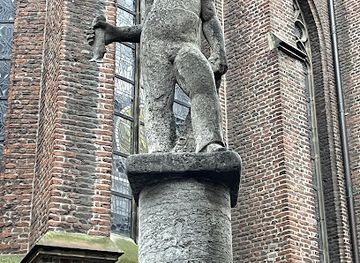
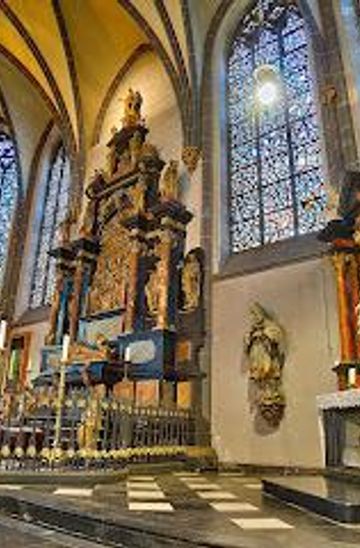
Basilika St. Lambertus, nestled in the heart of Düsseldorf's Altstadt, is more than just a church; it's a living chronicle of the city's spiritual and architectural evolution. Its origins trace back to the 13th century, with evidence suggesting an even earlier Romanesque church stood on the site, predating Düsseldorf's official city status in 1288. Over the centuries, the basilica has undergone numerous transformations, reflecting the changing artistic and religious sensibilities of the times. The architecture of St. Lambertus is a captivating fusion of Romanesque and Gothic elements. The three-aisled hall church, primarily constructed in the Lower Rhine brick Gothic style, exudes a sense of grandeur and timelessness. The interior is equally impressive, featuring beautiful wooden pews, ornate altars, and stunning frescoes that depict biblical scenes. The relics of Saint Apollinaris, believed to be one of the first bishops in Ravenna, reside within the main altar, adding to the basilica's significance as a pilgrimage site. However, the most iconic feature of St. Lambertus is undoubtedly its twisted spire. This crooked silhouette against the Düsseldorf skyline has sparked countless legends and theories. One popular tale attributes the twist to a carpenter's hasty repair after a fire in 1815, using fresh, damp wood that warped as it dried. Another legend claims the devil himself attempted to uproot the church, twisting the spire in the process. A more whimsical story suggests the spire bent in shame when a bride, falsely claiming virginity, approached the altar. Regardless of the true cause, the twisted spire has become a beloved symbol of Düsseldorf, adding a touch of whimsy to the basilica's solemn beauty. Throughout its history, St. Lambertus has played a vital role in the religious and cultural life of Düsseldorf. It has served as a center of prayer, worship, and community for centuries, hosting countless religious services, concerts, and cultural events. The church's treasury houses a valuable collection of religious artifacts, including liturgical vessels, vestments, and sculptures, offering a glimpse into the basilica's rich past. Visiting St. Lambertus is an immersive experience that engages the senses and stirs the soul. As you step inside, a sense of tranquility washes over you, inviting contemplation and reflection. The stained-glass windows cast ethereal light upon the interior, illuminating the intricate details of the architecture and artwork. The scent of incense lingers in the air, adding to the atmosphere of reverence and spirituality. Beyond its architectural and religious significance, St. Lambertus is also a testament to the resilience of the human spirit. The basilica has survived numerous wars and calamities, including World War II, when many other buildings in Düsseldorf were destroyed or severely damaged. Its enduring presence serves as a symbol of hope and perseverance for the community. Today, St. Lambertus continues to be a vibrant center of Catholic life in Düsseldorf. Regular mass services are held, and the church remains a popular venue for weddings and other special occasions. Visitors are welcome to explore the basilica, admire its beauty, and learn about its fascinating history. Guided tours are available upon request, providing deeper insights into the church's architecture, artwork, and significance. The area surrounding St. Lambertus is equally charming, offering a wealth of attractions and activities. The Altstadt, with its narrow cobblestone streets, historic buildings, and lively atmosphere, is a delight to explore. Nearby attractions include the Schlossturm (Castle Tower), which houses a maritime museum, the Altes Rathaus (Old Town Hall), and the Rhine promenade, offering scenic river views. Numerous restaurants and cafes in the area serve local delicacies, such as Altbier and Himmel und Äd (black pudding). Whether you are a devout Catholic, an architecture enthusiast, a history buff, or simply a curious traveler, Basilika St. Lambertus offers a unique and enriching experience. Its twisted spire, stunning interior, and rich history make it a must-see destination in Düsseldorf, a place where faith, art, and history intertwine to create a truly unforgettable experience. The basilica stands as a symbol of Düsseldorf's enduring cultural legacy, inviting visitors to connect with the city's spiritual and artistic roots. It is a place where the timeless beauty of religious architecture and the enduring power of faith can be experienced firsthand. Visiting Basilika St. Lambertus offers not just an opportunity to appreciate Gothic architecture but also provides a glimpse into Düsseldorf's rich cultural heritage making it a must-visit destination when you're next in Germany! The basilica is usually open for visitors from 9:00 AM to 6:00 PM daily, although these times can vary depending on religious services and events. It's always a good idea to check the official website or contact the basilica directly for up-to-date information before planning your visit.

Popular Experiences near Basilika St. Lambertus

Popular Hotels near Basilika St. Lambertus

Select Currency