Background

Wesel Citadel: A Rhineland Fortress

Explore the Wesel Citadel, the Rhineland's largest intact fortification, a pentagonal star-shaped fortress with museums, art, and historical exhibits, offering a unique cultural experience.

4.3

The Wesel Citadel, the largest intact fortification in the Rhineland, stands as a testament to centuries of military history. Built between 1688 and 1722, this pentagonal star-shaped fortress, designed by Johan de Corbin, was the core of Wesel's defenses. Today, it serves as a vibrant cultural center, housing museums, art studios, and historical exhibits. Visitors can explore the well-preserved ramparts, bastions, and the Schill Casemates, offering a glimpse into Prussian military life and the citadel's role in various conflicts. The Citadel offers a blend of historical exploration and cultural enrichment, making it a unique destination for history buffs and casual tourists alike. Its strategic design and enduring structures provide a tangible link to the past, while its modern cultural offerings ensure a dynamic and engaging experience.

A brief summary to Wesel citadel

Local tips

  • Visit early in the morning to avoid crowds and enjoy a more intimate experience of the citadel's historical ambiance.
  • Check the local events calendar for special exhibitions, guided tours, or cultural events happening during your visit.
  • Wear comfortable shoes, as exploring the expansive grounds involves a good amount of walking.
  • Bring a camera to capture the stunning architecture, panoramic views, and beautiful gardens within the citadel.
  • Consider joining a guided tour for detailed stories and insights into the citadel's rich history and military significance.
widget icon

Getting There

  • Public Transport

    From Wesel Hauptbahnhof (main train station), take bus number 64 towards 'Wesel Zitadelle'. The bus ride takes approximately 10 minutes. Get off at the 'Zitadelle' stop, which is right at the entrance. A single bus ticket costs approximately €2.80.

  • Walking

    From Wesel Hauptbahnhof, the Citadel is approximately a 20-minute walk. Exit the station and follow signs towards the city center (Zentrum). Continue straight, passing the Willibrordi Cathedral on your right. Follow the road as it curves slightly to the left, and you will see the Citadel entrance ahead. No costs involved.

  • Taxi/Ride-Share

    A taxi or ride-share from Wesel Hauptbahnhof to the Citadel costs approximately €10-€15, depending on traffic. The journey takes about 5-10 minutes. Taxis are usually available outside the train station.

  • Driving

    If driving, navigate to 46483 Wesel. Follow the municipal parking guidance system to find available parking spaces in the city center. Parking is free for the first 30 minutes, and free after 4 PM, and free all day during the weekend. Limited street parking is available near the citadel, but it may require a short walk.

Unlock the Best of Wesel citadel

Buy tickets

    No tickets available

Book tours with entry

    No tours available

Book tours without entry

    No tours available

Discover more about Wesel citadel

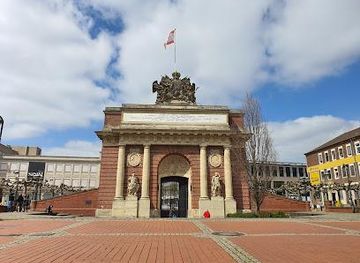
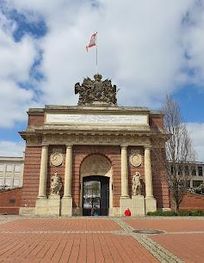
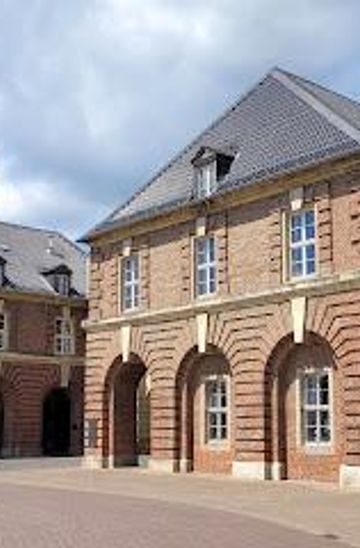
The Wesel Citadel, a remarkable example of 17th and 18th-century military architecture, dominates the landscape of Wesel, Germany. Constructed between 1688 and 1722, this sprawling fortress represents the largest intact fortification system in the Rhineland. Ordered by Elector Friedrich Wilhelm I of Brandenburg and designed by Johan de Corbin, the citadel was strategically built to transform Wesel into a formidable fortified city. Its pentagonal star shape, complete with five bastions and ravelins, showcases the advanced military engineering principles of the era. Throughout its history, the Wesel Citadel has played a crucial role in numerous conflicts and military campaigns. During the French occupation from 1805 to 1814, the citadel underwent further expansion, with the French constructing a two-story brick building, Barracks VIII, which still stands today. This building, along with other surviving structures, provides a tangible link to the citadel's past. In 1809, eleven Prussian officers involved in an uprising against Napoleon were imprisoned and executed here, an event commemorated by the Schill Casemates museum. Following the demilitarization of the Rhineland after World War I, the citadel's fortifications were dismantled in 1919/1920. However, several key buildings were spared, including the main gate, officers' prison, garrison bakery, Barracks VIII, and the Körner magazine. These structures now house a variety of cultural institutions, transforming the citadel into a vibrant cultural center. Today, the Wesel Citadel is home to the LVR Lower Rhine Museum, which showcases the region's history and culture, the music and art school, the city archive, the Schill Kasematte municipal museum, and the studio community of the Z6 artists' group. Visitors to the Wesel Citadel can explore its well-preserved ramparts, bastions, and underground tunnels, gaining insight into the lives of soldiers and the evolution of military strategies. The Schill Casemates museum offers a poignant look at the fate of the eleven Prussian officers, while the LVR Lower Rhine Museum provides a broader perspective on the region's rich heritage. The citadel's grounds also feature beautifully landscaped gardens and pathways, offering a serene atmosphere for leisurely strolls and panoramic views of Wesel and the surrounding landscape. The main gate of the Wesel Citadel, built in 1718, serves as a powerful reminder of the citadel's original purpose. The gate, along with its curtain wall, bridge, and trenches, has been carefully renovated and now houses the Städtische Museum Abteilung Schillkasematte, further enriching the visitor experience. The citadel's architecture reflects the principles of Sébastien Le Prestre de Vauban, the foremost constructor of fortifications during that time. The immense construction costs, estimated at hundreds of thousands of Reichsthaler, underscore the strategic importance of the Wesel Citadel. Beyond its historical significance, the Wesel Citadel also plays a vital role in the cultural life of Wesel. The music and art school fosters creativity and artistic expression, while the city archive preserves the region's historical records. The studio community of the Z6 artists' group adds a contemporary flair to the citadel, showcasing the works of local artists. The Wesel Citadel stands as a symbol of the city's resilience and its commitment to preserving its heritage while embracing the future. Its blend of historical exploration, cultural enrichment, and scenic beauty makes it a must-see destination for anyone visiting the Rhineland. Exploring the Wesel Citadel offers a unique opportunity to step back in time and experience the grandeur of a bygone era. The imposing walls, intricate architecture, and captivating exhibits provide a glimpse into the lives of soldiers, the evolution of military strategies, and the cultural heritage of the Rhineland. Whether you're a history enthusiast, an art lover, or simply seeking a peaceful day out, the Wesel Citadel promises an unforgettable experience. The panoramic views from the ramparts, the serene gardens, and the vibrant cultural scene create a harmonious blend of history, nature, and art. The Wesel Citadel is not just a historical landmark; it's a living testament to the enduring spirit of Wesel and its people. As you wander through the citadel's grounds, take a moment to appreciate the strategic brilliance of its design and the immense effort that went into its construction. Imagine the soldiers who once defended these walls, the battles that were fought, and the lives that were shaped by this imposing fortress. The Wesel Citadel is more than just a collection of buildings; it's a repository of stories, a symbol of resilience, and a testament to the enduring power of human ingenuity. Its transformation from a military stronghold to a cultural center is a testament to the city's ability to adapt and thrive in the face of adversity. The Wesel Citadel stands as a beacon of history, culture, and community, inviting visitors to explore its rich heritage and discover the many facets of this remarkable destination.

Popular Experiences near Wesel citadel

Popular Hotels near Wesel citadel

Select Currency