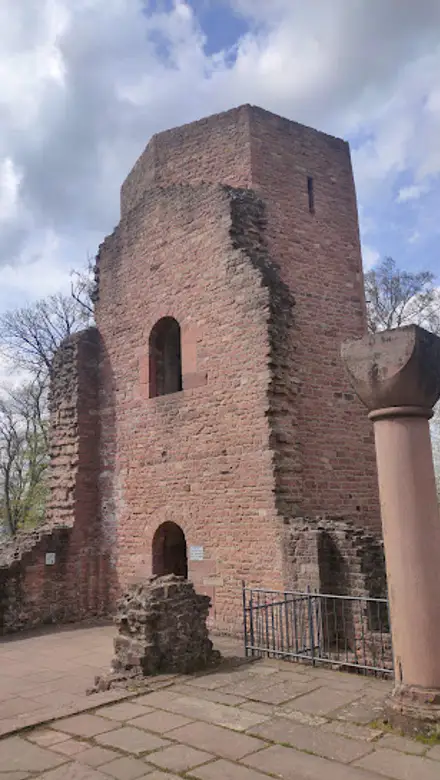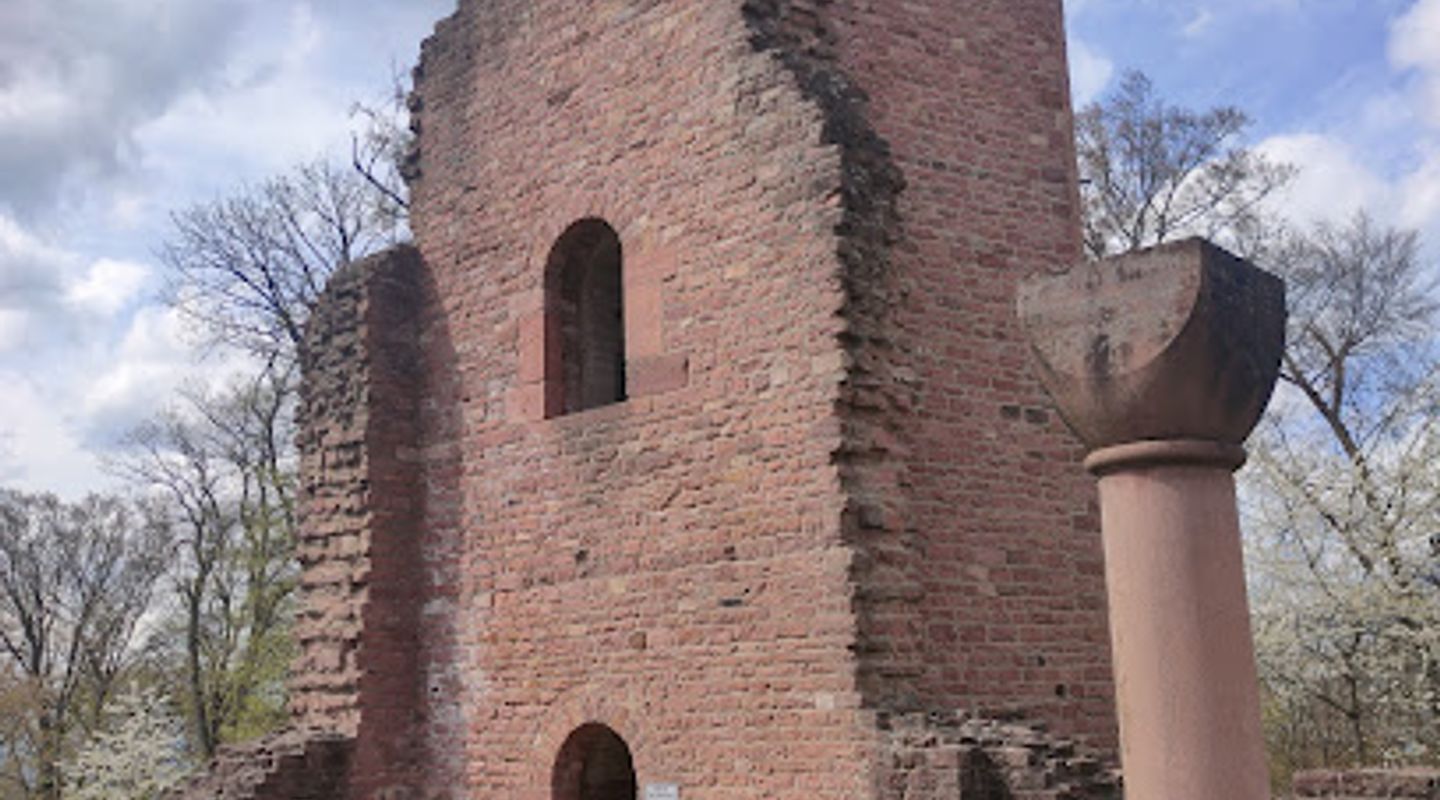
Michaelskloster Heiligenberg, Heidelberg Travel Guide
Explore the evocative ruins of Michaelskloster Heiligenberg, a historic monastery offering panoramic views and a glimpse into Heidelberg's Celtic, Roman, and medieval past.
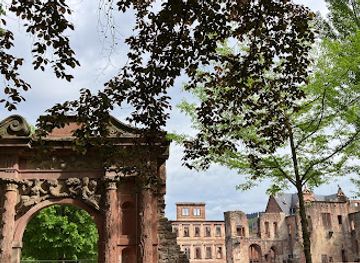
Perched atop Heiligenberg (Saints' Mountain) in Heidelberg, the Michaelskloster offers a captivating blend of history and panoramic vistas. These evocative ruins, dating back to the early 11th century, stand as a testament to the site's long and varied past, from Celtic settlements to Roman temples and medieval monasteries. Explore the remains of the basilica, climb the partially standing towers for stunning views of the Rhine Valley, and wander through the peaceful grounds. The Heiligenberg itself is a draw, offering hiking trails, the Thingstätte amphitheater, and the atmospheric Stephanskloster ruins, making it a worthwhile escape from the city below. The Michaelskloster provides a tangible link to Heidelberg's rich heritage and a rewarding experience for history enthusiasts and nature lovers alike.
A brief summary to Michaelskloster Heiligenberg
- Auf dem Heiligenberg 1, Heidelberg, Handschuhsheim, 69121, DE
- Tuesday 8 am-4 pm
- Wednesday 8 am-4 pm
- Thursday 8 am-4 pm
- Friday 8 am-4 pm
- Saturday 8 am-4 pm
- Sunday 8 am-4 pm

Know before you go
Hi, I'm Eve. Here are a few practical things to know before exploring Michaelskloster Heiligenberg.
- Wear sturdy shoes for exploring the uneven terrain of the ruins and hiking trails.
- Bring water and snacks, especially if you plan to hike the Celtic Trail or explore the surrounding forests.
- Check the opening hours before you go, as they vary depending on the season (closed Mondays and Tuesdays, and January and February).
- Combine your visit with a stop at the Thingstätte amphitheater and the Stephanskloster ruins for a comprehensive Heiligenberg experience.
- Consider visiting on a clear day to fully appreciate the panoramic views of Heidelberg and the Rhine Valley.
Do you manage this location?
Take control to get all the benefits, like improved information, better appearance, and stronger visibility across AI-powered discovery. Learn more about listing your business on Evendo
Activate your presenceOther nearby places you may find interesting
The closest places of the same kind, if this one is not quite what you had in mind.
Explore Michaelskloster Heiligenberg on the Map
A handpicked selection of must-see spots near Michaelskloster Heiligenberg, mapped for you.
Getting There
-
Public Transport
From Heidelberg's city center (Bismarktplatz), take tram #5 or #26 to Hans-Thoma-Platz in Handschuhsheim. From there, transfer to bus #38, which runs to the Heiligenberg parking lot, a short walk from the Michaelskloster. Bus #38 operates only on Sundays and holidays between May 1st and November 1st. A single tram/bus fare within Heidelberg is around €2.60. A day ticket is approximately €7 and covers all public transport within Heidelberg until midnight.
-
Driving
From Heidelberg, drive towards Handschuhsheim and follow signs for Heiligenberg. The drive takes approximately 20-30 minutes from the Old Town. There is a free gravel parking lot near the Waldschenke restaurant, about 300ft/100 meters from the Thingstätte and a short walk to the Michaelskloster. Parking is free.
-
Taxi/Ride-Share
A taxi or ride-share from Heidelberg's city center to the Heiligenberg parking lot costs approximately €20-€30, depending on the starting point and traffic.
-
Walking
For a scenic and active approach, hike to the Heiligenberg from Heidelberg's Old Bridge via the Schlangenweg (Serpent's Path). The full hike to the top, including the Michaelskloster, is close to 2.5 miles/4 km and is classified as a moderate hike, taking approximately 1.75 hours with stops. No costs are associated with walking.
Discover more about Michaelskloster Heiligenberg
More to explore near Michaelskloster Heiligenberg













Your all‑in‑one travel companion app
Explore expert travel guides, compare and book tours, experiences, hotels, and more—all from the palm of your hand. Download now for seamless trip planning wherever your wanderlust takes you.


Explore More of Heidelberg
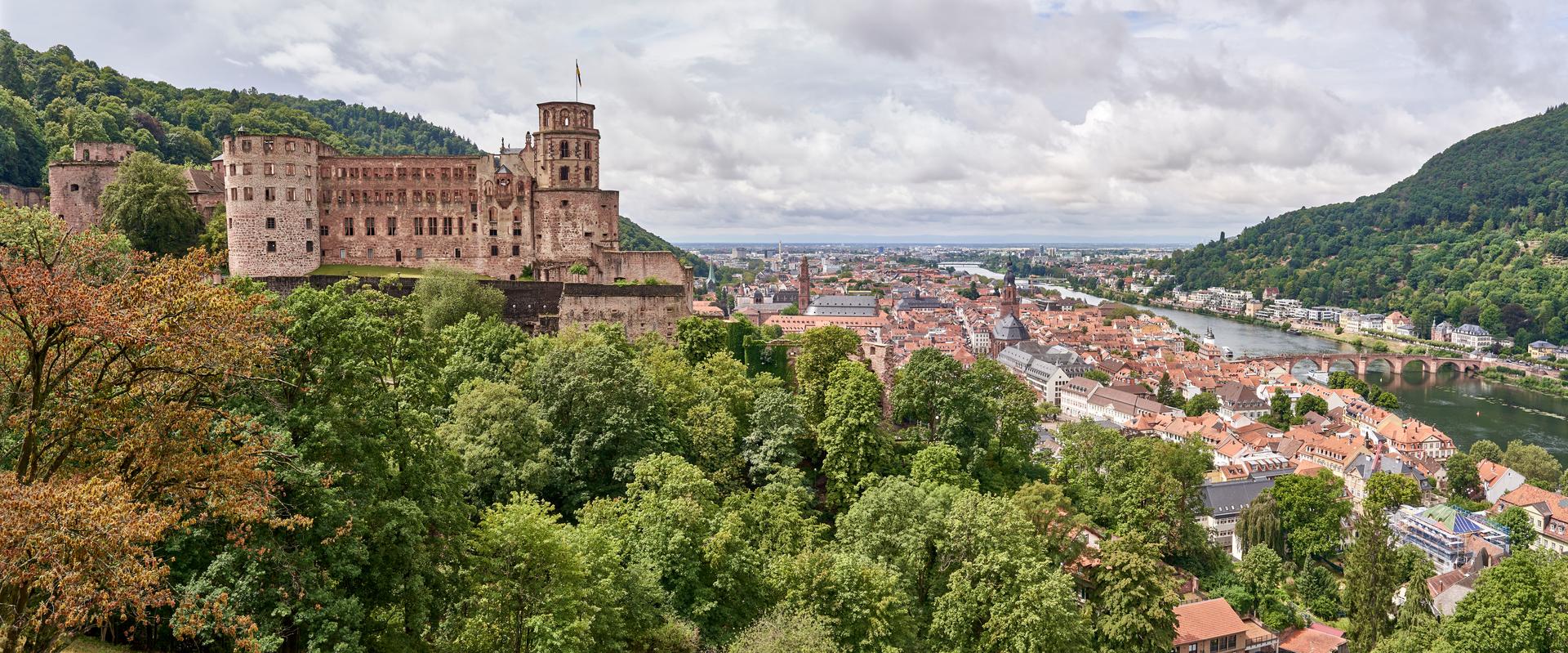
Looking beyond Michaelskloster Heiligenberg? Discover Heidelberg for broader travel guides, local hot-spots, and regional highlights.
Explore Heidelberg
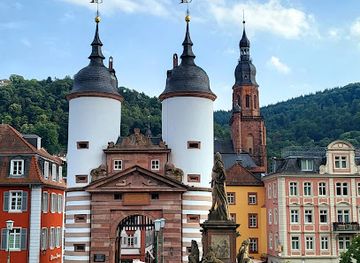
Explore the enchanting Stadttor Heidelberg, a historic gateway offering breathtaking views and a glimpse into the city's rich heritage.
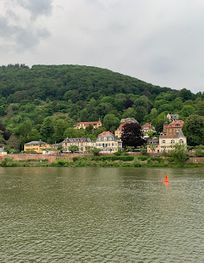
Explore Heidelberg's Heiligenberg: A historic mountain offering Celtic ruins, Roman temples, medieval monasteries, and panoramic city views.