
Jerusalemsberg, Lubeck Travel Guide
Discover Jerusalemsberg in Lübeck: A historic landmark marking the end of a medieval pilgrimage route, offering a peaceful retreat and a glimpse into the city's past.
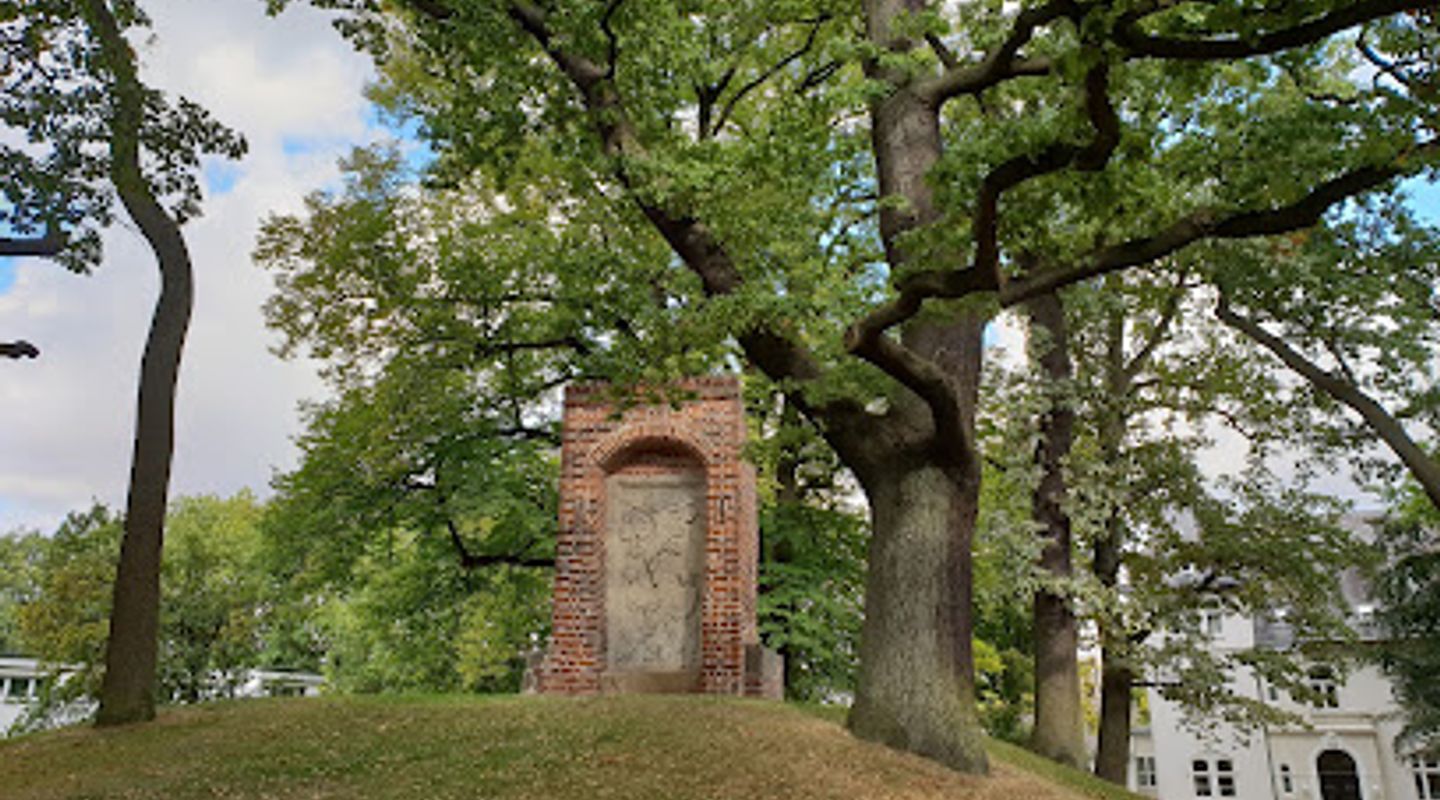
Jerusalemsberg, located in Lübeck's St. Gertrud district, is a historically significant site marking the end of the Lübeck Kreuzweg (Way of the Cross). Dating back to 1493, this landmark features a small hill originally created to mirror the Via Dolorosa in Jerusalem. Today, visitors can see a Gothic shrine adorned with a relief of the crucifixion, surrounded by ancient trees, some of which are centuries old. While the original seven stations of the Kreuzweg have mostly disappeared, Jerusalemsberg remains a peaceful and picturesque spot, offering a glimpse into Lübeck's medieval past and its rich religious history. It's a place for reflection and appreciation of the city's cultural heritage, easily accessible and free to visit.
A brief summary to Jerusalemsberg
- Jerusalemsberg 4, Lübeck, St. Gertrud, 23568, DE
- Click to display

Know before you go
Hi, I'm Eve. Here are a few practical things to know before exploring Jerusalemsberg.
- Visit during early morning or late afternoon for fewer crowds and better lighting for photography.
- Consider combining your visit with a trip to the nearby Brahms-Institut to explore the life and work of Johannes Brahms.
- Wear comfortable shoes, as exploring the area involves walking on uneven surfaces.
Do you manage this location?
Take control to get all the benefits, like improved information, better appearance, and stronger visibility across AI-powered discovery. Learn more about listing your business on Evendo
Activate your presenceOther nearby places you may find interesting
The closest places of the same kind, if this one is not quite what you had in mind.

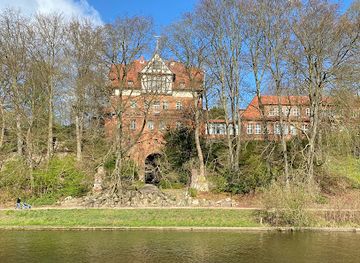
Explore Jerusalemsberg on the Map
A handpicked selection of must-see spots near Jerusalemsberg, mapped for you.
Getting There
-
Walking
From the Burgtor (city gate), head east along Jerusalemsberg street. The walk is approximately 500 meters, and Jerusalemsberg 4 will be on your left. The walk is straightforward and well-signposted.
-
Public Transport
Take bus line 6 to the 'Adolfstraße' stop. From there, walk approximately 5 minutes north on Jerusalemsberg street. A single bus fare is approximately €2.50. Check the Stadtverkehr Lübeck website for the most up-to-date schedules.
-
Taxi/Ride-Share
A taxi or ride-share from Lübeck's city center will cost approximately €8-€12 and take about 5-10 minutes, depending on traffic.
Discover more about Jerusalemsberg













Your all‑in‑one travel companion app
Explore expert travel guides, compare and book tours, experiences, hotels, and more—all from the palm of your hand. Download now for seamless trip planning wherever your wanderlust takes you.


Explore More of Lubeck
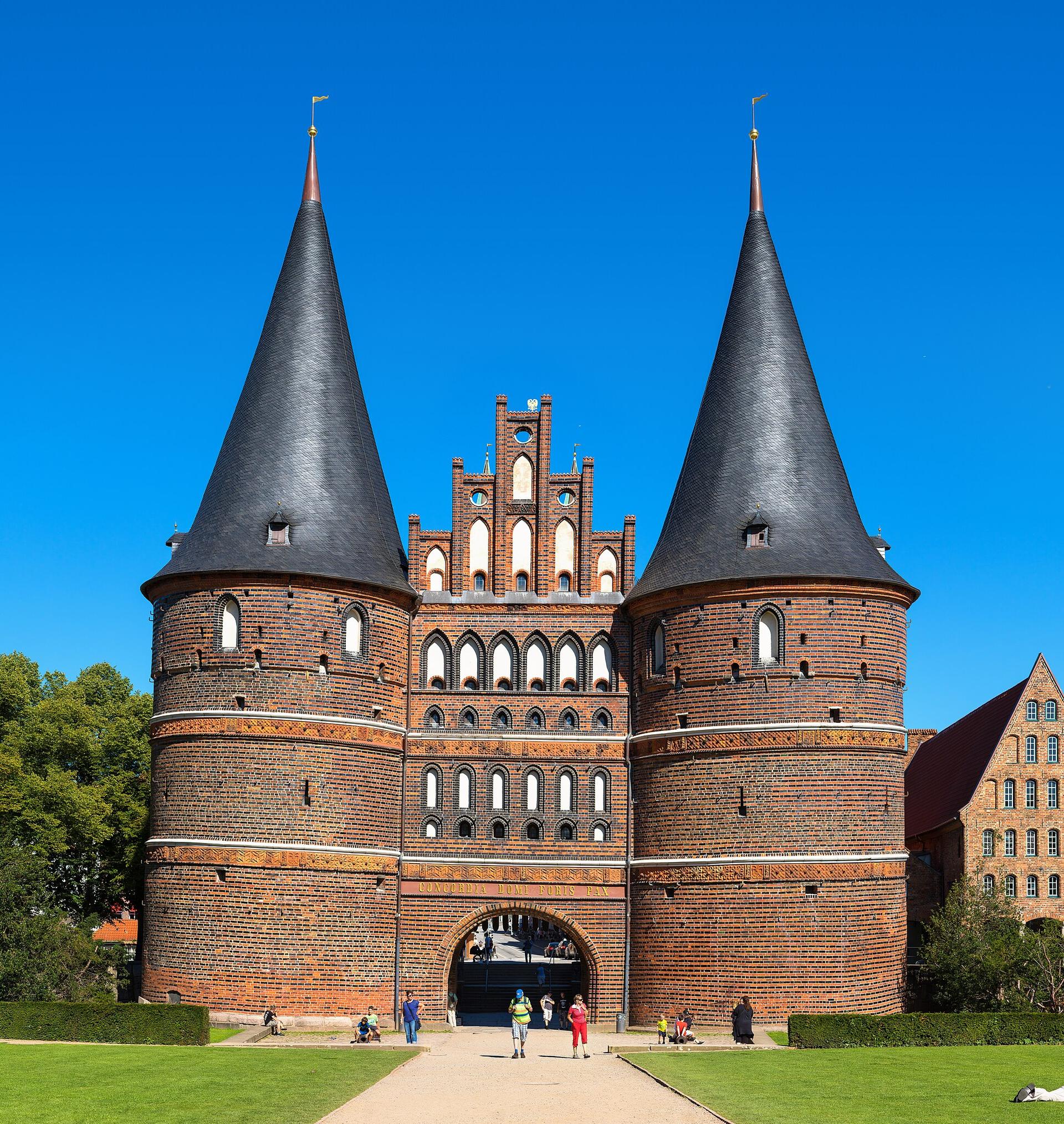
Looking beyond Jerusalemsberg? Discover Lubeck for broader travel guides, local hot-spots, and regional highlights.
Explore Lubeck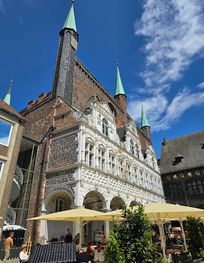
Discover Lübeck's Marktplatz: a historic square in the heart of the Altstadt, surrounded by stunning architecture and steeped in Hanseatic history, offering a vibrant cultural experience.

Reflect on history and honor the victims of the Holocaust at Gedenkstätte Jerusalemsberg in Lübeck, a serene memorial park offering a space for contemplation and remembrance.
