

Museum Holstentor, Lubeck Travel Guide
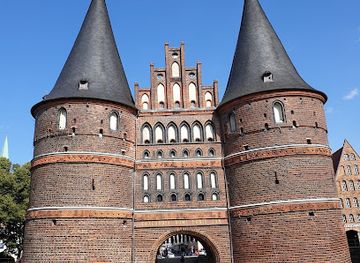
Explore Lübeck's Hanseatic history within the iconic Holstentor gate, a symbol of medieval power and architectural grandeur, offering a captivating journey through trade, wealth, and maritime heritage.
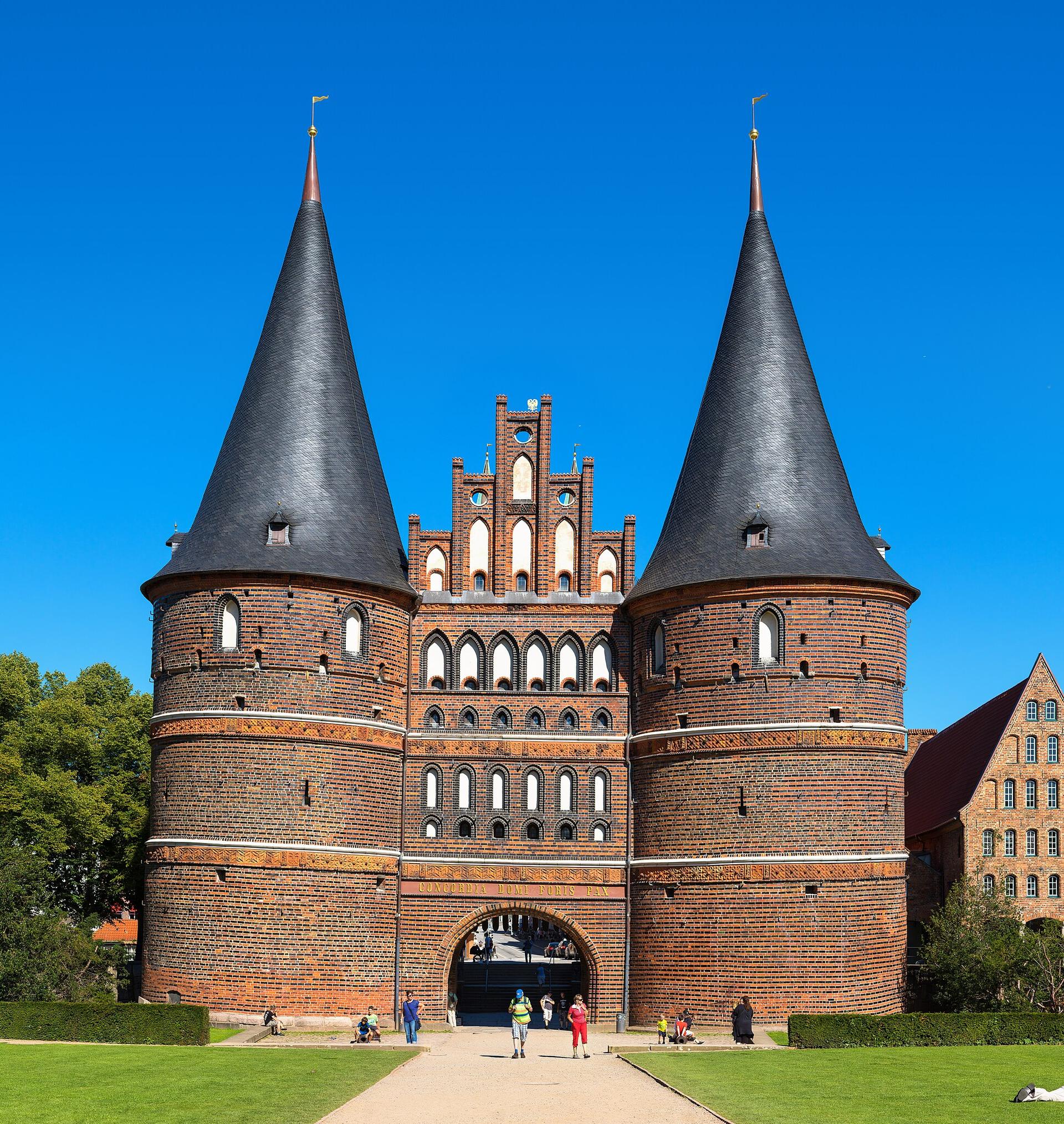
The Holstentor Museum, housed within Lübeck's iconic medieval gate, offers a captivating journey into the city's rich Hanseatic past. Explore exhibits showcasing Lübeck's maritime power, trade, and historical artifacts, all within the walls of this architectural masterpiece. The museum details Lübeck's rise as a key member of the Hanseatic League, a powerful trading confederation that spanned northern Europe. Interactive displays and informative panels bring Lübeck's history to life, highlighting the city's economic power, wealth, and historical significance. Don't miss the chance to explore this symbol of Lübeck's enduring legacy and immerse yourself in its fascinating story. The Holstentor itself is more than just a museum—it is a living monument to Lübeck's past and one of the best-preserved medieval gates in Europe.
A brief summary to Museum Holstentor
- Holstentorplatz, Lübeck, Lübecker Altstadt, 23552, DE
- Click to display
- Click to display
- Monday 10 am-6 pm
- Tuesday 10 am-6 pm
- Wednesday 10 am-6 pm
- Thursday 10 am-6 pm
- Friday 10 am-6 pm
- Saturday 10 am-6 pm
- Sunday 10 am-5 pm

Know before you go
Hi, I'm Eve. Here are a few practical things to know before exploring Museum Holstentor.
- Visit during the shoulder season (spring or fall) for fewer crowds and pleasant weather.
- Check the museum's website for special exhibitions, events, and guided tour schedules.
- Combine your visit with a walk around Lübeck's Old Town, a UNESCO World Heritage Site, to fully appreciate the city's historical charm.
- Purchase the Lübeck Day Pass for access to multiple museums in the city, offering a cost-effective way to explore Lübeck's cultural attractions.
- Take advantage of the audio guides available in multiple languages to enhance your understanding of the exhibits.
Do you manage this location?
Take control to get all the benefits, like improved information, better appearance, and stronger visibility across AI-powered discovery. Learn more about listing your business on Evendo
Activate your presenceOther nearby places you may find interesting
The closest places of the same kind, if this one is not quite what you had in mind.

Explore Museum Holstentor on the Map
A handpicked selection of must-see spots near Museum Holstentor, mapped for you.
Unlock the Best of Museum Holstentor
Buy tickets
-
No tickets available
Book tours with entry


Getting There
-
Walking
From Lübeck Hauptbahnhof (main train station), the Holstentor Museum is approximately a 10-15 minute walk. Exit the station and follow Konrad-Adenauer-Straße towards the Old Town. Continue straight until you reach a roundabout. From there, you'll see the Holstentor gate directly ahead. Walk towards the gate; the museum entrance is located within the Holstentor. Alternatively, from the central bus station (ZOB) located next to the train station, the Holstentor is a short 5-minute walk.
-
Public Transport
From Lübeck Hauptbahnhof/ZOB, take any bus heading towards the Old Town (Altstadt). Several bus lines stop at Holstentorplatz, right in front of the Holstentor. The bus ride is approximately 2-3 minutes. A single ticket for a short trip (Kurzstrecke) costs around €1.80. You can purchase tickets at the bus station or directly from the bus driver.
-
Taxi/Ride-Share
A taxi or ride-share from Lübeck Hauptbahnhof to the Holstentor Museum takes approximately 5 minutes, depending on traffic. The fare is typically between €8 and €12. Ride-sharing services like Uber or Bolt may also be available.
-
Driving
If driving, be aware that parking in the immediate vicinity of the Holstentor is limited and can be expensive. Several parking garages are located within a short walking distance, including the 'Am Holstentor' parking garage (Possehlstraße 1). Hourly parking rates at 'Am Holstentor' are approximately €2.50, with a daily maximum of €12.50. Other parking garages in the city center may have similar rates. Consider using a Park & Ride option outside the city center and taking public transport to avoid parking hassles.
Discover more about Museum Holstentor













Your all‑in‑one travel companion app
Explore expert travel guides, compare and book tours, experiences, hotels, and more—all from the palm of your hand. Download now for seamless trip planning wherever your wanderlust takes you.


Explore More of Lubeck
Looking beyond Museum Holstentor? Discover Lubeck for broader travel guides, local hot-spots, and regional highlights.
Explore Lubeck
Discover Lübeck's historic heart: Markt, where centuries of history meet vibrant modern life in a UNESCO World Heritage setting.
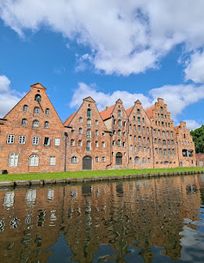
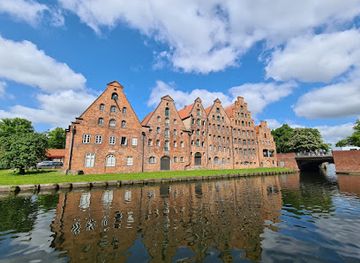
Explore the historic Salzspeicher, a UNESCO World Heritage Site in Lübeck, showcasing the city's rich maritime heritage and stunning Gothic architecture.
