Best Landmarks in Altstadt-Lehel
Planning a trip to Altstadt-Lehel? Discover the best landmarks in Altstadt-Lehel with history, expert tips, and routes. Free on web or the Evendo app.


The best landmarks in Altstadt-Lehel
- Top rated
- Closest to the centre
- A–Z
16 landmarks
-
Bavarian restaurant4.2★86,575 reviews
Hofbräuhaus München
The Hofbräuhaus München, a world-renowned beer hall in the heart of Munich, offers an authentic Bavarian experience steeped in history and tradition. Founded in 1589 by Duke Wilhelm V, it initially served as the royal brewery. Today, it welcomes locals and tourists alike to revel in its lively atmosphere, traditional music, and hearty cuisine. The sprawling complex features several distinct areas, including the historic Schwemme, the cozy Bräustüberl, and a vibrant beer garden. Whether you're savoring a Maß of Hofbräu Original, enjoying traditional Bavarian dishes, or simply soaking in the convivial ambiance, a visit to the Hofbräuhaus is an essential Munich experience. Its central location makes it easily accessible, and its enduring appeal ensures a memorable taste of Bavarian culture.
Daily 11:00–24:00
-
Castle4.6★16,609 reviews
Munich Residenz
The Munich Residenz, the largest city palace in Germany, stands as a testament to the power and artistry of the Wittelsbach rulers of Bavaria. For over four centuries, from 1508 to 1918, it served as their official residence and seat of government, evolving from a modest medieval fortress into a sprawling complex of interconnected palaces, courtyards, and gardens. Today, the Residenz is a world-class museum, inviting visitors to explore its opulent state rooms, admire its vast collections of art and treasures, and immerse themselves in the rich history of Bavaria. From the Renaissance splendor of the Antiquarium to the Rococo extravagance of the Cuvilliés Theatre, the Residenz offers a captivating journey through centuries of architectural styles and artistic achievements. A visit here is a must for anyone seeking to understand the cultural and political heart of Munich.
-
Catholic cathedral4.6★11,107 reviews
Frauenkirche
The Frauenkirche, or Cathedral of Our Lady, is Munich's most recognizable landmark, its twin towers dominating the city skyline. Built in the late Gothic style, the red-brick church stands as a testament to Munich's resilience, having been painstakingly restored after severe damage in World War II. Inside, discover the Devil's Footprint, a mysterious mark with a legendary tale, and climb the south tower for panoramic views stretching to the Alps. The Frauenkirche is more than just a beautiful building; it's a symbol of Munich's history, faith, and architectural ingenuity, drawing visitors from around the globe to experience its unique atmosphere and rich cultural heritage. Its simple yet imposing design, coupled with its central location, makes it an unmissable stop for any traveler exploring the Bavarian capital.
-
Park4.7★8,567 reviews
Hofgarten
Escape the city bustle in Munich's Hofgarten, a serene Italian Renaissance-style garden dating back to the early 17th century. Commissioned by Duke Maximilian I, this green oasis offers meticulously manicured lawns, vibrant flowerbeds, and gravel pathways perfect for leisurely strolls. Admire the Diana Pavilion, the garden's centerpiece, and soak in the historical atmosphere. Once a private retreat for Bavarian rulers, the Hofgarten is now a public space where locals and tourists alike can relax and enjoy the beauty of nature amidst the city's architectural landmarks. The Hofgarten is bordered by the Residenz, the Bavarian State Chancellery, and Odeonsplatz, making it a central point for exploring Munich's rich history and culture.
Open 24 hours
-
Historical landmark4.5★8,979 reviews
Isar Gate
The Isar Gate (Isartor), a striking landmark in Munich's Altstadt-Lehel district, stands as a testament to the city's medieval past. Constructed in the 14th century as part of Munich's fortifications, it served as a crucial defensive structure and a main entrance to the city. Today, it is the only remaining city gate that retains its original main tower. Visitors can admire its late Gothic architecture, complete with imposing towers and intricate stonework. Within the gate, the Valentin Karlstadt Museum offers a quirky and entertaining look into the lives of famous Bavarian comedians. The Isar Gate is more than just a historical monument; it's a vibrant hub connecting the old city with modern Munich, surrounded by bustling streets, cafes, and shops, making it a must-see for anyone exploring the city's rich heritage and cultural attractions.
-
Historical landmark4.7★1,306 reviews
Rathaus-Glockenspiel
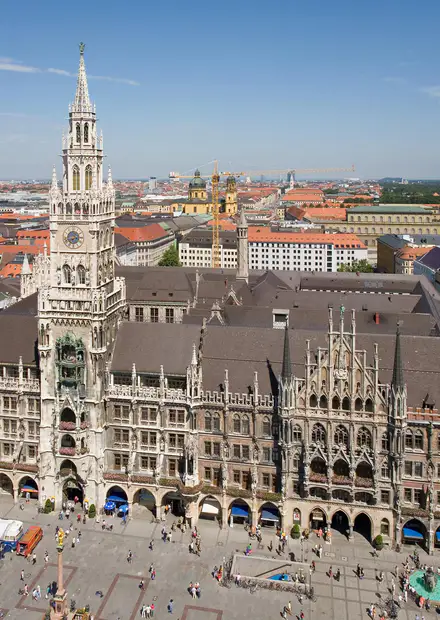
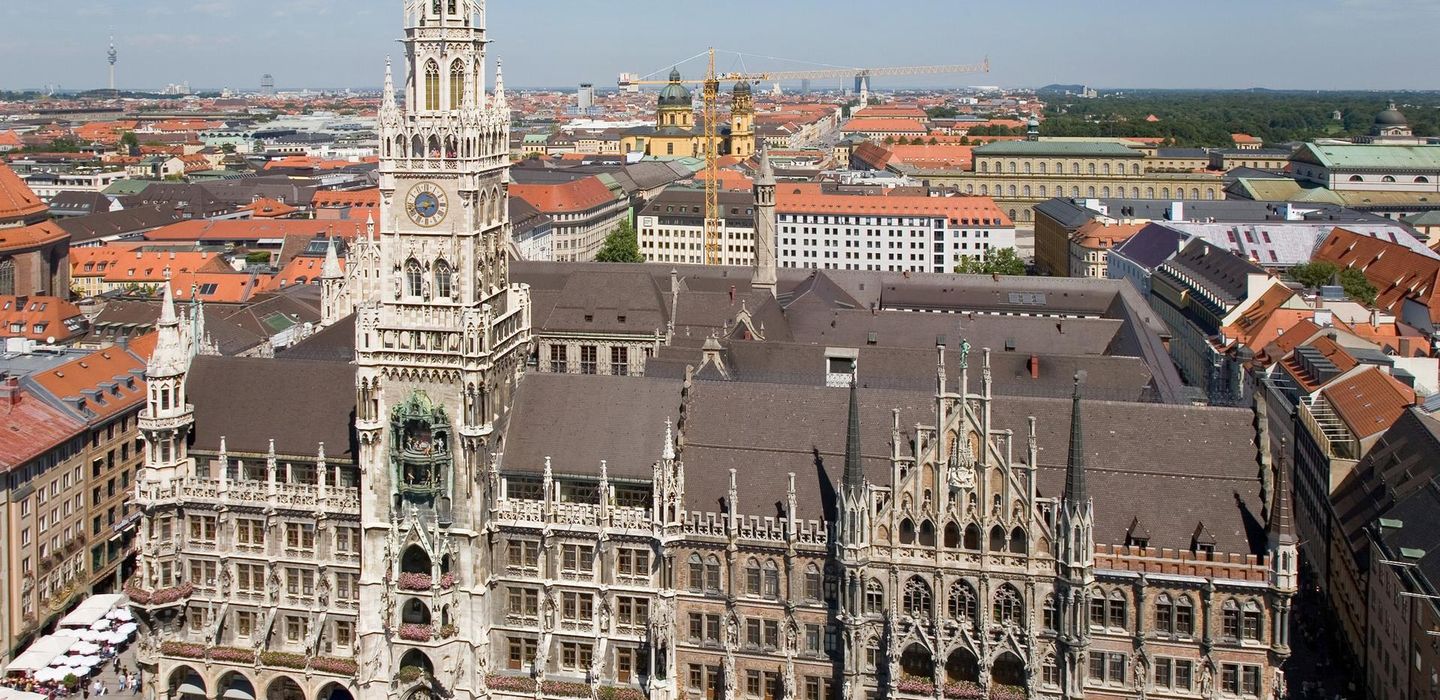
The Rathaus-Glockenspiel, a captivating mechanical clock in Munich's Marienplatz, has been enchanting visitors since 1908. Housed in the New Town Hall, this elaborate carillon features 43 bells and 32 life-sized figures that re-enact two significant events from Munich's history. The upper level depicts the wedding of Duke Wilhelm V and Renata of Lorraine in 1568, complete with a jousting tournament. Below, the Schäfflertanz (coopers' dance) commemorates the end of the 1517 plague, with dancers bringing cheer to the streets. The performance, lasting about 15 minutes, is a delightful spectacle of Bavarian tradition and craftsmanship, drawing crowds daily to witness this free and unforgettable show. A small golden rooster chirps three times at the end of the show.
Mon–Fri 10:00–20:00 · Sat–Sun 10:00–19:00
-
Toy museum4.4★1,371 reviews
Toy Museum Munich
Nestled in the heart of Munich, within the Old Town Hall at Marienplatz, the Toy Museum offers a captivating journey through the history of play. More than just a collection of dolls and trains, it's a vibrant tapestry of childhood memories and technological evolution. From antique teddy bears and intricate dollhouses to pioneering model railways and early robots, the museum showcases the craftsmanship and cultural significance of toys across generations. Its intimate setting, housed within the historic walls of the Rathaus, adds to its charm, providing a unique juxtaposition of historical architecture and playful artifacts. Whether you're a seasoned collector, a nostalgic adult, or a curious child, the Toy Museum promises a delightful and engaging experience, sparking imagination and offering a glimpse into the evolving world of toys and the children who cherished them.
Daily 10:00–17:30
-
Monument4.5★1,038 reviews
Feldherrnhalle
The Feldherrnhalle, a striking 19th-century loggia on Munich's Odeonsplatz, stands as a testament to Bavarian military history and architectural grandeur. Modelled after the Loggia dei Lanzi in Florence, it was commissioned by King Ludwig I to honour the Bavarian army. The hall features bronze statues of military leaders Tilly and Wrede, and imposing stone lions guard its entrance. Beyond its aesthetic appeal, the Feldherrnhalle has been a stage for significant historical events, including the tragic end of Hitler's Beer Hall Putsch in 1923. Today, it serves as a reminder of Munich's complex past, offering visitors a glimpse into Bavarian pride, military ambition, and the rise of National Socialism. While currently undergoing extensive renovations expected to last until 2028, the exterior remains a compelling sight, and its central location makes it an easily accessible landmark for exploration.
Open 24 hours
-
Historical place4.3★881 reviews
Alter Hof
The Alter Hof, or Old Court, is a historic gem nestled in the heart of Munich's Altstadt-Lehel district, a short walk from Marienplatz. This medieval complex, dating back to the 12th century, served as the first permanent residence of the Wittelsbach dynasty, the rulers of Bavaria for over 700 years. Explore the five wings—Burgstock, Zwingerstock, Lorenzistock, Pfisterstock, and Brunnenstock—that blend Gothic and Renaissance architectural styles. Wander through the inner courtyard with its beautiful arcades, and discover the Affentürmchen (Monkey Tower), a charming bay window with a legendary tale. Today, the Alter Hof houses museums, shops, restaurants, and offices, offering a captivating glimpse into Munich's rich history and vibrant present.
Mon–Sat 10:00–18:00
-
Landmark4.3★827 reviews
Lion's Tower
The Lion's Tower (Löwenturm) is a captivating historical landmark nestled in Munich's heart on Rindermarkt. Constructed in the 12th or 14th century, this 23-meter brick tower stands as a testament to the city's rich medieval past. Its original purpose remains a mystery, with theories ranging from a defensive structure to a water tower. Though the interior is inaccessible, the tower's Gothic architecture and the surrounding vibrant atmosphere of Rindermarkt make it a worthwhile stop. Admire its sturdy build, imagine its role in Munich's history, and explore the nearby attractions like the Rindermarkt Fountain and Ruffinihaus. The Lion's Tower offers a unique glimpse into Munich's architectural heritage and cultural symbolism, conveniently located and easily accessible by foot or public transport.
Open 24 hours


Mariensäule
The Mariensäule, a towering Marian column in Munich's central Marienplatz, stands as a powerful symbol of the city's resilience and deep-rooted Catholic faith. Erected in 1638 to celebrate the end of Swedish occupation during the Thirty Years' War, the column is topped with a gilded statue of the Virgin Mary, the Patrona Bavariae, watching over Bavaria. The Mariensäule isn't just a monument; it's a focal point for both locals and tourists, a place to meet, reflect, and soak in the vibrant atmosphere of Munich's historic heart. The column's base features putti figures battling symbolic evils, adding layers of historical and artistic interest. Surrounded by the iconic New Town Hall and bustling pedestrian zone, the Mariensäule offers a quintessential Munich experience.
Open 24 hours

War memorial in the courtyard
The War Memorial in the Courtyard, or Kriegerdenkmal, stands as a poignant reminder of Munich's past. Located in the serene Hofgarten, this memorial commemorates the soldiers from Munich who lost their lives in World War I and World War II. Inaugurated in 1924, the memorial features an open crypt with a statue of a fallen soldier, symbolizing sacrifice and bravery. Visitors can descend into the crypt via four cornered stairs, where inscriptions honor the fallen. The site provides a space for quiet reflection amidst the bustling city, encouraging visitors to contemplate the impact of war and the importance of peace. Open daily from 7 am to 10 pm, the memorial offers a free and accessible experience for those wishing to pay their respects and learn about Munich's history.
Daily 7:00–22:00

Monument to King Ludwig I
The Monument to King Ludwig I, prominently situated on Munich's Odeonsplatz, stands as a lasting tribute to the monarch's significant contributions to Bavaria's cultural and architectural landscape during the 19th century. Flanked by iconic structures like the Feldherrnhalle, Theatinerkirche, and the Munich Residenz, the monument serves as a focal point within this historic square. King Ludwig I's reign marked a golden era for Munich, witnessing its transformation into a city celebrated for its artistic achievements and architectural grandeur. The monument not only commemorates his patronage of the arts and sciences but also his vision for urban development, which shaped Munich into the city it is today. Visitors can admire the neoclassical design, intricate sculptures, and detailed reliefs that narrate key moments from his reign, offering a glimpse into Bavaria's rich history and royal heritage. Odeonsplatz itself provides a vibrant backdrop, with its bustling atmosphere and proximity to other cultural landmarks, making the monument a must-see destination for anyone exploring Munich.
Open 24 hours

Bazargebäude
The Bazargebäude, an elegant building complex gracing the east side of Munich's Odeonsplatz, is a testament to the city's rich architectural heritage. Designed by Leo von Klenze in the early 19th century, this neoclassical structure, with its symmetrical facade and subtle arcades, provides a striking backdrop to one of Munich's most iconic squares. Housing a variety of shops and cafes, the Bazargebäude not only contributes to the aesthetic appeal of Odeonsplatz but also serves as a vibrant hub of activity. Its historical significance, coupled with its prime location near landmarks like the Hofgarten and the Residenz, makes it a must-see for visitors exploring Munich's historical center. The building stands as a reminder of Munich's royal past and its commitment to preserving architectural beauty amidst a bustling modern city.
Open 24 hours

Statue
Nestled in Munich's historic Altstadt-Lehel district, this statue offers a glimpse into the city's artistic soul. While its specific identity remains somewhat elusive, its presence contributes to the area's rich tapestry of public art. Surrounded by architectural marvels and bustling streets, the statue provides a moment of contemplation amidst the urban energy. Explore the nearby shops, cafes, and historical landmarks, immersing yourself in the vibrant atmosphere of Munich's old town. Whether you're an art enthusiast or a curious traveler, this statue serves as a compelling starting point for discovering the cultural treasures of Altstadt-Lehel, a district known for its blend of tradition and modernity. The statue is a reminder of Munich's commitment to public art and its dedication to preserving its historical charm, making it a worthwhile stop on any exploration of the city.

Floßmeister Denkmal
The Floßmeister Denkmal, nestled along the Isar River in Munich's Altstadt-Lehel district, commemorates the city's historical connection to timber rafting and the skilled raftsmen known as 'Floßmeister.' This monument serves as a reminder of the vital role the Isar River played in Munich's economic development, particularly in the transport of timber from the Bavarian Alps. The monument provides a picturesque spot for reflection and appreciation of Munich's rich cultural heritage. A visit offers a tranquil escape from the bustling city center, inviting visitors to connect with the natural beauty of the Isar and the legacy of those who navigated its waters. The surrounding area, with its charming streets and historic architecture, enhances the experience, making it a worthwhile destination for those seeking to capture the essence of Munich.
Explore Altstadt-Lehel on the map
A handpicked selection of must-see spots in Altstadt-Lehel, mapped for you.
More about Altstadt-Lehel
Altstadt-Lehel travel guide
Altstadt-Lehel in Munich combines medieval lanes, royal museums, Viktualienmarkt, riverside walks, Bavarian dining and historic city-centre sights.
Tell me more about Altstadt-LehelMore to explore in Altstadt-Lehel

 Best attractions in Altstadt-Lehel

 Best shops in Altstadt-Lehel

 Best bars in Altstadt-Lehel

 Best restaurants in Altstadt-Lehel

 Best nightclubs in Altstadt-Lehel

 Best experiences in Altstadt-Lehel

 Best hotels in Altstadt-Lehel
Explore more

Explore more of Munich
Munich blends Bavarian heritage, grand museums, Gothic landmarks, beer gardens and Alpine access, with memorable architecture, culture and local food.
Explore Munich
Getting your guide ready…
We are putting together a fresh copy of the Altstadt-Lehel guide. This can take up to a minute.
This can take a few moments. If your browser asks, choose Allow so the download can start. You'll find the guide in your Downloads folder.
Nothing happened? Download it again
Sorry, the guide is taking longer than usual. Please try again in a minute, or get it by email instead.