Monument to King Ludwig I: A Royal Tribute
Discover the legacy of King Ludwig I at Munich's Odeonsplatz, a tribute to Bavaria's cultural heritage surrounded by architectural marvels and vibrant city life, offering a glimpse into royal history.
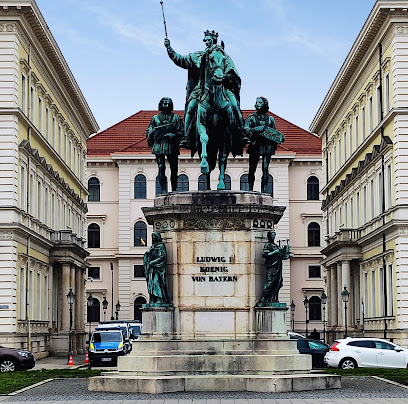
The Monument to King Ludwig I, prominently situated on Munich's Odeonsplatz, stands as a lasting tribute to the monarch's significant contributions to Bavaria's cultural and architectural landscape during the 19th century. Flanked by iconic structures like the Feldherrnhalle, Theatinerkirche, and the Munich Residenz, the monument serves as a focal point within this historic square. King Ludwig I's reign marked a golden era for Munich, witnessing its transformation into a city celebrated for its artistic achievements and architectural grandeur. The monument not only commemorates his patronage of the arts and sciences but also his vision for urban development, which shaped Munich into the city it is today. Visitors can admire the neoclassical design, intricate sculptures, and detailed reliefs that narrate key moments from his reign, offering a glimpse into Bavaria's rich history and royal heritage. Odeonsplatz itself provides a vibrant backdrop, with its bustling atmosphere and proximity to other cultural landmarks, making the monument a must-see destination for anyone exploring Munich.
A brief summary to Monument to King Ludwig I
- Odeonspl., Munich, Maxvorstadt, 80539, DE
- Visit website
Local tips
- Visit during the early morning or late afternoon for fewer crowds and better lighting for photography.
- Combine your visit with a tour of the Munich Residenz to delve deeper into Bavarian royal history.
- Enjoy a coffee at Café Tambosi, one of Munich's oldest coffee houses, located on Odeonsplatz.

Getting There
-
Public Transport
Odeonsplatz is easily accessible via Munich's efficient public transport system. Take the U-Bahn lines U3, U4, U5, or U6 to the Odeonsplatz station. Several bus lines also stop at Odeonsplatz, including line 100. From the station, the monument is a short walk, clearly visible within the square. A single journey ticket within the Munich city zone costs approximately €3.70.
-
Walking
If you are already in Munich's city center (Altstadt), walking to Odeonsplatz is a pleasant option. From Marienplatz, head north along Theatinerstrasse. The walk is approximately 10 minutes, and you'll pass several shops and historical buildings along the way. No costs involved.
-
Taxi/Ride-Share
A taxi or ride-share from Munich Central Station (Hauptbahnhof) to Odeonsplatz typically takes around 5-10 minutes, depending on traffic. The estimated fare is between €11-€15. Be aware that traffic can be heavy during peak hours.
-
Driving
Driving to Odeonsplatz is possible, but parking in the immediate vicinity is limited and can be expensive. Underground parking is available at 'Odeonsplatz' or 'Theatinerstraße'. Expect to pay around €4.50 per hour, with daily maximums varying. Consider using public transport instead due to parking constraints and city center traffic.
Discover more about Monument to King Ludwig I
Iconic landmarks you can’t miss

Monument to King Ludwig I
0.0 km
Discover the Monument to King Ludwig I in Munich, a historical landmark celebrating Bavarian heritage and artistic brilliance.
Odeonspl.
0.0 km
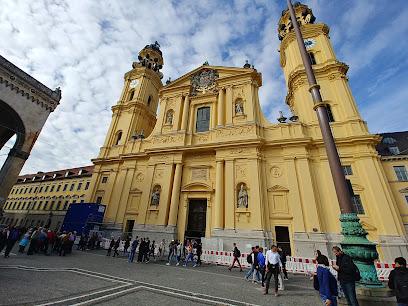
Explore the architectural beauty and rich history of Odeonsplatz, a must-visit square in the heart of Munich with vibrant culture and stunning landmarks.
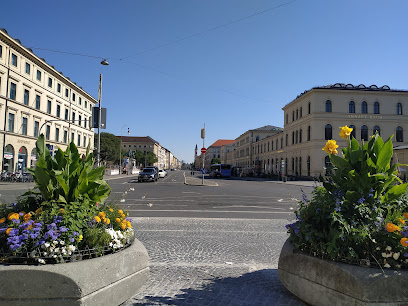
Bazargebäude
0.1 km
Explore the historical wonder of Bazargebäude, a captivating landmark in the heart of Munich that showcases the city's rich architectural heritage.
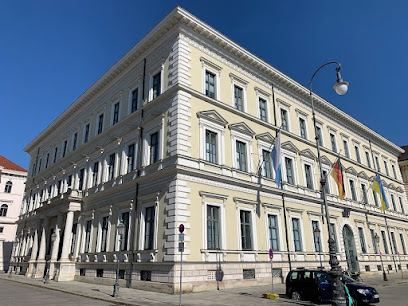
Palais Leuchtenberg
0.1 km
Explore the majestic Palais Leuchtenberg in Munich, a historical landmark that showcases Bavaria's royal heritage amidst stunning architecture and serene gardens.
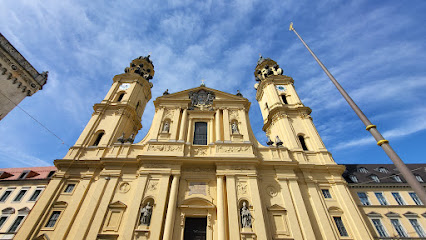
Theatine Church
0.2 km
Explore the breathtaking Theatine Church in Munich, an architectural marvel showcasing Baroque beauty and deep historical significance.
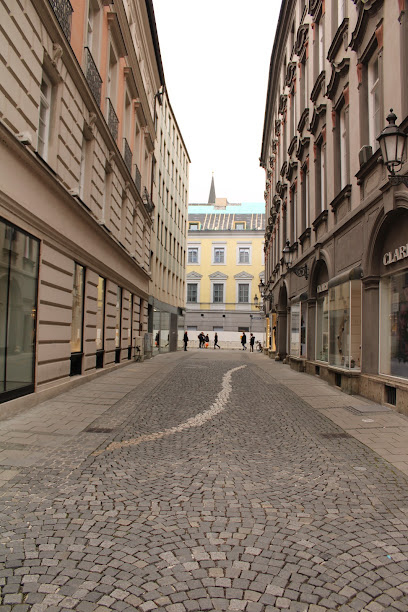
Drückebergergasse
0.3 km
Explore Drückebergergasse, a hidden gem in Munich's heart, where history meets vibrant local culture amidst charming streets and delightful cafes.
Salvatorplatz
0.3 km
Explore the serene Salvatorplatz in Munich's Altstadt-Lehel, a charming square brimming with history, picturesque views, and local culture.
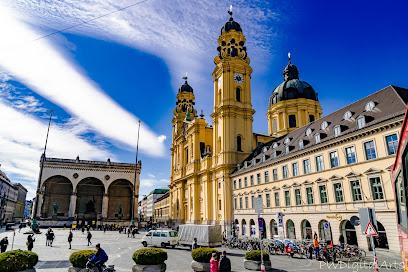
White Rose Memorial Monument
0.3 km
Explore the White Rose Memorial Monument in Munich, a poignant tribute to the bravery of those who resisted tyranny during WWII.
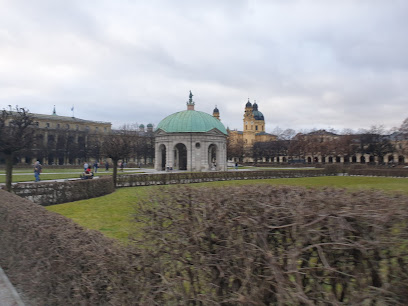
War memorial in the courtyard
0.3 km
Discover Munich's War Memorial: A serene tribute surrounded by lush gardens, honoring those who made the ultimate sacrifice.
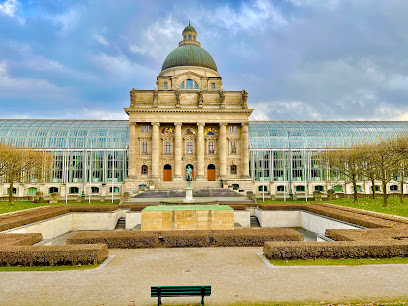
Antiquarium
0.4 km
Explore the Antiquarium in Munich: A Renaissance museum filled with exquisite art and rich history within the grand Residenz.
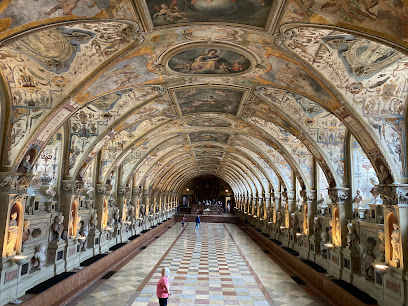
Friedrich Schiller Monument
0.4 km
Discover the Friedrich Schiller Monument in Munich, a stunning tribute to the literary genius and a must-visit historical landmark for all travelers.
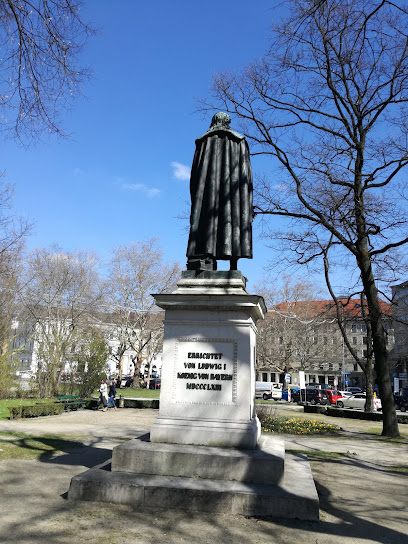
Max-Joseph-Platz
0.4 km
Explore Max-Joseph-Platz in Munich, a cultural gem with stunning architecture, vibrant atmosphere, and a hub for arts and local cuisine.
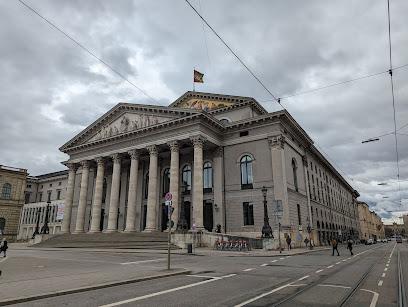
Bavarian State Chancellery
0.4 km
Explore the Bavarian State Chancellery in Munich, a stunning blend of politics and architecture amidst beautiful gardens.
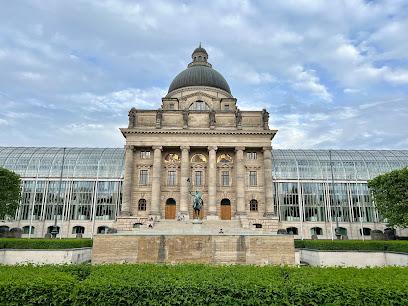
Türkentor
0.5 km
Explore Türkentor, a stunning historical landmark in Munich, blending neoclassical and oriental architecture while reflecting the city's rich cultural heritage.
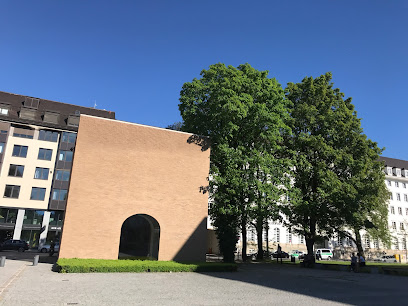
Maximilian-von-Montgelas-Statue
0.5 km
Explore the historical Maximilian-von-Montgelas-Statue in Munich's vibrant Altstadt-Lehel, a tribute to Bavaria's influential statesman.
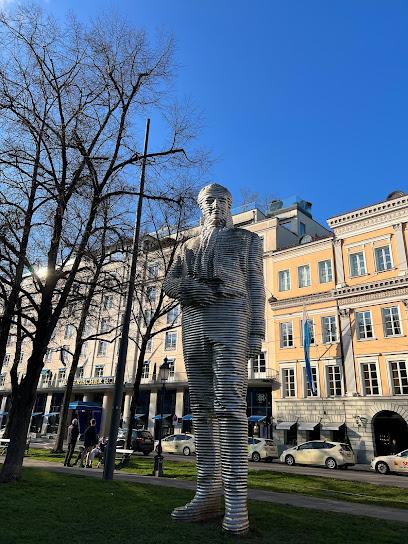
Unmissable attractions to see

Hofbrunnen
0.1 km
Explore the tranquil Hofbrunnen in Munich, a historical fountain surrounded by beauty and culture, perfect for relaxation and stunning photography.
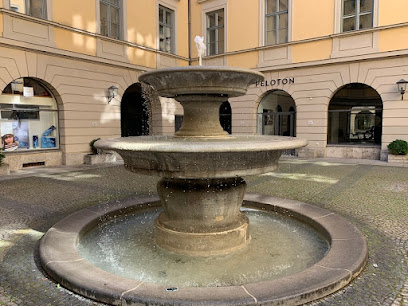
Odeonsplatz
0.2 km
Discover Odeonsplatz, a historic square in Munich rich in culture and architectural beauty, perfect for tourists seeking to experience Bavarian heritage.
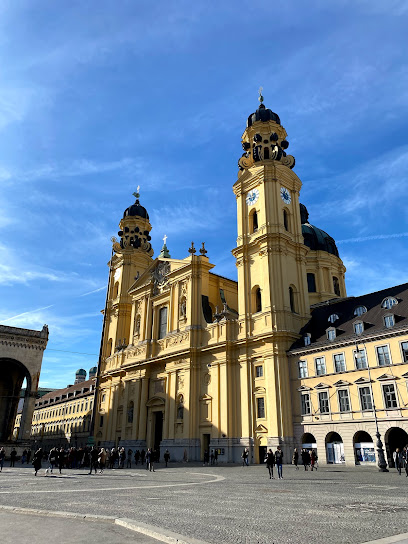
Dianatempel
0.2 km
Explore the Dianatempel in Munich's Hofgarten, a serene historical landmark celebrating the goddess Diana amidst stunning gardens and vibrant culture.
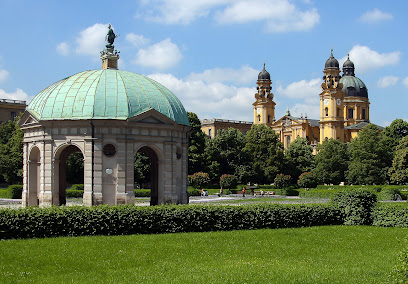
Hofgarten
0.2 km
Explore the serene Hofgarten in Munich, a historic park blending lush landscapes, vibrant culture, and artistic beauty in the heart of the city.
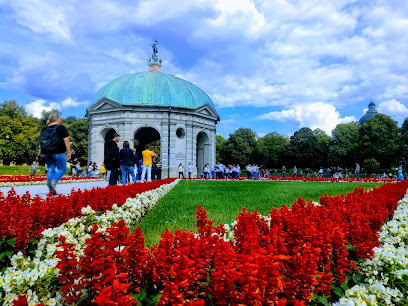
Deutsches Theatermuseum
0.2 km
Explore the captivating history of German theatre at the Deutsches Theatermuseum in Munich, a cultural gem for art lovers and history enthusiasts alike.
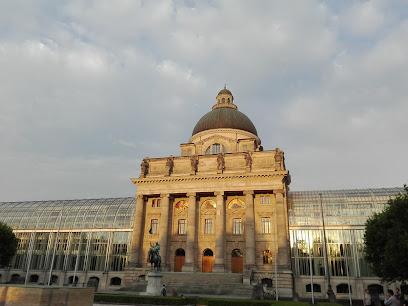
Feldherrnhalle
0.2 km
Explore the majestic Feldherrnhalle in Munich, a stunning monument celebrating Bavarian history and military leaders amidst the city's vibrant atmosphere.
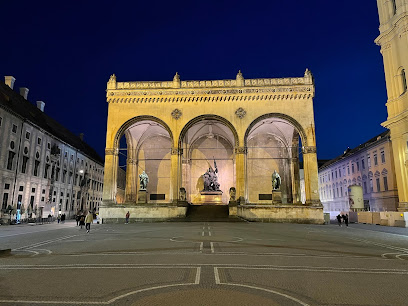
Finanzgarten
0.2 km
Explore the tranquil beauty of Finanzgarten in Munich, where vibrant gardens and serene pathways offer a peaceful escape in the heart of the city.
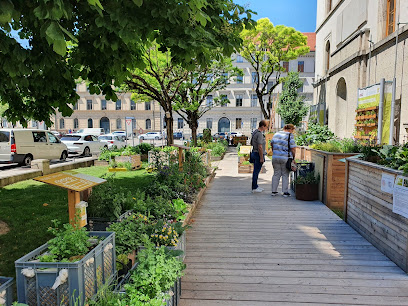
Preysing Palais
0.2 km
Explore the breathtaking Preysing Palais in Munich, a historic site that showcases stunning architecture and rich cultural heritage.
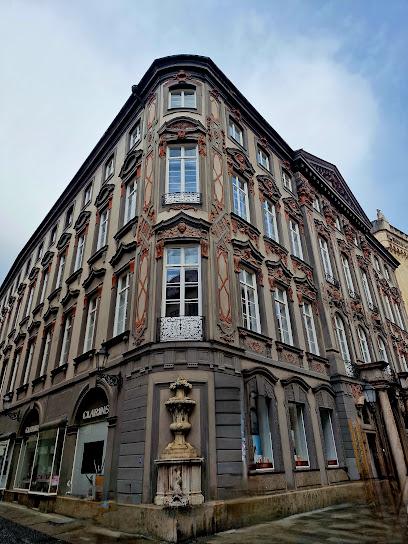
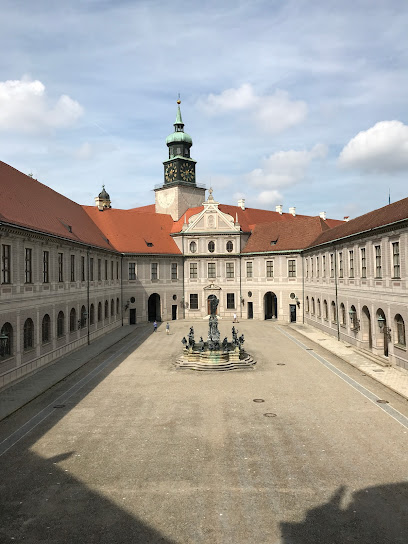
Munich Residence
0.2 km
Explore the stunning Munich Residence, a UNESCO World Heritage site, and delve into Bavaria's royal history through its exquisite art and architecture.
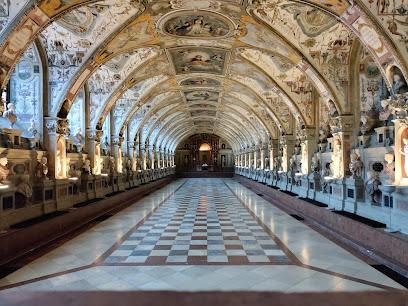
Staatliche Münzsammlung
0.3 km
Discover the rich history of currency at the Staatliche Münzsammlung in Munich, showcasing coins from ancient to modern times.
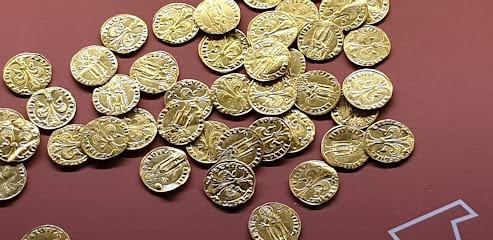
Cuvilliéstheater
0.3 km
Discover the Cuvilliéstheater, Munich's exquisite Baroque theater, a must-see for lovers of performing arts and rich cultural experiences.
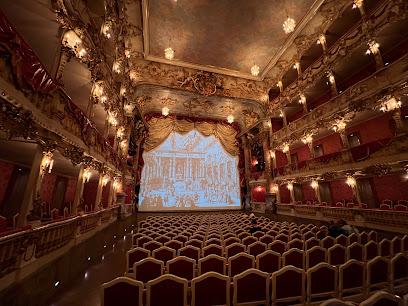
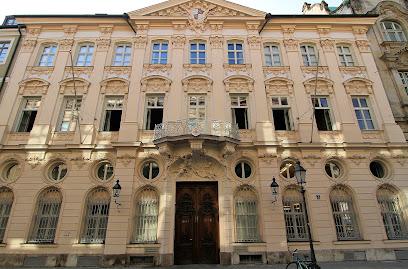
Holnstein Palace
0.4 km
Explore the exquisite Holnstein Palace in Munich, a stunning Baroque masterpiece surrounded by beautiful gardens and rich history.
Kabinettsgarten
0.4 km
Explore the Kabinettsgarten, a stunning garden in Munich's city center, where nature meets history in a peaceful urban oasis.
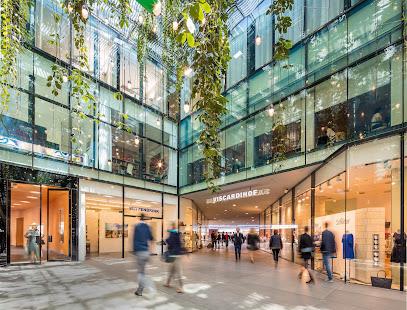
Fünf Höfe
0.4 km
Explore Fünf Höfe in Munich for an exceptional blend of shopping, art, and dining within a stunning architectural setting.
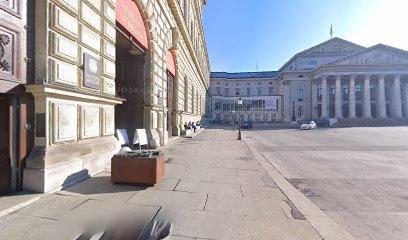
Max-Joseph-Platz 1
0.4 km
Explore the cultural heart of Munich at Max-Joseph-Platz, where history, art, and vibrant life converge in a stunning architectural setting.
Essential places to dine

Restaurant Halali
0.4 km
Discover authentic Bavarian cuisine at Restaurant Halali in Munich - where tradition meets flavor in every dish.
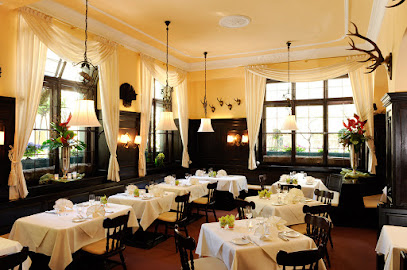
Spatenhaus at the opera
0.4 km
Experience authentic German cuisine with a modern twist at Spatenhaus at the Opera in Munich's cultural heart.
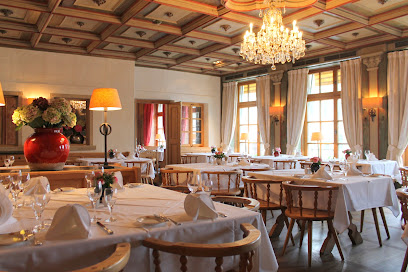
Atelier im Bayerischen Hof
0.5 km
Experience unparalleled fine dining at Atelier im Bayerischen Hof in Munich - where culinary artistry meets elegance.
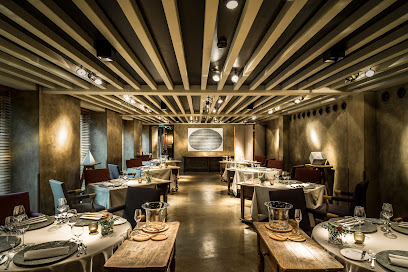
Les Deux
0.5 km
Indulge in exceptional modern French cuisine at Les Deux in Munich - where every dish tells a story.
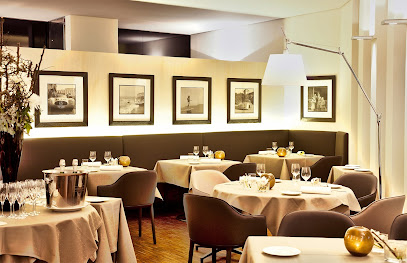
Brenner Restaurant
0.5 km
Experience exquisite Mediterranean cuisine at Brenner Restaurant in Munich - where flavor meets elegance in every dish.
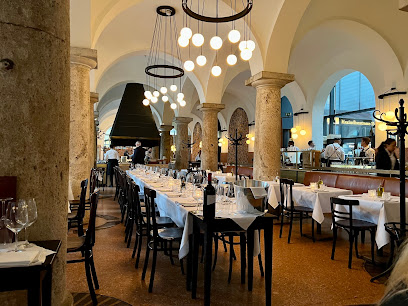
Limoni Ristorante
0.6 km
Savor authentic Italian cuisine in an elegant setting at Limoni Ristorante, Munich's premier dining destination for food lovers.
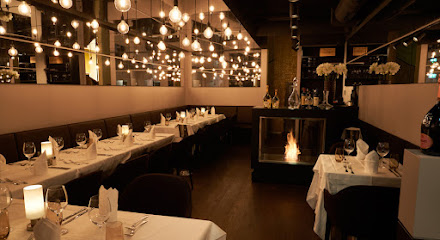
Schwarzreiter Tagesbar & Restaurant
0.6 km
Experience exquisite Bavarian cuisine at Schwarzreiter Tagesbar & Restaurant, where tradition meets modern elegance in the heart of Munich.
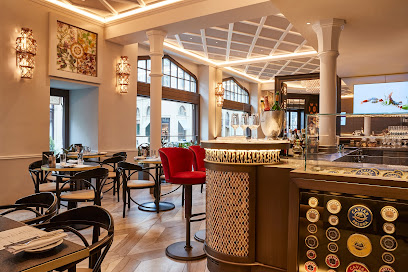
Restaurant Pfistermühle
0.6 km
Discover the perfect blend of traditional German flavors and modern culinary artistry at Munich's esteemed Restaurant Pfistermühle.
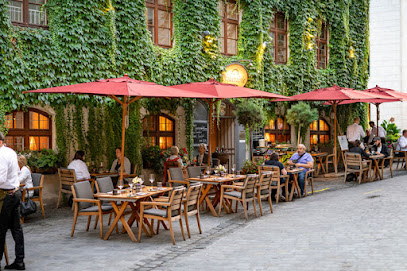
DO & CO Restaurant München
0.6 km
Experience exquisite Asian cuisine at DO & CO Restaurant München – where tradition meets modern culinary artistry in an elegant setting.
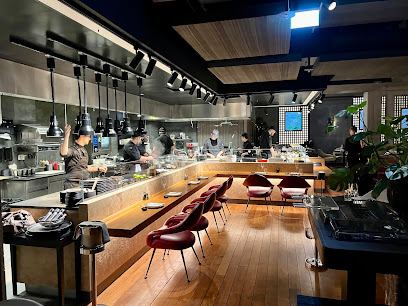
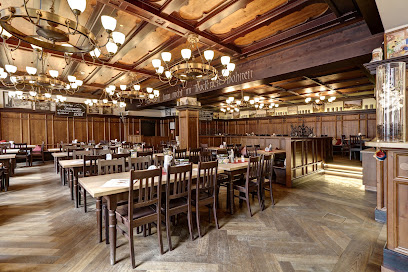
Ayinger am Platzl
0.7 km
Savor authentic Bavarian flavors at Ayinger am Platzl in Munich—where tradition meets taste in a family-friendly atmosphere.
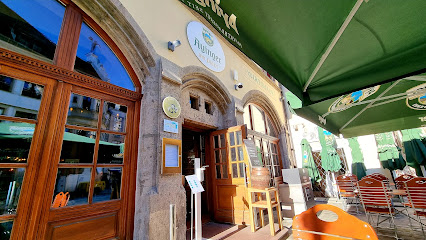
Andechser am Dom
0.7 km
Discover authentic Bavarian cuisine at Andechser am Dom in Munich - a culinary gem serving traditional dishes with local charm.
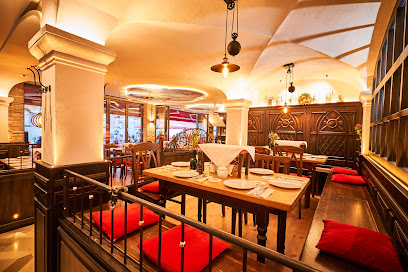
Augustiner am Platzl
0.7 km
Experience authentic Bavarian cuisine and traditional Augustiner beer at Munich's iconic Augustiner am Platzl restaurant and beer garden.
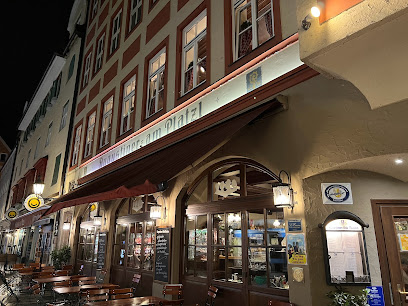
Augustiner Klosterwirt
0.7 km
Discover authentic Bavarian flavors at Augustiner Klosterwirt in Munich—where tradition meets taste in every delightful dish.
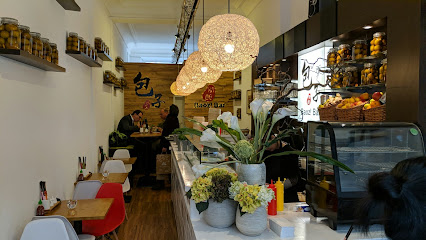
Baoz! Bar
0.7 km
Discover the authentic taste of China at Baoz! Bar in Munich, offering delicious baozi and traditional dishes in a cozy setting.
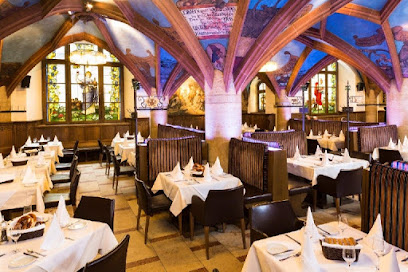
Ratskeller München
0.7 km
Experience authentic Bavarian cuisine at Ratskeller München - a vibrant restaurant in the heart of Munich offering delicious traditional dishes.
Markets, malls and hidden boutiques

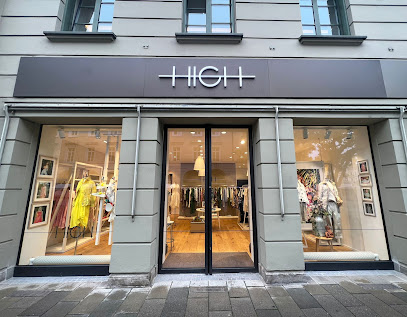
HIGH München
0.2 km
Explore HIGH München: A premier boutique for women's clothing, offering unique styles in the vibrant heart of Munich's shopping district.
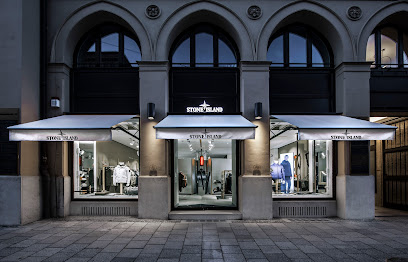
Stone Island
0.4 km
Discover the essence of modern men's fashion at Stone Island in Munich, where style meets function in an iconic shopping experience.
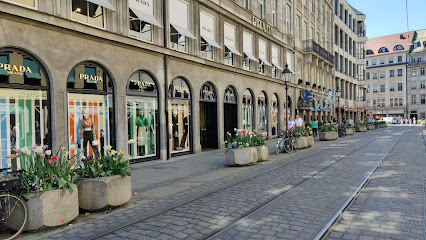
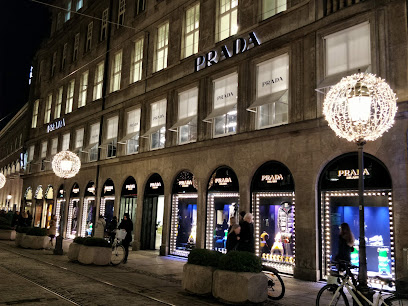
PRADA Munich Store
0.5 km
Discover the elegance and luxury of PRADA Munich, where high fashion meets exceptional craftsmanship in a stunning boutique setting.
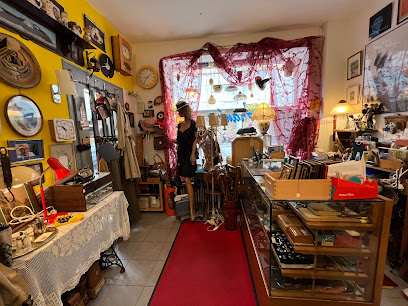
Frankie
0.5 km
Explore Frankie, Munich's enchanting antique store, where every piece tells a story and offers a unique glimpse into history.
Chanel
0.5 km
Discover the elegance of Chanel in Munich - a luxurious shopping experience in the heart of Bavaria's fashion scene.
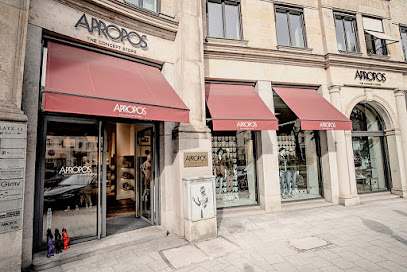
APROPOS - The Concept Store
0.5 km
Explore APROPOS - The Concept Store in Munich for a fashionable blend of clothing, cosmetics, and perfumes in a chic atmosphere.
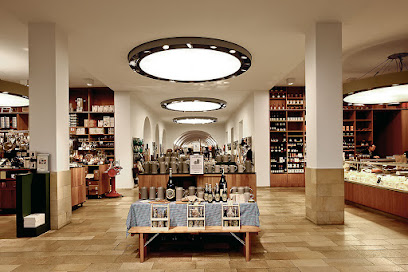
Manufactum Warenhaus
0.6 km
Explore Manufactum Warenhaus in Munich: A unique gift shop and department store offering high-quality German craftsmanship and distinctive souvenirs.
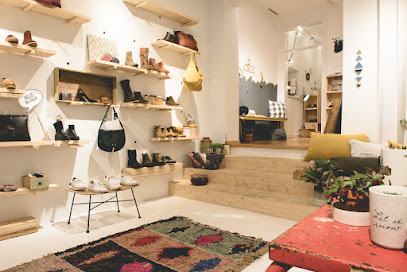
NIA.BAZAR
0.6 km
Explore NIA.BAZAR in Munich for stylish footwear and unique furniture, perfect for enhancing your travel experience.
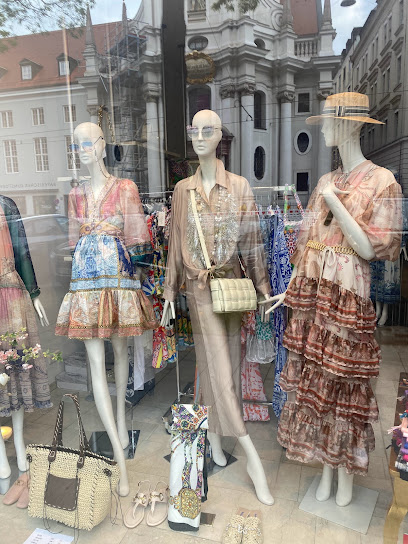
FAMOUS Exclusive Designer Outlet
0.6 km
Discover luxury fashion at unbeatable prices in Munich's FAMOUS Exclusive Designer Outlet, where elegance meets savings!
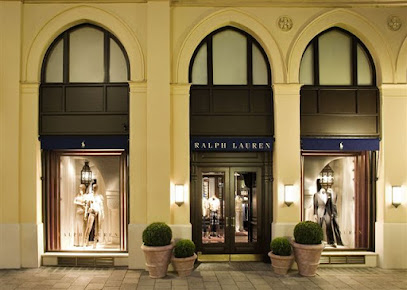
Ralph Lauren Munich
0.7 km
Discover the epitome of luxury shopping at Ralph Lauren Munich, where high fashion meets timeless elegance in the heart of Bavaria.
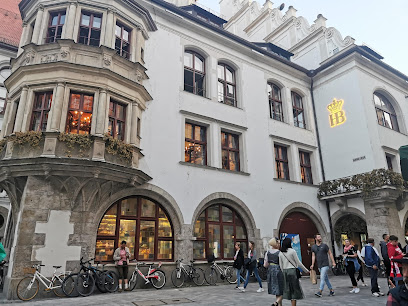
Hofbräuhaus-Souvenirshop
0.7 km
Discover authentic Bavarian souvenirs at the Hofbräuhaus-Souvenirshop, where rich culture meets unique shopping experiences in the heart of Munich.
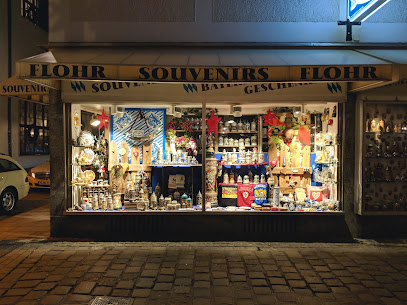
Souvenirs Flohr
0.7 km
Discover unique Bavarian souvenirs and local crafts at Souvenirs Flohr, a must-visit store in the heart of Munich, perfect for every traveler.
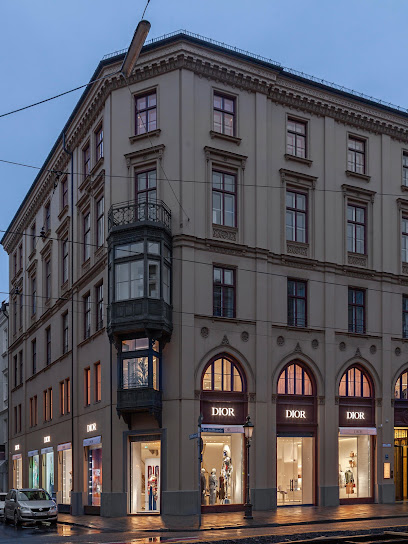
DIOR Munich Maximilianstrasse Store
0.7 km
Discover the elegance of DIOR in Munich, where luxury fashion meets timeless sophistication in a stunning boutique setting.
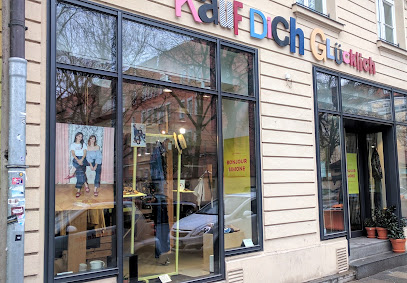
Kauf Dich Glücklich München
0.7 km
Discover trendy fashion and unique finds at Kauf Dich Glücklich München, the must-visit clothing and shoe store in Munich's vibrant Maxvorstadt.
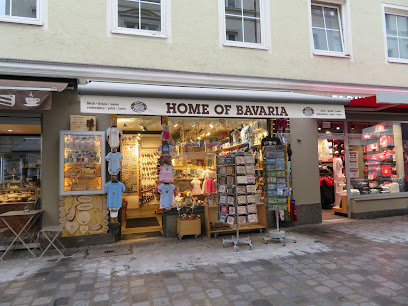
Home of Bavaria
0.7 km
Explore Bavarian culture and find unique souvenirs at the Home of Bavaria, a charming gift shop in the heart of Munich.
Essential bars & hidden hideouts

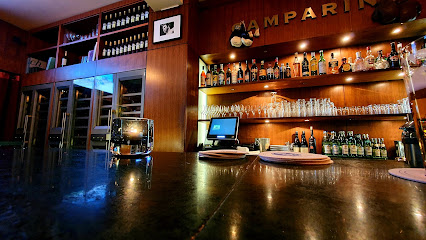
Schumann's
0.1 km
Discover the vibrant atmosphere and exquisite cocktails at Schumann's, a premier bar in the heart of Munich's Altstadt-Lehel district.
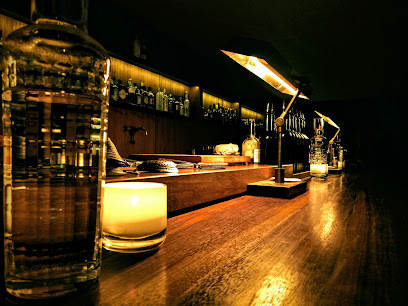
Les Fleurs du Mal
0.1 km
Experience an enchanting evening at Les Fleurs du Mal, Munich’s sophisticated bar, perfect for cocktails and mingling in a vibrant atmosphere.
BAR UNO
0.2 km
Experience Munich's vibrant nightlife at BAR UNO, a stylish bar in Maxvorstadt known for its innovative cocktails and inviting atmosphere.
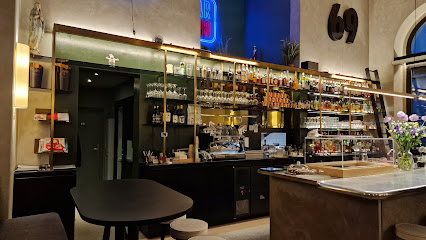
Bar Mural
0.4 km
Experience the ultimate wine and dine at Bar Mural, Munich's premier wine bar with gourmet cuisine in a sophisticated setting.
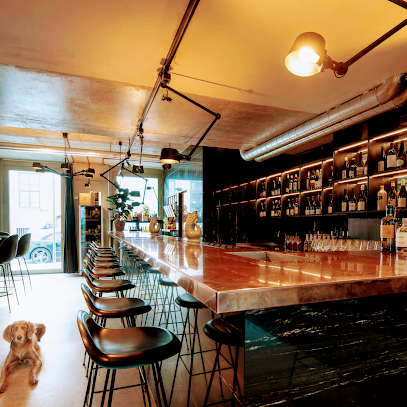
Bar Sehnsucht /Restaurant
0.4 km
Discover the essence of Munich at Bar Sehnsucht, where delicious cuisine meets a vibrant nightlife experience in a cozy atmosphere.
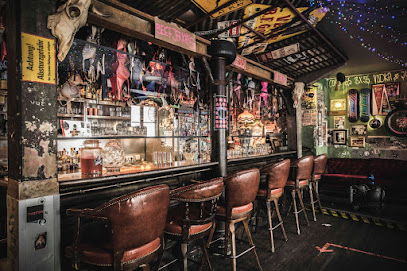
Home Munich
0.4 km
Discover the charm of Home Munich, a cozy bar in the heart of the city, perfect for drinks and socializing with locals.
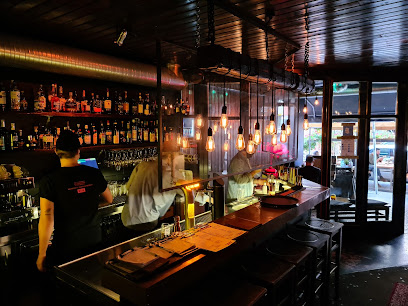
falk's Bar
0.5 km
Discover Munich's elegance at Falk's Bar, where exquisite cocktails meet a sophisticated atmosphere for the perfect evening retreat.
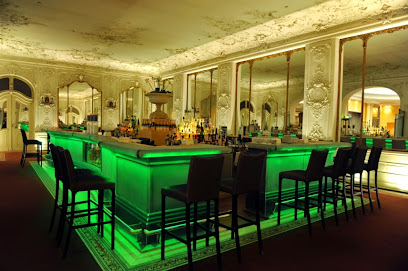
Bayerischer Hof Roof Terrace
0.5 km
Discover the breathtaking views and exquisite grilled flavors at the Bayerischer Hof Roof Terrace in Munich, a true culinary gem in the sky.
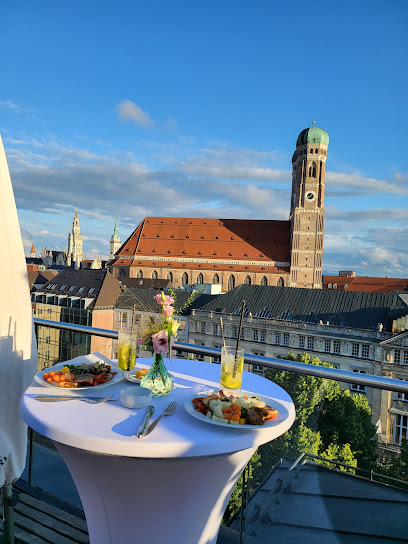
Cabane Bar
0.5 km
Discover the vibrant atmosphere of Cabane Bar in Munich, where exquisite cocktails and a welcoming ambiance create unforgettable nights.
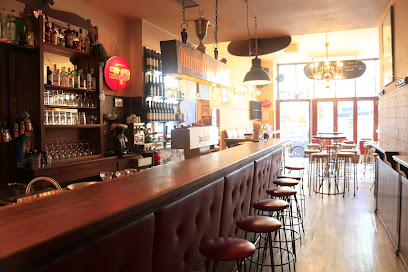
Tabacco
0.6 km
Experience the elegance of Tabacco, Munich's premier cocktail bar, where mixology meets a stylish ambiance in the heart of the city.
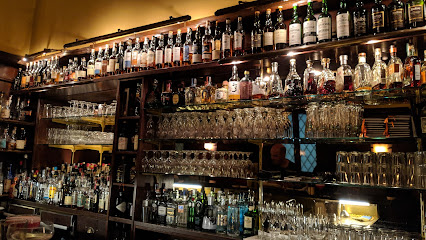
Die Goldene Bar
0.6 km
Discover the luxurious ambiance and exquisite cocktails at Die Goldene Bar in Munich, a must-visit for nightlife enthusiasts.
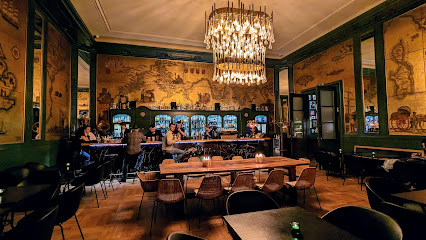
Pusser's
0.6 km
Discover the vibrant nightlife at Pusser's, Munich's premier cocktail bar with live music and an unforgettable atmosphere.
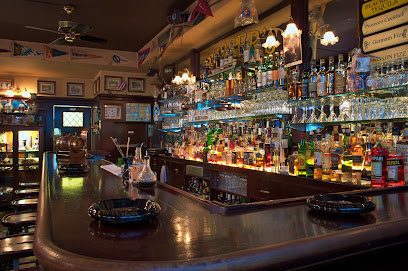
Bar Valentin
0.6 km
Experience the vibrant spirit of Munich at Bar Valentin, a cozy bar offering exquisite cocktails and a welcoming atmosphere in the heart of the city.
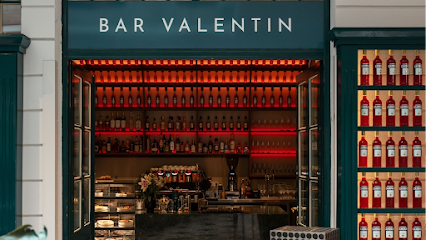
Cohibar City - München
0.7 km
Discover the lively Cohibar City in Munich, a perfect blend of vibrant nightlife and local flavors in a welcoming bar and pub setting.
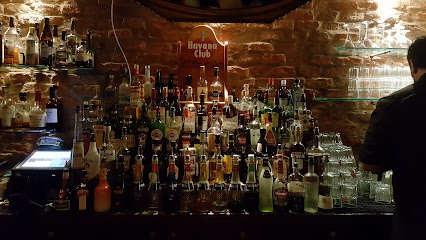
The Royal Dolores
0.7 km
Discover the charm of The Royal Dolores, an underground bar in Munich offering a cozy atmosphere, local brews, and a taste of Bavarian culture.
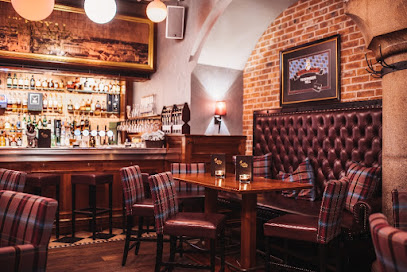
Nightclubs & after hour spots

Moj Club
0.5 km
Discover Moj Club, Munich's ultimate nightlife destination, where the rhythms of music and dance create unforgettable memories under the city lights.
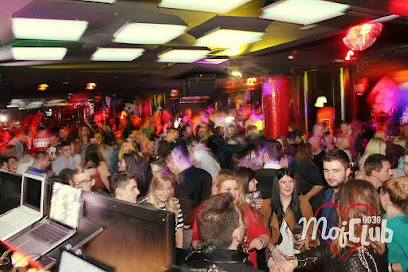
Sweet Club
0.6 km
Immerse yourself in the dynamic nightlife of Munich at Sweet Club, where great music and an electric atmosphere await.
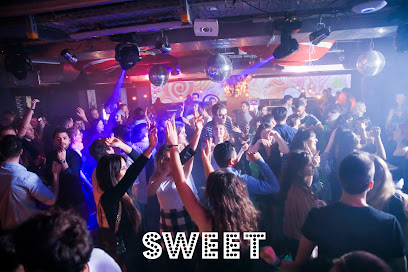
Call Me Drella - München
0.6 km
Discover the electrifying nightlife at Call Me Drella, Munich's premier night club for an unforgettable evening of music, dancing, and fun.
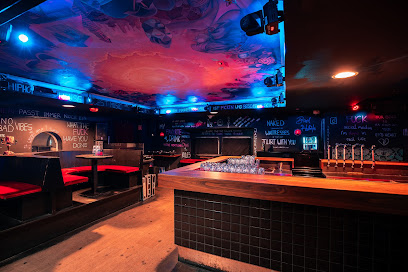
Rote Sonne
0.6 km
Discover Munich's vibrant nightlife at Rote Sonne, a premier night club known for its electrifying atmosphere and eclectic music selection.
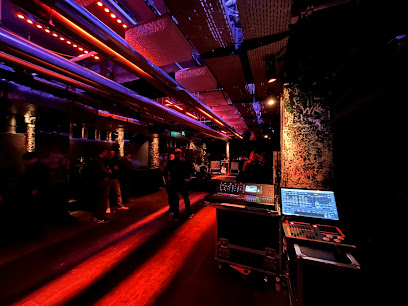
P1 Club
0.6 km
Dive into a night of luxury and excitement at P1 Club, Munich's premier nightlife destination, where music and dancing come alive.
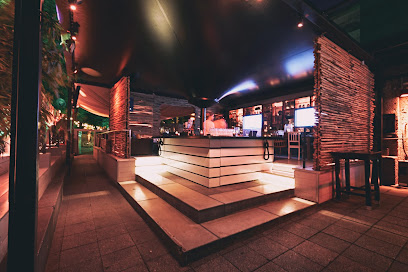
089 Bar & Lounge - München
0.6 km
Experience the vibrant nightlife of Munich at 089 Bar & Lounge, a perfect blend of bar and club atmosphere in the heart of the city.
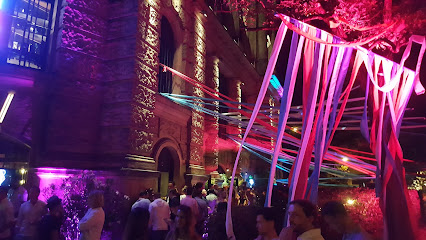
Pacha
0.6 km
Experience the electrifying nightlife of Munich at Pacha, a premier night club known for its vibrant atmosphere and top-tier DJs.
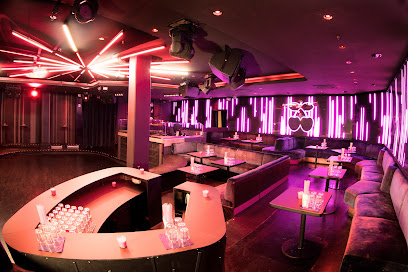
Kaulbachalm
0.6 km
Discover the energizing nightlife at Kaulbachalm, a top night club in Munich's Maxvorstadt, perfect for dancing and socializing.

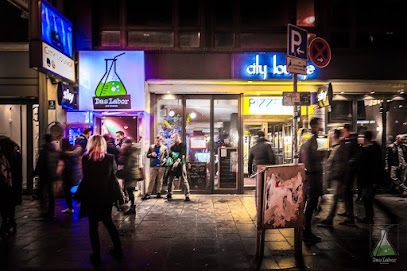
Das LABOR - München
1.1 km
Discover Das LABOR, Munich's vibrant night club and cocktail bar, where unforgettable nightlife meets expertly crafted cocktails.
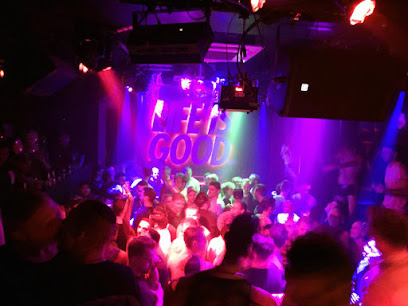
NY.Club
1.2 km
Experience the vibrant LGBTQ+ nightlife at NY.Club in Munich, where dancing, music, and community come together for unforgettable nights.
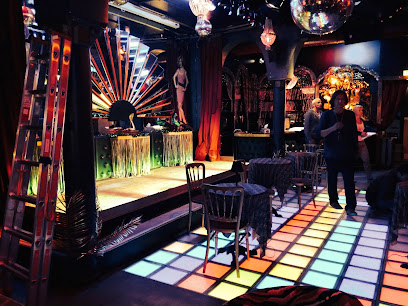
Paradiso Tanzbar
1.2 km
Experience the vibrant nightlife of Munich at Paradiso Tanzbar, a premier dance club offering unforgettable nights filled with music and energy.
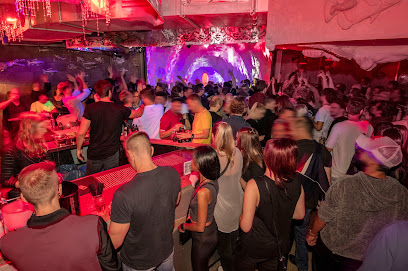
Harry Klein
1.2 km
Discover the heart of Munich's nightlife at Harry Klein, where electrifying music and a stylish atmosphere create unforgettable nights.
VIP Club Munich - München
1.2 km
Experience the vibrant nightlife of Munich at VIP Club, where electrifying music and an energetic atmosphere create unforgettable nights.
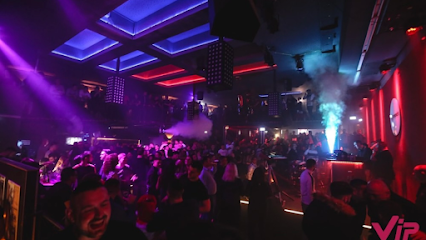
Alte Galerie
1.3 km
Discover the vibrant nightlife at Alte Galerie, Munich's premier dance restaurant and cocktail bar, where unforgettable memories await.
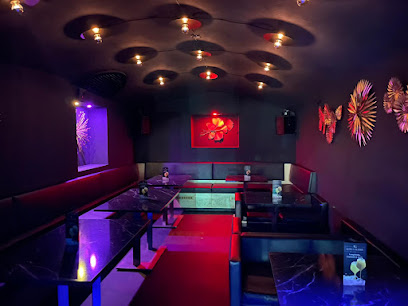
Benny
1.3 km
Discover the vibrant nightlife of Munich at Benny, the ultimate destination for a thrilling nightclub experience with electrifying music and a lively atmosphere.