

Mount Taygetos Travel Guide - Free Web & App
Your ultimate guide to Mount Taygetos. Discover top landmarks, proposed trips, and local tips. Free on the web or via the Evendo companion app.


Mount Taygetos in Greece rises above the Peloponnese with rugged trails, pine forests, Byzantine Mystras, mountain villages and views across Laconia and the Mani.
A Mountain Range Between Two Regions
Mount Taygetos is the dominant mountain range of the southern Peloponnese, rising between Laconia and Messenia and forming a dramatic backdrop to Sparta, Kalamata and the Mani. Its highest summit, Profitis Ilias, reaches approximately 2,404 metres, making Taygetos the tallest mountain in the Peloponnese. The range is defined by steep limestone ridges, deep ravines, upland plateaux and forested slopes, with conditions changing markedly between its lower villages and exposed high country.Read more about Mount Taygetos
Landscape, Villages and Heritage
Walking and Mountain Character
When is the best time to visit Mount Taygetos?
Best: June–July, September · 24–27°C| Month | High (°C) | Rainfall (mm) |
|---|---|---|
| January | 12 | 118 |
| February | 12 | 108 |
| March | 13 | 103 |
| April | 16 | 82 |
| May | 20 | 66 |
| June (best) | 24 | 59 |
| July (best) | 27 | 52 |
| August | 27 | 55 |
| September (best) | 24 | 62 |
| October | 20 | 84 |
| November | 16 | 101 |
| December | 13 | 113 |
Getting to and around Mount Taygetos
How to get there
Transportation
Best attractions in Mount Taygetos
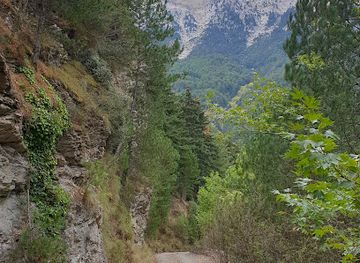
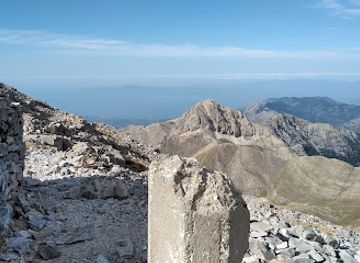
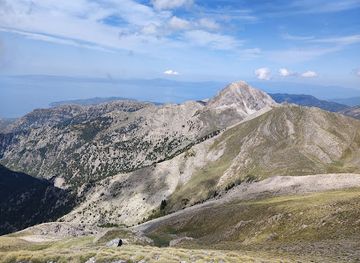
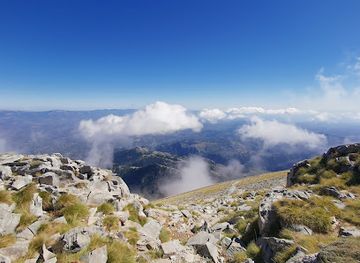
The principal attraction of Mount Taygetos is its varied mountain landscape, from the forested lower slopes and ravines above Sparta to the exposed ridges surrounding Profitis Ilias, the range’s approximately 2,404-metre summit. Walkers can explore routes on both the Laconian and Messenian sides, with the character of the terrain changing between wooded valleys, upland meadows and limestone country. The villages of Anavryti and Parori provide access to the eastern foothills, while Artemisia and Alagonia are useful western-side reference points near Kalamata. At the foot of the range, Mystras offers a major cultural counterpoint through its Byzantine churches, monasteries and fortified hill. The Eurotas valley provides broad views towards the eastern slopes, while roads crossing the mountain reveal changing perspectives of Laconia, Messenia and, in clear weather, the distant coast. Attractions are dispersed, and many are best experienced through planned walks rather than rapid sightseeing.
-
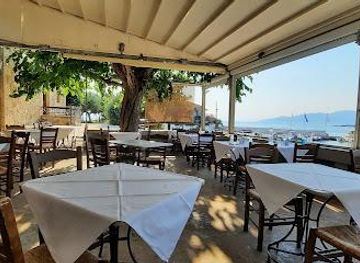
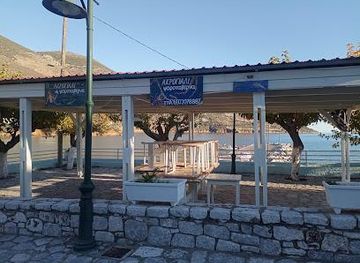
AKROGIALI
Experience the authentic flavors of Greece at Akrogiali, a coastal restaurant offering fresh seafood and stunning sea views in Stoupa, West Mani.
-
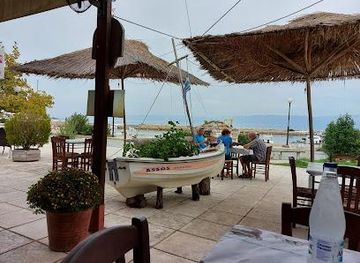
Akrogiali Fish Tavern
Experience the best of Greek seafood at Akrogiali Fish Tavern in Kotronas, where fresh flavors meet stunning Mediterranean views.
-
Akrogiáli
Experience the essence of Greek cuisine at Akrogiáli in Ag. Andréas, where stunning views meet exceptional flavors in a warm, inviting atmosphere.
-
Hiking area
Manganiari Spring
Discover the tranquil beauty and hiking adventures at Manganiari Spring in Greece's Peloponnese, perfect for nature lovers and outdoor enthusiasts.
Best landmarks in Mount Taygetos
Profitis Ilias, at about 2,404 metres, is the defining natural landmark of Mount Taygetos and the focal point of the range’s high ridges. The mountain’s limestone crags, ravines and forested slopes create a powerful physical boundary between Laconia and Messenia, while the Eurotas valley opens the clearest eastern perspective towards Sparta. At the foot of the range, the fortified hill of Mystras is the outstanding historic landmark, preserving Byzantine churches, monasteries, palaces and defensive walls above the modern plain. Villages such as Anavryti and Artemisia are landmarks of a different kind, representing the long human presence in Taygetos’s steep interior. The mountain passes, springs and paths that connect these settlements are part of the region’s cultural landscape, shaped by pastoral movement, agriculture and travel between the two sides of the Peloponnese.
-
Greek Orthodox church
Prophet Elias / Peak of Mt Taygetos
Reach the summit of Mt. Taygetos and discover the Prophet Elias church, a spiritual sanctuary with unparalleled panoramic views of the Peloponnese.
-
Hiking area
Taygetos Mountain Peak, Prophet Elias
Hike to the summit of the Peloponnese, where history, mythology, and breathtaking views converge at the sacred Prophet Elias Peak on Mount Taygetos.
-
Tourist attraction
Μνημείο Δημήτρη Λιαντίνη
A serene memorial honoring the life and philosophical contributions of Dimitris Liantinis near the village of Farida.
Explore Mount Taygetos on the map
Plan your trip on one map. See where the top attractions, landmarks, restaurants and hotels are, and book hotels and experiences in a few clicks.
Best hotels in Mount Taygetos
Best restaurants in Mount Taygetos
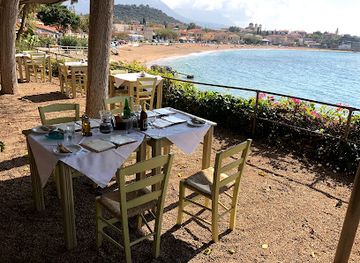
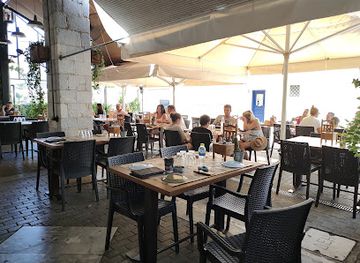
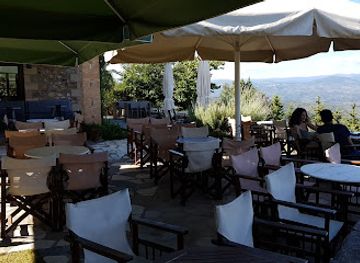
Dining around Mount Taygetos is concentrated in Sparta, Kalamata, Mystras and the surrounding villages rather than in the high mountain interior. Local cooking reflects the wider Peloponnese, with olive oil, seasonal vegetables, pulses, herbs, cheeses, grilled meats and regional breads forming the basis of many tavern meals. Kalamata is particularly associated with olives and olive oil, while villages on both sides of the range offer traditional tavernas and cafés where menus follow local produce and the season. Around Mystras and Sparta, visitors can combine Byzantine heritage with straightforward Laconian cooking, whereas western foothill villages provide a more rural setting. Travellers heading into remote areas should not expect regular food services and may need to eat before departure or carry provisions, especially outside the principal settlements and busier periods.
-
Restaurant
Stoupa Restaurant
Experience authentic Greek flavors at Stoupa Restaurant in beautiful Stoupa, Greece - where culinary excellence meets stunning coastal views.
-
Greek
Κεχριμπάρι
Experience authentic Greek cuisine at Kεχριμπάρι in Sparti - where every dish tells a story of tradition and flavor.
-
Bistro
mystrasbistro
Experience authentic Greek cuisine at Mystras Bistro in Sparta - where tradition meets modern dining in an inviting atmosphere.
-
Greek
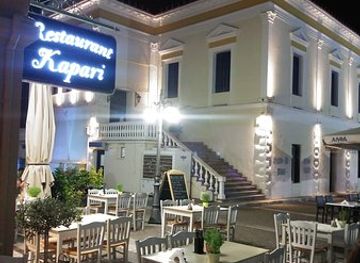
ΚΑΠΑΡΗ
Experience authentic Greek flavors at KAPARI in Sparti - where tradition meets culinary excellence.
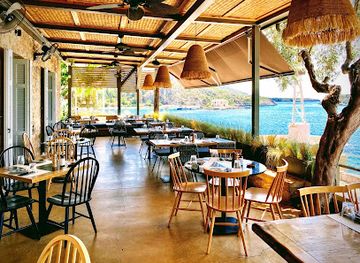
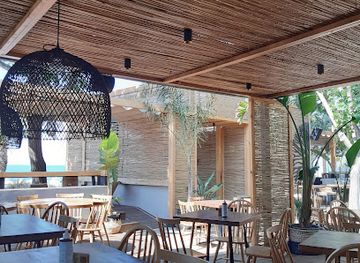
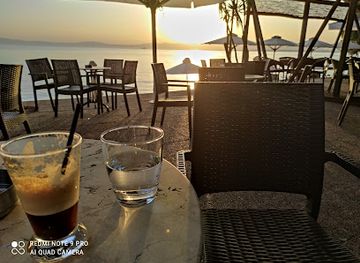
Best bars in Mount Taygetos
Mount Taygetos is not a nightlife destination, and the mountain itself has no concentrated club or bar scene. Evening life is found mainly in Sparta and Kalamata, with quieter hospitality in village cafés, tavernas and traditional meeting places around the foothills. Sparta provides the most convenient eastern-side setting for an evening after visiting Mystras or walking near the Eurotas valley, while Kalamata has the wider choice of bars and late-evening venues outside the mountain area. In smaller Taygetos villages, the atmosphere is generally sociable but unhurried, centred on conversation, coffee and local food rather than organised entertainment. Events and opening patterns vary seasonally, so visitors staying in remote settlements should plan evenings around the facilities of their accommodation and not assume that venues will remain open late.
-
Grill
Da Luz Bar &Grill Kalamata
Experience the best of Kalamata with delicious grilled dishes and a lively atmosphere at Da Luz Bar & Grill, your culinary retreat.
-
Restaurant
Tikla cuzina & wine bar
Experience the best of Greek cuisine and fine wines at Tikla Cuzina & Wine Bar in Kardamili, a true culinary delight on the coast.
-
Grill
Ego Bar
Discover the culinary delights of Ego Bar in Kalamata, where savory grilled dishes meet a lively atmosphere and exquisite drinks.
-
Bar
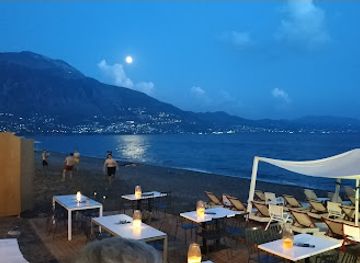
Cosi Beach Bar
Discover the vibrant atmosphere of Cosi Beach Bar in Kalamata, where stunning sea views meet delicious drinks and local culture.
Best nightclubs in Mount Taygetos
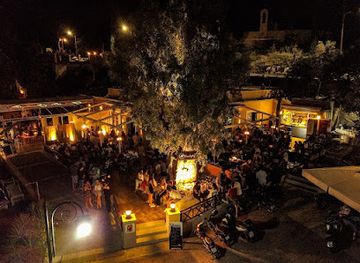
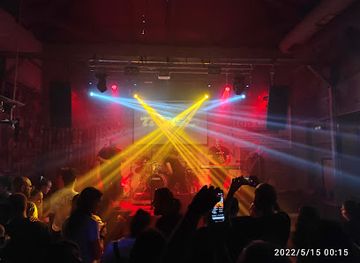
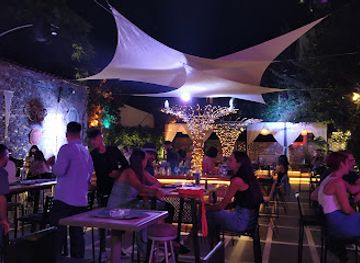
Mount Taygetos is not a nightlife destination, and the mountain itself has no concentrated club or bar scene. Evening life is found mainly in Sparta and Kalamata, with quieter hospitality in village cafés, tavernas and traditional meeting places around the foothills. Sparta provides the most convenient eastern-side setting for an evening after visiting Mystras or walking near the Eurotas valley, while Kalamata has the wider choice of bars and late-evening venues outside the mountain area. In smaller Taygetos villages, the atmosphere is generally sociable but unhurried, centred on conversation, coffee and local food rather than organised entertainment. Events and opening patterns vary seasonally, so visitors staying in remote settlements should plan evenings around the facilities of their accommodation and not assume that venues will remain open late.
-
Night club
Eucalyptus Bar
Experience the vibrant nightlife at Eucalyptus Bar in Plaka, where music, cocktails, and a lively atmosphere await every night.
-
Disco club
Brooklyn Live Stage
Discover vibrant nightlife at Brooklyn Live Stage, a premier disco club in Kalamata, Greece, known for electrifying music and unforgettable experiences.
-
Night club
G MUSIC GALLERY
Experience the vibrant nightlife at G Music Gallery, Sparti's premier night club, offering electrifying music and an unforgettable atmosphere.
-
Disco club
Monroe NightClub
Dive into the heart of Kalamata's nightlife at Monroe NightClub, where vibrant energy, music, and dancing await every night.
Best shops in Mount Taygetos
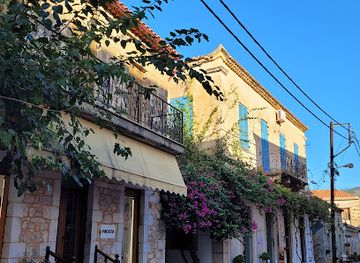
Shopping opportunities in the Mount Taygetos area are modest and are concentrated in Sparta, Kalamata, Mystras and larger foothill settlements rather than on the mountain. Regional products make the most meaningful souvenirs: Kalamata olives and olive oil, local honey, herbs, wine, cheeses and other farm produce reflect the agricultural landscapes around the massif. Village shops and small food producers may offer seasonal goods, while Kalamata and Sparta provide a broader selection of groceries, practical walking supplies and locally made products. Around Mystras, visitors may find craft and heritage-oriented items, although the archaeological site itself should not be confused with a large shopping district. Remote mountain villages have limited retail provision, so food, water and specialist equipment should be obtained in a gateway town before setting out on longer routes.
-
Natural goods store
The Olive Shop
Experience the authentic taste of Greece with premium olive oils and natural products at The Olive Shop in Kardamili.
-
Souvenir store
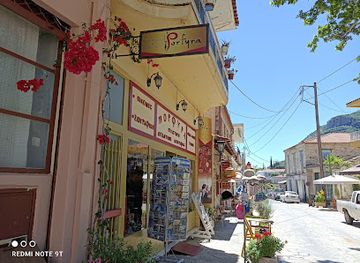
Porfyra (porfyra icons)
Explore Porfyra Icons in Mystras for a unique blend of souvenirs and local artistry that captures the essence of Greece.
-
Gift shop
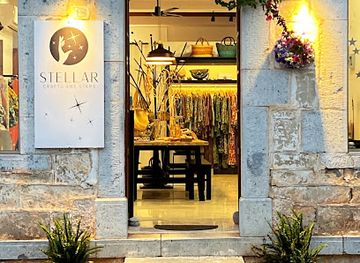
Stellar
Explore Stellar in Kardamyli for unique gifts, clothing, and jewelry that embody the spirit of Greece.
-
 Shopping mall
ΚΟΝΤΟΥΛΑΚΟΣ ΝΙΚΟΣ
Discover the best shopping mall in Sparta, Kontoulakos Nikos, where quality meets local charm and variety.
Get your free copy of our complete guide to Mount Taygetos, delivered straight to you.
Everything on this page, from attractions and restaurants to essentials and local phrases, in one PDF you can read offline, print or share.
Already have an account? Sign in
Your Mount Taygetos guide is ready.
We'll send it to · Not you? Sign out

Getting your guide ready…
We are putting together a fresh copy of the Mount Taygetos guide. This can take up to a minute.
This can take a few moments. If your browser asks, choose Allow so the download can start. You'll find the guide in your Downloads folder.
Nothing happened? Download it again
Sorry, the guide is taking longer than usual. Please try again in a minute, or get it by email instead.
Mount Taygetos essentials
Currency and Payment
Safety
Emergency Situations
Do's and Don'ts
Local Tips
From Eve
Local phrases worth knowing
You don't need to get them perfect. A few words go a long way, and locals appreciate the effort.
Basics
| English | Local | Say it |
|---|---|---|
| Hello | Γεια σας | [Yah sas] |
| Goodbye | Αντίο | [Adio] |
| Yes | Ναι | [Neh] |
| No | Όχι | [Ohi] |
| Please/You're welcome | Παρακαλώ | [Parakalo] |
| Thank you | Ευχαριστώ | [Efharisto] |
| Excuse me/Sorry | Συγνώμη | [Signomi] |
| How are you? | Πώς είστε; | [Pos iste] |
| Fine. And you? | Καλά. Εσείς; | [Kala. Esis] |
| Do you speak English? | Μιλάτε Αγγλικά; | [Milate Anglika] |
| I don't understand | Δεν καταλαβαίνω | [Den katalavaino] |
Eating & Drinking
| English | Local | Say it |
|---|---|---|
| I'd like to see the menu, please | Θα ήθελα να δω το μενού, παρακαλώ | [Tha ithela na do to menou, parakalo] |
| I don't eat meat | Δεν τρώω κρέας | [Den troo kreas] |
| Cheers! | ΥΓΕΙΑ! | [Yia] |
| I would like to pay, please | Θα ήθελα να πληρώσω, παρακαλώ | [Tha ithela na plirosso, parakalo] |
Emergencies
| English | Local | Say it |
|---|---|---|
| Help! | Βοήθεια! | [Voeetheea] |
| Go away! | Φύγε! | [Fyge] |
| Call the Police! | Καλέστε την αστυνομία! | [Kaleste tin astinomia] |
| Call a doctor! | Καλέστε γιατρό! | [Kaleste giatro] |
| I'm lost | Έχω χαθεί | [Eho hathi] |
| I'm ill | Είμαι άρρωστος | [Eeme arrostos] |
Shopping
| English | Local | Say it |
|---|---|---|
| I'd like to buy... | Θα ήθελα να αγοράσω... | [Tha ithela na agorasoo] |
| I'm just looking | Απλά κοιτάω | [Apla kitao] |
| How much is it? | Πόσο κοστίζει; | [Poso kostizi] |
| That's too expensive | Αυτό είναι πολύ ακριβό | [Afto ine poli akribo] |
| Can you lower the price? | Μπορείτε να μειώσετε την τιμή; | [Boreite na meiosete tin time] |
Time & Numbers
| English | Local | Say it |
|---|---|---|
| What time is it? | Τι ώρα είναι; | [Ti ora ine] |
| It's one o'clock | Είναι μία ώρα | [Ine mia ora] |
| Half past (10) | Μισή (10) | [Mise (deka)] |
| Morning | Πρωί | [Proi] |
| Afternoon | Απόγευμα | [Apoyevma] |
| Evening | Βράδυ | [Vradi] |
| Yesterday | Χθες | [Hthes] |
| Today | Σήμερα | [Simera] |
| Tomorrow | Αύριο | [Avrio] |
| 1 | Ένα | [Ena] |
| 2 | Δύο | [Dio] |
| 3 | Τρία | [Tria] |
| 4 | Τέσσερα | [Tessera] |
| 5 | Πέντε | [Pente] |
| 6 | Έξι | [Exi] |
| 7 | Εφτά | [Efta] |
| 8 | Οκτώ | [Okto] |
| 9 | Εννιά | [Ennia] |
| 10 | Δέκα | [Deka] |
Transport & Directions
| English | Local | Say it |
|---|---|---|
| Where's a/the...? | Πού είναι ένα/το...; | [Pou ine ena/to] |
| What's the address? | Ποια είναι η διεύθυνση; | [Pia ine ee dieftinsi] |
| Can you show me (on the map)? | Μπορείτε να μου δείξετε (στο χάρτη); | [Boreite na moo dixete (sto charti)] |
| When's the next (bus)? | Πότε είναι το επόμενο (λεωφορείο); | [Pote ine to epomeno (leoforeio)] |
| A ticket (to ....) | Ένα εισιτήριο (για...); | [Ena eesitirio (ya)] |
History of Mount Taygetos
A Mountain Range Shaped by Geology
Taygetos belongs to the mountain systems formed by the complex geological structure of the Peloponnese, where uplift, faulting and erosion created the range’s steep ridges, limestone outcrops and deeply cut valleys. Its high relief has long influenced movement between Laconia and Messenia, separating communities while also providing routes through passes and upland settlements. The contrast between rocky summits, wooded slopes and lower Mediterranean valleys is the result of both geological processes and centuries of human use.
Taygetos in Ancient Laconia
In antiquity, Taygetos was closely associated with Laconia and the territory dominated by Sparta. The mountain formed a major geographical boundary west of the Eurotas valley and appears in ancient literary and mythological traditions, including stories connected with Taygete, one of the Pleiades. Ancient communities used the surrounding valleys and foothills for farming, grazing and movement, while the range’s physical difficulty helped define the character of the Spartan hinterland. The archaeological landscape is best understood alongside nearby ancient Sparta and the wider Eurotas valley rather than as a single mountain monument.
Medieval Settlements and Mystras
During the Byzantine period, the eastern foothills became increasingly connected with Mystras, founded in the thirteenth century near Sparta and later developed as the capital of the Byzantine Despotate of the Morea. Churches, monasteries, fortifications and aristocratic residences spread across the fortified hill, reflecting the strategic importance of the Eurotas approaches and the mountain passes behind them. The settlement’s surviving monuments provide the clearest historic expression of Taygetos’s relationship with medieval political, religious and agricultural life.
Forestry, Pastoral Life and Modern Conservation
For centuries, people living around Taygetos combined small-scale agriculture with pastoralism, woodland use and trade between the Laconian and Messenian sides. Villages on the slopes adapted to steep terrain, springs and seasonal access, while forests supplied materials and supported local livelihoods. In modern times, depopulation, road building, tourism and the growth of outdoor recreation have altered the relationship between settlements and the mountain. Conservation concerns now focus on maintaining habitats, managing fire risk and protecting the fragile highland environment while allowing responsible access.
Mount Taygetos in Photos
Browse through our photo collection highlighting the charm and character of the destination.
Cities in Mount Taygetos
The towns and cities of Mount Taygetos, and the easiest places to base yourself.
-
-


Swipe for more cities
Neighbouring destination travel guides
The closest destinations to Mount Taygetos, if you have time for more than one.
-

-

-

-

-


Swipe for more destinations
Explore more

Explore more of Peloponnese
Discover Peloponnese, Greece's enchanting peninsula rich in ancient history, diverse landscapes, and vibrant culinary traditions.
Explore Peloponnese
Explore more of Greece
Discover Greece: A land where ancient history meets modern vibrancy, offering stunning islands, crystal-clear seas, and unforgettable cultural experiences.
Explore Greece