

Free Peten Travel Guide & Mobile App
Explore Peten with free travel guides. Discover regional history, expert tips, proposed trips, and audio guides on web or mobile app.


Explore Petén’s Maya ruins, tropical reserves, forest wildlife and lake communities from historic Flores in northern Guatemala.
Read more about Peten
When is the best time to visit Peten?
Best: December–February · 27–28°C| Month | High (°C) | Rainfall (mm) |
|---|---|---|
| January (best) | 27 | 30 |
| February (best) | 28 | 30 |
| March | 30 | 40 |
| April | 31 | 50 |
| May | 32 | 100 |
| June | 32 | 150 |
| July | 32 | 130 |
| August | 32 | 150 |
| September | 32 | 160 |
| October | 31 | 130 |
| November | 29 | 90 |
| December (best) | 27 | 40 |
Getting to and around Peten
How to get there
Transportation
Top city travel guides in Peten
The cities of Peten, and the easiest places to base yourself.
-

-

-

-

-


Swipe for more cities
Destinations in Peten
Resorts, valleys and scenic spots worth a trip of their own.
-

-


Swipe for more destinations
Best attractions in Peten
Petén’s attractions combine major Maya archaeological sites with an extensive tropical landscape. Tikal is the best-known destination, where temples, plazas and palaces spread through forest inhabited by monkeys and birdlife. Yaxha offers a different atmosphere, with ceremonial structures overlooking lakes and broad sunsets, while Uaxactun provides insight into an ancient settlement closely connected with Tikal. More remote sites, including Nakum, Naranjo, Aguateca and Dos Pilas, appeal to travellers prepared for longer journeys and specialised guiding. El Mirador is the most demanding option, reached by an organised expedition through protected forest. Beyond archaeology, Lake Petén Itzá supports boat trips and lakeside excursions from Flores and neighbouring communities, while the Maya Biosphere Reserve offers birdwatching, wildlife observation and guided nature experiences. Smaller reserves and lake areas provide opportunities for swimming where conditions are suitable, kayaking and learning about forest conservation. The attraction landscape is defined less by a concentration of conventional amusements than by the relationship between ancient urban centres, living communities, waterways and a fragile ecosystem.
-
Nature preserve
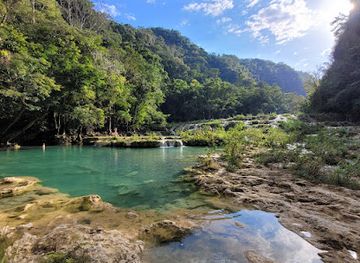
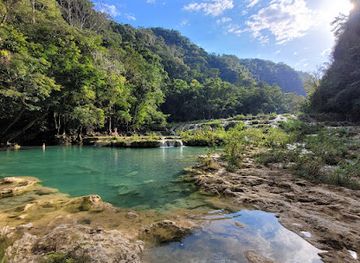
Semuc Champey
Discover Semuc Champey: Swim in turquoise pools, explore caves, and hike through the Guatemalan jungle. An unforgettable natural escape.
-
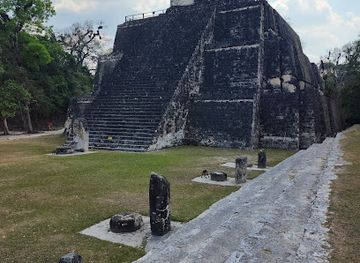
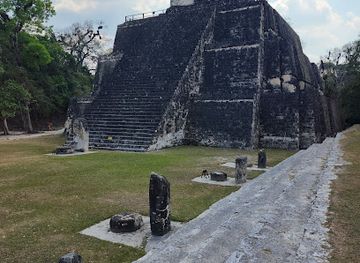
Templo IV, Tikal
Explore Tikal's iconic Templo IV: where Mayan history meets breathtaking jungle views. A must-see landmark in Guatemala's ancient city.
-
Nature preserve
Reserva de Biosfera Maya
Explore Guatemala's Reserva de Biosfera Maya: Where ancient history meets breathtaking biodiversity in the heart of the Petén jungle.
-
Historical landmark
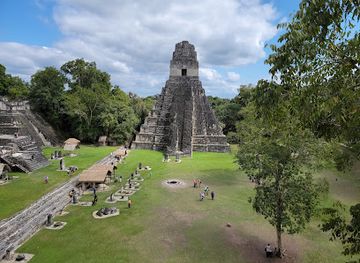
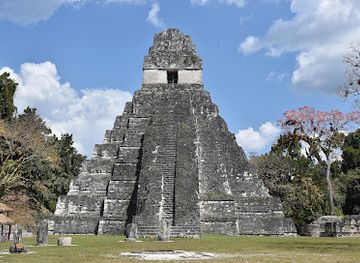
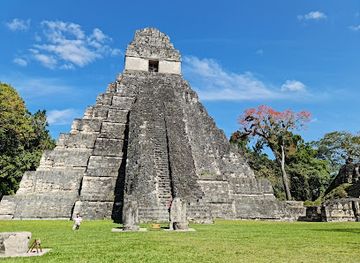
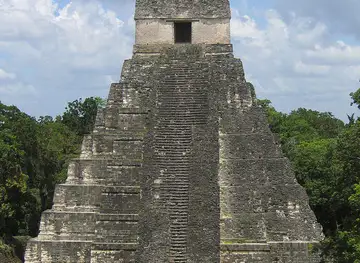
The Great Jaguar Tikal
An iconic Mayan temple in Tikal National Park, Guatemala, the Temple of the Great Jaguar is a majestic symbol of ancient power and artistry.
Best landmarks in Peten
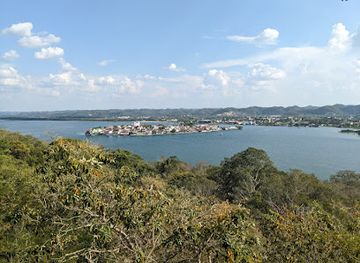
Tikal’s Great Plaza, Temple I, Temple II and the towering Temple IV form Petén’s most recognisable architectural ensemble, but their significance lies in the wider urban landscape of palaces, causeways, reservoirs and carved monuments concealed among the trees. At Yaxha, the elevated structures around the North Acropolis and the viewpoints towards the lakes express the relationship between Maya architecture and the surrounding lowlands. The island town of Flores is itself a distinctive landmark, with a compact historic centre, a church and buildings gathered above the waters of Lake Petén Itzá; its causeway connects this older settlement with the larger urban area of Santa Elena. Lake Petén Itzá is a geographical landmark as well as a living resource, shaping transport, settlement and local identity. Farther north, the enormous Preclassic structures of El Mirador represent an earlier phase of Maya urban development, while the forest and wetlands of the Maya Biosphere Reserve provide the setting that gives Petén’s built heritage its visual power. Together these places show that the department’s landmarks are inseparable from landscape and archaeological context.
-
National park
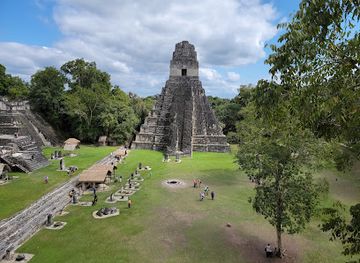
Tikal National Park
Explore the historical wonders and natural beauty of Tikal National Park, a UNESCO World Heritage Site in the heart of Guatemala's rainforest.
-
Nature preserve
Semuc Champey
Discover the breathtaking turquoise pools and lush landscapes of Semuc Champey, a natural wonder in Guatemala perfect for adventure seekers and nature lovers.
-
Historical landmark
Templo IV, Tikal
Discover the ancient wonders of Templo IV in Tikal, Guatemala's majestic historical landmark and a gateway to Maya civilization.
-
Nature preserve
Reserva de Biosfera Maya
Explore the Reserva de Biosfera Maya in Guatemala, a stunning nature preserve rich in biodiversity, archaeological treasures, and breathtaking landscapes.
Explore Peten on the map
Plan your trip on one map. See where the top cities, national parks and sights are, and book hotels and experiences in a few clicks.
Best hotels in Peten
Best restaurants in Peten
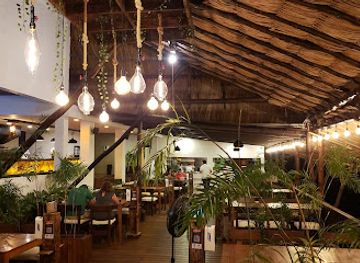
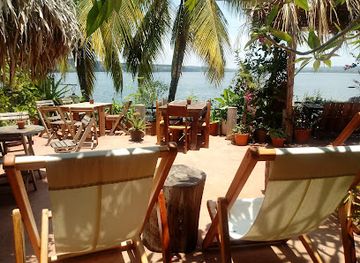
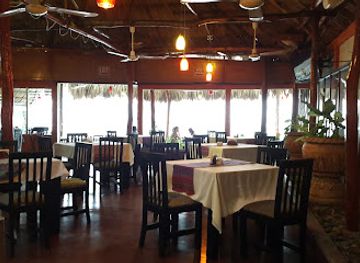
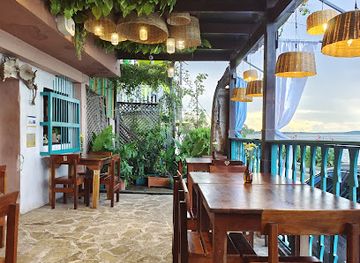
Dining in Petén is centred on Flores, Santa Elena and San Benito, where restaurants and cafés serve Guatemalan staples alongside international food for visitors heading to the ruins. Expect tortillas, beans, rice, tamales, soups, grilled meats and fresh tropical fruit, with freshwater fish appearing in lakeside settings. Pepián, jocón and other dishes associated with Guatemala may be available, although they belong to the country’s wider culinary tradition rather than exclusively to Petén. Local markets and modest eateries are useful places to find breakfast, snacks and fruit juices, while hotels and established restaurants provide more varied evening meals. Food near archaeological sites is usually simpler and should be planned around excursion timings. Coffee, chocolate, rum-based drinks and fruit beverages reflect broader Guatemalan tastes, while the lowland climate makes light meals and cold drinks particularly welcome. In smaller communities, choices are limited and opening arrangements can be informal, so carrying water and a small supply of snacks is sensible on longer excursions.
-
Restaurant
Restaurante Raices
Discover authentic Guatemalan cuisine at Restaurante Raices in Flores, where every dish tells a story of rich culinary traditions.
-
Brunch
Maple & Tocino
Experience the delightful fusion of local Guatemalan flavors and international brunch classics at Maple & Tocino in Flores.
-
Restaurant
Restaurante Maracuyá
Experience authentic Guatemalan cuisine at Restaurante Maracuyá on Isla de Flores - where every meal is a celebration of local flavors.
-
Restaurant
Terrazzo, Ristorante E Bar
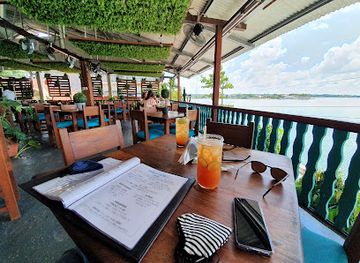
Experience exquisite dining at Terrazzo in Flores, Guatemala—where local flavors meet stunning lake views.

Best bars in Peten
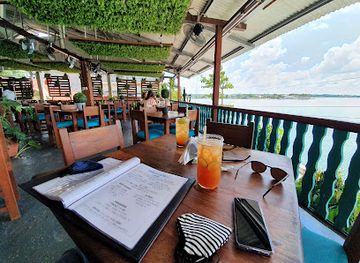
Evening life is concentrated around Flores, where the island’s narrow streets and waterfront have bars, cafés and restaurants serving visitors after excursions to Tikal. The atmosphere is generally social and relaxed rather than centred on a large club scene, with music, drinks and views across Lake Petén Itzá providing much of the appeal. Santa Elena and San Benito offer more locally oriented restaurants, bars and occasional live entertainment, while nightlife in smaller settlements is limited and often revolves around family gatherings, food and neighbourhood businesses. Some hotels and restaurants organise evening events, but schedules and opening arrangements change, particularly outside busy travel periods. Travellers heading to early archaeological tours should remember that Petén’s most rewarding experiences often begin before dawn, and should use reputable transport when returning after dark. Craft beer, rum-based drinks, Guatemalan coffee and fruit juices are available alongside standard international beverages, so alcohol is not essential to enjoying the region’s evening culture.
-
 Hotel
HotelQuinta Maya Hotel
Discover the charm of Guatemala City at Quinta Maya Hotel, your perfect retreat with local flavors and warm hospitality.
-
Restaurant
Terrazzo, Ristorante E Bar
Experience the vibrant culinary scene at Terrazzo Ristorante E Bar in Flores, offering delicious food, stunning views, and a welcoming atmosphere.
-
Restaurant
Capitan Tortuga
Discover Capitan Tortuga in Flores for a delightful culinary journey through local flavors and vibrant ambiance.
-
Restaurant
La Casa de Enrico
Experience authentic Guatemalan flavors at La Casa de Enrico in the heart of Flores, where culinary excellence meets local charm.
Best nightclubs in Peten
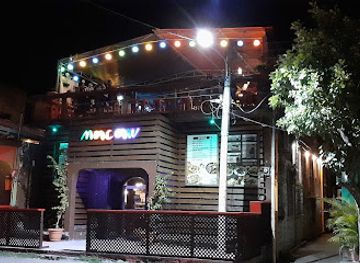
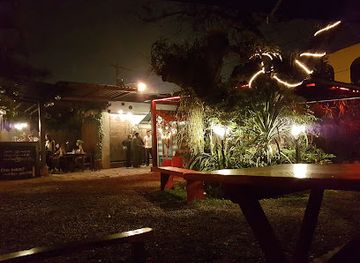
Evening life is concentrated around Flores, where the island’s narrow streets and waterfront have bars, cafés and restaurants serving visitors after excursions to Tikal. The atmosphere is generally social and relaxed rather than centred on a large club scene, with music, drinks and views across Lake Petén Itzá providing much of the appeal. Santa Elena and San Benito offer more locally oriented restaurants, bars and occasional live entertainment, while nightlife in smaller settlements is limited and often revolves around family gatherings, food and neighbourhood businesses. Some hotels and restaurants organise evening events, but schedules and opening arrangements change, particularly outside busy travel periods. Travellers heading to early archaeological tours should remember that Petén’s most rewarding experiences often begin before dawn, and should use reputable transport when returning after dark. Craft beer, rum-based drinks, Guatemalan coffee and fruit juices are available alongside standard international beverages, so alcohol is not essential to enjoying the region’s evening culture.
-
Bar
El Tropico
Experience the vibrant nightlife at El Tropico, a lively bar in Flores offering a fantastic selection of drinks and local culture.
-
Night club
The Secret Garden
Experience the vibrant nightlife at The Secret Garden in Guatemala City, where eclectic music and a lively atmosphere create unforgettable memories.
-
Night club
Mayan Discoteca
Discover the heart of Flores' nightlife at Mayan Discoteca, where music and dance come alive in a vibrant atmosphere.
-
Disco club
El Huatal SportBar & Discotek
Experience the vibrant nightlife at El Huatal SportBar & Discotek in Poptún, a disco club known for its lively atmosphere and great music.
Best shops in Peten
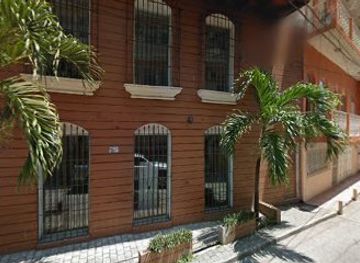
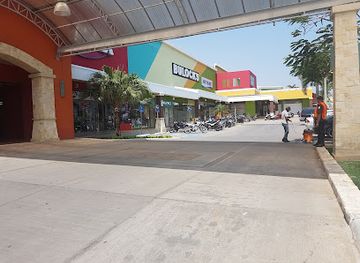
Shopping in Petén is most varied in Flores, Santa Elena and San Benito, where visitors can find small craft shops, market stalls, convenience stores and businesses selling practical travel supplies. Guatemalan textiles, woven bags, carved objects, jewellery, pottery and decorative items may be available, though designs and production are often drawn from traditions shared across the country rather than being exclusive to Petén. Local food products, coffee, chocolate, tropical fruit and packaged snacks make useful purchases before travelling to remote sites. Markets are more functional than specialised, offering produce, clothing and household goods alongside souvenirs. Around archaeological gateways, vendors may sell crafts and printed material, but visitors should compare quality and prices and avoid buying antiquities or objects presented as archaeological artefacts. Flores has the greatest concentration of visitor-oriented retail, while smaller communities offer a more limited and everyday selection. Independent shops and market trading are generally preferable for seeking locally made goods, provided purchases respect conservation rules and do not involve materials taken from protected areas.
-
Market
Mercado Central
Experience the vibrant culture of Guatemala at Mercado Central, where local flavors and unique handicrafts come together in a bustling market atmosphere.
-
Shopping mall
Metroplaza Mundo Maya Shopping Center
Explore shopping, dining, and local culture at Metroplaza Mundo Maya, a vibrant shopping center in Flores, Guatemala.
-
Shopping mall
Maya Mall
Explore Maya Mall in Flores, Guatemala – your ultimate shopping and dining destination with a vibrant atmosphere and diverse offerings.
-
Observation deck
Mirador Rey Canek
Experience stunning panoramic views of Guatemala's lush landscapes at Mirador Rey Canek, the ultimate observation deck for travelers.

Get your free copy of our complete guide to Peten, delivered straight to you.
Everything on this page, from attractions and restaurants to essentials and local phrases, in one PDF you can read offline, print or share.
Already have an account? Sign in
Your Peten guide is ready.
We'll send it to · Not you? Sign out

Getting your guide ready…
We are putting together a fresh copy of the Peten guide. This can take up to a minute.
This can take a few moments. If your browser asks, choose Allow so the download can start. You'll find the guide in your Downloads folder.
Nothing happened? Download it again
Sorry, the guide is taking longer than usual. Please try again in a minute, or get it by email instead.
Peten essentials
Currency and Payment
Safety
Emergency Situations
Do's and Don'ts
Local Tips
From Eve
Local phrases worth knowing
You don't need to get them perfect. A few words go a long way, and locals appreciate the effort.
Basics
| English | Local | Say it |
|---|---|---|
| Hello | Hola | [Ola] |
| Goodbye | Adiós | [Adios] |
| Yes | Sí | [Si] |
| No | No | [No] |
| Please/You're welcome | Por favor | [Por favor] |
| Thank you | Gracias | [Grasias] |
| Excuse me/Sorry | Perdón | [Perdon] |
| How are you? | ¿Cómo estás? | [Como estas] |
| Fine. And you? | Bien. ¿Y tú? | [Bien. I tu] |
| Do you speak English? | ¿Hablas inglés? | [Hablas ingles] |
| I don't understand | No entiendo | [No entiendo] |
Eating & Drinking
| English | Local | Say it |
|---|---|---|
| I'd like to see the menu, please | Me gustaría ver el menú, por favor | [Me gustaria ver el menu, por favor] |
| I don't eat meat | No como carne | [No como carne] |
| Cheers! | ¡Salud! | [Salud] |
| I would like to pay, please | Me gustaría pagar, por favor | [Me gustaria pagar, por favor] |
Emergencies
| English | Local | Say it |
|---|---|---|
| Help! | ¡Ayuda! | [Ayuda] |
| Go away! | ¡Vete! | [Vete] |
| Call the Police! | ¡Llama a la policía! | [Llama a la policia] |
| Call a doctor! | ¡Llama a un doctor! | [Llama a un doctor] |
| I'm lost | Estoy perdido | [Estoy perdido] |
| I'm ill | Estoy enfermo | [Estoy enfermo] |
Shopping
| English | Local | Say it |
|---|---|---|
| I'd like to buy... | Me gustaría comprar... | [Me gustaria comprar] |
| I'm just looking | Solo estoy mirando | [Solo estoy mirando] |
| How much is it? | ¿Cuánto cuesta? | [Cuanto cuesta] |
| That's too expensive | Eso es muy caro | [Eso es muy caro] |
| Can you lower the price? | ¿Puedes bajar el precio? | [Puedes bajar el precio] |
Time & Numbers
| English | Local | Say it |
|---|---|---|
| What time is it? | ¿Qué hora es? | [Que hora es] |
| It's one o'clock | Es la una | [Es la una] |
| Half past (10) | Y media (10) | [Y media] |
| Morning | Mañana | [Mañana] |
| Afternoon | Tarde | [Tarde] |
| Evening | Noche | [Noche] |
| Yesterday | Ayer | [Ayer] |
| Today | Hoy | [Hoy] |
| Tomorrow | Mañana | [Mañana] |
| 1 | Uno | [Uno] |
| 2 | Dos | [Dos] |
| 3 | Tres | [Tres] |
| 4 | Cuatro | [Cuatro] |
| 5 | Cinco | [Cinco] |
| 6 | Seis | [Seis] |
| 7 | Siete | [Siete] |
| 8 | Ocho | [Ocho] |
| 9 | Nueve | [Nueve] |
| 10 | Diez | [Diez] |
Transport & Directions
| English | Local | Say it |
|---|---|---|
| Where's a/the...? | ¿Dónde está un/una...? | [Donde esta un/una] |
| What's the address? | ¿Cuál es la dirección? | [Cual es la direccion] |
| Can you show me (on the map)? | ¿Puedes mostrarme (en el mapa)? | [Puedes mostrarme en el mapa] |
| When's the next (bus)? | ¿Cuándo es el próximo (autobús)? | [Cuando es el proximo autobus] |
| A ticket (to ....) | Un boleto (a ....) | [Un boleto a] |
History of Peten
Early Maya Settlement and the Preclassic Lowlands
Maya communities occupied Petén for many centuries before the rise of the great Classic-period cities. Early settlements developed around agriculture, water sources and trade routes, gradually creating ceremonial centres with monumental architecture. El Mirador, in the northern part of the department, became one of the most important Preclassic urban complexes in the Maya lowlands, with enormous pyramid structures and causeways built centuries before Tikal reached its height. These sites demonstrate that Petén supported organised populations, ambitious construction and complex political relationships long before the period most commonly associated with Maya civilisation.
The Classic Maya Kingdoms, c. 250–900
During the Classic period, Petén was divided among competing Maya kingdoms whose capitals included Tikal, Yaxha, Naranjo, Uaxactun, Aguateca and Dos Pilas. Their rulers commissioned temples, palaces, ball courts, stelae and richly decorated monuments, while alliances and warfare connected the cities across the lowlands. Tikal became one of the most influential powers, but inscriptions and archaeological evidence reveal a changing balance of power rather than a single unified state. The surviving ruins, often surrounded by forest, preserve evidence of dynastic politics, religion, astronomy, trade and urban life.
The Postclassic Itzá and Lake Petén Itzá
After the political transformation of the Classic lowlands, Maya communities continued to live in Petén. The Itzá established a powerful centre around Lake Petén Itzá, with their principal settlement on or near the island later known as Flores. Their control of the lake region enabled them to maintain an independent polity after Spanish campaigns had subdued much of Guatemala and the Yucatán Peninsula. The lake and surrounding settlements therefore represent not only a scenic part of present-day Petén but also the setting for a significant late Maya political history.
Spanish Conquest of the Itzá, 1697
The Itzá kingdom remained one of the last independent Maya states in the region until a Spanish-led expedition captured their island capital in 1697. The conquest ended organised Itzá independence but did not erase Maya identity, language or cultural memory. Colonial control in the remote lowlands was comparatively limited for long periods, and Petén remained separated from the main centres of Spanish Guatemala by distance and difficult terrain. The colonial history of Flores and the lake is consequently distinct from that of the densely settled highlands.
Forestry, Chicle and the Opening of Petén
In the nineteenth and twentieth centuries, commercial activity increasingly connected Petén with the rest of Guatemala. Logging, mahogany extraction and the collection of chicle, the natural latex formerly used in chewing gum, became important industries. Seasonal workers and settlers entered areas that had previously been difficult to reach, while rivers, rough roads and air services served as practical links. These industries brought income but also contributed to forest exploitation and changing land-use patterns, issues that remain central to the department’s environmental and economic history.
The Maya Biosphere Reserve and Conservation Era
Guatemala created the Maya Biosphere Reserve in 1990 to protect a vast area of northern Petén containing forests, wetlands, wildlife habitat and major archaeological sites. Conservation has since involved government agencies, communities, researchers and tourism organisations, but the reserve also faces pressures from fires, illegal logging, land clearance and illicit activities. The reserve’s significance is both ecological and cultural: safeguarding the forest helps protect wildlife and water systems while preserving the landscape in which Maya cities, roads and ceremonial centres developed.
Peten in Photos
Browse through our photo collection highlighting the charm and character of the destination.
Neighbouring regions of Peten
The closest regions to Peten, if you have time for more than one.
-
-

-

-

-


Swipe for more regions
Explore more
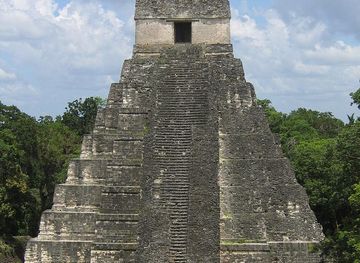
Explore more of Guatemala
Discover Guatemala: A land of ancient Mayan wonders, breathtaking natural beauty, and vibrant cultural experiences. Perfect for history buffs, nature lovers, and adventure seekers.
Explore Guatemala