

Free Northern Lowlands Travel Guide & Mobile App
Explore Northern Lowlands with free travel guides. Discover regional history, expert tips, proposed trips, and audio guides on web or mobile app.


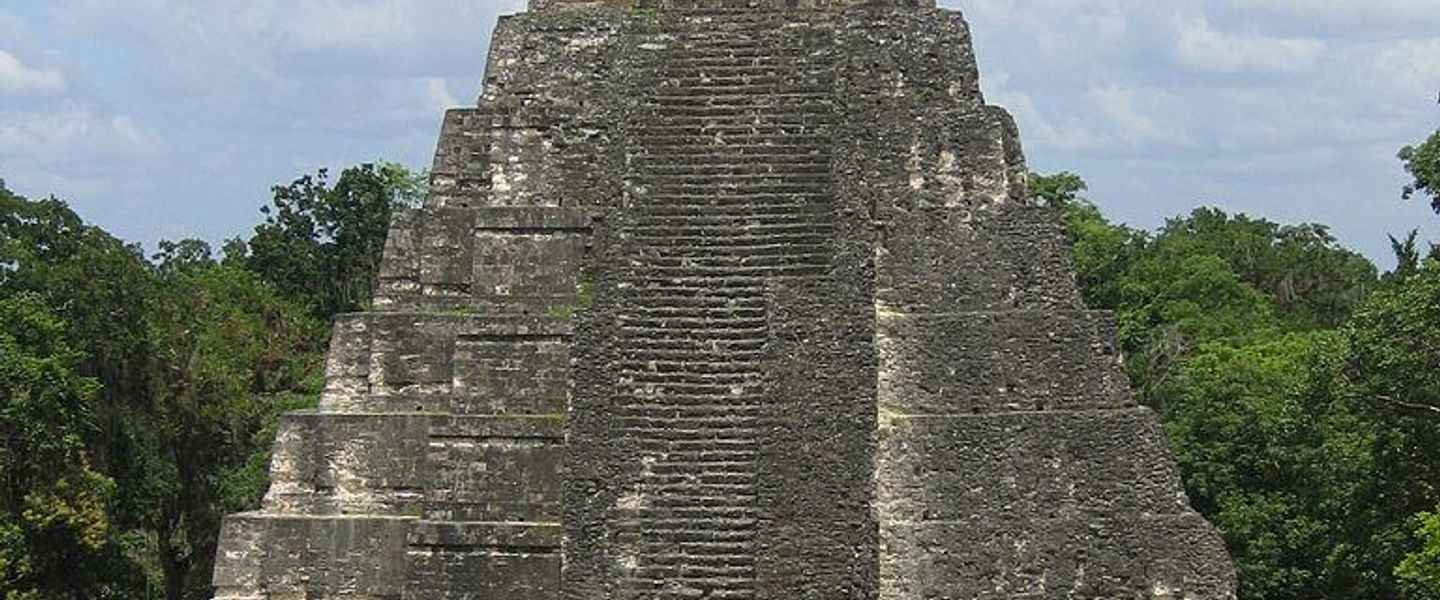


Explore Northern Lowlands Guatemala from Flores, with Maya cities, tropical forest, lake landscapes and wildlife across the Petén region.
Read more about Northern Lowlands
When is the best time to visit Northern Lowlands?
Best: December–February · 26–27°C| Month | High (°C) | Rainfall (mm) |
|---|---|---|
| January (best) | 26 | 20 |
| February (best) | 27 | 20 |
| March | 28 | 30 |
| April | 30 | 40 |
| May | 31 | 80 |
| June | 31 | 120 |
| July | 32 | 100 |
| August | 32 | 100 |
| September | 31 | 120 |
| October | 30 | 100 |
| November | 28 | 50 |
| December (best) | 27 | 30 |
Getting to and around Northern Lowlands
How to get there
Transportation
Top city travel guides in Northern Lowlands
The cities of Northern Lowlands, and the easiest places to base yourself.
-

-

-

-

-


Swipe for more cities
Destinations in Northern Lowlands
Resorts, valleys and scenic spots worth a trip of their own.
-

-


Swipe for more destinations
Best attractions in Northern Lowlands
The Northern Lowlands’ attractions combine major Maya archaeology with an extensive tropical environment. Tikal is the region’s defining archaeological destination, where monumental plazas, temples and palaces rise through forest within the Tikal National Park. Yaxhá offers a different setting beside lakes and wetlands, while Uaxactún provides a more remote encounter with an ancient settlement and its ceremonial architecture. Farther from the established circuits, Nakum, Naranjo and El Mirador require more planning, longer travel and, in the case of El Mirador, a demanding expedition rather than a casual day trip. The Maya Biosphere Reserve introduces visitors to lowland forest, seasonal wetlands and wildlife habitats, generally through guided excursions. Around Lake Petén Itzá, boat trips, swimming areas and lakeside communities complement the ruins, while Flores provides museums, churches, viewpoints and a compact historic centre. Nature-focused travellers may encounter monkeys, colourful birds and reptiles, though sightings are never guaranteed. The region’s greatest attraction is the relationship between archaeology and ecology: many sites are experienced along forest paths where the surrounding landscape remains an essential part of their meaning.
-
Tourist attraction
Xetulul Guatemala
Experience world-class thrills and cultural immersion at Xetulul, Guatemala's premier amusement park in Retalhuleu.
-
Tourist attraction
Parque a Centro América
Discover Quetzaltenango's heart: a vibrant park blending history, culture, and natural beauty in the city's central plaza.
-
Tourist attraction
Fuentes Georginas
Experience relaxation and therapeutic mineral waters at Fuentes Georginas, a natural hot spring oasis near Zunil Volcano in Guatemala.
-
Water park
Xocomil
Dive into adventure at Xocomil, Guatemala's premier water park, where thrilling slides and relaxing pools await every visitor.
Best landmarks in Northern Lowlands
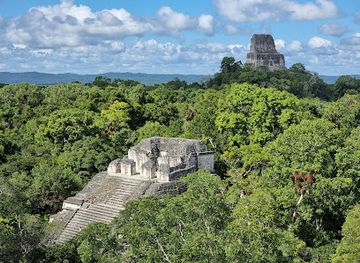
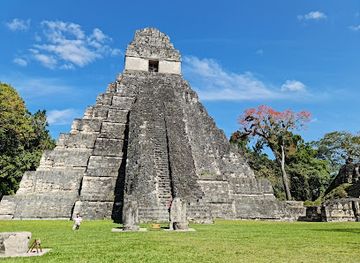
The great temples and plazas of Tikal form the Northern Lowlands’ most recognisable landmark ensemble, with structures such as Temple I, Temple II and the towering Temple IV defining the skyline of the ancient city. Their significance lies not only in their scale but in the evidence they preserve of Maya kingship, astronomy, ritual and urban planning. At Yaxhá, the elevated temple groups and causeways overlook lakes and open wetlands, creating a landmark landscape distinct from Tikal’s denser forest setting. The island town of Flores is itself a notable regional landmark: its historic core, church and waterfront occupy the site associated with the former Itza’ capital on Lake Petén Itzá. Around the lake, the broad water surface and forested shores provide a geographical counterpoint to the archaeological monuments. In more remote parts of Petén, the enormous Maya complexes of El Mirador and Nakum are important but less visually familiar because their access is difficult and their structures remain partly integrated into the forest. Together, these places express the region’s central identity as a landscape where ancient urbanism and tropical ecology remain closely connected.
-
Park
Parque a Centro América
Explore the serene beauty and vibrant culture of Parque a Centro América in Quetzaltenango, a perfect retreat for nature lovers and cultural enthusiasts alike.
-
National park
Tikal National Park
Explore the ancient wonders and breathtaking landscapes of Tikal National Park, a UNESCO World Heritage site and a treasure trove of Mayan history.
-
Tourist attraction
Cerro de La Cruz
Experience breathtaking views and rich culture at Cerro de La Cruz, a must-visit landmark in Antigua Guatemala.
-
Nature preserve
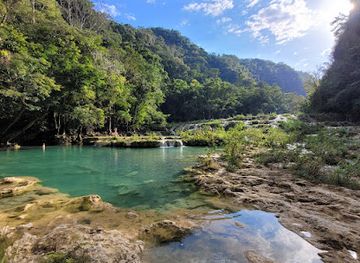
Semuc Champey
Explore Semuc Champey, Guatemala's natural gem with stunning turquoise pools, lush landscapes, and rich local culture, perfect for adventure and relaxation.
Explore Northern Lowlands on the map
Plan your trip on one map. See where the top cities, national parks and sights are, and book hotels and experiences in a few clicks.
Best hotels in Northern Lowlands
Best restaurants in Northern Lowlands
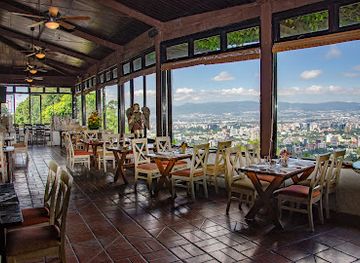
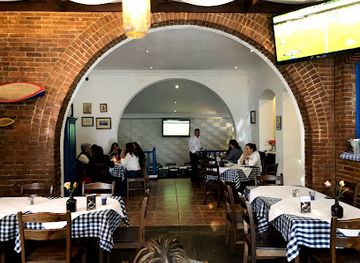
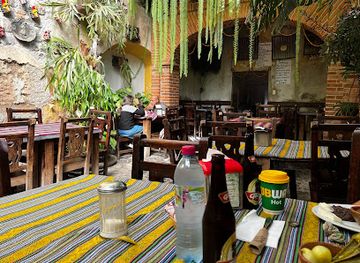
Dining in the Northern Lowlands is concentrated in Flores, Santa Elena and San Benito, with a simpler selection of cafés, comedor-style eateries and roadside restaurants elsewhere. Menus commonly draw on Guatemala’s national food traditions, including maize-based staples, beans, rice, stewed meats, tamales and plantain, while freshwater fish from the lakes appears in some local cooking. Petén’s hot climate also makes fruit drinks, fresh juices and chilled snacks particularly welcome. Around the lakes, restaurants may emphasise fish and relaxed outdoor dining, whereas Flores offers the broadest range of international food for visitors staying overnight. Markets and small family-run establishments are useful places to encounter everyday dishes rather than formal interpretations of regional cuisine. Travellers heading to Tikal or remote ruins should not assume that food will be available at every stage of the journey; carrying water and a practical snack is sensible. Local coffee, chocolate and other Guatemalan products are widely available, although their production is not exclusive to Petén.
-
Steak
Portal del Angel - Carretera a El Salvador
Savor authentic Argentinian steaks in Guatemala's scenic Portal del Angel, where every meal is a memorable culinary adventure.
-
Greek
Del Griego
Discover the vibrant flavors of Greece at Del Griego, where exquisite dishes meet warm hospitality in the heart of Guatemala City.
-
Restaurant
La Cuevita de Los Urquizú
Experience authentic Guatemalan cuisine at La Cuevita de Los Urquizú in beautiful Antigua Guatemala.
-
 Restaurant
Hotel y Restaurante El Muelle
Experience authentic Guatemalan cuisine and warm hospitality at Hotel y Restaurante El Muelle near Tikal – a perfect blend of comfort and culture.
Best bars in Northern Lowlands
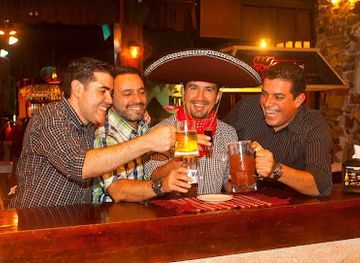
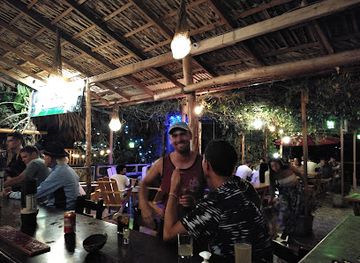
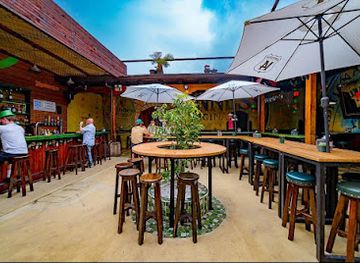
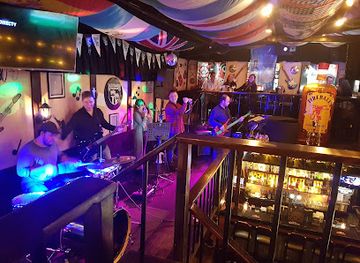
Evening life in the Northern Lowlands is centred on Flores, where lakeside bars, casual restaurants and hotel terraces provide the principal social scene. The island’s compact layout makes it easy to move between venues, while Santa Elena and San Benito have a more local, everyday rhythm. Visitors will find beer, rum-based drinks, fruit beverages and occasional live music, but Petén is not primarily a large-scale clubbing destination. In smaller towns and rural areas, evenings generally revolve around family restaurants, modest bars and community life rather than dedicated nightlife districts. Some venues are busiest during holiday periods and weekends, while quieter months can feel subdued. Because early starts are valuable for Tikal, Yaxhá and wildlife excursions, many travellers keep nights short. Drink sensibly, use recognised transport after dark and ask accommodation staff about the most appropriate route back, particularly outside the well-trafficked centre of Flores.
-
Bar
El Establo
Experience the vibrant nightlife of Guatemala City at El Establo, where live music and a welcoming atmosphere await you.
-
Bar
Bar Sublime
Experience vibrant nightlife and breathtaking views at Bar Sublime, the ultimate bar destination in San Pedro La Laguna, Guatemala.
-
Bar
Reilly's Antigua
Discover Antigua's vibrant nightlife at Reilly's - a lively bar and restaurant with great food, drinks, and a friendly atmosphere.
-
Bar
Rattle n Hum Bar and Grill
Discover the perfect blend of local flavors, live music, and a vibrant atmosphere at Rattle n Hum Bar and Grill in Guatemala City.
Best nightclubs in Northern Lowlands
Evening life in the Northern Lowlands is centred on Flores, where lakeside bars, casual restaurants and hotel terraces provide the principal social scene. The island’s compact layout makes it easy to move between venues, while Santa Elena and San Benito have a more local, everyday rhythm. Visitors will find beer, rum-based drinks, fruit beverages and occasional live music, but Petén is not primarily a large-scale clubbing destination. In smaller towns and rural areas, evenings generally revolve around family restaurants, modest bars and community life rather than dedicated nightlife districts. Some venues are busiest during holiday periods and weekends, while quieter months can feel subdued. Because early starts are valuable for Tikal, Yaxhá and wildlife excursions, many travellers keep nights short. Drink sensibly, use recognised transport after dark and ask accommodation staff about the most appropriate route back, particularly outside the well-trafficked centre of Flores.
-
Night club
Club La Aurora
Discover the energetic nightlife of Guatemala City at Club La Aurora, a premier night club offering vibrant music and exotic drinks.
-
Night club
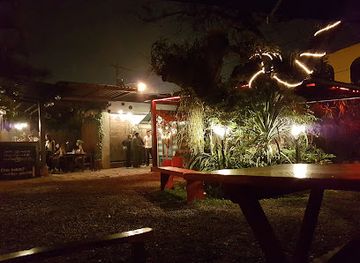
The Secret Garden
Experience the vibrant nightlife at The Secret Garden, an electrifying club in Zone 9, Guatemala City, where music and culture come alive.
-
Night club
Madonas
Experience the vibrant nightlife at Madonas Night Club in Guatemala City, where the dance floor and live music await every night.
-
Night club
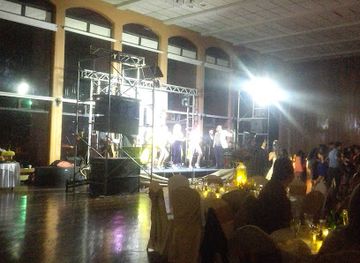
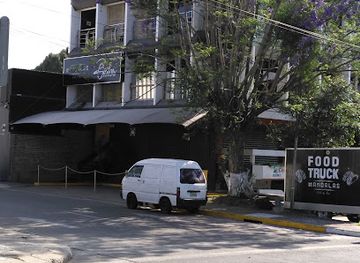
Mandalas Club
Discover the vibrant nightlife of Guatemala City at Mandalas Club, where music, dance, and unforgettable memories collide.

Best shops in Northern Lowlands
Shopping in the Northern Lowlands is most straightforward in Flores and the adjoining towns of Santa Elena and San Benito. Small shops and market areas sell practical supplies, clothing, snacks, Guatemalan coffee, chocolate, rum and packaged regional produce, while tourist stalls offer textiles, carved items, jewellery and Maya-inspired souvenirs. Selection and quality vary, so buyers should inspect workmanship and ask about materials rather than assuming that every item is locally made. Markets are more useful for everyday food and household goods than for a specialised craft tradition unique to Petén. Visitors can also find books, maps and archaeological-themed products in tourism-oriented shops around Flores, although stock changes. In rural communities, purchasing directly from makers or community enterprises can support local livelihoods, but permission and respectful communication are important when browsing or photographing craft work. Large-scale luxury shopping is not a defining feature of the region; its retail character is practical, informal and closely linked to the needs of residents, visitors to the ruins and the wider forest economy.
-
Shopping mall
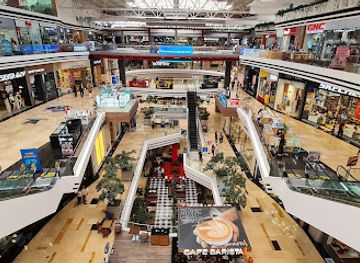
Oakland Place Guatemala
Explore Oakland Place Guatemala - a shopping paradise blending local culture, diverse dining, and vibrant entertainment in Guatemala City.
-
Shopping mall
Portales Mall
Discover the vibrant shopping scene and delicious dining options at Portales Mall, a must-visit destination for tourists in Guatemala City.
-
Market
Mercado Central
Explore the vibrant Mercado Central, a cultural hub in Guatemala City, offering authentic crafts, delicious food, and a lively local atmosphere.
-
National park
Tikal National Park
Explore the majestic ruins and rich biodiversity of Tikal National Park, a UNESCO World Heritage site in Guatemala, steeped in history and adventure.
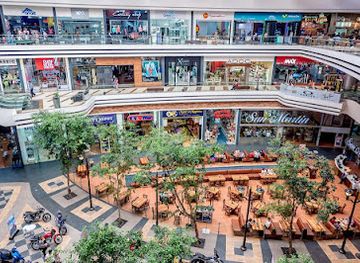

Get your free copy of our complete guide to Northern Lowlands, delivered straight to you.
Everything on this page, from attractions and restaurants to essentials and local phrases, in one PDF you can read offline, print or share.
Already have an account? Sign in
Your Northern Lowlands guide is ready.
We'll send it to · Not you? Sign out

Getting your guide ready…
We are putting together a fresh copy of the Northern Lowlands guide. This can take up to a minute.
This can take a few moments. If your browser asks, choose Allow so the download can start. You'll find the guide in your Downloads folder.
Nothing happened? Download it again
Sorry, the guide is taking longer than usual. Please try again in a minute, or get it by email instead.
Northern Lowlands essentials
Currency and Payment
Safety
Emergency Situations
Do's and Don'ts
Local Tips
From Eve
Local phrases worth knowing
You don't need to get them perfect. A few words go a long way, and locals appreciate the effort.
Basics
| English | Local | Say it |
|---|---|---|
| Hello | Hola | [Ola] |
| Goodbye | Adiós | [Adios] |
| Yes | Sí | [See] |
| No | No | [No] |
| Please/You're welcome | Por favor | [Por favor] |
| Thank you | Gracias | [Grasias] |
| Excuse me/Sorry | Perdón | [Perdon] |
| How are you? | ¿Cómo estás? | [Como estas] |
| Fine. And you? | Bien. ¿Y tú? | [Bien. E tu] |
| Do you speak English? | ¿Hablas inglés? | [Hablas ingles] |
| I don't understand | No entiendo | [No entiendo] |
Eating & Drinking
| English | Local | Say it |
|---|---|---|
| I'd like to see the menu, please | Me gustaría ver el menú, por favor | [Me gustaria ver el menu, por favor] |
| I don't eat meat | No como carne | [No como carne] |
| Cheers! | ¡Salud! | [Salud] |
| I would like to pay, please | Me gustaría pagar, por favor | [Me gustaria pagar, por favor] |
Emergencies
| English | Local | Say it |
|---|---|---|
| Help! | ¡Ayuda! | [Ayuda] |
| Go away! | ¡Vete! | [Vete] |
| Call the Police! | ¡Llama a la policía! | [Llama a la policia] |
| Call a doctor! | ¡Llama a un doctor! | [Llama a un doctor] |
| I'm lost | Estoy perdido | [Estoy perdido] |
| I'm ill | Estoy enfermo | [Estoy enfermo] |
Shopping
| English | Local | Say it |
|---|---|---|
| I'd like to buy... | Me gustaría comprar... | [Me gustaria comprar] |
| I'm just looking | Solo estoy mirando | [Solo estoy mirando] |
| How much is it? | ¿Cuánto cuesta? | [Cuanto cuesta] |
| That's too expensive | Eso es demasiado caro | [Eso es demasiado caro] |
| Can you lower the price? | ¿Puedes bajar el precio? | [Puedes bajar el precio] |
Time & Numbers
| English | Local | Say it |
|---|---|---|
| What time is it? | ¿Qué hora es? | [Que hora es] |
| It's one o'clock | Es la una | [Es la una] |
| Half past (10) | Y media (10) | [Y media] |
| Morning | Mañana | [Mañana] |
| Afternoon | Tarde | [Tarde] |
| Evening | Noche | [Noche] |
| Yesterday | Ayer | [Ayer] |
| Today | Hoy | [Hoy] |
| Tomorrow | Mañana | [Mañana] |
| 1 | Uno | [Uno] |
| 2 | Dos | [Dos] |
| 3 | Tres | [Tres] |
| 4 | Cuatro | [Cuatro] |
| 5 | Cinco | [Cinco] |
| 6 | Seis | [Seis] |
| 7 | Siete | [Siete] |
| 8 | Ocho | [Ocho] |
| 9 | Nueve | [Nueve] |
| 10 | Diez | [Diez] |
Transport & Directions
| English | Local | Say it |
|---|---|---|
| Where's a/the...? | ¿Dónde está un/el...? | [Donde esta un/el] |
| What's the address? | ¿Cuál es la dirección? | [Cual es la direccion] |
| Can you show me (on the map)? | ¿Puedes mostrarme (en el mapa)? | [Puedes mostrarme en el mapa] |
| When's the next (bus)? | ¿Cuándo es el próximo (autobús)? | [Cuando es el proximo autobus] |
| A ticket (to ....) | Un boleto (a....) | [Un boleto a] |
History of Northern Lowlands
Early Maya Settlement and Monumental Cities
The lowlands were occupied by Maya communities for thousands of years, with early settlements developing into complex urban centres supported by agriculture, trade and carefully managed water resources. By the pre-Classic period, sites in the broader Petén landscape were already developing ceremonial architecture and political authority. The region’s tropical environment did not prevent urban growth; instead, its wetlands, seasonal ponds and forest resources were incorporated into sophisticated settlement systems. Archaeological remains beneath and around later monuments show that Maya history in the Northern Lowlands stretches far beyond the famous Classic-period cities.
The Classic Maya Political World
Between roughly the third and ninth centuries, Petén became one of the central arenas of Maya political life. Tikal grew into a major kingdom whose rulers competed and allied with powers including Calakmul, across the modern border in Mexico, and other cities in the lowlands. Monumental temples, palaces, reservoirs, carved stelae and causeways expressed dynastic power and religious authority. Tikal, Yaxhá and numerous lesser-known settlements preserve evidence of a densely connected political landscape rather than isolated city-states. Their inscriptions record warfare, diplomacy, succession and relationships between ruling houses.
The Maya Collapse and Political Reorganisation
From the eighth and ninth centuries, many large southern lowland centres experienced political fragmentation, declining monument construction and eventual abandonment of their central precincts. The causes were varied and remain debated, including warfare, ecological pressure, social disruption and changing trade networks. The transformation was not the disappearance of Maya society: communities continued to live across the region, and some centres remained active after the decline of the principal Classic dynasties. Sites such as Uaxactún and Yaxhá show how the political and ceremonial geography of Petén changed over successive centuries.
Itza’ Rule and Spanish Conquest
After the Classic period, the Itza’ became the dominant Maya power around Lake Petén Itzá, maintaining their capital at Noh Petén on an island in the lake. Spanish expeditions reached the area earlier, but the Itza’ kingdom resisted conquest for generations because of Petén’s difficult terrain and distance from colonial centres. In 1697, Martín de Urzúa led the Spanish capture of Noh Petén, bringing the last independent Maya kingdom in the central lowlands under colonial rule. The event reshaped settlement, religion and political authority around the lake.
Colonial Isolation and Frontier Administration
Under Spanish rule, Petén remained remote from the principal colonial cities of Guatemala. Missionary activity, military administration and small settlements developed unevenly, while the forest and long overland distances limited colonial integration. The region’s waterways and trails were important for movement, but it lacked the dense urban and agricultural networks found in the highlands. This relative isolation helped preserve large areas of forest and also contributed to Petén’s distinctive frontier character, which continued into the republican period.
Modern Settlement, Conservation and Archaeology
During the twentieth century, roads, migration and government settlement programmes brought major demographic and economic change to Petén. Timber extraction, agriculture and cattle ranching expanded, creating employment but also pressure on forests and archaeological landscapes. In response, Guatemala established protected areas and, in 1990, created the Maya Biosphere Reserve, one of the country’s most important conservation initiatives. Archaeological research and tourism now provide alternative sources of income, although managing land rights, conservation, local livelihoods and illicit activity remains a continuing regional challenge.
Northern Lowlands in Photos
Browse through our photo collection highlighting the charm and character of the destination.
Neighbouring regions of Northern Lowlands
The closest regions to Northern Lowlands, if you have time for more than one.
-
-

-

-

-


Swipe for more regions
Explore more
Explore more of Guatemala
Discover Guatemala: A land of ancient Mayan wonders, breathtaking natural beauty, and vibrant cultural experiences. Perfect for history buffs, nature lovers, and adventure seekers.
Explore Guatemala