

Landmannalaugar, Iceland Travel Guide
Explore the colorful rhyolite mountains and soothing geothermal hot springs of Landmannalaugar, Iceland's highland paradise.
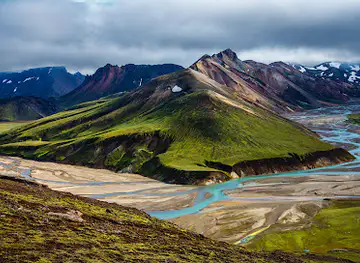
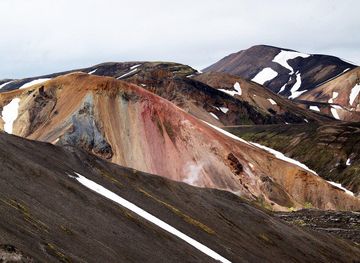
Landmannalaugar, located in the highlands of Iceland, is a place of extraordinary natural beauty. Known for its colorful rhyolite mountains, this destination offers a visual feast with shades of red, pink, green, and golden yellow. The landscape is a result of centuries of volcanic activity, creating a unique and vibrant terrain that is unlike any other. One of the main attractions of Landmannalaugar is its geothermal hot springs. After a day of hiking through the rugged landscape, visitors can relax in these naturally heated pools. The contrast between the chilly air and the warm water is an unforgettable experience. The area is also a starting point for the famous Laugavegur Trail, a multi-day trek that takes hikers through diverse and stunning landscapes. Landmannalaugar is accessible primarily during the summer months from June to September, as the roads are often impassable during winter. The area is remote, adding to its allure, but it means that visitors need to come prepared with supplies and a sense of adventure. Whether you're an avid hiker, a nature lover, or simply looking to soak in the beauty of Iceland, Landmannalaugar offers a serene yet exhilarating escape.

Know before you go
Hi, I'm Eve. Here are a few practical things to know before exploring Landmannalaugar.
- Visit between June and September when the area is most accessible.
- Bring layers of clothing; the weather can change rapidly.
- Pack enough food and supplies; there are limited services.
- Consider joining a guided tour if you're not comfortable driving on rough roads.
- Don't forget your camera; the landscape is incredibly photogenic.
Explore Landmannalaugar: Things to Do, Places to Eat, Hotels & More
Handpicked recommendations for top attractions, local dining, accommodations, and more

Best attractions in Landmannalaugar
Top-rated picks
Best Attractions

Huldufoss Waterfall
Experience the breathtaking beauty of Huldufoss Waterfall, an enchanting natural wonder in Iceland surrounded by stunning landscapes.

Rauðaskál - volcano crater
Explore Rauðaskál Volcano Crater: A stunning hiking area near Akureyri, showcasing Iceland's breathtaking volcanic landscape and diverse wildlife.

Rauðauga
Discover the vibrant landscapes and serene beauty of Rauðauga, a nature preserve showcasing Iceland's breathtaking wilderness and rich biodiversity.

Kýlingavatn lake
Discover the serene beauty of Kýlingavatn Lake, where Iceland's stunning landscapes and rich wildlife create an unforgettable retreat into nature.

Best landmarks in Landmannalaugar
Top-rated picks
Best Landmarks

Fjallabak Nature Reserve
Explore the stunning landscapes and outdoor adventures at Fjallabak Nature Reserve, a must-see destination in Iceland's breathtaking highlands.
Landmannalaugar Tourist information Centre
Discover the vibrant landscapes and geothermal wonders of Landmannalaugar, a hiker's paradise in the heart of Iceland's scenic Highlands.

Landmannalaugar Camping
Discover the captivating landscapes and rejuvenating hot springs at Landmannalaugar Camping, an essential stop for every Icelandic adventure.

Sigoldufoss
Explore the breathtaking beauty of Sigoldufoss, a stunning waterfall that showcases Iceland's natural wonders and unforgettable landscapes.


Best bars in Landmannalaugar
Top-rated picks
Best Bars

Landmannalaugar roadside parking
Discover the stunning landscapes and geothermal wonders at Landmannalaugar roadside parking, your gateway to Iceland's Highlands.

Landmannalaugar gönguleið
Experience the enchanting beauty of Landmannalaugar, Iceland's premier hiking area, with its vibrant mountains and geothermal wonders.

Hotel Highland | Hótel Háland
Discover comfort and culinary delights at Hotel Highland, a perfect retreat in Hella, Iceland, surrounded by breathtaking landscapes and local charm.

Best shops in Landmannalaugar
Top-rated picks
Best Shops

Fjallabak Nature Reserve
Explore the diverse landscapes and geothermal wonders of Fjallabak Nature Reserve, a must-visit park for every nature enthusiast in Iceland.

Landmannalaugar
Explore the breathtaking beauty of Landmannalaugar, Iceland's vibrant geothermal wonderland and hiker's paradise.

Landmannalaugar Tourist information Centre
Explore the stunning highlands of Iceland at the Landmannalaugar Tourist Information Centre, your gateway to breathtaking hiking adventures and geothermal wonders.

Landmannalaugar Camping
Discover the vibrant landscapes and natural hot springs at Landmannalaugar Camping, a paradise for outdoor enthusiasts in Iceland's highlands.

Explore Landmannalaugar on the Map
A handpicked selection of must-see spots in Landmannalaugar, mapped for you.
Landmannalaugar Essentials
-
Landmannalaugar is located in the Icelandic Highlands and is part of the Fjallabak Nature Reserve. The nearest international airport is Keflavík International Airport (KEF) near Reykjavik. From Reykjavik, you can drive to Landmannalaugar, which is approximately 180 kilometers away. The journey takes around 3 to 4 hours by car. Note that the roads leading to Landmannalaugar, especially F-roads, are rugged and often require a 4x4 vehicle. Alternatively, you can join a guided tour or take a bus service specifically designed for highland travel, such as those offered by Reykjavik Excursions or Trex.
-
Within Landmannalaugar, the primary mode of transportation is hiking. The area is renowned for its trekking routes, including the famous Laugavegur Trail. If you plan to explore nearby areas, renting a 4x4 vehicle is advisable due to the challenging terrain. There is also a shuttle service that operates during the summer months, connecting Landmannalaugar with other key locations in the highlands. Guided tours are another excellent option for those who prefer not to drive.
-
The official currency in Iceland is the Icelandic Króna (ISK). Most establishments in and around Landmannalaugar accept credit and debit cards. However, it's advisable to carry some cash, especially if you plan to visit remote areas where card payments might not be accepted. ATMs are available in larger towns, so it's a good idea to withdraw cash before heading into the highlands.
-
Landmannalaugar is generally a safe destination, but the rugged terrain and unpredictable weather can pose risks. Always check the weather forecast before setting out and be prepared for sudden changes. Stick to marked trails and inform someone of your plans if hiking alone. Crime rates are very low, but standard precautions like keeping an eye on your belongings are always a good idea. There are no specific high-crime areas targeting tourists.
-
In case of an emergency, dial 112 for immediate assistance. This number connects you to Icelandic emergency services, including police, fire, and medical services. It's highly recommended to have travel insurance that covers medical emergencies and evacuations. If you encounter minor health issues, Reykjavik has the nearest comprehensive medical facilities. Always carry a basic first aid kit and emergency supplies when hiking.
-
Fashion: Do wear layers and waterproof clothing, as weather can change rapidly. Don't wear cotton clothing, as it retains moisture and can lead to hypothermia. Religion: Do respect local customs, but there are no strict religious practices to follow in the highlands. Public Transport: Do use shuttle services and guided tours for safe travel. Don’t attempt to drive F-roads without a proper 4x4 vehicle. Greetings: Do greet people with a friendly nod or a simple 'hello' in Icelandic ('halló'). Eating & Drinking: Do try the local delicacies, such as lamb and fish. Don’t leave litter behind; always carry out what you carry in.
-
To experience Landmannalaugar like a local, take your time to explore the less-traveled trails. Visit the natural geothermal hot springs and take a relaxing dip. Engage with local guides who can provide insights into the area's geology and history. If visiting in summer, consider joining a multi-day trek to truly immerse yourself in the stunning landscapes. Always respect the environment and follow the Leave No Trace principles.
When is the best time to visit Landmannalaugar?
Useful Local Phrases for Landmannalaugar
You don't need to speak the language perfectly. Even learning a few simple words can make conversations warmer—and locals usually appreciate the effort.
— Eve

Here are the phrases I use most often in Landmannalaugar. Try a few—you'll be surprised how far they go! 😊
❤️
-
- HelloHalló
[HAH-loh] - GoodbyeBless
[bles] - YesJá
[ya] - NoNei
[nay] - Please/You're welcomeGjörðu svo vel
[GYOR-thu SVOH vel] - Thank youTakk fyrir
[tahk FEER-ir] - Excuse me/SorryFyrirgefðu
[FEER-ir-gef-thu] - How are you?Hvernig hefur þú það?
[KVER-nig HEH-ur thoo thahth] - Fine. And you?Fínt. Og þú?
[feent. oh thoo] - Do you speak English?Talar þú ensku?
[TAH-lar thoo EHN-skoo] - I don't understandÉg skil ekki
[yeh skil EHK-ki]
- HelloHalló
-
- I'd like to see the menu, pleaseÉg vil sjá matsedilinn, takk
[yeh vil syah MAHT-seh-dil-inn, tahk] - I don't eat meatÉg borða ekki kjöt
[yeh bor-tha EHK-ki k-yot] - Cheers!Skál!
[skowl] - I would like to pay, pleaseÉg vil greiða, takk
[yeh vil gray-tha, tahk]
- I'd like to see the menu, pleaseÉg vil sjá matsedilinn, takk
-
- Help!Hjálp!
[HYAALP] - Go away!Farðu í burtu!
[FAHR-thu ee BUHR-too] - Call the Police!Hringdu í lögreglu!
[HRING-doo ee LEUH-greh-lu] - Call a doctor!Hringdu í læknisfræðing!
[HRING-doo ee LIEK-nis-fraih-ing] - I'm lostÉg er villtur
[yeh air VIL-toor] - I'm illÉg er veikur
[yeh air VAY-kur]
- Help!Hjálp!
-
- I'd like to buy...Ég vil kaupa...
[yeh vil KOIP-a...] - I'm just lookingÉg er bara að skoða
[yeh air BAH-rah ath SKO-tha] - How much is it?Hvað kostar það?
[kvath KOHS-tar thahth] - That's too expensiveÞað er of dýrt
[thath air ohf DEERT] - Can you lower the price?Getur þú lækkað verðið?
[GAY-tur thoo LIE-kath VER-thith]
- I'd like to buy...Ég vil kaupa...
-
- What time is it?Hvað er klukkan?
[kvath air KLUHK-kahn] - It's one o'clockKlukkan er eitt
[KLUHK-kahn air ayht] - Half past (10)Hálf tíu
[howlf tee-oo] - MorningMorgunn
[MOHR-gun] - AfternoonSíðdegis
[SEETH-deh-gis] - EveningKvöld
[kvul-th] - YesterdayÍ gær
[ee gair] - TodayÍ dag
[ee dahg] - TomorrowÁ morgun
[ow MOHR-gun] - 1Einn
[ayh-tn] - 2Tveir
[tvayr] - 3Þrír
[threer] - 4Fjórir
[FYOH-reer] - 5Fimm
[fim] - 6Sex
[sehx] - 7Sjö
[syoh] - 8Átta
[owt-tah] - 9Níu
[nee-uh] - 10Tíu
[tee-oo]
- What time is it?Hvað er klukkan?
-
- Where's a/the...?Hvar er...?
[kvar air] - What's the address?Hvað er heimilisfangið?
[kvath air HAY-me-lee-sfahn-gith] - Can you show me (on the map)?Getur þú sýnt mér (á kortinu)?
[GAY-tur thoo soint mair (ow KOHR-tee-noo)] - When's the next (bus)?Hvenær kemur næsta (strætisvagn)?
[KVER-nigh KEH-mur NIGH-stah (strai-tis-vahn)] - A ticket (to ....)Miða (til ....)
[MEE-tha (teel ....)]
- Where's a/the...?Hvar er...?
History of Landmannalaugar
-
Landmannalaugar's stunning landscape is a product of volcanic activity and geothermal forces. The region's unique rhyolite mountains, vibrant with colors ranging from pink to green to yellow, are the result of volcanic eruptions and the subsequent cooling of lava. The Laugahraun lava field, formed by an eruption around 1477, is a testament to the powerful geologic activity that shaped this area.
-
The earliest known human activities in Landmannalaugar date back to Iceland's settlement era, around the 9th century. While the harsh environment deterred permanent settlements, the hot springs provided a vital resource for temporary shelters and respite for travelers and farmers driving their livestock through the rugged terrain.
-
Landmannalaugar is steeped in the lore of the Icelandic sagas, medieval texts that recount the history and legends of early Icelanders. Many of these sagas reference the highlands of Iceland, including Landmannalaugar, as places of refuge and adventure. These stories highlight the area's significance in Icelandic cultural heritage.
-
For centuries, Landmannalaugar played a crucial role in Icelandic sheep farming. The highlands served as a summer grazing area for sheep, and shepherds would drive their flocks to these fertile pastures. The tradition of 'réttir', or sheep round-ups, continues to this day, showcasing the enduring connection between the Icelandic people and their land.
-
In the 20th century, Landmannalaugar began to gain recognition as a destination for hikers and nature enthusiasts. The establishment of the Laugavegur trail, one of Iceland's most popular trekking routes, solidified its status as a must-visit location. The trail connects Landmannalaugar to Þórsmörk, offering breathtaking views and a challenging yet rewarding experience.
-
With the rise of tourism, conservation efforts became essential to preserve Landmannalaugar's natural beauty. The area is now part of the Fjallabak Nature Reserve, established in 1979. This designation helps protect the unique flora and fauna, as well as the geothermal and volcanic features that make Landmannalaugar a geological wonder.
-
Today, Landmannalaugar is not just a destination for its natural beauty but also for its cultural importance. Visitors can experience traditional Icelandic bathing in the natural hot springs, participate in guided tours that explain the area's rich history, and witness the living traditions of the Icelandic highlands. The annual influx of tourists has turned Landmannalaugar into a crossroads of natural wonder and cultural heritage.
Neighbouring destination travel guides
Browse our curated selection of top destinations, scenic points, and must-visit spots in the area.



Your all‑in‑one travel companion app
Explore expert travel guides, compare and book tours, experiences, hotels, and more—all from the palm of your hand. Download now for seamless trip planning wherever your wanderlust takes you.


Explore More of Southern Region
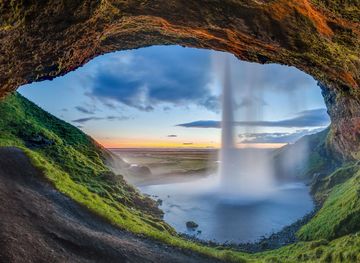
Looking beyond Landmannalaugar? Discover Southern Region for broader travel guides, local hot-spots, and regional highlights.
Explore Southern RegionExplore More of Iceland

Looking beyond Landmannalaugar? Discover Iceland for broader travel guides, local hot-spots, and regional highlights.
Explore IcelandLandmannalaugar in Photos
Browse through our photo collection highlighting the charm and character of the destination.


Landmannalaugar: Iceland's Geothermal Gem
Landmannalaugar, located in the highlands of Iceland, is a place of extraordinary natural beauty. Known for its colorful rhyolite mountains, this destination offers a visual feast with shades of red, pink, green, and golden yellow. The landscape is a result of centuries of volcanic activity, creating a unique and vibrant terrain that is unlike any other. One of the main attractions of Landmannalaugar is its geothermal hot springs. After a day of hiking through the rugged landscape, visitors can relax in these naturally heated pools. The contrast between the chilly air and the warm water is an unforgettable experience. The area is also a starting point for the famous Laugavegur Trail, a multi-day trek that takes hikers through diverse and stunning landscapes. Landmannalaugar is accessible primarily during the summer months from June to September, as the roads are often impassable during winter. The area is remote, adding to its allure, but it means that visitors need to come prepared with supplies and a sense of adventure. Whether you're an avid hiker, a nature lover, or simply looking to soak in the beauty of Iceland, Landmannalaugar offers a serene yet exhilarating escape.