

Laugavegur Trail, Iceland Travel Guide
Embark on the Laugavegur Trail in Iceland for an unforgettable adventure through volcanic deserts, colorful mountains, and pristine glaciers.
The Laugavegur Trail in Iceland is a mesmerizing journey through one of the world's most diverse and breathtaking landscapes. Stretching from the geothermal paradise of Landmannalaugar to the lush, green valley of Þórsmörk, this 55-kilometer trek offers a unique blend of volcanic deserts, colorful rhyolite mountains, and pristine glaciers. Each step reveals a new facet of Icelandic nature, making it a must-visit for adventurers and nature lovers alike. The trail is well-marked and accessible from mid-June to early September, providing ample opportunities to witness the midnight sun or the early hints of the Northern Lights. Along the way, you'll encounter steaming hot springs, glacial rivers, and black sand deserts, all while surrounded by vibrant moss-covered landscapes. The changing scenery keeps hikers engaged and constantly in awe of the natural wonders around them. While the Laugavegur Trail is popular, it still retains a sense of solitude and untouched beauty. There are mountain huts and campsites along the route, offering comfortable stops for rest and socializing with fellow hikers. Whether you're an experienced trekker or a first-time visitor to Iceland, the Laugavegur Trail promises an unforgettable experience, combining physical challenge with the reward of stunning natural beauty.

Know before you go
Hi, I'm Eve. Here are a few practical things to know before exploring Laugavegur Trail.
- Check the weather forecast regularly; Iceland's weather can be unpredictable.
- Book mountain huts in advance, as they fill up quickly during peak season.
- Carry enough food and water, as there are limited supplies along the trail.
- Wear layers; you'll need to adjust to varying temperatures and weather conditions.
- Bring a waterproof map and a compass, as GPS can be unreliable in some areas.
- Consider hiring a guide if you're not an experienced hiker; the trail can be challenging.
Explore Laugavegur Trail: Things to Do, Places to Eat, Hotels & More
Handpicked recommendations for top attractions, local dining, accommodations, and more

Best attractions in Laugavegur Trail
Top-rated picks
Best Attractions

Gljufrabui
Experience the tranquil beauty of Gljufrabui Waterfall, a hidden gem in Iceland's stunning landscape, perfect for nature lovers and adventurers.

Dyrhólaey Lighthouse
Experience the breathtaking views and natural wonders at Dyrhólaey Lighthouse, an iconic landmark on Iceland's southern coast.

Geysir Hot Springs
Discover the geothermal marvels of Geysir Hot Springs, where nature's raw power erupts in breathtaking displays of steam and water in the heart of Iceland.

Hálsanefshellir Cave
Uncover the enchanting beauty of Hálsanefshellir Cave, a stunning natural wonder along Iceland's breathtaking coastline near Vik.

Best landmarks in Laugavegur Trail
Top-rated picks
Best Landmarks

Dyrhólaey Lighthouse
Discover the stunning views and natural beauty of Dyrhólaey Lighthouse, a must-visit attraction on Iceland's scenic southern coast.

Sólheimajökull
Explore the stunning Sólheimajökull glacier, a breathtaking natural attraction in Iceland perfect for all types of tourists seeking adventure and beauty.

Þórsmörk
Experience the breathtaking natural beauty of Þórsmörk, Iceland's enchanting preserve filled with diverse hiking trails, stunning landscapes, and serene wilderness.

Þúfa
Experience the tranquility of Þúfa in Reykjavik, a unique natural mound showcasing Icelandic flora and offering stunning city views.

Best restaurants in Laugavegur Trail
Top-rated picks
Best Restaurants

Svarta Kaffið
Experience authentic Icelandic flavors at Svarta Kaffið with hearty soups served in bread bowls – a must-visit culinary delight in Reykjavík.

Old Iceland
Discover authentic Icelandic cuisine at Old Iceland in Reykjavík – where tradition meets flavor in every delicious bite.

Grillmarkaðurinn
Experience authentic Icelandic cuisine at Grillmarkaðurinn in Reykjavík - where local flavors meet exceptional dining.

Black Beach Restaurant
Experience authentic Icelandic cuisine with breathtaking views at Black Beach Restaurant near Reynisfjara.

Best bars in Laugavegur Trail
Top-rated picks
Best Bars

Lebowski Bar
Discover the quirky charm of Lebowski Bar in Reykjavík, where the spirit of 'The Big Lebowski' meets delightful dining and drinks.

American Bar
Savor the flavors of America at the American Bar in Reykjavík, where delicious grilled dishes and a lively atmosphere await.

Dillon Whiskey Bar
Discover Dillon Whiskey Bar in Reykjavík, where lively karaoke, live music, and an extensive whiskey selection create unforgettable nightlife experiences.

The Drunk Rabbit Irish Pub
Experience the lively spirit of Iceland at The Drunk Rabbit Irish Pub, where Irish charm meets Reykjavík's vibrant nightlife.

Best nightclubs in Laugavegur Trail
Top-rated picks
Best Nightclubs

Pablo Discobar
Dive into the vibrant nightlife of Reykjavík at Pablo Discobar, where expertly crafted cocktails and a lively atmosphere await you.

Kíkí Queer Bar
Experience the vibrant nightlife at Kíkí Queer Bar in Reykjavík, a welcoming hub for LGBTQ+ culture filled with fun, entertainment, and unforgettable moments.

Paloma Club
Discover the pulse of Reykjavík’s nightlife at Paloma Club, where great music and an energetic atmosphere await.

LÚX Nightclub
Discover the vibrant nightlife of Reykjavík at LÚX Nightclub, where music, dance, and excitement combine for an unforgettable experience.

Best shops in Laugavegur Trail
Top-rated picks
Best Shops

Icewear / Vík Wool
Discover Icewear / Vík Wool in Vík, Iceland - your go-to shop for premium outdoor clothing, stylish wool products, and unique Icelandic souvenirs!

The Icelandic Store
Explore the best of Icelandic wool at The Icelandic Store, where creativity meets tradition in the heart of Hafnarfjörður.

IcelandCover Outdoor Clothing Rental
Discover premium outdoor clothing and gear at IcelandCover, the go-to rental shop in Reykjavík for your Icelandic adventure.

Icewear
Icewear: Your ultimate destination for outdoor clothing and unique Icelandic souvenirs in the heart of Reykjavík.

Explore Laugavegur Trail on the Map
A handpicked selection of must-see spots in Laugavegur Trail, mapped for you.
Laugavegur Trail Essentials
-
The Laugavegur Trail is located in the southern Highlands of Iceland. The nearest international airport is Keflavík International Airport (KEF), approximately 150 kilometers away from the trail's starting point in Landmannalaugar. From Reykjavík, you can take a bus to Landmannalaugar, which is serviced by several bus companies during the summer months. The journey typically takes around 4 hours. Alternatively, car rentals are available, but a 4x4 vehicle is recommended due to the rough terrain.
-
Once on the Laugavegur Trail, transportation options are limited to hiking. However, there are bus services that connect the trailheads, such as those between Landmannalaugar and Þórsmörk, and from Þórsmörk to Skógar for those extending their trek. For local travel in Reykjavík before or after your hike, taxis, public buses, and car rentals are available. Plan your transportation in advance, especially the bus services, as they operate on a seasonal schedule.
-
The official currency in Iceland is the Icelandic Króna (ISK). Credit cards are widely accepted, even in remote areas like the Laugavegur Trail huts and campsites. However, it is advisable to carry some cash for emergencies or small purchases. ATMs are available in Reykjavík, but there are no ATMs along the trail, so ensure you have enough funds before starting your hike.
-
The Laugavegur Trail is generally safe, but hikers should be prepared for changing weather conditions and challenging terrain. Always inform someone about your itinerary and expected return time. There are no specific high-crime areas targeting tourists; however, it is always wise to stay vigilant. Ensure you have proper gear, including a map, compass, and GPS device. Follow marked trails and avoid wandering off-path.
-
In case of emergency, the Icelandic emergency number is 112. The trail huts are equipped with radios for emergency communication. It is recommended to carry a personal locator beacon (PLB) or satellite phone. Travel insurance that covers hiking and medical emergencies is highly advisable. For minor injuries or health issues, first aid supplies are available at the huts, but it is best to carry your own basic first aid kit.
-
Fashion: Do wear layered clothing and waterproof gear. Avoid wearing cotton as it retains moisture. Religion: Iceland is predominantly secular, but do respect any religious sites you may visit. Public Transport: Do be courteous and follow the rules; public buses in Reykjavík are efficient and punctual. Greetings: A simple 'Hello' or 'Góðan daginn' (Good day) is customary. Eating & Drinking: Do try local Icelandic foods, but don’t expect to find many dining options on the trail. Carry sufficient food supplies for your hike.
-
To experience the Laugavegur Trail like a local, start your hike early in the morning to avoid crowds. Take time to soak in the natural hot springs at Landmannalaugar. Engage with fellow hikers and hut wardens; they often have valuable insights and stories. Don’t miss the detour to the Fimmvörðuháls trail from Þórsmörk to Skógar for an extended adventure. Respect the 'Leave No Trace' principles to preserve the pristine environment.
When is the best time to visit Laugavegur Trail?
Useful Local Phrases for Laugavegur Trail
You don't need to speak the language perfectly. Even learning a few simple words can make conversations warmer—and locals usually appreciate the effort.
— Eve

Here are the phrases I use most often in Laugavegur Trail. Try a few—you'll be surprised how far they go! 😊
❤️
-
- HelloHalló
[ha-lo] - GoodbyeBless
[bles] - YesJá
[ya] - NoNei
[nay] - Please/You're welcomeGjörðu svo vel
[gyor-thu svo vel] - Thank youTakk fyrir
[tahk fi-rir] - Excuse me/SorryFyrirgefðu
[fi-rir-gef-thu] - How are you?Hvernig hefurðu það?
[kver-nig hev-ur-thu thad] - Fine. And you?Í góðu. En þú?
[ee go-thu en thu] - Do you speak English?Talarðu ensku?
[ta-lar-thu en-sku] - I don't understandÉg skil ekki
[yeg skil ek-ki]
- HelloHalló
-
- I'd like to see the menu, pleaseÉg vil sjá matsedilinn, takk
[yeg vil syow mat-sed-il-in takk] - I don't eat meatÉg borða ekki kjöt
[yeg bor-tha ek-ki k-yot] - Cheers!Skál!
[skowl] - I would like to pay, pleaseÉg vil greiða, takk
[yeg vil gray-tha takk]
- I'd like to see the menu, pleaseÉg vil sjá matsedilinn, takk
-
- Help!Hjálp!
[hyowlp] - Go away!Farðu í burtu!
[far-thu ee bur-thu] - Call the Police!Hringdu í lögreglu!
[hring-du ee luh-gre-glue] - Call a doctor!Hringdu í lækni!
[hring-du ee laik-ni] - I'm lostÉg er týndur
[yeg er tind-ur] - I'm illÉg er veikur
[yeg er vay-kur]
- Help!Hjálp!
-
- I'd like to buy...Ég vil kaupa...
[yeg vil koy-pa] - I'm just lookingÉg er bara að skoða
[yeg er bara ath sko-tha] - How much is it?Hvað kostar það?
[kva-th kost-ar thad] - That's too expensiveÞað er of dýrt
[thad er of deert] - Can you lower the price?Geturðu lækkad verðið?
[ge-tur-thu lai-kad ver-thid]
- I'd like to buy...Ég vil kaupa...
-
- What time is it?Hvað er klukkan?
[kva-th er kloo-kan] - It's one o'clockKlukkan er eitt
[kloo-kan er ayt] - Half past (10)Hálftíu
[ha-lf-tee-oo] - MorningMorgun
[mor-gun] - AfternoonSíðdegi
[seeth-de-yee] - EveningKvöld
[kv-uthlth] - YesterdayÍ gær
[ee g-yir] - TodayÍ dag
[ee dag] - TomorrowÁ morgun
[ow mor-gun] - 1Eitt
[ayt] - 2Tvö
[tv-ur] - 3Þrjú
[th-ree-oo] - 4Fjögur
[fy-thur] - 5Fimm
[fim] - 6Sex
[se-x] - 7Sjö
[syow] - 8Átta
[ow-ta] - 9Níu
[nee-oo] - 10Tíu
[tee-oo]
- What time is it?Hvað er klukkan?
-
- Where's a/the...?Hvar er...
[kvar er] - What's the address?Hvað er heimilisfangið?
[kva-th er hay-mil-is-fan-gith] - Can you show me (on the map)?Geturðu sýnt mér (á kortinu)?
[ge-tur-thu soint m-ear ow kort-in-u] - When's the next (bus)?Hvenær kemur næsta (strætisvagn)?
[kver-ni-ar ke-mur n-ai-sta strai-tis-vagn] - A ticket (to ....)Miða (til ....)
[mee-tha til]
- Where's a/the...?Hvar er...
History of Laugavegur Trail
-
The Laugavegur Trail, also known as the 'Hot Spring Route', derives its name from the Icelandic words 'laug' meaning hot spring and 'vegur' meaning road or path. The trail has been used for centuries by locals traveling between the geothermal areas of Landmannalaugar and Þórsmörk. Originally, it served as a vital route for shepherds driving their flocks through the remote highlands.
-
Landmannalaugar, the starting point of the Laugavegur Trail, is a region renowned for its unique geological features. The area was formed by centuries of volcanic activity, including rhyolite mountains, which give the landscape its striking multicolored appearance. The geothermal hot springs in Landmannalaugar have been a central feature of the region, providing warmth and relaxation for travellers throughout history.
-
Þórsmörk, the endpoint of the Laugavegur Trail, is named after the Norse god Thor. The valley is steeped in myth and legend, with its dense forests and dramatic landscapes inspiring countless stories. According to Norse mythology, the area was a sacred place where Thor himself would wander, and it was believed to be protected by the god's divine power.
-
The trail passes close to the Hekla volcano, one of Iceland's most active and infamous volcanoes. Hekla has erupted numerous times throughout history, with significant eruptions recorded in 1104, 1300, 1766, and 1947. These eruptions have had profound impacts on the landscape and the people living in the region, shaping the environment and even influencing Icelandic folklore.
-
In the 20th and 21st centuries, the Laugavegur Trail has transformed from a shepherd’s path to one of Iceland’s most popular hiking routes. It attracts thousands of outdoor enthusiasts from around the world every year. The trail’s combination of geothermal activity, dramatic landscapes, and rich history has made it a must-visit destination for those seeking to experience the natural and cultural heritage of Iceland.
-
Given its popularity, there have been significant efforts to preserve the natural beauty and ecological integrity of the Laugavegur Trail. The Icelandic government and various environmental organizations have implemented measures to minimize the impact of tourism, including trail maintenance, waste management systems, and educational programs for hikers. These initiatives aim to ensure that the trail remains a pristine and sustainable destination for future generations.
Neighbouring destination travel guides
Browse our curated selection of top destinations, scenic points, and must-visit spots in the area.




Your all‑in‑one travel companion app
Explore expert travel guides, compare and book tours, experiences, hotels, and more—all from the palm of your hand. Download now for seamless trip planning wherever your wanderlust takes you.


Explore More of Southern Region
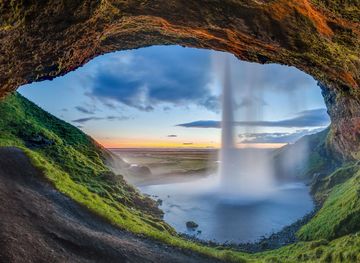
Looking beyond Laugavegur Trail? Discover Southern Region for broader travel guides, local hot-spots, and regional highlights.
Explore Southern RegionExplore More of Iceland

Looking beyond Laugavegur Trail? Discover Iceland for broader travel guides, local hot-spots, and regional highlights.
Explore IcelandLaugavegur Trail in Photos
Browse through our photo collection highlighting the charm and character of the destination.


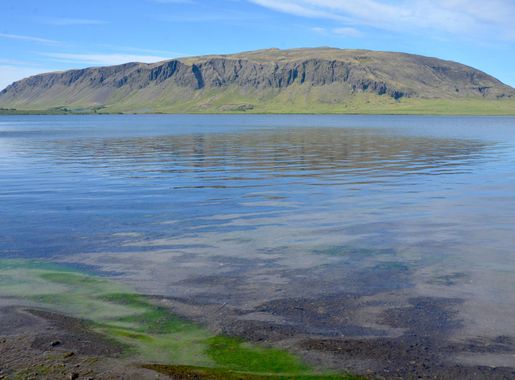

Laugavegur Trail: The Heartbeat of Icelandic Wilderness
The Laugavegur Trail in Iceland is a mesmerizing journey through one of the world's most diverse and breathtaking landscapes. Stretching from the geothermal paradise of Landmannalaugar to the lush, green valley of Þórsmörk, this 55-kilometer trek offers a unique blend of volcanic deserts, colorful rhyolite mountains, and pristine glaciers. Each step reveals a new facet of Icelandic nature, making it a must-visit for adventurers and nature lovers alike. The trail is well-marked and accessible from mid-June to early September, providing ample opportunities to witness the midnight sun or the early hints of the Northern Lights. Along the way, you'll encounter steaming hot springs, glacial rivers, and black sand deserts, all while surrounded by vibrant moss-covered landscapes. The changing scenery keeps hikers engaged and constantly in awe of the natural wonders around them. While the Laugavegur Trail is popular, it still retains a sense of solitude and untouched beauty. There are mountain huts and campsites along the route, offering comfortable stops for rest and socializing with fellow hikers. Whether you're an experienced trekker or a first-time visitor to Iceland, the Laugavegur Trail promises an unforgettable experience, combining physical challenge with the reward of stunning natural beauty.