

Thorsmork Travel Guide - Free Web & App
Your ultimate guide to Thorsmork. Discover top landmarks, proposed trips, and local tips. Free on the web or via the Evendo companion app.


Thorsmork, Iceland, combines glacial valleys, birch woodland, volcanic peaks and renowned hiking routes in one remote highland sanctuary for adventurous walkers.
A Valley Between Glaciers
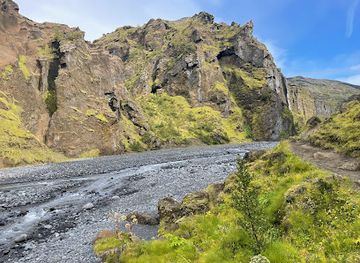
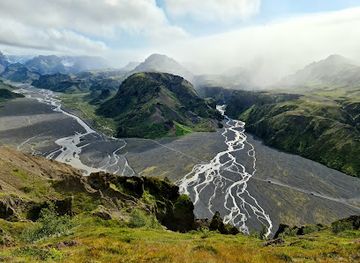
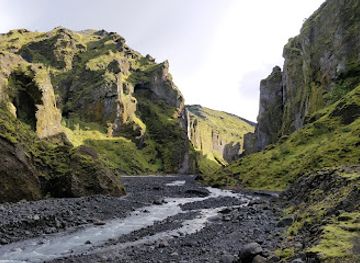
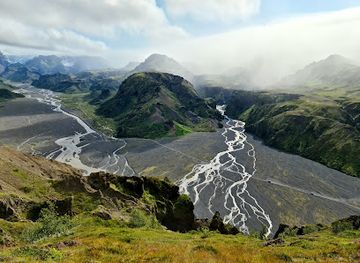
Thorsmork, or Þórsmörk, is a rugged highland valley in southern Iceland, shaped by glaciers, volcanic activity and braided rivers. Its name means “Thor’s forest”, an evocative reference to the pockets of downy birch and willow that soften an otherwise powerful landscape. The valley lies between Eyjafjallajökull, Tindfjallajökull and Mýrdalsjökull, with the Markarfljót river system cutting through dark volcanic ground and green ridges.Read more about Thorsmork
Walking Through Wild Landscapes
A Landscape Shaped by Eruptions
When is the best time to visit Thorsmork?
Best: June–August · 14–16°C| Month | High (°C) | Rainfall (mm) |
|---|---|---|
| January | 1 | 80 |
| February | 2 | 70 |
| March | 3 | 60 |
| April | 5 | 50 |
| May | 10 | 40 |
| June (best) | 14 | 30 |
| July (best) | 16 | 30 |
| August (best) | 14 | 40 |
| September | 11 | 60 |
| October | 7 | 70 |
| November | 3 | 80 |
| December | 2 | 90 |
Getting to and around Thorsmork
How to get there
Transportation
Best attractions in Thorsmork
-
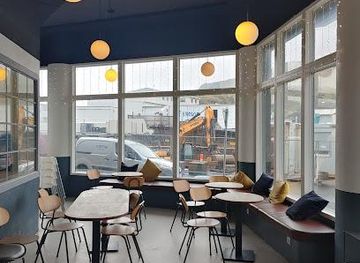
Bakery
Vigtin bakhús
Experience the best of Icelandic flavors at Vigtin Bakhús, a charming bakery and coffee shop in Vestmannaeyjabær, offering delicious pastries and a cozy atmosphere.
-
Tourist attraction
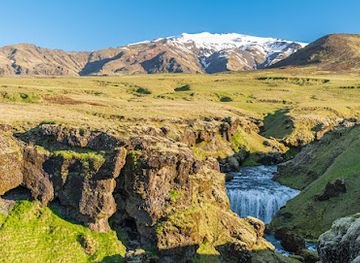
Steinbogafoss
Experience the breathtaking beauty of Steinbogafoss, a majestic waterfall nestled in Iceland's stunning Fimmvörðuháls region, perfect for nature lovers and adventurers.
-
National forest
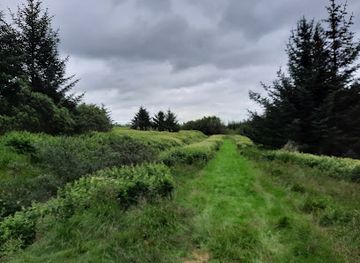
Tumastaðir
Explore the enchanting Tumastaðir National Forest, a serene escape into Iceland's lush wilderness with diverse trails and rich wildlife.
-
Tourist attraction
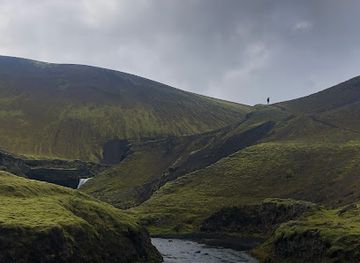
Hólmsárfossar
Experience the breathtaking beauty of Hólmsáfossar, an enchanting waterfall in Iceland that captivates with its stunning cascades and serene landscapes.
Best landmarks in Thorsmork
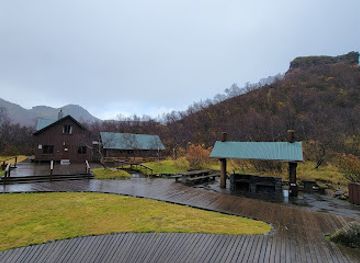
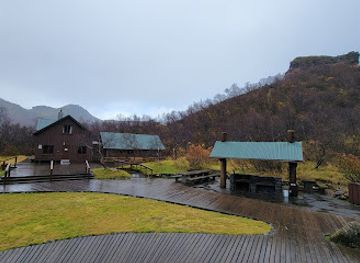
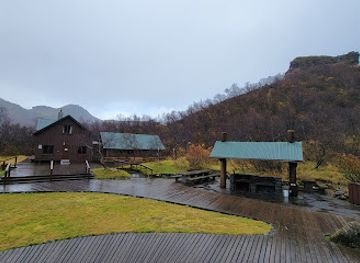
The defining landmarks of Thorsmork are its natural features and the glacial-volcanic setting that surrounds them. The valley’s birch woodland gives Þórsmörk its name and creates a marked contrast with Iceland’s more open highland terrain. The Markarfljót river system, its tributary valleys and dark volcanic sediments shape the views from trails around Langidalur, Húsadalur and Básar. Above the walking routes rise the ice-covered masses of Eyjafjallajökull, Mýrdalsjökull and Tindfjallajökull, although visibility depends on weather. On the Fimmvörðuháls route, the 2010 craters Magni and Móði are conspicuous reminders of the area’s active geology. The valley’s huts and trail camps are useful waypoints, but they are practical mountain structures rather than historic monuments; Thorsmork’s importance lies chiefly in the relationship between woodland, rivers, glaciers and young volcanic landforms.
-
Nature preserve
Þórsmörk
Explore the breathtaking landscapes and diverse hiking trails of Þórsmörk, a nature preserve in Iceland, perfect for adventure seekers and nature lovers.
-
Mountain peak
Thórsmörk
Discover the breathtaking beauty of Thórsmörk, a stunning valley in Iceland perfect for hiking and exploring nature's wonders amidst glaciers and peaks.
-
Resort hotel
Volcano Huts Húsadalur
Discover the serene beauty of Volcano Huts Húsadalur, your gateway to Iceland's stunning landscapes and adventure-filled days.
-
Hostel
Básar Hut & campsite
Discover the breathtaking landscapes of Þórsmörk at Básar Hut & Campsite, offering cozy accommodations and a taste of Icelandic hospitality.
Explore Thorsmork on the map
Plan your trip on one map. See where the top attractions, landmarks, restaurants and hotels are, and book hotels and experiences in a few clicks.
Best hotels in Thorsmork
Best restaurants in Thorsmork
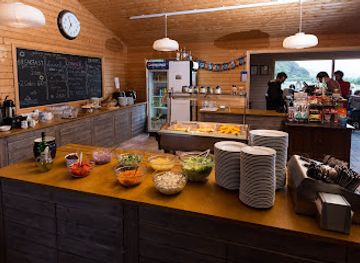
Thorsmork has no conventional restaurant district and only limited food provision associated with mountain huts and accommodation camps. Visitors generally arrive with packed supplies, while hut guests should confirm in advance what cooking facilities, meals or provisions are available at their chosen base. The south-coast approach offers broader dining opportunities in settlements such as Hvolsvöllur, Hella and the villages and service stops along Route 1, where cafés, bakeries, petrol-station food counters and casual restaurants serve travellers. Icelandic staples commonly encountered in the wider region include rye bread, lamb, dairy products, fish and warming soups, while packed meals are particularly practical for long walks. Food shopping and fuel should be completed before entering the highlands, as river crossings and weather can delay return journeys and there are few opportunities to replenish supplies inside Thorsmork.
-
Nature preserve
Þórsmörk
Explore Þórsmörk: A breathtaking nature preserve in Iceland with stunning landscapes, diverse hiking trails, and unforgettable outdoor experiences.
-
Resort hotel
Volcano Huts Húsadalur
Experience serenity at Volcano Huts Húsadalur, your perfect retreat amidst Iceland's stunning landscapes with delightful dining options.
-
Hostel
Básar Hut & campsite
Experience breathtaking landscapes at Básar Hut & Campsite in Þórsmörk – your gateway to Iceland's stunning natural wonders.
-
 Campground
Básar, Þórsmörk
Experience nature's wonders at Básar, Þórsmörk - your gateway to adventure with camping, dining, and breathtaking landscapes.
Best bars in Thorsmork
Thorsmork has no nightlife scene in the urban sense, and evenings are shaped by mountain huts, quiet camps and the changing light over the valley. Social life usually consists of walkers sharing a meal, planning the next day’s route or talking in communal hut spaces rather than visiting bars or clubs. Alcohol may be available only if brought responsibly by visitors or provided under the arrangements of a particular accommodation facility, so it should not be assumed. For a broader choice of pubs and evening hospitality, travellers need to remain on the south-coast side and use settlements such as Hvolsvöllur or Hella, where venues are oriented towards local residents and travellers on Route 1 rather than late-night tourism. Summer daylight can extend well into the evening, while weather may encourage an early night.
-
Nature preserve
Þórsmörk
Explore Þórsmörk, Iceland's breathtaking nature preserve known for its stunning trails, diverse wildlife, and serene camping spots amidst majestic landscapes.
-
Resort hotel
Volcano Huts Húsadalur
Experience the beauty of Iceland at Volcano Huts Húsadalur, your gateway to adventure and relaxation amidst stunning volcanic landscapes.
-
Hostel
Thorsmork Skagfjörðsskáli
Experience the breathtaking beauty of Thorsmork Valley at Thorsmork Skagfjörðsskáli, a cozy hostel perfect for nature lovers and adventurers.
-
Campground
Básar, Þórsmörk
Discover the breathtaking nature of Þórsmörk at Básar, a cozy campground with bar and fast food options, perfect for your Icelandic adventure.
Best nightclubs in Thorsmork
Thorsmork has no nightlife scene in the urban sense, and evenings are shaped by mountain huts, quiet camps and the changing light over the valley. Social life usually consists of walkers sharing a meal, planning the next day’s route or talking in communal hut spaces rather than visiting bars or clubs. Alcohol may be available only if brought responsibly by visitors or provided under the arrangements of a particular accommodation facility, so it should not be assumed. For a broader choice of pubs and evening hospitality, travellers need to remain on the south-coast side and use settlements such as Hvolsvöllur or Hella, where venues are oriented towards local residents and travellers on Route 1 rather than late-night tourism. Summer daylight can extend well into the evening, while weather may encourage an early night.
-
Mountain peak
Thórsmörk
Explore Thórsmörk, Iceland's breathtaking mountain peak, where adventure meets stunning natural landscapes and diverse terrains.
-
Bar
Básar Hut & campsite
Experience the breathtaking beauty of Þórsmörk at Básar Hut & Campsite, your home away from home amidst Iceland's stunning landscapes.
-
Bar
Básar, Þórsmörk
Discover the charm of Básar in Þórsmörk, where adventure meets relaxation in the heart of Iceland's stunning wilderness.

Best shops in Thorsmork
Shopping within Thorsmork is extremely limited and should not be treated as part of the visit. Mountain huts and camps may provide only the facilities associated with accommodation, and visitors should not expect permanent shops, craft galleries or a market. The most practical purchases are made before entering the highlands, particularly food, fuel, toiletries, map supplies and equipment. Hvolsvöllur and Hella are useful mainland stops on the southern approach, while larger towns elsewhere in southern Iceland offer a wider selection of Icelandic wool clothing, outdoor equipment, books, handicrafts and regional food products. Souvenirs associated with the wider region may include knitted woollens, locally produced food and volcanic or landscape-inspired art, but availability varies. Buying supplies in established settlements and carrying reusable containers helps reduce the pressure placed on a remote environment.
-
Mountain peak
Thórsmörk
Discover Thórsmörk, Iceland's breathtaking mountain paradise, where adventure meets serene beauty amidst glaciers and vibrant landscapes.
-
Hostel
Thorsmork Skagfjörðsskáli
Explore breathtaking landscapes and enjoy cozy accommodations at Thorsmork Skagfjörðsskáli, the perfect base for your Icelandic adventure.
-
Campground
Básar, Þórsmörk
Experience the beauty of Þórsmörk at Básar, your gateway to Iceland's breathtaking landscapes and outdoor adventures.
-
Campground
Langidalur Volunteer Camp
Experience the serene beauty of Thórsmörk at Langidalur Volunteer Camp, your gateway to Iceland's breathtaking landscapes and outdoor adventures.
Get your free copy of our complete guide to Thorsmork, delivered straight to you.
Everything on this page, from attractions and restaurants to essentials and local phrases, in one PDF you can read offline, print or share.
Already have an account? Sign in
Your Thorsmork guide is ready.
We'll send it to · Not you? Sign out

Getting your guide ready…
We are putting together a fresh copy of the Thorsmork guide. This can take up to a minute.
This can take a few moments. If your browser asks, choose Allow so the download can start. You'll find the guide in your Downloads folder.
Nothing happened? Download it again
Sorry, the guide is taking longer than usual. Please try again in a minute, or get it by email instead.
Thorsmork essentials
Currency and Payment
Safety
Emergency Situations
Do's and Don'ts
Local Tips
From Eve
Local phrases worth knowing
You don't need to get them perfect. A few words go a long way, and locals appreciate the effort.
Basics
| English | Local | Say it |
|---|---|---|
| Hello | Halló | [ha:tlou] |
| Goodbye | Bless | [blɛs] |
| Yes | Já | [jaː] |
| No | Nei | [nɛɪ] |
| Please/You're welcome | Vinsamlegast/Takk fyrir | [vɪnsamːɛɪlast/tahk fɪrɪr] |
| Thank you | Takk | [tahk] |
| Excuse me/Sorry | Afsakið | [apːsacɪːð] |
| How are you? | Hvernig hefur þú það? | [kvernɪc hɛːvʏr θuː θaːð] |
| Fine. And you? | Fínt. En þú? | [fiːnt ɛn θuː] |
| Do you speak English? | Talar þú ensku? | [taːlar θuː ɛnskʏ] |
| I don't understand | Ég skil ekki | [jɛːɣ scɪl ɛhcɪ] |
Eating & Drinking
| English | Local | Say it |
|---|---|---|
| I'd like to see the menu, please | Ég myndi vilja sjá matseðilinn, væri það svo sniðugt | [jɛːɣ mɪntɪ vɪlja sjauː matseːðɪlɪn, vaɪːrɪ θaːð svɔ sniːðʏkt] |
| I don't eat meat | Ég borða ekki kjöt | [jɛːɣ pɔrða ɛhcɪ cʰjœːt] |
| Cheers! | Skál! | [skauːl] |
| I would like to pay, please | Ég myndi vilja greiða, væri það svo sniðugt | [jɛːɣ mɪntɪ vɪlja kreɪːða, vaɪːrɪ θaːð svɔ sniːðʏkt] |
Emergencies
| English | Local | Say it |
|---|---|---|
| Help! | Hjálp! | [cauːlp] |
| Go away! | Farðu í burtu! | [farðʏ iː pʏrːtʏ] |
| Call the Police! | Hringdu í lögregluna! | [hrɪŋːðʏ iː lœɣrɛcːlʏna] |
| Call a doctor! | Hringdu í lækninn! | [hrɪŋːðʏ iː laɪcːnɪn] |
| I'm lost | Ég er týnd(ur) | [jɛːɣ ɛr tiːnt(ur)] |
| I'm ill | Ég er veik(ur) | [jɛːɣ ɛr vɛɪk(ur)] |
Shopping
| English | Local | Say it |
|---|---|---|
| I'd like to buy... | Ég myndi vilja kaupa... | [jɛːɣ mɪntɪ vɪlja khøypa] |
| I'm just looking | Ég er bara að skoða | [jɛːɣ ɛr pahra aːð skɔða] |
| How much is it? | Hvað kostar það? | [kvaːð kʰɔʰstːar θaːð] |
| That's too expensive | Það er of dýrt | [θaːð ɛr ɔv tiːrt] |
| Can you lower the price? | Getur þú lækkað verðið? | [cɛːtʏr θuː laikːað vɛrðiːð] |
Time & Numbers
| English | Local | Say it |
|---|---|---|
| What time is it? | Hvað er klukkan? | [kvaːð ɛr kʰlʏkːan] |
| It's one o'clock | Klukkan er eitt | [kʰlʏkːan ɛr eɪht] |
| Half past (10) | Hálft um (tíu) | [haulft ʏm tiːʏ] |
| Morning | Morgunn | [mɔrcʏn] |
| Afternoon | Síðdegis | [siːðɛɣɪs] |
| Evening | Kvöld | [kʰvœlːð] |
| Yesterday | Í gær | [iː jaiːr] |
| Today | Í dag | [iː taːɣ] |
| Tomorrow | Á morgun | [auː mɔrcʏn] |
| 1 | Eitt | [eɪht] |
| 2 | Tvö | [tvoː] |
| 3 | Þrír | [θriːr] |
| 4 | Fjórir | [fjouːrɪr] |
| 5 | Fimm | [fɪmː] |
| 6 | Sex | [sɛx] |
| 7 | Sjö | [ʃjœː] |
| 8 | Átta | [auːhta] |
| 9 | Níu | [niːʏ] |
| 10 | Tíu | [tiːʏ] |
Transport & Directions
| English | Local | Say it |
|---|---|---|
| Where's a/the...? | Hvar er... | [kvar ɛr] |
| What's the address? | Hvað er heimilisfangið? | [kvaːð ɛr heɪmɪlɪsfancɪːð] |
| Can you show me (on the map)? | Getur þú sýnt mér (á kortinu)? | [cɛːtʏr θuː siːnt mjeːr (auː kɔrːtɪnʏ)] |
| When's the next (bus)? | Hvenær fer næsti (strætisvagn)? | [kverːnair fɛr naiːstɪ (straiːtɪsvaɣn)] |
| A ticket (to ....) | Einn miða (til ...) | [ein miːða (tɪl)] |
History of Thorsmork
Volcanic and Glacial Origins
Thorsmork’s foundations were created over geological timescales by Iceland’s volcanic activity, glacial erosion and powerful meltwater rivers. The valley lies in a complex setting between major ice caps and volcanoes, and its present landforms continue to be influenced by seasonal runoff, sediment movement and occasional eruptions. Dark volcanic soils, ash-covered slopes, river gorges and glacially shaped ridges explain the striking contrasts encountered along its trails. This geological history is especially visible on routes approaching Fimmvörðuháls, where volcanic features sit between the ice masses of Eyjafjallajökull and Mýrdalsjökull.
The Name of Thor’s Forest
The name Þórsmörk means “Thor’s forest”, referring to the birch and willow woodland that grows in sheltered parts of the valley. In a country widely associated with treeless lava fields and open tundra, these stands have long given the area a distinctive character. Thorsmork’s vegetation survives in protected gullies and valley floors where moisture, shelter and comparatively favourable conditions allow shrubs and small trees to grow. The name reflects the landscape’s cultural identity rather than a single historic settlement or monument, and the woodland remains one of the area’s defining natural features.
Highland Travel and Seasonal Access
For much of Iceland’s history, Thorsmork was an isolated highland landscape reached through difficult terrain and dangerous rivers rather than by ordinary roads. Its remoteness limited permanent settlement and encouraged seasonal use associated with grazing, travel between districts and later mountain exploration. Modern access developed gradually through tracks and highland routes, but the valley has never become a conventional road destination. River crossings and rapidly changing weather still determine whether vehicles can enter, preserving an important connection between contemporary travel and the physical challenges that shaped earlier journeys.
Hiking Routes and Mountain Huts
Thorsmork became increasingly important to Icelandic walking culture as organised hiking routes and mountain huts opened access to the interior. The valley serves as a major southern base for the Laugavegur route to Landmannalaugar and for the Fimmvörðuháls crossing to Skógar. Hut-based travel allows walkers to move through the highlands without the permanent infrastructure associated with towns, while marked paths concentrate pressure on particular corridors. The area’s significance today therefore combines recreation, highland geography and careful management of a fragile environment.
The Eruptions of 2010
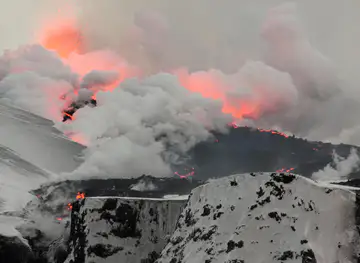
The volcanic events of 2010 brought the surrounding landscape to international attention. Eyjafjallajökull erupted in March and again from April, sending ash into the atmosphere and generating meltwater floods that affected areas south of the glacier. At Fimmvörðuháls, a separate eruption produced the craters named Magni and Móði, which remain visible along the high route between Thorsmork and Skógar. The events demonstrated how quickly the region can change and reinforced the importance of checking current conditions before travelling through the valley.
Thorsmork in Photos
Browse through our photo collection highlighting the charm and character of the destination.
Neighbouring destination travel guides
The closest destinations to Thorsmork, if you have time for more than one.
-

-
-

-

-


Swipe for more destinations
Explore more
Explore more of Southern Region
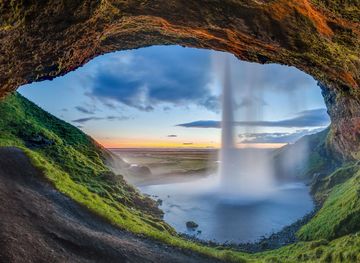
Explore the Southern Region of Iceland: From majestic waterfalls to black sand beaches, glaciers, and geothermal wonders, this is a land of dramatic contrasts and natural beauty.
Explore Southern Region
Explore more of Iceland
Discover Iceland, where glaciers meet volcanoes, Northern Lights dance in the skies, and natural wonders await at every turn.
Explore Iceland