

Free South India Travel Guide & Mobile App
Explore South India with free travel guides. Discover regional history, expert tips, proposed trips, and audio guides on web or mobile app.


Explore South India for ancient temples, tropical backwaters, wildlife, distinctive regional cuisines and historic cities across the peninsula.
Read more about South India
When is the best time to visit South India?
Best: December–February · 30–31°C| Month | High (°C) | Rainfall (mm) |
|---|---|---|
| January (best) | 30 | 10 |
| February (best) | 31 | 15 |
| March | 33 | 20 |
| April | 35 | 25 |
| May | 36 | 35 |
| June | 34 | 55 |
| July | 33 | 75 |
| August | 33 | 85 |
| September | 33 | 75 |
| October | 32 | 55 |
| November | 31 | 35 |
| December (best) | 30 | 15 |
Getting to and around South India
How to get there
Transportation
Top city travel guides in South India
The cities of South India, and the easiest places to base yourself.
-

-

-

-

-

-


Swipe for more cities
Destinations in South India
Resorts, valleys and scenic spots worth a trip of their own.
-

-

-

-

-
-


Swipe for more destinations
Best attractions in South India
South India's attractions range from monumental temple cities to wildlife reserves, beaches, plantation landscapes and living urban cultures. Tamil Nadu's principal heritage experiences include the temple complexes of Madurai, Thanjavur and Tiruchirappalli, the rock-cut and shore monuments of Mamallapuram, and the colonial streets of Puducherry, which lies within but administratively distinct from the surrounding state. Karnataka combines Hampi's extensive Vijayanagara ruins with the Hoysala temples of Belur and Halebidu, the cave monuments of Badami and the palaces of Mysuru. Kerala offers backwater journeys around Alappuzha and Kumarakom, spice and tea country near Thekkady and Munnar, and forest habitats in the Western Ghats. Hyderabad adds museums, food culture and historic Deccan architecture, while Andhra Pradesh includes Amaravati's Buddhist heritage and the pilgrimage landscape of Tirumala. Across the region, activities include birdwatching, guided wildlife safaris, cycling, short hill walks, boat trips and visits to craft, dance and music performances.
-
Historical place
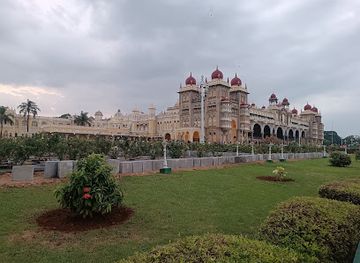
Mysore Palace
Explore the grandeur of Mysore Palace, a historical treasure in Karnataka, showcasing stunning architecture and royal heritage.
-
Garden
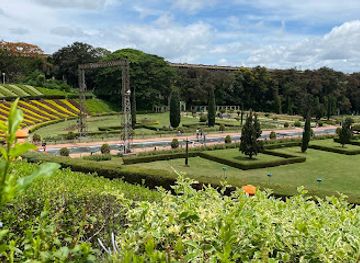
Brindavana Gardens
Discover the breathtaking beauty of Brindavana Gardens, a mesmerizing botanical paradise in Karnataka, India, featuring vibrant flora and enchanting musical fountains.
-
Park
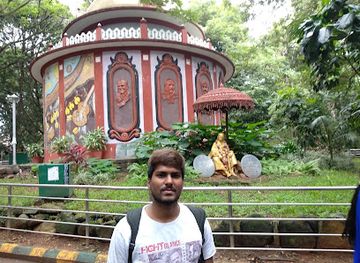
Bugle Rock Park
Explore the serene Bugle Rock Park in Basavanagudi, Bengaluru, a lush green retreat with cultural landmarks and stunning natural beauty.
-
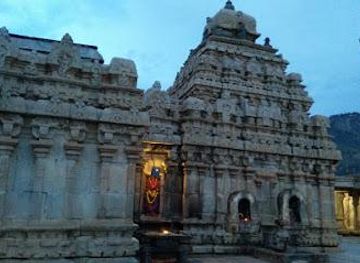
Hindu temple
Sri Bhoga Nandishwara Gudi
Explore the ancient Sri Bhoga Nandishwara Gudi at Nandi Hills: a spiritual and architectural marvel showcasing centuries of South Indian heritage.
Best landmarks in South India
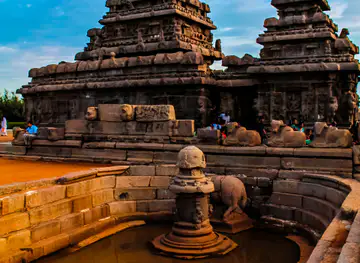
South India's most recognisable landmarks reveal the political and religious history of the peninsula. The Brihadisvara Temple at Thanjavur, with its monumental Chola tower and granite construction, represents the ambition of medieval Tamil temple architecture, while the Meenakshi Amman Temple in Madurai is distinguished by its vast ritual complex and many-coloured gateway towers. At Mamallapuram, rock-cut caves, sculpted reliefs and the Shore Temple stand beside the Bay of Bengal. Karnataka's Hampi is marked by the Virupaksha Temple, stone chariot and royal ruins scattered among granite boulders; nearby Belur and Halebidu are celebrated for exceptionally detailed Hoysala carving. Hyderabad's Charminar remains an emblem of the old city and the Qutb Shahi era. Kerala's more distinctive landmarks include the Chinese fishing nets and historic waterfront of Kochi, traditional wooden palace architecture and the long, engineered waterways of the backwater region. Natural landmarks such as the Western Ghats and Nilgiri uplands provide the geographical framework for many of these cultural sites.
-
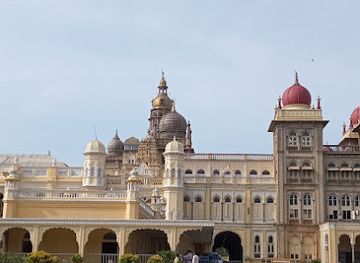
Historical place
Mysore Palace
Discover the grandeur of Mysore Palace, a UNESCO World Heritage site that showcases the rich heritage and architectural beauty of India's royal history.
-
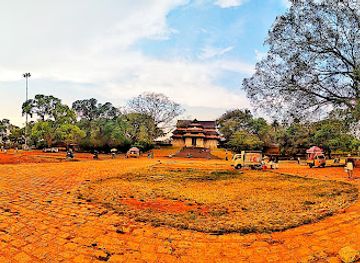
Hindu temple
Sree Vadakkumnathan Temple
Discover the serene beauty and rich traditions of Sree Vadakkumnathan Temple, a spiritual oasis in the heart of Thrissur, Kerala.
-
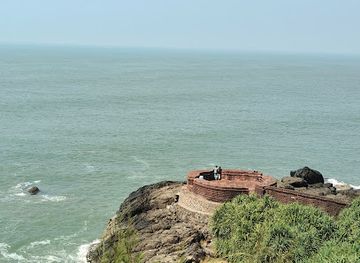
Fortress
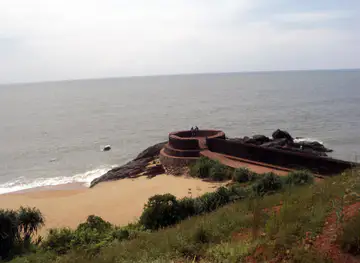
Bekal Fort
Explore the historical Bekal Fort, an architectural masterpiece with stunning coastal views and rich cultural heritage in the heart of Kerala.
-
Scenic spot
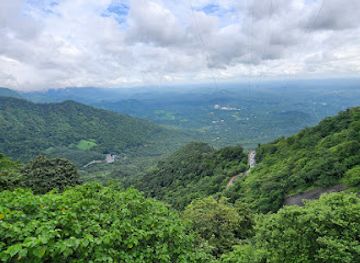
Lakkidi View Point
Explore the breathtaking vistas of Lakkidi View Point, where nature's beauty unfolds in the heart of Kerala's Western Ghats, perfect for unforgettable experiences.
Explore South India on the map
Plan your trip on one map. See where the top cities, national parks and sights are, and book hotels and experiences in a few clicks.
Best hotels in South India
Best restaurants in South India
South Indian dining is defined by strong regional variation rather than one uniform cuisine. Tamil Nadu is known for rice-based meals, idli, dosa, sambar, peppery Chettinad traditions and elaborate vegetarian thalis, while Kerala cooking makes generous use of coconut, seafood, curry leaves and rice, with appam, puttu and sadya among its familiar forms. Karnataka offers foods such as bisi bele bath, ragi preparations, Udupi-style vegetarian dishes and the seafood of the coast. Andhra and Telangana are associated with chilli-rich food, pickles, millet, gongura, regional seafood and Hyderabad's biryani and haleem traditions. Breakfast cafés, old-style vegetarian restaurants, tea shops, bakeries, local markets, coastal eateries and contemporary dining rooms are widespread in cities and larger towns. In rural areas, meals may be simpler and served at fixed times, while plantation districts and coastal communities provide opportunities to understand the relationship between produce, landscape and cooking.
-
Vegetarian
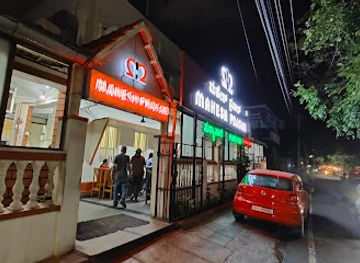
Mahesh Prasad Veg Restaurant
Experience authentic vegetarian cuisine at Mahesh Prasad Veg Restaurant in Mysuru - where every meal is a celebration of flavors.
-
Indian
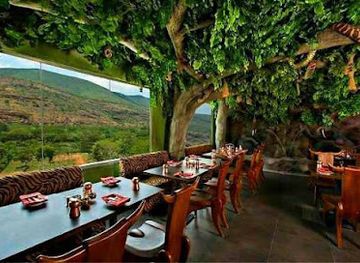
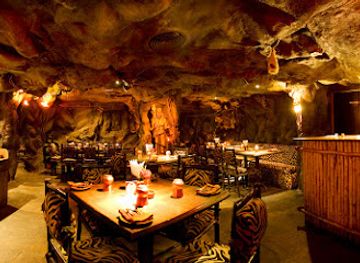
Gufha Restaurant, Jayanagar
Experience the magic of cave dining at Gufha Restaurant in Jayanagar—where authentic Indian and Afghan flavors come alive.
-
Vegetarian
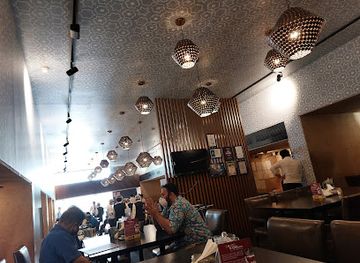
South Ruchis Square,Organic Fine Dine Restaurant
Experience the essence of vegetarian cuisine at South Ruchis Square - where North meets South in culinary delight.
-
Indian
Gufha Restaurant, Mysuru
Discover the magic of dining at Gufha Restaurant in Mysuru - where delicious cuisine meets enchanting cave ambiance.
Best bars in South India
Evening life varies sharply across South India. Bengaluru, Hyderabad and Chennai have the region's broadest selection of cocktail bars, breweries, live-music venues, restaurants and late-night entertainment, although licensing rules and opening arrangements change. Kochi, Thiruvananthapuram, Mysuru and Pondicherry offer more measured scenes centred on restaurants, hotel bars, cafés, arts venues and selected live performances. In smaller towns and pilgrimage centres, evenings usually revolve around family restaurants, tea shops, traditional eateries and neighbourhood businesses rather than nightclubs. Kerala's rules on alcohol sales can be more restrictive than visitors expect, and drinking is not central to every local social setting. In rural hill districts, beaches and heritage areas, plan for quiet nights, use licensed establishments and arrange transport back to accommodation rather than relying on late public services.
-
Brewpub
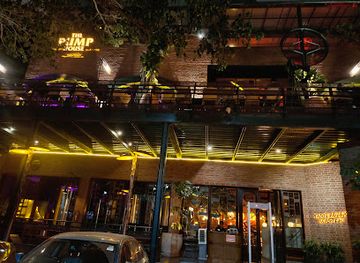
The Pump House
Discover The Pump House, Bengaluru's vibrant brewpub offering craft beers, delicious food, and a lively atmosphere perfect for socializing.
-
Bar
Koramangala Social
Discover Koramangala Social, Bengaluru's vibrant bar and restaurant where culinary delights meet a lively atmosphere, ideal for socializing and unwinding.
-
Brewpub
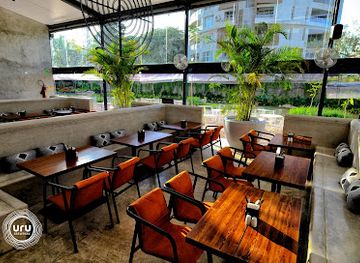
URU Brewpark
Discover URU Brewpark, Bengaluru's premier brewpub offering craft beers and global cuisines in a vibrant outdoor setting.
-
Brewpub
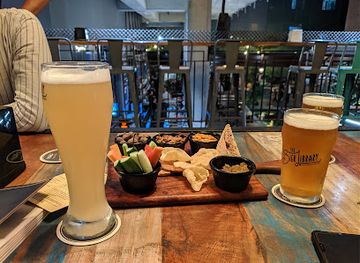
The Bier Library Brewery & Kitchen, Koramangala
Discover a unique brewpub experience at The Bier Library Brewery & Kitchen, where craft beers and delightful cuisine meet in the heart of Bengaluru.
Best nightclubs in South India
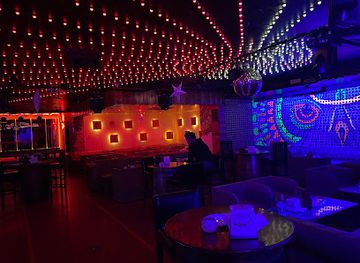
Evening life varies sharply across South India. Bengaluru, Hyderabad and Chennai have the region's broadest selection of cocktail bars, breweries, live-music venues, restaurants and late-night entertainment, although licensing rules and opening arrangements change. Kochi, Thiruvananthapuram, Mysuru and Pondicherry offer more measured scenes centred on restaurants, hotel bars, cafés, arts venues and selected live performances. In smaller towns and pilgrimage centres, evenings usually revolve around family restaurants, tea shops, traditional eateries and neighbourhood businesses rather than nightclubs. Kerala's rules on alcohol sales can be more restrictive than visitors expect, and drinking is not central to every local social setting. In rural hill districts, beaches and heritage areas, plan for quiet nights, use licensed establishments and arrange transport back to accommodation rather than relying on late public services.
-
Night club
Nolimmits Lounge & Club
Explore the vibrant nightlife at Nolimmits Lounge & Club, where electrifying music and exquisite drinks create unforgettable experiences in Bengaluru.
-
Night club
Pasha
Experience the vibrant nightlife of Chennai at Pasha, where exquisite cocktails and energetic beats come together for an unforgettable night out.
-
Night club
Indigo XP
Experience the electrifying nightlife at Indigo XP, Bengaluru's top-rated night club and European restaurant in the heart of Koramangala.
-
Pub
Clubb 18
Discover the vibrant nightlife at Clubb 18 in Fort Kochi, Kerala - a perfect spot for drinks, games, and a lively atmosphere.


Best shops in South India
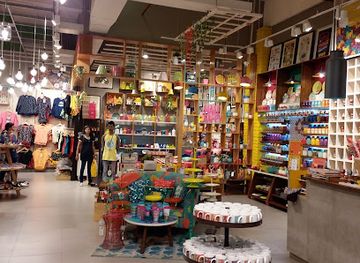
Shopping in South India is often strongest in traditional markets, old bazaars, specialist streets and state-linked craft outlets rather than uniform retail districts. Chennai and Bengaluru provide the widest range of contemporary fashion, books, design and shopping centres, while Hyderabad's old-city bazaars are associated with jewellery, bangles, textiles and the atmosphere around Charminar. Tamil Nadu is noted for Kanchipuram silk, bronze work and temple-town handicrafts; Kerala for handloom textiles, spices, coir and products made from coconut; Karnataka for Mysuru silk, sandalwood products and regional crafts; and Andhra Pradesh and Telangana for textiles, Kalamkari traditions, metalwork and handicrafts. Handloom and craft purchases are best made from reputable cooperatives or fixed-price emporia, with care taken over quality and export restrictions. Farmers' markets and specialist food shops are useful for coffee, tea, spices, pickles, sweets and regional snacks, though fresh products may not travel well.
-
Shopping mall
LuLu International Shopping Mall
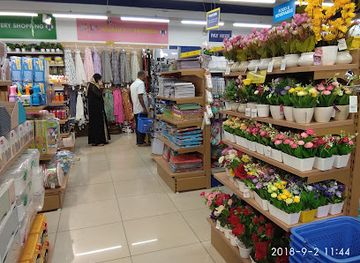
Discover the ultimate shopping and entertainment experience at LuLu International Shopping Mall, Kochi's premier destination for tourists.
-
Shopping mall
Phoenix Marketcity
Explore Phoenix Marketcity, Bengaluru's ultimate shopping destination with diverse brands, delicious dining, and thrilling entertainment options for all.
-
Shopping mall
Nexus Vijaya Mall
Discover the ultimate shopping experience at Nexus Vijaya Mall in Chennai - a blend of retail therapy, dining, and entertainment!
-
Shopping mall
Express Avenue
Explore Express Avenue in Chennai for an unforgettable shopping experience blending local charm and global brands.


Get your free copy of our complete guide to South India, delivered straight to you.
Everything on this page, from attractions and restaurants to essentials and local phrases, in one PDF you can read offline, print or share.
Already have an account? Sign in
Your South India guide is ready.
We'll send it to · Not you? Sign out

Getting your guide ready…
We are putting together a fresh copy of the South India guide. This can take up to a minute.
This can take a few moments. If your browser asks, choose Allow so the download can start. You'll find the guide in your Downloads folder.
Nothing happened? Download it again
Sorry, the guide is taking longer than usual. Please try again in a minute, or get it by email instead.
South India essentials
Currency and Payment
Safety
Emergency Situations
Do's and Don'ts
Local Tips
From Eve
Local phrases worth knowing
You don't need to get them perfect. A few words go a long way, and locals appreciate the effort.
Basics
| English | Local | Say it |
|---|---|---|
| Hello | வணக்கம் | [Vanakkam] |
| Goodbye | பிரியாவிடை | [Priyavidai] |
| Yes | ஆமாம் | [Aamām] |
| No | இல்லை | [Illai] |
| Please/You’re welcome | தயவுசெய்து/உங்கள் வரவேற்புக்கு நன்றி | [Thayavuseythu/Ungal Varavēṟpukku Nandri] |
| Thank you | நன்றி | [Nandri] |
| Excuse me/Sorry | மன்னிக்கவும் | [Mannikkavum] |
| How are you? | நீங்கள் எப்படி இருக்கிறீர்கள்? | [Nīṅkaḷ eppaṭi irukkiṟīrkaḷ?] |
| Fine. And you? | சரி. நீங்கள் எப்படி? | [Sari. Nīṅkaḷ eppaṭi?] |
| Do you speak English? | நீங்கள் ஆங்கிலம் பேசுகிறீர்களா? | [Nīṅkaḷ āṅkilam pēcu kiṟīrkaḷā?] |
| I don't understand | எனக்கு புரியவில்லை | [Eṉakku puriyavillai] |
Eating & Drinking
| English | Local | Say it |
|---|---|---|
| I’d like to see the menu, please | தயவுசெய்து மெனு பார்க்க விரும்புகிறேன் | [Thayavuseythu menu pārkka virumpukiṟēṉ] |
| I don't eat meat | நான் இறைச்சி சாப்பிடவில்லை | [Nāṉ iṟaicci sāppiṭavillai] |
| Cheers! | குடிக்கலாம்! | [Kuṭikkalām!] |
| I would like to pay, please | தயவுசெய்து நான் பணம் செலுத்த விரும்புகிறேன் | [Thayavuseythu nāṉ paṇam celutta virumpukiṟēṉ] |
Emergencies
| English | Local | Say it |
|---|---|---|
| Help! | உதவி! | [Uthavi!] |
| Go away! | போய் விடு! | [Pōy viṭu!] |
| Call the Police! | போலீசாரை அழைக்கவும்! | [Pōlīcārai aḻaikkavum!] |
| Call a doctor! | ஒரு மருத்துவரை அழைக்கவும்! | [Oru maruttuvārai aḻaikkavum!] |
| I’m lost | நான் இழந்துவிட்டேன் | [Nāṉ iḻandhuviṭṭēṉ] |
| I’m ill | நான் உடல்நலக்குறைவால் உள்ளேன் | [Nāṉ uṭalnalakkuṟaivāl uḷḷēṉ] |
Shopping
| English | Local | Say it |
|---|---|---|
| I’d like to buy... | நான் வாங்க விரும்புகிறேன்... | [Nāṉ vāṅka virumpukiṟēṉ...] |
| I’m just looking | நான் பார்க்கிறேன் | [Nāṉ pārkkiṟēṉ] |
| How much is it? | இதன் விலை என்ன? | [Idan vilai eṉṉa?] |
| That’s too expensive | அது மிகவும் விலையுயர்ந்தது | [Athu mikavum vilaiyuyarndhathu] |
| Can you lower the price? | விலையை குறைக்க முடியுமா? | [Vilaiyai kuṟaikka muḍiyumā?] |
Time & Numbers
| English | Local | Say it |
|---|---|---|
| What time is it? | எப்போது? | [Eppōtu?] |
| It’s one o'clock | ஒரு மணி | [Oru maṇi] |
| Half past (10) | 10 மணிக்கு அரை | [10 maṇikku aṟai] |
| Morning | காலை | [Kālai] |
| Afternoon | மதியம் | [Madhiyam] |
| Evening | மாலை | [Mālai] |
| Yesterday | நேற்று | [Nēṟṟu] |
| Today | இன்று | [Iṉṟu] |
| Tomorrow | இறுதிகிழமை | [Iṟudhi kiḻamai] |
| 1 | 1 | [1] |
| 2 | 2 | [2] |
| 3 | 3 | [3] |
| 4 | 4 | [4] |
| 5 | 5 | [5] |
| 6 | 6 | [6] |
| 7 | 7 | [7] |
| 8 | 8 | [8] |
| 9 | 9 | [9] |
| 10 | 10 | [10] |
Transport & Directions
| English | Local | Say it |
|---|---|---|
| Where's a/the...? | ஒரு... எங்கு? | [Oru... eṅku?] |
| What's the address? | முகவரி என்ன? | [Mugavari eṉṉa?] |
| Can you show me (on the map)? | நீங்கள் (மேப்பில்) எனக்கு காட்ட முடியுமா? | [Nīṅkaḷ (mēppil) eṉakku kāṭṭa muḍiyumā?] |
| When's the next (bus)? | அடுத்த (பஸ்) எப்போது? | [Aduṭṭa (bus) eppōtu?] |
| A ticket (to ....) | ஒரு டிக்கெட் (....க்கு) | [Oru ṭikkēṭ (....kku)] |
History of South India
Early Civilisations and Sangam-Age Tamilakam
South India's earliest societies developed through farming, craft production, maritime exchange and control of river valleys. Archaeological evidence from sites including Adichanallur in Tamil Nadu and the megalithic landscapes of the Deccan reveals complex communities well before the medieval temple kingdoms. From roughly the early centuries BCE into the early centuries CE, the Tamil-speaking south supported the Chera, Chola and Pandya realms described in Sangam literature. Ports on the eastern and western coasts connected the peninsula with the Roman world, Arabia and Southeast Asia, while poetry, trade and court culture established enduring foundations for Tamil identity.
Buddhist, Jain and Early Hindu Networks
Religious communities helped shape South India's towns, trade routes and hill landscapes. Buddhism flourished at sites such as Amaravati in present-day Andhra Pradesh and Nagarjunakonda, while Jain teachers and monastic communities influenced Karnataka and Tamil Nadu. Hindu institutions also expanded through temple patronage, pilgrimage and land grants. These traditions did not develop in isolation: artistic forms, philosophical debates and commercial networks crossed linguistic boundaries. Surviving stupas, rock shelters, inscriptions and temple remains provide evidence of a plural religious environment before and alongside the major medieval Hindu dynasties.
Pallavas, Cholas and the Dravidian Temple Tradition
Between approximately the sixth and thirteenth centuries, Pallava, Chola and related dynasties transformed the architecture and political geography of the south. The Pallavas developed important monuments at Kanchipuram and Mamallapuram, while the imperial Cholas created large stone temples and sophisticated administrative networks centred on the Kaveri delta. The Brihadisvara Temple at Thanjavur represents the scale and confidence of Chola state building. Chola maritime contacts extended towards Sri Lanka and Southeast Asia, and temple institutions became major centres of landholding, ritual, music, sculpture and local economic life.
Chalukyas, Hoysalas and the Vijayanagara World
The Deccan supported powerful kingdoms whose architectural and cultural legacies remain central to travel in Karnataka and neighbouring areas. Early and later Chalukya rulers sponsored monuments at Badami, Aihole and Pattadakal, where Hindu and Jain forms developed through experimentation in stone. The Hoysalas later produced intricately carved temples at Belur and Halebidu. From the fourteenth to sixteenth centuries, the Vijayanagara Empire made Hampi the centre of a wealthy polity that controlled extensive parts of southern India. Its ruins preserve bazaars, temples, royal enclosures and irrigation works amid a striking boulder-strewn landscape.
Sultanates, Nayaka Courts and Regional Kingdoms
South India's medieval and early modern history was shaped by interaction between Hindu courts, Deccan sultanates and maritime powers. The Bahmani and successor sultanates influenced architecture and politics across the northern Deccan, while the Nayaka rulers of Madurai and Thanjavur expanded temple complexes and courtly arts after the decline of Vijayanagara. Golconda, centred near present-day Hyderabad, became a major diamond-trading and fortified capital before the Qutb Shahi dynasty was absorbed by the Mughal Empire. These centuries produced the composite architectural, linguistic and culinary traditions visible in Hyderabad, Bijapur and many temple towns.
European Maritime Trade and Colonial Rule
From the late fifteenth century, Portuguese, Dutch, French and British interests competed for influence along South India's coasts. European trading settlements altered existing networks rather than replacing them outright, and ports such as Kochi, Nagapattinam, Chennai and Puducherry became important nodes in changing commercial systems. The British East India Company established Madras, now Chennai, as a major base, while princely states including Mysore, Travancore and Hyderabad retained varying degrees of autonomy. Military conflicts, taxation, missionary activity, plantation agriculture and new administrative boundaries all left lasting marks on the region.
Railways, Plantation Economies and Modern South India
Nineteenth- and twentieth-century railways connected ports, presidencies, markets and interior districts, enabling the growth of commercial crops such as tea, coffee, rubber and spices. Urban centres including Bengaluru, Chennai, Hyderabad and Kochi developed new institutions, industries and educational networks. Social reform, anti-caste movements, linguistic politics and the rise of regional literary and film cultures were especially influential in the south. After Indian independence in 1947, the reorganisation of states broadly along linguistic lines strengthened distinct Tamil, Telugu, Kannada and Malayalam public spheres while metropolitan South India became a major centre for technology, manufacturing, education and services.
South India in Photos
Browse through our photo collection highlighting the charm and character of the destination.
Neighbouring regions of South India
The closest regions to South India, if you have time for more than one.
-

-
-

-

-


Swipe for more regions
Explore more

Explore more of India
Discover the magic of India, where diverse landscapes, rich heritage, and vibrant culture come together to create an unforgettable travel experience.
Explore India