

Mahabalipuram Travel Guide - Free Web & App
Your ultimate guide to Mahabalipuram. Discover top landmarks, proposed trips, and local tips. Free on the web or via the Evendo companion app.


Mahabalipuram, India blends Pallava temples, shore monuments, granite reliefs, sandy beaches and Tamil coastal culture near Chennai for history-rich travel.
Granite, Temples and the Bay of Bengal
Mahabalipuram, also known as Mamallapuram, is a historic coastal town in Tamil Nadu on India's Coromandel Coast, roughly south of Chennai. Its identity is shaped by the meeting of a sandy shoreline, low granite outcrops and the monumental stonework commissioned by the Pallava rulers between the seventh and eighth centuries. The Group of Monuments at Mahabalipuram, recognised by UNESCO as a World Heritage Site, includes temples, rock-cut sanctuaries, sculpted panels and monolithic chariots carved from the town's distinctive granite landscape.Read more about Mahabalipuram
A Pallava Open-Air Museum
Coastal Life and Visitor Experience
When is the best time to visit Mahabalipuram?
Best: July, October–November · 32–34°C| Month | High (°C) | Rainfall (mm) |
|---|---|---|
| January | 32 | 29 |
| February | 33 | 22 |
| March | 35 | 17 |
| April | 36 | 12 |
| May | 36 | 7 |
| June | 35 | 5 |
| July (best) | 34 | 6 |
| August | 34 | 9 |
| September | 34 | 13 |
| October (best) | 33 | 17 |
| November (best) | 32 | 23 |
| December | 32 | 30 |
Getting to and around Mahabalipuram
How to get there
Transportation
Best attractions in Mahabalipuram
Mahabalipuram's principal attractions form a concentrated heritage landscape shaped by Pallava artistry. The Shore Temple, set beside the Bay of Bengal, is the town's defining coastal monument, while the nearby Five Rathas display monolithic temple forms carved from separate granite outcrops. Arjuna's Penance is an expansive open-air relief whose crowded surface includes deities, ascetics, animals and the celebrated group of elephants. The surrounding hill contains the Krishna Mandapam, Varaha Cave, Mahishasuramardini Cave and other rock-cut sanctuaries, each showing a different relationship between sculpture and architecture. Krishna's Butter Ball, a huge granite boulder balanced on a slope, is an arresting natural feature within the monument zone, though visitors should not climb it. Beyond the protected core, the sandy beach, stone-carving workshops and busy streets of Mamallapuram reveal the town's continuing coastal and craft identity.
-
Museum of zoology
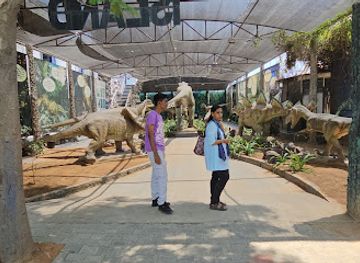
Nassaa Museum (Dinosaurs Museum)
Explore the fascinating world of dinosaurs at the Nassaa Museum in Mahabalipuram, a unique destination for families and dinosaur enthusiasts.
-
Historical landmark
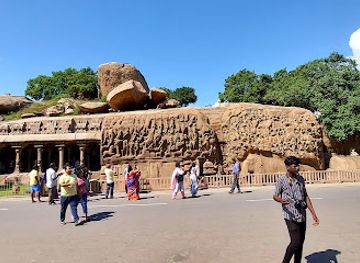
Descent of the Ganga River
Explore the breathtaking Descent of the Ganga River in Mahabalipuram, a historical landmark showcasing ancient Indian artistry and cultural significance.
-
Tourist attraction
Shore Temple ticket counter
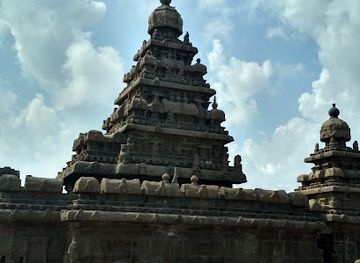
Discover the breathtaking Shore Temple in Mahabalipuram, a UNESCO World Heritage Site showcasing ancient Dravidian architecture and rich cultural history.
-
Tour agency
Mani Tourist Guide - Mamallapuram
Discover the rich history and breathtaking beauty of Mamallapuram with expert tours from Mani Tourist Guide, your gateway to Tamil Nadu's coastal treasures.
Best landmarks in Mahabalipuram
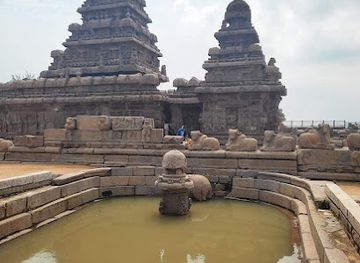
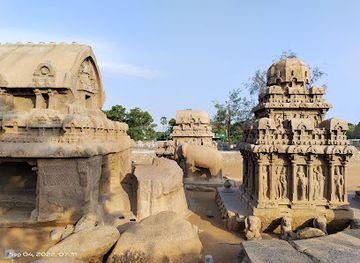
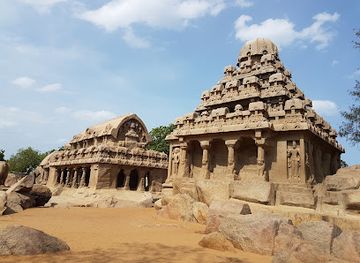
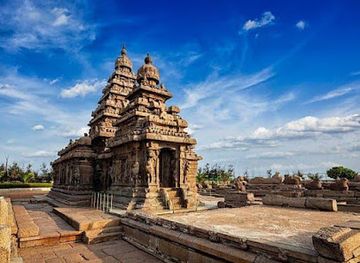
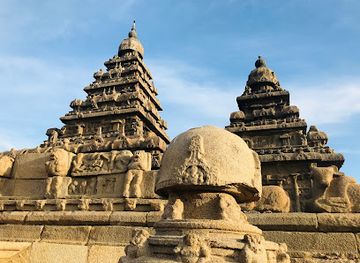
The Shore Temple is Mahabalipuram's most recognisable built landmark, a Pallava stone complex whose proximity to the sea expresses the town's maritime setting and leaves its surfaces exposed to salt and wind. Inland, the Five Rathas are remarkable monolithic landmarks, each cut from a single granite formation and displaying distinct temple-like forms. Arjuna's Penance occupies a natural rock face and is significant as both sculpture and landscape, incorporating the cleft of the rock into its narrative composition. Krishna's Butter Ball is a prominent granite boulder whose improbable balance has made it a visual emblem of the town. The caves around the hill, including Varaha and Mahishasuramardini, extend the landmark landscape into a sequence of carved sanctuaries rather than a single monumental building.
-
Tourist attraction
Five Rathas (Pancha Rathas)
Discover the breathtaking Five Rathas in Mahabalipuram, a UNESCO World Heritage Site showcasing ancient Indian rock-cut architecture and rich cultural heritage.
-
Museum
India Seashell Museum
Explore the India Seashell Museum in Mamallapuram, a must-visit destination showcasing over 40,000 unique seashells and the wonders of marine life.
-
Hindu temple
Mahabalipuram Shore Temple
Explore the breathtaking Mahabalipuram Shore Temple, an ancient marvel of Dravidian architecture overlooking the serene Bay of Bengal.
-
Monument
Group of Monuments at Mahabalipuram
Discover the architectural wonders of the Group of Monuments at Mahabalipuram, a UNESCO World Heritage site filled with historical allure and artistic mastery.
Explore Mahabalipuram on the map
Plan your trip on one map. See where the top attractions, landmarks, restaurants and hotels are, and book hotels and experiences in a few clicks.
Best hotels in Mahabalipuram
Best restaurants in Mahabalipuram
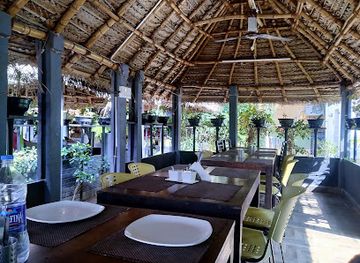
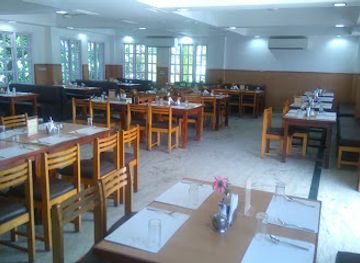
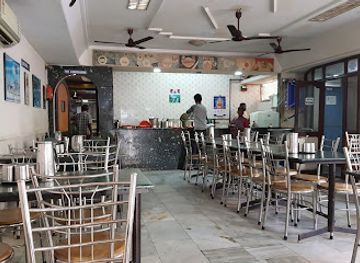
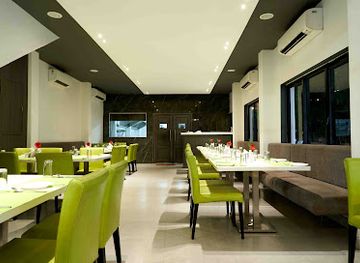
Mahabalipuram's food scene is concentrated in the town rather than at individual monuments. Small Tamil eateries, cafés, hotel restaurants and seafood establishments serve rice-based meals, dosa, idli, sambar, vegetable curries and regional fish dishes, while the coastal setting makes seafood a common feature of menus. Vegetarian food is widely available, and visitors can also find familiar South Indian tiffin for an early start. Restaurants around the central streets and near the beach cater to both local residents and travellers, with standards and payment options varying between establishments. Along the East Coast Road, dining is more dispersed, so those travelling beyond Mahabalipuram should plan rather than assume that a suitable stop will be immediately available. Freshness, preparation and hygiene matter particularly when choosing seafood or uncooked food in hot weather.
-
Seafood
Arabian Garden - Seafood Restaurant
Experience exquisite seafood dining at Arabian Garden Seafood Restaurant in Mahabalipuram, where fresh flavors meet stunning coastal views.
-
South Indian
Motel Mamalla
Experience authentic South Indian cuisine at Motel Mamalla – where rich flavors meet warm hospitality along East Coast Road.
-
South Indian
Sri Ananda Bhavan
Experience authentic South Indian flavors at Sri Ananda Bhavan in Mahabalipuram - a culinary delight for every traveler.
-
Chinese
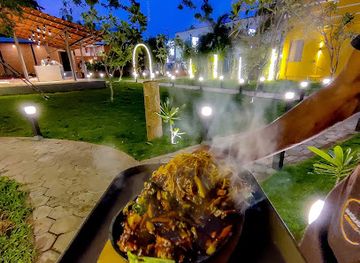
Wok To Dhaba Restaurant
Discover the perfect blend of Chinese and Indian cuisine at Wok To Dhaba in Mahabalipuram – a must-visit for food lovers.
Best bars in Mahabalipuram
Mahabalipuram is not a major nightlife centre, and evenings are generally quiet once the monument area closes. The town has casual hotel bars, restaurants serving drinks and informal places where visitors can sit after a day of sightseeing, but its atmosphere is closer to a coastal heritage town than to a resort with a concentrated club scene. Some larger hotels may provide the most predictable evening setting, subject to their current licensing and arrangements. Traditional Tamil hospitality, late meals and a stroll near the busier central streets are more characteristic than loud entertainment. Visitors should show restraint around active temples and residential lanes, and remember that alcohol availability and opening arrangements can vary between venues.
-
Seafood
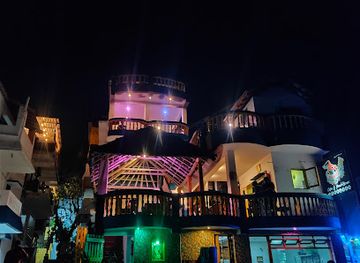
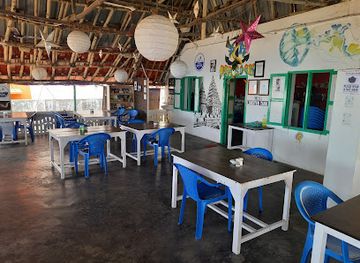
Bob Marley Cafe & Beach House
Discover the vibrant culture and flavors of Mahabalipuram at Bob Marley Cafe & Beach House, where seafood meets reggae in a picturesque beachfront setting.
-
Seafood
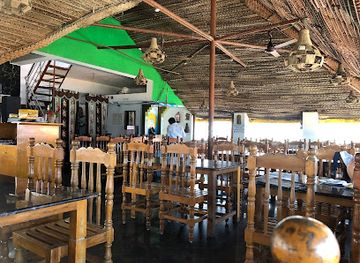
Searock Restaurant
Experience the best seafood dining in Mahabalipuram at Searock Restaurant, where stunning beach views meet exquisite flavors.
-
Indian
Madras Chronicle
Experience the authentic flavors of India at Madras Chronicle in Mahabalipuram, where coastal beauty meets culinary excellence.
-
Seafood
Bambino Beach Restaurant
Experience the freshest seafood and breathtaking ocean views at Bambino Beach Restaurant in Mahabalipuram, a true gem for culinary enthusiasts.
Best nightclubs in Mahabalipuram
Mahabalipuram is not a major nightlife centre, and evenings are generally quiet once the monument area closes. The town has casual hotel bars, restaurants serving drinks and informal places where visitors can sit after a day of sightseeing, but its atmosphere is closer to a coastal heritage town than to a resort with a concentrated club scene. Some larger hotels may provide the most predictable evening setting, subject to their current licensing and arrangements. Traditional Tamil hospitality, late meals and a stroll near the busier central streets are more characteristic than loud entertainment. Visitors should show restraint around active temples and residential lanes, and remember that alcohol availability and opening arrangements can vary between venues.
-
Lounge
Heritage Pavilion
Discover relaxation at Heritage Pavilion in Mahabalipuram, a serene lounge blending local culture with exquisite ambiance.
-
Bar
Sinbad Bar
Discover the enchanting Sinbad Bar at Radisson Blu Resort Temple Bay, a perfect blend of relaxation and vibrant atmosphere in Mahabalipuram.
-
Biryani
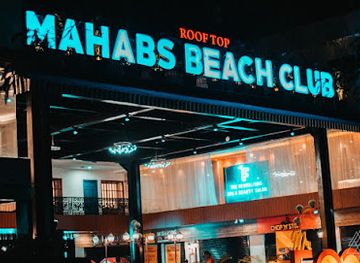
Mahabs Beach Club
Experience the vibrant flavors of Mahabalipuram at Mahabs Beach Club, your go-to destination for delicious biryani and beachside dining.
-
Bar
Swirl The Bar
Discover Swirl The Bar in Mahabalipuram - where luxury meets local culture, offering a relaxing retreat with stunning views and delicious cocktails.
Best shops in Mahabalipuram
Mahabalipuram's most characteristic purchases are connected with its long stone-carving tradition. Workshops and small galleries sell granite figures, temple-inspired pieces and other carvings, ranging from substantial works to smaller souvenirs, while artisans can often be seen working in the streets around the heritage area. Visitors should ask about material, scale, transport and whether a piece is newly made before buying. The town also has shops selling textiles, shells, decorative objects, handicrafts and everyday beach-town goods, though the retail scene is modest rather than extensive. Larger selections of general clothing, provisions and practical equipment are available in bigger towns on the route to Chennai or Chengalpattu. Bargaining may be part of an informal purchase, but it is best handled politely and with attention to workmanship.
-
Clothes market
Step up
Discover the vibrant Step Up clothes market in Mahabalipuram, where local fashion meets unique craftsmanship for an unforgettable shopping experience.
-
Supermarket
MANJU SUPERMARKET
Explore the diverse offerings of Manju Supermarket, your one-stop shop for local and international products in Mahabalipuram, Tamil Nadu.
-
Shopping mall
Street Shopping
Discover unique souvenirs and local crafts in Mahabalipuram's vibrant Street Shopping scene, capturing the essence of Tamil Nadu's rich culture.
-
Clothing store
madan cloth store
Discover the vibrant world of Indian textiles at Madan Cloth Store in Mahabalipuram, where tradition meets style in every stitch.
Get your free copy of our complete guide to Mahabalipuram, delivered straight to you.
Everything on this page, from attractions and restaurants to essentials and local phrases, in one PDF you can read offline, print or share.
Already have an account? Sign in
Your Mahabalipuram guide is ready.
We'll send it to · Not you? Sign out

Getting your guide ready…
We are putting together a fresh copy of the Mahabalipuram guide. This can take up to a minute.
This can take a few moments. If your browser asks, choose Allow so the download can start. You'll find the guide in your Downloads folder.
Nothing happened? Download it again
Sorry, the guide is taking longer than usual. Please try again in a minute, or get it by email instead.
Mahabalipuram essentials
Currency and Payment
Safety
Emergency Situations
Do's and Don'ts
Local Tips
History of Mahabalipuram
Granite Coast and Early Settlement
Mahabalipuram developed on a coastal landscape of granite outcrops beside the Bay of Bengal, a setting that supplied both a dramatic backdrop and workable stone for monumental carving. The wider Tamil region supported settled agriculture, religious institutions and maritime exchange long before the surviving Pallava monuments were created. The town's early history is therefore connected to the interaction of coastal trade, local communities and the artistic traditions that flourished in southern India, although the most visible remains belong to the Pallava period.
The Pallava Port at Mamallapuram
The principal monuments were created during the Pallava dynasty, whose power was centred at Kanchipuram. Narasimhavarman I, known as Mamalla, ruled in the seventh century and is traditionally associated with the town's name, Mamallapuram. Under Pallava patronage, the settlement became an important port and a major centre of architectural experimentation. Artisans cut directly into granite to create cave temples, free-standing structural shrines and large narrative reliefs, linking royal authority with Shaivite and Vaishnavite religious expression.
Rock-Cut Sanctuaries and Monolithic Rathas
The surviving cave temples and monolithic rathas represent different stages and approaches in the development of South Indian temple architecture. Rather than being assembled from separate blocks, the Five Rathas were carved downward and outward from individual granite formations. Their modern names refer to the Pandava brothers and Draupadi, but the structures are Pallava works rather than monuments from the period described in the Mahabharata. Reliefs of deities, animals and royal or mythic figures show how sculpture and architecture were conceived as a unified art.
The Shore Temple and a Maritime Landscape
The Shore Temple is generally dated to the reign of Narasimhavarman II, also called Rajasimha, in the early eighth century. Unlike the earlier excavated shrines, it is a built stone temple complex positioned close to the sea, with shrines associated principally with Shiva and a smaller Vishnu shrine. Its seaward location reflects Mahabalipuram's maritime identity, while centuries of exposure have shaped the stone's weathered appearance. Local tradition speaks of several temples once standing along the coast, but the surviving Shore Temple is the principal remnant of that shoreline group.
Rediscovery, Conservation and World Heritage
After the Pallava period, Mahabalipuram remained a religious and coastal settlement, while its monuments attracted increasing scholarly and antiquarian attention during the colonial era. Conservation work later became a central part of the site's modern identity, particularly because wind, salt and moisture affect exposed granite. The Group of Monuments at Mahabalipuram was inscribed on the UNESCO World Heritage List in 1984. Today, the protected monuments are managed as a major heritage landscape, while the surrounding town continues to support stone carving, tourism and everyday coastal life.
Mahabalipuram in Photos
Browse through our photo collection highlighting the charm and character of the destination.
Neighbouring destination travel guides
The closest destinations to Mahabalipuram, if you have time for more than one.
-

-

-

-

-


Swipe for more destinations
Explore more

Explore more of Coromandel Coast
Discover the Coromandel Coast: India's perfect blend of stunning beaches, rich history, and vibrant culture along the southeastern coast of the Bay of Bengal.
Explore Coromandel Coast
Explore more of India
Discover the magic of India, where diverse landscapes, rich heritage, and vibrant culture come together to create an unforgettable travel experience.
Explore India