

Free Tamil Nadu Travel Guide & Mobile App
Explore Tamil Nadu with free travel guides. Discover regional history, expert tips, proposed trips, and audio guides on web or mobile app.


Explore Tamil Nadu for monumental temples, classical culture, coastal landscapes, hill stations, wildlife and a deeply distinctive South Indian cuisine.
Read more about Tamil Nadu
When is the best time to visit Tamil Nadu?
Best: November–January · 30–31°C| Month | High (°C) | Rainfall (mm) |
|---|---|---|
| January (best) | 31 | 21 |
| February | 32 | 20 |
| March | 33 | 25 |
| April | 35 | 30 |
| May | 37 | 35 |
| June | 36 | 40 |
| July | 34 | 50 |
| August | 35 | 55 |
| September | 34 | 50 |
| October | 33 | 40 |
| November (best) | 31 | 30 |
| December (best) | 30 | 25 |
Getting to and around Tamil Nadu
How to get there
Transportation
Top city travel guides in Tamil Nadu
The cities of Tamil Nadu, and the easiest places to base yourself.
-

-

-

-

-

-


Swipe for more cities
Destinations in Tamil Nadu
Resorts, valleys and scenic spots worth a trip of their own.
-

-
-

-

-

-


Swipe for more destinations
Best attractions in Tamil Nadu
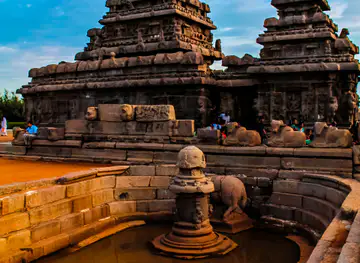
Tamil Nadu's attractions extend from ancient rock-cut monuments and imperial temples to forests, beaches and busy cultural institutions. Mamallapuram's Pallava cave temples, monolithic rathas and Shore Temple form one of the state's most important concentrations of early medieval art, while the Brihadisvara Temple at Thanjavur, Gangaikonda Cholapuram and Airavatesvara Temple at Darasuram reveal the architectural ambition of the Chola period. Kanchipuram, Chidambaram, Madurai, Tiruchirappalli and Rameswaram offer different temple traditions and urban settings. Chennai adds museums, galleries, music and theatre, while the palace and mansion heritage of Chettinad gives the southern interior a distinct character. The Nilgiris provide cooler mountain scenery, the Nilgiri Mountain Railway and access to protected landscapes; wildlife experiences are available in areas such as Mudumalai and the Anamalai hills through regulated visits. Coastal travel may include the shores around Mamallapuram, Poompuhar, Nagapattinam, Rameswaram and Kanniyakumari, though beaches vary greatly in facilities and bathing conditions.
-
Tourist attraction
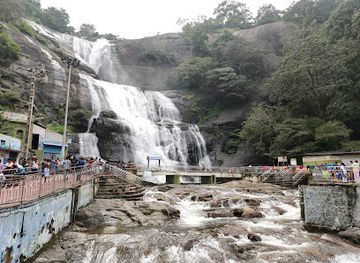
Courtallam Main Falls
Experience the breathtaking beauty and healing waters of Courtallam Main Falls, a natural gem in Tamil Nadu, India.
-
Historical landmark
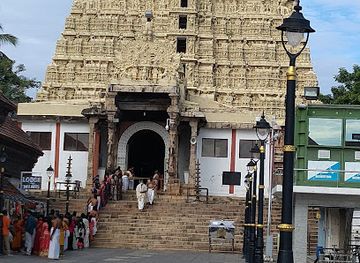
Padmanabhapuram Palace
Discover the grandeur of Padmanabhapuram Palace, a historical landmark showcasing royal heritage and stunning architecture in Tamil Nadu.
-
Animal park
PEEKU PARK YERCAUD
Explore the serene Peeku Park Yercaud, a beautiful animal park ideal for bird watching and nature lovers, nestled in the hills of Tamil Nadu.
-
Art museum
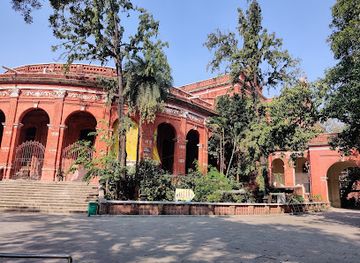
Government Museum Chennai
Discover the artistic and historical treasures of India at the Government Museum Chennai, a must-visit for culture enthusiasts and tourists alike.


Best landmarks in Tamil Nadu
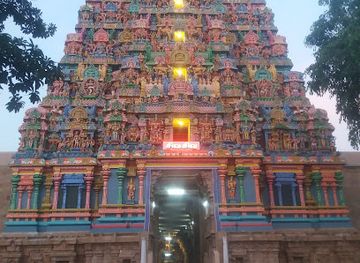
Tamil Nadu's best-known landmarks express the state's long relationship with temple architecture, maritime trade and living religious practice. The Brihadisvara Temple at Thanjavur is distinguished by its enormous vimana, precise granite construction and Chola inscriptions, while the Shore Temple at Mamallapuram stands at the meeting point of Pallava sculpture and the Bay of Bengal. The great gopurams and vast ritual spaces of the Meenakshi Amman Temple define Madurai's historic centre, and the Sri Ranganathaswamy Temple at Srirangam occupies a large island complex within the Cauvery river system near Tiruchirappalli. In the north, the Kailasanathar Temple at Kanchipuram represents early structural Pallava architecture. The Ramanathaswamy Temple at Rameswaram is noted for its exceptionally long corridors and importance in pilgrimage, while the Vivekananda Rock Memorial at Kanniyakumari marks the state's southern coastal extremity. Fort St George in Chennai records the city's colonial foundation, and the Nilgiri Mountain Railway remains a notable engineering landmark in the hill country.
-
Memorial
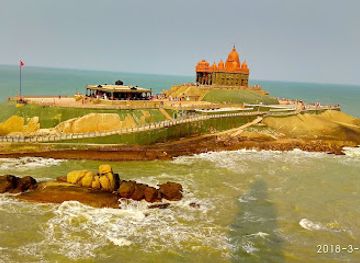
Vivekananda Rock Memorial
Explore the Vivekananda Rock Memorial, a spiritual haven in Kanyakumari, where history, culture, and breathtaking ocean views unite.
-
Tourist attraction
Krishna's Butter Ball
Explore Krishna's Butter Ball, a captivating natural wonder in Mahabalipuram, where history and stunning landscapes meet.
-
Historical landmark
Padmanabhapuram Palace
Explore the majestic Padmanabhapuram Palace, a historical gem in Tamil Nadu showcasing exquisite architecture and rich royal heritage.
-
Sculpture
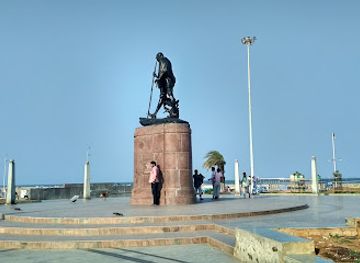
Mahatma Gandhi Statue
Explore the Mahatma Gandhi Statue at Marina Beach, a serene and historic tribute to India's father of the nation, surrounded by breathtaking coastal views.
Explore Tamil Nadu on the map
Plan your trip on one map. See where the top cities, national parks and sights are, and book hotels and experiences in a few clicks.
Best hotels in Tamil Nadu
Best restaurants in Tamil Nadu
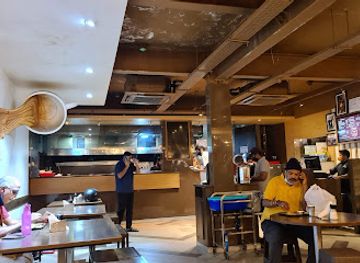
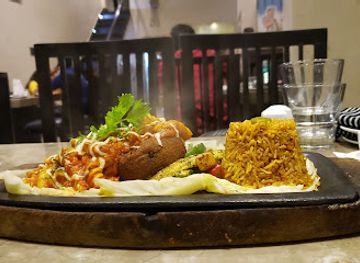
Tamil Nadu's food culture is built around rice, lentils, vegetables, spices and fermented batters, but it changes noticeably from coast to interior and from city to district. Chennai is the broadest dining centre, with traditional vegetarian tiffin, seafood, bakeries and contemporary interpretations of Tamil cooking. Breakfasts of idli, dosa, vada and pongal are widely available, while a formal vegetarian meal may be served on a banana leaf with rice, sambar, rasam, vegetable preparations and curd. The Cauvery delta is closely associated with rice agriculture and temple-town kitchens; the Chettinad area is known for strongly spiced meat and vegetarian dishes; and coastal districts offer fish and other seafood, subject to local availability. Filter coffee is a familiar accompaniment, while sweets, savouries and seasonal festival foods vary across towns. Look for busy local cafés, market stalls and family-run eateries as well as restaurants in larger hotels, and ask about spice levels when needed.
-
Family-friendly
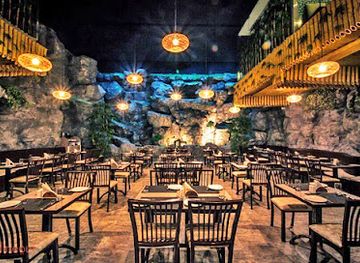
The Waterfall Restaurant
Experience culinary bliss at The Waterfall Restaurant in Chennai – where exquisite flavors meet serene ambiance.
-
Karnataka restaurant
Eating Circles
Discover authentic South Indian vegetarian cuisine at Eating Circles in Chennai, where every meal is a celebration of flavor.
-
Buffet
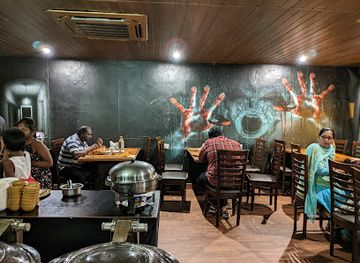
Haunted Restaurant
Explore India's first haunted house theme restaurant in Chennai, where delicious buffets meet spine-chilling experiences amidst ghostly decor.
-
Vegetarian
Kaidi Kitchen vegetarian restaurant
Experience exquisite vegetarian dining at Kaidi Kitchen in Chennai—where global flavors meet local ingredients for an unforgettable culinary journey.
Best bars in Tamil Nadu
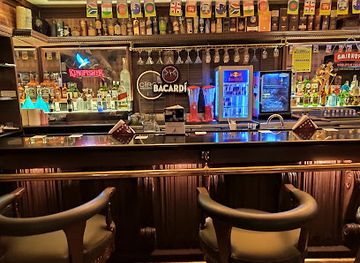
Nightlife in Tamil Nadu is concentrated in Chennai and a few larger cities rather than spread evenly across the state. Chennai has the widest selection of hotel bars, contemporary cocktail venues, cafés, live-music settings and evening cultural performances, although licensing rules and opening arrangements can change. Coimbatore and Madurai offer a smaller urban scene, usually centred on hotel lounges, restaurants and cafés. In temple towns, Chettinad settlements and rural districts, evenings are more likely to revolve around food, conversation, traditional performances or a modest local pub than nightclubs. Hill stations such as Ooty and Kodaikanal have seasonal hotel bars and restaurants, but they are not major late-night destinations. Alcohol is regulated by the state, and visitors should use licensed premises, carry identification where required and avoid drinking in public places. Classical music, Bharatanatyam performances, theatre and cinema provide important alcohol-free evening alternatives, particularly in Chennai and during the cultural season.
-
 Bar
BarThe Leela Kovalam, a Raviz Hotel
Discover a luxurious coastal escape at The Leela Kovalam, where stunning views, exquisite dining, and rejuvenating wellness await.
-
Pub
10 Downing Street - T Nagar
Discover the vibrant nightlife and delectable cuisine at 10 Downing Street, the premier pub in T Nagar, Chennai.
-
Pub
Watson's Chennai
Experience the vibrant nightlife at Watson's Chennai, where delicious food meets a lively atmosphere in the heart of T. Nagar.
-
Bar
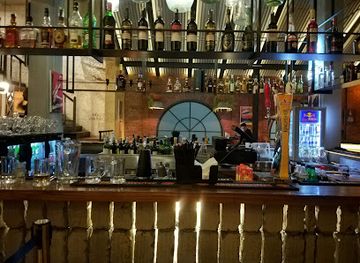
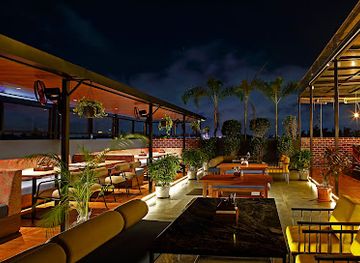
The Living Room
Discover the vibrant culinary scene at The Living Room, Chennai's chic bar and restaurant offering exquisite dishes and innovative cocktails.
Best nightclubs in Tamil Nadu
Nightlife in Tamil Nadu is concentrated in Chennai and a few larger cities rather than spread evenly across the state. Chennai has the widest selection of hotel bars, contemporary cocktail venues, cafés, live-music settings and evening cultural performances, although licensing rules and opening arrangements can change. Coimbatore and Madurai offer a smaller urban scene, usually centred on hotel lounges, restaurants and cafés. In temple towns, Chettinad settlements and rural districts, evenings are more likely to revolve around food, conversation, traditional performances or a modest local pub than nightclubs. Hill stations such as Ooty and Kodaikanal have seasonal hotel bars and restaurants, but they are not major late-night destinations. Alcohol is regulated by the state, and visitors should use licensed premises, carry identification where required and avoid drinking in public places. Classical music, Bharatanatyam performances, theatre and cinema provide important alcohol-free evening alternatives, particularly in Chennai and during the cultural season.
-
Night club
Pasha
Discover the electrifying nightlife at Pasha, Chennai's premier night club with vibrant music, exquisite cocktails, and an unforgettable atmosphere.
-
Night club
Lower Deck Bar & Nightclub
Discover Chennai's vibrant nightlife at Lower Deck Bar & Nightclub, where great music, delicious food, and a lively atmosphere await you.
-
Grill
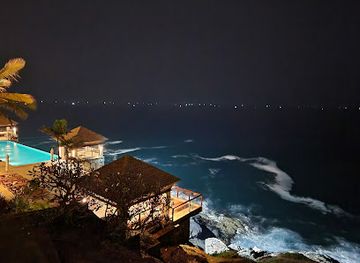
The Sky Bar
Experience breathtaking views and exquisite grill cuisine at The Sky Bar in Kovalam, a perfect spot for sunset lovers and food enthusiasts.
-
Night club
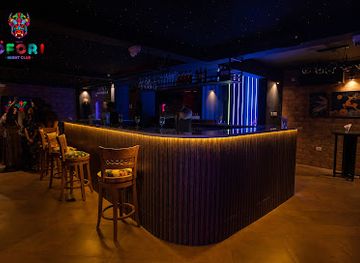
Ofori Club Trivandrum
Experience the vibrant nightlife at Ofori Club, Thiruvananthapuram's premier destination for music, drinks, and unforgettable memories.


Best shops in Tamil Nadu
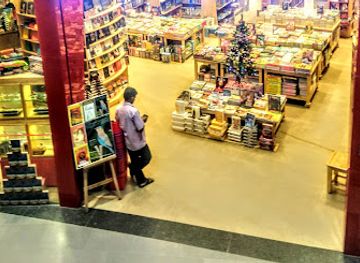
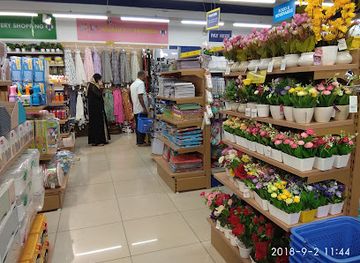
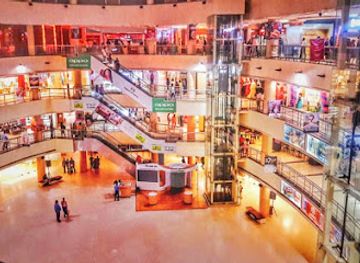
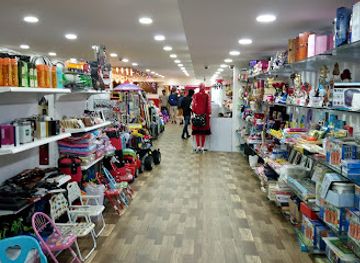
Shopping in Tamil Nadu ranges from dense urban markets and department stores to craft workshops and weekly bazaars in smaller towns. Chennai offers the state's broadest choice, including textiles, jewellery, books, handicrafts, contemporary clothing and food products, while districts such as Kanchipuram are associated with silk weaving and Thanjavur with traditional artistic products. Karaikudi and the wider Chettinad area are known for antique-style furnishings, architectural salvage and decorative objects, although provenance and export rules should be checked carefully before purchasing older pieces. Bronze casting, stone carving, woodwork, palm-leaf products and paintings can be found in specialist centres and government-supported emporia. Markets around temple towns sell flowers, devotional items, brass goods and regional sweets, while coastal districts offer dried or packaged seafood alongside ordinary household markets. For responsible purchasing, favour established shops, request receipts, examine textiles and gemstones carefully, and avoid antiquities or wildlife products without clear legal documentation.
-
Shopping mall
Phoenix Marketcity
Discover a shopping paradise at Phoenix Marketcity, Chennai's vibrant hub for fashion, food, and entertainment.
-
Shopping mall
Nexus Vijaya Mall
Explore Nexus Vijaya Mall in Chennai for an exciting blend of shopping, dining, and entertainment in a vibrant atmosphere.
-
Shopping mall
Express Avenue
Explore Express Avenue, Chennai's vibrant shopping mall, offering a blend of retail therapy, dining delights, and entertainment for every traveler.
-
Shopping mall
Spencer Plaza
Explore Spencer Plaza in Chennai: A Premier Shopping Mall Blending Tradition and Modernity with Unique Shops and Culinary Delights.
Get your free copy of our complete guide to Tamil Nadu, delivered straight to you.
Everything on this page, from attractions and restaurants to essentials and local phrases, in one PDF you can read offline, print or share.
Already have an account? Sign in
Your Tamil Nadu guide is ready.
We'll send it to · Not you? Sign out

Getting your guide ready…
We are putting together a fresh copy of the Tamil Nadu guide. This can take up to a minute.
This can take a few moments. If your browser asks, choose Allow so the download can start. You'll find the guide in your Downloads folder.
Nothing happened? Download it again
Sorry, the guide is taking longer than usual. Please try again in a minute, or get it by email instead.
Tamil Nadu essentials
Currency and Payment
Safety
Emergency Situations
Do's and Don'ts
Local Tips
From Eve
Local phrases worth knowing
You don't need to get them perfect. A few words go a long way, and locals appreciate the effort.
Basics
| English | Local | Say it |
|---|---|---|
| Hello | வணக்கம் | [Vanakkam] |
| Goodbye | பிரியாவிடை | [Priyaavidai] |
| Yes | ஆம் | [Aam] |
| No | இல்லை | [Illai] |
| Please/You're welcome | தயவுசெய்து/சரிக்கிறது | [Thayavuseythu/Sarikkiradhu] |
| Thank you | நன்றி | [Nandri] |
| Excuse me/Sorry | மன்னிக்கவும் | [Mannikkavum] |
| How are you? | நீங்கள் எப்படி இருக்கிறீர்கள்? | [Neengal Eppadi Irukkireergal?] |
| Fine. And you? | நல்லது. நீங்கள் எப்படி? | [Nalladhu. Neengal Eppadi?] |
| Do you speak English? | நீங்கள் ஆங்கிலம் பேசுகிறீர்களா? | [Neengal Aangilam Pesugireergala?] |
| I don't understand | எனக்கு புரியவில்லை | [Enakku Puriyavillai] |
Eating & Drinking
| English | Local | Say it |
|---|---|---|
| I'd like to see the menu, please | எனக்கு மெனு பார்க்க வேண்டும், தயவுசெய்து | [Enakku Menu PaaRkka VEndum, Thayavuseythu] |
| I don't eat meat | நான் இறைச்சி சாப்பிடவில்லை | [Naan Iraichchi Saapidavillai] |
| Cheers! | குடியுங்கள்! | [Kudiyungal!] |
| I would like to pay, please | எனக்கு செலுத்த வேண்டும், தயவுசெய்து | [Enakku Seluththa VEndum, Thayavuseythu] |
Emergencies
| English | Local | Say it |
|---|---|---|
| Help! | உதவி! | [Uthavi!] |
| Go away! | போய் விடு! | [Poy Vidu!] |
| Call the Police! | போலீசை அழைக்கவும்! | [Policai Azhaiykkavum!] |
| Call a doctor! | ஒரு மருத்துவரை அழைக்கவும்! | [Oru Maruthuvaarai Azhaiykkavum!] |
| I'm lost | நான் இழந்து விட்டேன் | [Naan Izhandhu Vitten] |
| I'm ill | நான் நோயுற்றேன் | [Naan Noyuttren] |
Shopping
| English | Local | Say it |
|---|---|---|
| I'd like to buy... | எனக்கு வாங்க வேண்டும்... | [Enakku Vaanga VEndum...] |
| I'm just looking | நான் பாக்கிறேன் | [Naan PakkirEn] |
| How much is it? | இதற்கே எவ்வளவு? | [IdharkE Evvalavu?] |
| That's too expensive | அது மிகவும் செலவானது | [Adhu Mikavum Selavaanadhu] |
| Can you lower the price? | விலையை குறைக்க முடியுமா? | [Vilayai Kuraikka Mudiyumaa?] |
Time & Numbers
| English | Local | Say it |
|---|---|---|
| What time is it? | இப்போது எப்போது? | [Ipodhu Eppodhu?] |
| It's one o'clock | இது ஒரு மணிக்கு | [Idhu Oru Manikku] |
| Half past (10) | அரை (10) மணிக்கு | [Arai (10) Manikku] |
| Morning | காலை | [Kaala] |
| Afternoon | மதியம்இ | [Mathiyam] |
| Evening | மாலை | [Maalai] |
| Yesterday | நேற்று | [Netrum] |
| Today | இன்று | [Indru] |
| Tomorrow | நாளை | [Naalai] |
| 1 | ஒன்று | [OnRu] |
| 2 | இரண்டு | [Irandu] |
| 3 | மூன்று | [MoondRu] |
| 4 | நான்கு | [NaanRu] |
| 5 | ஐந்து | [Aindhu] |
| 6 | ஆறு | [Aaru] |
| 7 | ஏழு | [Ezhu] |
| 8 | எட்டு | [Ettu] |
| 9 | ஒன்பது | [Onpathu] |
| 10 | பத்து | [Paththu] |
Transport & Directions
| English | Local | Say it |
|---|---|---|
| Where's a/the...? | ஒரு... எங்கு இருக்கிறது? | [Oru... Engu Irukkiradhu?] |
| What's the address? | முகவரி என்ன? | [Mugavari Enna?] |
| Can you show me (on the map)? | நீங்கள் எனக்கு (வர்மேபில்) காட்ட முடியுமா? | [Neengal Enakku (Varmeebil) Kaatta Mudiyumaa?] |
| When's the next (bus)? | அடுத்த (பஸ்ஸு) எப்போது? | [Adhutha (Bass) Eppodhu?] |
| A ticket (to ....) | ஒரு டிக்கெட் (....க்கு) | [Oru Ticket (...kku)] |
History of Tamil Nadu
Prehistoric and Early Iron Age Tamilakam
Tamil Nadu contains evidence of very early human occupation, including Stone Age tools and Iron Age megalithic burials. Sites such as Adichanallur in the Thoothukudi district have produced important burial remains and artefacts, while Kodumanal in the western part of the state reflects craft production and exchange during the early historic period. These discoveries show that settled communities, metalworking, agriculture and long-distance contacts developed in the region before the better-documented Tamil kingdoms. Archaeological interpretation continues to refine the relationship between these communities and later Tamil culture.
Sangam Age and Early Tamil Kingdoms
From roughly the early centuries BCE into the early centuries CE, the Tamil-speaking south was shaped by the Chera, Chola and Pandya polities, together with smaller chiefs and trading communities. Sangam literature offers valuable, though complex, evidence for warfare, courtly life, agriculture, seaborne commerce and social relationships. Ports on the eastern and southern coasts connected the region with the wider Indian Ocean, while inland settlements supported farming and craft production. Madurai became closely associated with Pandya power, and the early Cholas established traditions later expanded by their imperial successors.
Pallava Rule and the Monuments of Mamallapuram
The Pallavas, whose power was centred around northern Tamil Nadu from about the sixth to the ninth centuries, helped establish a major architectural tradition in stone. Kanchipuram developed as a political and religious centre, while Mamallapuram became a monumental port and workshop of rock-cut shrines, monolithic rathas, cave temples and relief sculpture. The Shore Temple and other monuments at Mamallapuram demonstrate the transition from excavated and carved forms to structural temples. Pallava patronage also influenced temple architecture beyond the state and left a lasting imprint on the visual language of South Indian Hinduism.
Imperial Cholas and the Cauvery Delta
Between the ninth and thirteenth centuries, the Cholas created one of south India's most powerful medieval states, with a core in the fertile Cauvery delta. Rajaraja I commissioned the Brihadisvara Temple at Thanjavur, completed in the early eleventh century, while his successors expanded Chola influence across southern India and into maritime Asia. Temple institutions organised land, labour, ritual and artistic production, and inscriptions preserve details of administration and endowments. Gangaikonda Cholapuram and Darasuram, together with Thanjavur, form a remarkable architectural record of this period.
Pandyas, Vijayanagara and the Nayak Courts
After Chola power declined, the Pandyas regained importance in the south, followed by the wider influence of the Vijayanagara Empire. From the sixteenth century, Nayak rulers governed important centres including Madurai and Thanjavur, sponsoring temple extensions, corridors, halls, waterworks and palace architecture. The vast gopurams and ceremonial spaces associated with Madurai's Meenakshi Amman Temple reflect this later phase as much as earlier dynasties. Nayak political culture also helped shape the urban form and ritual landscapes of several temple towns that remain central to Tamil Nadu's visitor experience.
European Trading Powers and the Madras Presidency
European commercial and military influence grew along the coast from the seventeenth century. Fort St George at Madras, established by the English East India Company, became the foundation of a major colonial port and administrative centre. Over time, British authority expanded across much of present-day Tamil Nadu, which became the core of the Madras Presidency. Railways, ports, plantations, educational institutions and bureaucratic systems transformed movement and commerce, while colonial rule also altered patterns of landholding and urban development. The presidency included territories beyond today's Tamil Nadu, so its history should not be equated exactly with the modern state.
Language, Social Reform and the Modern State
The twentieth century brought powerful movements centred on Tamil identity, social reform, anti-caste politics, education and opposition to the imposition of Hindi. Figures associated with the Self-Respect Movement and the Dravidian political tradition helped reshape public debate, representation and state politics. After Indian independence, the region became Madras State and was renamed Tamil Nadu in 1969. Chennai's growth, the expansion of manufacturing and information technology, and the continued importance of cinema and popular music have since produced a modern state in which urban economic change coexists with strong literary, religious and linguistic traditions.
Tamil Nadu in Photos
Browse through our photo collection highlighting the charm and character of the destination.
Neighbouring regions of Tamil Nadu
The closest regions to Tamil Nadu, if you have time for more than one.
-

-

-
-

-


Swipe for more regions
Explore more

Explore more of India
Discover the magic of India, where diverse landscapes, rich heritage, and vibrant culture come together to create an unforgettable travel experience.
Explore India