

Central Jakarta (Jakarta) Travel Guide - Free
Explore Central Jakarta in Jakarta with Evendo's free guide. Find the best shops, historic streets, restaurants, and gems on web or mobile.


Central Jakarta blends Monas, historic civic landmarks, museums, markets and lively streets with modern dining, shopping and easy city connections.
Civic Centre and Historic Core
Central Jakarta is the capital's administrative and symbolic centre, a broad urban area rather than a single compact quarter. Its districts range from Gambir's monumental avenues and Merdeka Square to the older commercial streets of Pasar Baru, the market intensity of Tanah Abang, the leafy residences of Menteng and the cultural venues of Cikini. The area brings together Indonesia's national institutions, religious landmarks, colonial-era traces and some of Jakarta's most recognisable public spaces.Read more about Central Jakarta
Monuments, Museums and Sacred Architecture
Markets, Arts and Urban Rhythms
Best attractions in Central Jakarta
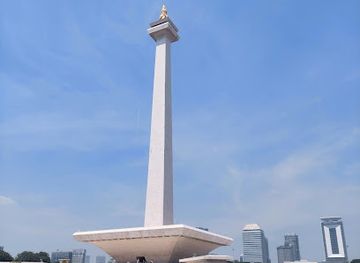
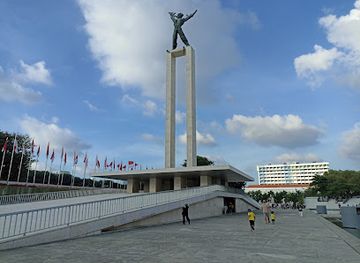
Central Jakarta's attractions are concentrated around the national and cultural institutions of its central districts. Monas dominates Medan Merdeka, where the monument, broad lawns and surrounding government precinct create the capital's most recognisable civic landscape. Nearby, the National Museum of Indonesia introduces visitors to the archipelago's archaeology, ethnography and artistic traditions, while Istiqlal Mosque and Jakarta Cathedral offer a striking pairing of major religious buildings across the road from one another. Lapangan Banteng provides an open urban setting with historical associations, and Pasar Baru offers a different kind of sightseeing through its established commercial streets and everyday activity. In Cikini, Taman Ismail Marzuki brings galleries, performance spaces and arts programming into the central city, while Menteng's shaded streets and older houses reward slower exploration. The area is best understood through contrasts between monumental spaces, working markets and neighbourhood-scale cultural venues.
-
Tourist attraction
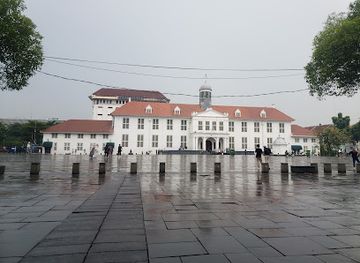
Jakarta History Museum
Explore Jakarta's vibrant history at the Jakarta History Museum, showcasing the city's transformation through rich artifacts and engaging exhibits.
20 min drive · 6.8 km from neighbourhood centre
-
Tourist attraction
Suropati Park
Discover tranquility at Suropati Park, a lush urban retreat in Central Jakarta, perfect for relaxation, picnics, and cultural experiences.
8 min drive · 2.6 km from neighbourhood centre
-
Tourist attraction
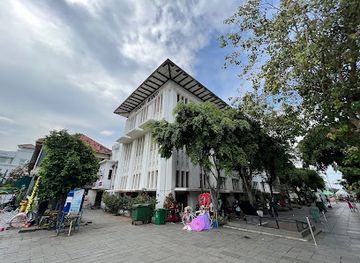
Wisata Kota Tua Jakarta
Discover Jakarta's vibrant heritage at Kota Tua, a historic district filled with museums, colonial architecture, and cultural experiences.
20 min drive · 6.8 km from neighbourhood centre
-
Tourist attraction
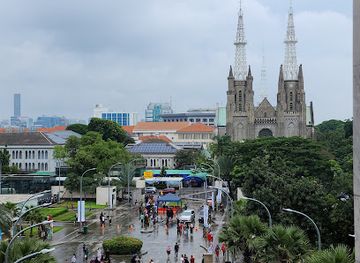
Jakarta Cathedral
Explore the stunning Jakarta Cathedral, a neo-gothic architectural marvel and a serene oasis in the heart of Indonesia's bustling capital.
8 min drive · 2.5 km from neighbourhood centre
Best landmarks in Central Jakarta
Central Jakarta's landmark identity is built around national symbolism, religious architecture and the surviving framework of colonial and early republican planning. Monas is the defining monument, with its flame-topped obelisk expressing Indonesian independence and its position at the centre of Medan Merdeka giving it exceptional civic force. Istiqlal Mosque, Indonesia's largest mosque, and Jakarta Cathedral face one another across Jalan Katedral, an arrangement often noted for its symbolism of religious coexistence. The National Museum, historically known as the Elephant Museum because of the elephant statue in front, anchors the western side of the civic core. Lapangan Banteng, old government buildings around Gambir and the planned streets of Menteng add further layers, while Pasar Baru's long commercial frontage represents a different kind of heritage: a working urban landmark shaped by trade, migration and everyday use.
-
Monument
National Monument
Explore Jakarta's National Monument – a symbol of freedom offering stunning views and rich history in the heart of Indonesia's capital.
8 min drive · 2.7 km from neighbourhood centre
-
City park
Lapangan Banteng Park
Discover the lush greenery and cultural richness of Lapangan Banteng Park, a serene escape in the heart of Jakarta.
7 min drive · 2.2 km from neighbourhood centre
-
 Monument
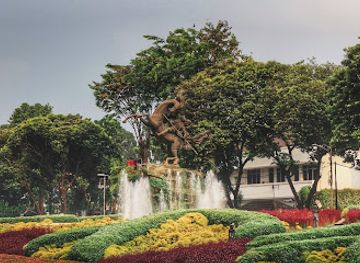
Selamat Datang Monument
Explore the Selamat Datang Monument, Jakarta's iconic symbol of hospitality and vibrant culture, a must-visit for every traveler.
10 min drive · 3.2 km from neighbourhood centre
-
Historical landmark
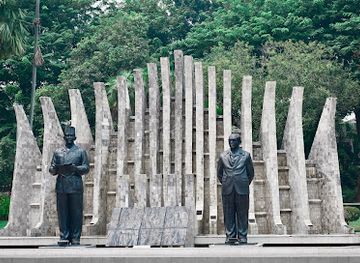
Tugu Proklamasi
Discover Tugu Proklamasi, Jakarta's historical landmark that symbolizes Indonesia's independence and resilience amidst the vibrant city.
7 min drive · 2.2 km from neighbourhood centre
Explore Central Jakarta on the map
A handpicked selection of must-see spots in Central Jakarta, mapped for you.
Best hotels in Central Jakarta
Best restaurants in Central Jakarta
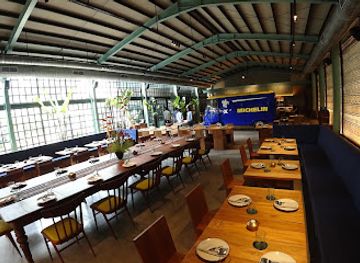
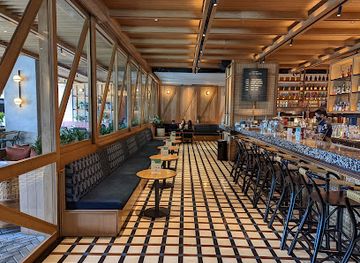
Central Jakarta's dining scene reflects its role as a meeting point for office workers, traders, residents and visitors from across Indonesia. Jalan Sabang and nearby Kebon Sirih are associated with casual evening food, from Indonesian staples and grilled dishes to cafés and modern eateries, while Pasar Baru offers long-established small restaurants and snack shops amid its commercial lanes. Around Menteng and Cikini, restaurants and cafés occupy converted houses, shopfronts and contemporary developments, with menus ranging from regional Indonesian cooking to international fare. Tanah Abang and the areas around markets are useful for quick meals and traditional snacks rather than leisurely destination dining. Thamrin adds hotel restaurants, shopping-centre dining and polished cafés, creating a sharp contrast with street-side warungs. Menus and businesses change frequently, so the strongest local experience often comes from exploring a cluster of streets rather than seeking a single definitive venue.
-
Indonesian
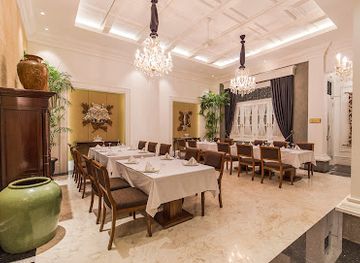
Plataran Menteng
Experience the authentic flavors of Indonesia at Plataran Menteng - where tradition meets elegance in every dish.
8 min drive · 2.5 km from neighbourhood centre
-
Indonesian
Kaum Jakarta
Experience the essence of Indonesia at Kaum Jakarta, where traditional flavors meet contemporary dining in a vibrant atmosphere.
10 min drive · 3.2 km from neighbourhood centre
-
Indonesian
Lara Djonggrang
Experience the authentic taste of Indonesia at Lara Djonggrang – where tradition meets flavor in every dish.
6 min drive · 1.9 km from neighbourhood centre
-
Restaurant
Social House
Discover Jakarta's culinary gem at Social House - where exquisite dishes meet an elegant lounge atmosphere for an unforgettable dining experience.
10 min drive · 3.3 km from neighbourhood centre
Best bars in Central Jakarta
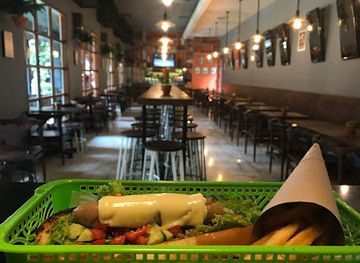
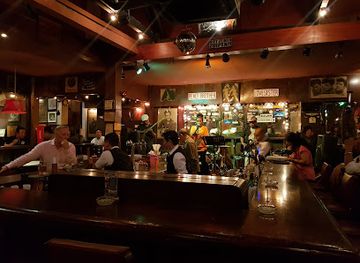
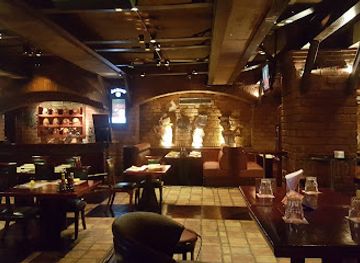
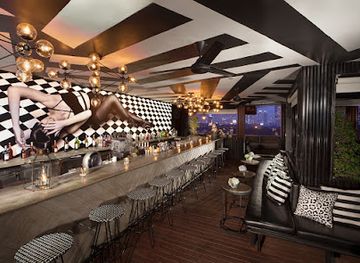
Central Jakarta's evening life is varied but more dispersed than the dedicated nightlife districts farther south. Jalan Sabang and Kebon Sirih come alive with food stalls, casual cafés and informal gatherings, while Menteng and Cikini offer restaurants, hotel lounges and smaller drinking venues suited to conversation. Thamrin and the business core have a more polished after-dark scene in hotels, shopping complexes and high-rise establishments, with activity shaped by office hours and events. Jalan Jaksa has long been associated with budget-oriented bars and international travellers, although its character and individual businesses change over time. Live performances and cultural evenings may be found through the programme at Taman Ismail Marzuki and other arts venues rather than in conventional clubs. Visitors should distinguish the lively commercial streets from quieter residential and government areas, where late-night noise is less appropriate.
-
Pub
Melly's Garden
Discover Melly's Garden, a vibrant pub and café in Central Jakarta offering live music, delicious food, and a relaxing atmosphere for all visitors.
6 min drive · 2.2 km from neighbourhood centre
-
Pub
The Jaya Pub
Experience the vibrant nightlife of Central Jakarta at The Jaya Pub, where great drinks and lively entertainment come together.
9 min drive · 3.1 km from neighbourhood centre
-
Grill
B.A.T.S. Bar and Restaurant
Explore the vibrant culinary scene at B.A.T.S. Bar and Restaurant in Jakarta, offering exquisite grilled dishes and a lively nightlife ambiance.
12 min drive · 4.1 km from neighbourhood centre
-
Bar
BART Jakarta
Experience the vibrant nightlife at BART Jakarta, where exquisite cocktails meet electrifying live music in the heart of the city.
9 min drive · 2.8 km from neighbourhood centre
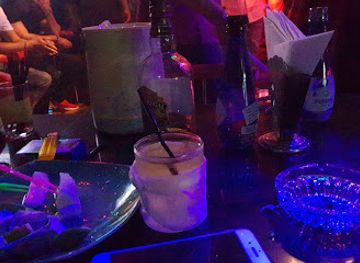
Best nightclubs in Central Jakarta
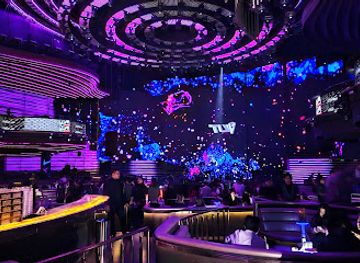
Central Jakarta's evening life is varied but more dispersed than the dedicated nightlife districts farther south. Jalan Sabang and Kebon Sirih come alive with food stalls, casual cafés and informal gatherings, while Menteng and Cikini offer restaurants, hotel lounges and smaller drinking venues suited to conversation. Thamrin and the business core have a more polished after-dark scene in hotels, shopping complexes and high-rise establishments, with activity shaped by office hours and events. Jalan Jaksa has long been associated with budget-oriented bars and international travellers, although its character and individual businesses change over time. Live performances and cultural evenings may be found through the programme at Taman Ismail Marzuki and other arts venues rather than in conventional clubs. Visitors should distinguish the lively commercial streets from quieter residential and government areas, where late-night noise is less appropriate.
-
Night club
The H Club SCBD
Experience Jakarta's vibrant nightlife at The H Club SCBD, where music, dance, and style come together for an unforgettable night out.
19 min drive · 6.5 km from neighbourhood centre
-
Lounge
Embassy Lounge Jakarta
Experience Jakarta's vibrant nightlife at Embassy Lounge, a luxurious venue for cocktails, music, and unforgettable moments.
19 min drive · 6.2 km from neighbourhood centre
-
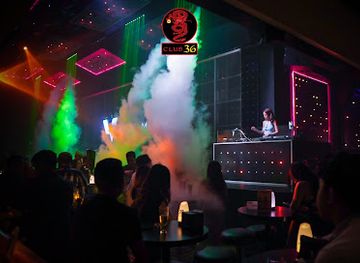
Night club
Club 36 Jakarta
Discover the energetic nightlife of Jakarta at Club 36, where vibrant music, lively atmosphere, and unforgettable experiences await you.
16 min drive · 5.5 km from neighbourhood centre
-
Night club
Three Horse Bar
Discover Jakarta's nightlife at Three Horse Bar, where vibrant music, cocktails, and a lively atmosphere await you in the heart of the city.
5 min drive · 1.7 km from neighbourhood centre
Best shops in Central Jakarta
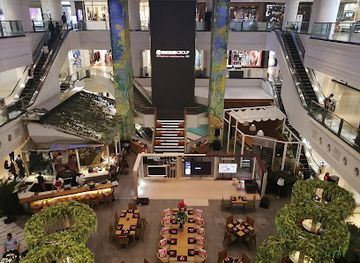
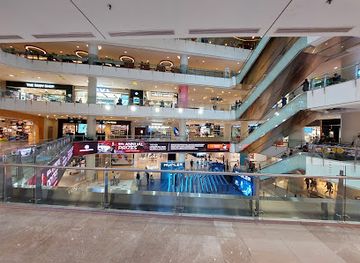
Shopping in Central Jakarta ranges from wholesale commerce and traditional market bargaining to department stores and air-conditioned malls. Tanah Abang is the area's major textile and fashion marketplace, known especially for wholesale activity, dense pedestrian lanes and enormous commercial scale; visitors should check addresses carefully because the market is spread across several buildings and streets. Pasar Baru offers a more varied historic shopping environment, with clothing, shoes, fabrics, food and specialist shops along its covered and open-fronted passages. Around Thamrin, Grand Indonesia, Plaza Indonesia and Sarinah provide contemporary retail, dining and Indonesian design in a very different setting. Sarinah in particular has a strong focus on locally made products and national craft traditions. Smaller shops and cafés appear through Menteng and Cikini, but these districts are better for selective browsing than for a concentrated retail circuit.
-
Shopping mall
Plaza Indonesia
Discover the luxury of shopping and dining at Plaza Indonesia, Jakarta's premier shopping mall, offering a world-class retail experience.
10 min drive · 3.3 km from neighbourhood centre
-
Shopping mall
Grand Indonesia East Mall
Discover a world of shopping, dining, and entertainment at Grand Indonesia East Mall, Jakarta's premier shopping destination offering a taste of modern Indonesian culture.
10 min drive · 3.4 km from neighbourhood centre
-
Department store
Central Department Store
Discover a world of shopping at Central Department Store, where fashion meets convenience in the heart of Jakarta.
10 min drive · 3.4 km from neighbourhood centre
-
Department store
Alun Alun Indonesia
Discover the essence of Indonesian culture and modern shopping at Alun Alun Indonesia, your ultimate destination for fashion and local craftsmanship.
11 min drive · 3.6 km from neighbourhood centre

Central Jakarta essentials
Getting There
Getting Around
Safety
Emergency Situations
Do's and Don'ts
Local Tips

From Eve
Local phrases worth knowing
You don't need to get them perfect. A few words go a long way, and locals appreciate the effort.
Basics
| English | Local | Say it |
|---|---|---|
| Hello | Halo | [ha-lo] |
| Goodbye | Selamat tinggal | [se-la-mat ting-gal] |
| Yes | Ya | [ya] |
| No | Tidak | [ti-dak] |
| Please/You're welcome | Silakan | [si-la-kan] |
| Thank you | Terima kasih | [te-ri-ma ka-sih] |
| Excuse me/Sorry | Maaf | [ma-af] |
| How are you? | Apa kabar? | [a-pa ka-bar] |
| Fine. And you? | Baik. Bagaimana dengan Anda? | [ba-ik. ba-gai-ma-na den-gan an-da] |
| Do you speak English? | Apakah Anda bisa berbicara bahasa Inggris? | [a-pa-kah an-da bi-sa ber-bi-ca-ra ba-ha-sa ing-gris] |
| I don't understand | Saya tidak mengerti | [sa-ya ti-dak meng-er-ti] |
Eating & Drinking
| English | Local | Say it |
|---|---|---|
| I'd like to see the menu, please | Saya ingin melihat menu, tolong | [sa-ya in-gin me-li-hat me-nu, to-long] |
| I don't eat meat | Saya tidak makan daging | [sa-ya ti-dak ma-kan da-ging] |
| Cheers! | Selamat! | [se-la-mat] |
| I would like to pay, please | Saya ingin membayar, tolong | [sa-ya in-gin mem-ba-yar, to-long] |
Emergencies
| English | Local | Say it |
|---|---|---|
| Help! | Tolong! | [to-long] |
| Go away! | Pergi! | [per-gi] |
| Call the Police! | Panggil polisi! | [pang-gil po-li-si] |
| Call a doctor! | Panggil dokter! | [pang-gil dok-ter] |
| I'm lost | Saya tersesat | [sa-ya ter-se-sat] |
| I'm ill | Saya sakit | [sa-ya sa-kit] |
Shopping
| English | Local | Say it |
|---|---|---|
| I'd like to buy... | Saya ingin membeli... | [sa-ya in-gin mem-be-li...] |
| I'm just looking | Saya hanya melihat-lihat | [sa-ya han-ya me-li-hat-li-hat] |
| How much is it? | Berapa harganya? | [be-ra-pa har-gan-ya] |
| That's too expensive | Itu terlalu mahal | [i-tu ter-la-lu ma-hal] |
| Can you lower the price? | Bisakah Anda menurunkan harganya? | [bi-sa-kah an-da me-nu-run-kan har-gan-ya] |
Time & Numbers
| English | Local | Say it |
|---|---|---|
| What time is it? | Jam berapa sekarang? | [jam be-ra-pa se-ka-rang] |
| It's one o'clock | Sekarang pukul satu | [se-ka-rang pu-kul sa-tu] |
| Half past (10) | Setengah (sepuluh) | [se-ten-gah (se-pu-luh)] |
| Morning | Pagi | [pa-gi] |
| Afternoon | Sore | [so-re] |
| Evening | Malam | [ma-lam] |
| Yesterday | Kemarin | [ke-ma-rin] |
| Today | Hari ini | [ha-ri i-ni] |
| Tomorrow | Besok | [be-sok] |
| 1 | Satu | [sa-tu] |
| 2 | Dua | [du-a] |
| 3 | Tiga | [ti-ga] |
| 4 | Empat | [em-pat] |
| 5 | Lima | [li-ma] |
| 6 | Enam | [e-nam] |
| 7 | Tujuh | [tu-juh] |
| 8 | Delapan | [de-la-pan] |
| 9 | Sembilan | [sem-bi-lan] |
| 10 | Sepuluh | [se-pu-luh] |
Transport & Directions
| English | Local | Say it |
|---|---|---|
| Where's a/the...? | Dimana... | [di-ma-na] |
| What's the address? | Alamatnya dimana? | [a-lam-at-nya di-ma-na] |
| Can you show me (on the map)? | Bisakah Anda menunjukkan (di peta)? | [bi-sa-kah an-da me-nun-juk-kan (di pe-ta)] |
| When's the next (bus)? | Kapan yang berikutnya? | [ka-pan yang be-ru-ti-nya] |
| A ticket (to ....) | Tiket (ke ....) | [ti-ket (ke)] |
History of Central Jakarta
From Batavia to the Modern Capital
The area now understood as Central Jakarta developed within the northern and central parts of Batavia, the colonial city established by the Dutch East India Company in the seventeenth century. Earlier settlements, waterways and fields were gradually incorporated into the colonial urban system, while administrative and commercial activity expanded southwards from the old walled city. The modern boundaries of Central Jakarta are administrative rather than historical, bringing together places with different origins, including Gambir, Senen, Tanah Abang and Menteng. This layered development explains why monumental government precincts, traditional markets, older religious institutions and residential streets stand close together without forming one uniform historic quarter.
Colonial Planning and Menteng
During the late colonial period, southern parts of central Batavia were planned with wider roads, drainage, greenery and lower-density housing. Menteng became a notable residential district, its tree-lined streets and detached houses reflecting planning ideals associated with European residents and affluent local families. Nearby Weltevreden, centred on what is now the Gambir and Lapangan Banteng area, developed as an administrative and military zone with civic buildings, public institutions and open squares. Railways and roads strengthened the area's connection with other parts of Batavia, helping Central Jakarta evolve from a collection of separate settlements and estates into the city's principal governmental and institutional belt.
Independence and National Symbolism
After Indonesian independence, the central districts of Jakarta were reshaped around the needs and symbolism of the new republic. Government offices and national institutions occupied former colonial administrative spaces, while major avenues and public squares became settings for ceremonies and civic life. The construction of Monas began in 1961 under President Sukarno and the monument was inaugurated in 1975, creating a powerful national symbol at the centre of Medan Merdeka. Istiqlal Mosque, inaugurated in 1978, and the restoration and continued use of nearby historic institutions reinforced Central Jakarta's role as a place where national identity, state power and religious life are publicly expressed.
Markets, Arts and Metropolitan Change
The twentieth and early twenty-first centuries brought intense commercial growth to Tanah Abang, Pasar Baru and Senen, alongside office towers, hotels and shopping centres around Thamrin and Sudirman. Cikini developed a strong cultural presence through Taman Ismail Marzuki, while Menteng retained a more residential character despite the pressure of central-city development. Infrastructure projects, traffic management and large-scale commercial construction have repeatedly altered how these districts connect, and redevelopment has sometimes placed older buildings and informal commerce beside new complexes. Central Jakarta today remains both a national stage and a working urban environment, with historic markets and neighbourhood life continuing alongside the capital's corporate and governmental functions.
Central Jakarta in Photos
Browse through our photo collection highlighting the charm and character of the destination.
Neighbourhoods near Central Jakarta
The closest neighbourhoods to Central Jakarta, if you have time for more than one stop.
-

-

-

-


Swipe for more neighbourhoods
Explore more

Explore more of Jakarta
Jakarta blends Indonesian history, colonial architecture, vibrant arts, street food and modern city life, with museums, markets and island escapes nearby.
Explore Jakarta