

Prawirotaman (Yogyakarta) Travel Guide - Free
Explore Prawirotaman in Yogyakarta with Evendo's free guide. Find the best shops, historic streets, restaurants, and gems on web or mobile.


Prawirotaman in Yogyakarta blends kampung life, batik heritage, independent cafés, guesthouses and easy access to southern cultural landmarks in Java.
A Southern Yogyakarta Character
Prawirotaman lies south of Yogyakarta’s historic centre, centred on Jalan Prawirotaman and the smaller streets that lead towards Jalan Parangtritis. It is an informal urban neighbourhood rather than a formally defined administrative district, best known to visitors for its concentration of guesthouses, cafés, restaurants, travel services and independent shops. Behind this visitor-facing strip, ordinary kampung lanes continue through residential pockets where scooters, family compounds, small workshops and neighbourhood stalls create a more local rhythm.Read more about Prawirotaman
From Batik Village to Visitor Quarter
Streets, Food and Everyday Life
Best attractions in Prawirotaman
Prawirotaman’s main attraction is the contrast between its visitor-friendly street and the kampung lanes behind it. Jalan Prawirotaman is lined with cafés, restaurants, small galleries, batik outlets and travel businesses, making it a natural starting point for exploring the neighbourhood on foot. Pasar Prawirotaman offers a more everyday scene, with local produce and household shopping rather than a staged tourist market. Batik workshops and craft displays reveal the area’s older association with textile production, while the surrounding lanes show low-rise homes, small shrines and informal neighbourhood activity. Taman Sari, the former royal garden complex, and Alun-Alun Kidul, the southern royal square, are close by but should be described as nearby attractions in the wider southern palace district. The pleasure here is less a single monument than a compact introduction to Yogyakarta’s meeting of craft, hospitality, food and ordinary urban life.
-
Tourist attraction
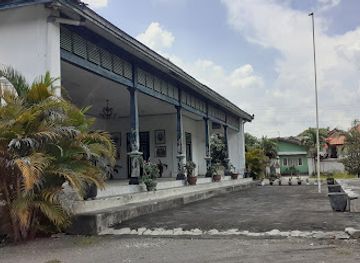
Museum Perjuangan
Explore the inspiring journey of Indonesia's fight for independence at Museum Perjuangan, a cultural gem in Yogyakarta.
10 min walk · 0.8 km from neighbourhood centre
Best landmarks in Prawirotaman
Prawirotaman’s most significant landmarks are modest, locally rooted features rather than monumental buildings. Jalan Prawirotaman itself is the neighbourhood’s defining urban corridor, combining low-rise commercial façades, guesthouses, cafés and entrances to older residential lanes. Pasar Prawirotaman is an important everyday landmark because it connects the area’s visitor economy with local food and household commerce. The neighbourhood’s batik shops and workshops carry cultural significance, recalling the area’s association with the Prawirotomo family and textile production. Kampung lanes, family compounds and small prayer spaces also help explain the social structure that tourism has grown around. Taman Sari and Alun-Alun Kidul are nearby landmarks within the wider southern royal district, not strictly part of Prawirotaman, but their proximity has helped shape the neighbourhood’s role as a base for exploring Yogyakarta’s courtly heritage.
-
Hotel
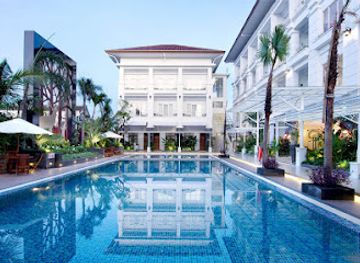
Gallery Prawirotaman Hotel
Discover traditional elegance and modern comfort at Gallery Prawirotaman Hotel, your perfect Yogyakarta retreat for cultural exploration.
6 min walk · 0.5 km from neighbourhood centre
-
Hotel
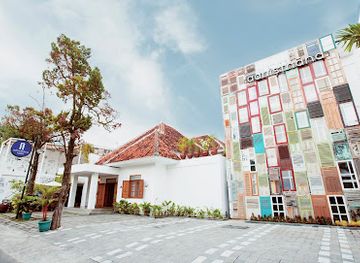
Adhisthana Hotel
Experience the charm of Yogyakarta at Adhisthana Hotel, a uniquely designed retreat perfect for cultural explorers and relaxation seekers.
7 min walk · 0.6 km from neighbourhood centre
-
 Hotel
Indies Heritage Hotel
Experience the charm of traditional Indonesian hospitality at Indies Heritage Hotel, your gateway to the cultural treasures of Yogyakarta.
4 min walk · 0.3 km from neighbourhood centre
-
Bed & breakfast
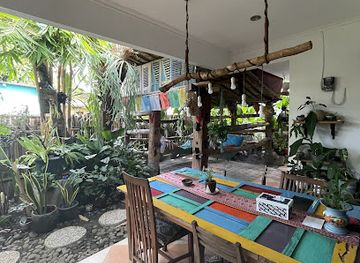
Happy Buddha Hostel
Discover the vibrant culture of Yogyakarta while enjoying the cozy comfort of Happy Buddha Hostel, your home away from home.
7 min walk · 0.5 km from neighbourhood centre
Explore Prawirotaman on the map
A handpicked selection of must-see spots in Prawirotaman, mapped for you.
Best hotels in Prawirotaman
Best restaurants in Prawirotaman
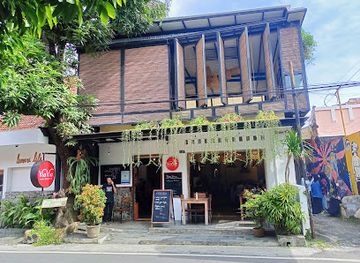
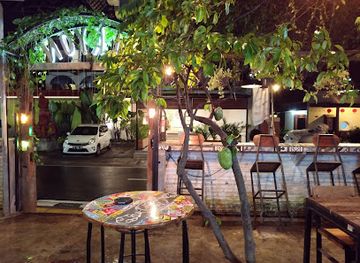
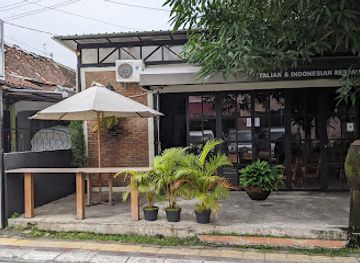
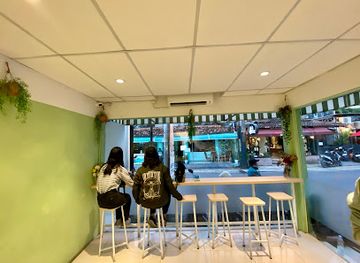
Prawirotaman has one of Yogyakarta’s most established visitor-oriented dining scenes, concentrated around Jalan Prawirotaman and its adjoining streets. Menus range from Javanese cooking and inexpensive warung meals to cafés serving coffee, light meals and international dishes for travellers staying in the area. Visitors can look for Yogyakarta specialities such as gudeg, rice dishes, satay and sweet snacks, while Pasar Prawirotaman provides a more local setting for seeing everyday ingredients and food commerce. The neighbourhood’s dining identity reflects its long relationship with independent travel: restaurants and cafés are accustomed to serving an international audience, yet local flavours remain easy to find. Prices, menus and payment methods vary, and smaller establishments may operate differently from visitor-focused restaurants. The most rewarding approach is to balance a meal on the main street with a visit to a modest warung or market stall, while keeping expectations realistic about the area’s commercial, rather than purely traditional, character.
-
Restaurant
ViaVia Jogja
Experience the best of Yogyakarta's culinary scene at ViaVia Jogja - where health meets flavor in a cozy atmosphere.
7 min walk · 0.5 km from neighbourhood centre
-
Indonesian
Just Playon
Discover the vibrant flavors of Indonesia at Just Playon in Yogyakarta – where authentic cuisine meets lively atmosphere.
5 min walk · 0.4 km from neighbourhood centre
-
Italian
Restaurant Warung Toscana
Discover Warung Toscana: A Culinary Delight in Yogyakarta Offering Authentic Italian Dishes in a Cozy Atmosphere Perfect for Tourists.
7 min walk · 0.5 km from neighbourhood centre
-
Health Food
Easy Peasy Salad Bar Prawirotaman
Discover the vibrant flavors of health-conscious dining at Easy Peasy Salad Bar in Yogyakarta - where fresh ingredients meet creativity.
6 min walk · 0.5 km from neighbourhood centre
Best bars in Prawirotaman
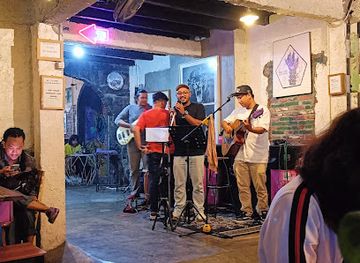
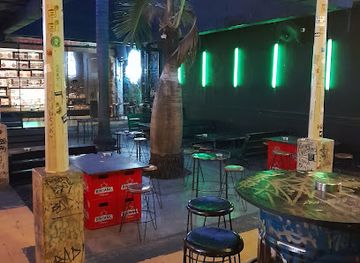
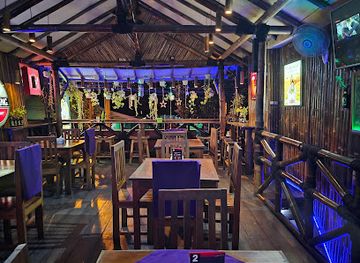
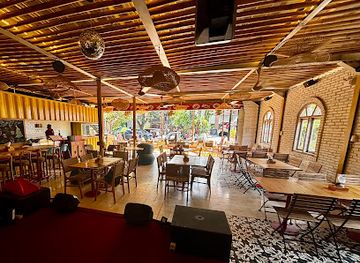
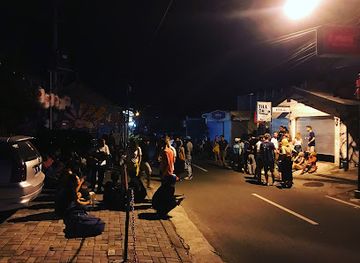
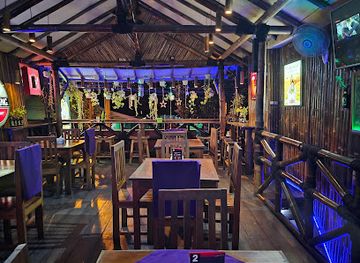
Prawirotaman is more a relaxed evening dining and social quarter than a major nightclub district. After dark, Jalan Prawirotaman fills with the conversation of guests, café customers and restaurant diners, with venues offering beer, cocktails, coffee, live acoustic sessions or informal seating depending on the establishment. The atmosphere is generally suited to a meal, a drink and conversation rather than large-scale clubbing, while nearby central Yogyakarta offers a wider range of late-night entertainment. Small bars and restaurants can change their programmes and operating arrangements, so visitors should check locally rather than rely on old listings or assume that a venue will host a particular performance. Noise carries into residential lanes, making consideration for nearby homes important. Those seeking a quieter evening can stay close to the accommodation streets, whereas the main thoroughfare provides the neighbourhood’s clearest concentration of evening activity.
-
Bar
TILL DROP BAR & RESTO-PRAWIROTAMANOS
Experience the vibrant nightlife of Yogyakarta at Till Drop Bar & Resto-Prawirotamanos, where delicious drinks and delectable dishes await.
6 min walk · 0.5 km from neighbourhood centre
-
Restaurant
Boogie Down Bar
Discover the vibrant nightlife of Yogyakarta at Boogie Down Bar, where cocktails and culture come together in a lively atmosphere.
5 min walk · 0.4 km from neighbourhood centre
-
Grill
Spark Resto And Sports Bar
Experience the vibrant flavors and lively atmosphere of Spark Resto and Sports Bar, a top destination for grilled delights in Yogyakarta.
5 min walk · 0.4 km from neighbourhood centre
-
Bar
Easy Groovy
Experience the vibrant fusion of Indonesian and Mexican cuisine at Easy Groovy, where live music enhances your dining adventure in Yogyakarta.
8 min walk · 0.6 km from neighbourhood centre
Best nightclubs in Prawirotaman
Prawirotaman is more a relaxed evening dining and social quarter than a major nightclub district. After dark, Jalan Prawirotaman fills with the conversation of guests, café customers and restaurant diners, with venues offering beer, cocktails, coffee, live acoustic sessions or informal seating depending on the establishment. The atmosphere is generally suited to a meal, a drink and conversation rather than large-scale clubbing, while nearby central Yogyakarta offers a wider range of late-night entertainment. Small bars and restaurants can change their programmes and operating arrangements, so visitors should check locally rather than rely on old listings or assume that a venue will host a particular performance. Noise carries into residential lanes, making consideration for nearby homes important. Those seeking a quieter evening can stay close to the accommodation streets, whereas the main thoroughfare provides the neighbourhood’s clearest concentration of evening activity.
-
Bar
TILL DROP BAR & RESTO-PRAWIROTAMANOS
Discover the lively nightlife at Till Drop Bar & Resto, a unique blend of modern ambiance and local flavor in Yogyakarta's vibrant Prawirotaman area.
6 min walk · 0.5 km from neighbourhood centre
-
Grill
Spark Resto And Sports Bar
Embark on a culinary adventure at Spark Resto And Sports Bar, where grilled delights meet a thrilling sports atmosphere in the heart of Yogyakarta.
5 min walk · 0.4 km from neighbourhood centre
Best shops in Prawirotaman
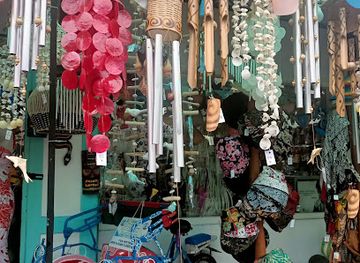
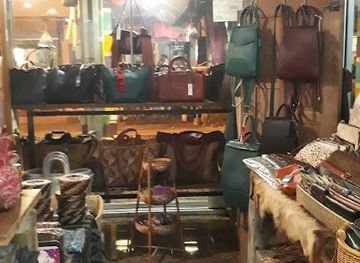
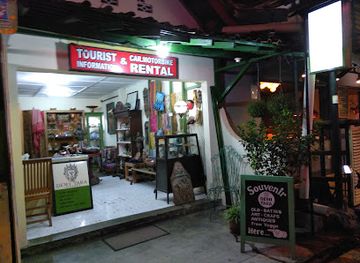
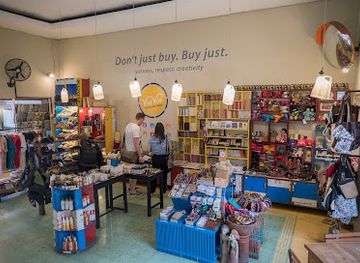
Shopping in Prawirotaman centres on batik, crafts, small independent businesses and everyday market commerce rather than a large enclosed retail complex. Along Jalan Prawirotaman, visitors can browse batik garments, textiles, souvenirs, artworks and locally made gifts, with some businesses also explaining or demonstrating aspects of the craft. Pasar Prawirotaman offers a contrasting experience focused on fresh produce, food ingredients and ordinary household shopping, giving the neighbourhood a stronger connection to local routines than its souvenir outlets alone suggest. The selection and quality of goods vary between shops, so visitors should examine fabrics carefully and ask about production methods when the distinction between handmade and factory-made batik matters. Nearby streets contain small convenience shops and service businesses rather than continuous specialist retail. The area is best understood as a place to explore Yogyakarta’s textile identity alongside daily commerce, not as a dedicated shopping district on the scale of the city’s major commercial centres.
-
Craft store
Oasis Group
Explore the vibrant artistry of batik, jewelry, and sculptures at Oasis Group, a must-visit craft store in Yogyakarta, Indonesia.
7 min walk · 0.5 km from neighbourhood centre
-
Craft store
ASJAVA Leather & Cafe Prawirotaman
Experience the artistry of Yogyakarta at ASJAVA Leather & Cafe, where exquisite craftsmanship meets delightful coffee in a warm and inviting atmosphere.
7 min walk · 0.5 km from neighbourhood centre
-
Antique store
Dewi Tara Antique
Explore the rich history of Indonesia through unique antiques and cultural artifacts at Dewi Tara Antique in Yogyakarta.
6 min walk · 0.5 km from neighbourhood centre
-
Store
ViaVia Fair Trade Shop
Explore the essence of Yogyakarta at ViaVia Fair Trade Shop, where every purchase supports local artisans and sustainable practices.
7 min walk · 0.5 km from neighbourhood centre
Prawirotaman essentials
Getting There
Getting Around
Safety
Emergency Situations
Do's and Don'ts
Local Tips

From Eve
Local phrases worth knowing
You don't need to get them perfect. A few words go a long way, and locals appreciate the effort.
Basics
| English | Local | Say it |
|---|---|---|
| Hello | Halo | [ha-lo] |
| Goodbye | Selamat tinggal | [se-la-mat ting-gal] |
| Yes | Ya | [ya] |
| No | Tidak | [ti-dak] |
| Please/You're welcome | Silakan | [si-la-kan] |
| Thank you | Terima kasih | [te-ri-ma ka-sih] |
| Excuse me/Sorry | Maaf | [ma-af] |
| How are you? | Apa kabar? | [a-pa ka-bar] |
| Fine. And you? | Baik. Dan kamu? | [ba-ik. dan ka-mu] |
| Do you speak English? | Apakah kamu bisa berbahasa Inggris? | [a-pa-kah ka-mu bi-sa ber-ba-ha-sa ing-gris] |
| I don't understand | Saya tidak mengerti | [sa-ya ti-dak men-ger-ti] |
Eating & Drinking
| English | Local | Say it |
|---|---|---|
| I'd like to see the menu, please | Saya ingin melihat menu, tolong | [sa-ya in-gin me-li-hat me-nu, to-long] |
| I don't eat meat | Saya tidak makan daging | [sa-ya ti-dak ma-kan da-ging] |
| Cheers! | Selamat minum! | [se-la-mat mi-num] |
| I would like to pay, please | Saya ingin membayar, tolong | [sa-ya in-gin mem-ba-yar, to-long] |
Emergencies
| English | Local | Say it |
|---|---|---|
| Help! | Tolong! | [to-long] |
| Go away! | Pergi! | [per-gi] |
| Call the Police! | Panggil Polisi! | [pang-gil po-li-si] |
| Call a doctor! | Panggil dokter! | [pang-gil dok-ter] |
| I'm lost | Saya tersesat | [sa-ya ter-se-sat] |
| I'm ill | Saya sakit | [sa-ya sa-kit] |
Shopping
| English | Local | Say it |
|---|---|---|
| I'd like to buy... | Saya ingin membeli... | [sa-ya in-gin mem-be-li] |
| I'm just looking | Saya hanya melihat-lihat | [sa-ya han-ya me-li-hat-li-hat] |
| How much is it? | Berapa harganya? | [be-ra-pa har-ga-nya] |
| That's too expensive | Itu terlalu mahal | [i-tu ter-la-lu ma-hal] |
| Can you lower the price? | Bisakah kamu menurunkan harganya? | [bi-sa-kah ka-mu me-nu-run-kan har-ga-nya] |
Time & Numbers
| English | Local | Say it |
|---|---|---|
| What time is it? | Sekarang jam berapa? | [se-ka-rang jam be-ra-pa] |
| It's one o'clock | Sekarang jam satu | [se-ka-rang jam sa-tu] |
| Half past (10) | Setengah (sepuluh) | [se-teng-ah (se-pu-luh)] |
| Morning | Pagi | [pa-gi] |
| Afternoon | Sore | [so-re] |
| Evening | Malam | [ma-lam] |
| Yesterday | Kemarin | [ke-ma-rin] |
| Today | Hari ini | [ha-ri i-ni] |
| Tomorrow | Besok | [be-sok] |
| 1 | Satu | [sa-tu] |
| 2 | Dua | [du-a] |
| 3 | Tiga | [ti-ga] |
| 4 | Empat | [em-pat] |
| 5 | Lima | [li-ma] |
| 6 | Enam | [e-nam] |
| 7 | Tujuh | [tu-juh] |
| 8 | Delapan | [de-la-pan] |
| 9 | Sembilan | [sem-bi-lan] |
| 10 | Sepuluh | [se-pu-luh] |
Transport & Directions
| English | Local | Say it |
|---|---|---|
| Where's a/the...? | Dimana... | [di-ma-na] |
| What's the address? | Berapa alamatnya? | [be-ra-pa a-la-mat-nya] |
| Can you show me (on the map)? | Bisakah kamu menunjukkan ke saya (pada peta)? | [bi-sa-kah ka-mu me-nun-juk-kan ke sa-ya (pa-da pe-ta)] |
| When's the next (bus)? | Kapan bus selanjutnya? | [ka-pan bus se-lan-jut-nya] |
| A ticket (to ....) | Satu tiket (ke ....) | [sa-tu ti-ket (ke)] |
History of Prawirotaman
A Village of the Prawirotomo Family
Prawirotaman developed as a village south of Yogyakarta’s royal and civic core, and its name is associated with the Prawirotomo family. The area became particularly linked with batik production, an important household and commercial craft in Yogyakarta. Batik work connected residents to wider networks of traders, cloth suppliers and buyers, while the neighbourhood’s kampung structure supported a mixture of homes, small-scale production and community life. Although much of the original working landscape has changed, the association with batik remains central to how Prawirotaman is presented and understood today.
Batik, Households and Kampung Life
During the nineteenth and twentieth centuries, Yogyakarta’s batik economy was sustained by royal workshops, merchant families and household-based production across several southern districts. Prawirotaman formed part of this wider cultural and economic environment rather than existing as an isolated craft centre. Residential lanes, family compounds and small enterprises shaped the neighbourhood’s physical character, while batik knowledge was transmitted through local working relationships. The growth of modern manufacturing and changing urban economies reduced the dominance of household batik production, but craft shops and workshops continue to connect the neighbourhood with Yogyakarta’s textile traditions.
The Rise of Independent Travel
From the 1970s onwards, Prawirotaman gradually became associated with independent travellers seeking affordable accommodation outside the busiest parts of central Yogyakarta. Guesthouses, homestays, travel agencies, cafés and small restaurants appeared around the existing kampung fabric rather than replacing it completely. This incremental development gave the area its characteristic combination of residential lanes and visitor-oriented businesses. Prawirotaman’s tourism identity grew alongside Yogyakarta’s reputation for heritage, arts and education, with many visitors using the neighbourhood as a base for exploring the southern palace district and surrounding cultural sites.
A Changing Southern Quarter
In recent decades, Prawirotaman has expanded beyond its earlier backpacker image. Boutique accommodation, coffee shops, restaurants and creative retail have joined long-established warungs, batik businesses and household shops, bringing new investment and changing the appearance of the main streets. The transition has not erased the neighbourhood’s kampung structure: local residents, community spaces and everyday commerce remain close to the visitor economy. Prawirotaman therefore illustrates a broader change in Yogyakarta, where established residential districts adapt to tourism while negotiating the preservation of local identity and the pressures of urban redevelopment.
Prawirotaman in Photos
Browse through our photo collection highlighting the charm and character of the destination.
Neighbourhoods near Prawirotaman
The closest neighbourhoods to Prawirotaman, if you have time for more than one stop.
-

-


Swipe for more neighbourhoods
Explore more

Explore more of Yogyakarta
Yogyakarta brings Javanese court culture, ancient temples, creative cafés, vivid markets and volcanic landscapes together in Indonesia’s cultural heart.
Explore Yogyakarta