

Free Salthill Travel Guide & Mobile App
Plan your Salthill trip with Evendo. Get free guides to top attractions, restaurants, hotels, and bars. Web access or download the mobile app.


Salthill, Ireland offers Galway Bay views, coastal walks, Atlantic attractions, swimming, local dining and easy access to Galway’s historic city centre.
A Coastal Outlook on Galway Bay
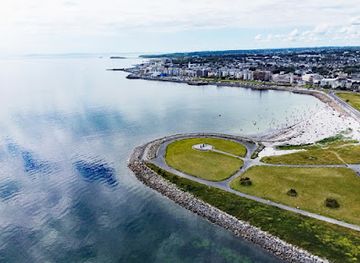
Salthill occupies Galway’s western shoreline, where the city gives way to the open waters of Galway Bay and the Atlantic. Its broad promenade runs beside the sea from the city side towards the diving tower at Blackrock, offering changing views of the Burren and County Clare across the bay on clear days. The neighbourhood has a distinctly coastal character: lanes and residential streets lead towards the waterfront, while cafés, pubs, hotels and family attractions gather around the main road and promenade.Read more about Salthill
From Resort Heritage to Everyday Galway
A Base for Exploring the West
When is the best time to visit Salthill?
Best: June–August · 17–19°C| Month | High (°C) | Rainfall (mm) |
|---|---|---|
| January | 9 | 90 |
| February | 9 | 80 |
| March | 10 | 80 |
| April | 11 | 70 |
| May | 14 | 70 |
| June (best) | 17 | 80 |
| July (best) | 19 | 90 |
| August (best) | 19 | 90 |
| September | 17 | 80 |
| October | 15 | 90 |
| November | 12 | 100 |
| December | 10 | 100 |
Getting to and around Salthill
How to get there
Transportation
Best attractions in Salthill
Salthill’s principal attraction is its long promenade beside Galway Bay, a place for walking, sea watching and views towards County Clare and the Burren. At the western end, the Blackrock diving tower is associated with Galway’s enduring swimming culture and provides one of the neighbourhood’s most recognisable coastal scenes. Galway Atlantaquaria, Ireland’s National Aquarium, explores marine life from Irish waters through exhibitions suited to families and curious visitors. Leisureland adds indoor recreation and seasonal entertainment, particularly useful when Atlantic weather turns wet. The shoreline itself changes character with the tide, from reflective shallows to windblown open water, while the route towards the Claddagh and central Galway brings the coast into contact with the city’s older maritime history. Salthill is less about a dense collection of monuments than about the relationship between public promenade, leisure facilities, sea and sky.
-
Tourist attraction
Galway Atlantaquaria
Explore the wonders of marine life at Galway Atlantaquaria, Ireland's largest aquarium, located on the scenic Seapoint Promenade.
6 min walk · 0.5 km from city centre
-
Pub
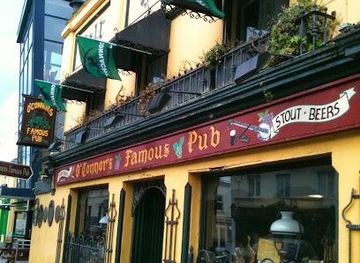
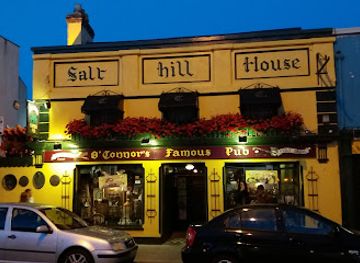
O'Connor's Famous Pub
Discover the vibrant atmosphere and authentic Irish experience at O'Connor's Famous Pub in Galway, where food, music, and culture unite.
4 min walk · 0.3 km from city centre
-
Leisure centre
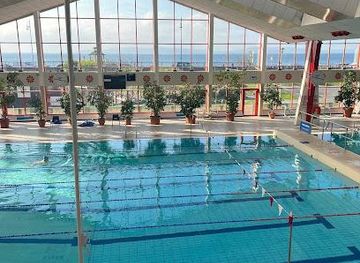
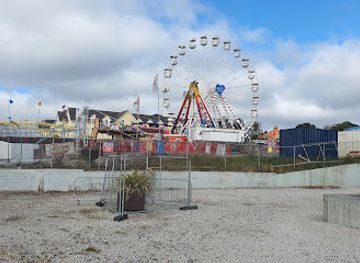
Leisureland
Discover the perfect blend of fun and fitness at Leisureland, Galway's top leisure centre with swimming, gym, and event venues for all ages.
10 min walk · 0.8 km from city centre
-
Stadium
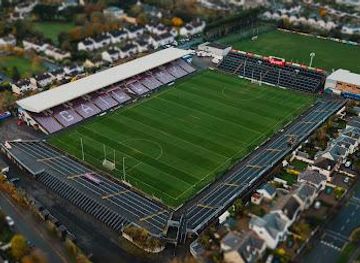
Pearse Stadium
Pearse Stadium in Salthill, Galway – where the passion of Gaelic games meets the stunning beauty of the Irish coastline.
9 min walk · 0.7 km from city centre

Best landmarks in Salthill
Salthill’s most significant landmarks are closely connected to the coast. The promenade forms the neighbourhood’s defining civic landscape, extending the city into a broad public frontage on Galway Bay. Blackrock diving tower is its most recognisable structure, representing local bathing traditions and the enduring popularity of open-water swimming. Galway Atlantaquaria occupies an important modern cultural role by interpreting the marine environment of the Atlantic and Irish waters. Nearby, the Claddagh and Spanish Arch provide historical context for the shoreline’s relationship with Galway’s older town and maritime communities, although they are in adjoining parts of the city rather than Salthill itself. The views across the bay towards the Burren and County Clare are also part of Salthill’s identity: they explain why the neighbourhood developed as a resort and remain central to its visual character.
-
Aquarium
Galway Atlantaquaria
Explore Ireland's largest inland aquarium at Galway Atlantaquaria, where marine wonders await in a captivating setting along the beautiful Seapoint Promenade.
6 min walk · 0.5 km from city centre
-
Pub
O'Connor's Famous Pub
Discover the warmth and vibrancy of O'Connor's Famous Pub in Salthill, a must-visit Irish pub in Galway for delicious food and live music.
4 min walk · 0.3 km from city centre
-
Family-friendly
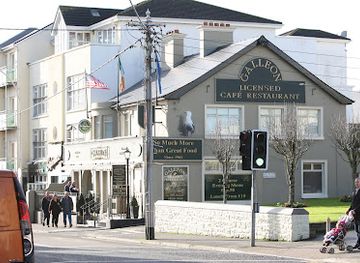
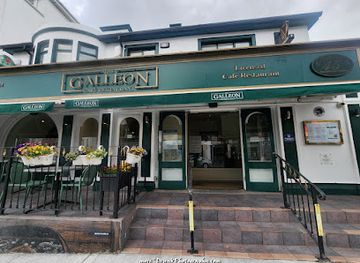
The Galleon Restaurant
Discover family-friendly dining at The Galleon Restaurant in Galway, where fresh local ingredients meet unforgettable flavors and stunning ocean views.
6 min walk · 0.5 km from city centre
-
Leisure centre
Leisureland
Experience family fun and fitness at Leisureland in Galway, featuring pools, gym facilities, and versatile event spaces for all occasions.
10 min walk · 0.8 km from city centre
Explore Salthill on the map
Plan your Salthill trip on one map. See where the top attractions, landmarks, restaurants, bars and hotels are, find what's near where you're staying, and book hotels and experiences in a few clicks.
Best hotels in Salthill
Best restaurants in Salthill
Dining in Salthill reflects its position as both a seaside resort and a Galway neighbourhood. Restaurants, cafés, hotel dining rooms and casual establishments line or sit close to the main road and promenade, with menus commonly shaped by Irish produce and the Atlantic setting. Seafood is a natural choice, while Irish breakfasts, soups, chowder, locally sourced meat and contemporary interpretations of traditional cooking appear across the wider Galway dining scene. Cafés are well suited to a pause after a coastal walk, and pubs provide informal meals alongside drinks. Visitors seeking a larger concentration of restaurants can walk or travel into Galway city centre, where the Latin Quarter and surrounding streets offer a broader range of cuisines. Galway’s food culture is closely tied to the west of Ireland, but Salthill dining is generally relaxed, practical and oriented towards residents, holidaymakers and day visitors rather than formal gastronomy alone.
-
Italian
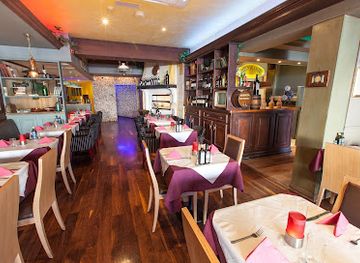
Da Roberta's Ristorante & Pizzeria
Discover authentic Italian flavors at Da Roberta's Ristorante & Pizzeria in Galway—family-friendly dining with delicious gluten-free options.
5 min walk · 0.4 km from city centre
-
Family-friendly
The Galleon Restaurant
Experience the flavors of Ireland at The Galleon Restaurant in Galway - where family-friendly dining meets exquisite taste.
6 min walk · 0.5 km from city centre
-
Restaurant
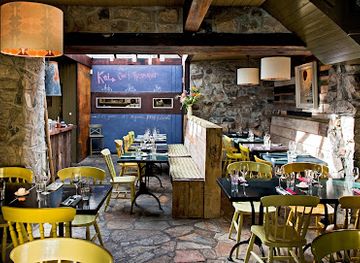
Kai Restaurant
Experience culinary excellence at Kai Restaurant in Galway with locally sourced ingredients and innovative dishes in a cozy atmosphere.
13 min walk · 1.0 km from city centre
-
Cafe
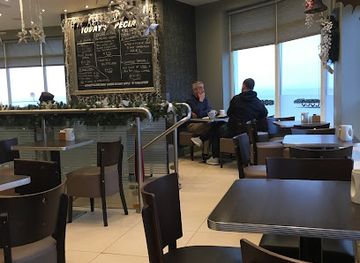
Coco Café
Discover Coco Café in Galway: A delightful café offering fresh breakfasts and cozy vibes perfect for travelers exploring Ireland.
10 min walk · 0.8 km from city centre
Best bars in Salthill
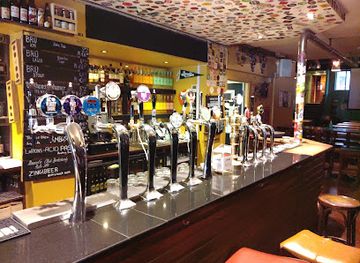
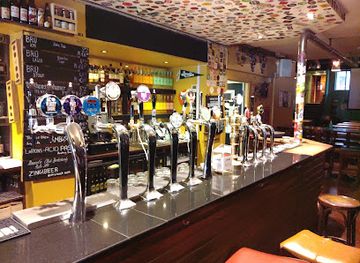
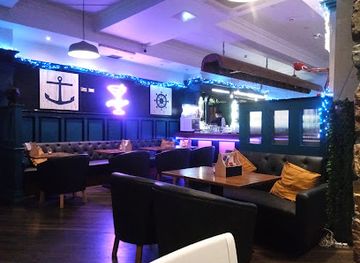
Salthill’s evening scene is relatively relaxed, centred on local pubs, hotel bars and casual venues rather than a concentrated nightclub district. Traditional Irish pub culture remains important, with conversation, televised sport and occasional live music providing a sociable end to a day by the bay. The seafront is atmospheric after dark, but exposed weather and limited lighting on some stretches mean that visitors should plan walks carefully. For a wider choice of live music, late bars, theatres and clubs, Galway city centre is close enough to reach by bus, taxi or on foot, particularly along the route through the Claddagh. This gives Salthill a quieter residential and coastal evening character while keeping the better-known entertainment streets of Galway within easy reach.
-
Pub
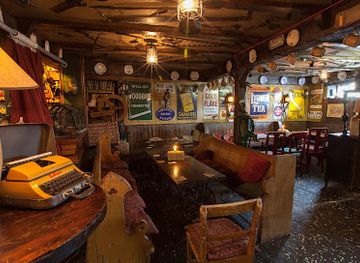
O'Connor's Famous Pub
Discover the authentic Irish pub experience at O'Connor's Famous Pub in Galway, where great brews meet lively music and warm hospitality.
4 min walk · 0.3 km from city centre
-
Bar
The Oslo Bar
Experience the vibrant atmosphere and local flavors at The Oslo Bar, Galway's premier destination for craft beers and unforgettable nights out.
6 min walk · 0.5 km from city centre
-
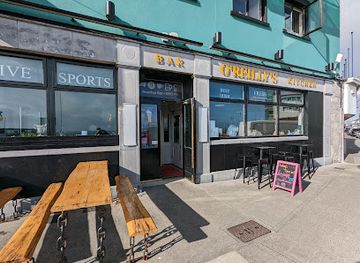
Bar
O'Reillys Bar and Kitchen
Experience the perfect blend of traditional Irish hospitality and modern cuisine at O'Reillys Bar and Kitchen in Galway.
7 min walk · 0.5 km from city centre
-
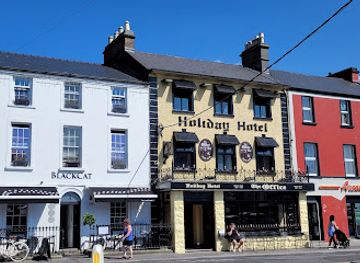
Tapas
BlackCat
Discover the culinary artistry of BlackCat, where tantalizing tapas and fine seafood dining await in the heart of Salthill.
6 min walk · 0.5 km from city centre
Best nightclubs in Salthill
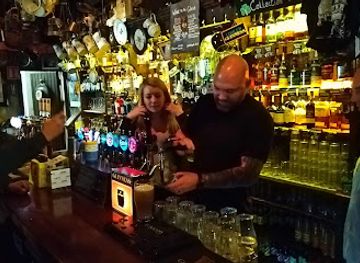
Salthill’s evening scene is relatively relaxed, centred on local pubs, hotel bars and casual venues rather than a concentrated nightclub district. Traditional Irish pub culture remains important, with conversation, televised sport and occasional live music providing a sociable end to a day by the bay. The seafront is atmospheric after dark, but exposed weather and limited lighting on some stretches mean that visitors should plan walks carefully. For a wider choice of live music, late bars, theatres and clubs, Galway city centre is close enough to reach by bus, taxi or on foot, particularly along the route through the Claddagh. This gives Salthill a quieter residential and coastal evening character while keeping the better-known entertainment streets of Galway within easy reach.
-
Pub
O'Connor's Famous Pub
Discover the vibrant atmosphere of O'Connor's Famous Pub in Galway, where live music and traditional Irish hospitality create unforgettable experiences.
4 min walk · 0.3 km from city centre
-
Bar
The Oslo Bar
Experience the lively spirit of Galway at The Oslo Bar, a local favorite for craft beers, sports, and authentic Irish hospitality.
6 min walk · 0.5 km from city centre
-
Bar
O'Reillys Bar and Kitchen
Discover the charm of O'Reillys Bar and Kitchen in Galway, where traditional Irish hospitality meets delicious cuisine and vibrant entertainment.
7 min walk · 0.5 km from city centre
-
Pub
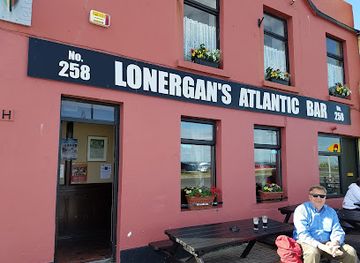
Lonergan's Atlantic Bar
Discover the lively spirit of Galway at Lonergan's Atlantic Bar, your go-to spot for great drinks, sports, and local ambiance.
8 min walk · 0.6 km from city centre
Best shops in Salthill
Salthill offers practical local shopping, small businesses, cafés and convenience stores, but it is not Galway’s principal retail quarter. The neighbourhood’s shops serve residents and visitors staying near the coast, while the promenade area is more associated with leisure than with extensive specialist retail. For independent boutiques, books, crafts, fashion and a wider selection of Irish-made goods, Galway city centre is the natural complement, particularly around Shop Street, the Latin Quarter and the traditional Galway Market near St Nicholas’ Church. Visitors interested in regional food products can look for Irish cheeses, smoked seafood, preserves, confectionery and baking from reputable local retailers rather than treating every souvenir as locally produced. The best shopping plan usually combines Salthill’s coastal atmosphere with the denser historic retail streets across the city centre.
-
Gift shop
Go Dutch Flowers
Explore Go Dutch Flowers in Galway for exquisite floral arrangements, unique gifts, and vibrant plants. A floral paradise for every visitor.
4 min walk · 0.3 km from city centre
-
Coffee shop
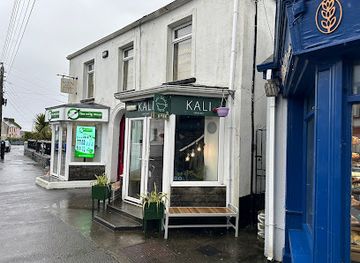
Kali Coffee Bar
Discover Kali Coffee Bar in Galway, where exceptional coffee meets a cozy atmosphere, perfect for relaxation and connection.
4 min walk · 0.3 km from city centre
-
Gourmet grocery store
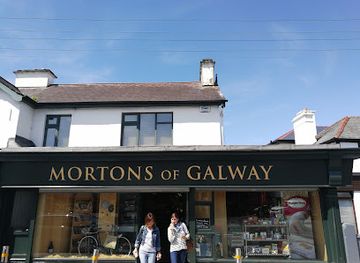
Mortons of Galway
Discover gourmet delights at Mortons of Galway, a unique grocery store offering local and international flavors for every food lover.
1 min walk · 0.1 km from city centre
-
Gift shop
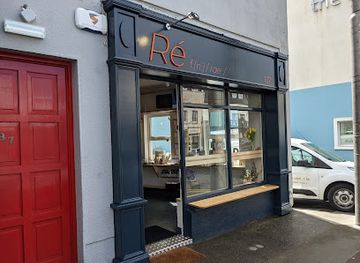
Ré Coffee and Design
Discover the charm of Ré Coffee and Design in Salthill, where unique gifts, gourmet coffee, and fine wines create a perfect shopping experience.
4 min walk · 0.3 km from city centre

Get your free copy of our complete guide to Salthill, delivered straight to you.
Everything on this page, from attractions and restaurants to essentials and local phrases, in one PDF you can read offline, print or share.
Already have an account? Sign in
Your Salthill guide is ready.
We'll send it to · Not you? Sign out

Getting your guide ready…
We are putting together a fresh copy of the Salthill guide. This can take up to a minute.
This can take a few moments. If your browser asks, choose Allow so the download can start. You'll find the guide in your Downloads folder.
Nothing happened? Download it again
Sorry, the guide is taking longer than usual. Please try again in a minute, or get it by email instead.
Salthill essentials
Currency and Payment
Safety
Emergency Situations
Do's and Don'ts
Local Tips
From Eve
Local phrases worth knowing
You don't need to get them perfect. A few words go a long way, and locals appreciate the effort.
Basics
| English | Local | Say it |
|---|---|---|
| Hello | Dia dhuit | [dee-ah gwitch] |
| Goodbye | Slán | [slawn] |
| Yes | Tá | [taw] |
| No | Níl | [neel] |
| Please/You're welcome | Le do thoil/Tá fáilte romhat | [leh duh hull/taw fawl-cheh roh-at] |
| Thank you | Go raibh maith agat | [guh row mah a-gut] |
| Excuse me/Sorry | Fáilte romhat/Íomháigh | [fawl-cheh roh-at/ee-oh-vigh] |
| How are you? | Conas atá tú? | [kun-us ah-taw too] |
| Fine. And you? | Tá mé go breá. Agus tú? | [taw may goh braw. ah-gus too] |
| Do you speak English? | An labhraíonn tú Béarla? | [ahn law-vree-un too bayr-lah] |
| I don't understand | Ní thuigim | [nee hug-im] |
Eating & Drinking
| English | Local | Say it |
|---|---|---|
| I'd like to see the menu, please | Ba mhaith liom an margadh a fheiceáil, le do thoil | [bah wah lyum ahn mahr-guh ah eck-ah-il, leh duh hull] |
| I don't eat meat | Ní ithim feoil | [nee ih-him foh-il] |
| Cheers! | Sláinte! | [slawn-cheh] |
| I would like to pay, please | Ba mhaith liom íoc, le do thoil | [bah wah lyum ee-uk, leh duh hull] |
Emergencies
| English | Local | Say it |
|---|---|---|
| Help! | Cabhair! | [kah-ver] |
| Go away! | Imigh uaim! | [ih-mee oom] |
| Call the Police! | Glan an Garda! | [glahn ahn gahr-dah] |
| Call a doctor! | Glan dochtúir! | [glahn duhk-too-ir] |
| I'm lost | Táim caillte | [taw-im kahl-cheh] |
| I'm ill | Tá mé tinn | [taw may chin] |
Shopping
| English | Local | Say it |
|---|---|---|
| I'd like to buy... | Ba mhaith liom ceannach... | [bah wah lyum can-ukh] |
| I'm just looking | Níl ach ag breathnú | [neel okh eg brah-noo] |
| How much is it? | Cé mhéad atá air? | [kay vayd ah-taw air] |
| That's too expensive | Tá sé ró-dháiríre | [taw shay row-gaw-ree-reh] |
| Can you lower the price? | An féidir leat an praghas a laghdú? | [ahn fay-dir lat ahn prah-guhs ah lay-goo] |
Time & Numbers
| English | Local | Say it |
|---|---|---|
| What time is it? | Cén t-am é? | [cane tahm ay] |
| It's one o'clock | Tá sé a haon | [taw shay ah hayn] |
| Half past (10) | Leathuair tar éis a deich | [lah-hoo-ir tar aysh ah deh] |
| Morning | Maidin | [mah-jin] |
| Afternoon | Tráthnóna | [traw-noh-nah] |
| Evening | Tráthnóna | [traw-noh-nah] |
| Yesterday | Inné | [in-ay] |
| Today | Inniu | [in-yoo] |
| Tomorrow | Amárach | [ah-maw-rakh] |
| 1 | A haon | [ah hayn] |
| 2 | Dó | [doh] |
| 3 | Trí | [tree] |
| 4 | Ceathair | [cah-hir] |
| 5 | Cúig | [coo-ig] |
| 6 | Sé | [shay] |
| 7 | Seacht | [shokht] |
| 8 | Ocht | [ukht] |
| 9 | Naoi | [nee] |
| 10 | Deich | [deh] |
Transport & Directions
| English | Local | Say it |
|---|---|---|
| Where's a/the...? | Cá bhfuil...? | [kaw will] |
| What's the address? | Cad é an seoladh? | [kahd ay ahn shoh-lah] |
| Can you show me (on the map)? | An féidir leat léarscáil a thaispeáint dom? | [ahn fay-dir lat layr-skawl ah hash-paynt dum] |
| When's the next (bus)? | Cathain atá an bus seo ar an mbealach? | [kah-hin ah-taw ahn bus shuh er ahn muh-ah-lakh] |
| A ticket (to ....) | Ticéad (go dtí ....) | [tick-ayd guh dee] |
History of Salthill
Early Shoreline and Galway’s Western Edge
The shoreline now associated with Salthill formed part of the western approach to Galway, a settlement whose medieval development was concentrated around the River Corrib and the walled town. Before modern resort development, the area was a rural coastal margin shaped by small-scale farming, fishing and access to Galway Bay. Its position beyond the older town gave it a different character from the mercantile centre, while the nearby Claddagh preserved a long-established maritime community on the opposite side of the Corrib. The coast’s later importance rested less on dense settlement than on its open outlook, bathing waters and proximity to Galway. As the town expanded during the nineteenth century, the shoreline increasingly became accessible as a place for recreation and leisure.
The Rise of a Seaside Resort
During the nineteenth century, improved roads and the growth of Galway encouraged visitors and residents to use the western shore for bathing and recreation. Salthill emerged as a resort adjoining the city rather than as a separate distant holiday town, benefiting from its sea air, coastal scenery and convenient access from Galway. Guesthouses, hotels and villas gradually appeared alongside routes leading west from the urban centre. Victorian and Edwardian ideas about seaside leisure influenced the development of promenading, bathing and seasonal entertainment. The relationship between Salthill and Galway remained close: the resort offered a change of atmosphere beside the bay while depending on the city for commerce, transport and residents.
Promenades, Bathing and Public Leisure
The twentieth century brought a more formal recreational identity to Salthill, with the seafront promenade becoming its principal public space. Generations of Galway residents and visitors have used the shore for walking, swimming and socialising, supported by bathing facilities and leisure enterprises. The Blackrock diving tower became one of the area’s best-known coastal features, associated with local swimming traditions and the direct relationship between the neighbourhood and Galway Bay. As motor travel and domestic tourism expanded, Salthill gained a wider role as a holiday and day-trip destination. Its architecture and facilities changed over time, but the promenade continued to provide the strongest link between the resort’s past and everyday life.
Salthill in Modern Galway
In the later twentieth century, Salthill became firmly integrated into the expanding urban area of Galway. Seasonal tourism remained important, but the neighbourhood also developed as a residential district with schools, services, hospitality businesses and year-round leisure facilities. Attractions such as Leisureland and Galway Atlantaquaria reflect the shift from a purely traditional seaside resort towards a broader visitor economy. The waterfront has retained its public importance even as individual buildings and businesses have changed. Today Salthill’s identity combines resort heritage with ordinary city life: the promenade is both a visitor attraction and a daily route for local walkers, swimmers and families.
A Contemporary Atlantic Neighbourhood
Salthill’s modern character is shaped by its location between Galway city and the open Atlantic. It remains a principal coastal leisure area for Galway, while its restaurants, pubs, accommodation and transport links support visitors exploring the wider west of Ireland. The neighbourhood’s history is visible less through a single preserved historic quarter than through the continuing use of its seafront, bathing places and resort landscape. Galway Bay also connects Salthill to the wider cultural geography of the west, facing the Burren and County Clare and opening towards the Aran Islands. This combination of urban proximity and exposed coastline defines Salthill’s place in contemporary Galway.
Travel experiences inspired by this city
-
 9 Day Trip
Family Journey to the Aran Islands: 9 Days of Culture, Coastlines, and Craic
Join our family for nine days on Ireland's Aran Islands: cycling cliffs, Gaelic culture, seaspray hikes, and B&B nights for an affordable, lasting escape.
9 Day Trip
Family Journey to the Aran Islands: 9 Days of Culture, Coastlines, and Craic
Join our family for nine days on Ireland's Aran Islands: cycling cliffs, Gaelic culture, seaspray hikes, and B&B nights for an affordable, lasting escape.
 8 Aug 2026
By Daiva Petrauskas -
 11 Day Trip
Exploring the Enchanting Landscapes of The Burren
Join Astrid and Liam as they uncover the natural wonders of The Burren, Ireland, blending adventure with serene Irish hospitality.
11 Day Trip
Exploring the Enchanting Landscapes of The Burren
Join Astrid and Liam as they uncover the natural wonders of The Burren, Ireland, blending adventure with serene Irish hospitality.
 5 Oct 2025
By Astrid Nilsen -
 11 Day Trip
Family Adventure in The Burren: Exploring Ireland's Limestone Paradise
Join us as we explore The Burren's unique landscapes and rich history in Ireland, creating unforgettable family memories.
11 Day Trip
Family Adventure in The Burren: Exploring Ireland's Limestone Paradise
Join us as we explore The Burren's unique landscapes and rich history in Ireland, creating unforgettable family memories.
 15 Aug 2025
By Daiva Petrauskas
Swipe for more travel diaries
Salthill in Photos
Browse through our photo collection highlighting the charm and character of the destination.
Cities near Salthill
The closest cities to Salthill, if you have time for more than one stop.
-

-

-

-

-


Swipe for more cities
Explore more
Explore more of Ireland
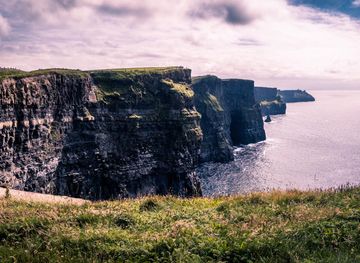
Discover Ireland: A land of enchanting landscapes, rich history, and vibrant culture, where every corner tells a story and every visit feels like coming home.
Explore Ireland