

Santa Maria Novella (Florence) Travel Guide - Free
Explore Santa Maria Novella in Florence with Evendo's free guide. Find the best shops, historic streets, restaurants, and gems on web or mobile.


Santa Maria Novella, Florence, brings together a famed Dominican basilica, Renaissance art, historic pharmacy, railway architecture and Tuscan dining.
A Historic Arrival Point
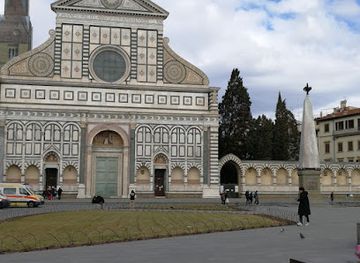
Santa Maria Novella occupies the western side of Florence’s historic centre, stretching from the city’s principal railway station towards the Arno and the elegant streets around Via de’ Tornabuoni. For many visitors, it is the first part of Florence they encounter, yet its identity extends well beyond transport. The neighbourhood takes its name from the Basilica di Santa Maria Novella, whose striped marble façade presides over one of the city’s most memorable piazzas.Read more about Santa Maria Novella
Dominican Heritage and Renaissance Art
Streets, Squares and Everyday Florence
Best attractions in Santa Maria Novella
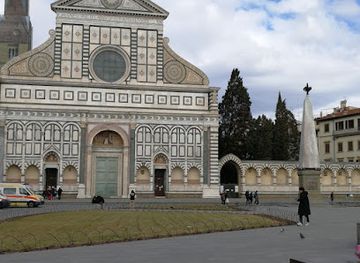
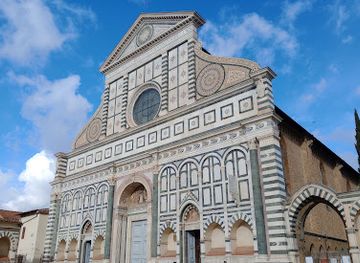
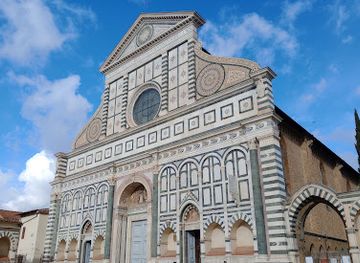
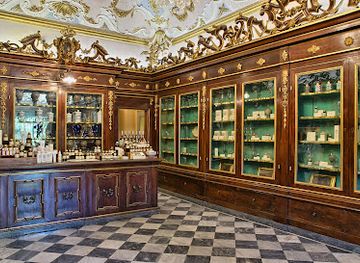
The Basilica di Santa Maria Novella is the neighbourhood’s central attraction, combining a distinctive marble façade with a major interior programme of medieval and Renaissance painting, sculpture and architecture. Visitors can explore the church, cloisters and museum spaces, subject to current admission arrangements and religious services. Masaccio’s Trinity, Ghirlandaio’s Tornabuoni Chapel frescoes and Giotto-associated works give the complex unusual artistic depth. Nearby, the Officina Profumo-Farmaceutica di Santa Maria Novella occupies a historic setting linked to Dominican herbal and pharmaceutical practice, while the Museo Novecento presents Italian art of the twentieth century in Piazza Santa Maria Novella. Firenze Santa Maria Novella station is also worth seeing as a landmark of interwar modernism. A walk through Via della Scala, Via dei Fossi and towards Piazza Ognissanti adds smaller architectural details, shopfronts and river-facing urban views.
-
Plaza
Piazza del Duomo
Explore the iconic Piazza del Duomo in Florence, a breathtaking blend of art, architecture, and the vibrant atmosphere of the Renaissance.
9 min walk · 0.7 km from neighbourhood centre
-
Plaza
Piazza della Signoria
Explore the iconic Piazza della Signoria in Florence, a historical square filled with art, architecture, and lively local culture.
12 min walk · 1.0 km from neighbourhood centre
-
Tourist attraction
Basilica of Santa Maria Novella
Explore the breathtaking architecture and artistic treasures of the Basilica of Santa Maria Novella in Florence, a masterpiece of Gothic and Renaissance design.
3 min walk · 0.2 km from neighbourhood centre
-
 Tourist attraction
Palazzo Vecchio
Explore Palazzo Vecchio, Florence's iconic historical landmark, rich in art, history, and breathtaking views of the city.
13 min walk · 1.0 km from neighbourhood centre
Best landmarks in Santa Maria Novella
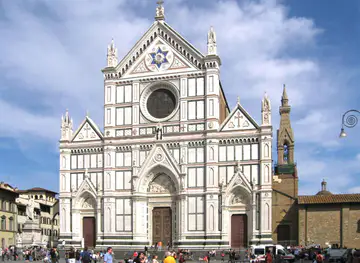
The Basilica di Santa Maria Novella is the defining landmark, its green, white and dark marble façade by Leon Battista Alberti providing a Renaissance face to an older Dominican church. The adjoining cloisters and chapels record the religious institution’s long architectural development, while the piazza establishes the basilica as the neighbourhood’s principal civic space. On the opposite side of the transport district, Firenze Santa Maria Novella station presents a deliberate modern contrast: completed in 1935 by the Gruppo Toscano, it is one of Florence’s important rationalist buildings. The Officina Profumo-Farmaceutica on Via della Scala preserves a different kind of heritage, connecting a working commercial institution with Dominican botanical knowledge. Piazza Ognissanti and its church form another significant ensemble near the Arno, linking the neighbourhood’s religious and urban history with the riverfront.
-
Cathedral
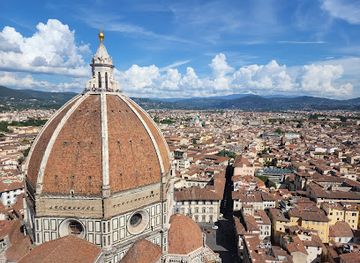
Cathedral of Santa Maria del Fiore
Discover the breathtaking Cathedral of Santa Maria del Fiore, a masterpiece of Gothic architecture and a symbol of Florence's rich cultural heritage.
9 min walk · 0.7 km from neighbourhood centre
-
Plaza
Piazza della Signoria
Discover the charm and history of Piazza della Signoria, a vibrant plaza in Florence filled with stunning architecture and art.
12 min walk · 1.0 km from neighbourhood centre
-
Basilica
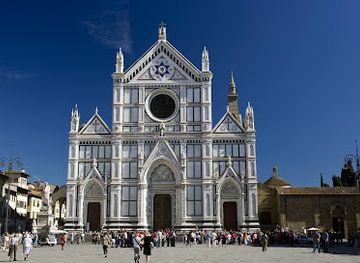
Basilica of Santa Croce in Florence
Explore the Basilica of Santa Croce in Florence, a stunning architectural marvel and the final resting place of Italy's most illustrious figures.
18 min walk · 1.4 km from neighbourhood centre
-
Basilica
Basilica of Santa Maria Novella
Discover the architectural beauty and rich history of the Basilica of Santa Maria Novella in Florence, a must-visit for art and culture lovers.
3 min walk · 0.2 km from neighbourhood centre
Explore Santa Maria Novella on the map
A handpicked selection of must-see spots in Santa Maria Novella, mapped for you.
Best hotels in Santa Maria Novella
Best restaurants in Santa Maria Novella
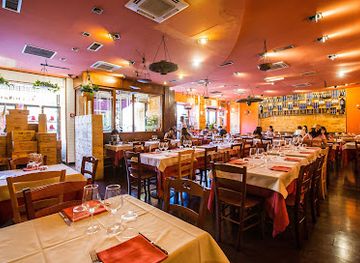
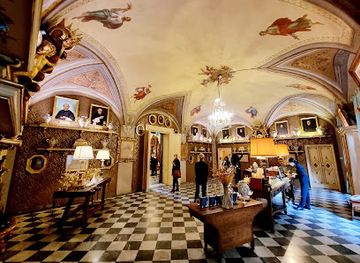
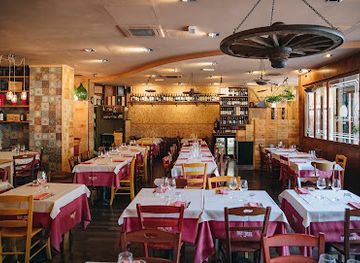
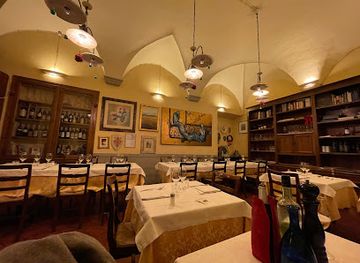
Dining in Santa Maria Novella ranges from practical cafés and breakfast counters serving travellers near the station to traditional Tuscan cooking, pizzerias, wine bars and contemporary restaurants along Via della Scala, Via dei Fossi and the streets leading towards the centre. The area’s position between the railway station and Florence’s historic core creates a broad, mixed market: visitors can find quick meals, sit-down trattorie and polished dining in restored historic interiors, while Via Palazzuolo offers a more everyday and internationally varied food scene. Tuscan staples such as ribollita, crostini, fresh pasta and grilled meats appear alongside modern interpretations, though menus and businesses change. The neighbourhood is also convenient for an espresso or aperitivo before visiting the basilica, but the busiest streets can be oriented towards passing visitors, making it worth comparing menus and looking slightly beyond the station forecourt.
-
Steak
Trattoria Osteria Dall'Oste SMN
Experience authentic Tuscan cuisine at Trattoria Osteria Dall'Oste SMN – a steak lover's paradise in Florence.
1 min walk · 0.1 km from neighbourhood centre
-
Piadina restaurant
La Piadina di Casa Maioli - Santa Maria Novella
Experience authentic Italian street food at La Piadina di Casa Maioli in Florence – home of delicious piadine made with fresh local ingredients.
1 min walk · 0.1 km from neighbourhood centre
-
Steak
Trattoria Dall'oste
Experience authentic Italian cuisine at Trattoria Dall'oste in Florence - where mouthwatering steaks meet delicious pizzas.
2 min walk · 0.2 km from neighbourhood centre
-
Italian
L'Osteria di Giovanni
Experience the true taste of Tuscany at L'Osteria di Giovanni – where tradition meets flavor in the heart of Florence.
7 min walk · 0.6 km from neighbourhood centre
Best bars in Santa Maria Novella
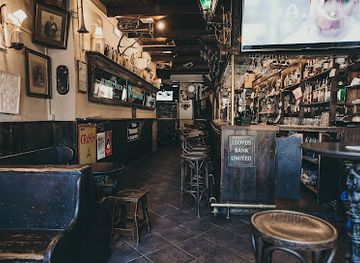
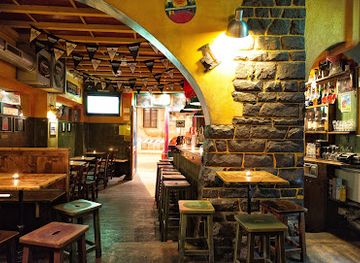
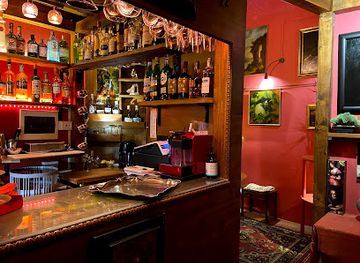
Santa Maria Novella is not primarily a clubbing district; its evenings are shaped more by aperitivo, wine bars, hotel lounges, restaurant tables and the steady movement of rail travellers. The streets around Via della Scala, Via dei Fossi and the approaches to Piazza Ognissanti offer opportunities for an early drink or dinner, with a more formal atmosphere towards the grander central streets and a more mixed, local feel near Via Palazzuolo. The station area remains active after dark, but it is functional rather than theatrical, and some nearby streets become notably quieter once shops and offices close. Visitors looking for large nightclubs or a concentrated live-music scene generally need to continue elsewhere in Florence, while Santa Maria Novella suits an evening built around food, conversation, historic interiors and a walk beside the illuminated basilica.
-
Irish pub
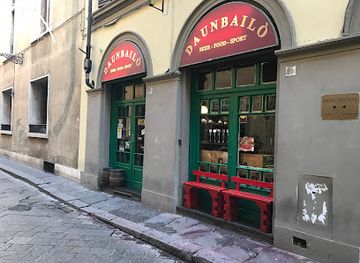
Daunbailo' Irish Pub
Discover Daunbailo' Irish Pub in Florence - a vibrant spot for drinks, live music, and the essence of Irish culture.
6 min walk · 0.5 km from neighbourhood centre
-
Irish pub
The Fiddler's Elbow Irish Pub
Experience the warmth of Irish hospitality at The Fiddler's Elbow, a lively pub in Florence offering classic food and drinks in a vibrant atmosphere.
5 min walk · 0.4 km from neighbourhood centre
-
Pub
The Joshua Tree Pub
Discover The Joshua Tree Pub in Florence: an Irish-inspired haven with sports, great food, and a lively atmosphere that captures the essence of pub culture.
3 min walk · 0.2 km from neighbourhood centre
-
Cocktail bar
THE ARTS INN
Discover the artistic fusion of cocktails and creativity at The Arts Inn, Florence's premier cocktail bar and art gallery.
4 min walk · 0.3 km from neighbourhood centre
Best nightclubs in Santa Maria Novella
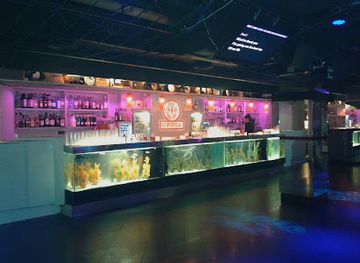
Santa Maria Novella is not primarily a clubbing district; its evenings are shaped more by aperitivo, wine bars, hotel lounges, restaurant tables and the steady movement of rail travellers. The streets around Via della Scala, Via dei Fossi and the approaches to Piazza Ognissanti offer opportunities for an early drink or dinner, with a more formal atmosphere towards the grander central streets and a more mixed, local feel near Via Palazzuolo. The station area remains active after dark, but it is functional rather than theatrical, and some nearby streets become notably quieter once shops and offices close. Visitors looking for large nightclubs or a concentrated live-music scene generally need to continue elsewhere in Florence, while Santa Maria Novella suits an evening built around food, conversation, historic interiors and a walk beside the illuminated basilica.
-
Disco club
Illusion Club
Experience the electrifying nightlife of Florence at Illusion Club - a vibrant disco club with delicious food and unforgettable dancing.
12 min walk · 1.0 km from neighbourhood centre
-
Disco club
Space Club
Explore Florence's nightlife at Space Club, a dynamic disco club with electrifying music and an unforgettable atmosphere.
4 min walk · 0.3 km from neighbourhood centre
-
Night club
Yab
Discover the electrifying nightlife of Florence at Yab, a premier night club offering a fusion of music, dance, and Italian culinary delights.
9 min walk · 0.7 km from neighbourhood centre
-
Lounge
Pink Street Club
Discover the stylish and lively Pink Street Club, Florence's ultimate nightlife destination for cocktails, dancing, and unforgettable events.
12 min walk · 0.9 km from neighbourhood centre



Best shops in Santa Maria Novella
Shopping in Santa Maria Novella is shaped by small specialist businesses, practical central retail and historic craft traditions rather than one single enclosed shopping zone. The Officina Profumo-Farmaceutica di Santa Maria Novella is the best-known local shopping address, offering perfumes, soaps and botanical preparations in a historic interior associated with the Dominican complex. Via della Scala and Via dei Fossi contain independent shops, galleries, leather goods and design-oriented businesses, while the streets near the station provide convenience retail for travellers. Via Palazzuolo has a more everyday, mixed-use character, with food shops and businesses reflecting the neighbourhood’s diverse urban life. The grand boutiques of Via de’ Tornabuoni begin nearby but belong to the wider central shopping area rather than defining Santa Maria Novella itself. Visitors seeking Florence’s traditional market experience should note that Mercato Centrale is in adjacent San Lorenzo, not within this neighbourhood.
-
Gift shop
Officina Profumo - Farmaceutica di Santa Maria Novella
Discover the enchanting world of beauty and fragrance at Officina Profumo - Farmaceutica di Santa Maria Novella, a historic apothecary in Florence.
3 min walk · 0.3 km from neighbourhood centre
-
Shopping mall
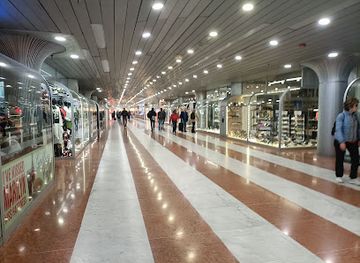
Galleria Commerciale Santa Maria Novella
Shop in style at Galleria Commerciale Santa Maria Novella, Florence's vibrant shopping hub featuring local and international brands.
1 min walk · 0.1 km from neighbourhood centre
-
Craft store
Mio Concept Store
Discover a vibrant collection of handcrafted treasures at Mio Concept Store, the perfect destination for unique gifts and artistic souvenirs in Florence.
7 min walk · 0.5 km from neighbourhood centre
-
Leather goods store
Davide Cerasi Leather Boutique
Discover the artistry of Italian leather goods at Davide Cerasi Leather Boutique in Florence - a treasure trove of exquisite craftsmanship and timeless elegance.
11 min walk · 0.9 km from neighbourhood centre


Santa Maria Novella essentials
Getting There
Getting Around
Safety
Emergency Situations
Do's and Don'ts
Local Tips

From Eve
Local phrases worth knowing
You don't need to get them perfect. A few words go a long way, and locals appreciate the effort.
Basics
| English | Local | Say it |
|---|---|---|
| Hello | Ciao | [chow] |
| Goodbye | Arrivederci | [ah-ree-veh-dehr-chee] |
| Yes | Sì | [see] |
| No | No | [noh] |
| Please/You're welcome | Per favore/Prego | [pehr fah-voh-reh/preh-goh] |
| Thank you | Grazie | [graht-zee-eh] |
| Excuse me/Sorry | Scusi/Mi dispiace | [skoo-zee/mee dees-pyah-cheh] |
| How are you? | Come stai? | [koh-meh stah-ee] |
| Fine. And you? | Bene. E tu? | [beh-neh. eh too] |
| Do you speak English? | Parli inglese? | [pahr-lee een-gleh-zeh] |
| I don't understand | Non capisco | [nohn kah-pee-skoh] |
Eating & Drinking
| English | Local | Say it |
|---|---|---|
| I'd like to see the menu, please | Vorrei vedere il menù, per favore | [vohr-ray veh-deh-reh eel meh-noo, pehr fah-voh-reh] |
| I don't eat meat | Non mangio carne | [nohn mahn-joh kahr-neh] |
| Cheers! | Salute! | [sah-loo-teh] |
| I would like to pay, please | Vorrei pagare, per favore | [vohr-ray pah-gah-reh, pehr fah-voh-reh] |
Emergencies
| English | Local | Say it |
|---|---|---|
| Help! | Aiuto! | [ah-yoo-toh] |
| Go away! | Vattene! | [vaht-teh-neh] |
| Call the Police! | Chiama la polizia! | [kee-ah-mah lah poh-lee-tsee-ah] |
| Call a doctor! | Chiama un dottore! | [kee-ah-mah oon doh-toh-reh] |
| I'm lost | Mi sono perso | [mee soh-no pehr-soh] |
| I'm ill | Sto male | [stoh mah-leh] |
Shopping
| English | Local | Say it |
|---|---|---|
| I'd like to buy... | Vorrei comprare... | [vohr-ray kohm-prah-reh] |
| I'm just looking | Sto solo guardando | [stoh soh-loh gwar-dahn-doh] |
| How much is it? | Quanto costa? | [kwahn-toh koh-stah] |
| That's too expensive | È troppo caro | [eh trohp-poh kah-roh] |
| Can you lower the price? | Puoi abbassare il prezzo? | [pwah-ee ahb-bahs-sah-reh eel preh-tsoh] |
Time & Numbers
| English | Local | Say it |
|---|---|---|
| What time is it? | Che ora è? | [keh oh-rah eh] |
| It's one o'clock | È l'una | [eh loo-nah] |
| Half past (10) | Sono le dieci e mezza | [soh-no leh dee-eh-chee eh meh-tzah] |
| Morning | Mattina | [maht-tee-nah] |
| Afternoon | Pomeriggio | [po-meh-ree-joh] |
| Evening | Sera | [seh-rah] |
| Yesterday | Ieri | [yeh-ree] |
| Today | Oggi | [oh-jee] |
| Tomorrow | Domani | [doh-mah-nee] |
| 1 | Uno | [oo-no] |
| 2 | Due | [doo-eh] |
| 3 | Tre | [treh] |
| 4 | Quattro | [kwah-troh] |
| 5 | Cinque | [cheen-kweh] |
| 6 | Sei | [say] |
| 7 | Sette | [seh-tteh] |
| 8 | Otto | [oh-ttoh] |
| 9 | Nove | [noh-veh] |
| 10 | Dieci | [dee-eh-chee] |
Transport & Directions
| English | Local | Say it |
|---|---|---|
| Where's a/the...? | Dov'è...? | [doh-veh] |
| What's the address? | Qual è l'indirizzo? | [kwahl eh leen-dee-ree-tsoh] |
| Can you show me (on the map)? | Puoi mostrarmi (sulla mappa)? | [pwah-ee mohs-trahr-mee soo-lah mahp-pah] |
| When's the next (bus)? | Quando passa il prossimo (autobus)? | [kwahn-doh pahs-sah eel prohs-see-moh ow-toh-boost] |
| A ticket (to ....) | Un biglietto (per ....) | [oon beel-lyet-toh pehr] |
History of Santa Maria Novella
Dominican Foundations
The neighbourhood’s religious identity took shape when Dominican friars established themselves at Santa Maria delle Vigne, a church and settlement outside Florence’s earlier central focus. The Dominicans developed the site into the great church of Santa Maria Novella, with construction of the present basilica beginning in 1246. Its position near the western approach to the walled city helped make the complex both a spiritual centre and a highly visible urban landmark. The friars’ activities extended beyond worship to preaching, education, manuscript culture and the cultivation of medicinal plants, traditions that later informed the area’s celebrated pharmaceutical history.
A Renaissance Façade and City Landmark
Santa Maria Novella became one of Florence’s major artistic and civic settings during the Renaissance. Leon Battista Alberti completed the basilica’s marble façade in 1470, harmonising the older Gothic structure with a carefully proportioned classical design funded by the Rucellai family. Inside, chapels and cloisters acquired important fresco cycles, including Masaccio’s revolutionary Trinity and the Tornabuoni Chapel frescoes by Domenico Ghirlandaio. The surrounding quarter developed as a western gateway into the city, with religious institutions, palaces, workshops and commercial routes gathered around the piazza and the road towards the Arno.
The Apothecary Tradition
The Dominican community’s knowledge of herbs, distilled preparations and scented waters eventually developed into the institution now known as the Officina Profumo-Farmaceutica di Santa Maria Novella. The friars prepared remedies and products for their own use and for patrons, while the pharmacy’s public commercial history belongs to the early modern period. Its historic premises on Via della Scala preserve the association between the neighbourhood and Florentine traditions of botanical knowledge, perfumery and skilled manufacture. This is a local continuity rooted in the convent complex rather than a general claim about Renaissance Florence’s entire retail culture.
Railway Modernity
The opening of Florence’s central railway station transformed Santa Maria Novella into a principal arrival point for the modern city. The present station, designed by the Gruppo Toscano and completed in 1935, introduced a restrained rationalist composition beside the older basilica and historic streets. Its broad concourse, stone surfaces and carefully controlled light expressed the architectural language of the interwar period. Rail travel increased the neighbourhood’s commercial and hotel activity, while the station’s relationship with Piazza Santa Maria Novella made the quarter a meeting point between Florence’s historic centre and the expanding network of modern transport.
A Changing Central Quarter
After the Second World War, Santa Maria Novella continued to combine religious heritage, railway activity, hotels, everyday shops and tourism. The neighbourhood’s central streets became increasingly shaped by visitors, but Via Palazzuolo and nearby residential lanes retained a more everyday commercial character than the grander streets close to the Duomo and Via de’ Tornabuoni. Restoration of the basilica complex and renewed attention to museums, historic interiors and twentieth-century architecture have strengthened the area’s cultural role. Today, the quarter remains a place of movement rather than a purely monumental enclave, with long-established institutions sharing space with hospitality and contemporary urban life.
Santa Maria Novella in Photos
Browse through our photo collection highlighting the charm and character of the destination.
Neighbourhoods near Santa Maria Novella
The closest neighbourhoods to Santa Maria Novella, if you have time for more than one stop.
-

-
-

-


Swipe for more neighbourhoods
Explore more

Explore more of Florence
Florence combines Renaissance masterpieces, grand palaces, intimate lanes and Tuscan cuisine, with world-famous art and daily life unfolding beside the Arno.
Explore Florence