Hida Kokubunji Temple Travel Guide
Free Guide: Discover Hida Kokubunji Temple in Takayama: a historic Buddhist temple with a three-story pagoda and ancient ginkgo tree, offering a serene cultural experience.


A brief summary of Hida Kokubunji Temple
Discover Hida Kokubunji Temple in Takayama: a historic Buddhist temple with a three-story pagoda and ancient ginkgo tree, offering a serene cultural experience.
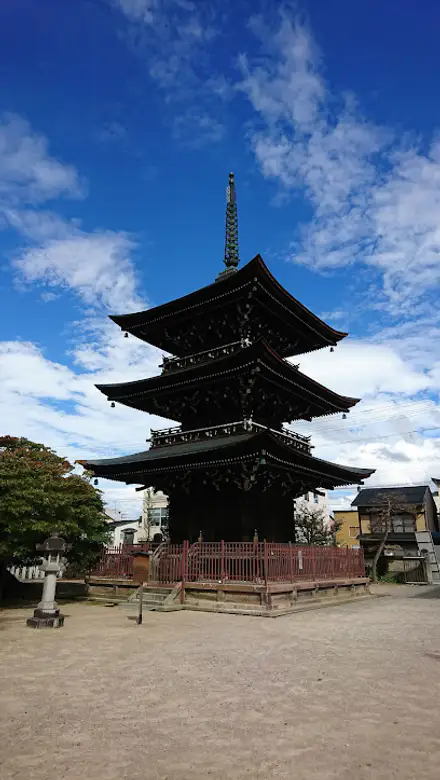
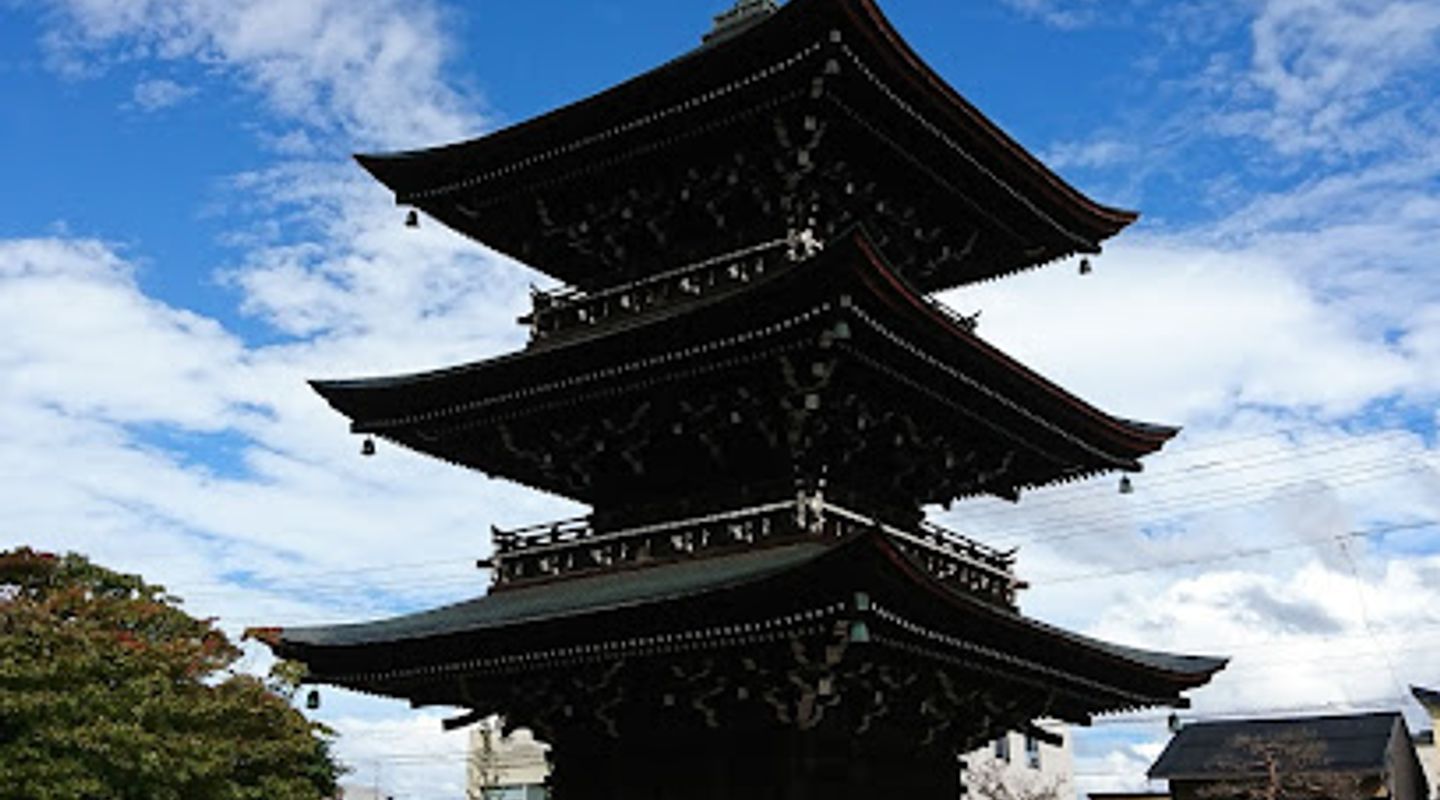
Hida Kokubunji Temple, founded in 746 AD by Emperor Shōmu, is a historic Buddhist temple in Takayama, Gifu Prefecture. It features a three-story pagoda, a 1,200-year-old ginkgo tree, and the Muromachi period main hall, offering a glimpse into Japan's spiritual and cultural heritage.
Opening hours
- Every day9 am–4 pm
Opening hours as listed on the venue’s Google Business Profile. Hours can change for services and special events, so check with the venue before you go.
- Address
- 1 Chome-83 Sowamachi, Takayama, Gifu 506-0007
- Phone
- Website
Getting there
Walking
Public Transport
Taxi
Discover more about Hida Kokubunji Temple
Overview
Hida Kokubunji Temple, located in Takayama, Gifu Prefecture, is a significant historical and spiritual landmark with a lineage tracing back to the Nara Period. Founded in 746 AD by Emperor Shōmu, as part of a nationwide effort to establish provincial temples, it stands as a symbol of the ancient city.The temple complex features several notable structures and artifacts. The three-story pagoda, rebuilt in the 16th century after a fire, is the oldest structure in Takayama and a prime example of Edo period architecture. It is the only three-story pagoda in the Hida region. The main hall (Hondō), dating back to the Muromachi period (1336–1573), is designated as a National Important Cultural Property. Within the main hall, visitors can find statues of Yakushi Nyorai (Medicine Buddha) and Kannon Bosatsu (Goddess of Mercy) from the Heian period.One of the temple's most popular attractions is the 1,200-year-old ginkgo tree located in front of the Bell Tower Gate. This massive tree is believed to have been planted by Guanyin, a goddess of Mercy in Buddhism. In autumn, its leaves turn golden, creating a mystical and sacred atmosphere, making it a favorite spot for photographers. The Bell Tower Gate itself was built in the early 17th century and moved to its current location from another area in Takayama.Hida Kokubunji Temple offers visitors a chance to immerse themselves in Japanese culture and history. The temple is conveniently located a short walk from Takayama Station, making it easily accessible for travelers.
Evendo Review Centre
 Google
Guest reviews
Explore Hida Kokubunji Temple on the map
A handpicked selection of must-see spots near Hida Kokubunji Temple, mapped for you.
Get your free copy of our complete guide to Hida Kokubunji Temple, delivered straight to you.
Everything on this page, from opening hours and how to get there to Eve’s tips and the best time to go, in one PDF you can read offline, print or share.
Already have an account? Sign in
Your Hida Kokubunji Temple guide is ready.
We'll send it to · Not you? Sign out

Getting your guide ready…
We are putting together a fresh copy of the Hida Kokubunji Temple guide. This can take up to a minute.
This can take a few moments. If your browser asks, choose Allow so the download can start. You'll find the guide in your Downloads folder.
Nothing happened? Download it again
Sorry, the guide is taking longer than usual. Please try again in a minute, or get it by email instead.
Unlock the best of Hida Kokubunji Temple
Skip-the-line tickets, guided tours with entry, and walking tours of the area, booked in a few clicks.
 Tour with entry
Roam Takayama - 'Pay as you Wish' Walking Tour
from $2.70 Tour with entry
Takayama: Edo-Period Old Town Walking Tour(70 Minutes)
from $52.91 Tour with entry
Takayama Walking Tour & Hida Folk Village
from $74.00 Tour with entry
1-Day Tour from Takayama: Explore the Hida Locations of Your Name
from $134.09


Other nearby places you may find interesting
The closest places of the same kind, if this one is not quite what you had in mind.
-
-
-
-
-


Swipe for more places
More to explore near Hida Kokubunji Temple

 Best experiences near Hida Kokubunji Temple
 Best hotels near Hida Kokubunji Temple
 Best landmarks near Hida Kokubunji Temple
 Best attractions near Hida Kokubunji Temple
 Best shops near Hida Kokubunji Temple
 Best restaurants near Hida Kokubunji Temple
 Best bars near Hida Kokubunji Temple
Do you manage this location?
Take control to get all the benefits, like improved information, better appearance, and stronger visibility across AI-powered discovery.
Explore more
Explore more of Dewa
Discover Dewa, Japan's spiritual sanctuary, where sacred mountains, ancient shrines, and tranquil forests offer a journey into the heart of Japanese tradition and spirituality.
Explore Dewa
Explore more of Japan
Discover the harmony of tradition and modernity in Japan, where ancient temples and cutting-edge technology coexist in perfect balance.
Explore Japan