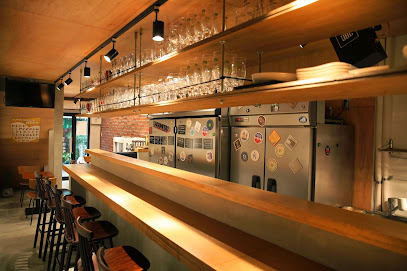
Ruins of Ninomaru at Hiroshima Castle: A Glimpse into Feudal Japan
Explore the reconstructed Ninomaru of Hiroshima Castle, offering a glimpse into feudal Japan's history, samurai culture, and serene gardens.
Explore the reconstructed Ninomaru, the secondary defense compound of Hiroshima Castle, featuring turrets, gates, and a museum that offer a window into the castle's history and samurai culture. Wander through the grounds and imagine the echoes of feudal lords and warriors.
A brief summary to Ruins of Ninomaru of Hiroshima Castle
- Motomachi, 21番1号, Hiroshima, Motomachi, Naka Ward, Hiroshima, 730-0011, JP
- +8182-221-7512
- Visit website
Local tips
- Visit the Ninomaru museum to see artifacts and learn about the castle's history and reconstruction.
- Take a stroll around the Ninomaru grounds to appreciate the reconstructed gates, turrets, and moats.
- Combine your visit with a trip to the Hiroshima Gokoku Shrine, located within the Ninomaru area.

Getting There
-
Walking
From Hiroshima Station, head east towards the Peace Memorial Park. Walk along Hondori Street for about 20 minutes, passing shops and cafes. Continue through the park towards the A-Bomb Dome, then follow the path to Hiroshima Castle. The Ninomaru Ruins are located within the castle grounds.
-
Public Transport
From Hiroshima Station, take the Hiroshima Electric Railway (tram) lines 1, 2, or 6 to Kamiyacho-higashi or Kamiyacho-nishi stop. The tram ride takes about 12 minutes and costs ¥240 for adults. From the tram stop, it's a 10-minute walk to Hiroshima Castle. Alternatively, take the Hiroshima Sightseeing Loop Bus (Meipuru-pu) from Hiroshima Station and get off at the Hiroshima Castle (in front of Gokoku Shrine) bus stop. The bus ride takes about 6 minutes and costs ¥240 per ride, or ¥600 for a 1-day pass.
Discover more about Ruins of Ninomaru of Hiroshima Castle
Iconic landmarks you can’t miss

Main Gate
0.0 km
Step through history at Hiroshima Castle's Main Gate, a beautifully reconstructed entrance to the past.
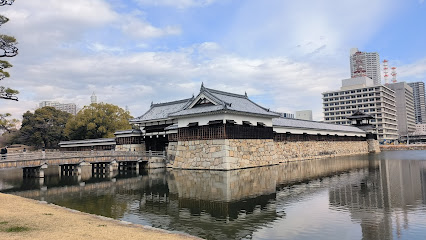
Gate Bridge
0.1 km
Explore Hiroshima Castle: A historic landmark offering insights into samurai culture, stunning architecture, and panoramic city views in Hiroshima, Japan.
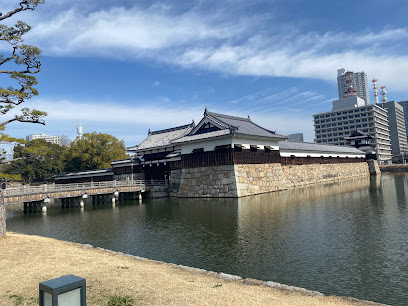
Hiroshima Castle Eastern Small Tower Ruins
0.3 km
Explore the remains of Hiroshima Castle's Eastern Small Tower, a window into the past and a symbol of resilience in Hiroshima's city center.
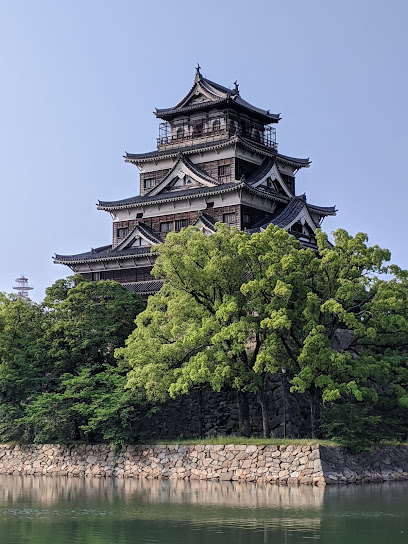
一般社団法人広島県観光連盟
0.6 km
Explore the heart of Hiroshima's culture at the Association of Hiroshima, a gateway to art, history, and community experiences.
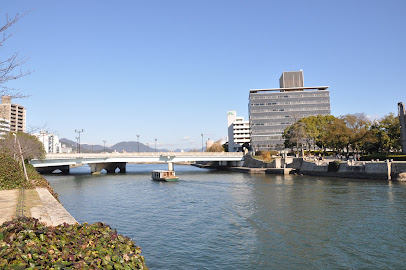
(公財)広島観光コンベンションビューロー 企画総務部・MICE推進部
0.6 km
Discover the Hiroshima Foundation for Peace, a beacon of hope and resilience dedicated to promoting peace and understanding through its impactful exhibitions.

1-chōme-5-3 Ōtemachi
0.7 km
Explore Hiroshima's Ōtemachi: Where modern architecture meets historical significance in the heart of the city.
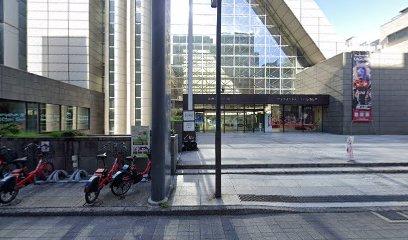
The Atom bomb struck Jizōson
0.7 km
Reflect on Hiroshima's history at the Atom Bomb Struck Jizōson, a symbol of peace and resilience in the face of devastation.
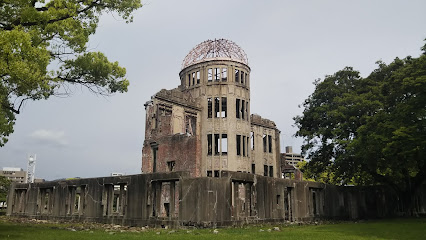
Hypocenter
0.7 km
A somber memorial marking the point directly below the atomic bombing, a place for reflection and remembrance in Hiroshima.
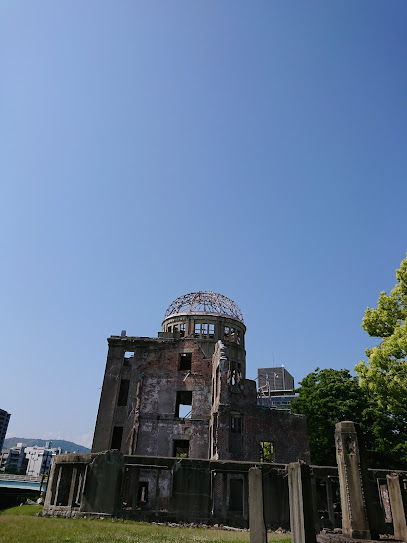
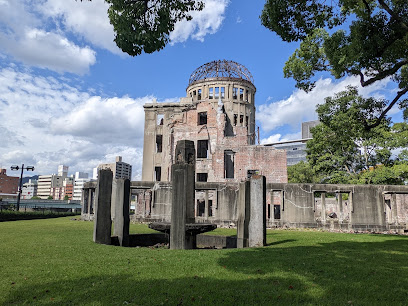
Hiroshima Prefectural Industrial Promotion Hall (Atomic Bomb Dome) Fountain Ruins
0.7 km
Reflect on history at the Atomic Bomb Dome Fountain Ruins, a poignant symbol of peace and remembrance in Hiroshima's Peace Memorial Park.
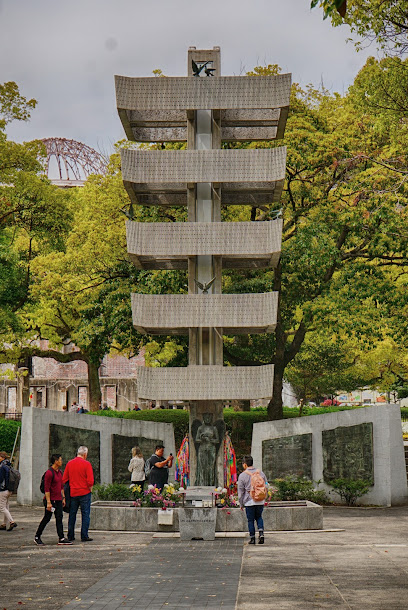
Memorial Tower Dedicated to Mobilized Students
0.8 km
Explore the Memorial Tower in Hiroshima, a significant historical landmark honoring the students lost during World War II, and reflect on the impact of war.
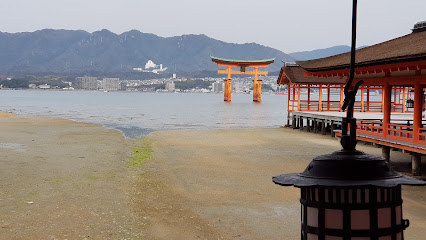
Hiroshima World Heritage River Cruise
0.8 km
Discover Hiroshima's iconic landmarks from a unique river perspective. A serene and historically rich cruise awaits!
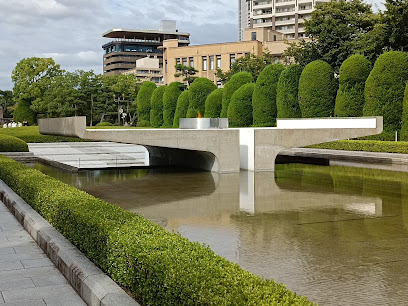
Flame of Peace
0.9 km
Explore the Flame of Peace in Hiroshima - a poignant symbol of hope, remembrance, and the relentless pursuit of global peace.
Korean Atomic Bomb Victims Cenotaph
0.9 km
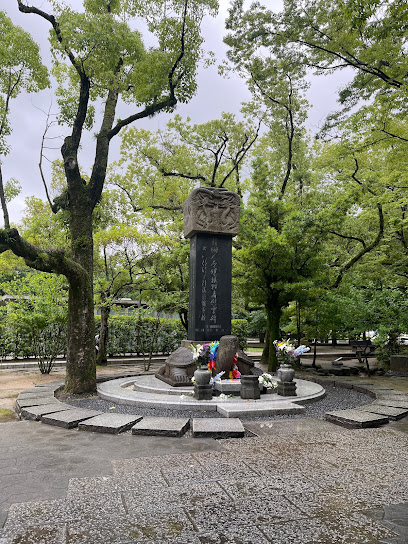
Explore the Korean Atomic Bomb Victims Cenotaph in Hiroshima, a poignant memorial dedicated to peace and remembrance of those lost during the atomic bombing.
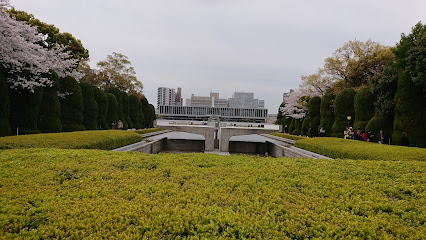
Hiroshima National Peace Memorial Hall
0.9 km
A solemn memorial in Hiroshima Peace Memorial Park dedicated to atomic bomb victims, promoting peace through remembrance and reflection.
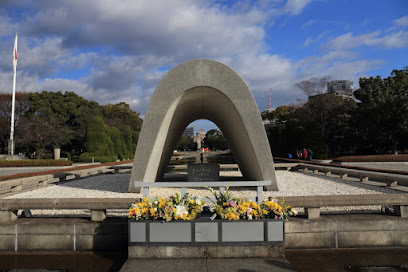
Monument of Prayer
0.9 km
Reflect on peace and remember history at Hiroshima's Monument of Prayer, a serene and significant memorial within Peace Memorial Park.
Unmissable attractions to see

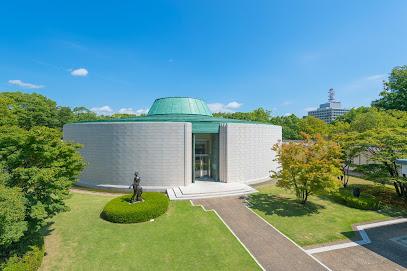
Hiroshima Museum of Art
0.2 km
Discover the artistic treasures of Japan and the West at the Hiroshima Museum of Art, a must-visit destination for culture lovers and tourists.
Hiroshima Gokoku Shrine
0.2 km
Explore the serene Hiroshima Gokoku Shrine, a symbol of peace and reflection amidst the vibrant cityscape of Hiroshima, celebrating Japan's Shinto heritage.
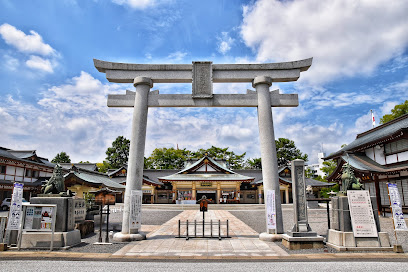
横山詣
0.2 km
Explore the tranquil Hiroshima Motomachi area, a perfect blend of history, culture, and serene beauty for every traveler.
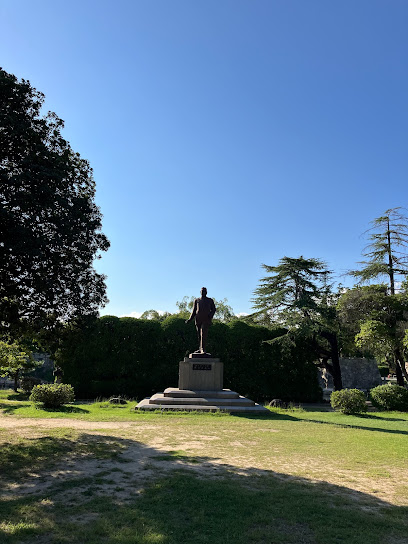
Hiroshima Castle Back Gate Ruins
0.2 km
Uncover the historical significance of Hiroshima Castle Back Gate Ruins, a captivating glimpse into Japan's feudal past amidst serene surroundings.
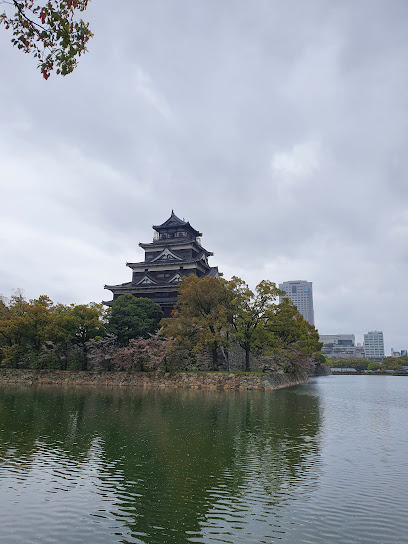
Ruins of Hiroshima Imperial Army Headquarters
0.2 km
Discover the historic Ruins of Hiroshima Imperial Army Headquarters, a poignant symbol of resilience and peace in the heart of Hiroshima.
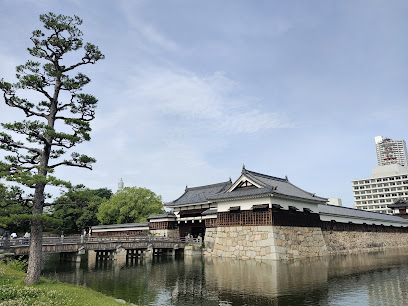
Cenotaph to the Hiroshima Legal Profession Atomic Bomb Victims
0.3 km
Explore the Cenotaph to the Hiroshima Legal Profession Atomic Bomb Victims, a powerful tribute to those lost, embodying Hiroshima's resilience and commitment to peace.
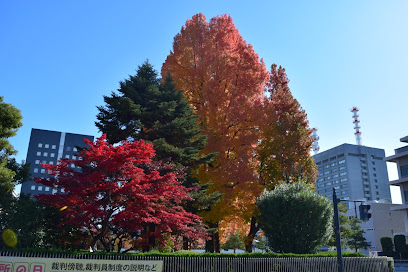
Hiroshima Castle
0.3 km
Discover the historical charm of Hiroshima Castle, a stunning reconstruction surrounded by beautiful gardens and rich cultural heritage.
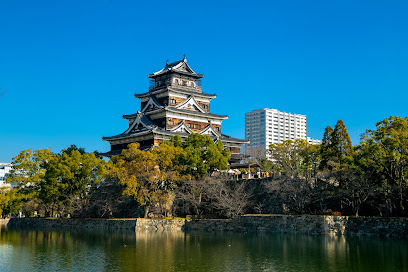
Hiroshima Castle Keep
0.3 km
Explore Hiroshima Castle Keep, where history and beauty converge in a stunning castle surrounded by tranquil gardens and panoramic city views.
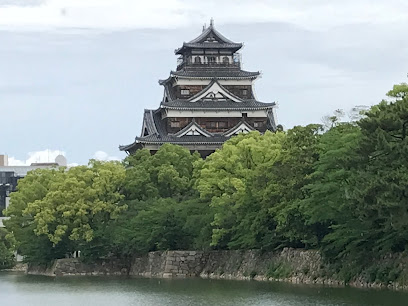
Hiroshima Green Arena
0.4 km
Experience the energetic atmosphere of Hiroshima Green Arena, a premier sports complex offering diverse athletic events and cultural experiences.
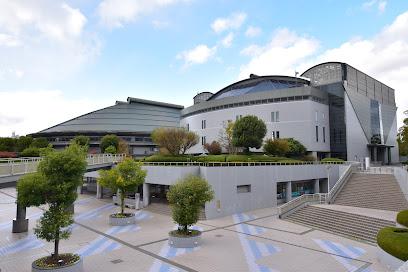
Hiroshimashi Central Park
0.4 km
Discover the serene beauty and historical significance of Hiroshima Central Park, a peaceful retreat in the heart of the city.
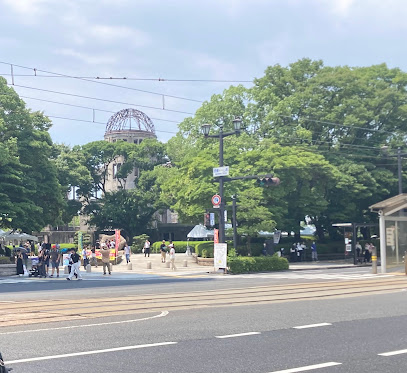
Hannover Garden Sundial
0.5 km
Discover tranquility at the Hannover Garden Sundial, a serene green space in Hiroshima, showcasing beauty and art in perfect harmony.
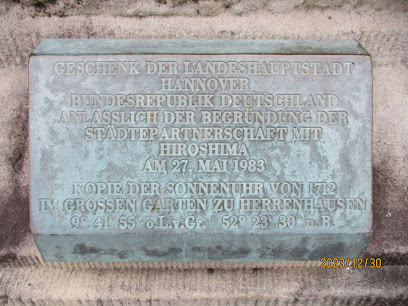
Hannover Garden
0.5 km
Discover the tranquil beauty of Hannover Garden in Hiroshima, a serene retreat showcasing exquisite flora amidst the bustling city.
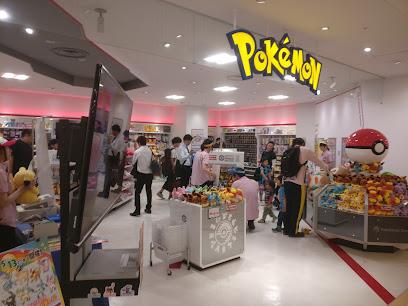
Pokémon Center Hiroshima
0.5 km
Discover the magical world of Pokémon at the Pokémon Center Hiroshima, a unique shopping destination filled with exclusive merchandise and interactive experiences.
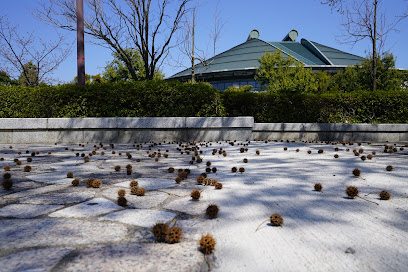
HIROSHIMA GATE PARK
0.5 km
Explore Hiroshima Gate Park, a serene playground and vibrant tourist attraction offering lush greenery, fun activities, and cultural events in the heart of Hiroshima.
5-Days Children's Cultural Science Museum
0.5 km
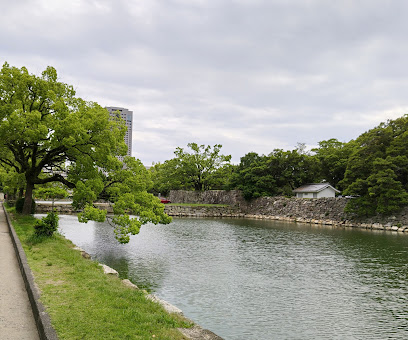
Discover the joy of learning at Hiroshima's 5-Days Children's Cultural Science Museum, where fun meets education for children and families.
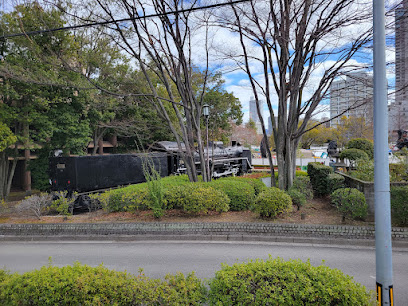
Essential places to dine

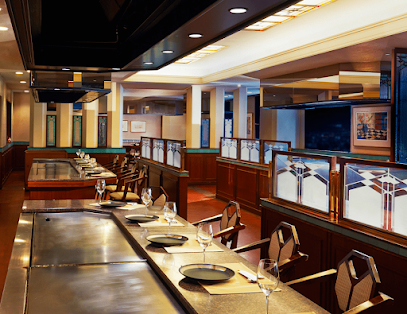
Japanese Restaurant Naniwa
0.3 km
Discover the exquisite flavors of teppanyaki at Japanese Restaurant Naniwa in Hiroshima - where dining meets artistry.
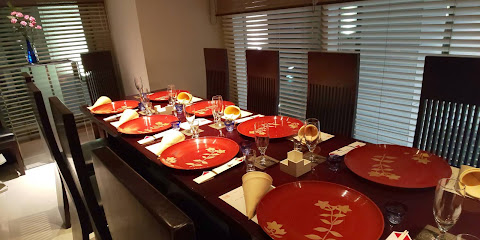
Sanbi
0.5 km
Discover authentic kaiseki dining at Sanbi, where every dish is an artful celebration of seasonal flavors in Hiroshima.
Mitchan Sohonten Hatchobori
0.6 km
Discover authentic Hiroshima okonomiyaki at Mitchan Sohonten Hatchobori - where tradition meets flavor in every bite.
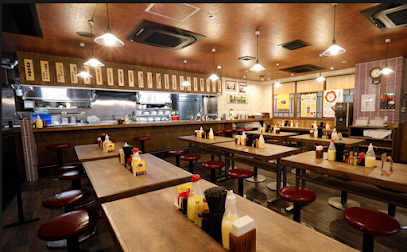
Zona Italia in Centro
0.6 km
Indulge in authentic Italian flavors at Zona Italia in Centro, where culinary excellence meets charming ambiance in the heart of Hiroshima.
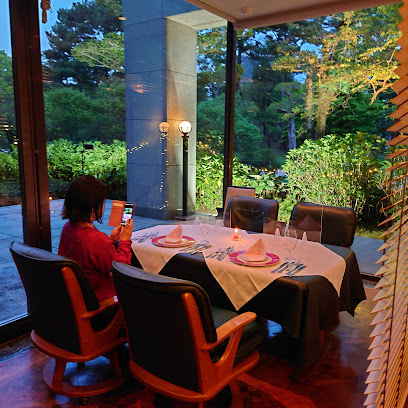
Hiroshima Shutendoji
0.6 km
Experience authentic Japanese cuisine at Hiroshima Shutendoji – where every meal tells a story through flavor.
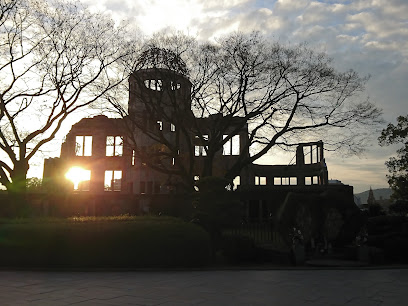
Nonta-sushi Kamiyacho
0.6 km
Experience authentic conveyor belt sushi at Nonta-sushi Kamiyacho in Hiroshima – where freshness meets tradition.
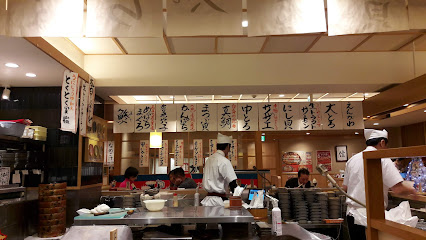
Teppanyaki DONTOKO Hatchobori
0.6 km
Discover exquisite Japanese cuisine at Teppanyaki DONTOKO in Hiroshima's vibrant Hatchobori district—where tradition meets creativity.
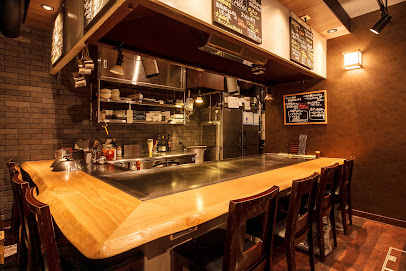
Kome Kome Shokudo
0.7 km
Discover the flavors of Japan at Kome Kome Shokudo in Hiroshima—a casual dining experience offering delicious meals at affordable prices.
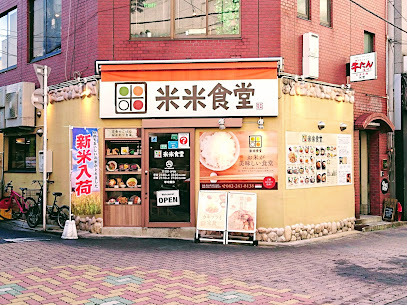
Masui
0.7 km
Experience Hiroshima's finest tonkatsu at Masui - where crispy meets juicy in every bite.
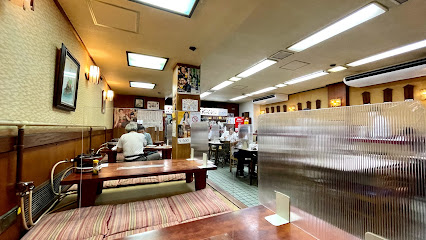
Gariber
0.7 km
Experience authentic Japanese curry at Gariber in Hiroshima – where tradition meets flavor in every dish.
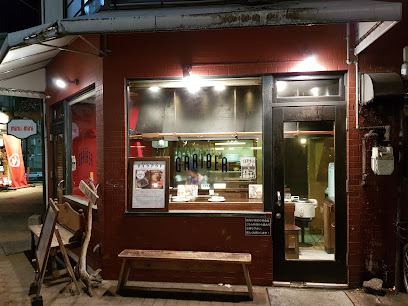
Ootoya Hiroshima Hondori Branch
0.7 km
Experience authentic Japanese cuisine at Ootoya Hiroshima Hondori Branch – a delightful blend of tradition and flavor awaits you.
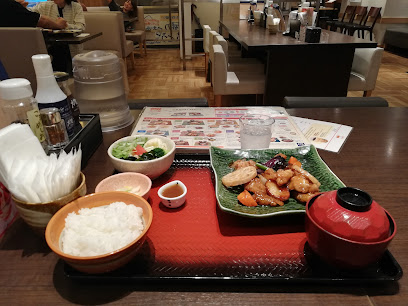
Shibaraku Hondoriten
0.7 km
Discover Shibaraku Hondoriten in Hiroshima: Savor exquisite oysters and authentic teppanyaki at this vibrant izakaya.
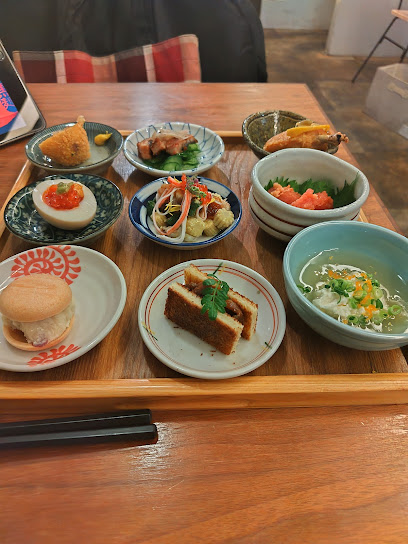
Kaki-goya Kaisenizakaya Toyomaru Suisan Hiroshima Hondori Branch
0.7 km
Savor authentic Japanese seafood and sushi at Kaki-goya Kaisenizakaya Toyomaru Suisan in Hiroshima's lively Hondori district.
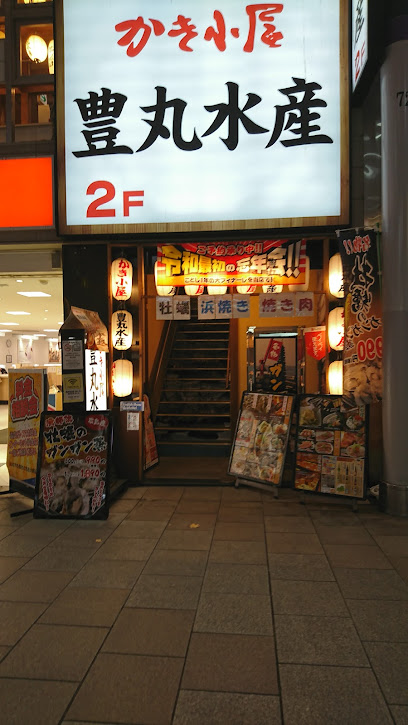
Tsukiakari
0.7 km
Experience authentic Japanese cuisine at Tsukiakari in Hiroshima, featuring kaiseki meals, tempura, seafood delights, and exquisite confectioneries.
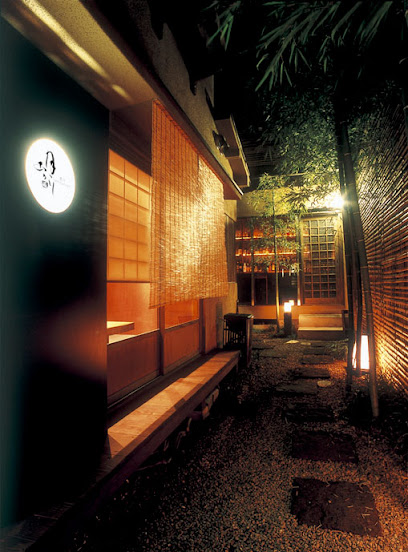
Tsuki Akari
0.7 km
Experience authentic Japanese cuisine at Tsuki Akari in Hiroshima – where tradition meets taste in every delightful bite.
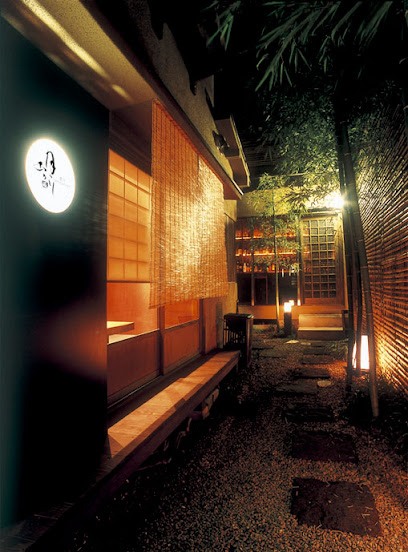
Markets, malls and hidden boutiques

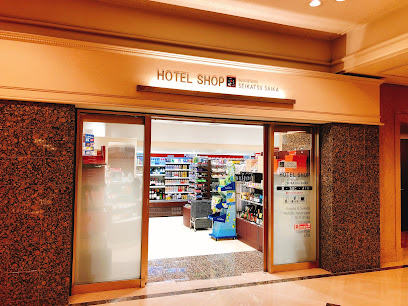
Seikatsu Saika
0.3 km
Discover the ultimate convenience store in Hiroshima, Seikatsu Saika, where local flavors meet your daily needs in one perfect location.
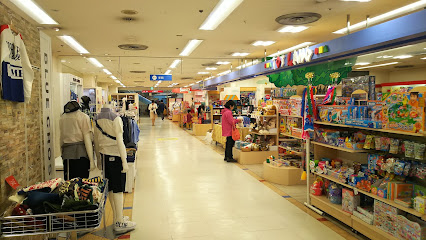
SOGO Hiroshima Store
0.5 km
Discover shopping bliss at SOGO Hiroshima Store, where fashion, food, and local treasures await in the heart of the city.
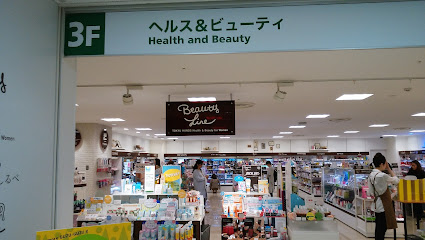
Hands Hiroshima
0.6 km
Explore Hands Hiroshima, a unique gift shop with a wide range of products, from home goods to DIY supplies, perfect for every traveler.
ジョンブリアン
0.7 km
Discover unique clothing and home goods at ジョンブリアン, a must-visit store in Hiroshima for fashion enthusiasts and souvenir hunters.
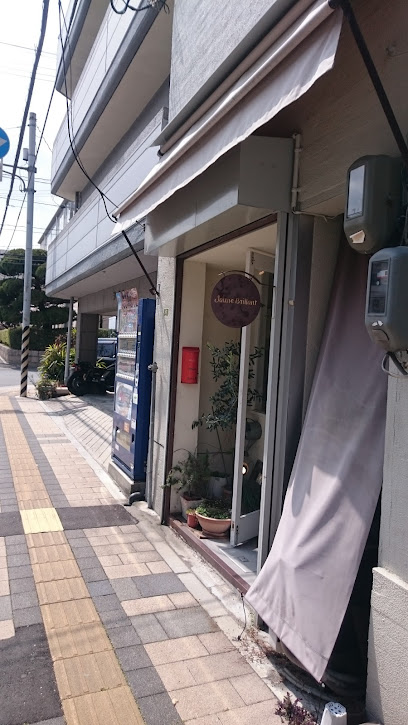
Sunmall
0.7 km
Explore Sunmall, Hiroshima's premier shopping destination offering a mix of local and international brands, delightful dining options, and cultural events.
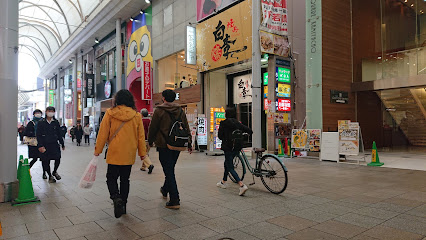
Nagasakiya
0.7 km
Discover unique souvenirs and local treasures at Nagasakiya, a charming store in Hiroshima's Hondori district, perfect for travelers seeking authentic gifts.
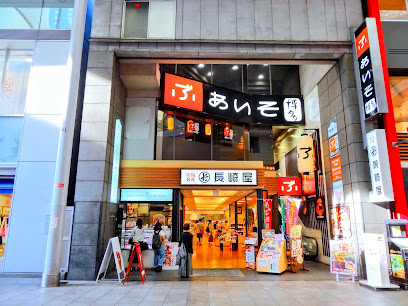
Sanrio Gift Gate
0.7 km
Explore the magical world of Sanrio Gift Gate in Hiroshima, where adorable characters and unique souvenirs await every visitor.
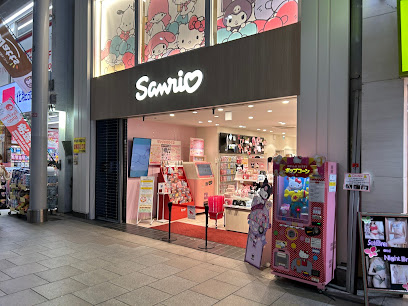
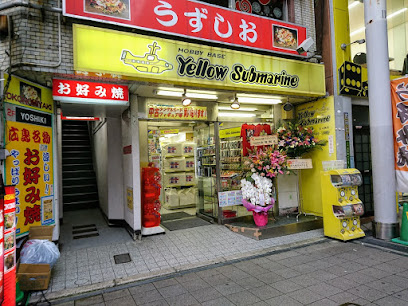
Yellow Submarine Hiroshima Shop
0.7 km
Explore a vibrant hobby haven in Hiroshima, where collectibles and creativity come together at Yellow Submarine Shop.
Cartier Fukuya Hatchobori Store
0.7 km
Experience the elegance of Cartier in Hiroshima, where luxury jewelry and fashion accessories await in an exquisite shopping environment.
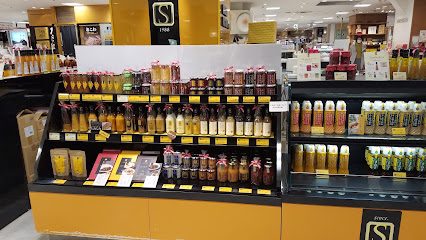
SAISON FACTORY
0.7 km
Discover unique Japanese gifts at Saison Factory, a charming gift shop in Hiroshima, perfect for souvenirs and cultural treasures.
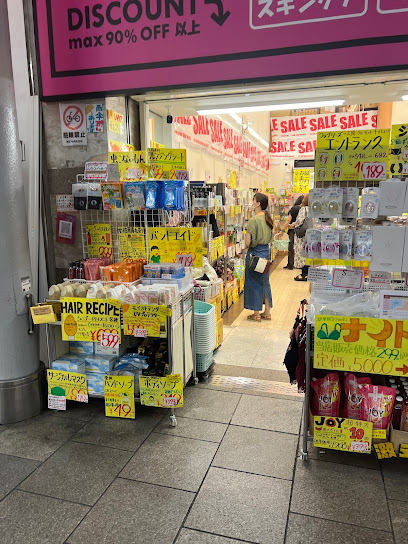
ドリームマーケット広島店
0.8 km
Experience the vibrant shopping scene at Dream Market Hiroshima, where unique finds and unbeatable prices await in the heart of the city.
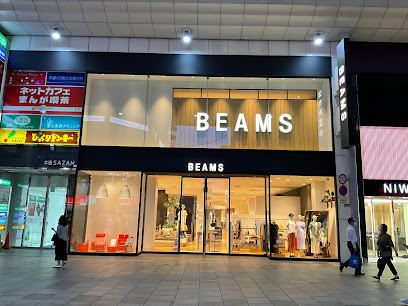
BEAMS HIROSHIMA
0.8 km
Explore BEAMS Hiroshima for a unique blend of contemporary Japanese fashion and accessories, perfect for every style-conscious traveler.
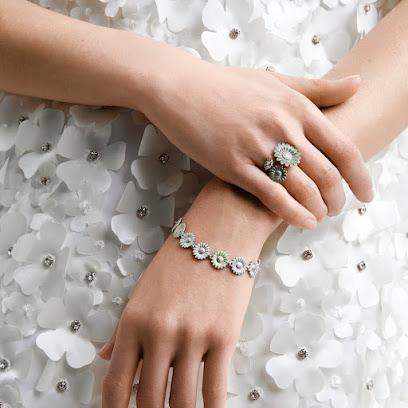
ジョージ ジェンセン 福屋八丁堀本店
0.8 km
Explore the elegance of Georg Jensen Fukuyahiroshima, where luxury meets craftsmanship in jewelry, watches, and home goods.
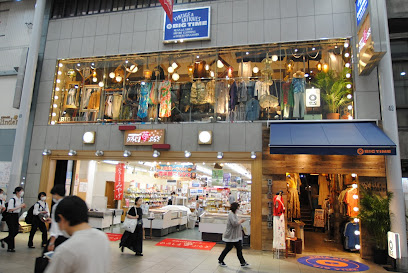
BIG TIME Hiroshima
0.8 km
Explore BIG TIME Hiroshima – a vintage clothing store where fashion history comes alive with unique finds and timeless treasures.
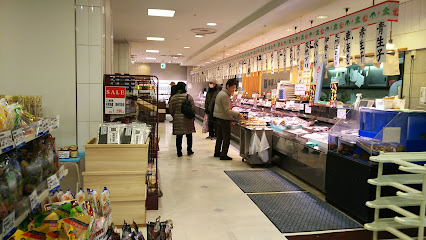
Fukuya Hatchobori Store
0.8 km
Explore the elegance of shopping at Fukuya Hatchobori Store, where luxury meets local culture in the heart of Hiroshima.
Essential bars & hidden hideouts

Rihga Top
0.3 km
Discover the exquisite dining experience at Rihga Top, where traditional Japanese flavors meet international culinary artistry in the heart of Hiroshima.
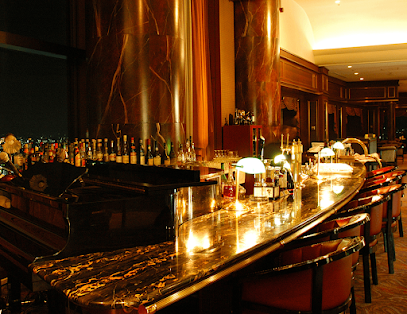
The Bar Top Note Ⅲ
0.6 km
Experience the lively atmosphere and exquisite drink selection at The Bar Top Note Ⅲ in Hiroshima's vibrant nightlife hub.
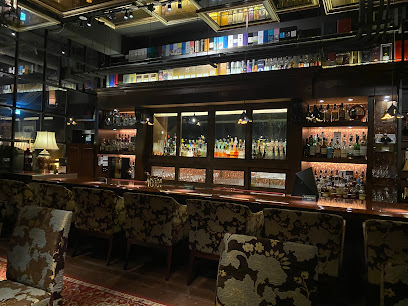
mugi (クラフトビールバー)
0.7 km
Discover the vibrant world of craft beer at Mugi, Hiroshima's premier bar offering an eclectic selection of local and international brews.
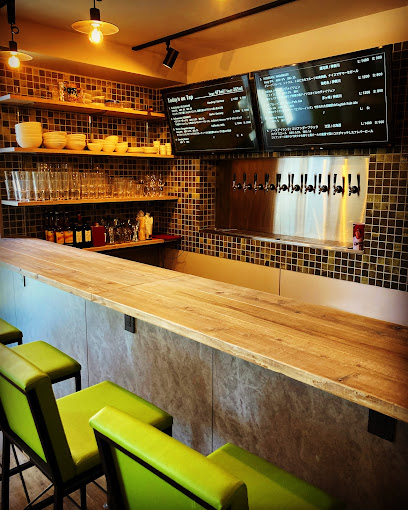
Mac Bar
0.7 km
Discover the charm of Hiroshima at Mac Bar, where a cozy atmosphere meets an extensive drink selection in the heart of Japan.
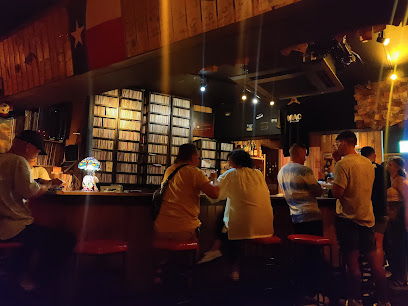
FOUQUE
0.7 km
Discover FOUQUE, a lively bar in Hiroshima, where local flavors and a vibrant atmosphere create the perfect nightlife experience.
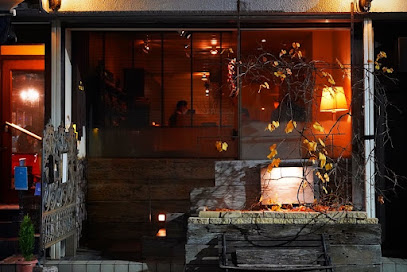
The Smith Lab
0.7 km
Experience the vibrant nightlife of Hiroshima at The Smith Lab, a premier bar offering unique cocktails and a lively atmosphere.
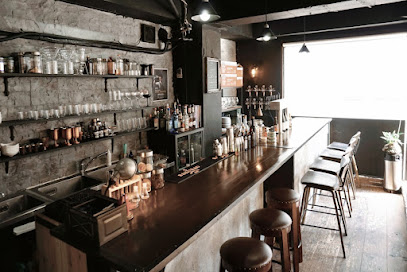
FOOD&SPORTS BAR &DART Jenny’s ジェニーズ
0.8 km
Experience the thrill of sports and delightful cuisine at FOOD&SPORTS BAR &DART Jenny’s in Hiroshima - the ultimate destination for fun and flavor.
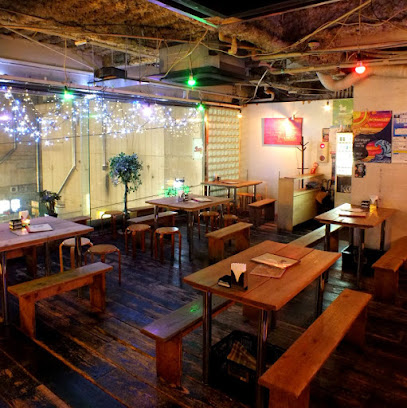
PUB and BAR PIC
0.8 km
Discover the vibrant nightlife of Hiroshima at PUB and BAR PIC, where great drinks and a lively atmosphere await you.
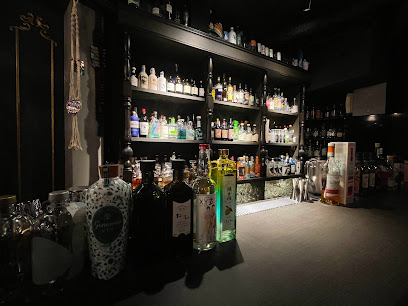
Bar the Lounge Top Note
0.8 km
Indulge in Hiroshima's nightlife at Bar the Lounge Top Note, where exquisite cocktails and elegant ambiance meet.
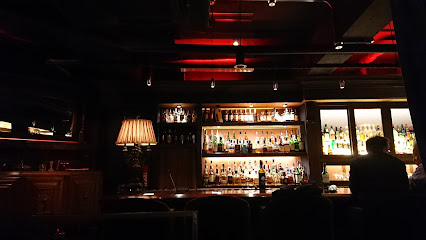
Lemon Stand Hiroshima (Lemon sour, Craft beer, Raw oyster, Curry, Natural wine)
0.8 km
Savor the best of Hiroshima at Lemon Stand, where fresh oysters meet craft beer and natural wines in a cozy, inviting atmosphere.
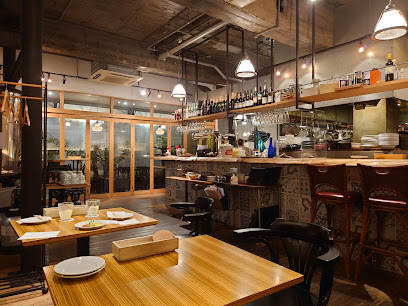
Bar Corton
0.8 km
Discover Bar Corton in Hiroshima for an unforgettable night filled with lively atmosphere and exceptional drinks.
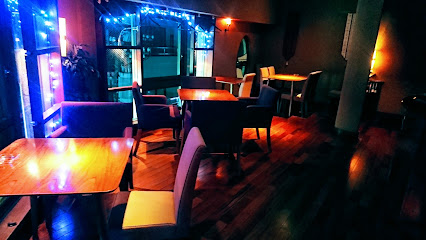
SHACK
0.8 km
Discover the ultimate grilling experience at SHACK, where Hiroshima's flavors come alive in a vibrant and inviting atmosphere.
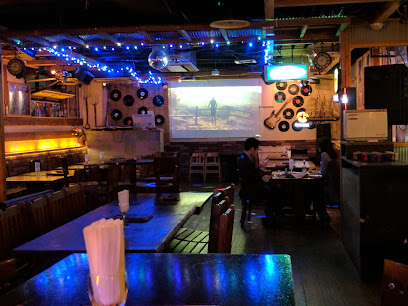
BARCOS International Club
0.8 km
Discover the pulsating nightlife of Hiroshima at BARCOS International Club, where great drinks and music create unforgettable evenings.
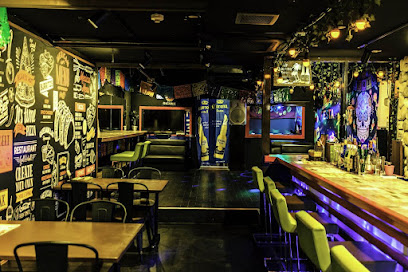
Lobby Side Bar Hiroshima
0.8 km
Discover the charm of Lobby Side Bar Hiroshima, where exquisite drinks and a cozy ambiance create the perfect evening escape.
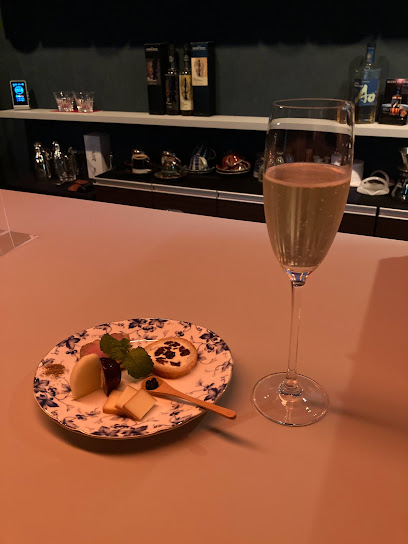
hangout
0.9 km
Experience the best of Hiroshima's craft beer scene at Hangout, where delicious burgers meet a diverse selection of brews.