

Ebisu Shrine, Hiroshima Travel Guide
Discover Hiroshima's Ebisu Shrine: A symbol of commerce, resilience, and cultural heritage, offering blessings and vibrant festivals.
Ebisu Shrine in Hiroshima, dedicated to Ebisu, the god of commerce and good fortune, has been a vital part of the city's fabric since 1603. Despite being destroyed in the atomic bombing, it was quickly rebuilt, symbolizing the city's resilience. Today, it remains a popular spot for locals and tourists seeking blessings for business success and family well-being.
A brief summary to Ebisu Shrine
- 5-14 Ebisucho, Hiroshima, Ebisucho, Naka Ward, Hiroshima, 730-0021, JP
- Click to display
- Click to display
- Monday 7 am-9 pm
- Tuesday 7 am-9 pm
- Wednesday 7 am-9 pm
- Thursday 7 am-9 pm
- Friday 7 am-9 pm
- Saturday 7 am-9 pm
- Sunday 7 am-9 pm

Know before you go
Hi, I'm Eve. Here are a few practical things to know before exploring Ebisu Shrine.
- Visit early in the morning to enjoy a quieter atmosphere and avoid crowds.
- Check the calendar for local festivals, especially the Ebisu Taisai Festival in November, to experience vibrant cultural events.
- Participate in traditional rituals by purchasing an omikuji (fortune slip) for a unique experience.
- Explore the nearby Ebisu-dori shopping arcade for local crafts and souvenirs.
- Take a moment to appreciate the shrine's architecture and its symbolic representation of Hiroshima's recovery from the atomic bombing.
Do you manage this location?
Take control to get all the benefits, like improved information, better appearance, and stronger visibility across AI-powered discovery. Learn more about listing your business on Evendo
Activate your presenceOther nearby places you may find interesting
The closest places of the same kind, if this one is not quite what you had in mind.

Explore Ebisu Shrine on the Map
A handpicked selection of must-see spots near Ebisu Shrine, mapped for you.
Unlock the Best of Ebisu Shrine
Buy tickets
-
No tickets available
Book tours with entry

Book tours without entry
-
No tours available
Getting There
-
Public Transport
From Hiroshima Station, take the Hiroshima Electric Railway (Hiroden) streetcar to Ebisucho Station. Several lines connect to Ebisucho Station, with a flat fare of ¥240 for adults. From Ebisucho Station, walk approximately 10 minutes south along Ebisucho Street. The shrine will be on your left. IC cards like ICOCA or PASPY are accepted.
-
Walking
From the Hiroshima Peace Memorial Park, head east towards the city center. Walk along Peace Boulevard (Heiwa Odori) until you reach Chuo-dori Street. Turn right onto Chuo-dori and continue south. Ebisu Shrine is located a short walk from Chuo-dori, tucked between buildings. The walk is approximately 20-30 minutes.
-
Taxi
Taxis are readily available throughout Hiroshima. A taxi from Hiroshima Station to Ebisu Shrine will cost approximately ¥1500-¥2000 and take about 10-15 minutes, depending on traffic. From the Peace Memorial Park, a taxi ride will be shorter and cost around ¥1000. Be sure to have the address written in Japanese, as many drivers may not speak English. Taxi base fare is ¥620, with additional charges per kilometer.
Discover more about Ebisu Shrine













Your all‑in‑one travel companion app
Explore expert travel guides, compare and book tours, experiences, hotels, and more—all from the palm of your hand. Download now for seamless trip planning wherever your wanderlust takes you.


Explore More of Hiroshima
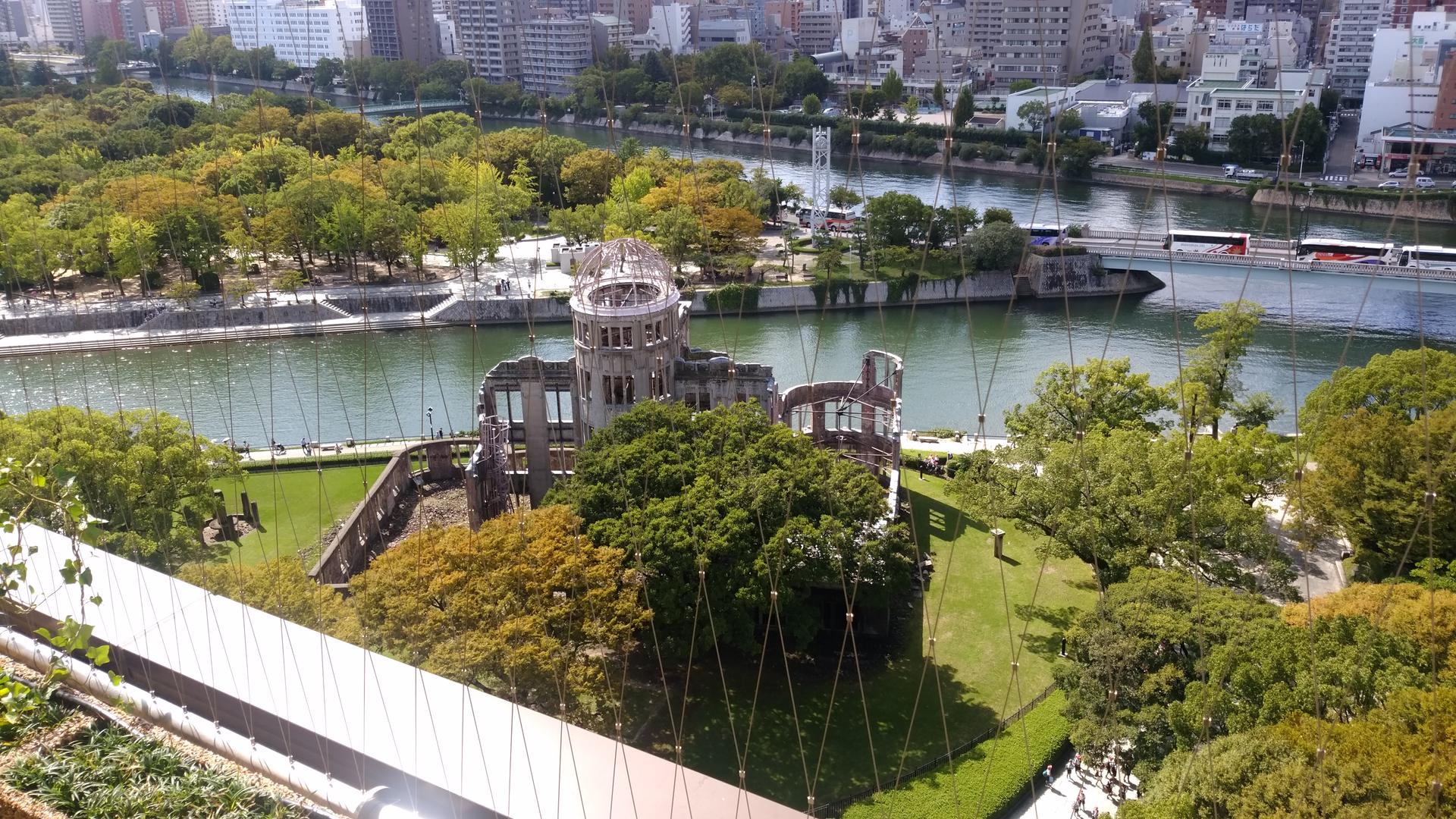
Looking beyond Ebisu Shrine? Discover Hiroshima for broader travel guides, local hot-spots, and regional highlights.
Explore Hiroshima
Discover Hiroshima's iconic landmarks from a unique vantage point on a relaxing river cruise, blending history and scenic beauty.
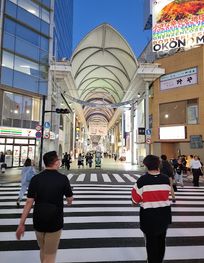
Explore the vibrant Hondori Shopping Street in Hiroshima, a bustling hub of culture, shopping, and delectable local cuisine.
