Suizenji Jojuen Garden, Koshi Travel Guide
Explore a serene 17th-century Japanese garden in Kumamoto, featuring miniature landscapes and cultural experiences.
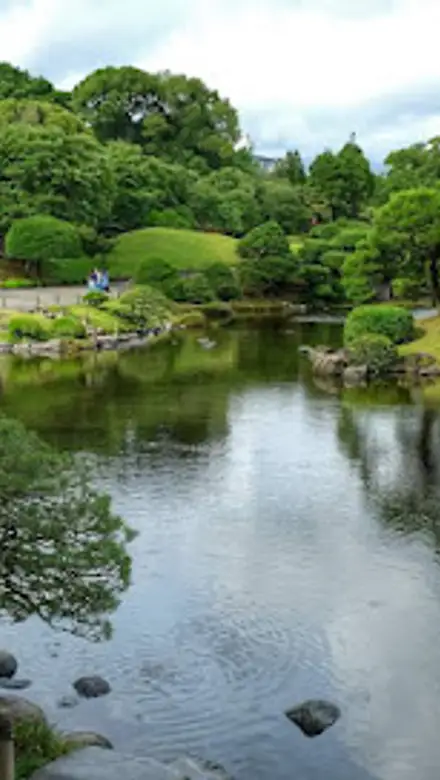
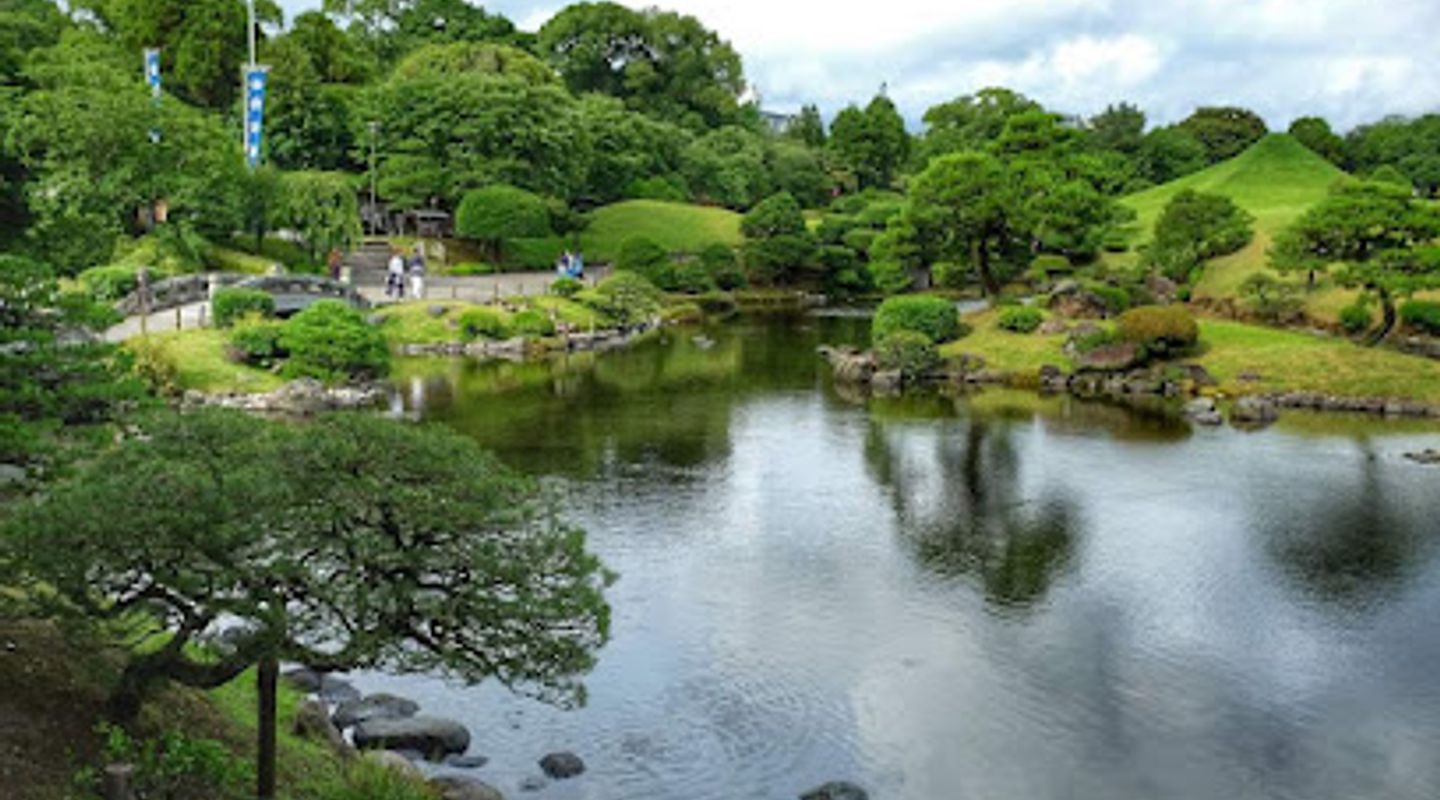
Suizenji Jojuen Garden is a meticulously crafted Japanese landscape garden in Kumamoto, dating back to the 17th century. Representing the 53 post stations of the old Tokaido road, it offers a serene escape with iconic miniature landscapes.
A brief summary to Suizenji Jojuen Garden
- 8-1 Suizenji Koen, Kumamoto, Suizenji Koen, Chuo Ward, Kumamoto, 862-0956, JP
- Click to display
- Click to display
- Monday 8:30 am-5 pm
- Tuesday 8:30 am-5 pm
- Wednesday 8:30 am-5 pm
- Thursday 8:30 am-5 pm
- Friday 8:30 am-5 pm
- Saturday 8:30 am-5 pm
- Sunday 8:30 am-5 pm

Know before you go
Hi, I'm Eve. Here are a few practical things to know before exploring Suizenji Jojuen Garden.
- Visit during spring (March-May) or autumn (September-November) for the best seasonal views.
- Participate in a traditional tea ceremony at the Kokindenju no Ma teahouse.
- Check the schedule for seasonal events like horseback archery or Noh theater performances.
- Allow at least 1-2 hours to stroll through the garden and appreciate its details.
Do you manage this location?
Take control to get all the benefits, like improved information, better appearance, and stronger visibility across AI-powered discovery. Learn more about listing your business on Evendo
Activate your presenceOther nearby places you may find interesting
The closest places of the same kind, if this one is not quite what you had in mind.
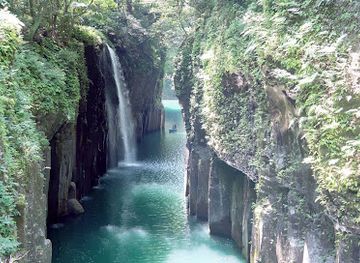
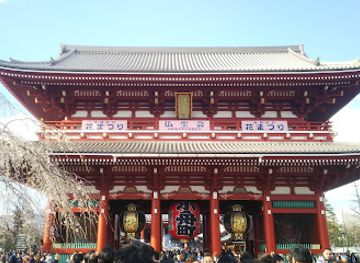
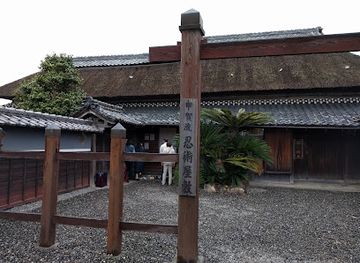
Explore Suizenji Jojuen Garden on the Map
A handpicked selection of must-see spots near Suizenji Jojuen Garden, mapped for you.
Unlock the Best of Suizenji Jojuen Garden
Buy tickets
-
No tickets available
Book tours with entry


Getting There
-
Public Transport
From JR Kumamoto Station, take the city tram towards Kenguncho and get off at Suizenji Koen tram stop. The ride takes approximately 30 minutes. From the tram stop, it's a short 4-minute walk to the garden's entrance. A single tram fare costs ¥170. Alternatively, from JR Shin-Suizenji Station, the garden is a 10-minute walk.
-
Walking
From central Kumamoto, it is possible to walk to Suizenji Jojuen Garden in under an hour. Head east, using Kumamoto Castle as a starting point. Follow the main roads towards Suizenji Park, and you'll find the garden entrance. Be aware that it could be a long walk in hot or inclement weather.
-
Taxi
Taxis are readily available in Kumamoto. A taxi from Kumamoto Station to Suizenji Jojuen Garden typically costs between ¥1,500 to ¥2,000 and takes around 15-20 minutes, depending on traffic.
Discover more about Suizenji Jojuen Garden













Your all‑in‑one travel companion app
Explore expert travel guides, compare and book tours, experiences, hotels, and more—all from the palm of your hand. Download now for seamless trip planning wherever your wanderlust takes you.


Explore More of Koshi
Looking beyond Suizenji Jojuen Garden? Discover Koshi for broader travel guides, local hot-spots, and regional highlights.
Explore Koshi
Experience traditional Japanese hospitality at Hotel Higuchiken in Chikugo, with onsen baths, exquisite cuisine, and serene natural views.

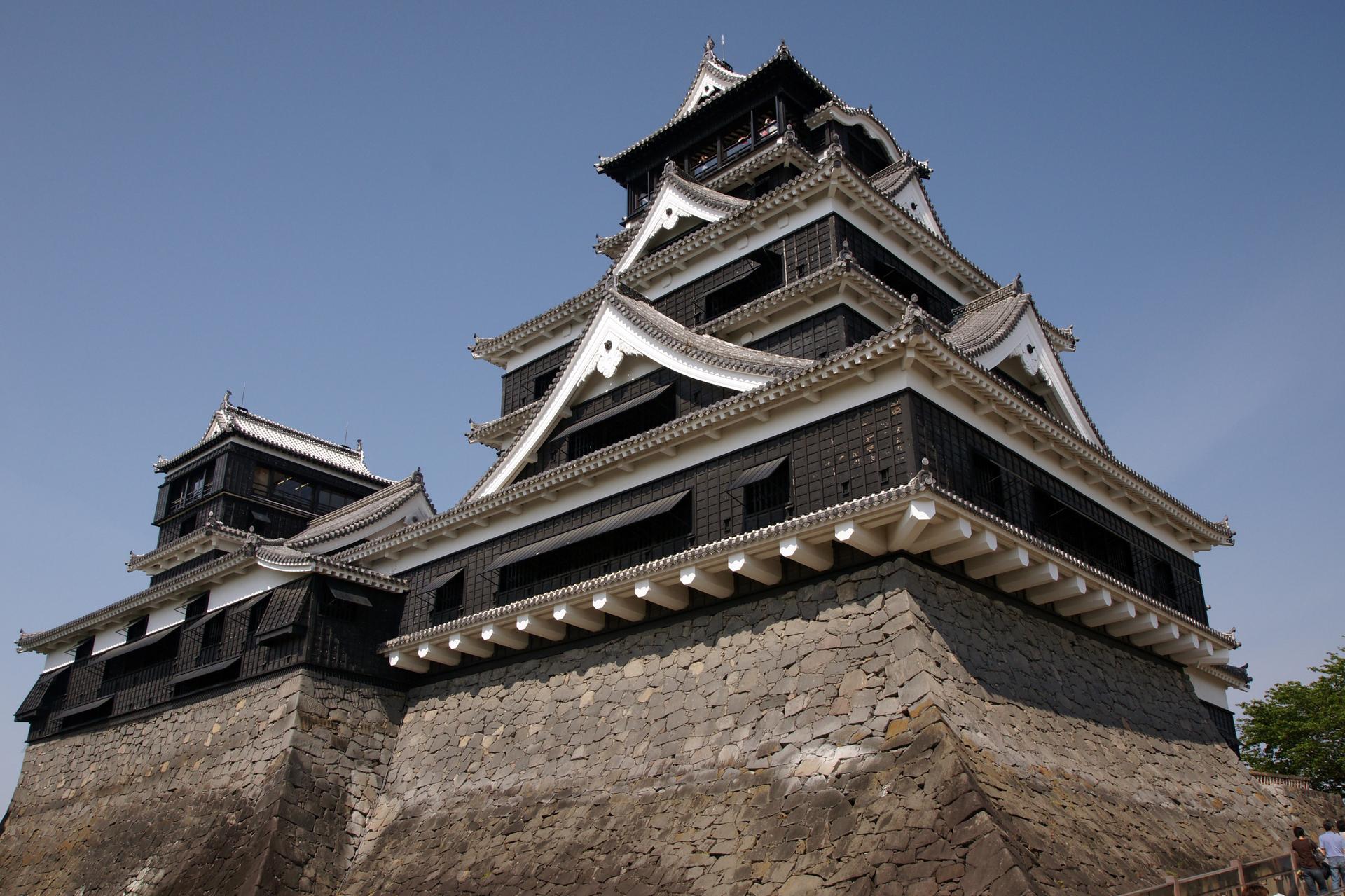
Explore Kumamoto Castle: Witness history, admire stunning architecture, and discover the enduring spirit of Kumamoto. Restoration in progress.