

Free Hitachi Travel Guide & Mobile App
Explore Hitachi with free travel guides. Discover regional history, expert tips, proposed trips, and audio guides on web or mobile app.


Discover Hitachi in northern Ibaraki for Pacific views, cherry blossoms, mining heritage, seafood and wooded coastal hills.
Read more about Hitachi
When is the best time to visit Hitachi?
Best: April–June · 19–27°C| Month | High (°C) | Rainfall (mm) |
|---|---|---|
| January | 8 | 40 |
| February | 9 | 50 |
| March | 13 | 60 |
| April (best) | 19 | 80 |
| May (best) | 23 | 90 |
| June (best) | 27 | 110 |
| July | 30 | 130 |
| August | 31 | 140 |
| September | 27 | 150 |
| October | 21 | 120 |
| November | 16 | 90 |
| December | 11 | 50 |
Getting to and around Hitachi
How to get there
Transportation
Best attractions in Hitachi
Hitachi's attractions reflect the meeting of Pacific coastline, wooded hills and industrial history. Kamine Park is the city's principal leisure area, combining cherry trees, viewpoints, a zoo and amusement facilities on a hillside above the urban plain. It is especially popular during blossom season, but its elevated position also makes it useful for understanding how the city is arranged between mountains and sea. Hitachi Station's open, sea-facing architecture provides a striking civic gateway, while the Hitachi Civic Center offers cultural programming and a planetarium-style educational experience when its facilities are operating. Along the coast, Kujihama Beach and other shoreline areas provide seasonal swimming, walking and views across the Pacific; conditions vary, so visitors should follow local notices. Smaller fishing ports and waterfront districts offer a more working maritime atmosphere than a resort setting. Inland roads lead towards forests and hills suited to walking, cycling and scenic drives, although public transport becomes less convenient away from the railway corridor. Industrial heritage is another important attraction theme, with local institutions and company-linked displays helping explain the copper mine and the engineering enterprise that grew from it. Hitachi is best explored as a collection of connected urban, coastal and upland experiences rather than as a single concentrated sightseeing quarter.
-
Theme park
Tokyo Disneyland
Experience the magic of Tokyo Disneyland, where fairy tales come to life and adventure awaits around every corner in this iconic theme park.
-
Theme park
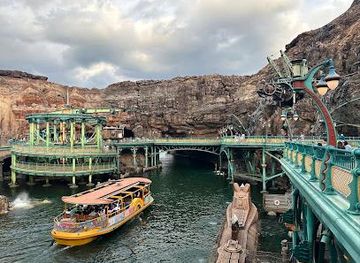
Tokyo DisneySea
Experience the enchantment of Tokyo DisneySea, a unique theme park blending Disney magic with a captivating maritime theme for an unforgettable adventure.
-
Buddhist temple
Kaminarimon
Explore Kaminarimon, the iconic Thunder Gate of Senso-ji Temple in Asakusa, a vibrant landmark steeped in Tokyo's rich history and cultural heritage.
-
Zoo
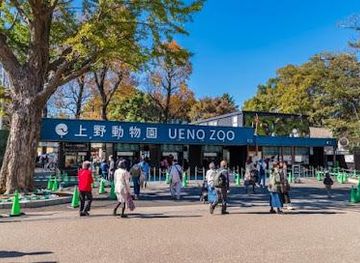
Ueno Zoological Gardens
Immerse yourself in the captivating world of wildlife at Ueno Zoological Gardens, Tokyo's premier destination for animal lovers and family fun.


Best landmarks in Hitachi
Hitachi Station is one of the city's most recognisable modern landmarks: its glass-fronted structure opens towards the Pacific and expresses the connection between the railway, the urban centre and the sea. On the hillside above town, Kamine Park is a defining geographical landmark as well as a recreational space, with elevated views over the long coastal plain and the industrial city below. The coastline around Kujihama provides a contrasting natural landmark, where beaches, breakwaters and the open Pacific reveal Hitachi's maritime setting. The city's industrial heritage is represented by the places and civic displays associated with the former Hitachi copper mine and the engineering workshop from which Hitachi, Ltd developed; these are important not for monumental architecture alone but for explaining the city's modern formation. The Hitachi Civic Center is another prominent piece of contemporary civic architecture, marking the central urban area with cultural and educational facilities. Together, these sites show why Hitachi is more than a seaside stop: its significant landmarks comprise a station oriented towards the ocean, a hillside park, a working coastline and a technological-industrial legacy that shaped the city.
-
National park
Hitachi Seaside National Park
Discover breathtaking flower fields, cycling trails & amusement park fun at Hitachi Seaside Park, a stunning natural escape in Ibaraki, Japan.
-
Aquarium
Aqua World Ibaraki Oarai Aquarium
Explore a vast underwater world at Aqua World Ibaraki Oarai Aquarium, home to Japan's largest shark collection and captivating marine life exhibits.
-
Tourist attraction
Fukuroda Falls
Experience the majestic Fukuroda Falls, one of Japan's most beautiful waterfalls, with stunning seasonal views and illuminated displays.
-
Buddhist temple
Ushiku Daibutsu
Visit the Ushiku Daibutsu, one of the world's tallest Buddha statues, and explore its museum, gardens, and panoramic views in Ibaraki.


Explore Hitachi on the map
Plan your trip on one map. See where the top cities, national parks and sights are, and book hotels and experiences in a few clicks.
Best hotels in Hitachi
Best restaurants in Hitachi
Dining in Hitachi is shaped by its Pacific location and its position within Ibaraki, a major agricultural prefecture. Seafood is a natural focus, with fish and shellfish appearing in sushi restaurants, set meals and informal neighbourhood establishments supplied through the wider coastal economy. Local menus may also feature anko nabe, a warming anglerfish hotpot associated particularly with Ibaraki's Pacific coast, when it is in season. Other regional ingredients include rice, vegetables, fruit and locally produced meat, while Hitachi wagyu may appear in restaurants offering higher-end Japanese beef. Around Hitachi and Omika stations, visitors will find practical izakaya, ramen shops, cafés and family restaurants rather than one dominant restaurant quarter. Traditional Japanese breakfasts, grilled fish, soba and seasonal set meals are generally easier to find than highly specialised foreign cuisine. Smaller businesses may close between lunch and dinner or accept cash only, so flexible planning is useful. For a distinctly local meal, look for seafood, Ibaraki produce and seasonal dishes instead of assuming that the city's industrial reputation defines its food.
-
Cafe
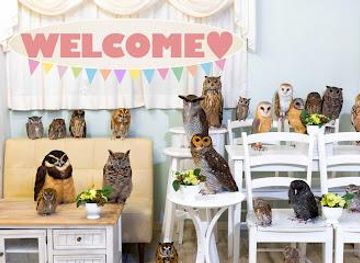
Owl Cafe Tokyo
Enter a whisper-quiet haven in Akihabara where majestic owls perch on your arm, delivering pure magic in a family-run sanctuary devoted to their serene well-being and visitor awe.
-
Restaurant
Hitachi Southern drive-in
Experience authentic conveyor belt sushi at Hitachi Southern Drive-In – a culinary adventure awaits in Ibaraki.
-
Cat cafe
Cat cafe MoCHA Akihabara Store
Akihabara's purr-fect retreat: cuddle diverse cats, sip endless drinks, and unwind in a cozy cafe amid neon chaos—daily bliss from age 3+.
-
Japanese
Restaurant Iijima
Experience the rich flavors of authentic Japanese cuisine at Restaurant Iijima, renowned for its exquisite meat dishes in Mito.


Best bars in Hitachi
Hitachi's evening culture is modest and locally oriented rather than built around a large nightclub scene. Station areas, particularly around Hitachi and Omika, provide the greatest concentration of izakaya, small bars and restaurants where residents meet after work. These establishments range from informal places serving beer, sake and shared dishes to quieter snack bars or cafés, with the atmosphere changing according to the day and season. Traditional pubs are not the defining format; Japanese izakaya culture, in which food and drink are ordered together, is more characteristic. Live entertainment and larger late-night venues are limited compared with Tokyo or Mito, and business hours can vary considerably, especially away from the stations. Visitors who prefer a calm evening can choose seafood restaurants, hotel dining or a walk near the illuminated station and waterfront areas, while those seeking extensive clubbing should use a larger regional city as a separate base rather than expecting Hitachi to function as a nightlife destination.
-
Cafe
Sea Birds Cafe
Discover the charm of Sea Birds Cafe in Hitachi, Ibaraki, where local flavors meet a cozy atmosphere for an unforgettable coffee experience.
-
Brewpub
Hitachino Brewing Lab Kanda Manseibashi
Discover the vibrant world of craft beer at Hitachino Brewing Lab Kanda Manseibashi, where unique brews meet delicious cuisine in Tokyo.
-
Brewpub
Hitachino Brewing Lab Tokyo
Discover the art of craft brewing at Hitachino Brewing Lab Tokyo, where tradition meets innovation in every sip.
-
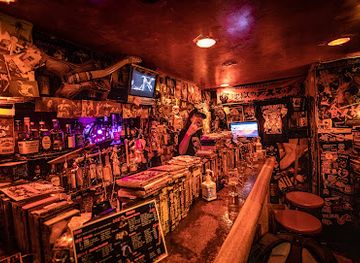
Bar
Deathmatch in Hell
Discover the electrifying nightlife at Deathmatch in Hell, Tokyo's unique bar offering thrilling entertainment and vibrant cocktails in the heart of Shinjuku.


Best nightclubs in Hitachi
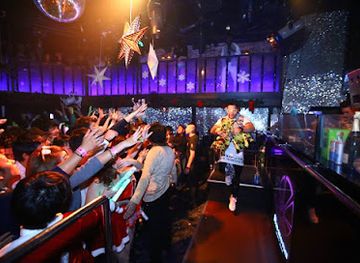
Hitachi's evening culture is modest and locally oriented rather than built around a large nightclub scene. Station areas, particularly around Hitachi and Omika, provide the greatest concentration of izakaya, small bars and restaurants where residents meet after work. These establishments range from informal places serving beer, sake and shared dishes to quieter snack bars or cafés, with the atmosphere changing according to the day and season. Traditional pubs are not the defining format; Japanese izakaya culture, in which food and drink are ordered together, is more characteristic. Live entertainment and larger late-night venues are limited compared with Tokyo or Mito, and business hours can vary considerably, especially away from the stations. Visitors who prefer a calm evening can choose seafood restaurants, hotel dining or a walk near the illuminated station and waterfront areas, while those seeking extensive clubbing should use a larger regional city as a separate base rather than expecting Hitachi to function as a nightlife destination.
-
Night club
TK
Unleash your energy at TK Nightclub in Shibuya, where Tokyo's vibrant nightlife comes alive with top DJs and an electric atmosphere.
-
Night club
Kujira Entertainment
Experience the vibrant nightlife of Tokyo at Kujira Entertainment, where unique shows and exquisite cocktails create unforgettable memories.
-
Night club
Ammona
Discover Ammona, a top nightlife spot in Osaka, featuring electrifying music, a chic setting, and a vibrant crowd for an unforgettable experience.
-
Night club
V2 TOKYO
Experience Tokyo's vibrant nightlife at V2 TOKYO, where world-class DJs and an electric atmosphere create unforgettable nights.



Best shops in Hitachi
Shopping in Hitachi is centred on station-front commercial areas, ordinary neighbourhood high streets and suburban retail rather than a large destination shopping district. Around Hitachi Station, visitors can browse department-store-style retail, convenience shops, cafés and practical services, while Omika and other station areas offer smaller local businesses and dining-led evening activity. Supermarkets and food shops are useful for Japanese snacks, seasonal fruit, rice products and regional ingredients, and larger retail complexes on the urban fringe are generally easier to reach by car or bus than on foot. Local souvenirs are more likely to relate to Ibaraki produce, Japanese confectionery, seafood products or industrial and civic identity than to an elaborate craft tradition specific to Hitachi. Farmers' markets and seasonal produce stalls may offer a stronger sense of the surrounding region than standard souvenir shops, but dates and locations vary. For specialist shopping, art, antiques and a broader range of regional products, visitors may find more choice in larger nearby cities outside Hitachi; within the city, the appeal is practical, local and closely tied to everyday life.
-
National park
Hitachi Seaside National Park
Explore the stunning flower fields and recreational wonders of Hitachi Seaside National Park, a top tourist attraction in Ibaraki, Japan.
-
Department store
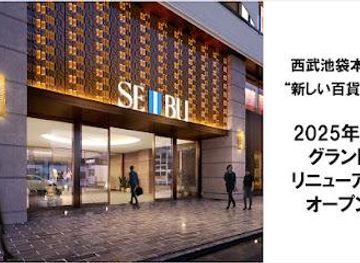
SEIBU Ikebukuro Main Store
Explore the SEIBU Ikebukuro Main Store - a shopping paradise in Tokyo offering a blend of luxury brands, local crafts, and tantalizing dining options.
-
Shopping mall
DECKS
Experience the bustling energy of DECKS, a premier shopping mall in Tokyo featuring top shops, diverse dining, and stunning waterfront views.
-
Shopping mall
Futako-Tamagawa Rise Shopping Center
Futako-Tamagawa Rise Shopping Center: A vibrant blend of fashion, dining, and entertainment in the heart of Tokyo.



Get your free copy of our complete guide to Hitachi, delivered straight to you.
Everything on this page, from attractions and restaurants to essentials and local phrases, in one PDF you can read offline, print or share.
Already have an account? Sign in
Your Hitachi guide is ready.
We'll send it to · Not you? Sign out

Getting your guide ready…
We are putting together a fresh copy of the Hitachi guide. This can take up to a minute.
This can take a few moments. If your browser asks, choose Allow so the download can start. You'll find the guide in your Downloads folder.
Nothing happened? Download it again
Sorry, the guide is taking longer than usual. Please try again in a minute, or get it by email instead.
Hitachi essentials
Currency and Payment
Safety
Emergency Situations
Do's and Don'ts
Local Tips
From Eve
Local phrases worth knowing
You don't need to get them perfect. A few words go a long way, and locals appreciate the effort.
Basics
| English | Local | Say it |
|---|---|---|
| Hello | こんにちは | [Konnichiwa] |
| Goodbye | さようなら | [Sayōnara] |
| Yes | はい | [Hai] |
| No | いいえ | [Iie] |
| Please/You're welcome | どうぞ | [Dōzo] |
| Thank you | ありがとう | [Arigatou] |
| Excuse me/Sorry | すみません | [Sumimasen] |
| How are you? | お元気ですか? | [Ogenki desu ka?] |
| Fine. And you? | 元気です。あなたは? | [Genki desu. Anata wa?] |
| Do you speak English? | 英語を話せますか? | [Eigo o hanasemasu ka?] |
| I don't understand | わかりません | [Wakarimasen] |
Eating & Drinking
| English | Local | Say it |
|---|---|---|
| I'd like to see the menu, please | メニューを見せてください | [Menyū o misete kudasai] |
| I don't eat meat | 肉は食べません | [Niku wa tabemasen] |
| Cheers! | 乾杯! | [Kanpai!] |
| I would like to pay, please | お会計をお願いします | [Okaikei o onegaishimasu] |
Emergencies
| English | Local | Say it |
|---|---|---|
| Help! | 助けて! | [Tasukete!] |
| Go away! | どいて! | [Doite!] |
| Call the Police! | 警察を呼んで! | [Keisatsu o yonde!] |
| Call a doctor! | 医者を呼んで! | [Isha o yonde!] |
| I'm lost | 迷いました | [Mayoimashita] |
| I'm ill | 具合が悪いです | [Guai ga warui desu] |
Shopping
| English | Local | Say it |
|---|---|---|
| I'd like to buy... | ...を買いたいです | [... o kaitai desu] |
| I'm just looking | 見ているだけです | [Mite iru dake desu] |
| How much is it? | これはいくらですか? | [Kore wa ikura desu ka?] |
| That's too expensive | それは高すぎます | [Sore wa takasugimasu] |
| Can you lower the price? | 値段を下げてもらえますか? | [Nedan o sagete moraemasu ka?] |
Time & Numbers
| English | Local | Say it |
|---|---|---|
| What time is it? | 今何時ですか? | [Ima nanji desu ka?] |
| It's one o'clock | 1時です | [Ichi ji desu] |
| Half past (10) | 10時半です | [Jū ji han desu] |
| Morning | 朝 | [Asa] |
| Afternoon | 午後 | [Gogo] |
| Evening | 夕方 | [Yūgata] |
| Yesterday | 昨日 | [Kinō] |
| Today | 今日 | [Kyō] |
| Tomorrow | 明日 | [Ashita] |
| 1 | 1 | [Ichi] |
| 2 | 2 | [Ni] |
| 3 | 3 | [San] |
| 4 | 4 | [Shi] |
| 5 | 5 | [Go] |
| 6 | 6 | [Roku] |
| 7 | 7 | [Nana] |
| 8 | 8 | [Hachi] |
| 9 | 9 | [Kyū] |
| 10 | 10 | [Jū] |
Transport & Directions
| English | Local | Say it |
|---|---|---|
| Where's a/the...? | ...はどこですか? | [... wa doko desu ka?] |
| What's the address? | 住所は何ですか? | [Jūsho wa nan desu ka?] |
| Can you show me (on the map)? | 地図で見せてくれますか? | [Chizu de misete kuremasu ka?] |
| When's the next (bus)? | 次の(バス)はいつですか? | [Tsugi no (basu) wa itsu desu ka?] |
| A ticket (to ....) | ...への切符 | [... e no kippu] |
History of Hitachi
Early settlement and the ancient Hitachi region
The hills and coastal plain around present-day Hitachi have supported human settlement since prehistoric times, with archaeological remains reflecting the wider Jomon and later Yayoi cultures of eastern Japan. In antiquity, the area formed part of the historic province of Hitachi, a name that survives in modern Ibaraki's northern identity and in the city's name. Farming, forestry and fishing shaped local life for centuries, while settlements occupied the narrow usable land between the mountains and the Pacific. The modern city is industrial, but its geography and place names preserve this older relationship with cultivated lowlands, wooded slopes and the sea.
Medieval and early-modern coastal communities
During the medieval period, northern Hitachi was influenced by regional warrior families and the political powers that controlled routes through the province. Under the Tokugawa shogunate, the wider Hitachi area was administered through domains and territories connected to the Mito branch of the Tokugawa family. Coastal villages continued to rely on fishing, small-scale agriculture and maritime exchange, while inland forests supplied timber and other resources. The settlements that later became Hitachi were not a major castle city, but their position along the Pacific coast and routes north from Mito gave the area continuing regional importance.
The development of the Hitachi copper mine
The decisive transformation began in the early twentieth century, when the Hitachi copper mine expanded under Kuhara Mining. Industrial extraction brought engineers, workers, machinery and new transport links into a previously rural area, creating the foundations of the modern urban settlement. Copper production generated employment and wealth but also brought serious environmental costs, including pollution associated with mining and smelting. The mine's history therefore illustrates both Japan's rapid industrialisation and the difficult environmental legacy of heavy industry. Remnants of this period remain central to Hitachi's understanding of itself.
From mining workshop to Hitachi, Ltd
In 1910, engineer Namihei Odaira established an electrical repair workshop at the mine, laying the foundation for the company that later became Hitachi, Ltd. The enterprise grew from mining-related engineering into electrical equipment, infrastructure and global technology, helping turn Hitachi into a name recognised far beyond Ibaraki. Company development influenced the city's employment, housing, education and civic landscape throughout the twentieth century. Hitachi's industrial identity is therefore not simply based on a factory district; it is tied to a long local relationship between mining, engineering and corporate modernisation.
Urban growth, transport and wartime destruction
Railway development and industrial employment encouraged urban growth along the coast during the twentieth century. Hitachi and the surrounding settlements were incorporated and reorganised as the city expanded, while the Jau? Wait. wartime industry made the area strategically important. In 1945, Hitachi suffered bombing that damaged industrial facilities and urban districts. Post-war reconstruction, supported by manufacturing and engineering, reshaped the city's skyline and economy. The result is a city in which modern commercial streets and civic buildings stand alongside industrial infrastructure and older coastal communities.
Environmental change and the post-industrial city
The Hitachi mine eventually ceased operations in the late twentieth century as ore resources and economic conditions changed. Its closure formed part of a broader shift away from traditional heavy industry, although manufacturing and technology remained significant through the continuing presence of major companies and suppliers. Environmental restoration and public awareness also became important after decades of mining-related pollution. Today, Hitachi's identity combines industrial memory with coastal recreation, parks, education and urban services, while local heritage efforts preserve the story of the mine and the people who built the city's modern economy.
Hitachi in Photos
Browse through our photo collection highlighting the charm and character of the destination.
Neighbouring regions of Hitachi
The closest regions to Hitachi, if you have time for more than one.
-

-
-

-

-


Swipe for more regions
Explore more

Explore more of Japan
Discover the harmony of tradition and modernity in Japan, where ancient temples and cutting-edge technology coexist in perfect balance.
Explore Japan