Jōchi-ji, Sagami Travel Guide
Discover tranquility at Jōchi-ji Temple in Kamakura, a historic Zen retreat with beautiful gardens and a touch of good fortune.
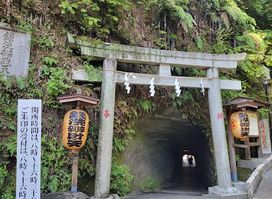
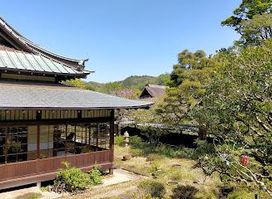
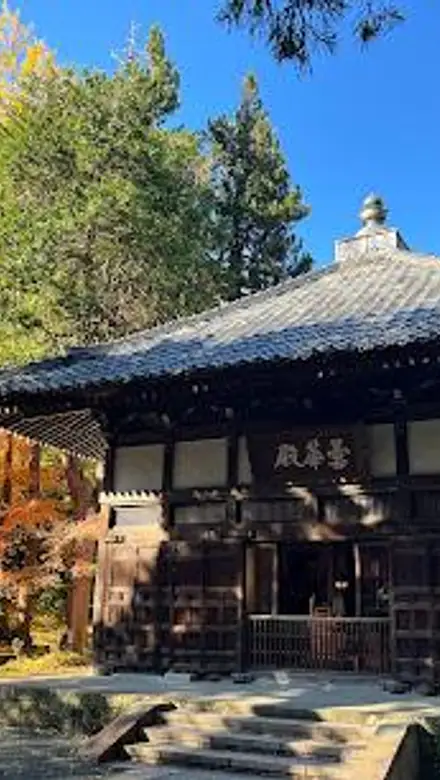
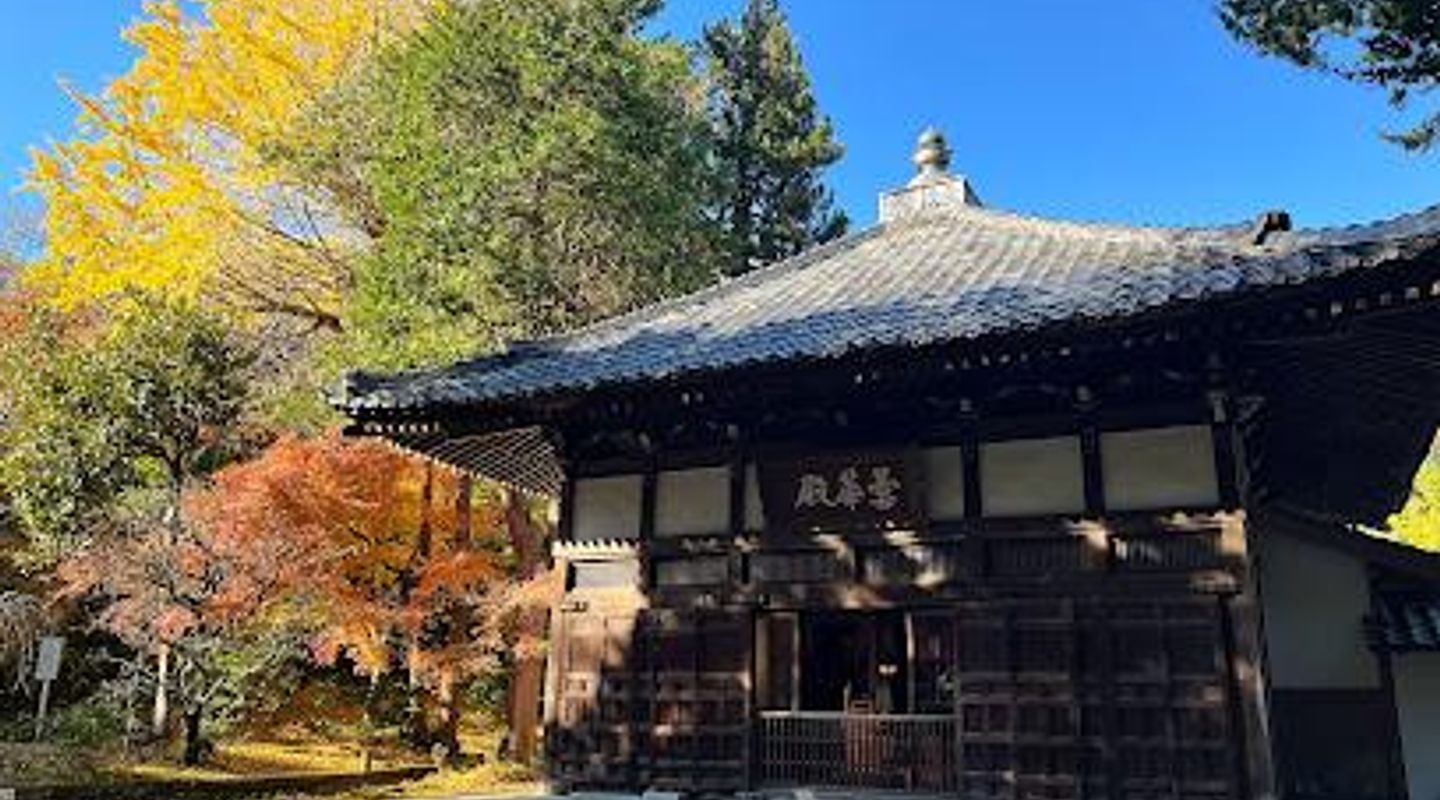
Jōchi-ji, nestled in Kita-Kamakura, is a serene Zen Buddhist temple dating back to the 13th century. Ranked fourth among Kamakura's Five Great Zen Temples, it offers a tranquil escape with its historic structures, lush gardens, and a touch of good fortune.
A brief summary to Jōchi-ji
- 1402 Yamanouchi, Kamakura, Yamanouchi, Kanagawa, 247-0062, JP
- Click to display
- Click to display
- Monday 9 am-4:30 pm
- Tuesday 9 am-4:30 pm
- Wednesday 9 am-4:30 pm
- Thursday 9 am-4:30 pm
- Friday 9 am-4:30 pm
- Saturday 9 am-4:30 pm
- Sunday 9 am-4:30 pm

Know before you go
Hi, I'm Eve. Here are a few practical things to know before exploring Jōchi-ji.
- Visit on weekdays to avoid crowds and experience a more peaceful atmosphere.
- Take a moment to rub the belly of the Hotei statue for good luck.
- Combine your visit with a hike on the Daibutsu hiking trail, which starts near the temple.
Do you manage this location?
Take control to get all the benefits, like improved information, better appearance, and stronger visibility across AI-powered discovery. Learn more about listing your business on Evendo
Activate your presenceOther nearby places you may find interesting
The closest places of the same kind, if this one is not quite what you had in mind.
Explore Jōchi-ji on the Map
A handpicked selection of must-see spots near Jōchi-ji, mapped for you.
Unlock the Best of Jōchi-ji
Buy tickets
-
No tickets available
Book tours with entry


Getting There
-
Walking
From Kita-Kamakura Station (JR Yokosuka Line), take the west exit and walk south for about 8 minutes. The temple is located a short distance from the station, near the start of the Daibutsu hiking trail. Follow the signs, and you'll see Jōchi-ji rising from the forest. Cost: Free
-
Public Transport
Take the JR Yokosuka Line to Kita-Kamakura Station, one stop north of Kamakura Station when coming from Tokyo. From there, it's an 8-minute walk to the temple. Cost: JR train fare from Kamakura Station to Kita-Kamakura Station is approximately 140 JPY.
Discover more about Jōchi-ji













Your all‑in‑one travel companion app
Explore expert travel guides, compare and book tours, experiences, hotels, and more—all from the palm of your hand. Download now for seamless trip planning wherever your wanderlust takes you.


Explore More of Sagami

Looking beyond Jōchi-ji? Discover Sagami for broader travel guides, local hot-spots, and regional highlights.
Explore Sagami