Tomioka Hachiman Shrine: A Historic Sanctuary in Tokyo
Explore Tokyo's largest Hachiman shrine, steeped in history, sumo traditions, and vibrant festivals. A cultural gem in Koto City.
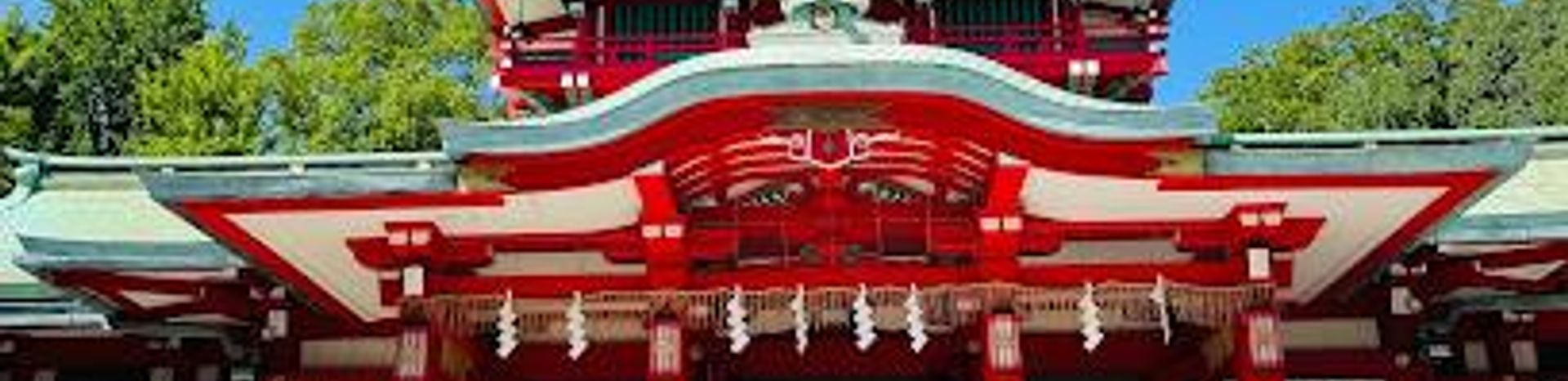
Tomioka Hachiman Shrine, also known as Fukagawa Hachiman, is the largest Hachiman shrine in Tokyo, located in Koto City. Founded in 1627, it's dedicated to Emperor Ojin and the god Hachiman, revered as the god of archery, war, and divine protector of Japan. The shrine is known for its connection to sumo wrestling and its vibrant Fukagawa Hachiman Matsuri, one of Tokyo's three great festivals.
A brief summary to Tomioka Hachiman Shrine
- 1 Chome-20-3 Tomioka, Koto City, 1 Chome Tomioka, Tokyo, 135-0047, JP
- +813-3642-1315
- Visit website
- Monday 12 am-12 am
- Tuesday 12 am-12 am
- Wednesday 12 am-12 am
- Thursday 12 am-12 am
- Friday 12 am-12 am
- Saturday 12 am-12 am
- Sunday 12 am-12 am
Local tips
- Visit during the Fukagawa Hachiman Matsuri (mid-August) to experience one of Tokyo's most exciting traditional festivals.
- Look for the sumo wrestling monuments on the shrine grounds, a testament to the shrine's historical connection to the sport.
- Take a stroll through the shrine grounds to see the various smaller shrines and the statue of Ino Tadataka, the surveyor.
- Visit the flea market held on the shrine grounds every other Sunday for unique finds and vintage items.

Getting There
-
Public Transport
The Tomioka Hachiman Shrine is easily accessible by public transport. Take the Tokyo Metro Tozai Line or the Toei Subway Oedo Line to Monzen-nakacho Station. The shrine is a 3-minute walk from the Tozai Line exit and a 6-minute walk from the Oedo Line exit. Subway tickets typically cost between ¥100-¥200 for a single trip within the city. Consider purchasing a day pass for unlimited travel if you plan to visit multiple attractions. A Toei Bus One-Day Economy Pass costs ¥500 for adults.
-
Walking
From Monzen-nakacho Station, follow the signs for Tomioka Hachiman Shrine. The shrine is located a few blocks away, and the walk is straightforward. As you exit the station, you'll find yourself on a bustling street with shops and restaurants. Head east, and you'll soon see the large torii gate marking the entrance to the shrine.
-
Taxi
Taxis are readily available in Tokyo, and taking a taxi to Tomioka Hachiman Shrine is a convenient option. From Tokyo Station, a taxi ride to the shrine takes approximately 15-20 minutes, depending on traffic. The estimated fare is between ¥2,175 and ¥3,600. Note that taxi fares in Tokyo start at ¥500 for the first 1.096 km, with additional charges of ¥100 for every 255 meters.
Discover more about Tomioka Hachiman Shrine
Iconic landmarks you can’t miss

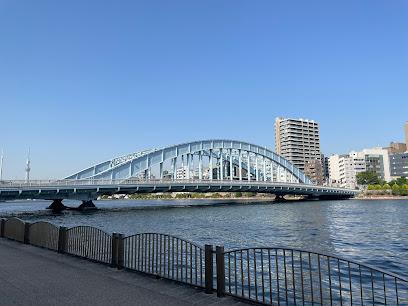
Eitai Bridge
1.2 km
Discover the architectural beauty and scenic views of Eitai Bridge, a must-see landmark in Tokyo that embodies the city's spirit and history.
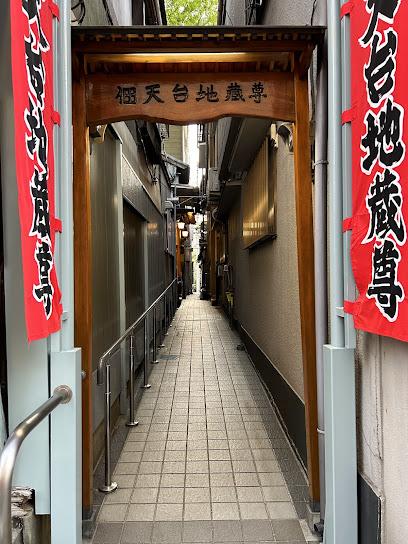
Tsukuda Tendai Jizō-son
1.5 km
Experience serenity at Tsukuda Tendai Jizō-son, a tranquil Buddhist temple in Tokyo, perfect for reflection and cultural immersion.
Harumi Bridge (Former Harumi Railway Bridge)
1.7 km
Explore the Harumi Bridge, a historical landmark in Tokyo offering stunning views and a glimpse into the city's rich engineering heritage.
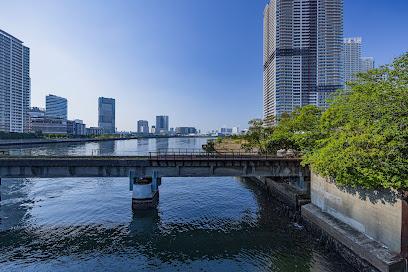
Katsuragawa Hoshuyashiki Ruins/Monument
2.3 km
Discover the Katsuragawa Hoshuyashiki Ruins, a serene historical landmark in Tokyo, perfect for history lovers and peaceful reflection.

Kachidoki Bridge
2.5 km
Explore Kachidoki Bridge in Tokyo, a stunning architectural marvel that offers breathtaking views and a glimpse into the city’s vibrant history.
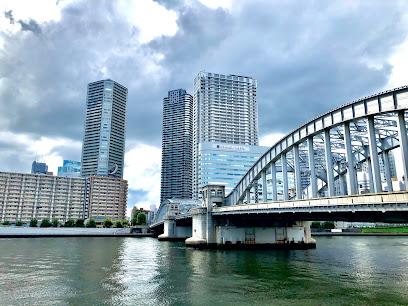
Nihonbashi
2.5 km
Explore Nihonbashi, Tokyo's historic district where tradition meets modernity, featuring shopping, dining, and cultural experiences.
Nihonbashi Bridge
2.6 km
Explore Nihonbashi Bridge in Tokyo, where history meets modernity. Discover the architectural beauty and cultural significance of this iconic landmark.
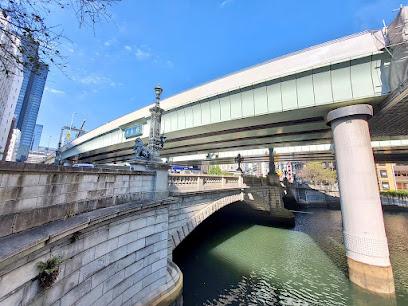
Zero Milestone In Japan
2.7 km
Discover the Zero Milestone in Tokyo's Nihonbashi: the historic origin of Japan's roads and distances, blending tradition with modern city life.
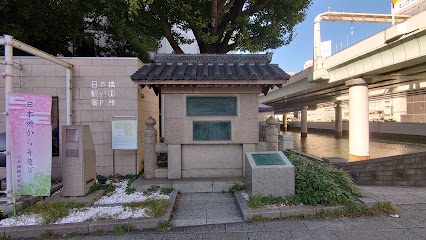
Ryogoku Kokugikan National Sumo Arena
2.9 km
Experience the thrill of sumo wrestling at Tokyo's Ryogoku Kokugikan, the iconic arena hosting major tournaments and a fascinating sumo museum.
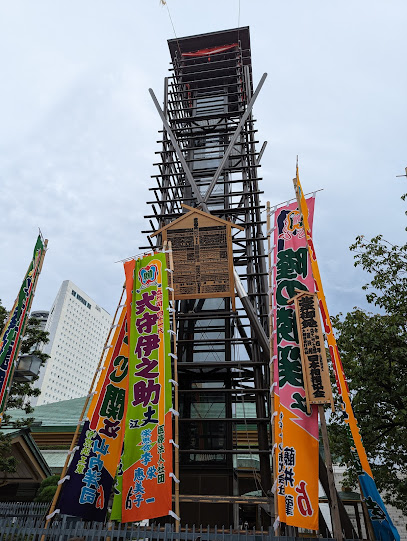
Kabuki-za
2.9 km
Discover the beauty and tradition of Kabuki theatre at the iconic Kabuki-za, a cultural gem located in Tokyo's vibrant Ginza district.
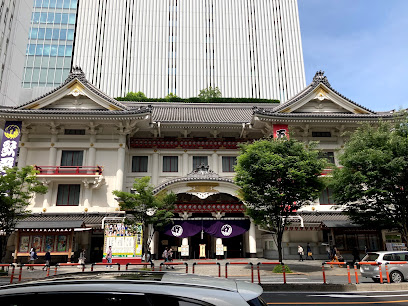
APA Hotel & Resort Ryogoku Eki Tower
2.9 km
Discover the perfect blend of modern comfort and traditional Japanese hospitality at APA Hotel & Resort Ryogoku Eki Tower in Tokyo.
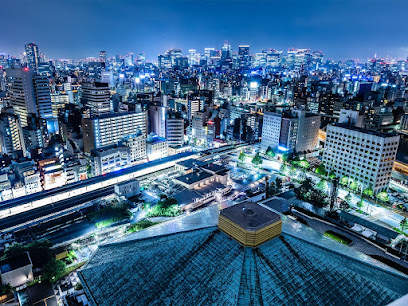
Origin of Ginza Monument
2.9 km
Discover the historical roots of Ginza at the Origin of Ginza Monument, a must-visit site that captures Tokyo's vibrant past and modern allure.
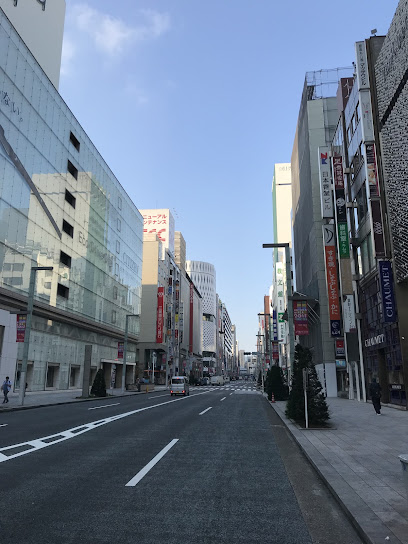
Tokyo International Trade Fair Memorial Monument
3.0 km
Explore the Tokyo International Trade Fair Memorial Monument, a historical landmark celebrating Japan's rich trade legacy in the heart of Chuo City.
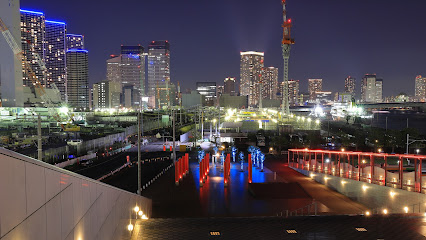
Ginza Central Street
3.0 km
Explore the exquisite shopping, dining, and cultural experiences along Ginza Central Street in Tokyo, a vibrant symbol of modern Japan.
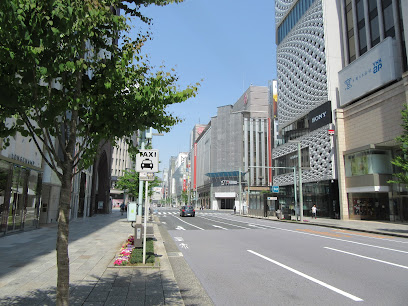
ART AQUARIUM MUSEUM
3.1 km
Explore the enchanting fusion of art and marine life at Tokyo's ART AQUARIUM MUSEUM, where creativity swims in every exhibit.
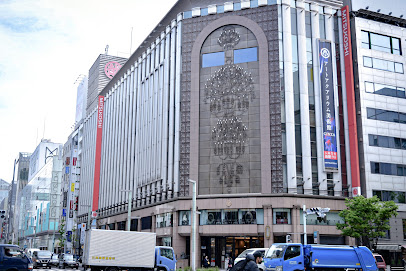
Unmissable attractions to see

Fukagawa Fudou-dō (Naritasan Tokyo branch temple)
0.2 km
Experience a unique blend of traditional Buddhist rituals and modern temple design at Fukagawa Fudou-dō in Tokyo's historic Fukagawa district.
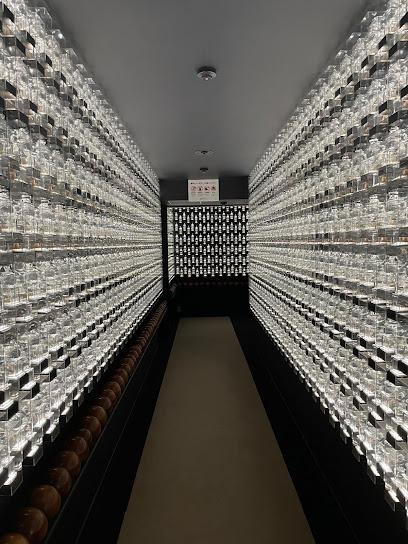
Tatsumi-shindo
0.4 km
Experience the serene beauty and rich cultural heritage of Tatsumi-shindo in Koto City, a must-visit tourist attraction in Tokyo.
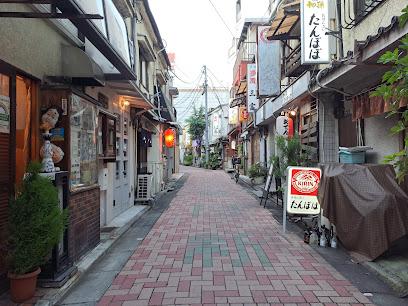
Fukagawa-Enmado Temple
0.5 km
Explore the serene beauty and spiritual essence of Fukagawa-Enmado Temple, a peaceful Buddhist sanctuary in the heart of Tokyo's Koto City.
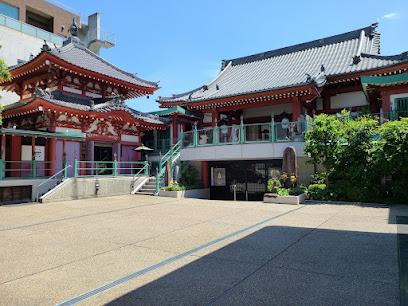
Fukagawa Library
0.9 km
Discover a peaceful retreat in Tokyo's Fukagawa Library, offering a blend of history and modern resources for all ages.
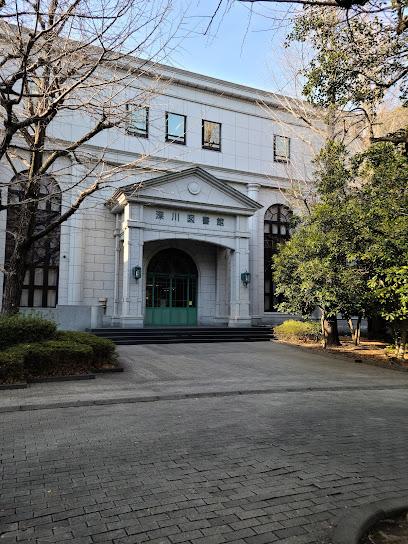
Etchūjima Pier
1.0 km
Experience the serene beauty of Tokyo Bay from Etchūjima Pier, a gateway to enchanting islands and breathtaking views.
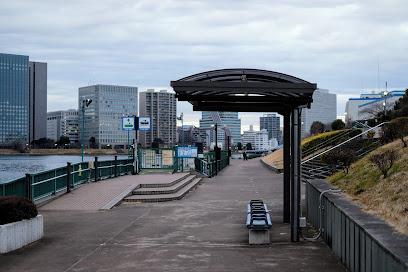
Kiyosumi Gardens
1.0 km
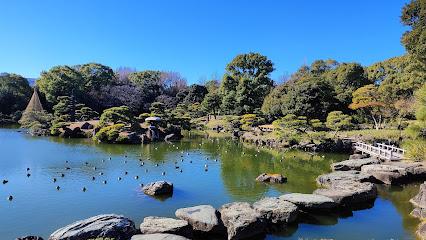
Escape the city bustle in this tranquil strolling garden featuring meticulously arranged stones, a serene pond, and a rich history dating back to the Edo period.
Fukagawa Edo Museum
1.1 km
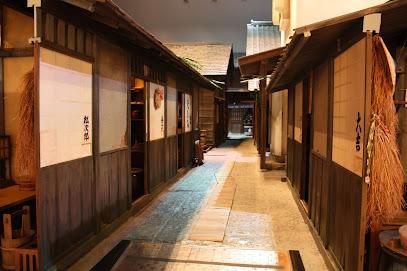
Experience Tokyo's Edo period at the Fukagawa Edo Museum, a hands-on journey through a meticulously recreated 19th-century townscape.
Museum of Contemporary Art Tokyo
1.2 km
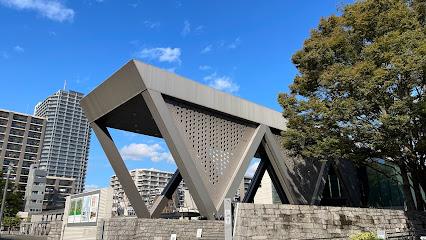
Explore the vibrant world of modern art at the Museum of Contemporary Art Tokyo, showcasing diverse collections and innovative exhibitions.
Sumida River Terrace
1.4 km
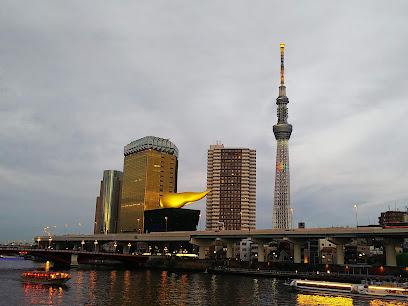
Discover the tranquil beauty of Sumida River Terrace, a scenic park in Tokyo offering stunning river views and cultural experiences.
Tsukuda Park
1.5 km
Escape the city bustle at Tsukuda Park, a waterfront haven in Tokyo with historical charm and tranquil scenery.
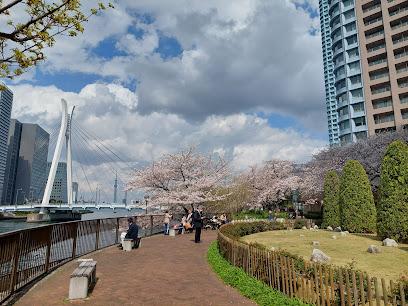
Sumiyoshi Jinja
1.5 km
Discover tranquility at Sumiyoshi Jinja, a historic Shinto shrine in Tokyo dedicated to the sea gods, offering a peaceful escape from the city.
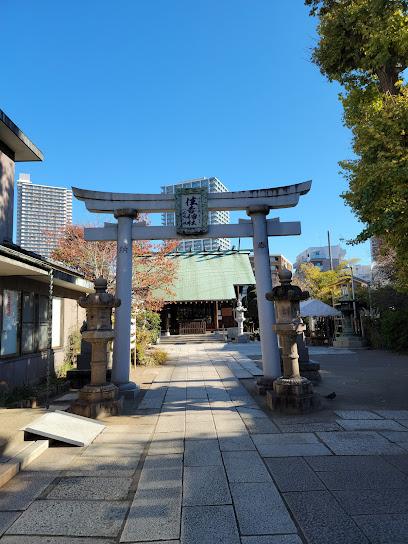
Tsukudakobashi Bridge
1.5 km
Explore Tokyo's modern charm and historical roots with a scenic walk or bike ride across Tsukudakobashi Bridge in Chuo City.
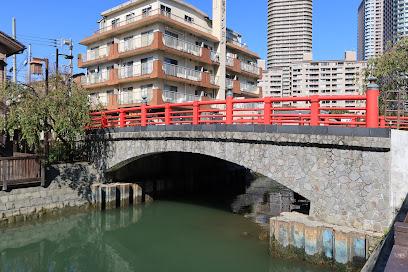
Yokojukkengawa Water Park
1.5 km
Experience the ultimate family fun at Yokojukkengawa Water Park in Koto City, Tokyo, where adventure meets relaxation in a stunning natural setting.
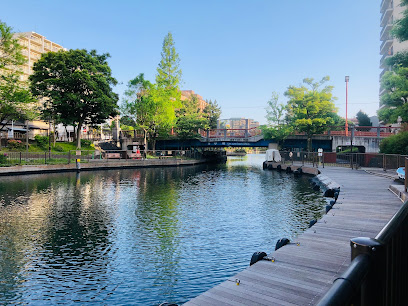
Basho Memorial Hall
1.7 km
Explore the legacy of Matsuo Basho at the Basho Memorial Hall in Koto City, Tokyo, a unique cultural journey into the world of haiku.
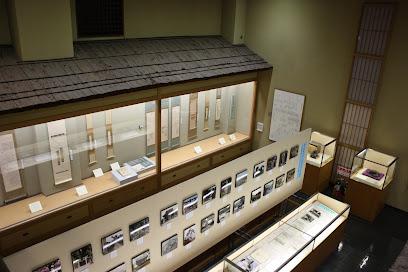
Tsukishima Monja Street
1.8 km
Discover Tokyo's soul food on Tsukishima Monja Street: a savory pancake adventure in a nostalgic, old-town setting.
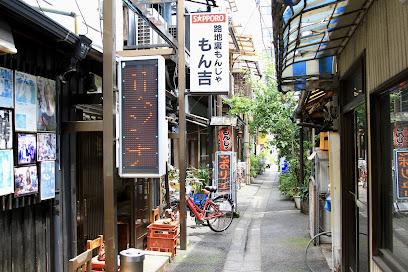
Essential places to dine

Mikawa Zezankyo
0.7 km
Experience the finest tempura dining at Mikawa Zezankyo in Tokyo - where culinary artistry meets tradition.
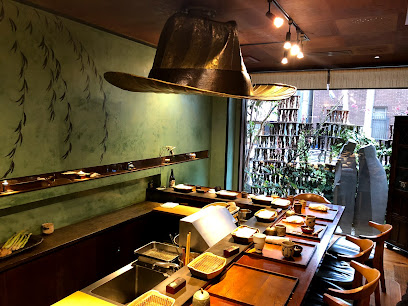
焼肉 粋 iki 門前仲町
1.0 km
Discover Monzen-Nakacho's finest yakiniku restaurant offering premium cuts and authentic flavors for an exceptional culinary experience.
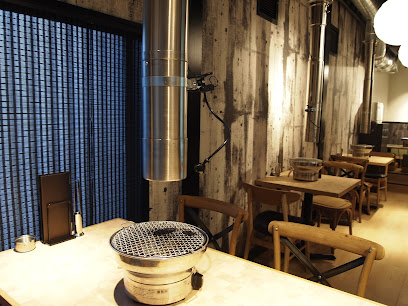
little iki
1.4 km
Discover the flavors of Japan at Little Iki, where culinary excellence meets warm hospitality in the heart of Tokyo.
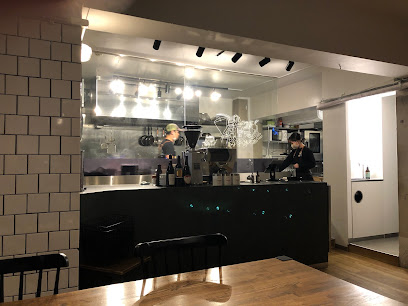
Niku no Tajima
1.6 km
Experience premium Yakiniku dining at Niku no Tajima in Tokyo - where every bite is a celebration of exquisite flavors.
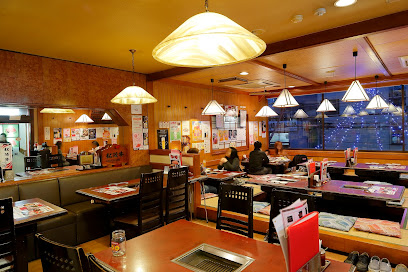
IKI OYSTER BAR
1.8 km
Discover the best fresh oysters and seafood delicacies at IKI OYSTER BAR in Tokyo's Tsukishima—an unforgettable culinary experience awaits.
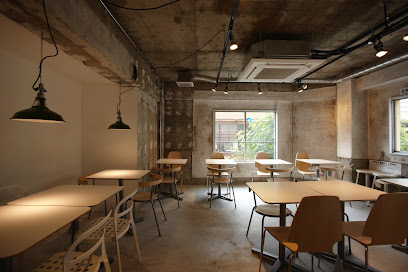
Sushi Tempura Aki
2.0 km
Discover the exquisite flavors of Japan at Sushi Tempura Aki - where fresh sushi meets crispy tempura in a delightful dining experience.
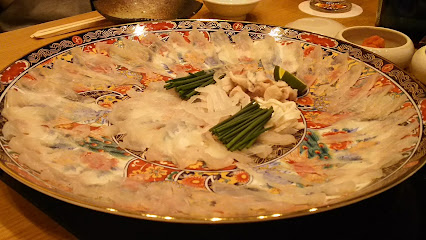
Edomae Shinsaku
2.1 km
Discover the authentic flavors of Edomae-style tempura at Edomae Shinsaku in Tokyo's vibrant Chuo City.
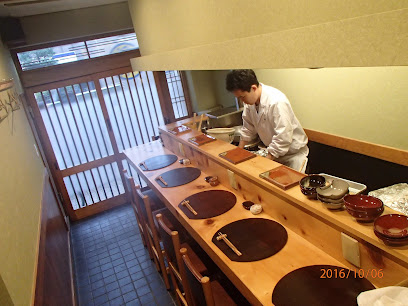
Japanese Restaurant
2.3 km
Experience authentic Japanese izakaya culture in Chuo City, Tokyo with exquisite dishes and a warm atmosphere.
Wagyu to Worldwide
2.5 km
Experience the fusion of American comfort food and Japanese culinary artistry at Wagyu to Worldwide in Tokyo's vibrant Chuo City.
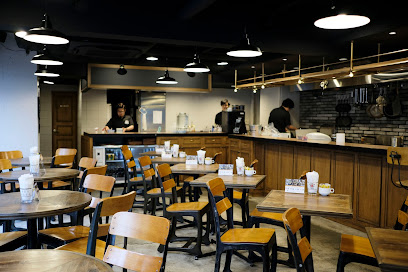
Quan Hoi An
2.6 km
Discover authentic Vietnamese flavors at Quan Hoi An, a hidden gem in Tokyo's Ryogoku district offering delicious dishes in a cozy setting.
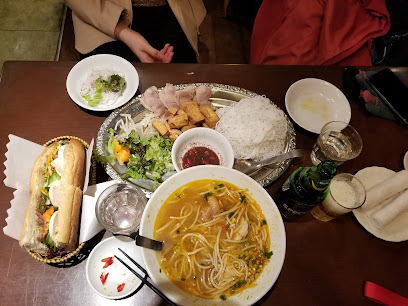
Taimeiken
2.6 km
Experience the unique fusion of Japanese and Western flavors at Taimeiken in Tokyo—home of the legendary omelette rice.
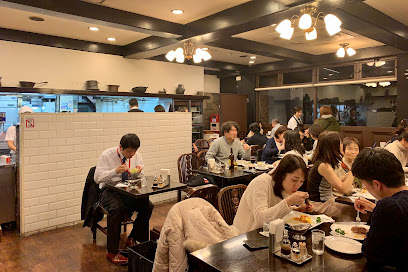
SUGIDAMA Ryogoku
2.6 km
Experience exquisite sushi and creative Japanese cuisine at SUGIDAMA Ryogoku – a culinary delight in Tokyo's vibrant sumo district.
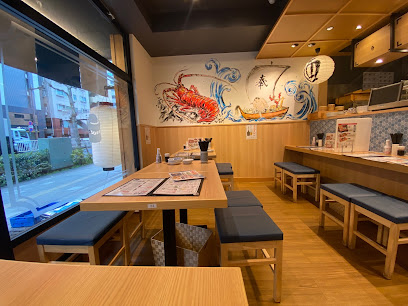
Steak Shima
2.6 km
Experience unparalleled flavors at Steak Shima, Tokyo's premier steakhouse known for its exquisite cuts and luxurious dining atmosphere.
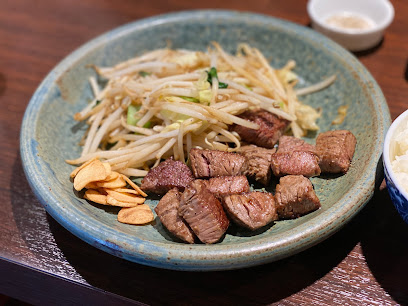
Seiju
2.6 km
Savor authentic tempura at Seiju, where every bite offers a taste of Japan's culinary heritage in Tokyo's vibrant Tsukiji district.
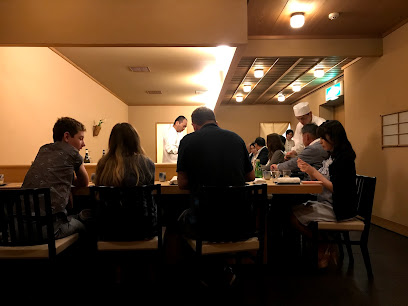
Hana no Mai Restaurant & Edo Tokyo Museum
2.7 km
Discover authentic Japanese flavors at Hana no Mai Restaurant near Edo Tokyo Museum – where tradition meets taste.
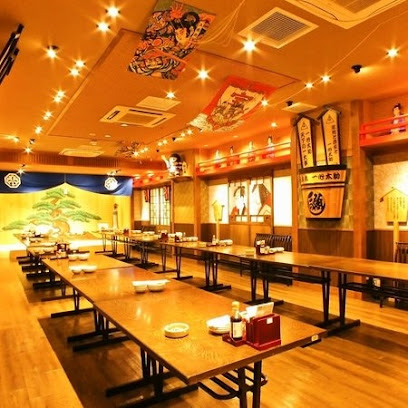
Markets, malls and hidden boutiques

Yurindo
2.0 km
Explore Yurindo in Toyosu, Tokyo—a vibrant destination for magazine lovers and stationery enthusiasts, offering unique gifts and creative inspiration.
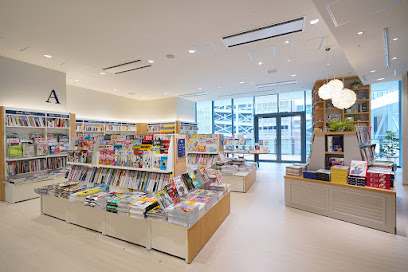
Nihombashi Takashimaya S.C.
2.6 km
Discover the epitome of luxury shopping at Nihombashi Takashimaya S.C., where modern elegance meets traditional Japanese charm in the heart of Tokyo.
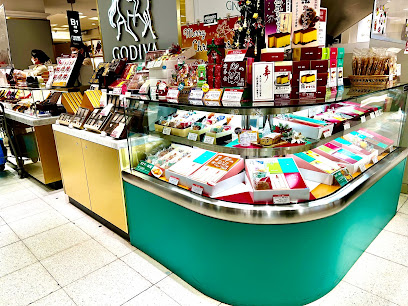
Kawachiya liquor Kinshicho shop
2.8 km
Explore the finest selection of Japanese sake and spirits at Kawachiya Liquor Kinshicho Shop, a hidden gem in Tokyo's Sumida City.
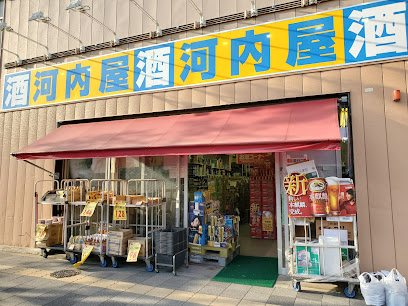
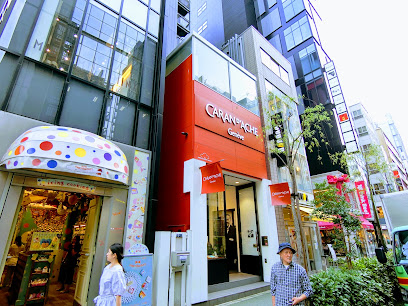
Caran d'Ache Boutique Ginza
2.9 km
Discover exquisite stationery and painting supplies at Caran d'Ache Boutique Ginza, Tokyo's premier destination for art lovers.
HANDS Tokyo Store
3.0 km
Explore HANDS Tokyo Store, a vibrant gift shop featuring unique souvenirs, DIY supplies, and a variety of home and stationery products in the heart of Tokyo.

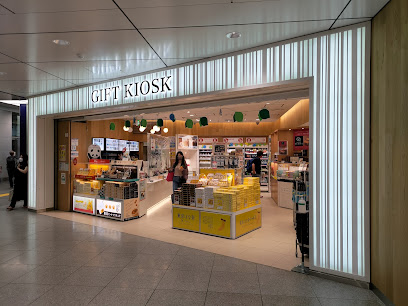
Gift Kiosk
3.0 km
Explore the vibrant Gift Kiosk in Tokyo for unique souvenirs that celebrate Japanese culture and make your travel memories unforgettable.
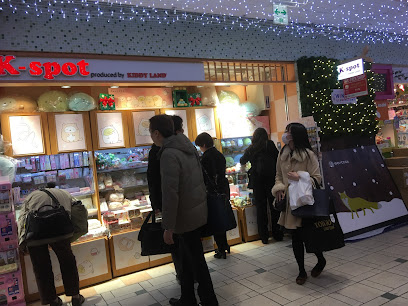
K-spot
3.0 km
Discover unique Japanese souvenirs at K-spot in Tokyo's Marunouchi, a perfect blend of tradition and modernity for every traveler.
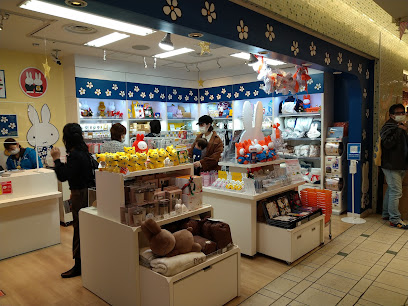
Tokyo Character Street
3.0 km
Explore Tokyo Character Street - A vibrant shopping mall celebrating the essence of Japanese pop culture with unique character-themed stores.
Eslite Spectrum Nihonbashi
3.0 km
Discover the charm of Eslite Spectrum Nihonbashi, Tokyo's cultural hub blending literature, shopping, and art in a stunning setting.
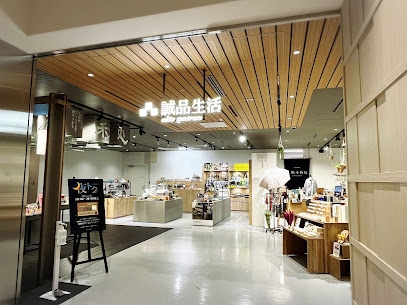
G-Star RAW Store
3.0 km
G-Star RAW Store in Tokyo's Ginza district: A fashion hub for denim lovers and trendsetters, blending style and sustainability.
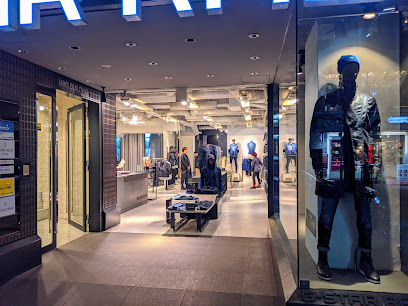
First Avenue Tokyo Station
3.0 km
Experience the heart of Tokyo at First Avenue Tokyo Station, a shopping and dining paradise beneath the iconic station.
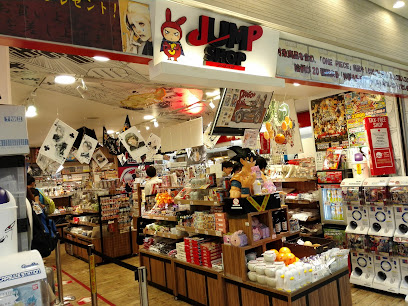
Mitsukoshi Ginza
3.1 km
Explore Mitsukoshi Ginza, a luxurious department store in Tokyo's vibrant Ginza district, blending shopping, dining, and culture in one iconic location.
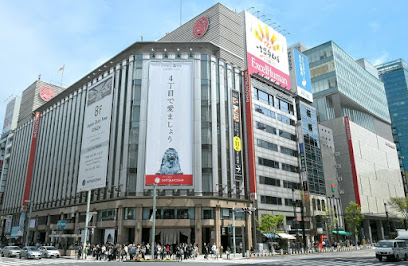
SEIKO DREAM SQUARE
3.2 km
Discover timeless elegance at Seiko Dream Square, Tokyo's premier destination for exquisite watches and rich craftsmanship.
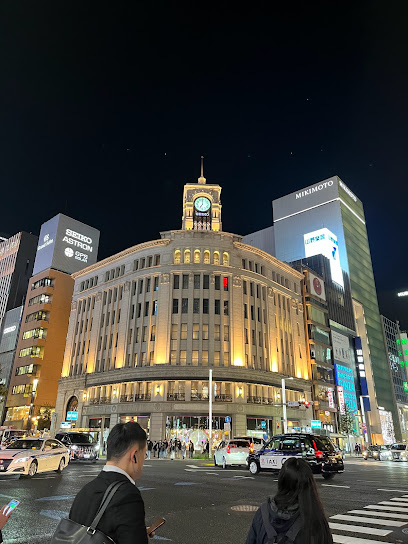
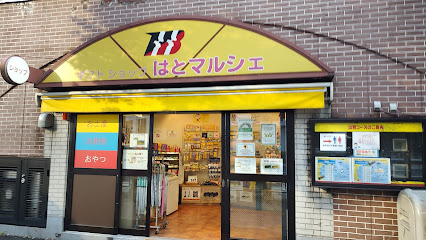
HATO MARCHE Gift Shop
3.2 km
Explore HATO MARCHE Gift Shop in Tokyo for unique souvenirs and gifts that embody the spirit of Japan, perfect for every traveler.
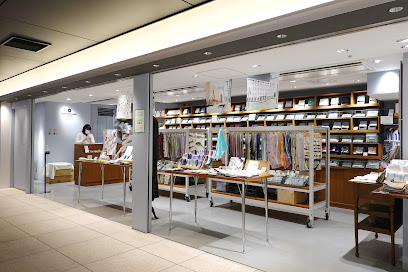
OLD-FASHIONED STORE TOKYO
3.2 km
Experience a delightful blend of nostalgia and modernity at Old-Fashioned Store Tokyo, where unique fashion accessories and novelty items await.
Essential bars & hidden hideouts

jungle-A
0.3 km
Experience Tokyo's nightlife at Jungle-A Bar, where vibrant drinks meet a lively atmosphere for an unforgettable evening.
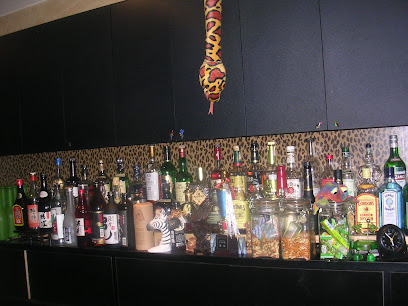
G-FOREST
2.7 km
Experience the vibrant nightlife of Tokyo at G-FOREST, where friendly service and great drinks await you.
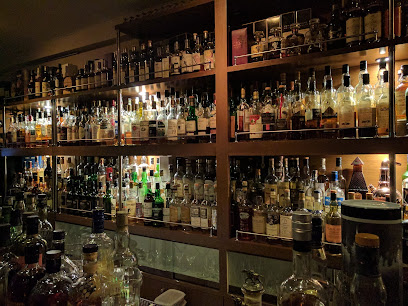
Beer Club Popeye
2.7 km
Discover a diverse selection of local and international beers at Beer Club Popeye in Tokyo's vibrant Ryogoku district.
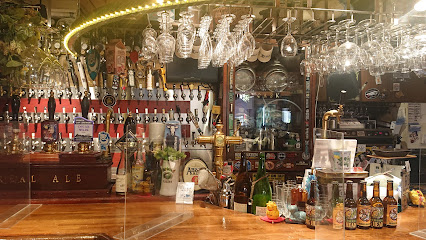
COCKTAIL WORKS Tokyo
2.7 km
Experience the dynamic nightlife of Tokyo at Cocktail Works, where expertly crafted cocktails meet a stylish ambiance in the heart of Nihonbashi.
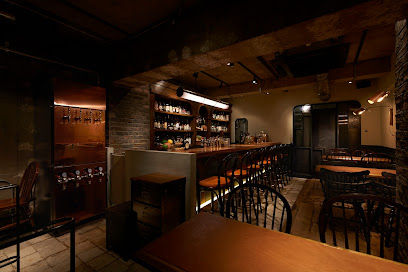
Kamiawa Bar
2.8 km
Discover the cozy charm of Kamiawa Bar in Tokyo's Yaesu district—where local flavors and warm hospitality await you.
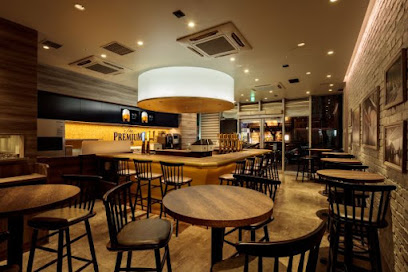
Bar Ocean
2.9 km
Discover the vibrant nightlife of Tokyo at Bar Ocean, where creative cocktails meet a lively atmosphere in the heart of the city.
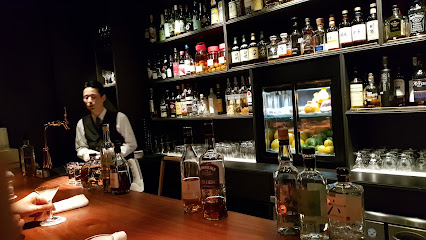
Mandarin Bar
2.9 km
Experience elegance and stunning views at the Mandarin Bar, Tokyo's premier destination for exquisite cocktails and fine dining.
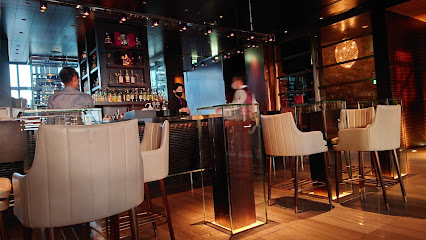
Star Bar Ginza
3.0 km
Discover the refined cocktail experience at Star Bar Ginza, where expert mixologists create exceptional drinks in a chic setting.
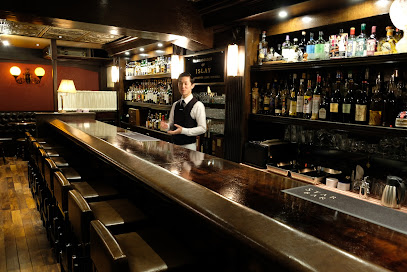
BAR PENGUIN
3.0 km
Experience the vibrant nightlife of Tokyo at Bar Penguin, a cozy bar in Ginza with exquisite cocktails and a welcoming atmosphere.
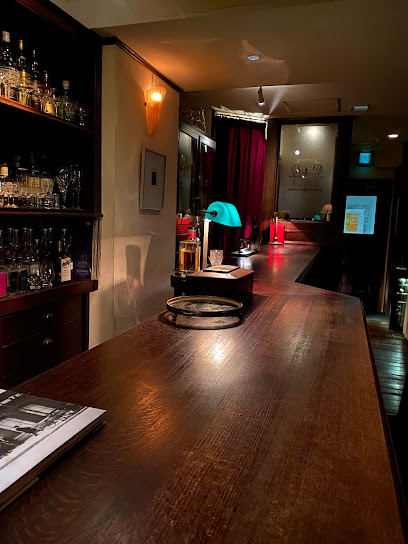
Bar Takasaka
3.0 km
Experience the vibrant nightlife of Tokyo at Bar Takasaka, where expertly crafted cocktails and an inviting atmosphere await.
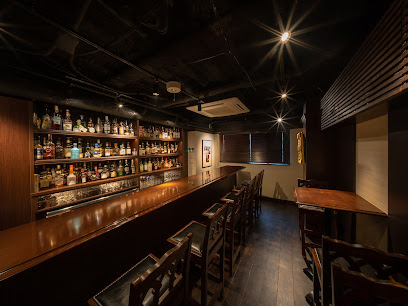
Hitachino Brewing Lab Tokyo
3.0 km
Discover the art of craft brewing at Hitachino Brewing Lab Tokyo, where tradition meets innovation in every sip.
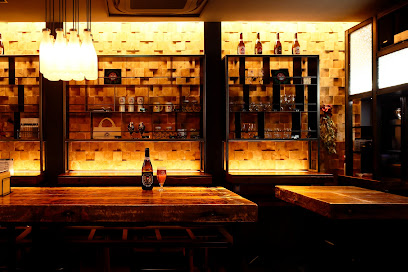
Tír na nÓg
3.1 km
Discover Tír na nÓg: A Unique Irish Bar Experience in the Heart of Tokyo's Ginza District, Where Culture Meets Culinary Delights.
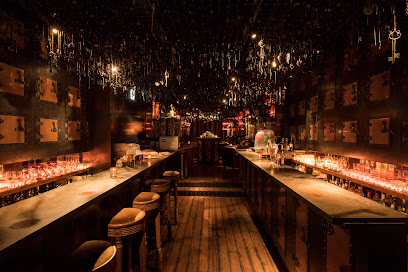
MOD
3.1 km
Experience the heart of Tokyo's nightlife at MOD, a trendy bar offering a vast selection of whiskies and a cozy atmosphere.
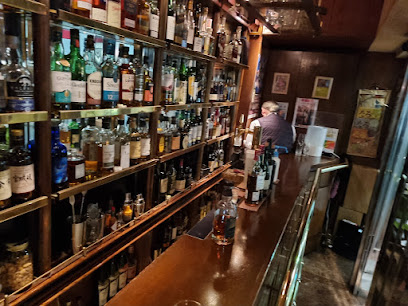
Hitachino Brewing Marunouchi
3.1 km
Experience the essence of Japanese craft brewing at Hitachino Brewing Marunouchi, a vibrant brewpub in the heart of Tokyo offering unique beers and delicious cuisine.
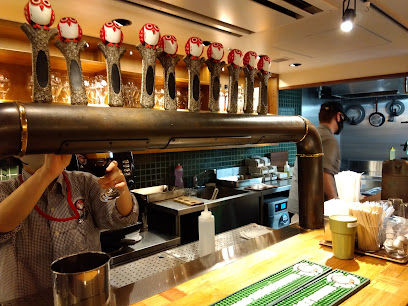
Ginza 300 Bar
3.1 km
Experience the lively atmosphere of Ginza 300 Bar, where affordable cocktails meet the vibrant nightlife of Tokyo's Ginza district.
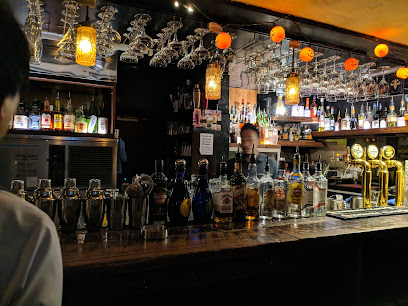
Nightclubs & after hour spots

Night Club Raise
3.4 km
Immerse yourself in the exhilarating nightlife of Tokyo at Night Club Raise, where music and vibrant energy create unforgettable memories.
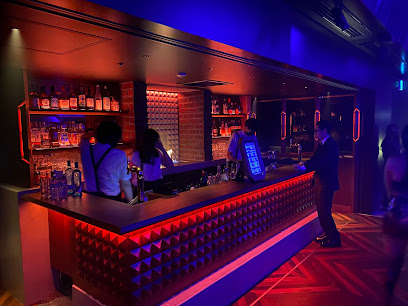
CATTUS
3.4 km
Experience the electrifying nightlife of Tokyo at CATTUS, Ginza's premier night club, where music and energy meet in an unforgettable atmosphere.
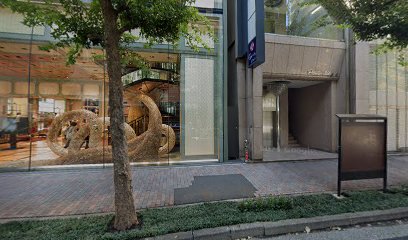
club Lounge Uen (ゆえん)
3.4 km
Discover the energy of Tokyo's nightlife at Club Lounge Uen, a stylish club in the heart of Ginza with exceptional drinks and captivating ambiance.
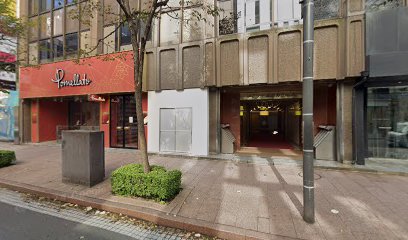
ジニアス東京
3.4 km
Discover the electrifying nightlife of Geniustokyo, a premier night club in the heart of Ginza, where music and energy meet for an unforgettable experience.
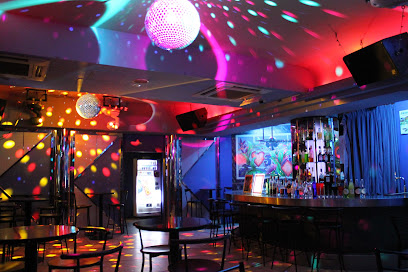
club socie GLAM CLUB
3.5 km
Experience the electrifying nightlife at Club Socie, Tokyo's premier night club in the vibrant Ginza district, where luxury meets excitement.
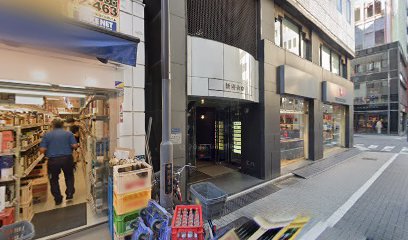
銀座九尾
3.5 km
Discover the ultimate karaoke experience at 銀座九尾 in Ginza, Tokyo, where entertainment meets style in a vibrant nightlife setting.
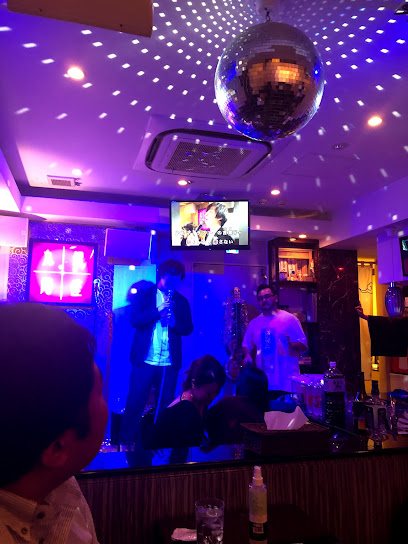
Zouk Tokyo
3.6 km
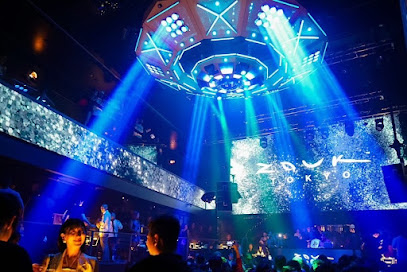
Experience the electrifying nightlife of Zouk Tokyo, where world-class DJs and an immersive atmosphere create unforgettable nights in the heart of Ginza.
Ginza Club Cotton Club
3.6 km
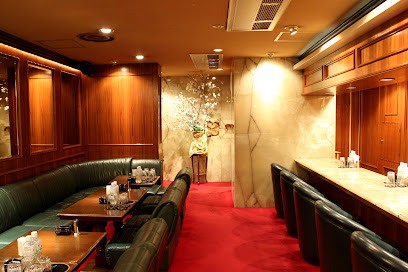
Discover the heart of Tokyo's nightlife at Ginza Club Cotton Club, where cabaret meets live music in a vibrant atmosphere.
オアシス GENTLEMAN CLUB OASIS
3.6 km
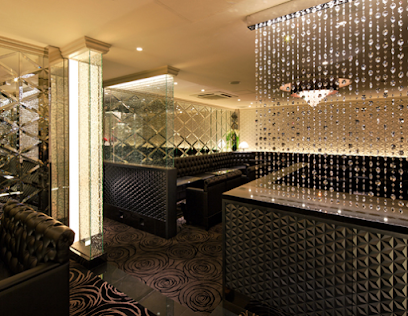
Discover the vibrant nightlife at GENTLEMAN CLUB OASIS, Tokyo's premier night club and cabaret in the upscale Ginza district.
YAH TOKYO
3.6 km
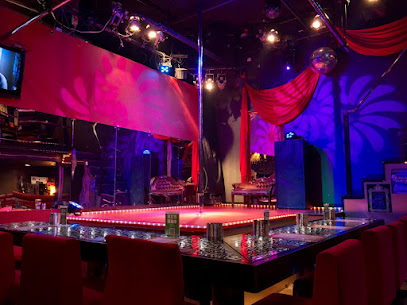
Discover the lively ambiance and unique hospitality of YAH TOKYO, a premier girl bar in Ginza, where unforgettable nights await.
CLUB LEGACY(レガシー)
3.6 km
Discover the vibrant nightlife at CLUB LEGACY, Tokyo's premier cabaret club, where entertainment and excitement await every visitor.
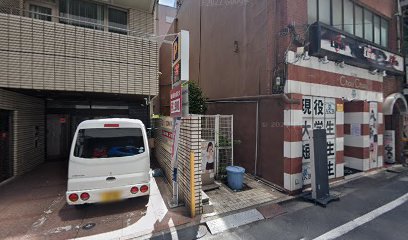
Chouchou Akihabara
3.6 km
Experience the enchanting world of cabaret at Chouchou Akihabara, where dazzling performances meet the heart of Tokyo's nightlife.
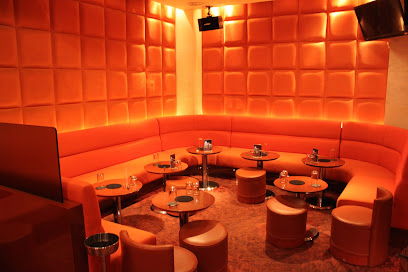
M kaupili club
3.7 km
Discover the vibrant nightlife of Tokyo at M kaupili Club - where spirited beats and electrifying dance create unforgettable moments.
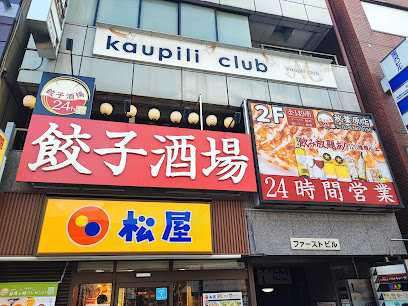
Club Platinum
3.7 km
Experience Tokyo's nightlife at Club Platinum, where vibrant cabaret performances meet exquisite hospitality in Akihabara.
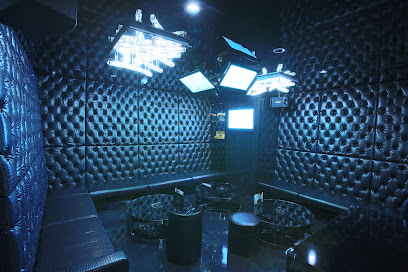
マベル Club Ma.Belle
3.7 km
Discover the vibrant nightlife of Tokyo at Club Ma.Belle, where captivating performances and a lively atmosphere await you.