Kawaguchi Asama Shrine: Gateway to Mount Fuji's Sacred Heritage
Discover a serene Shinto shrine with breathtaking views of Mount Fuji, ancient cedar trees, and a rich spiritual history dating back to 865.
Kawaguchi Asama Shrine, nestled in Fujikawaguchiko, Yamanashi Prefecture, is a serene Shinto shrine dedicated to Mount Fuji. Founded in 865 to appease the volcano's eruptions, it offers stunning views and a tranquil atmosphere, attracting visitors seeking spiritual connection and natural beauty.
A brief summary to Kawaguchi Asama Shrine
- 1 Kawaguchi, Fujikawaguchiko, Kawaguchi, Minamitsuru District, Yamanashi, 401-0304, JP
- +81555-76-7186
- Visit website
- Monday 9 am-4 pm
- Tuesday 9 am-4 pm
- Wednesday 9 am-4 pm
- Thursday 9 am-4 pm
- Friday 9 am-4 pm
- Saturday 9 am-4 pm
- Sunday 9 am-4 pm
Local tips
- Visit early in the morning on weekdays to avoid crowds and enjoy a peaceful experience.
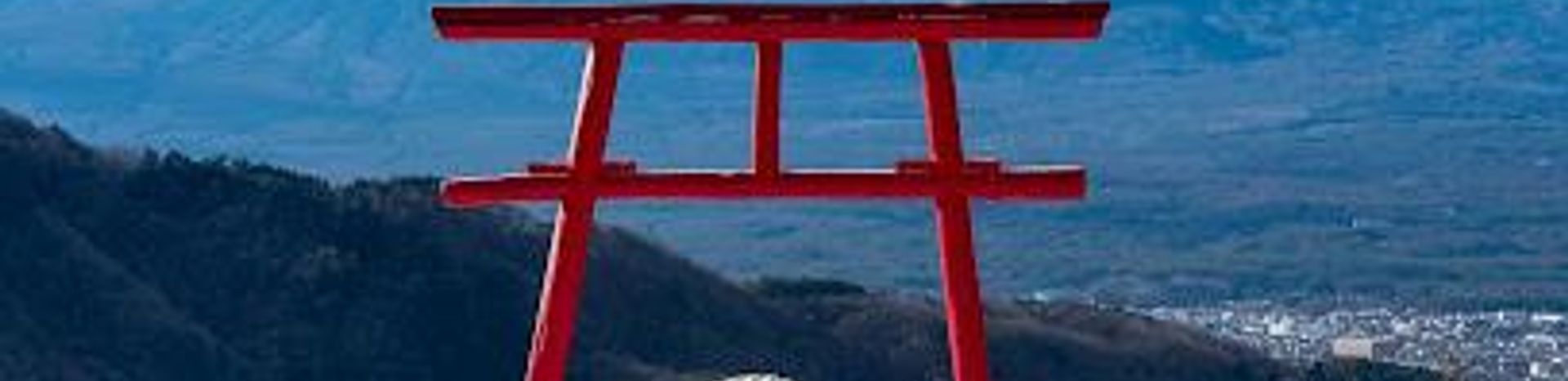
- Take the 30-minute uphill walk to Tenku no Torii for stunning views of Mount Fuji, but wear comfortable shoes.
- Explore the seven sacred cedar trees, some over 1,200 years old, and learn about their individual significance.
- Attend the Magomi Matsuri festival on April 25 to witness the Chigo no Mai ritual dance.

Getting There
-
Public Transport
From Kawaguchiko Station, take the red line sightseeing bus to the Itchiku Kubota Art Museum bus stop. The bus ride takes approximately 20 minutes. From the bus stop, walk approximately 15 minutes to the shrine. The bus fare is around ¥440.
-
Walking
From the Kawaguchiko Post Office bus stop, walk for about 4 minutes down the road; the shrine will be on your right. To reach the Tenku no Torii from the main shrine, it's approximately a 30-minute uphill walk. Note that the path is steep in places.
Discover more about Kawaguchi Asama Shrine
Iconic landmarks you can’t miss

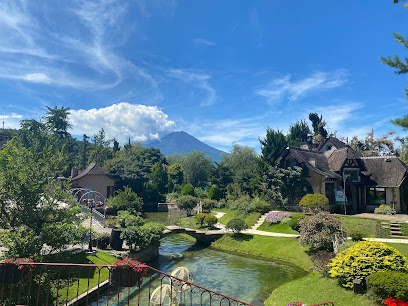
Kawaguchiko Music Forest Museum
1.1 km
Discover the enchanting world of music and art at Kawaguchiko Music Forest Museum, where stunning gardens meet melodic marvels near Mount Fuji.
Lake Kawaguchi Maple Corridor
1.3 km
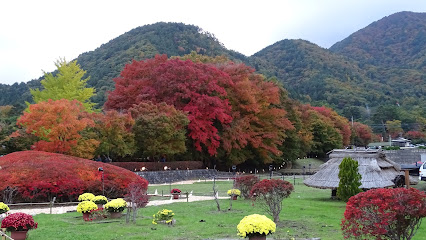
Discover the breathtaking beauty of autumn at Lake Kawaguchi Maple Corridor, a stunning tourist attraction in Fujikawaguchiko, Japan.
Kubota Itchiku Art Museum
1.4 km
Discover the mesmerizing world of Itchiku Kubota's textile art at the Kubota Itchiku Art Museum, surrounded by stunning views of Mount Fuji.
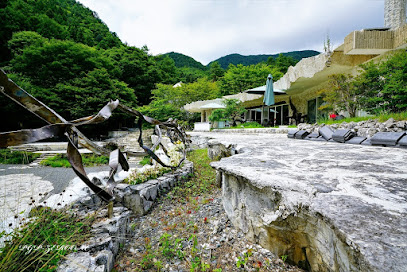
Takeda Shingen Warring States Plaza Picturesque Lookout
3.0 km
Discover the stunning beauty of Mount Fuji and the rich history of the Takeda Shingen Warring States Plaza, an unforgettable observation deck experience.
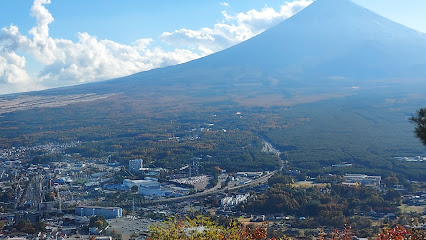
河口湖天上山(カチカチ山)の武田信玄戦国広場
3.0 km
Explore Kachikachi Mountain in Fujikawaguchiko, a scenic destination with stunning views of Mount Fuji and family-friendly hiking trails.
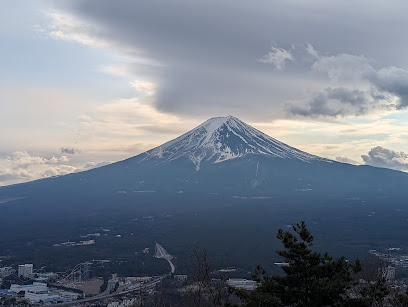
Arakurayama Sengen Park
4.1 km
Explore Arakurayama Sengen Park: A serene oasis with breathtaking views of Mount Fuji, cherry blossoms, and rich cultural heritage.
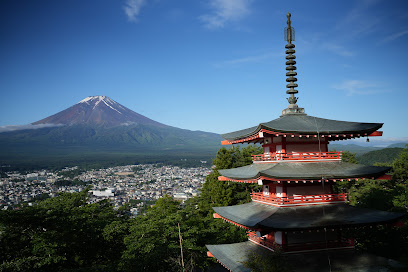
富士山x街道拍攝景點(日川時計店)
5.0 km
Explore Fujiyoshida: A tourist attraction where the art of clock and watch making meets breathtaking views of Japan's stunning landscapes.
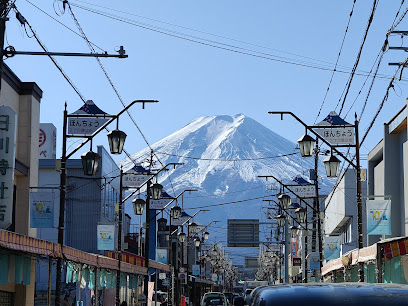
Fujisan World Heritage Center
5.0 km
Explore the cultural heritage of Mount Fuji at the Fujisan World Heritage Center, where nature, history, and education converge.
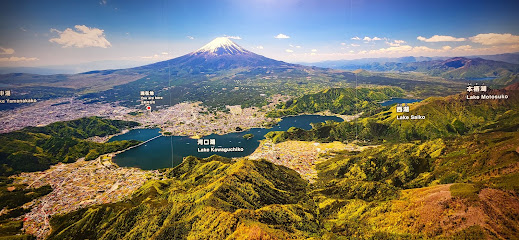
Fujiyama Tower
5.1 km
Experience breathtaking panoramic views of Mount Fuji from atop the thrilling Fujiyama Tower at Fuji-Q Highland.
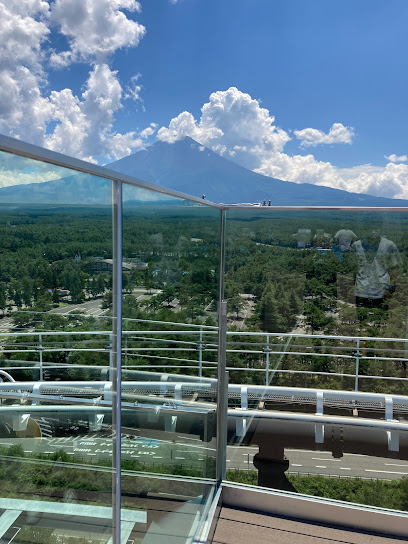
La Ville de Gaspard Et Lisa
5.1 km
Discover the enchanting La Ville de Gaspard Et Lisa, where French charm meets thrilling amusement park fun near Mount Fuji.
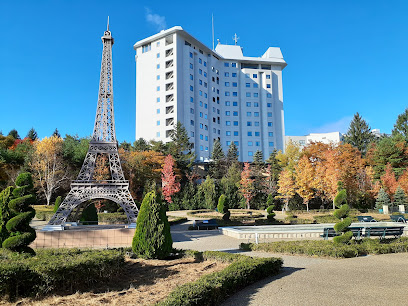
Shinobi No Sato Ninja Village
9.1 km
Experience the thrill of ninjas at Shinobi No Sato Ninja Village, a unique theme park in Japan blending culture, entertainment, and adventure.
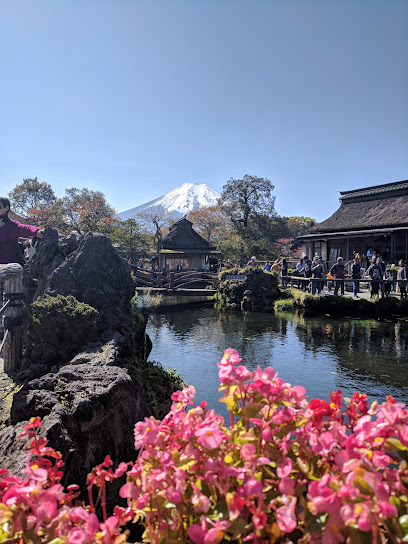
Oshino Hakkai
9.5 km
Discover the serene beauty of Oshino Hakkai, where crystal-clear ponds meet stunning views of Mount Fuji in a picturesque Japanese village.
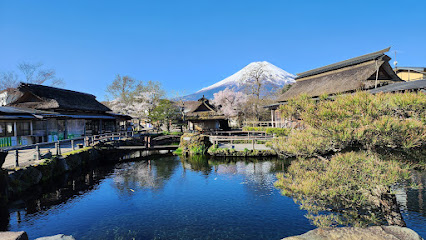
経塚古墳
14.9 km
Discover Kōbō, a historical landmark in Fuefuki, Yamanashi, where culture and nature intertwine for a memorable travel experience.
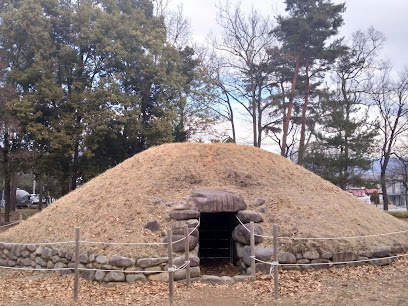
Chateau Mercian Wine Museum
15.0 km
Explore the rich heritage of Japanese winemaking at the Chateau Mercian Wine Museum in Yamanashi, where tradition meets innovation and flavor.
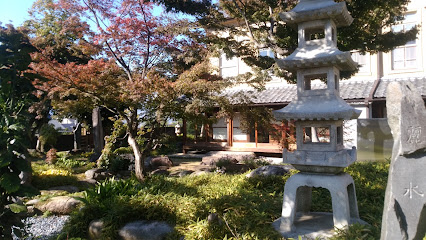
Hinode Observatory Deck
15.5 km
Experience unparalleled views of Mount Fuji and the stunning landscapes of Yamanashi at the scenic Hinode Observatory Deck, a must-visit destination.
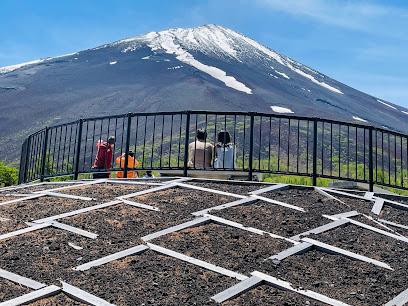
Unmissable attractions to see

Mount Fuji Distant Worship Site (Tenku no Torii)
0.5 km
Experience the serene beauty and spiritual significance of Mount Fuji Distant Worship Site, a must-visit Shinto shrine in Yamanashi, Japan.
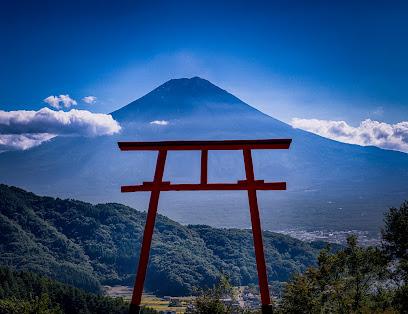
Kawaguchiko Konohana Museum
1.2 km
Explore the artistic beauty of Kawaguchiko Konohana Museum, where nature and creativity blossom in perfect harmony.
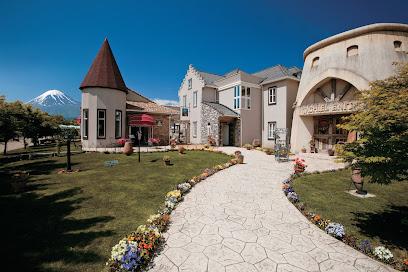
Mt. Fuji Photo stand
1.2 km
Experience breathtaking views at the Mt. Fuji Photo Stand, the perfect spot for unforgettable memories and stunning photographs of Japan's iconic mountain.
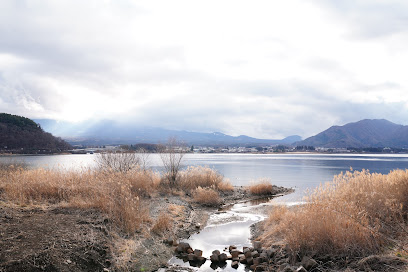
Lake Kawaguchi Art Gallery Lawn Square
1.4 km
Experience art and nature in perfect harmony at Lake Kawaguchi Art Gallery Lawn Square, a stunning destination near Japan's iconic Mount Fuji.
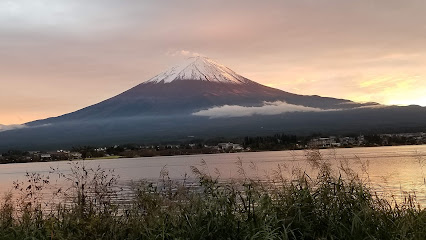
Komagari Observation Plaza
2.8 km
Discover stunning views of Mount Fuji and Lake Kawaguchi at the Komagari Observation Plaza, a must-visit tourist attraction in Yamanashi.
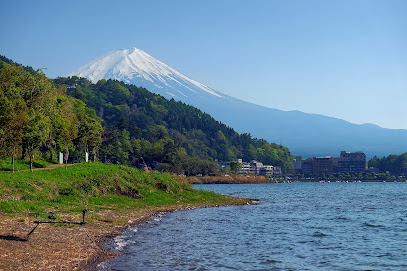
Kawaguchiko Natural Living Center
2.8 km
Experience the serene beauty of Kawaguchiko Natural Living Center, where nature meets culture at the foot of Mount Fuji.
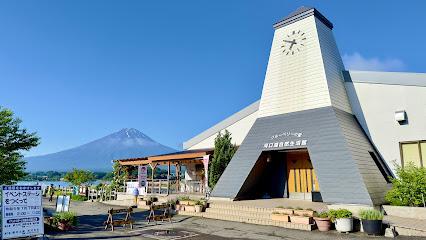
Fuji Flower Child
3.0 km
Discover the breathtaking floral beauty and stunning views of Mount Fuji at Fuji Flower Child, a must-visit tourist attraction in Yamanashi, Japan.
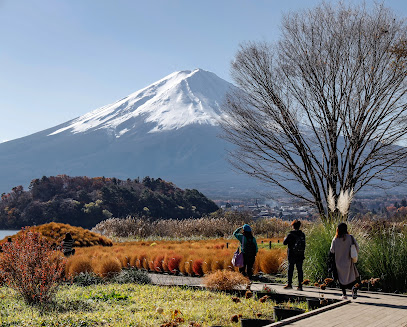
Yamanashi Gem Museum
3.0 km
Discover a dazzling collection of gemstones from around the world at the Yamanashi Gem Museum near Mount Fuji.
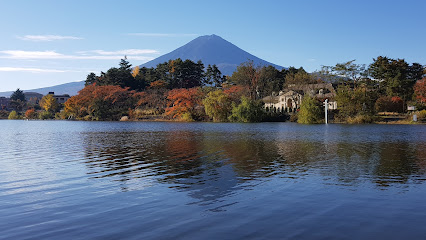
Mt. Fuji Panoramic Ropeway
3.0 km
Discover breathtaking views and serene landscapes at Mt. Fuji Panoramic Ropeway, a stunning attraction near Japan's iconic Mt. Fuji.
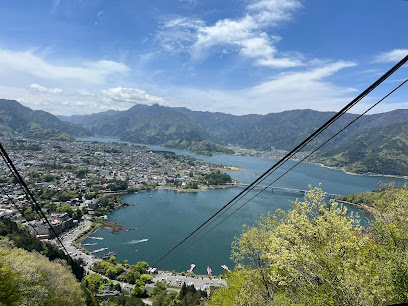
Kawaguchiko Tenjoyama Park
3.1 km
Experience breathtaking views of Mount Fuji and serene natural landscapes at Kawaguchiko Tenjoyama Park, a must-visit destination in Japan.
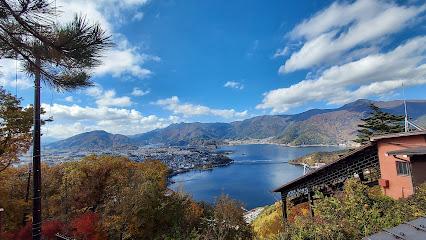
Tenjo Bell
3.1 km
Discover the breathtaking views of Mount Fuji at Tenjo Bell, a tranquil tourist attraction in Fujikawaguchiko, perfect for nature lovers and photographers.
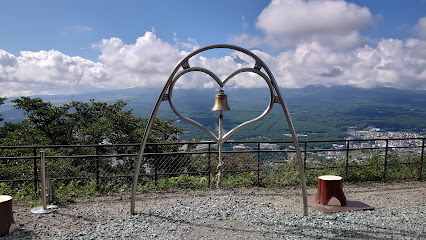
天上山全景走廊
3.1 km
Explore the tranquil beauty of Tensha-en Garden, where stunning views of Mount Fuji and serene landscapes await your visit.
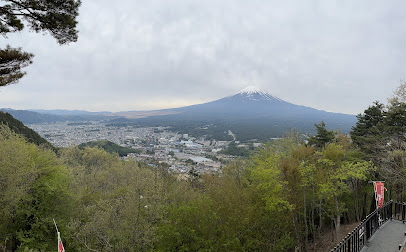
Gateway Fujiyama Lake Kawaguchiko Station
3.7 km
Explore Gateway Fujiyama Lake Kawaguchiko Station for unique souvenirs and delightful coffee, all with stunning views of Japan's iconic Mount Fuji.
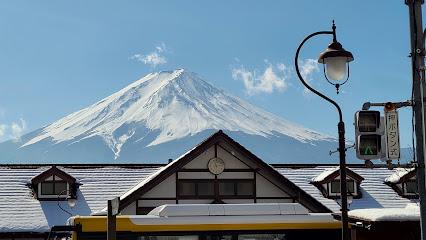
Arakura Fuji Sengen Shrine
4.1 km
Discover tranquility and breathtaking views at Arakura Fuji Sengen Shrine, an iconic Shinto shrine nestled near Mount Fuji.
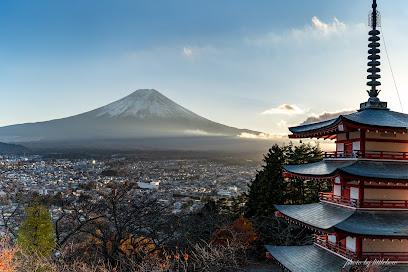
FUJIYAMA Twin Terrace
4.3 km
Experience the stunning vistas of Mount Fuji at FUJIYAMA Twin Terrace, a must-visit observation deck in Yamanashi, Japan, perfect for nature lovers and photographers.
Essential places to dine

Kawaguchiko Country Cottage Ban
1.0 km
Discover Kawaguchiko Country Cottage Ban: A scenic dining experience blending local flavors and breathtaking views in Fujikawaguchiko.

Momijitei-Hoto
1.2 km
Experience authentic Japanese flavors at Momijitei-Hoto - famous for its hearty Hoto noodles amidst breathtaking views.
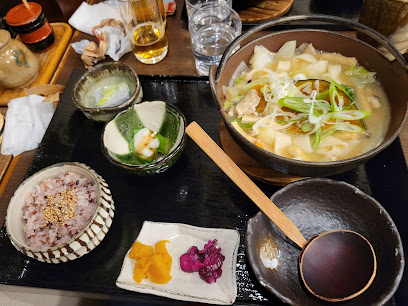
Tetsuyaki
3.7 km
Experience authentic teppanyaki at Tetsuyaki in Fujikawaguchiko—where culinary art meets breathtaking views.
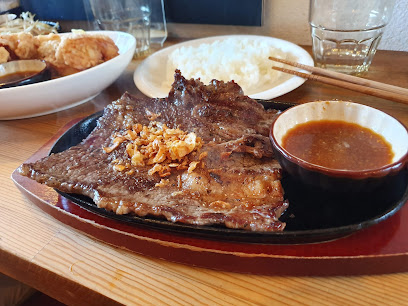
The Garden Resort & Condominium
4.0 km
Experience tranquility at The Garden Resort & Condominium, your serene retreat near Mount Fuji with breathtaking views and modern comforts.
Sanrokuen
4.2 km
Experience authentic Japanese cuisine at Sanrokuen - savor delicious Kushiyaki skewers with breathtaking views of Mount Fuji.
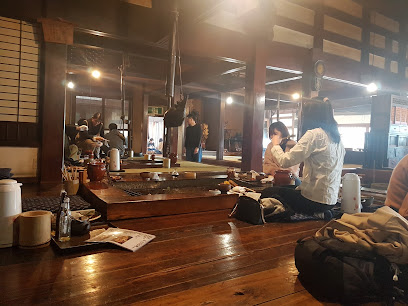
Kosaku Kawaguchiko
4.3 km
Savor authentic Hoto noodles and traditional Japanese dishes at Kosaku Kawaguchiko while enjoying breathtaking views of Mount Fuji.
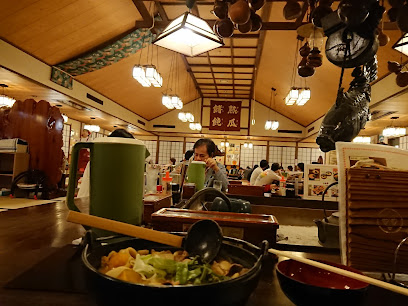
Kai Treasure Sword Shingenkan
4.7 km
Experience authentic Japanese cuisine at Kai Treasure Sword Shingenkan in Fujiyoshida City – where tradition meets taste.
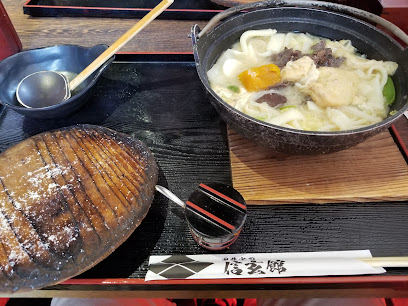
T&T Fujiyama Halal Restaurant
5.7 km
Experience authentic Hoto noodles at T&T Fujiyama Halal Restaurant, where halal meets tradition against the stunning backdrop of Mount Fuji.
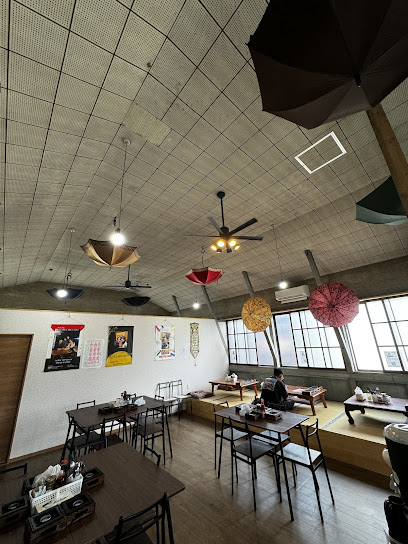
New Akaike
15.0 km
Experience authentic handmade soba noodles at New Akaike in Fujikawaguchiko – a must-visit for food lovers exploring Japan's culinary scene.
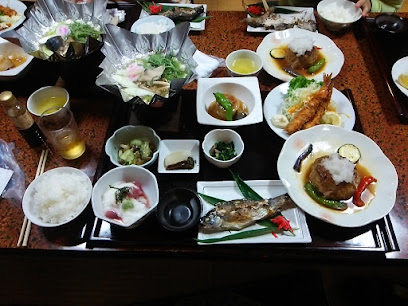
富士急雲上閣レストラン
15.7 km
Experience delightful snacks at Fuji-Q Unjokaku Restaurant with stunning views of Mount Fuji - perfect for tourists seeking relaxation and taste.
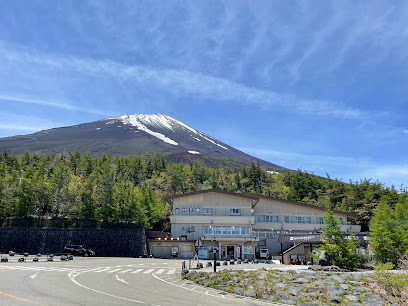
皆吉
16.0 km
Experience authentic Japanese cuisine at 皆吉 in Yamanashi, where traditional flavors meet regional specialties.
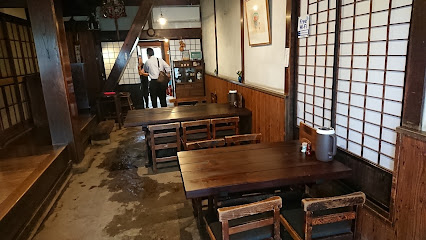
Kissen
17.1 km
Experience authentic kaiseki dining at Kissen in Yamanashi - where tradition meets flavor in every exquisite dish.
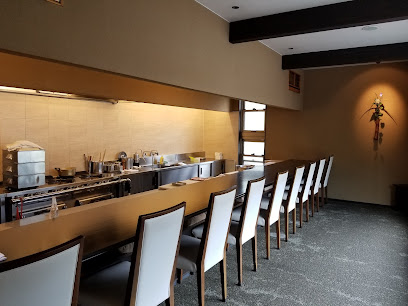
乃んき
17.2 km
Discover authentic Japanese izakaya dining at 乃んき in Katsunumacho Todoroki - where tradition meets taste.
Motosukan
17.3 km
Experience authentic Japanese flavors at Motosukan in Fujikawaguchiko—where culinary tradition meets stunning mountain views.
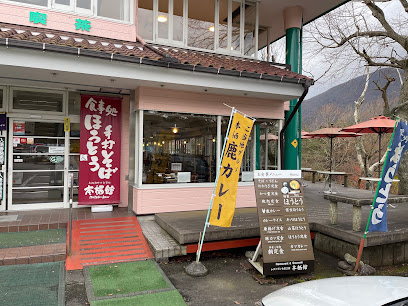
Akafuji
17.8 km
Discover authentic Japanese cuisine at Akafuji in Fuefuki – renowned for its hot pot and hoto noodles amidst serene surroundings.
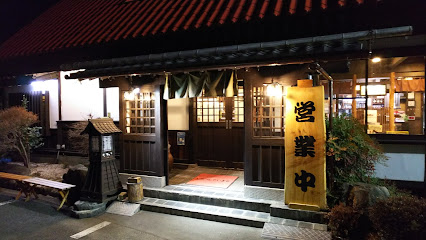
Markets, malls and hidden boutiques

旅の駅 kawaguchiko base
0.9 km
Explore 旅の駅 Kawaguchiko Base for unique souvenirs, fresh pastries, and authentic Japanese meals in the heart of Fujikawaguchiko.
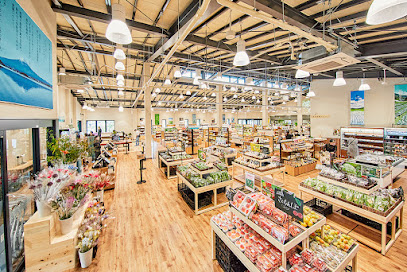
Kawaguchiko Herb Hall
2.9 km
Discover the essence of Yamanashi at Kawaguchiko Herb Hall, where herbal wonders and unique souvenirs await amidst stunning landscapes.
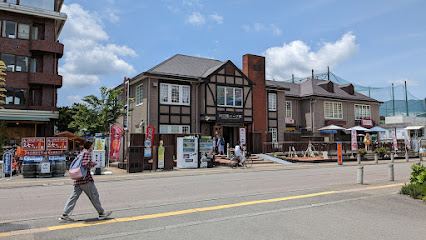
Fujiyama cookie
3.0 km
Discover the sweet taste of Japan at Fujiyama Cookie, where every pastry is a tribute to the iconic Mount Fuji and local traditions.
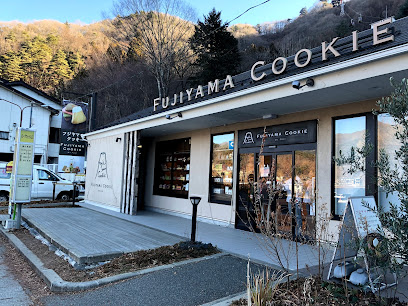
Fujisan Plaza
3.6 km
Explore Fujisan Plaza - Your essential stop for Mount Fuji adventures, local coffee, and authentic souvenirs in Yamanashi Prefecture.
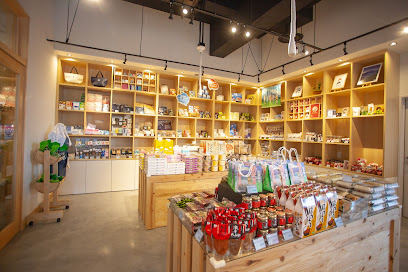
JAYS VINTAGE STYLE
3.9 km
Explore JAYS VINTAGE STYLE in Fujikawaguchiko for unique vintage clothing, Native American goods, and unforgettable souvenirs, all in a welcoming atmosphere.

Akafuji Wine Cellar
4.5 km
Experience the unique flavors of Japanese wines at Akafuji Wine Cellar, nestled in the stunning Fujikawaguchiko region with breathtaking views of Mount Fuji.
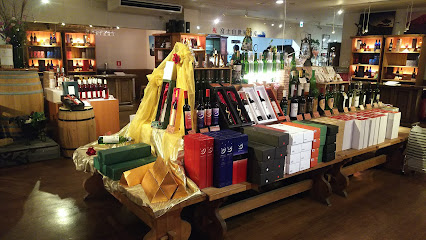
JTC Fujinoekiten
4.6 km
Explore the best of Japanese craftsmanship at JTC Fujinoekiten, your ultimate duty-free shopping destination near scenic Lake Kawaguchi.
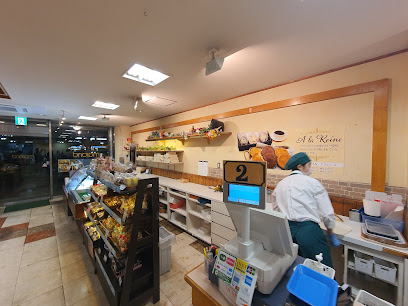
Kawaguchiko Shopping Center BELL
4.7 km
Explore the vibrant Kawaguchiko Shopping Center BELL, a shopper's haven with diverse stores and delicious dining options near stunning Mount Fuji.

Hard Off
4.8 km
Uncover eclectic treasures at Hard Off, Fujikawaguchiko's ultimate thrift store for vintage finds and unique collectibles.
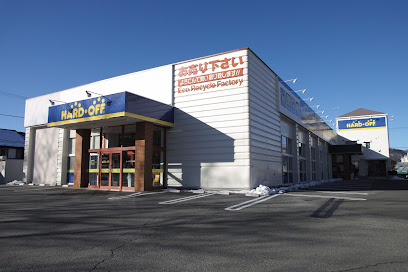
BOOKOFF Fujiyoshida Store
5.0 km
Explore a world of second-hand treasures at BOOKOFF Fujiyoshida Store, where vintage finds and unique items await every enthusiast.
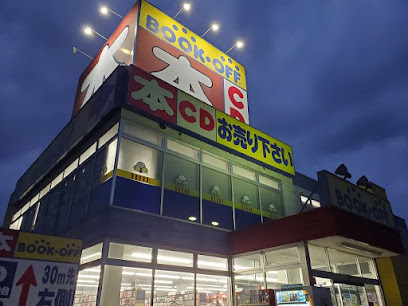
ふじやま屋
5.0 km
Discover unique souvenirs and local crafts at Fujiyama-ya, your go-to destination for Mount Fuji mementos.

SHOP FUJIYAMA
5.1 km
Discover authentic Japanese souvenirs and local crafts at SHOP FUJIYAMA, your gateway to unique treasures in Fujiyoshida.
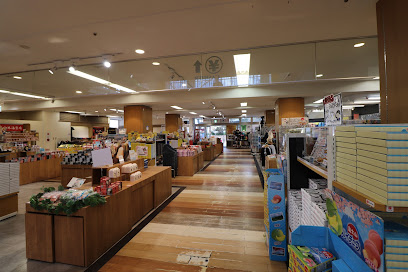
DAISO
5.2 km
Explore DAISO in Fujikawaguchiko for an incredible selection of affordable goods, from home essentials to unique souvenirs that enhance your travel experience.
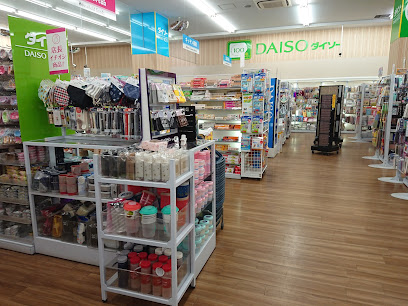
Don Quijote Kawaguchiko Interchange
5.4 km
Explore an extensive range of products at Don Quijote Kawaguchiko Interchange, where great prices meet unique finds in the heart of Yamanashi.
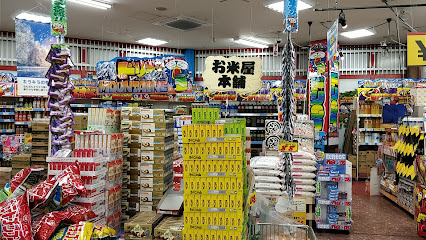
Gateway Fujiyama 富士山駅店
5.6 km
Explore a vibrant selection of authentic Japanese souvenirs at Gateway Fujiyama, your gateway to unique memories from Japan.
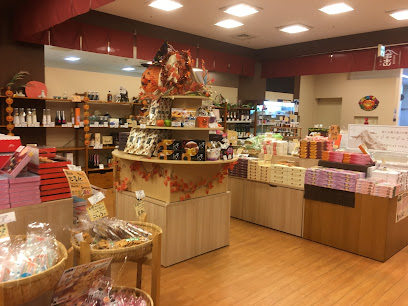
Essential bars & hidden hideouts

Authors
1.9 km
Discover the charm of Authors Bar in Fujikawaguchiko, where local flavors meet stunning views and a cozy atmosphere.
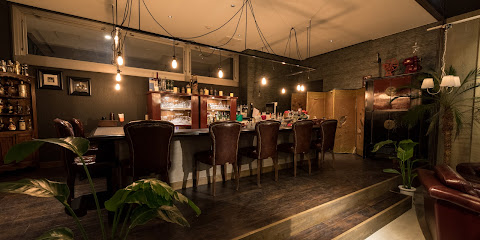
Dot Hostel & Bar
2.9 km
Discover the lively and welcoming atmosphere of Dot Hostel & Bar, where comfort meets adventure in the heart of Fujikawaguchiko.
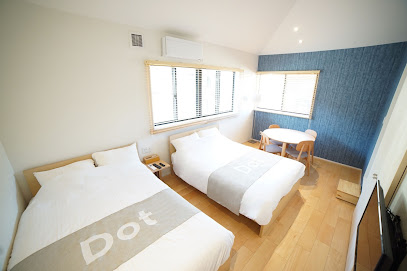
Cooliya
3.2 km
Experience the essence of Japanese cuisine at Cooliya, where tradition meets modern culinary artistry in every dish.
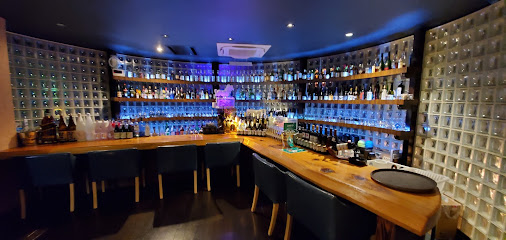
TOCORO. BAR&DINING
3.6 km
Experience the fusion of flavors and a cozy ambiance at TOCORO. BAR&DINING in Fujikawaguchiko, the perfect dining spot for food lovers.
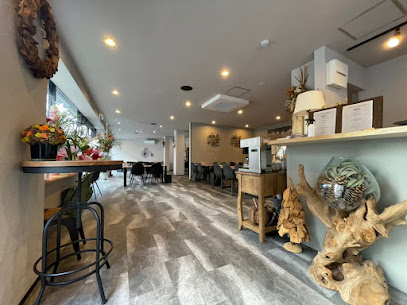
Shaw's Sushi Bar & Dining
3.6 km
Experience authentic sushi dining with stunning views in Fujikawaguchiko, where the flavors of Japan come alive.
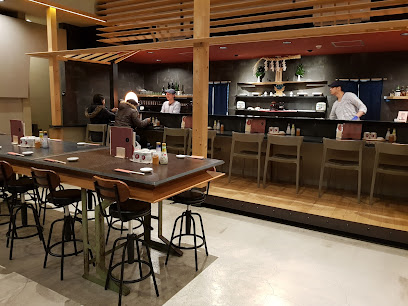
New York
3.8 km
Explore the energetic nightlife of New York bar in Fujikawaguchiko, where exceptional cocktails and live music create unforgettable moments.
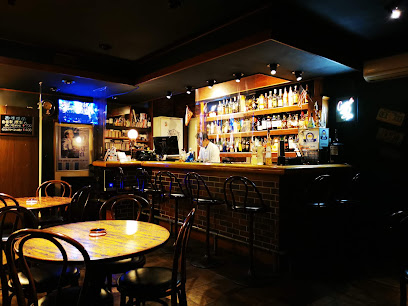
Kagelow Mt. Fuji Hostel
4.1 km
Discover comfort and camaraderie at Kagelow Mt. Fuji Hostel, your perfect retreat near Japan's iconic mountain.
居楽
4.2 km
Discover居楽, an authentic izakaya in Fujikawaguchiko offering delicious Japanese cuisine and a welcoming atmosphere perfect for tourists.
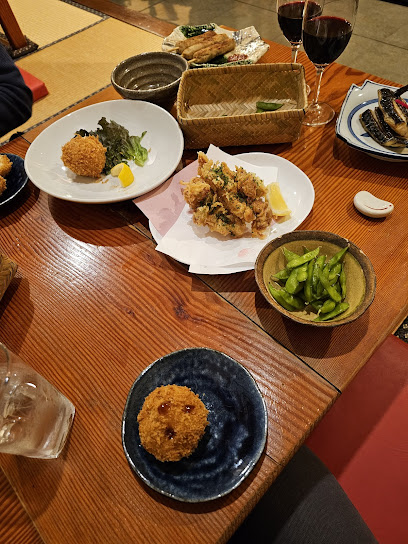
南の国から
4.5 km
Dive into the lively ambiance of 南の国から, a must-visit cabaret club and beer hall in Fujiyoshida, where entertainment and local brews await.
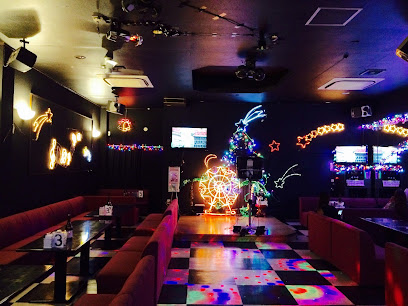
openmic karaoke セッションバー 奏音 SO-ON
4.7 km
Immerse yourself in the lively karaoke scene at SO-ON, Fujiyoshida's favorite spot for music and fun, where every night is an unforgettable experience.
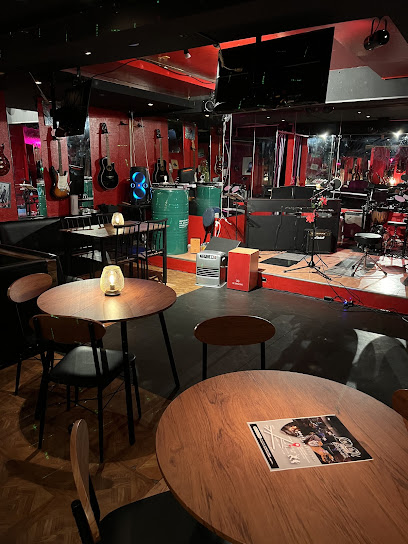
ラウンジシンデレラ Lounge Cinderella
5.0 km
Discover the vibrant nightlife at Lounge Cinderella, a unique blend of cabaret club and pub in Fujiyoshida, where entertainment meets relaxation.
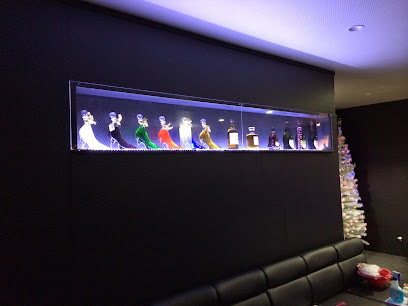
ピンク・ド・フラミンゴ(Pink De Flamingos)
5.0 km
Experience the vibrant nightlife at Pink De Flamingos, a modern izakaya in Fujiyoshida offering creative cocktails and delicious Japanese cuisine.
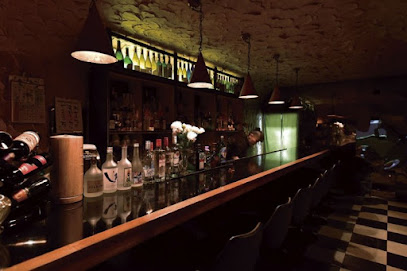
Darts Cafe&Bar CIEL
5.8 km
Experience the vibrant nightlife at Darts Cafe&Bar CIEL in Fujikawaguchiko, where darts and drinks create unforgettable memories.
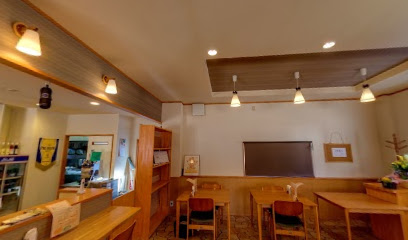
Bar de Ojar
15.6 km
Discover the cozy ambiance and local flavors at Bar de Ojar, a hidden gem in Fuefuki, Yamanashi, perfect for an evening of relaxation and enjoyment.
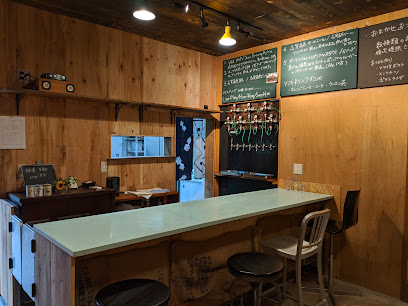
マニラ
17.9 km
Experience the vibrant nightlife at マニラ in Fuefuki, where great drinks and lively atmosphere create unforgettable memories.
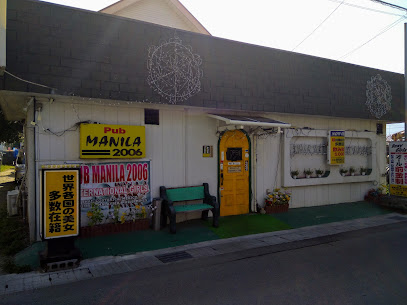
Nightclubs & after hour spots

moon dance
1.9 km
Discover the vibrant nightlife at Moon Dance, a top bar in Fujikawaguchiko with breathtaking views of Lake Kawaguchi and a menu of exquisite drinks.
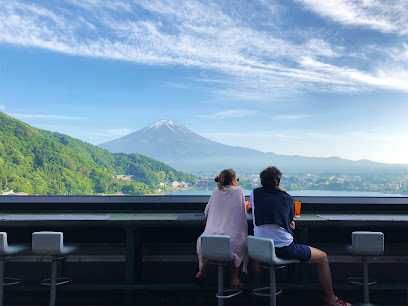
Mt. Fuji Resort Club
3.8 km
Discover the beauty and tranquility of Mt. Fuji at the luxurious Mt. Fuji Resort Club, your gateway to adventure and relaxation in Japan.
Heritage
4.8 km
Experience the perfect blend of tradition and modernity at Heritage Bar in Fujiyoshida, where every drink tells a story.
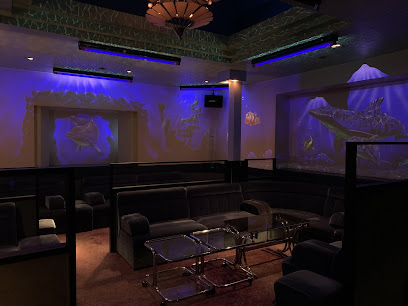
BAR NORTH FUJI
6.0 km
Experience the vibrant nightlife of Fujiyoshida at BAR NORTH FUJI, your ultimate karaoke and dart bar destination in Japan.
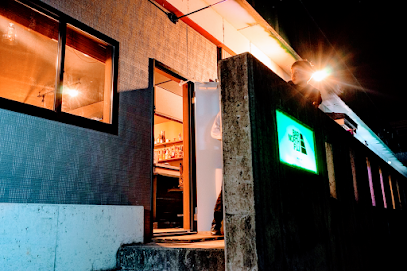
Akari
17.8 km
Experience the electrifying nightlife of Akari in Fuefuki, where vibrant music and a lively atmosphere come together for an unforgettable evening.
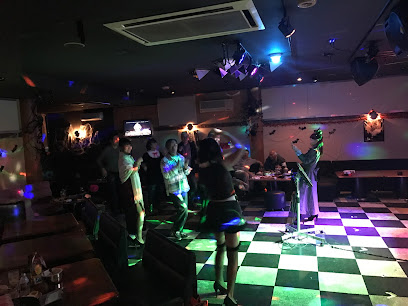
パブ マイユ
17.8 km
Discover the vibrant nightlife at パブ マイユ in Yamanashi, where music, dancing, and unforgettable moments collide.
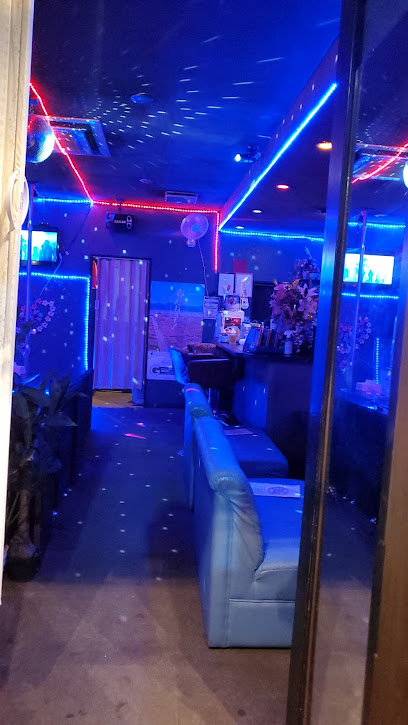
Vanilla-C
17.8 km
Unleash your nightlife spirit at Vanilla-C, Fuefuki's premier night club, where music, dance, and unforgettable moments await.

ニュークラブマドンナ
17.9 km
Unleash your energy at ニュークラブマドンナ, Fuefuki's premier nightlife destination, where music, dance, and good vibes come to life.
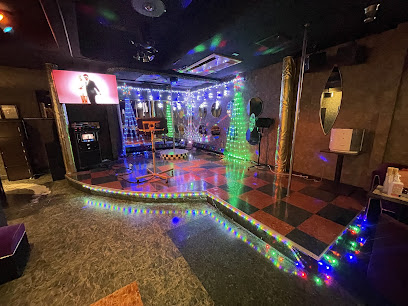
Fuji Classic
18.0 km
Discover the breathtaking views and serene ambiance of Fuji Classic Golf Course, an unforgettable golfing experience in Yamanashi Prefecture.
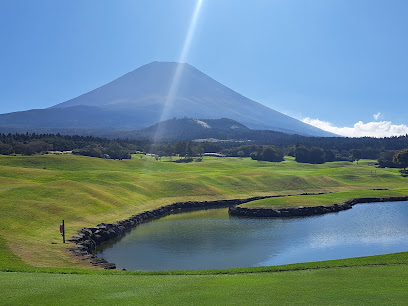
スナック kanon 花音
18.0 km
Immerse yourself in the vibrant nightlife of Yamanashi at スナック kanon 花音, where local culture meets lively entertainment.
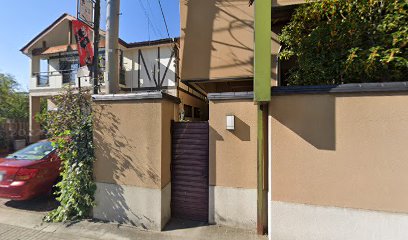
はんなりJapanese Modern Club
18.1 km
Immerse yourself in the lively atmosphere of はんなりJapanese Modern Club, Fuefuki's top destination for modern nightlife and vibrant entertainment.
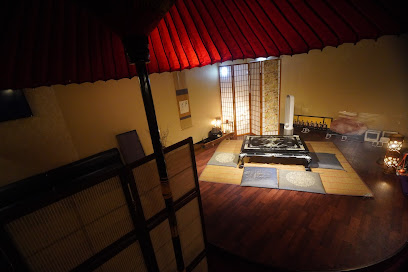
ラウンジ台北
18.1 km
Discover the lively atmosphere of ラウンジ台北, Yamanashi's premier night club offering unforgettable music and dance experiences.
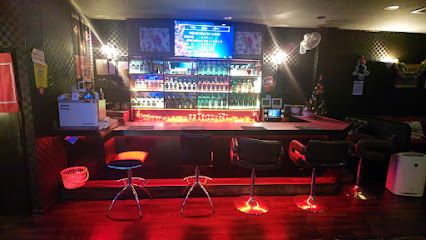
ラウンジhana
18.2 km
Discover the vibrant nightlife of Fuefuki at ラウンジhana, where music and dancing come alive in a lively atmosphere.
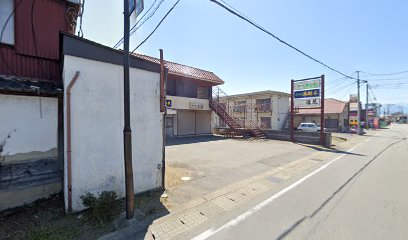
スナック港
18.2 km
Discover the vibrant nightlife at スナック港, a lively night club in Fuefuki, Yamanashi, offering an authentic Japanese experience.

スナックもれの
19.7 km
Discover the lively nightlife of Yamanashi at スナックもれの, where energetic music and friendly faces await.