

Caddo Lake Travel Guide - Free Web & App
Your ultimate guide to Caddo Lake. Discover top landmarks, proposed trips, and local tips. Free on the web or via the Evendo companion app.


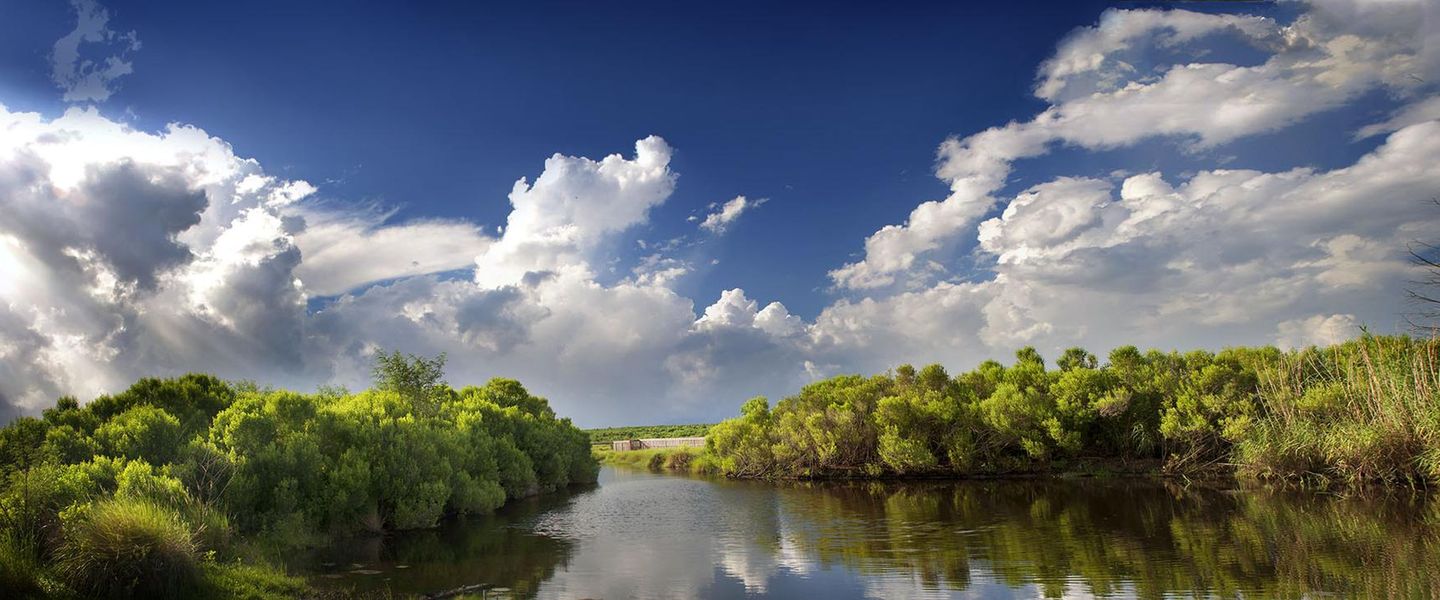


Caddo Lake, Louisiana, reveals cypress-lined bayous, wildlife-rich wetlands, paddling routes and quiet Southern landscapes near the Texas border.
A Water-Laced Borderland
Caddo Lake is a sprawling maze of bayous, sloughs, channels and shallow open water on the Louisiana–Texas border, with the Louisiana side centred in Caddo Parish. Rather than resembling a single, clearly defined lake, it unfolds as a wooded wetland landscape where bald cypress trees rise from dark water and narrow waterways lead into secluded backwaters. The Louisiana shore is associated with communities including Oil City and Mooringsport, while the wider lake system extends across the state line into Texas.Read more about Caddo Lake
Cypress, Wildlife and Changing Light
Exploring the Louisiana Shore
Getting to and around Caddo Lake
How to get there
Transportation
Best attractions in Caddo Lake
Caddo Lake's principal attractions are its waterways and wetland habitats rather than a concentrated collection of built sights. On the Louisiana side, the cypress-lined reaches around Caddo Parish invite exploration by boat, canoe or kayak, with broad stretches of open water giving way to narrower bayous and shaded channels. Wildlife observation is a major draw, particularly for visitors interested in wading birds, waterfowl, turtles and the lake's aquatic environment, although sightings vary with season and conditions. Oil City and Mooringsport provide useful points from which to understand the human geography of the shore, while nearby roads offer glimpses of rural Louisiana landscapes and working communities. Across the state line, Caddo Lake State Park in Texas provides established access to another part of the lake system; it is a separate destination and should not be confused with Louisiana facilities. The most rewarding exploration is generally slow and weather-dependent, allowing time to appreciate the changing relationship between open water, forest and channel.
-
Tourist attraction
Earl G Williamson Park
Discover the beauty and tranquility of Earl G Williamson Park in Oil City, Louisiana – a perfect escape for nature lovers and outdoor enthusiasts.
-
Tourist attraction
Caddo Lake National Wildlife Refuge
Explore the enchanting beauty and rich biodiversity of Caddo Lake National Wildlife Refuge, a must-visit destination for nature lovers in Texas.
-
Tourist attraction
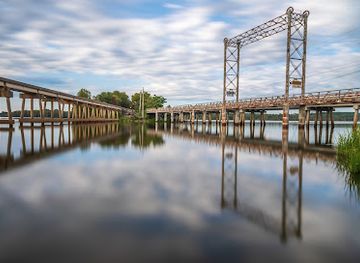
Caddo Lake Historic Drawbridge
Explore the Caddo Lake Historic Drawbridge, a stunning landmark connecting history and nature in the heart of Louisiana.
-
Tourist attraction
Mystique Tours on Caddo Lake
Explore the stunning landscapes of Caddo Lake with Mystique Tours, where nature, adventure, and history come together in a serene escape.
Best landmarks in Caddo Lake
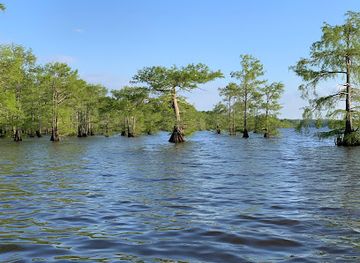
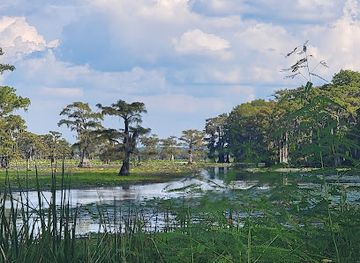
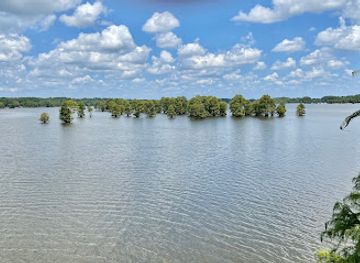
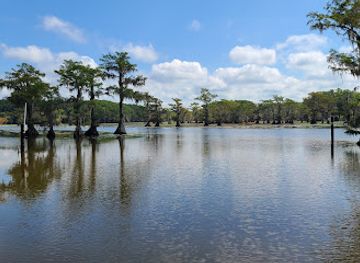
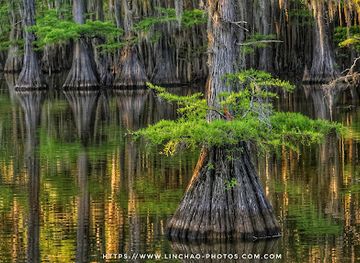
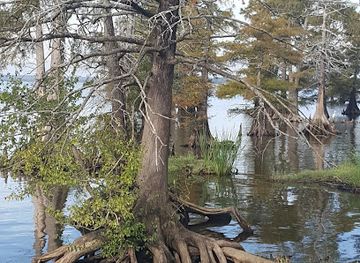
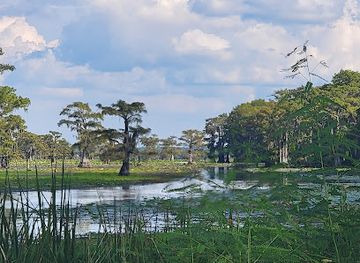
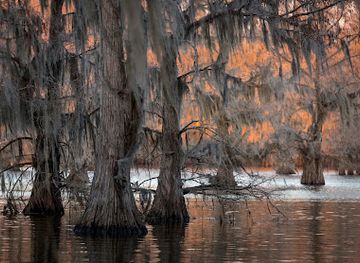
The defining landmarks of Caddo Lake are natural: broad expanses of dark water, interconnected bayous and stands of bald cypress rising from the wetland. Trees draped with Spanish moss create the landscape most strongly associated with the lake, while narrow channels reveal how little the area resembles a conventional, clearly bounded lake. The Caddo Lake name itself is an important cultural landmark, preserving the connection with the Caddo people whose historic homeland extended across the Red River region. Oil City and Mooringsport represent the settled and working edge of the Louisiana lake country, linking the water to the area's histories of timber, agriculture and oil production. The lake's state boundary is also significant: Louisiana and Texas share the wider water system but provide separate facilities, management arrangements and visitor experiences. Nearby Caddo Lake State Park is a recognised landmark on the Texas side, not within Louisiana.
-
State park
Caddo Lake State Park
Experience the serene beauty and diverse wildlife of Caddo Lake State Park, a must-visit destination for nature lovers exploring Texas.
-
Park
Earl G Williamson Park
Discover the scenic beauty of Earl G Williamson Park in Oil City, Louisiana, a tranquil retreat offering outdoor adventures and picturesque landscapes.
-
Wildlife refuge
Caddo Lake National Wildlife Refuge
Explore the natural beauty of Caddo Lake National Wildlife Refuge, a serene destination for wildlife enthusiasts and outdoor adventurers in Texas.
-
Historical landmark
Caddo Lake Historic Drawbridge
Experience the historic charm and natural beauty of Caddo Lake Historic Drawbridge in Mooringsport, Louisiana, a captivating landmark for all travelers.
Explore Caddo Lake on the map
Plan your trip on one map. See where the top attractions, landmarks, restaurants and hotels are, and book hotels and experiences in a few clicks.
Best hotels in Caddo Lake
Best restaurants in Caddo Lake
Dining around the Louisiana side of Caddo Lake is modest and concentrated in nearby communities rather than distributed through the wetland itself. Oil City, Mooringsport and the wider Shreveport area provide the most practical choice of cafés, casual restaurants and traditional Southern cooking, while rural stops may offer a smaller selection and limited services. Regional food reflects north-west Louisiana's position between Southern, Cajun and Creole traditions, with dishes and ingredients varying from one kitchen to another; visitors may encounter catfish, crawfish when in season, rice-based dishes, fried seafood, smoked meats, beans and cornbread alongside familiar American fare. Independent diners, family-run restaurants and community gathering places often provide a more useful sense of local food culture than a formal dining district. Anyone spending a full day on the lake should carry provisions rather than expecting a restaurant, shop or food service at a remote launch.
-
Lake
Caddo lake
Discover the enchanting beauty of Caddo Lake: Texas's largest natural lake featuring cypress swamps and abundant wildlife.
Best bars in Caddo Lake
Caddo Lake itself has little conventional nightlife, and evenings are primarily quiet, rural and connected with fishing, boating, accommodation or small-community hospitality. Oil City and Mooringsport may have local gathering places, but opening patterns and entertainment options are limited compared with a city. For a broader choice of pubs, bars, live entertainment and late-evening dining, visitors generally need to travel towards Shreveport, outside the immediate lake environment. The area is better suited to watching the light fade over the cypress, listening to nocturnal wetland sounds or sharing a quiet meal than to clubbing. Because distances between settlements and services can be considerable, visitors should plan transport before drinking and avoid attempting to navigate unfamiliar waterways after dark.
-
Seafood
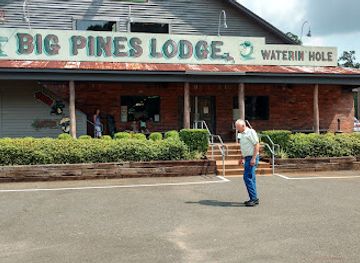
Big Pines Lodge
Discover the flavors of fresh seafood at Big Pines Lodge in Karnack, Texas, where stunning views meet culinary excellence.
-
Mexican
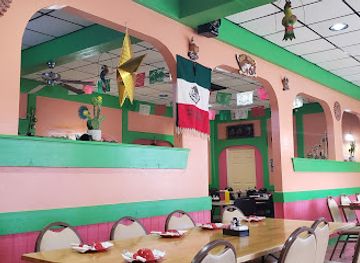
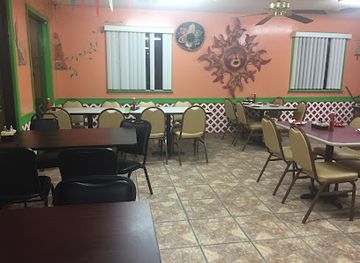
Chavos Mexican Restaurant Vivian
Explore the authentic flavors of Mexico at Chavos Mexican Restaurant in Vivian, Louisiana, where delicious dishes and a warm atmosphere await.
-
American
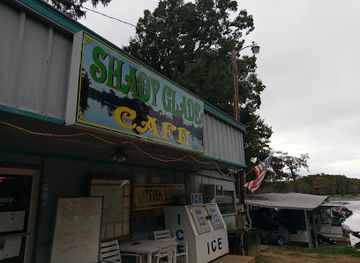
Shady Glade Cafe
Discover the heart of Texas dining at Shady Glade Cafe - where American breakfast meets warm hospitality in a tranquil setting.
-
Mexican
La Herradura
Discover the vibrant flavors of Mexico at La Herradura, a charming restaurant in Oil City, Louisiana, perfect for a delightful culinary experience.
Best shops in Caddo Lake
Shopping opportunities on the Louisiana side of Caddo Lake are limited and practical rather than concentrated in a distinctive retail quarter. Oil City, Mooringsport and nearby communities may provide everyday supplies, fishing-related items and basic provisions, while the larger Shreveport area offers the broadest selection of shops, galleries, outdoor equipment and regional food products. Visitors may find locally produced preserves, sauces, smoked foods, artwork or craft goods through independent businesses and seasonal community events, but availability should not be assumed and the lake itself has few dedicated shopping facilities. The most characteristic purchases are often edible or practical items connected with north-west Louisiana's rural culture rather than a single signature craft tradition. Stock up on water, snacks, fuel and any boating necessities before following remote roads or spending extended periods on the lake.
-
Park
Earl G Williamson Park
Explore the beauty of Earl G Williamson Park, a serene destination in Oil City, Louisiana, perfect for family fun, picnics, and outdoor activities.
-
Dollar store
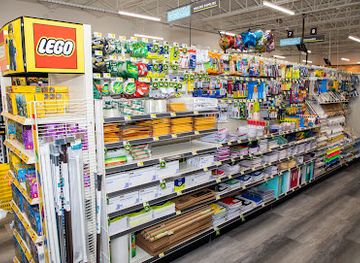
Dollar General
Explore the best value shopping experience at Dollar General in Oil City, where budget meets convenience for every traveler.
-
Tour operator
Mossy Brake Camp Caddo Lake Swamp Tours
Discover the natural beauty of Caddo Lake with immersive swamp tours at Mossy Brake Camp, a premier destination for nature lovers in Texas.
-
Tour operator
Caddo Lake Bayou Tours
Discover the enchanting beauty of Caddo Lake with personalized tours through the lush bayous and diverse wildlife of Texas.
Get your free copy of our complete guide to Caddo Lake, delivered straight to you.
Everything on this page, from attractions and restaurants to essentials and local phrases, in one PDF you can read offline, print or share.
Already have an account? Sign in
Your Caddo Lake guide is ready.
We'll send it to · Not you? Sign out

Getting your guide ready…
We are putting together a fresh copy of the Caddo Lake guide. This can take up to a minute.
This can take a few moments. If your browser asks, choose Allow so the download can start. You'll find the guide in your Downloads folder.
Nothing happened? Download it again
Sorry, the guide is taking longer than usual. Please try again in a minute, or get it by email instead.
Caddo Lake essentials
Currency and Payment
Safety
Emergency Situations
Do's and Don'ts
Local Tips
From Eve
Local phrases worth knowing
You don't need to get them perfect. A few words go a long way, and locals appreciate the effort.
Basics
| English | Local | Say it |
|---|---|---|
| Hello | Howdy | [HOU-dee] |
| Goodbye | See ya | [SEE yuh] |
| Yes | Yup | [YUHP] |
| No | Nah | [NAH] |
| Please/You're welcome | Please | [PLEEZ] |
| Thank you | Thanks | [THANKS] |
| Excuse me/Sorry | Pardon me | [PAR-dun me] |
| How are you? | How y'all doin'? | [HOW yawl DO-in] |
| Fine. And you? | I'm good. And you? | [AHM good. AND yuh?] |
| Do you speak English? | Y'all speak English? | [YAWL speak ING-lish] |
| I don't understand | I don't get it | [AH don't GET it] |
Eating & Drinking
| English | Local | Say it |
|---|---|---|
| I'd like to see the menu, please | Can I see the menu, please | [KAN ah SEE the MEH-nyoo, please] |
| I don't eat meat | I don't eat meat | [AH don't eat meet] |
| Cheers! | Cheers! | [CHEERS] |
| I would like to pay, please | I need to pay | [AH need to PAY] |
Emergencies
| English | Local | Say it |
|---|---|---|
| Help! | Help! | [HELP] |
| Go away! | Git! | [GIT] |
| Call the Police! | Call the Sheriff! | [CALL the SHER-iff] |
| Call a doctor! | Call the doc! | [CALL the dok] |
| I'm lost | I'm lost | [AHM lost] |
| I'm ill | I'm sick | [AHM sik] |
Shopping
| English | Local | Say it |
|---|---|---|
| I'd like to buy... | I wanna buy... | [AH WAN-na buy] |
| I'm just looking | I'm just lookin' | [AHM just LOOK-in] |
| How much is it? | How much does it cost? | [HOW much duz it COST?] |
| That's too expensive | That's too much | [THATZ too MUCH] |
| Can you lower the price? | Can ya lower the price? | [KAN yuh LOWER the PRICE?] |
Time & Numbers
| English | Local | Say it |
|---|---|---|
| What time is it? | What time is it? | [WHAT time is it] |
| It's one o'clock | It's one | [ITS one] |
| Half past (10) | Half past ten | [HAF past TEN] |
| Morning | Mornin' | [MORN-in] |
| Afternoon | Afternoon | [AF-ter-NOON] |
| Evening | Evenin' | [EVE-nin] |
| Yesterday | Yesterday | [YES-ter-day] |
| Today | Today | [to-DAY] |
| Tomorrow | Tomorrow | [to-MOR-row] |
| 1 | One | [WUN] |
| 2 | Two | [TOO] |
| 3 | Three | [THREE] |
| 4 | Four | [FOR] |
| 5 | Five | [FIVE] |
| 6 | Six | [SIX] |
| 7 | Seven | [SEV-en] |
| 8 | Eight | [AIT] |
| 9 | Nine | [NINE] |
| 10 | Ten | [TEN] |
Transport & Directions
| English | Local | Say it |
|---|---|---|
| Where's a/the...? | Where's the...? | [WHERES the] |
| What's the address? | What's the address? | [WATS the ADD-dress] |
| Can you show me (on the map)? | Can you show me (on the map)? | [KAN yuh SHOW me (on the map)] |
| When's the next (bus)? | When's the next (bus)? | [WHENS the NEXT (bus)] |
| A ticket (to ....) | A ticket (to ....) | [A TICK-et (to)] |
History of Caddo Lake
A River-Basin Wetland
Caddo Lake developed within the Red River basin, where low-lying terrain, slow-moving waterways and periodic flooding created an extensive wetland rather than a simple open-water lake. The modern lake is a connected system of bayous, sloughs and channels whose form has also been influenced by later water management and the construction of the Caddo Lake Dam. Its cypress forests and aquatic habitats are therefore both natural features and parts of a landscape shaped by changing flows, flood control and human use.
Caddo Peoples and Regional Heritage
The lake takes its name from the Caddo, a group of Indigenous peoples whose communities and cultural traditions were closely connected with the waterways and forests of the region. Caddo societies occupied a much wider area around the Red River and developed deep knowledge of local plants, animals and seasonal conditions. European-American settlement and United States expansion brought displacement, land changes and new political boundaries, while the Caddo name remains embedded in the lake, parish and wider regional identity.
Settlement Along the Waterways
Communities on and around the Louisiana side grew in relation to agriculture, timber, transport and the practical value of the lake's waterways. Oil City, established near the western edge of the Louisiana lake country, reflects the area's history of settlement and commerce, while nearby Caddo Parish developed through a mixture of farming, forestry and river-basin trade. Mooringsport and other neighbouring communities became important points of access to the lake, although the wetlands themselves remained sparsely settled compared with the larger towns of north-west Louisiana.
Oil, Timber and Landscape Change
The wider Caddo Lake region was affected by the expansion of the timber industry and by petroleum exploration in the early twentieth century. Oil production at nearby Caddo fields helped change the economy and infrastructure of north-west Louisiana and east Texas, while logging altered large areas of the surrounding forest. Industrial activity did not erase the lake's wetland character, but it contributed to a history in which waterways, forests, energy production and settlement were closely interdependent.
Conservation and Recreation
During the twentieth century, concern for the lake's cypress wetlands, wildlife and water quality encouraged stronger conservation efforts on both sides of the border. Public management areas, protected habitats and environmental organisations helped bring the lake's ecological significance into wider view. Recreation gradually shifted from primarily local fishing, boating and working-waterway use towards nature observation, paddling and heritage tourism. Management remains complicated because Caddo Lake crosses a state boundary and includes private, public and working landscapes rather than one single protected unit.
Caddo Lake in Photos
Browse through our photo collection highlighting the charm and character of the destination.
Neighbouring destination travel guides
The closest destinations to Caddo Lake, if you have time for more than one.
-

-

-

-

-


Swipe for more destinations
Explore more

Explore more of North Louisiana
Explore North Louisiana for Red River cities, historic Natchitoches, ancient earthworks, pine forests, Delta wetlands and distinctive Southern food.
Explore North Louisiana
Explore more of Louisiana
Discover Louisiana: A melting pot of cultures, flavors, and music in the heart of the American South. Experience the vibrant heritage and natural beauty of the Bayou State.
Explore Louisiana