

Free The Highlands Travel Guide & Mobile App
Explore The Highlands with free travel guides. Discover regional history, expert tips, proposed trips, and audio guides on web or mobile app.


Explore Maine’s Highlands for Katahdin hikes, Moosehead Lake, forest roads, wildlife, paddling and historic inland towns.
Read more about The Highlands
When is the best time to visit The Highlands?
Best: June–August · 23–27°C| Month | High (°C) | Rainfall (mm) |
|---|---|---|
| January | -4 | 61 |
| February | -2 | 56 |
| March | 4 | 70 |
| April | 11 | 86 |
| May | 19 | 93 |
| June (best) | 23 | 95 |
| July (best) | 27 | 100 |
| August (best) | 25 | 100 |
| September | 20 | 90 |
| October | 15 | 80 |
| November | 6 | 75 |
| December | 0 | 65 |
Getting to and around The Highlands
How to get there
Transportation
Top city travel guides in The Highlands
The cities of The Highlands, and the easiest places to base yourself.
-

-
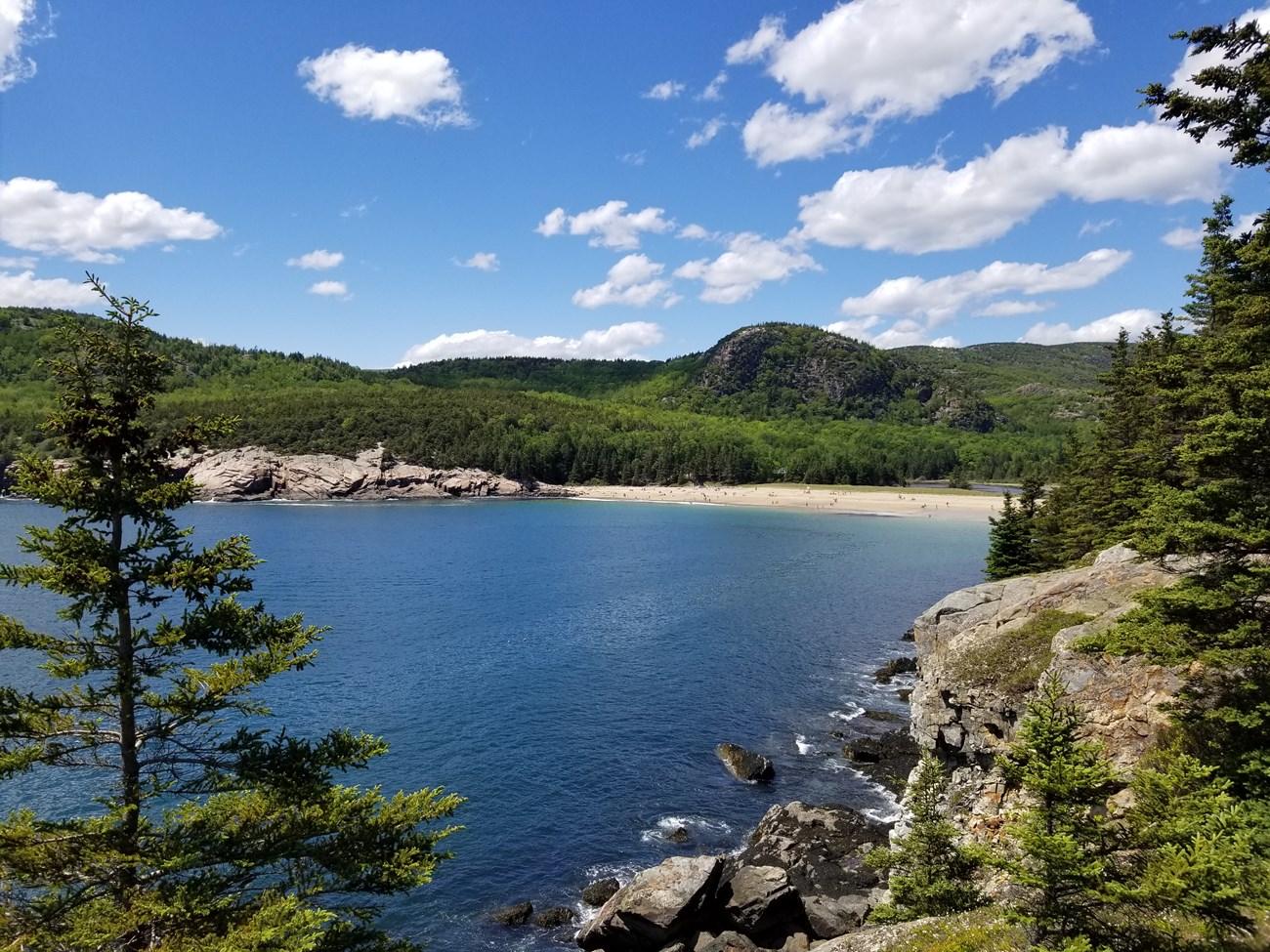 Bar Harbor
, Maine blends Acadia National Park scenery, island heritage, coastal walks, seafood, galleries and year-round New England character.
Bar Harbor
Bar Harbor, Maine blends Acadia National Park scenery, island heritage, coastal walks, seafood, galleries and year-round New England character.
-

-
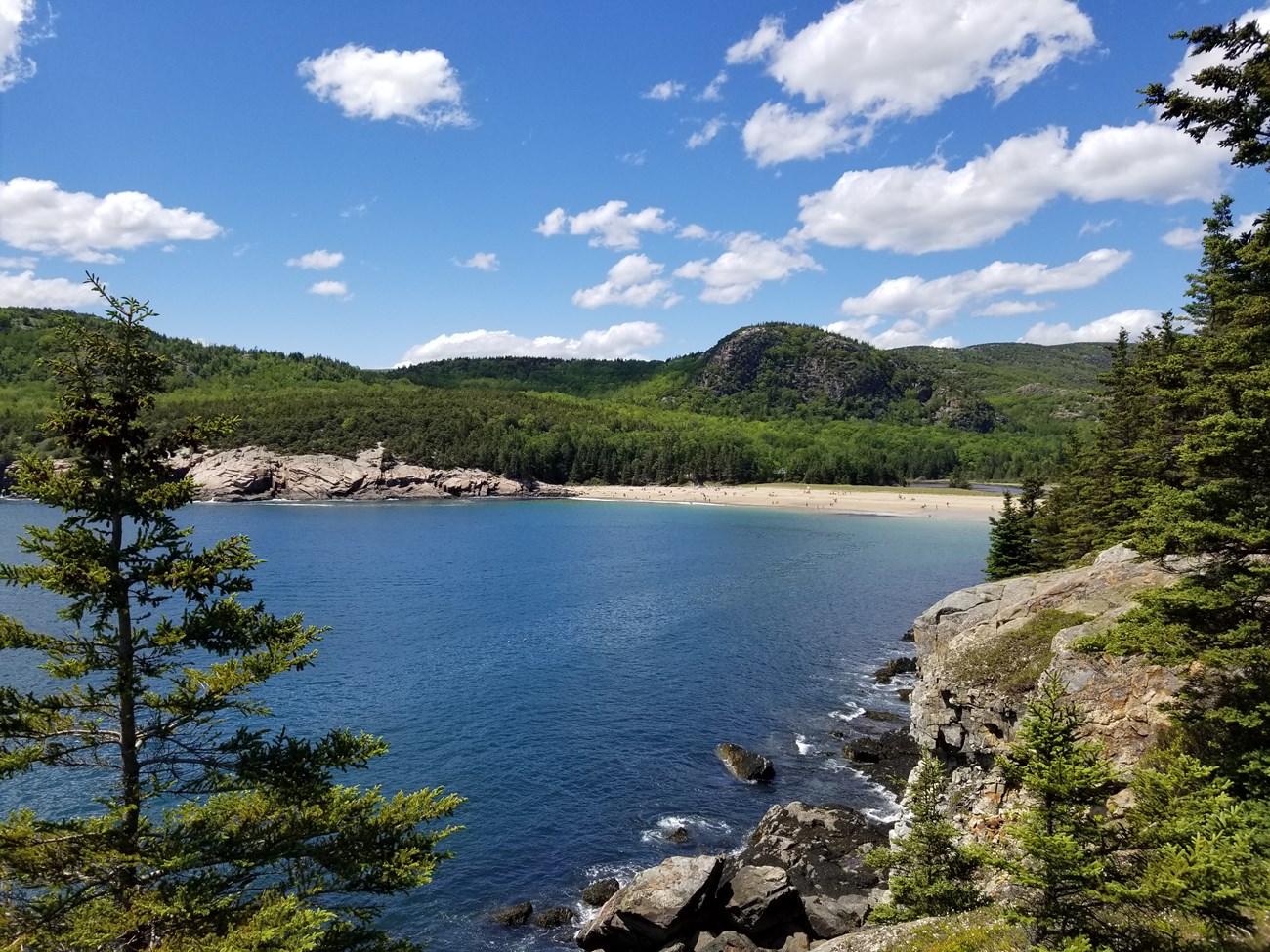 Camden
Discover Camden, Maine: A scenic coastal town offering historic charm, outdoor adventures, and vibrant cultural events, nestled between Camden Hills and Penobscot Bay.
Camden
Discover Camden, Maine: A scenic coastal town offering historic charm, outdoor adventures, and vibrant cultural events, nestled between Camden Hills and Penobscot Bay.
-

-


Swipe for more cities
Destinations in The Highlands
Resorts, valleys and scenic spots worth a trip of their own.
-

-

-
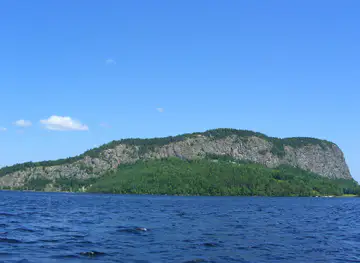
 Mount Desert Island
Discover Mount Desert Island in Maine: A blend of Acadia National Park's natural wonders, charming towns, and coastal adventures. Perfect for nature lovers and explorers.
Mount Desert Island
Discover Mount Desert Island in Maine: A blend of Acadia National Park's natural wonders, charming towns, and coastal adventures. Perfect for nature lovers and explorers.
-
-

-


Swipe for more destinations
Best attractions in The Highlands
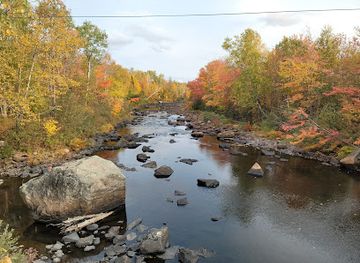
The Highlands’ attractions are defined by scale and setting rather than by a dense chain of conventional sights. Baxter State Park provides the region’s most demanding mountain experiences, with Katahdin, alpine routes, ponds and forest trails, while the Appalachian Trail and the 100-Mile Wilderness draw experienced long-distance hikers. Gulf Hagas, often described as the Grand Canyon of Maine, offers a dramatic gorge and waterfall walk in the western interior. Moosehead Lake supports boating, fishing, paddling and wildlife excursions, with Mount Kineo adding a distinctive island-mountain destination. Around Millinocket, Katahdin Woods and Waters National Monument offers river corridors, forest roads, camping and views towards Katahdin. Bangor contributes museums, historic streets, cultural venues and access to the Penobscot River, while smaller towns provide local heritage, outfitters and seasonal community events. Winter broadens the outdoor programme with snowmobiling, cross-country skiing, ice fishing and snowshoeing, though remote conditions demand more preparation than a conventional resort visit.
-
Tourist attraction
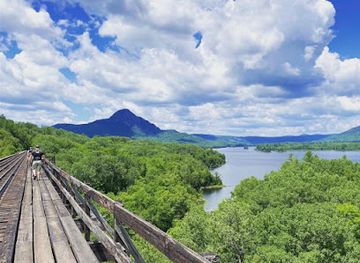
Katahdin Iron Works State Historic Site
Discover Maine's historical legacy and natural beauty at the Katahdin Iron Works State Historic Site, a perfect blend of history and outdoor adventure.
-
Campground
Wilderness Edge Campground
Experience the beauty of Maine at Wilderness Edge Campground, where adventure meets tranquility in a stunning natural setting.
Best landmarks in The Highlands
-
Historical landmark
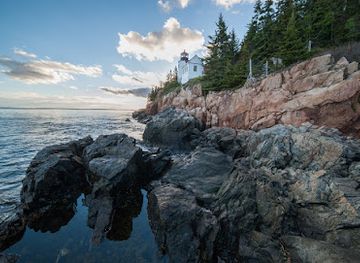
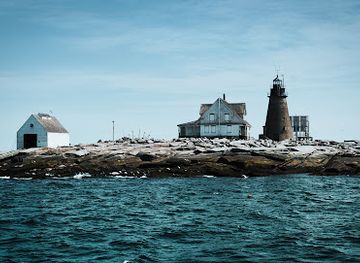
Bass Harbor Head Light Station
Explore the breathtaking beauty and rich history at Bass Harbor Head Light Station, a must-visit lighthouse on Maine's stunning coastline.
-
American
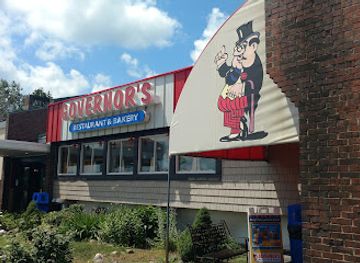
Governor's Restaurant & Bakery
Experience the best of American cuisine with homemade breakfast, lunch, and desserts at Governor's Restaurant & Bakery in Waterville, Maine.
-
Scenic spot
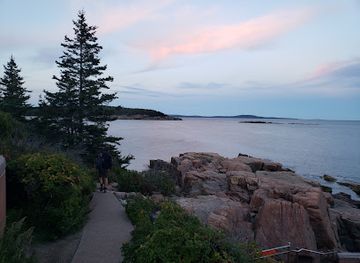
Thunder Hole
Discover the awe-inspiring Thunder Hole in Acadia National Park, where the Atlantic Ocean roars against rocky cliffs, creating a breathtaking natural spectacle.
-
Whale watching tour agency
Bar Harbor Whale Watch Co
Discover the breathtaking beauty of Maine's coastline with Bar Harbor Whale Watch Co, where unforgettable marine adventures await.
Explore The Highlands on the map
Plan your trip on one map. See where the top cities, national parks and sights are, and book hotels and experiences in a few clicks.
Best hotels in The Highlands
Best restaurants in The Highlands
Dining in the Highlands ranges from Bangor restaurants and cafés to diners, pub kitchens, seasonal lakeside establishments and provisions bought for a remote camp. Maine’s wider culinary traditions are well represented through seafood, chowders, lobster where available, wild blueberries, maple products, baked goods and locally sourced meat, while inland communities also have a strong culture of hearty breakfasts and practical food for outdoor trips. Around Moosehead Lake and the Katahdin area, restaurants often reflect the needs of visitors heading onto the water or trails, and opening patterns may be seasonal. Farmers’ markets and farm stands can provide produce, preserves and baked items during the warmer months. Craft beer is widely available in the state, with Bangor offering the broadest choice of dining styles; in small towns, advance planning is sensible because evening options may be limited and distances between communities are considerable.
-
 Inn
InnBlair Hill Inn, Moosehead Lake
Discover unparalleled tranquility at Blair Hill Inn near Moosehead Lake - where luxury meets nature in Maine's breathtaking wilderness.
-
Fine Dining
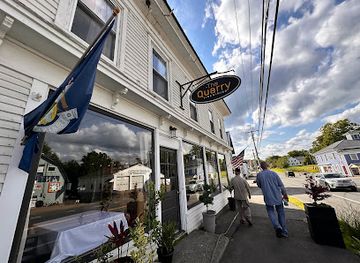
The Quarry
Experience exquisite fine dining at The Quarry in Monson, Maine – where culinary creativity meets serene ambiance.
-
Sandwich
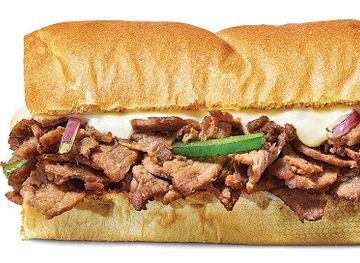
Subway
Enjoy delicious sandwiches made with fresh ingredients at Subway in Millinocket - perfect for adventurers exploring Maine's natural beauty.
-
Restaurant
The Highland Grille
Experience delightful dining at The Highland Grille in Turner, Maine – where fresh ingredients meet friendly service.
Best bars in The Highlands
Nightlife in the Highlands is low-key and concentrated in Bangor, where the largest selection of pubs, breweries, live-music settings, restaurants and cultural events can be found. In smaller centres such as Greenville, Millinocket and Dover-Foxcroft, evenings generally revolve around traditional bars, taverns, restaurants and community venues rather than a large nightclub scene. Outdoor-oriented visitors often finish the day at a pub or lodge, particularly in lake and mountain communities, while seasonal events can bring additional music and social activity. Some accommodation providers and outfitters offer relaxed evening gatherings, but services may be spread out and closing times can vary. In rural areas, arranging a sober driver and checking transport options in advance is important, as taxis and rideshares are less dependable than in Bangor.
-
Piano bar
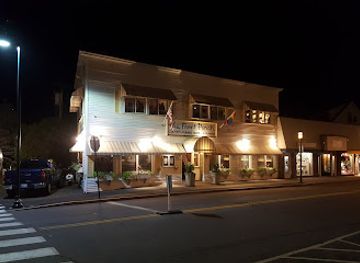
The Front Porch Piano Bar & Restaurant
Discover the lively atmosphere of The Front Porch, where delicious American cuisine meets live music in Ogunquit, Maine.
-
Grill
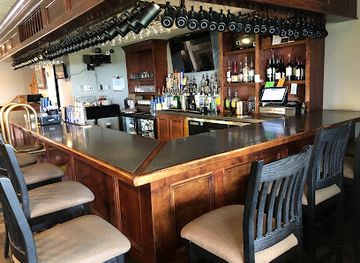
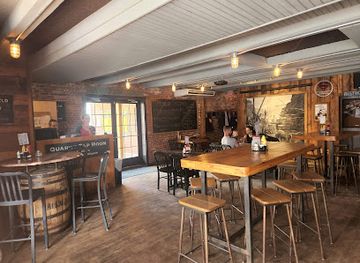
The Quarry Tap Room
Savor the local flavors at The Quarry Tap Room, a vibrant grill and bar offering delicious food and an inviting atmosphere in Hallowell, Maine.
-
American
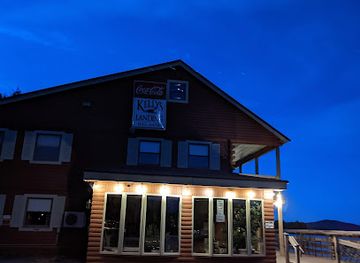
Kelly's Landing
Discover the heart of American cuisine at Kelly's Landing in Greenville Junction, where family-friendly dining meets stunning natural beauty.
-
Bar
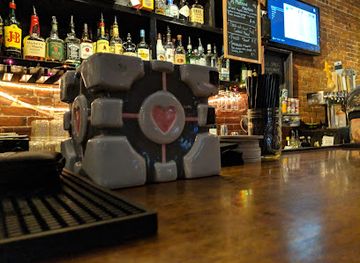
Arcadia - Portland, Me
Discover Arcadia, a lively bar in Portland, ME, offering exquisite cocktails, a variety of beers, and an inviting atmosphere for all.
Best nightclubs in The Highlands
-
Seafood
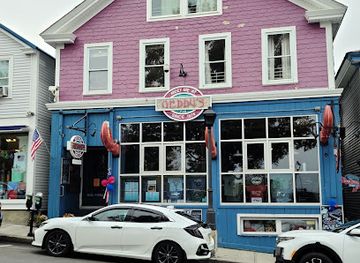
Geddy's
Experience the best of Maine's seafood at Geddy's, a family-friendly restaurant in the heart of Bar Harbor, offering diverse and delicious options for all palates.
-
Brewpub
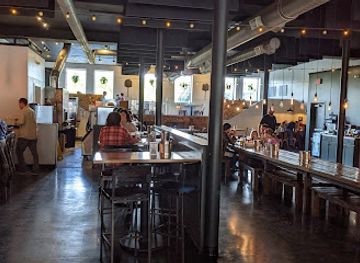
Cushnoc Brewing Co.
Discover the heart of Augusta's craft beer scene at Cushnoc Brewing Co., where exceptional brews meet delicious pizza in a vibrant atmosphere.
-
Hotel
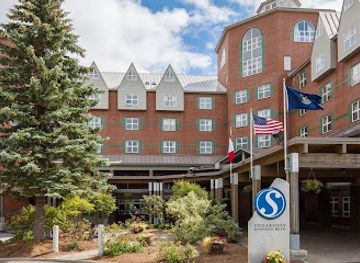
Sugarloaf Mountain Hotel
Discover the perfect blend of luxury and adventure at Sugarloaf Mountain Hotel, your gateway to unforgettable experiences in Maine's stunning wilderness.
-
Restaurant
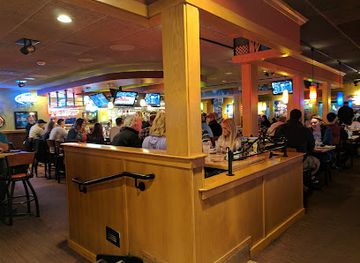
Applebee's Grill + Bar
Experience the best of American cuisine at Applebee's Grill + Bar in Waterville, Maine - a family-friendly restaurant with a vibrant atmosphere.
Best shops in The Highlands
Shopping in the Highlands is practical, locally focused and closely connected with outdoor life. Bangor has the region’s broadest retail choice, including independent shops, bookshops, galleries, cafés and general commercial areas, while market towns such as Dover-Foxcroft and Greenville offer smaller selections of gifts, provisions, antiques and locally made goods. Outdoor outfitters are important sources of clothing, maps, equipment and advice for hiking, paddling, fishing, hunting and snowmobiling. Farm stands and seasonal markets sell Maine produce, preserves, maple products, baked goods and wild-blueberry items, although availability follows the agricultural calendar. Craft purchases may include woodwork, pottery, textiles, artwork and photography inspired by the forest and lake landscape. Visitors should buy fuel, food and specialist supplies before heading into remote districts, where retail options are sparse and distances between shops can be considerable.
-
Shopping mall
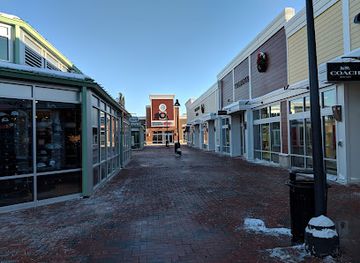
Freeport Village Station
Explore Freeport Village Station, a vibrant shopping hub in Maine perfect for unique finds and delightful dining experiences.
-
Gift shop
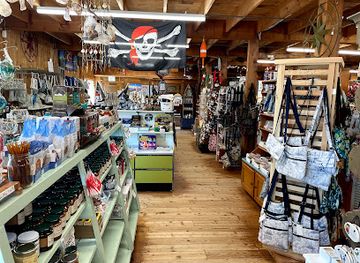
Land's End Gift Shop
Discover unique handcrafted gifts and local treasures at Land's End Gift Shop, a charming destination on Bailey Island, Maine.
-
Grocery store
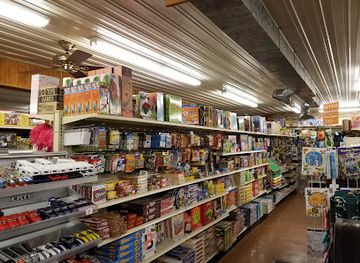
Indian Hill Trading Post
Discover local flavors and essential supplies at Indian Hill Trading Post, your one-stop shop in the heart of Greenville, Maine.
-
Gift shop
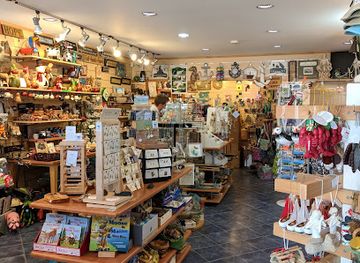
Little Village Gifts
Explore Little Village Gifts in Bar Harbor, your destination for unique Maine-themed treasures and handcrafted souvenirs.
Get your free copy of our complete guide to The Highlands, delivered straight to you.
Everything on this page, from attractions and restaurants to essentials and local phrases, in one PDF you can read offline, print or share.
Already have an account? Sign in
Your The Highlands guide is ready.
We'll send it to · Not you? Sign out

Getting your guide ready…
We are putting together a fresh copy of the The Highlands guide. This can take up to a minute.
This can take a few moments. If your browser asks, choose Allow so the download can start. You'll find the guide in your Downloads folder.
Nothing happened? Download it again
Sorry, the guide is taking longer than usual. Please try again in a minute, or get it by email instead.
The Highlands essentials
Currency and Payment
Safety
Emergency Situations
Do's and Don'ts
Local Tips
From Eve
Local phrases worth knowing
You don't need to get them perfect. A few words go a long way, and locals appreciate the effort.
Basics
| English | Local | Say it |
|---|---|---|
| Hello | Howdy | [Hau-dee] |
| Goodbye | See ya | [See yah] |
| Yes | Yep | [Yep] |
| No | Nope | [Nope] |
| Please/You’re welcome | Sure thing | [Shur thing] |
| Thank you | Thanks a lot | [Thangs a lot] |
| Excuse me/Sorry | Pardon me | [Pardon mee] |
| How are you? | How ya doin’? | [Hau yah doin’?] |
| Fine. And you? | Good. And you? | [Good. And you?] |
| Do you speak English? | Do ya speak English? | [Doo yah speek English?] |
| I don't understand | I don’t get it | [I don’t get it] |
Eating & Drinking
| English | Local | Say it |
|---|---|---|
| I'd like to see the menu, please | Can I see the menu? | [Can I see the menu?] |
| I don't eat meat | I’m a vegetarian | [I’m a vege-tarian] |
| Cheers! | Cheers! | [Cheers!] |
| I would like to pay, please | Can I get the check, please? | [Can I get the check, pleez?] |
Emergencies
| English | Local | Say it |
|---|---|---|
| Help! | Help! | [Help!] |
| Go away! | Get lost! | [Get lost!] |
| Call the Police! | Call the cops! | [Call the cops!] |
| Call a doctor! | Get a doctor! | [Get a doctor!] |
| I'm lost | I’m lost | [I’m lost] |
| I'm ill | I’m sick | [I’m sick] |
Shopping
| English | Local | Say it |
|---|---|---|
| I'd like to buy... | I wanna buy... | [I wanna buy...] |
| I'm just looking | Just browsing | [Just browsing] |
| How much is it? | What’s the price? | [What’s the price?] |
| That's too expensive | That’s too pricey | [That’s too pry-see] |
| Can you lower the price? | Can ya make it cheaper? | [Can ya make it cheaper?] |
Time & Numbers
| English | Local | Say it |
|---|---|---|
| What time is it? | What time is it? | [What time is it?] |
| It's one o'clock | It’s one o’clock | [It’s one o’clock] |
| Half past (10) | Half past ten | [Half past ten] |
| Morning | Morning | [Morning] |
| Afternoon | Afternoon | [Afternoon] |
| Evening | Evening | [Evening] |
| Yesterday | Yesterday | [Yesterday] |
| Today | Today | [Today] |
| Tomorrow | Tomorrow | [Tomorrow] |
| 1 | One | [One] |
| 2 | Two | [Two] |
| 3 | Three | [Three] |
| 4 | Four | [Four] |
| 5 | Five | [Five] |
| 6 | Six | [Six] |
| 7 | Seven | [Seven] |
| 8 | Eight | [Eight] |
| 9 | Nine | [Nine] |
| 10 | Ten | [Ten] |
Transport & Directions
| English | Local | Say it |
|---|---|---|
| Where's a/the...? | Where’s the...? | [Where’s the...?] |
| What's the address? | What’s the address? | [What’s the address?] |
| Can you show me (on the map)? | Can ya show me on the map? | [Can ya show me on the map?] |
| When's the next (bus)? | When’s the next bus? | [When’s the next bus?] |
| A ticket (to ....) | A ticket to... | [A ticket to...] |
History of The Highlands
Wabanaki Homelands and River Travel
The Highlands lies within the traditional homelands of the Wabanaki peoples, including the Penobscot, Maliseet and Abenaki cultural worlds. Rivers and lakes formed essential travel routes, while hunting, fishing, gathering and seasonal settlement shaped knowledge of the forest long before European colonisation. The Penobscot River and its tributaries remain central to the region’s identity. Visitors encounter this living Indigenous history through the continued presence of Wabanaki communities and cultural work across Maine, although much of the region’s public historical interpretation has traditionally underrepresented Indigenous perspectives.
Colonial Trade and the Inland Fur Economy
European settlement expanded inland gradually from the coast and larger rivers. Trading posts, military movement and the fur trade connected the interior to coastal Maine and New England markets, while Indigenous communities faced disease, land pressure and political disruption. The Penobscot watershed became an important route into the forests and lakes north of Bangor. Towns were initially small and scattered, and travel depended heavily on waterways, portages and rough roads rather than the extensive road network used today.
Bangor and the Rise of the Timber Trade
During the nineteenth century, Bangor became one of North America’s leading lumber ports because timber from the inland forests could be floated down the Penobscot River. Logging camps, river drives and sawmills transformed the economy of the Highlands, while merchants and shipbuilders in Bangor profited from the movement of timber. The wealth of this period is still visible in Bangor’s nineteenth-century architecture. Further north, towns such as Millinocket and East Millinocket developed around mills and the transport systems required to move wood and finished products.
Railways, Mills and Industrial Communities
Railway construction in the late nineteenth and early twentieth centuries changed access to the interior, linking forest settlements and mill towns with Bangor and wider markets. The arrival of the Bangor and Aroostook Railroad helped strengthen communities around northern Maine’s timber economy, while rail access also supported tourism to lakes and wilderness areas. Paper manufacturing became especially important in Millinocket and East Millinocket. The industry provided employment and civic investment for generations, although mill closures and restructuring later brought profound economic change.
Katahdin, Conservation and the Appalachian Trail
Mount Katahdin attracted explorers, writers and mountaineers during the nineteenth century and gradually became a symbol of Maine’s inland wilderness. Percival P. Baxter’s land donations helped establish Baxter State Park, which opened a large protected landscape around the mountain and remains distinct from Maine’s state park system in its approach to access and development. Katahdin is also the northern terminus of the Appalachian Trail, giving the region a lasting place in American long-distance hiking culture and conservation history.
From Forest Industry to Outdoor Economy
The late twentieth and early twenty-first centuries brought a shift from an economy dominated by logging and paper towards a more varied combination of forestry, tourism, recreation, education and small business. Moosehead Lake, the Katahdin area, the Appalachian Trail and public conservation lands now attract hikers, paddlers, anglers, hunters, snowmobilers and wildlife observers. This transition has not erased the working-forest culture: forestry remains important, and debates about conservation, access, local employment and sustainable tourism continue to shape the Highlands.
The Highlands in Photos
Browse through our photo collection highlighting the charm and character of the destination.
Neighbouring regions of The Highlands
The closest regions to The Highlands, if you have time for more than one.
-

-

-

-

-
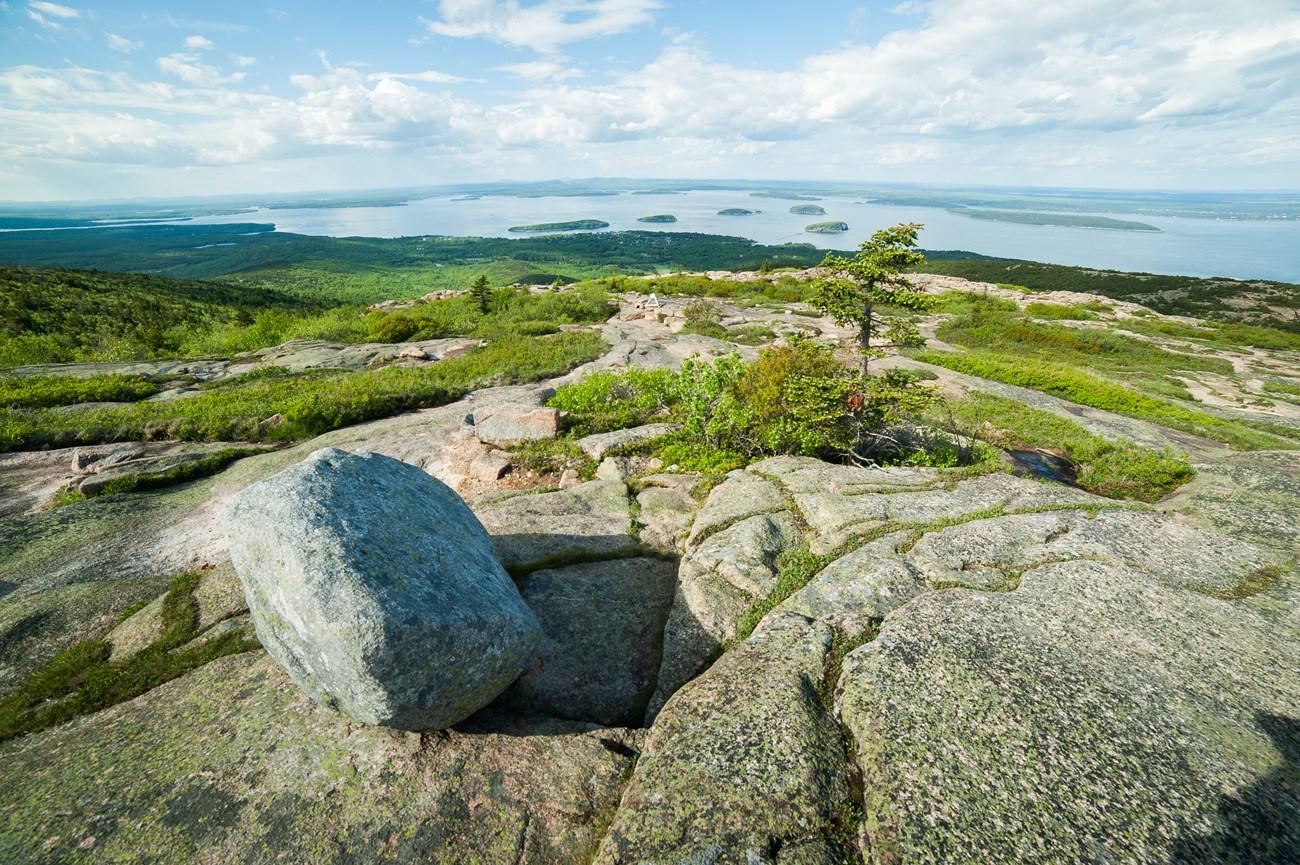 Downeast
Explore Downeast Maine for Acadia landscapes, working harbours, wild blueberry country, tidal shores and quiet coastal roads.
Downeast
Explore Downeast Maine for Acadia landscapes, working harbours, wild blueberry country, tidal shores and quiet coastal roads.


Swipe for more regions
Explore more

Explore more of Maine
Discover Maine's breathtaking landscapes, charming coastal towns, and rich cultural heritage. From Acadia's cliffs to fresh lobster feasts, Maine promises an unforgettable adventure.
Explore Maine