

Likas (Kota Kinabalu) Travel Guide - Free
Explore Likas in Kota Kinabalu with Evendo's free guide. Find the best shops, historic streets, restaurants, and gems on web or mobile.


Likas in Kota Kinabalu pairs mangrove wetlands, coastal views, major mosques and sports grounds with an authentic slice of everyday Sabah city life.
A Northern Gateway to Kota Kinabalu
Likas lies just north of central Kota Kinabalu, where built-up streets, sports grounds, mangrove wetlands and the waters of Likas Bay meet. It is less a compact sightseeing quarter than a broad urban area with several distinct centres: the Kota Kinabalu Wetland Centre, Likas Sports Complex, the Sabah State Mosque and the Kota Kinabalu City Mosque are its most recognisable visitor landmarks. Roads leading towards Inanam, Sepanggar and the northern suburbs pass through or near the area, giving Likas a practical, everyday character rather than the concentrated hotel-and-shopping atmosphere found around the city centre.Read more about Likas
Water, Green Space and Civic Architecture
Everyday Sabah Around the Sights
Best attractions in Likas
Likas's attractions are shaped by the meeting of coast, wetland and civic space. At the Kota Kinabalu Wetland Centre, raised walkways and viewing areas lead through mangrove habitat where visitors can observe the tidal landscape and birdlife without leaving the city. Likas Bay offers an open waterfront perspective, particularly in the softer light of late afternoon, while the broad grounds of Likas Sports Complex show the neighbourhood's importance as a public sporting centre. Religious architecture provides another reason to explore: the Sabah State Mosque presents a substantial modern landmark, and the Kota Kinabalu City Mosque stands beside the northern coastal inlet. These places are not arranged around one pedestrian core, so visits involve short road journeys between them, with ordinary neighbourhood streets, schools and local businesses filling the spaces between the headline sights.
-
Tourist attraction
Masjid Bandaraya Kota Kinabalu
Explore the architectural beauty and spiritual serenity of Masjid Bandaraya Kota Kinabalu, a must-visit destination in Sabah for every traveler.
6 min drive · 1.9 km from neighbourhood centre
-
Tourist attraction
Teluk Likas Beach
Experience the natural beauty and vibrant atmosphere of Teluk Likas Beach, a perfect retreat in Kota Kinabalu for relaxation and adventure.
7 min drive · 2.4 km from neighbourhood centre
-
Tourist attraction
Taman Awam Teluk Likas, Kota Kinabalu, Sabah.
Experience the serene beauty of Taman Awam Teluk Likas, a lush city park in Kota Kinabalu, perfect for relaxation and outdoor activities.
17 min walk · 1.3 km from neighbourhood centre
-
Tourist attraction
I Love KK
Experience the vibrant atmosphere and breathtaking views at I Love KK, an iconic landmark in Kota Kinabalu, Sabah, perfect for capturing unforgettable memories.
8 min drive · 2.5 km from neighbourhood centre


Best landmarks in Likas
The Kota Kinabalu City Mosque is Likas's most recognisable coastal landmark, positioned beside the inlet on Jalan Teluk Likas and known for the way its pale structure is reflected in surrounding water under suitable conditions. The Sabah State Mosque, on the main southern approach to the neighbourhood, is another important religious and architectural presence, with its large dome and civic scale marking the northern city landscape. Likas Sports Complex forms a separate kind of landmark: its stadiums and public sporting grounds represent the area's role in regional athletics and community events. Alongside these buildings, the mangrove setting of the Kota Kinabalu Wetland Centre is a significant environmental landmark, preserving a visible fragment of the coastal terrain that preceded modern urban expansion. Together they give Likas a recognisable identity built from faith, sport and ecology.
-
Mosque
Masjid Bandaraya Kota Kinabalu
Explore the exquisite Masjid Bandaraya Kota Kinabalu, a stunning architectural gem that embodies the spirit of faith and cultural heritage in Sabah.
6 min drive · 1.9 km from neighbourhood centre
-
Park
Teluk Likas Beach
Discover the natural beauty and vibrant culture at Teluk Likas Beach, a serene escape in Kota Kinabalu, perfect for relaxation and adventure.
7 min drive · 2.4 km from neighbourhood centre
-
City park
Taman Awam Teluk Likas, Kota Kinabalu, Sabah.
Discover Taman Awam Teluk Likas, a stunning city park in Kota Kinabalu, perfect for relaxation, outdoor activities, and experiencing local culture.
17 min walk · 1.3 km from neighbourhood centre
-
Mosque
Kota Kinabalu Floating Mosque
Discover the beauty and serenity of Kota Kinabalu Floating Mosque, a stunning architectural gem overlooking the tranquil Likas Bay.
5 min drive · 1.8 km from neighbourhood centre


Explore Likas on the map
A handpicked selection of must-see spots in Likas, mapped for you.
Best hotels in Likas
Best restaurants in Likas
Likas has a practical, local dining scene rather than a concentrated restaurant quarter. Small cafés, coffee shops, food stalls and family-run eateries appear along the main roads and around residential and commercial clusters, offering familiar Malaysian meals, noodles, rice dishes, drinks and Sabah-influenced flavours. The area around Jalan Tuaran and Likas Jaya is more useful for everyday eating than for destination dining, while visitors near the mosques and wetland centre should not assume that a large choice of restaurants is immediately beside each attraction. Seafood and local produce are prominent across Kota Kinabalu, but individual menus and operating arrangements change, so it is sensible to choose busy local establishments and ask about dishes when ingredients are unfamiliar. Likas's food culture is best experienced as part of its ordinary urban rhythm rather than as a formal culinary trail.
-
 Indian
Kolombong Fish Head Curry & Cafe
Experience authentic Indian flavors at Kolombong Fish Head Curry & Cafe in Kota Kinabalu – a must-visit culinary destination for every traveler.
6 min drive · 2.1 km from neighbourhood centre
-
Restaurant
OLDTOWN White Coffee
Discover the essence of Malaysian cuisine at OLDTOWN White Coffee in Kota Kinabalu – a must-visit cafe for every traveler.
6 min drive · 1.9 km from neighbourhood centre
-
Indian
Bismillah Curry House
Experience authentic Indian cuisine at Bismillah Curry House in Kota Kinabalu - where every dish is crafted with love and tradition.
6 min drive · 2.1 km from neighbourhood centre
-
Satay restaurant
Satay Jawi,LIKAS PLAZA
Discover the authentic taste of Malaysian satay at Satay Jawi in Likas Plaza - where every skewer tells a delicious story.
6 min drive · 2.0 km from neighbourhood centre


Best bars in Likas
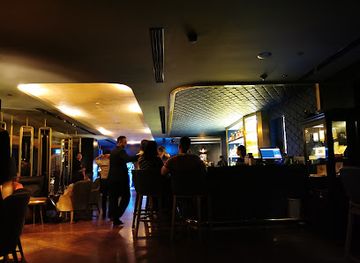
Likas is not one of Kota Kinabalu's principal nightlife districts, and evenings are generally quieter than around the central waterfront, where the city's better-known bars and entertainment venues are concentrated. In Likas, nightlife is more likely to mean casual meals, coffee shops, conversations with friends and activity around sporting or community venues than a line of dedicated clubs. Some restaurants and informal drinking places serve evening customers, but the neighbourhood's residential character and religious landmarks call for a measured approach to noise and dress. Visitors seeking a broad choice of bars, live music or late-night venues will find more options in the city centre, which is nearby but outside Likas. After dark, use a taxi or ride-hailing service for journeys between dispersed destinations rather than treating the area as a continuous nightlife strip.
-
Pub
Moretune Kick Bistro & Fun Pub
Experience the vibrant nightlife at Moretune Kick Bistro & Fun Pub in Kota Kinabalu, where delicious food meets live entertainment for an unforgettable evening.
10 min drive · 3.5 km from neighbourhood centre
-
Bar
Bar Flips
Discover the vibrant nightlife of Kota Kinabalu at Bar Flips, where cocktails, live music, and a lively atmosphere await you.
7 min drive · 2.2 km from neighbourhood centre
-
Bar
Sky Blu Bar
Discover the breathtaking views and vibrant atmosphere at Sky Blu Bar in Kota Kinabalu, the perfect rooftop escape for tourists seeking relaxation and enjoyment.
6 min drive · 2.0 km from neighbourhood centre
-
Wine bar
GRANDCHAMP's Cave & Shop Kota Kinabalu
Discover the exquisite pairing of fine wines and artisanal cheeses at GRANDCHAMP's Cave & Shop in Kota Kinabalu, a haven for connoisseurs.
9 min walk · 0.8 km from neighbourhood centre


Best nightclubs in Likas
Likas is not one of Kota Kinabalu's principal nightlife districts, and evenings are generally quieter than around the central waterfront, where the city's better-known bars and entertainment venues are concentrated. In Likas, nightlife is more likely to mean casual meals, coffee shops, conversations with friends and activity around sporting or community venues than a line of dedicated clubs. Some restaurants and informal drinking places serve evening customers, but the neighbourhood's residential character and religious landmarks call for a measured approach to noise and dress. Visitors seeking a broad choice of bars, live music or late-night venues will find more options in the city centre, which is nearby but outside Likas. After dark, use a taxi or ride-hailing service for journeys between dispersed destinations rather than treating the area as a continuous nightlife strip.
-
Bar
The Club
Experience the vibrant nightlife of Kota Kinabalu at The Club, a bar offering signature cocktails, live entertainment, and a lively atmosphere.
10 min drive · 3.4 km from neighbourhood centre
-
Night club
999 Bar Kota Kinabalu
Immerse yourself in the energetic nightlife of Kota Kinabalu at 999 Bar, where music, dance, and good times await.
9 min drive · 3.0 km from neighbourhood centre
-
Night club
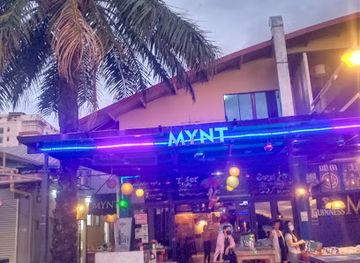
Mynt Club
Discover the exhilarating nightlife at Mynt Club, where custom cocktails and vibrant music create unforgettable experiences in Kota Kinabalu.
10 min drive · 3.4 km from neighbourhood centre
-
Night club
NYX
Unleash your night at NYX, the ultimate nightlife destination in Kota Kinabalu, where music and atmosphere collide for an unforgettable experience.
5 min drive · 1.7 km from neighbourhood centre


Best shops in Likas
Shopping in Likas is mainly local and practical, with small supermarkets, convenience shops, services, cafés and independent businesses serving residents along the main roads and around housing areas. It does not have the dense bazaar streets, specialist craft concentration or major enclosed shopping malls associated with other parts of Kota Kinabalu. Visitors may find everyday snacks, drinks, clothing and household goods, but should not arrive expecting a dedicated souvenir district. For Sabah handicrafts, larger retail selections and organised markets, the city centre and other commercial areas outside Likas offer a broader choice. The neighbourhood's most distinctive commercial experience is therefore the chance to see how shops and food businesses support ordinary urban life between the wetland, sports facilities and coastal roads, rather than a specialist retail trail.
-
Shopping mall
Likas Square
Explore the diverse shopping and cultural experiences at Likas Square, a vibrant shopping mall in Kota Kinabalu, Sabah.
14 min walk · 1.1 km from neighbourhood centre
-
Homewares Store
New Style Home Deco
Explore unique home decor treasures at New Style Home Deco in Kota Kinabalu, where local artistry meets modern design to inspire your living spaces.
7 min drive · 2.3 km from neighbourhood centre
-
Toy store
Toyz-KK Mini-Shop
Explore the enchanting world of Toyz-KK Mini-Shop in Kota Kinabalu, where every toy tells a story and fun awaits at every corner.
6 min drive · 2.0 km from neighbourhood centre
-
Convenience store
SM Mini Store
Explore Kota Kinabalu with ease at SM Mini Store, your one-stop destination for local snacks and essential supplies.
6 min drive · 1.9 km from neighbourhood centre


Likas essentials
Getting There
Getting Around
Safety
Emergency Situations
Do's and Don'ts
Local Tips

From Eve
Local phrases worth knowing
You don't need to get them perfect. A few words go a long way, and locals appreciate the effort.
Basics
| English | Local | Say it |
|---|---|---|
| Hello | Selamat pagi | [suh-lah-maht pah-gee] |
| Goodbye | Selamat tinggal | [suh-lah-maht ting-gahl] |
| Yes | Ya | [yah] |
| No | Tidak | [tee-dahk] |
| Please/You're welcome | Sila | [see-lah] |
| Thank you | Terima kasih | [teh-ree-mah kah-see] |
| Excuse me/Sorry | Maaf | [mah-ahf] |
| How are you? | Apa khabar? | [ah-pah kah-bahr] |
| Fine. And you? | Baik. Dan awak? | [bah-eek dahn ah-wahk] |
| Do you speak English? | Boleh cakap Bahasa Inggeris? | [boh-leh chah-kahp bah-hah-sah eeng-geh-rees] |
| I don't understand | Saya tak faham | [sah-yah tahk fah-hahm] |
Eating & Drinking
| English | Local | Say it |
|---|---|---|
| I'd like to see the menu, please | Saya nak lihat menu, boleh? | [sah-yah nahk lee-haht meh-noo, boh-leh] |
| I don't eat meat | Saya tidak makan daging | [sah-yah tee-dahk mah-kahn dah-yihng] |
| Cheers! | Sihat! | [see-haht] |
| I would like to pay, please | Saya nak bayar, boleh? | [sah-yah nahk bah-yahr, boh-leh] |
Emergencies
| English | Local | Say it |
|---|---|---|
| Help! | Tolong! | [toh-lohng] |
| Go away! | Pergi jauh! | [pehr-gee jah-oo] |
| Call the Police! | Panggil polis! | [pahng-geel poh-lees] |
| Call a doctor! | Panggil doktor! | [pahng-geel dohk-tohr] |
| I'm lost | Saya sesat | [sah-yah suh-saht] |
| I'm ill | Saya sakit | [sah-yah sah-keet] |
Shopping
| English | Local | Say it |
|---|---|---|
| I'd like to buy... | Saya nak beli... | [sah-yah nahk beh-lee] |
| I'm just looking | Saya hanya tengok-tengok | [sah-yah hahn-yah tehn-gohk-tehn-gohk] |
| How much is it? | Berapakah harganya? | [beh-rah-pah-kah hahr-gahn-yah] |
| That's too expensive | Itu terlalu mahal | [ee-too teh-rah-lah mah-hahl] |
| Can you lower the price? | Boleh kurangkan harga? | [boh-leh koor-ahn-gahn hahr-gah] |
Time & Numbers
| English | Local | Say it |
|---|---|---|
| What time is it? | Pukul berapakah sekarang? | [poo-kool beh-rah-pah-kah suh-kah-rahn] |
| It's one o'clock | Pukul satu | [poo-kool sah-too] |
| Half past (10) | Pukul setengah (sepuluh) | [poo-kool suh-teng-gah (suh-poo-loo)] |
| Morning | Pagi | [pah-gee] |
| Afternoon | Petang | [peh-tahng] |
| Evening | Malam | [mah-lahm] |
| Yesterday | Semalam | [suh-mah-lahm] |
| Today | Hari ini | [hah-ree ee-nee] |
| Tomorrow | Esok | [eh-sohk] |
| 1 | Satu | [sah-too] |
| 2 | Dua | [doo-ah] |
| 3 | Tiga | [tee-gah] |
| 4 | Empat | [em-paht] |
| 5 | Lima | [lee-mah] |
| 6 | Enam | [eh-nahm] |
| 7 | Tujuh | [too-joo] |
| 8 | Lapan | [lah-pahn] |
| 9 | Sembilan | [suhm-bee-lahn] |
| 10 | Sepuluh | [suh-poo-loo] |
Transport & Directions
| English | Local | Say it |
|---|---|---|
| Where's a/the...? | Di mana... | [dee mah-nah] |
| What's the address? | Alamatnya di mana? | [ah-lah-maht-nyah dee mah-nah] |
| Can you show me (on the map)? | Boleh tunjukkan kepada saya (di peta)? | [boh-leh toon-jook-kahn keh-pah sah-yah (dee peh-tah)] |
| When's the next (bus)? | Bila bas seterusnya? | [bee-lah bahs suh-teh-roos-nyah] |
| A ticket (to ....) | Satu tiket (ke ....) | [sah-too tee-keht (keh ....)] |
History of Likas
From Coastal Wetlands to Urban District
Likas developed on low-lying coastal and wetland ground north of Kota Kinabalu's historic centre. Its landscape of mangroves, tidal flats and the inlet now known as Likas Bay remained distinct from the more intensively built commercial core for much of the city's development. As Kota Kinabalu expanded after the Second World War, roads, housing, public institutions and recreational facilities gradually extended into the area. The result was not a single planned old town but a mixed urban district in which remnants of the coastal environment remain alongside major civic buildings and arterial roads.
Civic Buildings and Public Recreation
The twentieth-century growth of Likas was marked by the arrival of institutions serving the wider capital rather than only local residents. Likas Sports Complex became an important venue for organised sport and large public events, while the Sabah State Mosque established a prominent religious and architectural presence along the main road. These developments helped shift Likas from a peripheral coastal landscape into a recognised civic part of Kota Kinabalu, with sports grounds, schools, places of worship and public infrastructure woven into the neighbourhood's expanding residential fabric.
Protecting the Likas Wetlands
Urban growth also made the remaining mangrove habitat increasingly significant. The Kota Kinabalu Wetland Centre was established to support conservation, environmental education and public understanding of the city's coastal ecosystems. Its boardwalks and observation areas provide a managed way to experience a habitat that is easily overlooked beside busy roads and expanding development. The wetland's presence gives Likas an environmental role within Kota Kinabalu, preserving a visible connection to the tidal landscape that shaped the area before modern roads and buildings transformed its shore.
A Contemporary Coastal Neighbourhood
Today Likas functions as a strategic northern part of Kota Kinabalu, linking the city centre with communities and commercial areas farther north while retaining a mixture of civic, residential and natural spaces. The City Mosque, sports complex, wetland centre and bay have made the area increasingly familiar to visitors, yet its identity remains grounded in everyday urban life rather than a fully tourist-oriented precinct. Continuing road traffic, development pressure and the care of the wetlands reflect the wider challenge of balancing Kota Kinabalu's growth with its coastal and ecological setting.
Likas in Photos
Browse through our photo collection highlighting the charm and character of the destination.
Neighbourhoods near Likas
The closest neighbourhoods to Likas, if you have time for more than one stop.
-

-

-

-


Swipe for more neighbourhoods
Explore more

Explore more of Kota Kinabalu
Kota Kinabalu combines Sabah’s island-fringed coastline, markets, seafood, cultural heritage and Mount Kinabalu access for memorable city sightseeing.
Explore Kota Kinabalu