

Free Sliema Travel Guide & Mobile App
Plan your Sliema trip with Evendo. Get free guides to top attractions, restaurants, hotels, and bars. Web access or download the mobile app.


Sliema, Malta combines harbour views, rocky beaches, shopping, Maltese culture and easy Valletta access along a lively Mediterranean waterfront.
Seafront Character
Sliema stretches along Malta’s north-eastern coast opposite Valletta, its shoreline shaped by broad promenades, rocky bathing platforms and views across Marsamxett Harbour to the capital’s fortified skyline. Once a modest fishing settlement, it is now one of Malta’s most urbanised coastal towns, with apartment blocks, offices, cafés, hotels and busy commercial streets occupying the land behind the water. The town’s name is often associated with its long seafront, where residents walk, swim from the rocks in summer and watch harbour traffic move between Sliema, Valletta and the Three Cities.Read more about Sliema
Streets, Heritage and Harbours
Contemporary Malta by the Water
When is the best time to visit Sliema?
Best: May–June, November · 24–30°C| Month | High (°C) | Rainfall (mm) |
|---|---|---|
| January | 17 | 51 |
| February | 17 | 41 |
| March | 18 | 31 |
| April | 22 | 21 |
| May (best) | 26 | 11 |
| June (best) | 30 | 6 |
| July | 33 | 6 |
| August | 33 | 11 |
| September | 31 | 21 |
| October | 28 | 31 |
| November (best) | 24 | 41 |
| December | 21 | 51 |
Getting to and around Sliema
How to get there
Transportation
Best attractions in Sliema
Sliema’s principal attraction is its waterfront, where a long pedestrian route follows Marsamxett Harbour from Qui-Si-Sana towards Tigné Point. The rocky platforms and lidos offer a distinctly Maltese way to swim in clear coastal water, while the promenade provides broad views towards Valletta and Manoel Island. Fort Tigné, at the peninsula’s tip, adds a layer of military history to the contemporary retail and residential development around Tigné Point. In the town centre, Stella Maris Parish Church introduces visitors to Sliema’s nineteenth-century community heritage, while the surrounding streets retain fragments of older town-house architecture. The nearby Independence Garden combines open space with coastal views, and the ferry landing gives access to a memorable harbour crossing to Valletta. Sliema is also well placed for exploring neighbouring Gżira and St Julian’s, although their attractions and entertainment areas belong to separate localities rather than to Sliema itself.
-
Park
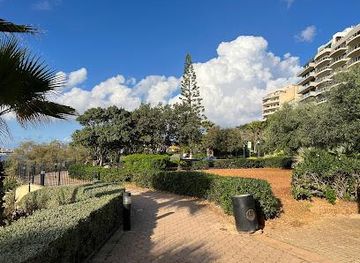
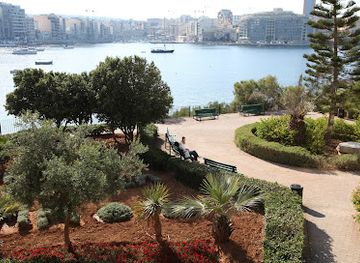
Ġnien Indipendenza
Discover the tranquility of Ġnien Indipendenza, Sliema's lush park offering stunning views and a peaceful retreat amidst the Mediterranean charm.
7 min walk · 0.5 km from city centre
-
Historical landmark
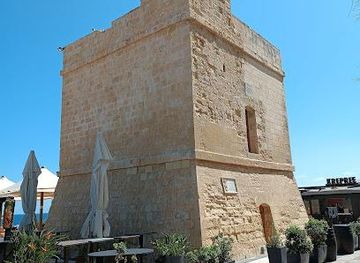
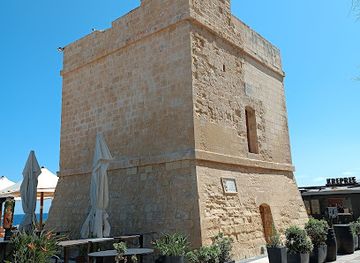
Torri ta' San Ġiljan
Experience the historical significance and breathtaking views at Torri ta' San Ġiljan, a must-visit landmark in Sliema, Malta.
8 min walk · 0.6 km from city centre
-
Fortress
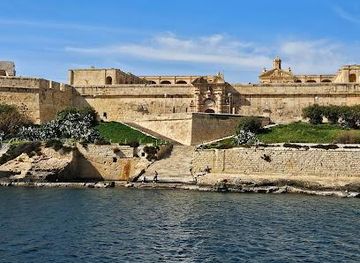
Fort Manoel
Explore the grandeur of Fort Manoel, a historical fortress in Malta that showcases stunning architecture and breathtaking views of the Mediterranean.
14 min walk · 1.1 km from city centre
-
Tourist attraction
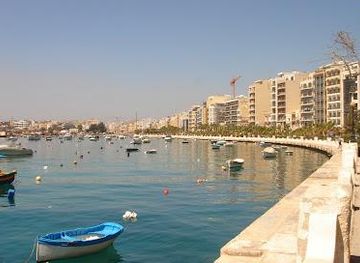
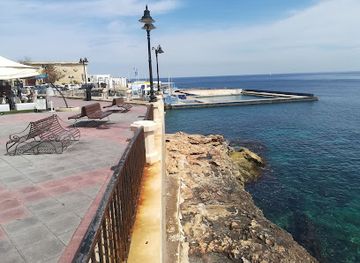
Sliema Promenade
Explore Sliema Promenade, Malta's stunning coastal walkway, filled with vibrant culture, delicious food, and breathtaking Mediterranean views.
6 min walk · 0.5 km from city centre
Best landmarks in Sliema
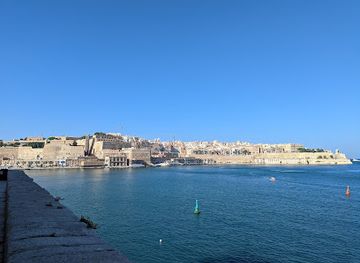
Fort Tigné is Sliema’s most important surviving military landmark, an eighteenth-century polygonal fort built by the Order of St John to help defend the entrance to Marsamxett Harbour. Its position at the peninsula’s end makes its relationship with Valletta’s fortifications especially clear. Stella Maris Parish Church, formally dedicated to Our Lady Star of the Sea, represents the nineteenth-century growth of Sliema from a coastal settlement into a substantial community; its prominent façade and religious role give the town a historic centre. The seafront’s preserved watchtower, known as the Sliema Tower, is one of several coastal towers built in Malta during the rule of the Knights and later adapted over time. The broad harbour, with Valletta’s bastions and Manoel Island opposite, is itself a defining geographical landmark that explains Sliema’s strategic and urban development.
-
Park
Ġnien Indipendenza
Experience the tranquility and stunning views at Ġnien Indipendenza, Sliema's serene park perfect for relaxation and leisure.
7 min walk · 0.5 km from city centre
-
Historical landmark
Torri ta' San Ġiljan
Discover Torri ta' San Ġiljan, a historical landmark in Sliema, Malta, showcasing breathtaking views and rich maritime history.
8 min walk · 0.6 km from city centre
-
Tourist attraction
Pjazza Tigné
Explore Pjazza Tigné, a vibrant Sliema square offering stunning sea views, shops, dining, and cultural experiences for unforgettable Malta memories.
13 min walk · 1.0 km from city centre
-
Pub
Salisbury Arms
Discover the vibrant atmosphere of Salisbury Arms in Sliema, Malta, where local cuisine meets a lively pub culture in an inviting setting.
1 min walk · 0.1 km from city centre
Explore Sliema on the map
Plan your Sliema trip on one map. See where the top attractions, landmarks, restaurants, bars and hotels are, find what's near where you're staying, and book hotels and experiences in a few clicks.
Best hotels in Sliema
Best restaurants in Sliema
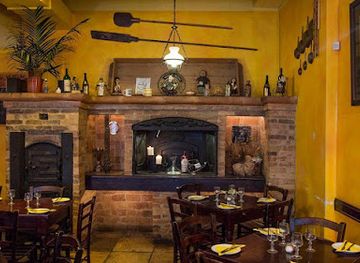
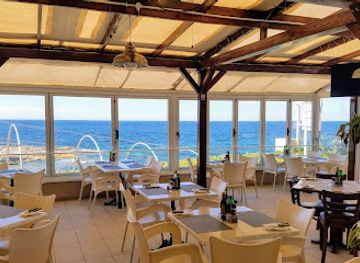
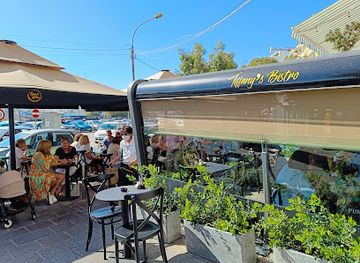
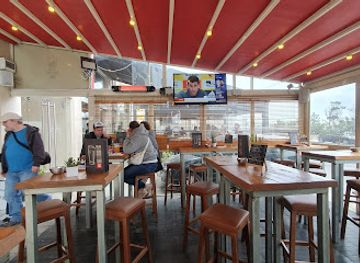
Sliema’s dining scene reflects Malta’s position between Europe and North Africa, with Maltese cooking appearing alongside Italian, Mediterranean, Middle Eastern and international styles. Traditional choices include pastizzi, savoury pastries filled with ricotta or peas, and ftira, a ring-shaped Maltese bread used in snacks and sandwiches. Menus may also feature rabbit, lampuki when in season, octopus, ġbejniet sheep’s cheese and bigilla, a seasoned broad-bean dip. Around the promenade and central shopping streets, visitors find cafés, casual restaurants, bakeries and seafront terraces, while quieter side streets offer smaller neighbourhood establishments. Malta’s harbour setting also makes seafood prominent, although menus vary with season and supply. Dining in Sliema ranges from quick pastry stops and coffee to modern restaurants that reinterpret local ingredients without abandoning the island’s strong culinary links with surrounding Mediterranean cultures.
-
Maltese
Ta' Kris
Experience authentic Maltese flavors in Sliema at Ta' Kris Bistro - A Mediterranean culinary gem offering delightful dishes.
7 min walk · 0.5 km from city centre
-
Restaurant
Il-Fortizza
Experience exquisite Mediterranean cuisine at Il-Fortizza in Sliema - where stunning views meet culinary excellence.
6 min walk · 0.5 km from city centre
-
Restaurant
Tiffany's Bistro
Discover exquisite Mediterranean flavors at Tiffany's Bistro on Sliema’s scenic seafront – where every meal is a feast for the senses.
6 min walk · 0.5 km from city centre
-
Restaurant
The Brew Grill & Brewery
Discover Malta's flavors at The Brew Grill & Brewery – where gourmet cuisine meets artisanal brewing in Sliema.
6 min walk · 0.5 km from city centre
Best bars in Sliema
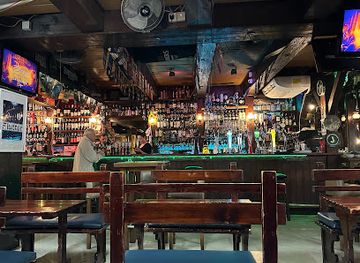
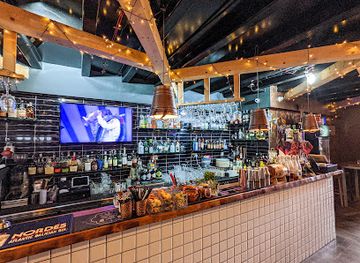
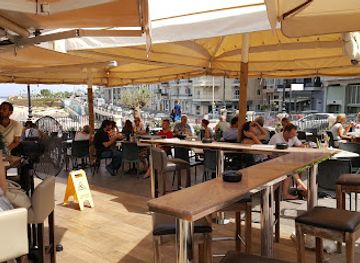
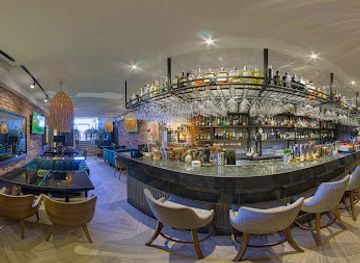
Evenings in Sliema are generally sociable and relaxed, centred on seafront cafés, hotel bars, wine venues and restaurants rather than on a concentrated club district. The promenade is particularly suited to an early drink with harbour views, while central streets provide informal places to meet after shopping or dinner. Live music and busier late-night entertainment are more strongly associated with neighbouring St Julian’s, especially the Paceville area, which lies outside Sliema and has Malta’s largest concentration of nightclubs. Visitors seeking a quieter evening can choose a harbour-side bar, attend a performance or use Sliema as a base before travelling elsewhere. As in other urban parts of Malta, venues vary considerably in atmosphere, and noise levels can change between residential streets and the more commercial waterfront.
-
Live music bar
Black Gold Saloon
Experience the best live music and delicious cuisine at Black Gold Saloon in Sliema, Malta, a vibrant hotspot for every traveler.
6 min walk · 0.5 km from city centre
-
Bar
The Brew Grill & Brewery
Experience the best of Maltese cuisine at The Brew Grill & Brewery, where exceptional craft beers and grilled delights await in a vibrant setting.
6 min walk · 0.5 km from city centre
-
Lounge
The Compass Lounge
Discover The Compass Lounge in Sliema - a cozy spot for drinks, meals, and unforgettable moments amidst Malta's vibrant culture.
6 min walk · 0.5 km from city centre
-
Cocktail bar
The Black Sheep drink and dine
Experience the vibrant culinary scene at The Black Sheep in Sliema, Malta, where Mediterranean flavors meet craft cocktails in a lively atmosphere.
6 min walk · 0.5 km from city centre
Best nightclubs in Sliema
Evenings in Sliema are generally sociable and relaxed, centred on seafront cafés, hotel bars, wine venues and restaurants rather than on a concentrated club district. The promenade is particularly suited to an early drink with harbour views, while central streets provide informal places to meet after shopping or dinner. Live music and busier late-night entertainment are more strongly associated with neighbouring St Julian’s, especially the Paceville area, which lies outside Sliema and has Malta’s largest concentration of nightclubs. Visitors seeking a quieter evening can choose a harbour-side bar, attend a performance or use Sliema as a base before travelling elsewhere. As in other urban parts of Malta, venues vary considerably in atmosphere, and noise levels can change between residential streets and the more commercial waterfront.
-
Restaurant
The Exiles Beach Club
Discover the perfect blend of relaxation and entertainment at The Exiles Beach Club, where stunning sea views and delicious cuisine await in Sliema.
9 min walk · 0.7 km from city centre
-
Bar
Club Lounge
Experience Malta's nightlife at Club Lounge in Sliema – a lively bar known for its cocktails, music, and vibrant atmosphere.
4 min walk · 0.3 km from city centre
-
Bar
Simon's Pub
Discover Simon's Pub, a cozy bar in Sliema offering a fantastic selection of drinks and a welcoming atmosphere for all visitors.
7 min walk · 0.6 km from city centre
-
Bar
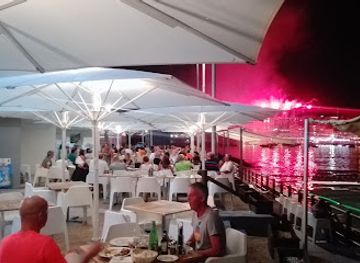
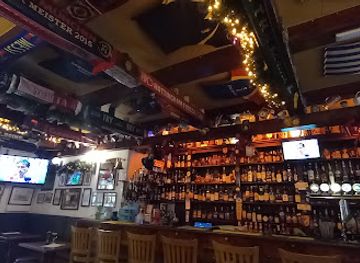
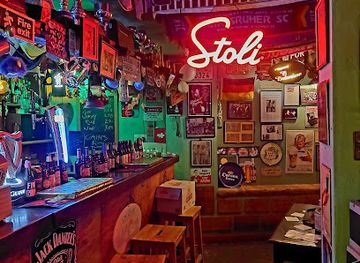
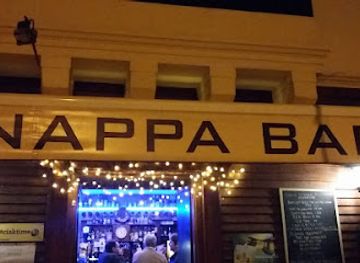
Nappa Bar
Discover the lively atmosphere and exquisite cocktails at Nappa Bar in Sliema, Malta's premier nightlife destination for tourists.
5 min walk · 0.4 km from city centre
Best shops in Sliema
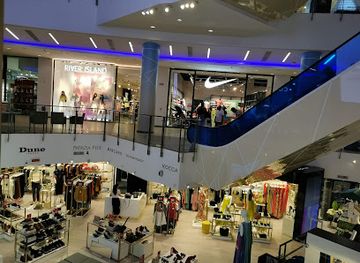
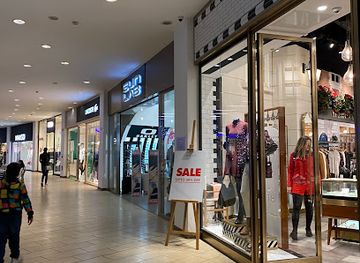
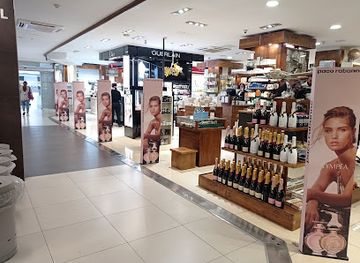
Sliema is one of Malta’s principal shopping areas, combining everyday local commerce with modern retail. Bisazza Street and the roads around the town centre contain clothing shops, jewellers, cafés, pharmacies and independent businesses, while The Point at Tigné Point provides a large contemporary shopping complex beside the waterfront. The main commercial streets are busier and more conventional than Malta’s historic markets, but smaller shops still offer Maltese food products, lace, glassware, jewellery and other island-themed goods. Visitors looking for edible purchases can consider local honey, ġbejniet, olive oil, wine and traditional biscuits, provided that transport and customs requirements are taken into account. The contrast between older limestone façades, mixed-use streets and modern development around Tigné Point reflects Sliema’s transformation from a coastal residential town into Malta’s leading commercial waterfront district.
-
Shopping mall
The Point Shopping Mall
Discover unparalleled shopping and dining at The Point Shopping Mall in Sliema, Malta, where fashion meets the Mediterranean charm.
13 min walk · 1.0 km from city centre
-
Shopping mall
Tigné Point centre
Discover a blend of shopping, dining, and stunning views at Tigné Point Centre in Sliema, Malta's vibrant retail oasis.
12 min walk · 0.9 km from city centre
-
Shopping mall
The Plaza Shopping Centre
Explore The Plaza Shopping Centre in Sliema, a vibrant hub for shopping, dining, and leisure with a mix of local and international brands.
6 min walk · 0.5 km from city centre
-
Department store
Marks and Spencer
Experience quality shopping and gourmet food at Marks and Spencer in Sliema, Malta - a perfect destination for tourists seeking style and flavor.
5 min walk · 0.4 km from city centre
Get your free copy of our complete guide to Sliema, delivered straight to you.
Everything on this page, from attractions and restaurants to essentials and local phrases, in one PDF you can read offline, print or share.
Already have an account? Sign in
Your Sliema guide is ready.
We'll send it to · Not you? Sign out

Getting your guide ready…
We are putting together a fresh copy of the Sliema guide. This can take up to a minute.
This can take a few moments. If your browser asks, choose Allow so the download can start. You'll find the guide in your Downloads folder.
Nothing happened? Download it again
Sorry, the guide is taking longer than usual. Please try again in a minute, or get it by email instead.
Sliema essentials
Currency and Payment
Safety
Emergency Situations
Do's and Don'ts
Local Tips
From Eve
Local phrases worth knowing
You don't need to get them perfect. A few words go a long way, and locals appreciate the effort.
Basics
| English | Local | Say it |
|---|---|---|
| Hello | Bongu | [bon-goo] |
| Goodbye | Ċaw | [chow] |
| Yes | Iva | [ee-va] |
| No | Le | [leh] |
| Please/You're welcome | Jekk jogħġbok | [yekk yoj-bok] |
| Thank you | Grazzi | [grat-see] |
| Excuse me/Sorry | Skuzi | [skoo-zee] |
| How are you? | Kif int? | [keef eent] |
| Fine. And you? | Tajjeb. U int? | [tay-yeb. oo eent] |
| Do you speak English? | Titkellem bl-Ingliz? | [tit-kel-lem bl-ing-lees] |
| I don't understand | Ma nifhimx | [ma neef-heems] |
Eating & Drinking
| English | Local | Say it |
|---|---|---|
| I'd like to see the menu, please | Nixtieq inara l-menu, jekk jogħġbok | [nix-tee-ek ee-nara l-may-noo, yekk yoj-bok] |
| I don't eat meat | Ma niekolx laħam | [ma nee-e-kolsh la-ham] |
| Cheers! | Saħħa | [sa-ha] |
| I would like to pay, please | Nixtieq inħallas, jekk jogħġbok | [nix-tee-ek in-hal-las, yekk yoj-bok] |
Emergencies
| English | Local | Say it |
|---|---|---|
| Help! | Għajni! | [ay-nee] |
| Go away! | Mur lejn | [moor layn] |
| Call the Police! | Ibqa' lill-Pulizija! | [ib-ka lil-poo-leet-see-ya] |
| Call a doctor! | Ibqa' lill-tabib! | [ib-ka lil-ta-beeb] |
| I'm lost | Inkejt | [ink-edge] |
| I'm ill | Jien ma ħasniex sew | [yee-en ma has-neex so] |
Shopping
| English | Local | Say it |
|---|---|---|
| I'd like to buy... | Nixtieq inkun | [nix-tee-ek in-koon] |
| I'm just looking | Qed nara biss | [ked na-ra beess] |
| How much is it? | Kemm huwa? | [kem hoo-wa] |
| That's too expensive | Dan huwa wisq għoli | [dan hoo-wa wees gho-li] |
| Can you lower the price? | Tista' tgħaqqad il-prezz? | [tis-ta tag-gad il-prezz] |
Time & Numbers
| English | Local | Say it |
|---|---|---|
| What time is it? | X'ħin huwa? | [shin hoo-wa] |
| It's one o'clock | Huwa l-ewwel siegħa | [hoo-wa l-ew-wel see-ga] |
| Half past (10) | Nofs il-għaxra | [noffs il-aakra] |
| Morning | Filgħodu | [fil-gdo] |
| Afternoon | Waranofsinhar | [wa-ra-no-fsi-nar] |
| Evening | Fl-ewwel lejl | [fl-ew-wel layl] |
| Yesterday | Ilbieraħ | [il-byer-ah] |
| Today | Illum | [illum] |
| Tomorrow | Għada | [gada] |
| 1 | Wieħed | [wee-hed] |
| 2 | Tnejn | [tnejn] |
| 3 | Tlieta | [tlee-ta] |
| 4 | Erba' | [er-ba] |
| 5 | Ħamsa | [hamsa] |
| 6 | Sitta | [sit-ta] |
| 7 | Seba' | [se-ba] |
| 8 | Tmintax | [tmin-tax] |
| 9 | Disgħa | [dis-gha] |
| 10 | Għaxra | [aakra] |
Transport & Directions
| English | Local | Say it |
|---|---|---|
| Where's a/the...? | Fejn hemm... | [fayne hemm] |
| What's the address? | X'inhu l-indirizz? | [shin-hoo l-indi-reez] |
| Can you show me (on the map)? | Tista' turienejja (fuq il-mappa)? | [tis-ta too-ree-ne-ya fooq il-map-pa] |
| When's the next (bus)? | Meta hu l-ġurnata li ġejja (il-karozza)? | [me-ta hoo l-jur-na-ta lee jay-ya il-ka-rot-za] |
| A ticket (to ....) | Biljett (għal ....) | [bil-yet tal] |
History of Sliema
From Coastal Fields to Fishing Village
Before urban development, the Sliema peninsula formed part of the rural landscape outside Valletta and the harbour settlements. The area was associated with fields, country residences and the coast rather than with a substantial town. Its name is commonly linked to the Maltese word sliem, associated with peace, although explanations of local place names are not always definitive. During the early modern period, small-scale fishing and coastal activity developed alongside the grander settlements around the harbour. The shoreline’s relationship with Marsamxett Harbour later became central to Sliema’s growth, while its position opposite Valletta gave it strategic and commercial importance.
Fort Tigné and Harbour Defence
Sliema’s military history is represented most clearly by Fort Tigné, built by the Order of St John in the late eighteenth century on the peninsula’s eastern extremity. The fort formed part of the defensive system protecting the entrance to Marsamxett Harbour and complemented the fortified positions around Valletta. Its unusual polygonal design reflected changing ideas about coastal artillery and allowed defenders to cover approaches that older fortifications did not fully command. Under British rule, the fort continued to serve a military purpose and was later incorporated into wider defensive works. Today, its surviving structure provides evidence of the harbour’s importance before Sliema became a dense residential and commercial town.
Nineteenth-Century Urban Expansion
Sliema began to change substantially during the nineteenth century as Malta’s harbour region expanded under British administration. Improved communications, the growth of commerce and the appeal of the coast encouraged affluent residents to build summer houses and permanent residences outside Valletta. Roads, villas and rows of town houses gradually replaced much of the earlier rural character. Stella Maris Parish Church, founded in the nineteenth century and repeatedly enlarged, became an important religious and civic focus for the growing community. The town’s broad streets and seafront residences reflected a new suburban pattern, linking Sliema more closely to Valletta and the other harbour districts.
A Resort and Residential Town
By the late nineteenth and early twentieth centuries, Sliema had developed into a fashionable residential and seaside district. Families associated with commerce, government and the British military were drawn to its healthier coastal setting, while bathing and promenading became established leisure activities. The architecture of this period included Maltese limestone town houses, balconies, villas and commercial premises adapted to a growing population. The waterfront also became a place of public sociability, with cafés and bathing facilities alongside working harbour activity. Sliema’s prosperity reinforced its role as one of the principal urban communities around Marsamxett Harbour, distinct from but closely connected to Valletta.
Post-War Modernisation and the Present Town
The Second World War and the decades that followed brought major changes to Sliema’s appearance and economy. Reconstruction, rising land values and Malta’s development as an independent Mediterranean state accelerated the replacement of many older villas with apartment buildings, offices, hotels and retail premises. Tourism and service industries became increasingly important, while the waterfront was reshaped for pedestrians, leisure and commerce. The Tigné peninsula underwent extensive redevelopment in the late twentieth and early twenty-first centuries, adding contemporary residential, retail and public spaces around the historic fort. Present-day Sliema consequently combines fragments of its village and military past with the dense urban character of Malta’s central harbour region.
Sliema in Photos
Browse through our photo collection highlighting the charm and character of the destination.
Cities near Sliema
The closest cities to Sliema, if you have time for more than one stop.
-

-

-

-

-


Swipe for more cities
Explore more
Explore more of Malta
Discover Malta's crystal-clear waters, rich history, and vibrant culture. From ancient temples to modern nightlife, this Mediterranean gem offers something for everyone.
Explore Malta