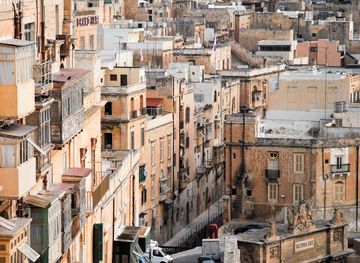
Free St. Paul's Bay Area Travel Guide & Mobile App
Explore St. Paul's Bay Area with free travel guides. Discover regional history, expert tips, proposed trips, and audio guides on web or mobile app.


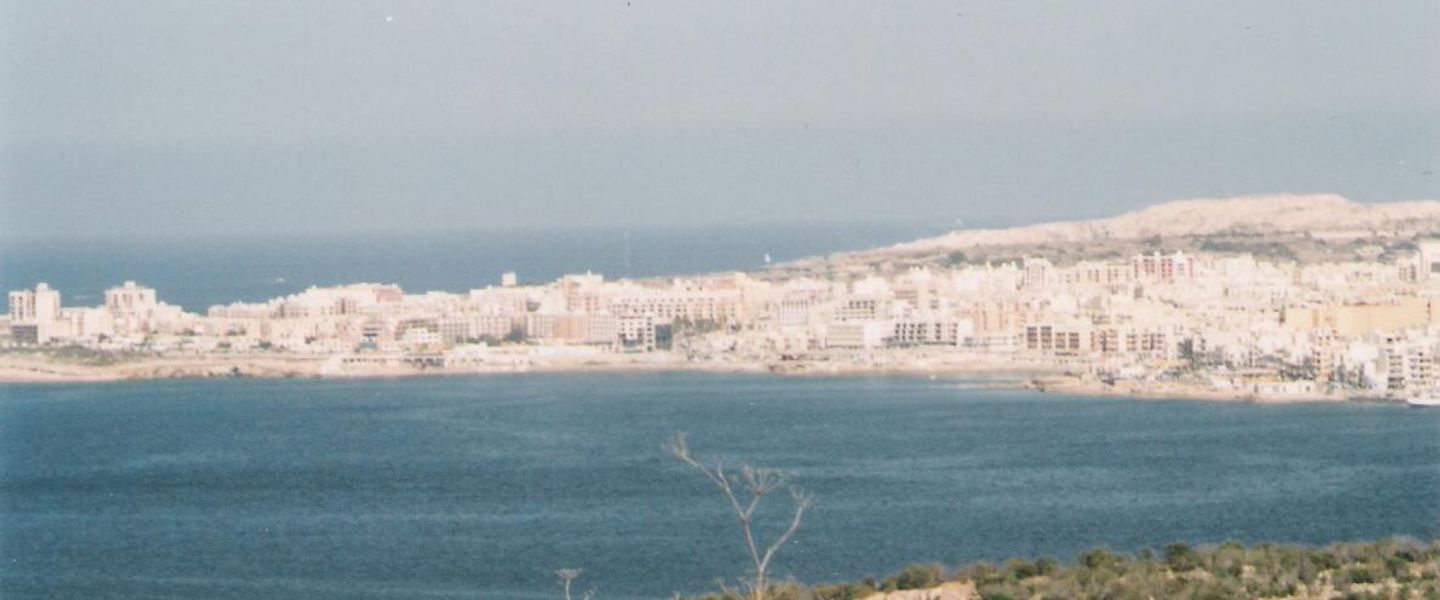


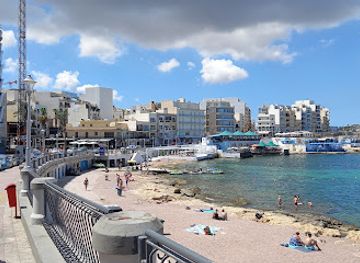
Discover the charm of St. Paul's Bay Area in Malta, where history meets modernity along crystal-clear Mediterranean waters. Perfect for beach lovers and history enthusiasts alike.
Read more about St. Paul's Bay Area
When is the best time to visit St. Paul's Bay Area?
Best: May–June, October · 23–28°C| Month | High (°C) | Rainfall (mm) |
|---|---|---|
| January | 16 | 81 |
| February | 16 | 70 |
| March | 17 | 60 |
| April | 19 | 40 |
| May (best) | 23 | 21 |
| June (best) | 28 | 10 |
| July | 31 | 5 |
| August | 31 | 10 |
| September | 29 | 40 |
| October (best) | 25 | 50 |
| November | 20 | 60 |
| December | 16 | 71 |
Getting to and around St. Paul's Bay Area
How to get there
Transportation
Top city travel guides in St. Paul's Bay Area
The cities of St. Paul's Bay Area, and the easiest places to base yourself.
-
 Bugibba
Discover Bugibba, a lively seaside town in Malta with stunning coastal views, vibrant nightlife, and a rich blend of history, culture, and exciting water sports.
Bugibba
Discover Bugibba, a lively seaside town in Malta with stunning coastal views, vibrant nightlife, and a rich blend of history, culture, and exciting water sports.
-
 Qawra
Discover Qawra, Malta's northern coastal gem, offering stunning seafront views, vibrant nightlife, historical sites, and exciting water sports activities.
Qawra
Discover Qawra, Malta's northern coastal gem, offering stunning seafront views, vibrant nightlife, historical sites, and exciting water sports activities.
Swipe for more cities
Destinations in St. Paul's Bay Area
Resorts, valleys and scenic spots worth a trip of their own.

Swipe for more destinations
Best attractions in St. Paul's Bay Area
St. Paul's Bay Area in Malta offers a captivating blend of history, culture, and natural beauty that promises an unforgettable experience for every visitor. Wander through the charming streets of Bugibba and Qawra, where you can discover a myriad of vibrant cafes, restaurants, and shops, or take a stroll along the picturesque promenade that offers stunning views of the Mediterranean Sea. History buffs will delight in the area's rich heritage, with sites such as the Wignacourt Tower, a 17th-century watchtower, and the serene St. Paul's Island, believed to be where the Apostle Paul shipwrecked. For nature enthusiasts, the Salina Nature Reserve is a must-visit, offering a peaceful retreat with its diverse birdlife and salt pans. Water sports and diving opportunities abound in the crystal-clear waters, revealing an underwater world teeming with marine life and intriguing wrecks. Whether you're looking to explore historical landmarks, relax by the sea, or indulge in local cuisine, St. Paul's Bay Area has something to captivate every traveler.
-
Aquarium
Malta National Aquarium
Discover the vibrant marine life at Malta National Aquarium, an engaging family-friendly attraction showcasing the beauty of the Mediterranean Sea.
-
Resort hotel
Ramla Bay Resort
Experience tranquility at Ramla Bay Resort with stunning views, luxurious amenities, and exciting water sports in the heart of Mellieħa, Malta.
-
Tourist attraction
The Malta Classic Car Collection
Explore Malta's automotive heritage at The Malta Classic Car Collection, showcasing an impressive array of vintage vehicles and timeless craftsmanship.
-
Wedding venue
Palazzo Parisio
Experience the elegance of Palazzo Parisio, a historic palace in Naxxar with stunning gardens and gourmet dining that captures the essence of Maltese aristocracy.



Best landmarks in St. Paul's Bay Area
St. Paul's Bay Area in Malta offers an intriguing blend of historical and natural attractions that promise to captivate any visitor. Begin your journey at the serene St. Paul's Island, where tradition holds that Apostle Paul was shipwrecked, and explore the remains of ancient Roman ruins. Wander through the charming village of Bugibba, known for its vibrant nightlife, bustling promenade, and the Bugibba Temple, a relic from the Bronze Age. Don't miss the Malta National Aquarium with its mesmerizing aquatic life and the refreshing Splash & Fun Water Park, perfect for families. The Wignacourt Tower, one of the oldest surviving coastal watchtowers, offers panoramic views and a glimpse into Malta's military past. For nature enthusiasts, the serene Salini National Park and the picturesque Kennedy Grove provide lush green escapes. Together, these landmarks paint a vivid picture of Malta's rich history and natural beauty, making St. Paul's Bay Area a must-visit destination.
-
Aquarium
Malta National Aquarium
Explore the vibrant marine life at the Malta National Aquarium, an engaging family-friendly attraction that showcases the beauty of the underwater world.
-
Event venue
Buġibba Square
Explore the vibrant Buġibba Square, a cultural hub in Malta offering delightful dining, stunning coastal views, and lively entertainment for every traveler.
-
Museum
The Malta Classic Car Collection
Discover the Malta Classic Car Collection, a stunning museum featuring a vast array of vintage automobiles that capture the essence of automotive history.
-
Beach
Qawra Point Beach
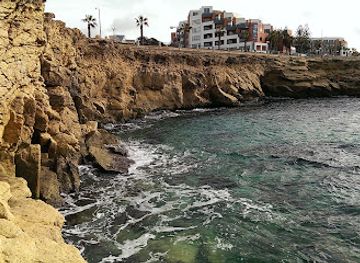
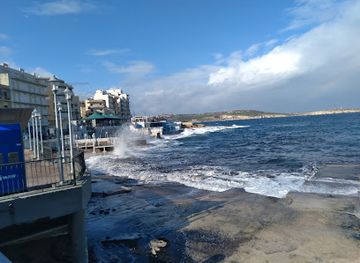
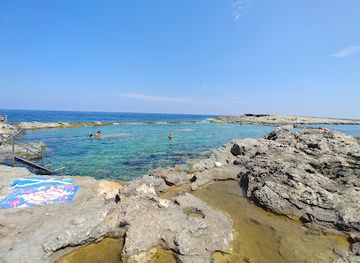
Discover Qawra Point Beach: A stunning Maltese rocky beach with crystal-clear waters, perfect for swimming, snorkeling, and relaxation!
Explore St. Paul's Bay Area on the map
Plan your trip on one map. See where the top cities, national parks and sights are, and book hotels and experiences in a few clicks.
Best hotels in St. Paul's Bay Area
Best restaurants in St. Paul's Bay Area
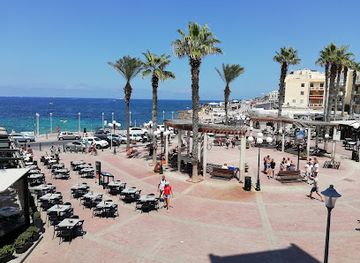
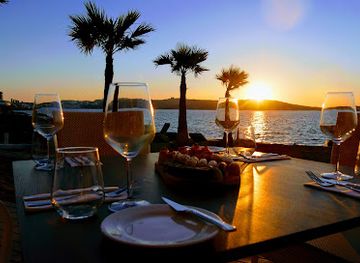
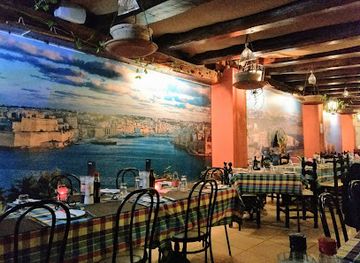
The dining scene in St. Paul's Bay Area is a vibrant mosaic of flavors and cultures, offering visitors an enticing culinary journey. From seaside eateries serving the freshest seafood caught daily by local fishermen to charming trattorias where traditional Maltese dishes like rabbit stew and pastizzi are crafted with love, every meal is an adventure. International cuisine is well-represented, with Italian pizzerias, Indian curry houses, and Japanese sushi bars providing a global feast for the senses. For those seeking a more upscale experience, the area boasts several fine dining restaurants with stunning Mediterranean views and award-winning chefs. Street food enthusiasts will delight in the bustling food markets and kiosks offering quick bites like ħobż biż-żejt (Maltese bread with tomato paste and toppings) and savory pastries. Whether dining al fresco overlooking the picturesque bay or nestled in a cozy bistro, visitors can expect a delightful blend of ambiance, flavor, and hospitality.
-
Mediterranean
Luzzu Restaurant - Conference & Lido
Experience the best of Mediterranean dining at Luzzu Restaurant in St Paul's Bay – where delicious food meets stunning seaside views.
-
Restaurant
McDonald's
Discover fast food favorites at McDonald's Bugibba in Malta – where global tastes meet local charm!
-
Restaurant
Nine Lives Malta
Experience the vibrant flavors of Mediterranean cuisine at Nine Lives Malta with stunning views of St. Paul's Bay.
-
Italian
La Buona Trattoria del Nonno
Discover authentic Italian flavors at La Buona Trattoria del Nonno in St. Paul's Bay – where every dish tells a story.
Best bars in St. Paul's Bay Area
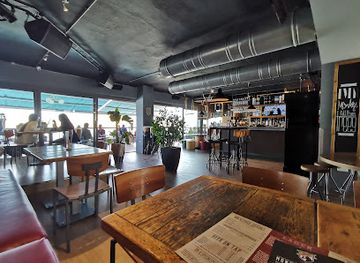
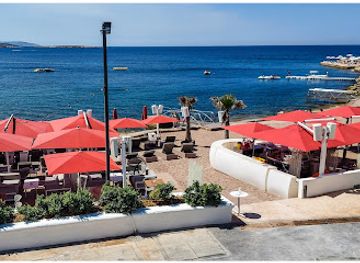
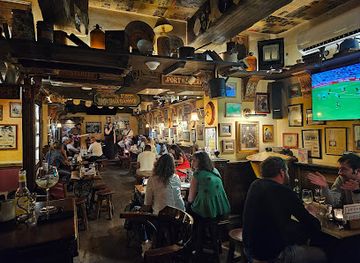
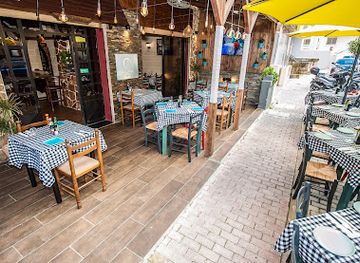
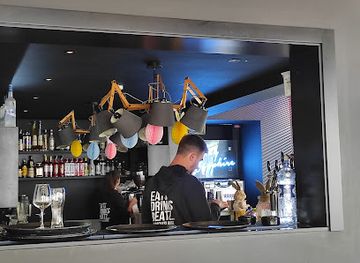
St. Paul's Bay Area in Malta transforms into a vibrant nightlife hub as the sun sets, offering an eclectic mix of experiences for visitors. From the lively Bugibba Square where you can sip on cocktails while enjoying live music and DJ sets, to the more laid-back bars along the picturesque promenade that serve local wines and craft beers, there's something for every taste. Dance the night away at one of the energetic clubs, where international and local DJs keep the party going until the early hours, or enjoy a more intimate evening in one of the charming pubs that offer a cozy atmosphere and a chance to mingle with locals. For those seeking a unique experience, rooftop bars provide stunning views of the Mediterranean under a canopy of stars, making for an unforgettable night out in St. Paul's Bay.
-
Gastropub
Cheeky Monkey Gastropub Qawra
Discover the vibrant flavors of Cheeky Monkey Gastropub, a culinary gem on the Qawra Coast offering a delightful mix of local and international cuisine.
-
Restaurant
Nine Lives Malta
Discover the vibrant flavors of Mediterranean cuisine at Nine Lives Malta, a dining paradise in St. Paul's Bay.
-
Gastropub
Fat Harry's Pub
Experience the lively atmosphere and local flavors of Fat Harry's Pub in St. Paul's Bay, Malta - a perfect spot for food lovers and sports fans alike.
-
Restaurant
Gourmet Bar & Grill
Discover exquisite Mediterranean cuisine at Gourmet Bar & Grill in St. Paul's Bay, where every meal is a delightful experience amidst stunning seaside views.
Best nightclubs in St. Paul's Bay Area
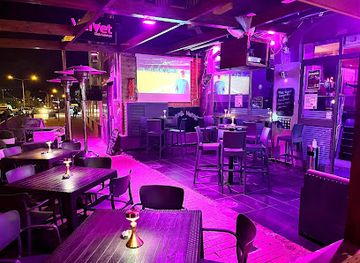
St. Paul's Bay Area in Malta transforms into a vibrant nightlife hub as the sun sets, offering an eclectic mix of experiences for visitors. From the lively Bugibba Square where you can sip on cocktails while enjoying live music and DJ sets, to the more laid-back bars along the picturesque promenade that serve local wines and craft beers, there's something for every taste. Dance the night away at one of the energetic clubs, where international and local DJs keep the party going until the early hours, or enjoy a more intimate evening in one of the charming pubs that offer a cozy atmosphere and a chance to mingle with locals. For those seeking a unique experience, rooftop bars provide stunning views of the Mediterranean under a canopy of stars, making for an unforgettable night out in St. Paul's Bay.
-
Lounge
VELVET LOUNGE CLUB (SHISHA AND FOOD )
Discover the vibrant Velvet Lounge Club in St Paul's Bay, where exquisite shisha meets delicious food in an inviting atmosphere.
-
Bar
Miracles Lounge
Immerse yourself in the electrifying nightlife of Miracles Lounge, a premier bar and night club in St. Paul's Bay, Malta.
-
Bar
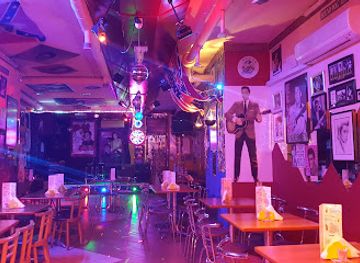
The Elvis Tribute Lounge
The Elvis Tribute Lounge in St. Paul's Bay: a vibrant bar celebrating the music and spirit of Elvis Presley with captivating live performances.
-
Night club
Incognito Terrace Bar and pub
Discover the lively nightlife at Incognito Terrace Bar and Pub, where karaoke, dancing, and affordable drinks create unforgettable experiences.

Best shops in St. Paul's Bay Area
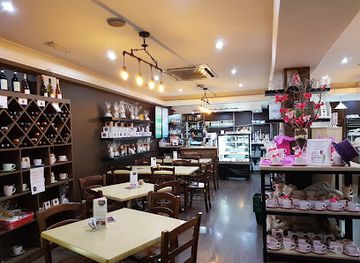
St. Paul's Bay Area in Malta offers a vibrant shopping experience that caters to both locals and tourists alike, with its eclectic mix of boutique stores, artisanal markets, and modern shopping centers. Visitors can meander through charming streets lined with quaint shops selling handcrafted jewelry, traditional Maltese lace, and unique souvenirs that capture the essence of the island's rich culture and history. For those seeking a more contemporary retail experience, the area boasts several high-end fashion boutiques and international brands, ensuring a delightful blend of the old and the new. Don't miss the bustling markets where local vendors sell fresh produce, aromatic spices, and delectable Maltese delicacies, making shopping in St. Paul's Bay a sensory adventure that goes beyond mere retail therapy.
-
Gift shop
Malta Chocolate Factory
Experience the magic of chocolate at Malta Chocolate Factory, where every bite is a sweet adventure waiting to unfold.
-
General store
JB Stores St.Pauls Bay
Discover the convenience of JB Stores in St. Paul's Bay, your go-to destination for local products and souvenirs in Malta.
-
Home goods store
Tal-Lira Bugibba
Explore Tal-Lira Bugibba for a unique shopping experience in St Paul's Bay, offering quality home goods that celebrate Maltese culture and craftsmanship.
-
Bazar
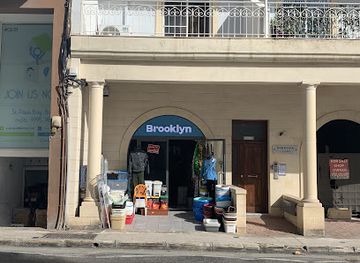
Brooklyn Bazaar
Explore Brooklyn Bazaar for a unique shopping experience in St Paul's Bay, where local culture and diverse products come together.

Get your free copy of our complete guide to St. Paul's Bay Area, delivered straight to you.
Everything on this page, from attractions and restaurants to essentials and local phrases, in one PDF you can read offline, print or share.
Already have an account? Sign in
Your St. Paul's Bay Area guide is ready.
We'll send it to · Not you? Sign out

Getting your guide ready…
We are putting together a fresh copy of the St. Paul's Bay Area guide. This can take up to a minute.
This can take a few moments. If your browser asks, choose Allow so the download can start. You'll find the guide in your Downloads folder.
Nothing happened? Download it again
Sorry, the guide is taking longer than usual. Please try again in a minute, or get it by email instead.
St. Paul's Bay Area essentials
Currency and Payment
Safety
Emergency Situations
Do's and Don'ts
Local Tips
From Eve
Local phrases worth knowing
You don't need to get them perfect. A few words go a long way, and locals appreciate the effort.
Basics
| English | Local | Say it |
|---|---|---|
| Hello | Hi | [Haɪ] |
| Goodbye | Bye | [Baɪ] |
| Yes | Yeah | [Jɛə] |
| No | Nope | [Noʊp] |
| Please/You're welcome | Please/You're welcome | [Pliz/jʊr ˈwɛlkəm] |
| Thank you | Thanks | [θæŋks] |
| Excuse me/Sorry | Excuse me/Sorry | [ɪkˈskjus mi/ˈsɔri] |
| How are you? | How ya doin'? | [Haʊ jə ˈduɪn] |
| Fine. And you? | Good. And you? | [ɡʊd. ənd jə] |
| Do you speak English? | Do you speak English? | [Du jə spiːk ˈɪŋɡlɪʃ] |
| I don't understand | I don't get it | [Aɪ doʊnt ɡɛt ɪt] |
Eating & Drinking
| English | Local | Say it |
|---|---|---|
| I'd like to see the menu, please | Can I see the menu, please? | [Kæn aɪ si ðə ˈmɛnju, pliz] |
| I don't eat meat | I’m a vegetarian | [Aɪm ə ˌvɛdʒəˈtɛriən] |
| Cheers! | Cheers! | [ʧɪrz] |
| I would like to pay, please | Can I get the check, please? | [Kæn aɪ ɡɛt ðə ʧɛk, pliz] |
Emergencies
| English | Local | Say it |
|---|---|---|
| Help! | Help! | [Hɛlp] |
| Go away! | Leave me alone! | [Liv mi əˈloʊn] |
| Call the Police! | Call the cops! | [Kɔl ðə kɑps] |
| Call a doctor! | Get a doctor! | [ɡɛt ə ˈdɑktər] |
| I'm lost | I’m lost | [Aɪm lɔst] |
| I'm ill | I’m not feeling well | [Aɪm nɑt ˈfiːlɪŋ wɛl] |
Shopping
| English | Local | Say it |
|---|---|---|
| I'd like to buy... | I'm looking to buy... | [Aɪm ˈlʊkɪŋ tə baɪ] |
| I'm just looking | Just browsing | [Dʒʌst ˈbraʊzɪŋ] |
| How much is it? | What’s the price? | [Wʌt’s ðə praɪs] |
| That's too expensive | That's a bit pricey | [ðæts ə bɪt ˈpraɪsi] |
| Can you lower the price? | Can you give me a better price? | [Kæn jə ɡɪv mi ə ˈbɛtər praɪs] |
Time & Numbers
| English | Local | Say it |
|---|---|---|
| What time is it? | What time is it? | [Wʌt taɪm ɪz ɪt] |
| It's one o'clock | It's one o'clock | [ɪts wʌn əˈklɑk] |
| Half past (10) | Half past ten | [Hæf pæst tɛn] |
| Morning | Morning | [ˈmɔrnɪŋ] |
| Afternoon | Afternoon | [ˌæftərˈnun] |
| Evening | Evening | [ˈivnɪŋ] |
| Yesterday | Yesterday | [ˈjɛstərdeɪ] |
| Today | Today | [təˈdeɪ] |
| Tomorrow | Tomorrow | [təˈmɑroʊ] |
| 1 | One | [Wʌn] |
| 2 | Two | [Tu] |
| 3 | Three | [θri] |
| 4 | Four | [fɔr] |
| 5 | Five | [faɪv] |
| 6 | Six | [sɪks] |
| 7 | Seven | [ˈsɛvən] |
| 8 | Eight | [eɪt] |
| 9 | Nine | [naɪn] |
| 10 | Ten | [tɛn] |
Transport & Directions
| English | Local | Say it |
|---|---|---|
| Where's a/the...? | Where's the...? | [Wɛrz ðə...?] |
| What's the address? | What’s the address? | [Wʌt’s ði ˈædres] |
| Can you show me (on the map)? | Can you point that out on the map? | [Kæn jə pɔɪnt ðæt aʊt ɑn ðə mæp] |
| When's the next (bus)? | When's the next bus? | [Wɛnz ðə nɛkst bʌs] |
| A ticket (to ....) | A ticket to...? | [ə ˈtɪkɪt tə...?] |
History of St. Paul's Bay Area
The Arrival of St. Paul
In 60 AD, the apostle St. Paul was shipwrecked on the Maltese islands while on his way to Rome. According to the Acts of the Apostles, he spent three months on the island, and his arrival is commemorated by the local populace. Tradition holds that the shipwreck occurred in what is now known as St. Paul's Bay, and this event marked the beginning of Christianity in Malta.
The Roman Era
During the Roman period, Malta was a significant outpost in the Mediterranean. Archaeological remains, such as villas and baths, have been found in the St. Paul's Bay area, indicating its importance and the presence of a well-established Roman community. The nearby town of Bugibba also features ruins of a Roman road, further highlighting the area's historical significance.
The Arab Rule
In 870 AD, the Arab conquest of Malta brought significant changes to the island, including the introduction of new agricultural practices, irrigation systems, and architectural styles. While specific records of the St. Paul's Bay area during this period are sparse, the broader influence of Arab culture can be seen in the Maltese language and local place names.
The Knights of St. John
The arrival of the Knights of St. John in 1530 marked a new era for Malta. The knights fortified the island and built several key structures. Though their main activities were centered around Valletta and the Grand Harbour, the St. Paul's Bay area was not left untouched. The knights constructed watchtowers along the coast to guard against corsair attacks, one of which, the Wignacourt Tower, still stands and is one of the oldest surviving watchtowers in Malta.
The Great Siege of 1565
During the Great Siege of Malta in 1565, the St. Paul's Bay area played a crucial role as a strategic point for reconnaissance and early warning against the Ottoman forces. Though the main battles took place in and around Valletta, the bay's fortifications and natural harbor provided refuge for Maltese and knight forces.
The British Era
Malta became a British colony in 1814, and during this period, the St. Paul's Bay area saw significant development. The British built new roads, improved infrastructure, and expanded the port facilities. The area became a popular retreat for British servicemen and their families, leading to the construction of several summer residences and villas.
World War II
During World War II, Malta's strategic position in the Mediterranean made it a target for Axis powers. St. Paul's Bay and its surrounding areas were not immune to the devastation. The bay was used as a staging ground for anti-submarine operations, and its coastal defenses were bolstered. Many buildings in the area still bear the scars of wartime bombings.
Modern Development
In the latter half of the 20th century, St. Paul's Bay transformed from a quiet fishing village into a bustling tourist destination. The construction of hotels, restaurants, and entertainment venues has made it one of Malta's most popular holiday spots. Despite modern development, the area’s rich history is preserved in its archaeological sites, historical buildings, and local museums.
St. Paul's Bay Area in Photos
Browse through our photo collection highlighting the charm and character of the destination.
Neighbouring regions of St. Paul's Bay Area
The closest regions to St. Paul's Bay Area, if you have time for more than one.
-
 Northern District
Discover the Northern District of Malta: a blend of history, nature, and tradition with stunning beaches, ancient cities, and charming villages for an unforgettable holiday.
Northern District
Discover the Northern District of Malta: a blend of history, nature, and tradition with stunning beaches, ancient cities, and charming villages for an unforgettable holiday.
-
 Northern Region
Discover the Northern Region of Malta: A perfect blend of stunning beaches, historic sites, and vibrant culture, offering a unique and unforgettable travel experience.
Northern Region
Discover the Northern Region of Malta: A perfect blend of stunning beaches, historic sites, and vibrant culture, offering a unique and unforgettable travel experience.
-
 Victoria Lines
Explore the historic Victoria Lines in Malta, a 12-kilometer trail of British-era fortifications offering stunning views and a glimpse into the island's military past.
Victoria Lines
Explore the historic Victoria Lines in Malta, a 12-kilometer trail of British-era fortifications offering stunning views and a glimpse into the island's military past.
-
 Mellieha Bay Area
Discover Mellieha Bay, Malta's largest sandy beach with crystal-clear waters, rich history, and vibrant natural beauty—perfect for families, nature lovers, and adventure seekers.
Mellieha Bay Area
Discover Mellieha Bay, Malta's largest sandy beach with crystal-clear waters, rich history, and vibrant natural beauty—perfect for families, nature lovers, and adventure seekers.
-
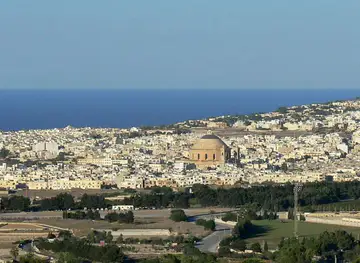 Central Region
Explore Malta's Central Region: A vibrant blend of history, culture, and modernity with Valletta, Mdina, and charming towns, perfect for an enriching visitor experience.
Central Region
Explore Malta's Central Region: A vibrant blend of history, culture, and modernity with Valletta, Mdina, and charming towns, perfect for an enriching visitor experience.
Swipe for more regions