

Free Northern Region Travel Guide & Mobile App
Explore Northern Region with free travel guides. Discover regional history, expert tips, proposed trips, and audio guides on web or mobile app.


Explore Malta’s Northern Region for sandy bays, coastal forts, prehistoric temples, village heritage and boat links to Gozo and Comino.
Read more about Northern Region
When is the best time to visit Northern Region?
Best: June–August · 23–27°C| Month | High (°C) | Rainfall (mm) |
|---|---|---|
| January | -3 | 10 |
| February | -1 | 10 |
| March | 6 | 15 |
| April | 13 | 20 |
| May | 18 | 25 |
| June (best) | 23 | 30 |
| July (best) | 27 | 30 |
| August (best) | 26 | 25 |
| September | 21 | 20 |
| October | 14 | 15 |
| November | 3 | 10 |
| December | -1 | 10 |
Getting to and around Northern Region
How to get there
Transportation
Top city travel guides in Northern Region
The cities of Northern Region, and the easiest places to base yourself.
-

-

-

-

-

-


Swipe for more cities
Destinations in Northern Region
Resorts, valleys and scenic spots worth a trip of their own.
-

-
-

-

-


Swipe for more destinations
Best attractions in Northern Region
The Northern Region’s attractions range from major seaside resorts to archaeological sites, rural landscapes and coastal fortifications. St Paul’s Bay, Buġibba and Qawra provide swimming areas, promenades, diving operators and boat excursions, while Mellieħa gives access to Mellieħa Bay, Golden Bay, Għajn Tuffieħa and the more rugged Marfa peninsula. Għadira Nature Reserve offers a protected wetland environment important for migratory birds, and the surrounding coast supports walking, snorkelling and views towards Comino and Gozo. Inland, the Rotunda of Mosta is one of Malta’s most recognisable churches, while Naxxar combines parish heritage with the landscaped interiors of Palazzo Parisio. Near Mġarr, the prehistoric remains at Skorba and Ta’ Ħaġrat introduce visitors to Malta’s Neolithic temple culture. The Red Tower adds military history to the northern landscape, and rural lanes around Għargħur, Mellieħa and the western villages reveal dry-stone walls, fields and small chapels. Attractions are dispersed, so a regional itinerary works best when coastal, historic and countryside visits are grouped geographically rather than treated as short walks from one central base.
-
Tourist attraction
Mdina Gate
Explore Mdina Gate, a historical masterpiece and the gateway to Malta's ancient capital, rich in culture and stunning architecture.
-
Tourist attraction
Upper Barrakka
Discover the scenic Upper Barrakka Gardens in Valletta, Malta, with stunning views of the Grand Harbour and rich historical landmarks.
-
Tourist attraction
Popeye Village
Experience the whimsical charm of Popeye Village, a unique theme park in Malta celebrating the beloved cartoon character amidst stunning coastal views.
-
Tourist attraction
Malta National Aquarium
Explore the vibrant marine life at Malta National Aquarium, a premier destination for ocean enthusiasts and families alike, showcasing the beauty of the Mediterranean and beyond.


Best landmarks in Northern Region
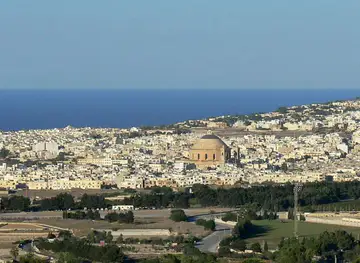
The Rotunda of Mosta is the Northern Region’s most commanding ecclesiastical landmark, distinguished by its vast dome and central position in the town. In Naxxar, the parish church and Palazzo Parisio represent different aspects of Malta’s built heritage: one is a community religious centre, while the other evokes aristocratic domestic life and formal garden design. The Red Tower rises prominently on the Marfa Ridge, its warm limestone walls and corner turrets forming a memorable part of the northern skyline and reflecting the defensive system of the Knights of St John. The Sanctuary of Our Lady of Mellieħa is significant for its long devotional history and rock-cut sacred setting. At Skorba and Ta’ Ħaġrat, low limestone remains mark some of the earliest monumental architecture in the region. Natural landmarks include the broad sweep of Mellieħa Bay, the exposed headlands of Marfa and Ahrax, and the western coast around Golden Bay and Għajn Tuffieħa, where pale limestone, sea and cultivated slopes create a distinctly northern Maltese landscape.
-
Historical landmark
Mdina Gate
Explore the historical Mdina Gate, a stunning architectural marvel and gateway to Malta's ancient capital, rich in culture and history.
-
Park
Upper Barrakka
Experience the breathtaking views and rich history at Upper Barrakka Garden, Valletta's serene oasis overlooking the Grand Harbour.
-
Theme park
Popeye Village
Discover the enchanting Popeye Village in Malta, a whimsical theme park filled with fun activities and stunning Mediterranean views, perfect for families and fans alike.
-
Scenic spot
Blue Grotto
Experience the breathtaking beauty of the Blue Grotto in Malta, a stunning natural wonder with crystal-clear waters and rich historical significance.


Explore Northern Region on the map
Plan your trip on one map. See where the top cities, national parks and sights are, and book hotels and experiences in a few clicks.
Best hotels in Northern Region
Best restaurants in Northern Region
Dining in the Northern Region reflects both Malta’s island food traditions and its strong visitor economy. In Mellieħa, St Paul’s Bay, Buġibba and Qawra, restaurants range from casual cafés and pizza establishments to seafood venues and contemporary Mediterranean kitchens. Traditional Maltese dishes commonly encountered include pastizzi, rabbit preparations, ġbejniet cheese, imqarrun il-forn and ftira, although not every dish is exclusive to the north. Fish and shellfish feature prominently in coastal dining, while village bakeries and family-run eateries offer a more everyday local experience than resort promenades. Naxxar and Mosta contain restaurants and cafés used by residents as well as visitors, with menus extending beyond Maltese cooking into Italian and wider European styles. Regional produce, local honey, olives, wine and sweet pastries make useful market or food-shop purchases. In summer, reservations can be sensible in popular waterfront areas, while inland dining often has a quieter, more neighbourhood-oriented character.
-
Italian
Coogi's Restaurant & Tea Garden
Experience authentic Italian and Maltese cuisine at Coogi's Restaurant & Tea Garden in Mdina, Malta - where great food meets stunning views.
-
Mediterranean
one80 Kitchen & Lounge
Experience authentic Mediterranean cuisine with stunning views at one80 Kitchen & Lounge in Mellieħa.
-
Restaurant
Nine Lives Malta
Experience exquisite Mediterranean dining with stunning coastal views at Nine Lives Malta in St. Paul's Bay.
-
Maltese
Country Terrace Mgarr Gozo Malta
Experience authentic Maltese flavors at Country Terrace in Mgarr, Gozo - where stunning views meet exquisite Mediterranean cuisine.


Best bars in Northern Region
Evening life is concentrated around St Paul’s Bay, Buġibba and Qawra, where waterfront bars, casual pubs, restaurants and late-opening entertainment venues serve both residents and holidaymakers. The atmosphere is generally more resort-oriented than in Malta’s principal urban nightlife centres, with activity particularly noticeable in the warmer months. Mellieħa offers a smaller selection of wine bars, cafés, restaurants and traditional pubs, while Mosta and Naxxar tend towards local bars, eateries and a less tourist-focused evening rhythm. Live music and televised sport are common features of some pubs, and breweries or specialist drinks venues may appear within the broader dining scene. In rural parts of the region, nightlife is limited and often centres on a village bar, restaurant or parish event rather than a nightclub. Check current arrangements locally, as venues and seasonal hours can change, and use licensed transport after drinking.
-
Live music bar
Black Gold Saloon
Discover Black Gold Saloon: A lively live music bar and restaurant in Sliema, Malta, where food, fun, and fantastic music come together.
-
Bar
Bar Native
Bar Native: Discover St. Julian's energetic nightlife with a refreshing drink and great company in a lively atmosphere.
-
Cocktail bar
The Black Sheep drink and dine
Experience the vibrant flavors of Mediterranean cuisine and exquisite cocktails at The Black Sheep in Sliema, Malta.
-
Bar
Bellinii
Experience the vibrant nightlife at Bellinii, St Julian's cocktail bar offering innovative drinks and an electric atmosphere.

Best nightclubs in Northern Region
Evening life is concentrated around St Paul’s Bay, Buġibba and Qawra, where waterfront bars, casual pubs, restaurants and late-opening entertainment venues serve both residents and holidaymakers. The atmosphere is generally more resort-oriented than in Malta’s principal urban nightlife centres, with activity particularly noticeable in the warmer months. Mellieħa offers a smaller selection of wine bars, cafés, restaurants and traditional pubs, while Mosta and Naxxar tend towards local bars, eateries and a less tourist-focused evening rhythm. Live music and televised sport are common features of some pubs, and breweries or specialist drinks venues may appear within the broader dining scene. In rural parts of the region, nightlife is limited and often centres on a village bar, restaurant or parish event rather than a nightclub. Check current arrangements locally, as venues and seasonal hours can change, and use licensed transport after drinking.
-
Lounge
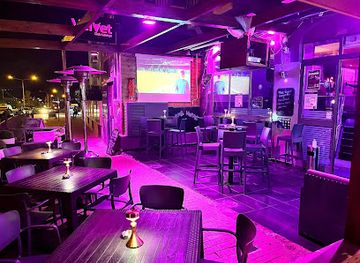
VELVET LOUNGE CLUB (SHISHA AND FOOD )
Experience the vibrant nightlife at Velvet Lounge Club, where shisha and delicious food meet in a cozy, stylish atmosphere in St. Paul's Bay.
-
Night club
Havana Club Malta
Discover the electrifying nightlife at Havana Club Malta - a premier destination for dancing, music, and unforgettable experiences.
-
Night club
Gianpula Main Room
Discover the electrifying nightlife at Gianpula Main Room, Malta’s premier night club offering unforgettable music and vibrant crowds.
-
Night club
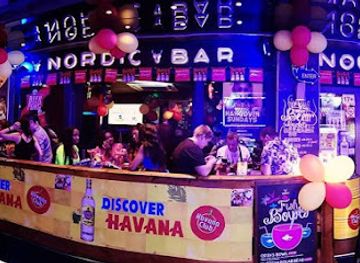
The Nordic Bar
Experience the vibrant nightlife of St Julian's at The Nordic Bar, where fantastic music and a friendly atmosphere await.


Best shops in Northern Region
Shopping in the Northern Region is divided between practical town centres, resort retail and small-scale local produce. Buġibba, Qawra and St Paul’s Bay have shops aimed largely at visitors, including beachwear, souvenirs, jewellery, confectionery and convenience goods, while Mellieħa’s main streets combine tourist outlets with cafés, pharmacies, food shops and businesses serving local residents. Mosta and Naxxar offer a more everyday high-street experience, with independent retailers and services rather than a concentrated luxury-shopping district. Look for Maltese food products such as honey, nougat, olive oil, wine and preserved goods, along with ceramics, lace, filigree jewellery and locally made crafts; check descriptions carefully, since imported souvenirs are also common. Farmers’ stalls and village food shops can be useful for seasonal produce, although market arrangements vary. The region’s best purchases are generally compact, practical gifts and edible specialities rather than high-fashion merchandise.
-
Shopping mall
The Point Shopping Mall
Discover a shopping haven at The Point Shopping Mall in Sliema, Malta, offering diverse retail, dining, and entertainment options by the sea.
-
Shopping mall
PAMA Shopping Mall
Discover a vibrant shopping experience at PAMA Shopping Mall in Mosta, Malta, offering diverse retail options and delightful dining choices.
-
Shopping mall
Bay Street Shopping Complex
Experience shopping and entertainment at Bay Street Shopping Complex, a vibrant center in St. Julian's, Malta, with diverse stores and dining options.
-
Shopping mall
Main Street Shopping Complex, Paola
Explore the vibrant Main Street Shopping Complex in Paola, where shopping, dining, and entertainment come together in a unique Maltese experience.


Get your free copy of our complete guide to Northern Region, delivered straight to you.
Everything on this page, from attractions and restaurants to essentials and local phrases, in one PDF you can read offline, print or share.
Already have an account? Sign in
Your Northern Region guide is ready.
We'll send it to · Not you? Sign out

Getting your guide ready…
We are putting together a fresh copy of the Northern Region guide. This can take up to a minute.
This can take a few moments. If your browser asks, choose Allow so the download can start. You'll find the guide in your Downloads folder.
Nothing happened? Download it again
Sorry, the guide is taking longer than usual. Please try again in a minute, or get it by email instead.
Northern Region essentials
Currency and Payment
Safety
Emergency Situations
Do's and Don'ts
Local Tips
From Eve
Local phrases worth knowing
You don't need to get them perfect. A few words go a long way, and locals appreciate the effort.
Basics
| English | Local | Say it |
|---|---|---|
| Hello | Hi | [hai] |
| Goodbye | Bye | [bai] |
| Yes | Yeah | [yeh] |
| No | Nope | [nohp] |
| Please/You're welcome | Please | [pleez] |
| Thank you | Thanks | [thangs] |
| Excuse me/Sorry | Excuse me | [eks-kyoos mee] |
| How are you? | How's it going? | [haus it go-ing] |
| Fine. And you? | Good. You? | [gud. yoo?] |
| Do you speak English? | Do you speak English? | [doo yoo speek ing-glish?] |
| I don't understand | I don't get it | [ai dont get it] |
Eating & Drinking
| English | Local | Say it |
|---|---|---|
| I'd like to see the menu, please | Can I see the menu, please? | [kan ai see the men-yoo, pleez?] |
| I don't eat meat | I'm vegetarian | [aim ve-ji-tair-i-an] |
| Cheers! | Cheers! | [cheers] |
| I would like to pay, please | Can I get the check, please? | [kan ai get the chek, pleez?] |
Emergencies
| English | Local | Say it |
|---|---|---|
| Help! | Help! | [help] |
| Go away! | Leave me alone! | [leev mee a-lone] |
| Call the Police! | Call the cops! | [kal the kops] |
| Call a doctor! | Get a doctor! | [get a dok-tor] |
| I'm lost | I'm lost | [aim lost] |
| I'm ill | I'm not feeling well | [aim not feel-ing wel] |
Shopping
| English | Local | Say it |
|---|---|---|
| I'd like to buy... | I want to buy... | [ai want to bai...] |
| I'm just looking | I'm just browsing | [aim just brows-ing] |
| How much is it? | What’s the price? | [whats the prais?] |
| That's too expensive | That's pricey | [thats prai-see] |
| Can you lower the price? | Can you make it cheaper? | [kan yoo make it chee-per?] |
Time & Numbers
| English | Local | Say it |
|---|---|---|
| What time is it? | What time is it? | [what taim is it?] |
| It's one o'clock | It's one o'clock | [its wun o'clock] |
| Half past (10) | Half past ten | [haf past ten] |
| Morning | Morning | [mor-ning] |
| Afternoon | Afternoon | [af-ter-noon] |
| Evening | Evening | [eev-ning] |
| Yesterday | Yesterday | [yes-ter-day] |
| Today | Today | [to-day] |
| Tomorrow | Tomorrow | [to-mor-row] |
| 1 | One | [wun] |
| 2 | Two | [too] |
| 3 | Three | [three] |
| 4 | Four | [for] |
| 5 | Five | [fiv] |
| 6 | Six | [siks] |
| 7 | Seven | [sev-en] |
| 8 | Eight | [ait] |
| 9 | Nine | [nain] |
| 10 | Ten | [ten] |
Transport & Directions
| English | Local | Say it |
|---|---|---|
| Where's a/the...? | Where's the...? | [wheres the...?] |
| What's the address? | What's the address? | [whats the ad-dress?] |
| Can you show me (on the map)? | Can you show me on the map? | [kan yoo show mee on the map?] |
| When's the next (bus)? | When's the next bus? | [whens the next bus?] |
| A ticket (to ....) | A ticket to... | [a tik-et to...] |
History of Northern Region
The Neolithic Temple Communities, c. 3600–2500 BCE
The Northern Region contains two important prehistoric temple sites near Mġarr: Ta’ Ħaġrat and Skorba. Built by Malta’s Neolithic communities, these limestone structures belong to a wider tradition of monumental architecture found across the Maltese islands. Their surviving foundations, carved stonework and associated settlement evidence reveal organised communities capable of quarrying, construction and ritual activity on a substantial scale. The sites are especially valuable because they help place Malta’s better-known temples within a broader network of villages and ceremonial landscapes rather than treating them as isolated monuments.
Punica and Roman Malta
After Phoenician settlement and the rise of Carthaginian influence, Malta became part of the Roman world in the third century BCE. The northern coast supported maritime activity, agriculture and settlements linked to the wider island economy. St Paul’s Bay preserves traditions and archaeological associations connected with the apostle’s reported shipwreck in Malta in 60 CE, although the biblical account does not identify the exact landing point. Roman farming, roads, water management and burial practices contributed to patterns of occupation that continued to shape the island long after Roman rule ended.
Medieval Communities and the Sanctuary of Mellieħa
During the medieval period, Malta’s northern districts remained comparatively rural and were exposed to maritime raids and insecurity. Mellieħa developed around its hilltop settlement and the cave church now associated with the Sanctuary of Our Lady of Mellieħa. The sanctuary’s devotional importance grew over many centuries, and its setting reflects the layered character of Maltese religious architecture, with a rock-cut sacred space incorporated into a later church complex. Small settlements, agricultural plots and coastal watch points formed the practical landscape of the medieval north.
The Knights of St John and Northern Defences, 1530–1798
The arrival of the Order of St John transformed Malta’s defensive geography. The order strengthened coastal surveillance around the exposed northern shores, where watchtowers and fortified positions could signal the approach of hostile vessels. The Red Tower, or Saint Agatha’s Tower, was completed in 1649 on the Marfa Ridge and guarded the approaches towards Mellieħa, Comino and Gozo. Under the knights, northern Malta also remained an agricultural hinterland supplying the fortified urban centres further south, while parish churches and rural communities acquired greater institutional importance.
French Rule and the British Period
French rule began in 1798 and ended after rebellion and British intervention, placing Malta within the British imperial sphere during the nineteenth century. The northern districts experienced changes in administration, military planning, communications and trade, although their basic rural character persisted for much of the period. Coastal positions acquired renewed strategic significance, and roads and maritime links gradually connected northern villages more closely with the rest of the island. British influence remains visible in military structures, engineering works, English-language institutions and aspects of Malta’s modern public life.
The Second World War and Post-war Expansion
Malta’s position in the central Mediterranean made it a heavily contested military base during the Second World War. Northern communities, including Mellieħa and the settlements around St Paul’s Bay, experienced air-raid precautions, displacement and the wider pressures of wartime supply shortages. After the war, improved roads, housing development and tourism changed the coastline substantially. St Paul’s Bay, Buġibba and Qawra grew from comparatively modest coastal settlements into major accommodation and entertainment centres, while Mellieħa combined tourism with a continuing agricultural and village identity.
Modern Tourism and Environmental Pressure
From the late twentieth century, the Northern Region became one of Malta’s principal bases for beach holidays, diving, boating and access to Gozo and Comino. Resort development brought employment and investment but also created pressure on roads, water resources, waste management and sensitive coastal habitats. Protected areas such as Għadira Nature Reserve illustrate a parallel effort to conserve wetlands and migratory bird habitat. The region’s contemporary history is therefore shaped by both the expansion of tourism and continuing debates about how to manage Malta’s limited land and coastline.
Northern Region in Photos
Browse through our photo collection highlighting the charm and character of the destination.
Neighbouring regions of Northern Region
The closest regions to Northern Region, if you have time for more than one.
-

-

-

-
-


Swipe for more regions
Explore more
Explore more of Malta
Discover Malta's crystal-clear waters, rich history, and vibrant culture. From ancient temples to modern nightlife, this Mediterranean gem offers something for everyone.
Explore Malta