

Free Northern District Travel Guide & Mobile App
Explore Northern District with free travel guides. Discover regional history, expert tips, proposed trips, and audio guides on web or mobile app.


Explore Malta’s Northern District for sandy bays, prehistoric temples, village heritage, coastal resorts and rural landscapes around Mellieħa and Mosta.
Read more about Northern District
When is the best time to visit Northern District?
Best: June–August · 24–27°C| Month | High (°C) | Rainfall (mm) |
|---|---|---|
| January | 2 | 26 |
| February | 3 | 23 |
| March | 8 | 28 |
| April | 13 | 30 |
| May | 19 | 33 |
| June (best) | 24 | 35 |
| July (best) | 27 | 34 |
| August (best) | 27 | 32 |
| September | 22 | 30 |
| October | 16 | 27 |
| November | 8 | 25 |
| December | 4 | 26 |
Getting to and around Northern District
How to get there
Transportation
Top city travel guides in Northern District
The cities of Northern District, and the easiest places to base yourself.
-

-

-

-

-

-


Swipe for more cities
Destinations in Northern District
Resorts, valleys and scenic spots worth a trip of their own.
-

-
-

-

-


Swipe for more destinations
Best attractions in Northern District
The Northern District’s attractions range from prehistoric archaeology to busy seaside recreation. Around Mġarr, Ta’ Ħaġrat and Skorba offer a close look at Malta’s Neolithic temple culture, while rural lanes and limestone fields create a markedly different atmosphere from the coast. Mellieħa provides the district’s strongest concentration of outdoor attractions, including Mellieħa Bay, Għadira Nature Reserve, the Red Tower and the family-oriented Popeye Village at Anchor Bay. St Paul’s Bay, Buġibba and Qawra are oriented towards swimming from rocky shores, promenades, boat excursions and the Malta National Aquarium. Inland, Mosta’s Rotunda and Naxxar’s Palazzo Parisio contribute important architectural and cultural experiences. The area also supports walking, birdwatching, snorkelling and short scenic drives, although exposed paths can be hot and some rural routes lack pavements. Rather than a single heritage circuit, the district offers a sequence of compact experiences: ancient sites in the countryside, village churches and palaces inland, and a developed resort coast with access to Malta’s northern beaches and ferry connections.
-
Resort hotel
Ramla Bay Resort
Experience the ultimate getaway at Ramla Bay Resort, where stunning beaches meet luxurious amenities in the heart of Mellieħa, Malta.
-
Tourist attraction
BOV Adventure Park
Explore BOV Adventure Park in Attard, Malta - a thrilling playground and adventure zone for families and tourists seeking outdoor fun.
-
Tourist attraction
Bird Park Malta
Explore Bird Park Malta, a serene sanctuary showcasing a diverse collection of exotic birds and lush landscapes in St. Paul's Bay.
-
Beach
Little Armier Beach
Experience the tranquil beauty of Little Armier Beach in Mellieħa, Malta, a perfect escape for sun-seekers and nature lovers alike.


Best landmarks in Northern District
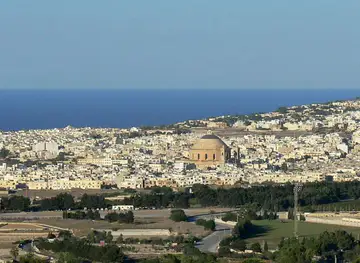
The Red Tower, formally the Saint Agatha’s Tower, is the Northern District’s most recognisable defensive landmark, standing above Mellieħa Bay in a commanding position over the north-western coast. Mosta’s Rotunda is another defining structure: its vast neoclassical dome dominates the town and reflects the confidence of nineteenth-century parish building. In Naxxar, Palazzo Parisio is notable for its ornate interiors and formal gardens, offering a more refined architectural expression than the district’s fortified towers and parish churches. Mġarr’s Ta’ Ħaġrat and Skorba are landmarks of a different order, their low limestone remains representing an architectural tradition several millennia older than Malta’s historic towns. Along the St Paul’s Bay coast, Wignacourt Tower records the island’s early modern system of coastal defence, while the long resort shoreline around Qawra and Buġibba illustrates the scale of Malta’s modern seaside development. Mellieħa’s parish church and sanctuary also occupy a prominent position above the town, connecting the settlement’s religious identity with views across the bay and surrounding countryside.
-
Historical landmark
Mdina Gate
Discover Mdina Gate, a historical landmark and the majestic entrance to Malta's ancient capital, steeped in history and architectural beauty.
-
Park
Upper Barrakka
Explore the serene Upper Barrakka Gardens for breathtaking views of Valletta's Grand Harbour and a tranquil escape amidst rich historical landmarks.
-
Theme park
Popeye Village
Visit Popeye Village in Malta, a unique theme park filled with colorful buildings, fun activities, and the spirit of the beloved cartoon character Popeye.
-
Fountain
Triton Fountain
Discover the enchanting Triton Fountain, a historical gem at the entrance to Valletta, offering captivating views and a glimpse into Malta's rich heritage.


Explore Northern District on the map
Plan your trip on one map. See where the top cities, national parks and sights are, and book hotels and experiences in a few clicks.
Best hotels in Northern District
Best restaurants in Northern District
Dining in the Northern District reflects the contrast between inland villages and the developed coast. In Mellieħa, St Paul’s Bay, Buġibba and Qawra, restaurants commonly serve seafood, pasta, pizza and Maltese dishes to an international holiday clientele, with cafés and casual venues concentrated around the promenades. Village restaurants and rural establishments provide a more local setting for dishes such as rabbit, bragioli, ġbejna cheese, pastizzi and ftira, while seasonal vegetables and fish feature prominently in Maltese cooking. Mġarr is associated with farming country and is a suitable area for seeking traditional food, although individual businesses and menus change. Bakeries and snack shops are useful for trying savoury pastries, bread and small meals during sightseeing. Local wine and beer are widely available, and Malta’s sweet traditions include imqaret, date-filled pastries, and honey-based or almond-based confections. Menus may vary considerably by season, so asking about locally sourced fish or daily specials is often more informative than relying on standardised tourist menus.
-
Mediterranean
one80 Kitchen & Lounge
Experience exquisite Mediterranean cuisine at one80 Kitchen & Lounge in Mellieħa with stunning views and a vibrant atmosphere.
-
Restaurant
Nine Lives Malta
Experience exquisite Mediterranean cuisine with breathtaking views at Nine Lives Malta in St. Paul's Bay.
-
Restaurant
NAAR Restobar
Experience the vibrant culinary scene at NAAR Restobar in St Julian's, Malta - where local flavors meet international cuisine in an inviting atmosphere.
-
Maltese
Il-Barri Restaurant
Discover authentic Maltese flavors at Il-Barri Restaurant in Mġarr – where tradition meets taste in a warm and welcoming setting.


Best bars in Northern District
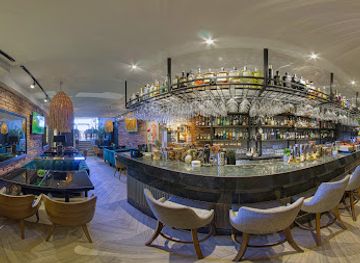
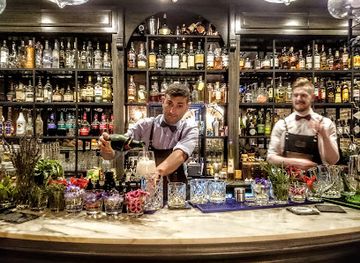
Evening life is concentrated along the coast, especially in Buġibba, Qawra and St Paul’s Bay, where promenades contain pubs, sports bars, cafés, restaurants and lounges serving visitors and local residents. The atmosphere is generally more relaxed than in Malta’s main clubbing centre outside the district, with the emphasis on conversation, meals, waterfront drinks and seasonal entertainment rather than a continuous nightclub scene. Mellieħa has a smaller collection of bars and restaurants, while Mosta, Naxxar, Mġarr and Għargħur tend towards village bars, wine-led dining and community-oriented evening life. Traditional Maltese band clubs may be particularly noticeable around parish feast periods, but events and access vary. Craft beer, Maltese wine and non-alcoholic drinks are widely available, and visitors should remember that the district is also a residential area where late-night noise can affect local streets.
-
Bar
Bar Native
Experience the vibrant nightlife at Bar Native in St Julian's, Malta, where innovative cocktails and a lively atmosphere await.
-
Cocktail bar
The Black Sheep drink and dine
Experience the best of Mediterranean and international cuisine at The Black Sheep in Sliema, Malta, where every bite is a delight.
-
Cocktail bar
Cafe Society
Experience the vibrant nightlife of Valletta at Cafe Society, your go-to cocktail bar for creative drinks and a lively atmosphere.
-
Cocktail bar
The Thirsty Barber
Discover The Thirsty Barber in St Julian's, Malta – a lively cocktail bar where unique drinks and live music create unforgettable evenings.


Best nightclubs in Northern District
Evening life is concentrated along the coast, especially in Buġibba, Qawra and St Paul’s Bay, where promenades contain pubs, sports bars, cafés, restaurants and lounges serving visitors and local residents. The atmosphere is generally more relaxed than in Malta’s main clubbing centre outside the district, with the emphasis on conversation, meals, waterfront drinks and seasonal entertainment rather than a continuous nightclub scene. Mellieħa has a smaller collection of bars and restaurants, while Mosta, Naxxar, Mġarr and Għargħur tend towards village bars, wine-led dining and community-oriented evening life. Traditional Maltese band clubs may be particularly noticeable around parish feast periods, but events and access vary. Craft beer, Maltese wine and non-alcoholic drinks are widely available, and visitors should remember that the district is also a residential area where late-night noise can affect local streets.
-
Lounge
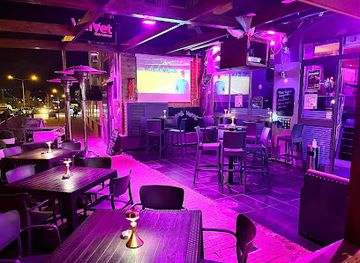
VELVET LOUNGE CLUB (SHISHA AND FOOD )
Experience the vibrant nightlife at Velvet Lounge Club, a premier destination for shisha, cocktails, and delicious food in St. Paul's Bay.
-
Night club
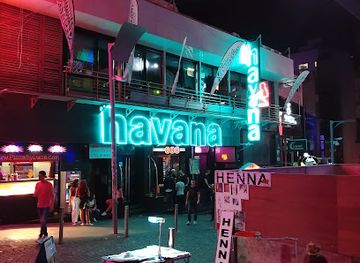
Havana Club Malta
Immerse yourself in the vibrant nightlife of Havana Club Malta, where electrifying music and unforgettable experiences await every night.
-
Night club
Gianpula Main Room
Dance the night away at Gianpula Main Room, Malta's premier nightclub, featuring top DJs and an unforgettable outdoor party atmosphere.
-
Night club
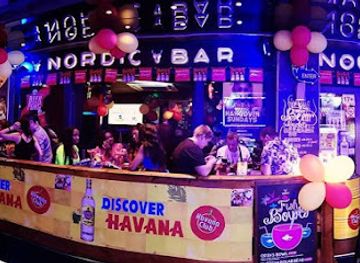
The Nordic Bar
Experience the pulsating nightlife of St. Julian's at The Nordic Bar, where cocktails and dancing create unforgettable memories.

Best shops in Northern District
Shopping in the Northern District is practical and varied rather than centred on a single luxury retail quarter. Buġibba, Qawra and St Paul’s Bay have shops aimed at visitors, including beach goods, clothing, gifts, jewellery, convenience items and Maltese food products. Mellieħa’s streets combine everyday services with small retailers selling souvenirs, local produce, crafts and religious items, while Mosta and Naxxar offer more ordinary town shopping and independent businesses serving residents. Bakeries and food shops are useful places to buy pastizzi, Maltese bread, honey, olive products, wine and sweets for a picnic or gift. The district’s rural areas are better suited to seeking farm produce and traditional goods than designer fashion. For distinctive purchases, look for ceramics, glass, lace, filigree jewellery and locally made food, while checking that an item is genuinely Maltese rather than a mass-produced import. Market stalls and temporary festa stands can provide further opportunities, but their locations and schedules vary by season and parish.
-
Shopping mall
PAMA Shopping Mall
Explore PAMA Shopping Mall: Your ultimate shopping destination in Mosta, Malta, with diverse stores, dining, and family-friendly entertainment.
-
Shopping mall
Bay Street Shopping Complex
Discover the vibrant Bay Street Shopping Complex in St. Julian's, Malta – a premier destination for shopping, dining, and entertainment.
-
Clothing store
Kiabi
Shop stylishly at Kiabi, St Paul's Bay – your ultimate destination for fashionable clothing for all ages and sizes.
-
Craft store
Ta' Qali Craft Village
Explore Ta' Qali Craft Village in Attard, Malta - a vibrant hub showcasing local artisans and unique handcrafted treasures.


Get your free copy of our complete guide to Northern District, delivered straight to you.
Everything on this page, from attractions and restaurants to essentials and local phrases, in one PDF you can read offline, print or share.
Already have an account? Sign in
Your Northern District guide is ready.
We'll send it to · Not you? Sign out

Getting your guide ready…
We are putting together a fresh copy of the Northern District guide. This can take up to a minute.
This can take a few moments. If your browser asks, choose Allow so the download can start. You'll find the guide in your Downloads folder.
Nothing happened? Download it again
Sorry, the guide is taking longer than usual. Please try again in a minute, or get it by email instead.
Northern District essentials
Currency and Payment
Safety
Emergency Situations
Do's and Don'ts
Local Tips
From Eve
Local phrases worth knowing
You don't need to get them perfect. A few words go a long way, and locals appreciate the effort.
Basics
| English | Local | Say it |
|---|---|---|
| Hello | Hi | [haɪ] |
| Goodbye | Bye | [baɪ] |
| Yes | Yup | [jʌp] |
| No | Nope | [noʊp] |
| Please/You're welcome | Sure | [ʃʊr] |
| Thank you | Thanks | [θæŋks] |
| Excuse me/Sorry | Sorry | [ˈsɔːrɪ] |
| How are you? | How's it going? | [haʊz ɪt ˈɡoʊɪŋ] |
| Fine. And you? | Good. You? | [ɡʊd. juː?] |
| Do you speak English? | Do you speak English? | [duː juː spiːk ˈɪŋɡlɪʃ?] |
| I don't understand | I don't get it | [aɪ doʊnt ɡɛt ɪt] |
Eating & Drinking
| English | Local | Say it |
|---|---|---|
| I'd like to see the menu, please | Can I see the menu? | [kæn aɪ siː ðə ˈmɛnjuː?] |
| I don't eat meat | I'm vegetarian | [aɪm ˌvɛdʒɪˈtɛəriən] |
| Cheers! | Cheers! | [tʃɪrz] |
| I would like to pay, please | Can I get the bill? | [kæn aɪ ɡɛt ðə bɪl?] |
Emergencies
| English | Local | Say it |
|---|---|---|
| Help! | Help! | [hɛlp] |
| Go away! | Leave me alone! | [liːv mi əˈloʊn] |
| Call the Police! | Call the cops! | [kɔl ðə kɑps] |
| Call a doctor! | Get a doctor! | [ɡɛt ə ˈdɑktər] |
| I'm lost | I'm lost | [aɪm lɔst] |
| I'm ill | I'm sick | [aɪm sɪk] |
Shopping
| English | Local | Say it |
|---|---|---|
| I'd like to buy... | I want to buy... | [aɪ wɑnt tu baɪ...] |
| I'm just looking | Just browsing | [dʒʌst ˈbraʊzɪŋ] |
| How much is it? | What’s the price? | [wʌts ðə praɪs?] |
| That's too expensive | That's pricey | [ðæts ˈpraɪsi] |
| Can you lower the price? | Can you make it cheaper? | [kæn juː meɪk ɪt ˈtʃiːpər?] |
Time & Numbers
| English | Local | Say it |
|---|---|---|
| What time is it? | What time is it? | [wʌt taɪm ɪz ɪt?] |
| It's one o'clock | It's one | [ɪts wʌn] |
| Half past (10) | Half past ten | [hæf pæst tɛn] |
| Morning | Morning | [ˈmɔrnɪŋ] |
| Afternoon | Afternoon | [ˌæftərˈnun] |
| Evening | Evening | [ˈivnɪŋ] |
| Yesterday | Yesterday | [ˈjɛstərdeɪ] |
| Today | Today | [təˈdeɪ] |
| Tomorrow | Tomorrow | [təˈmɔroʊ] |
| 1 | One | [wʌn] |
| 2 | Two | [tuː] |
| 3 | Three | [θriː] |
| 4 | Four | [fɔr] |
| 5 | Five | [faɪv] |
| 6 | Six | [sɪks] |
| 7 | Seven | [ˈsɛvən] |
| 8 | Eight | [eɪt] |
| 9 | Nine | [naɪn] |
| 10 | Ten | [tɛn] |
Transport & Directions
| English | Local | Say it |
|---|---|---|
| Where's a/the...? | Where's the...? | [wɛrz ðə...?] |
| What's the address? | What’s the address? | [wʌts ði əˈdrɛs?] |
| Can you show me (on the map)? | Can you point it out? | [kæn juː pɔɪnt ɪt aʊt?] |
| When's the next (bus)? | When's the next bus? | [wɛnʌz ðə nɛkst bʌs?] |
| A ticket (to ....) | A ticket to... | [ə ˈtɪkɪt tu...] |
History of Northern District
Neolithic temple communities, c. 3600–2500 BC
Northern Malta preserves important evidence of the island’s Temple Period, when farming communities built large limestone ceremonial structures. Ta’ Ħaġrat and Skorba, both near Mġarr, reveal changing phases of settlement, ritual practice and monumental construction. Their surviving plans, stonework and associated artefacts help explain a society capable of organising substantial communal projects without written records or metal tools. The sites form part of Malta’s wider prehistoric heritage, but their location in the Northern District makes Mġarr particularly important for understanding the beginnings of settled life in this part of the island.
Roman and late-antique settlement
After the Roman conquest of Malta in 218 BC, the island became part of the Roman world and its maritime network. The northern countryside supported agriculture, while coastal landing places connected communities with wider Mediterranean trade. Archaeological traces are less monumental here than at some better-known Maltese sites, but rural estates, pottery and burial evidence indicate the continuing importance of farming and seaborne contact. Later centuries brought changes under Byzantine and Arab rule, including linguistic and agricultural influences that helped shape the society from which medieval Malta developed.
Medieval villages and the development of Mellieħa
During the medieval period, northern Malta remained predominantly agricultural, with small settlements, caves and fortified or defensible sites shaped by the island’s exposed position. Mellieħa’s elevated location and natural harbour approaches gave it strategic as well as agricultural value. The sanctuary dedicated to the Nativity of the Virgin Mary developed around an ancient devotional tradition and became a significant local religious centre. The countryside was not an isolated backwater: its inhabitants were linked to Malta’s wider feudal, ecclesiastical and maritime structures, while the north’s rough terrain offered both resources and protection.
Hospitaller coastal defences, seventeenth century
Under the Order of St John, Malta’s northern coast acquired a network of towers, batteries and observation points intended to detect and deter raids. The Red Tower, completed in 1649 above Mellieħa Bay, was one of the most substantial coastal towers and formed part of a wider defensive system. Wignacourt Tower at St Paul’s Bay, built earlier in the seventeenth century, guarded an important landing area and remains a visible reminder of the military importance of the coast. These structures reflect the order’s effort to secure Malta’s shores as well as its harbours.
The parish towns and their church-centred communities
From the eighteenth century onwards, the villages of the Northern District developed increasingly distinctive civic and religious identities. Parish churches became the visual and social focus of communities, while festa traditions, band clubs and local associations shaped public life. Mosta’s great Rotunda, built in the nineteenth century to replace an older church, expressed the ambitions and resources of a growing parish. Naxxar, Għargħur, Mellieħa and Mġarr likewise developed townscapes in which limestone houses, chapels and village squares recorded the continuing influence of Catholic institutions and local communal organisation.
British rule and the Second World War
Malta became a British colony in 1814, and the Northern District acquired additional strategic significance through its coast, roads and observation points. Military installations, communications and transport links formed part of the island’s wider defence system. During the Second World War, Malta endured sustained bombing and shortages because of its position in the central Mediterranean. The district’s churches, coastal settlements and rural areas shared in the disruption, while the war accelerated social and economic changes that later accompanied independence in 1964 and the transformation of Malta into a modern tourism and service economy.
From farming coast to tourism and residential growth
The post-war decades brought major changes to the Northern District. St Paul’s Bay, Buġibba and Qawra expanded from coastal settlements into densely developed resort and residential areas, supported by hotels, apartments, restaurants and improved roads. Mellieħa combined tourism with agriculture and a growing role as a gateway to beaches and the north-west. At the same time, planning pressures made the protection of farmland, wetlands, archaeological sites and open coast increasingly important. The district today reflects this dual legacy: a modern visitor economy alongside villages, rural land and ancient sites that predate urban development by thousands of years.
Northern District in Photos
Browse through our photo collection highlighting the charm and character of the destination.
Neighbouring regions of Northern District
The closest regions to Northern District, if you have time for more than one.
-

-

-

-

-


Swipe for more regions
Explore more
Explore more of Malta
Discover Malta's crystal-clear waters, rich history, and vibrant culture. From ancient temples to modern nightlife, this Mediterranean gem offers something for everyone.
Explore Malta