

Catoctin Mountain Park, Maryland Travel Guide
Explore the natural beauty and historical richness of Catoctin Mountain Park in Maryland. A perfect destination for hiking, wildlife viewing, and peaceful retreats.
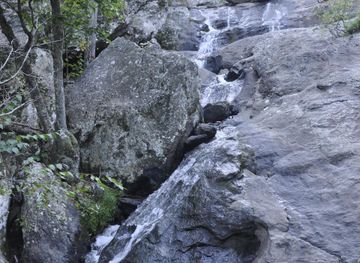
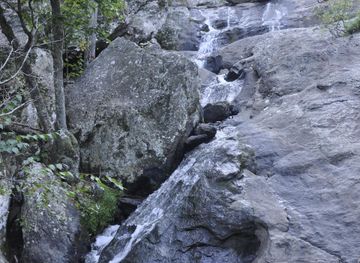
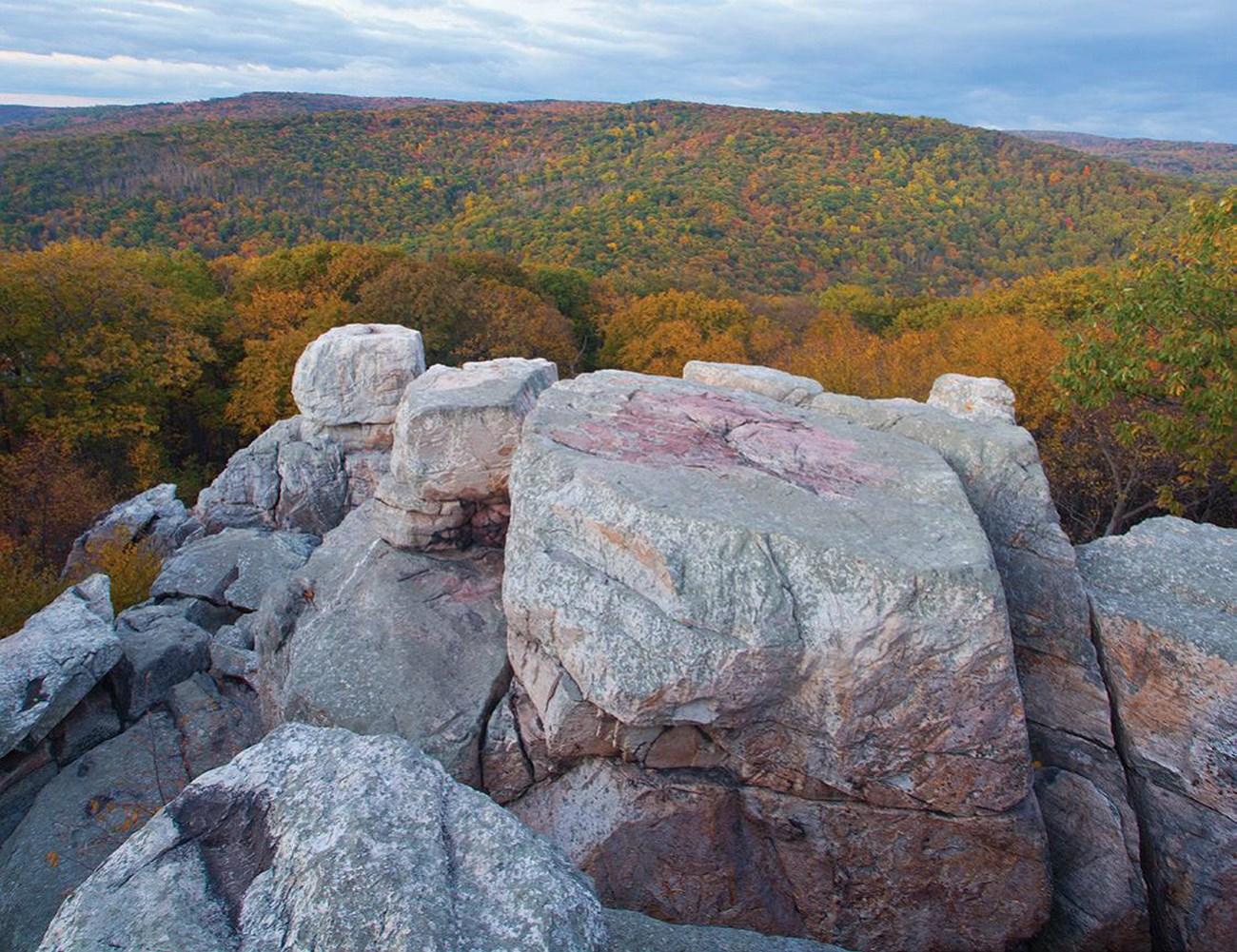
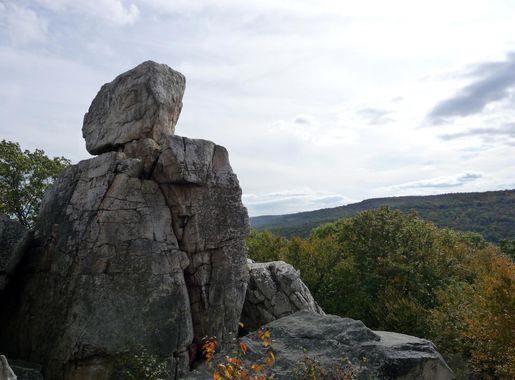
Nestled in the scenic landscapes of Maryland, Catoctin Mountain Park offers a perfect escape into nature. This park is a haven for outdoor lovers, with miles of hiking trails, stunning vistas, and a rich history. The park is home to diverse wildlife and beautiful rock formations that make every visit unique. One of the park’s highlights is the Cunningham Falls, the largest cascading waterfall in Maryland. The falls are an excellent spot for a refreshing break during a hike. For those interested in history, the park also has connections to the presidential retreat at Camp David, which adds a layer of intrigue to your visit. Whether you are an avid hiker, a history buff, or just looking for a peaceful retreat, Catoctin Mountain Park offers something for everyone. Its serene environment and natural beauty make it a must-visit destination for anyone traveling through or residing in Maryland.

Know before you go
Hi, I'm Eve. Here are a few practical things to know before exploring Catoctin Mountain Park.
- Visit Cunningham Falls early in the morning to avoid crowds and enjoy the tranquility.
- Wear sturdy hiking shoes as some trails can be rocky and uneven.
- Check the park’s schedule for ranger-led programs to enhance your visit with informative talks and guided hikes.
- Bring a picnic to enjoy at one of the scenic picnic areas.
- Carry enough water and snacks, as there are limited facilities within the park.
Explore Catoctin Mountain Park: Things to Do, Places to Eat, Hotels & More
Handpicked recommendations for top attractions, local dining, accommodations, and more

Best attractions in Catoctin Mountain Park
Top-rated picks
Best Attractions

Harpers Ferry National Historical Park
Explore Harpers Ferry National Historical Park: a harmonious blend of breathtaking scenery and rich American history awaits you in West Virginia.

Catoctin Wildlife Preserve
Discover the wonders of wildlife at Catoctin Wildlife Preserve, where education meets conservation in a serene natural setting.

High Rock
Discover the breathtaking views and serene hiking trails of High Rock in Smithsburg, Maryland, a must-visit destination for nature lovers.

Gambrill State Park
Explore Gambrill State Park, a breathtaking Maryland gem offering scenic views, diverse wildlife, and endless outdoor adventures for nature lovers.

Best landmarks in Catoctin Mountain Park
Top-rated picks
Best Landmarks

Cunningham Falls State Park
Discover the stunning beauty of Cunningham Falls State Park, a premier destination for outdoor activities and breathtaking natural scenery in Maryland.

Catoctin Furnace
Explore the historic Catoctin Furnace in Thurmont, MD, a captivating site that reveals the region's industrial heritage and scenic beauty.

Catoctin Mountain Park Visitor Center
Discover the natural beauty and rich history of Catoctin Mountain Park at the Visitor Center, your ultimate guide to outdoor adventures in Maryland.

Blue Ridge Summit Overlook
Experience the stunning vistas of Blue Ridge Summit Overlook in the Catoctin Mountains, a must-see for nature lovers and outdoor enthusiasts alike.

Best restaurants in Catoctin Mountain Park
Top-rated picks
Best Restaurants

Mountain Gate Family Restaurant
Experience the charm of family dining at Mountain Gate Family Restaurant in Thurmont - where hearty meals meet warm hospitality.

Thurmont Kountry Kitchen
Thurmont Kountry Kitchen: A family-friendly haven for American cuisine lovers in the heart of Maryland.

Roy Rogers
Experience the best of fast food at Roy Rogers in Thurmont – where delicious roast beef sandwiches meet classic American comfort.

McDonald's
Discover McDonald's in Thurmont: A family-friendly fast food destination offering delicious meals anytime.

Best bars in Catoctin Mountain Park
Top-rated picks
Best Bars

Mountain Gate Family Restaurant
Experience the warmth of family dining at Mountain Gate Family Restaurant, offering a delightful buffet and a cozy atmosphere in Thurmont, Maryland.

Ott House
Discover the welcoming atmosphere and delicious comfort food at Ott House, a beloved restaurant and pub in Emmitsburg, Maryland.

Thurmont Kountry Kitchen
Discover the heart of American comfort food at Thurmont Kountry Kitchen, a family-friendly haven for delicious meals and warm service.

Benny's Pub
Discover the vibrant atmosphere and delicious American fare at Benny's Pub in Hagerstown, MD – a top spot for food and sports lovers.

Best nightclubs in Catoctin Mountain Park


Best shops in Catoctin Mountain Park
Top-rated picks
Best Shops

Valley Mall
Discover Valley Mall in Hagerstown, Maryland - a shopping paradise with diverse stores, dining options, and exciting events for an unforgettable retail experience.

Catoctin Wildlife Preserve
Immerse yourself in the beauty of nature at Catoctin Wildlife Preserve, where adventure and conservation meet in an unforgettable experience.

Cunningham Falls State Park
Experience the stunning beauty of Cunningham Falls State Park, a nature lover's paradise in Maryland with breathtaking waterfalls and scenic trails.

Catoctin Mountain Orchard
Discover the charm of Catoctin Mountain Orchard, where fresh produce, delicious baked goods, and beautiful scenery come together for an unforgettable experience.

Explore Catoctin Mountain Park on the Map
A handpicked selection of must-see spots in Catoctin Mountain Park, mapped for you.
Catoctin Mountain Park Essentials
-
Catoctin Mountain Park is located in northern Maryland, approximately 60 miles northwest of Washington, D.C. and 18 miles north of Frederick, Maryland. The nearest major airport is Baltimore/Washington International Thurgood Marshall Airport (BWI), about 70 miles away. From the airport, you can rent a car or take a shuttle service to reach the park. Alternatively, you can drive from Washington, D.C. via I-270 North and US-15 North, or from Baltimore via I-70 West and US-15 North.
-
Within Catoctin Mountain Park, personal vehicles are the most convenient mode of transportation. The park has several parking areas near major trailheads and points of interest. There are no public transportation options directly within the park, so renting a car is advised. Biking and hiking are popular ways to explore the park's scenic routes. For those who prefer not to drive, local taxi services and ride-sharing apps like Uber and Lyft are available in nearby towns such as Thurmont and Frederick.
-
The official currency in the United States is the US Dollar (USD). Credit and debit cards are widely accepted in nearby towns and within the park's visitor centers and gift shops. ATMs are available in Thurmont and Frederick, but it is advisable to carry some cash, especially if you plan to purchase from smaller vendors or pay for parking in cash-only lots.
-
Catoctin Mountain Park is generally a safe destination for tourists. However, standard safety precautions should always be taken. Keep an eye on your belongings, especially in crowded areas like visitor centers. Avoid venturing into unfamiliar trails after dark and always inform someone of your hiking plans. There are no specific high-crime areas targeting tourists, but it is always best to stay vigilant.
-
In case of emergency, dial 911 for immediate assistance. The park is patrolled by National Park Service rangers who can provide help and direction. For medical emergencies, the nearest hospital is Frederick Health Hospital, located about 18 miles south in Frederick. It is highly recommended to have travel insurance that covers medical emergencies. First aid kits are available at the park's visitor centers.
-
Fashion: Do wear comfortable hiking shoes and dress in layers to accommodate changing weather conditions. Avoid wearing open-toed shoes on hiking trails. Religion: Do respect the natural environment and any cultural or historical markers you may encounter. Public Transport: Do note that there is no public transport within the park, so plan accordingly. Greetings: Do greet fellow hikers and park staff with a friendly nod or hello. Eating & Drinking: Do pack out all trash, including food scraps, to keep the park clean. Don't feed wildlife, as it disrupts their natural habits and can be dangerous.
-
To experience Catoctin Mountain Park like a local, visit the park during the off-peak hours early in the morning or late in the afternoon to enjoy the trails without the crowds. Engage with park rangers at the visitor centers to learn about the park's history and current events. Don't miss the scenic viewpoints such as Chimney Rock and Hog Rock for breathtaking views. For a unique local experience, consider visiting the nearby Cunningham Falls State Park to see Maryland's largest cascading waterfall.
When is the best time to visit Catoctin Mountain Park?
Useful Local Phrases for Catoctin Mountain Park
You don't need to speak the language perfectly. Even learning a few simple words can make conversations warmer—and locals usually appreciate the effort.
— Eve

Here are the phrases I use most often in Catoctin Mountain Park. Try a few—you'll be surprised how far they go! 😊
❤️
-
- HelloHowdy
[haw-dee] - GoodbyeSee ya
[see yah] - YesYup
[yuhp] - NoNah
[na] - Please/You're welcomePlease and thank ya kindly
[pleez and thank yah kine-lee] - Thank youMuch obliged
[much uh-blahy-jed] - Excuse me/SorryPardon me
[pahr-dn mee] - How are you?How y'all doin'?
[haw yall doo-in] - Fine. And you?Jus' fine. How 'bout you?
[juhs fine. how bout yoo] - Do you speak English?Ya speak English?
[yah speak ing-glish] - I don't understandI ain't got a clue
[eye ent got uh cloo]
- HelloHowdy
-
- I'd like to see the menu, pleaseMind showin' me the grub list?
[mynd show-in mee thuh gruhb list] - I don't eat meatI don't fancy no meat
[eye dont fan-see no meet] - Cheers!Bottoms up!
[baht-uhmz up] - I would like to pay, pleaseI reckon it's time to settle up
[eye ree-kin its tyme to set-ul up]
- I'd like to see the menu, pleaseMind showin' me the grub list?
-
- Help!SOS!
[ess-oh-ess] - Go away!Git!
[git] - Call the Police!Ring up the Law!
[ring up thuh law] - Call a doctor!Holler for the Doc!
[hol-er for thuh dock] - I'm lostI'm turned around
[im turnd uh-round] - I'm illI ain't feelin' right
[eye ent feel-in rite]
- Help!SOS!
-
- I'd like to buy...I'm fixin' to purchase...
[im fiks-in to pur-chase] - I'm just lookingJus' browsin'
[juhs brow-zin] - How much is it?What's the damage?
[wuts thuh dam-ij] - That's too expensiveThat's a mite pricey
[thats uh myt pry-see] - Can you lower the price?Kin ya do any better on the price?
[kin yah doh en-ee bet-er on thuh pryce]
- I'd like to buy...I'm fixin' to purchase...
-
- What time is it?What's the hour?
[wuts thuh ow-er] - It's one o'clockIt's one
[its wun] - Half past (10)Ten-thirty
[ten-thur-tee] - MorningMornin'
[morn-in] - AfternoonAfternoon
[af-ter-noon] - EveningEvenin'
[eev-nin] - YesterdayYest'day
[yest-day] - TodayToday
[to-day] - TomorrowTomorrah
[tom-or-rah] - 1One
[wun] - 2Two
[too] - 3Three
[three] - 4Four
[fore] - 5Five
[fahyv] - 6Six
[siks] - 7Seven
[sev-in] - 8Eight
[ayt] - 9Nine
[nine] - 10Ten
[ten]
- What time is it?What's the hour?
-
- Where's a/the...?Where's the...
[wheres thuh] - What's the address?Where's it located?
[wheres it loh-key-ted] - Can you show me (on the map)?Can ya point it out (on the map)?
[kin yah point it out on thuh map] - When's the next (bus)?When's the next bus?
[whens thuh next bus] - A ticket (to ....)One ticket (to ....)
[wun tick-et to]
- Where's a/the...?Where's the...
History of Catoctin Mountain Park
-
Long before European settlers arrived, the Catoctin Mountain area was inhabited by various Native American tribes. The rich natural resources, including the abundant forests and streams, provided sustenance and materials for tools and shelter. Archaeological evidence points to the presence of the Piscataway tribe, who utilized the land for hunting and gathering.
-
In the 18th century, European settlers began to populate the Catoctin Mountain region. One of the most significant colonial developments was the establishment of the Catoctin Iron Furnace in 1776. The furnace played a crucial role in producing pig iron for the burgeoning American colonies, utilizing the local resources of iron ore, limestone, and charcoal. The iron produced here was even used in the American Revolution for weaponry.
-
During the Great Depression, the Civilian Conservation Corps (CCC) played a pivotal role in the development of Catoctin Mountain Park. Between 1933 and 1942, the CCC established camp NP-1 and carried out extensive reforestation, trail building, and construction of recreational facilities. Their efforts not only provided employment during tough economic times but also laid the groundwork for the park's modern infrastructure.
-
During World War II, the federal government acquired land in the Catoctin Mountains to establish a presidential retreat initially known as 'Shangri-La'. This retreat, later renamed 'Camp David' by President Dwight D. Eisenhower in honor of his grandson, has since served as a secure location for U.S. presidents to host foreign dignitaries and conduct important diplomatic discussions. The secrecy and security surrounding Camp David have made it a place of significant historical interest.
-
Catoctin Mountain Park was officially established in 1954 as part of the National Park Service's efforts to preserve natural landscapes and provide public recreation. The park encompasses over 5,700 acres of scenic forested mountains, offering a variety of outdoor activities such as hiking, camping, and wildlife observation. The preservation of the park's natural beauty ensures that visitors can enjoy the same serene environment that has been cherished for generations.
-
Today, Catoctin Mountain Park is not only a haven for outdoor enthusiasts but also a site of ongoing cultural and natural conservation efforts. The park's diverse ecosystems are home to a wide range of flora and fauna, and its historical structures are preserved to educate visitors about the rich heritage of the area. Programs and events are regularly held to engage the public in the park's history and environmental significance.
Neighbouring destination travel guides
Browse our curated selection of top destinations, scenic points, and must-visit spots in the area.



Your all‑in‑one travel companion app
Explore expert travel guides, compare and book tours, experiences, hotels, and more—all from the palm of your hand. Download now for seamless trip planning wherever your wanderlust takes you.


Explore More of Catoctin Mountain Area
Looking beyond Catoctin Mountain Park? Discover Catoctin Mountain Area for broader travel guides, local hot-spots, and regional highlights.
Explore Catoctin Mountain AreaExplore More of Maryland

Looking beyond Catoctin Mountain Park? Discover Maryland for broader travel guides, local hot-spots, and regional highlights.
Explore MarylandCatoctin Mountain Park in Photos
Browse through our photo collection highlighting the charm and character of the destination.




Catoctin Mountain Park: A Natural Gem in Maryland
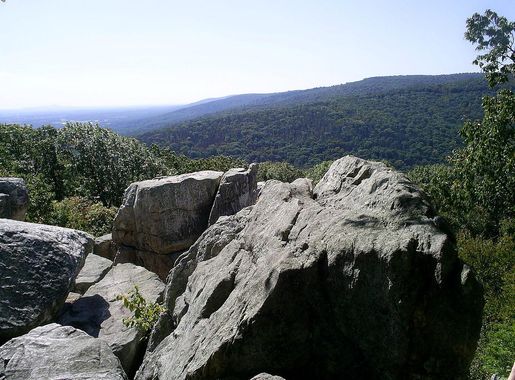
Nestled in the scenic landscapes of Maryland, Catoctin Mountain Park offers a perfect escape into nature. This park is a haven for outdoor lovers, with miles of hiking trails, stunning vistas, and a rich history. The park is home to diverse wildlife and beautiful rock formations that make every visit unique. One of the park’s highlights is the Cunningham Falls, the largest cascading waterfall in Maryland. The falls are an excellent spot for a refreshing break during a hike. For those interested in history, the park also has connections to the presidential retreat at Camp David, which adds a layer of intrigue to your visit. Whether you are an avid hiker, a history buff, or just looking for a peaceful retreat, Catoctin Mountain Park offers something for everyone. Its serene environment and natural beauty make it a must-visit destination for anyone traveling through or residing in Maryland.