
Cunningham Falls State Park, Maryland Travel Guide
Cunningham Falls State Park: Maryland's Natural Haven with Waterfalls, Hiking Trails, and Family-Friendly Activities
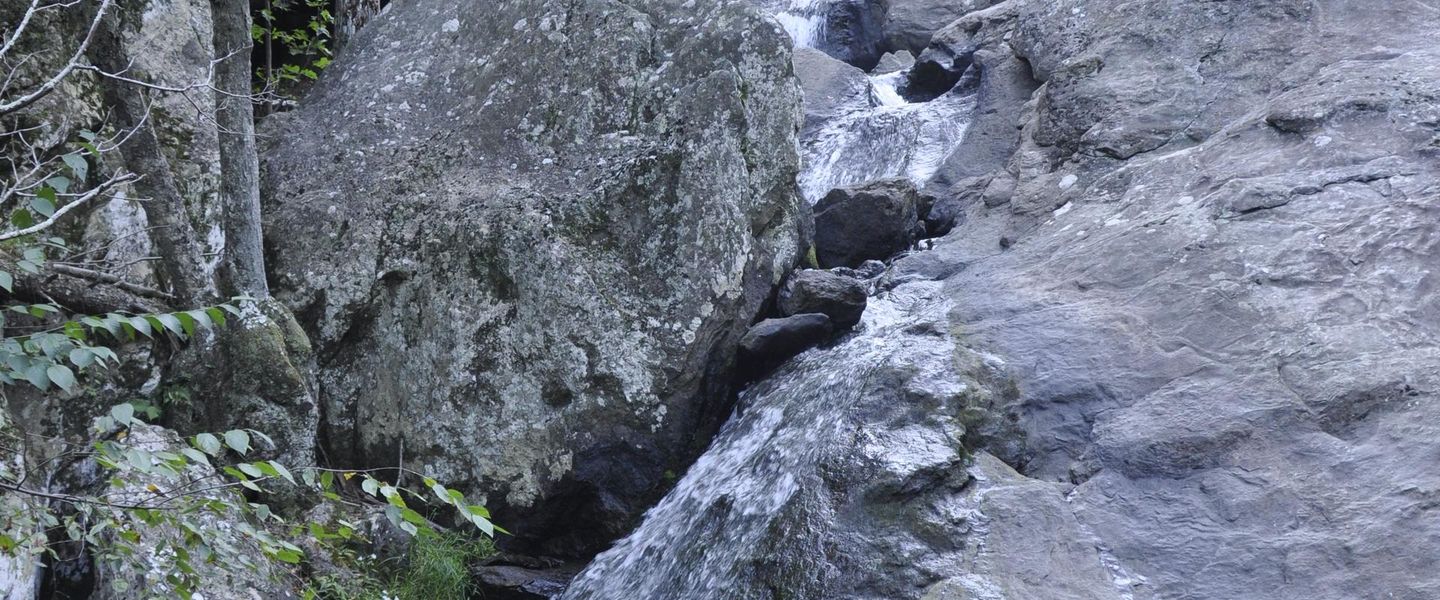
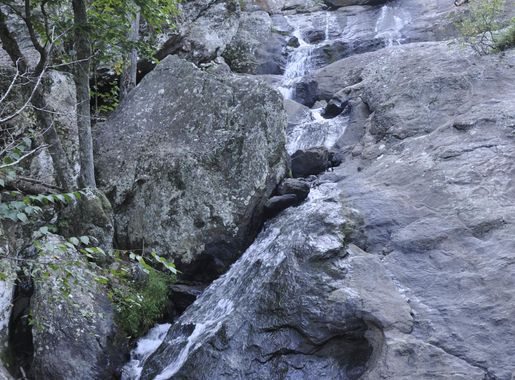
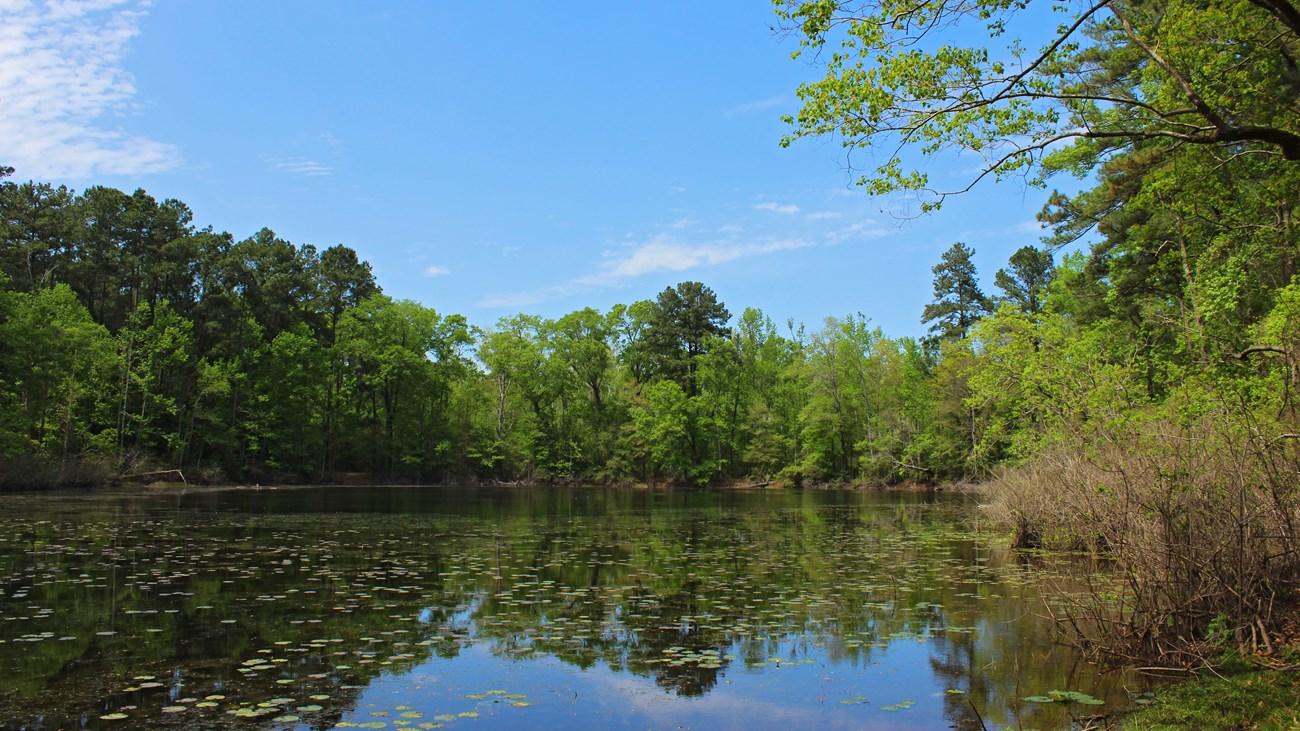
Cunningham Falls State Park, located in the scenic Catoctin Mountains of Maryland, offers visitors a tranquil escape into nature. The park is renowned for its breathtaking waterfall, from which it derives its name. Cunningham Falls, the largest cascading waterfall in Maryland, is a must-see. Whether you choose to hike the short but steep trail to the falls or prefer the easier boardwalk, the sight of the water rushing over the rocks is truly captivating. Beyond the falls, the park boasts a variety of outdoor activities for all ages. There are numerous hiking trails, ranging from easy to challenging, that wind through lush forests and offer stunning views of the surrounding mountains. The park also features a picturesque lake where visitors can enjoy swimming, fishing, and boating during the warmer months. In addition, there are picnic areas and playgrounds, making it an ideal spot for a family outing. Wildlife enthusiasts will find Cunningham Falls State Park a delightful place to observe local flora and fauna. The park is home to an array of bird species, and you might even spot deer or other woodland creatures during your visit. For those interested in history, the nearby Catoctin Iron Furnace offers a glimpse into the region's industrial past. Whether you are seeking adventure, relaxation, or a bit of both, Cunningham Falls State Park provides a perfect backdrop for a memorable day in the great outdoors.

Know before you go
Hi, I'm Eve. Here are a few practical things to know before exploring Cunningham Falls State Park.
- Visit early in the morning or on weekdays to avoid crowds, especially at the waterfall.
- Wear sturdy shoes for hiking, as some trails can be steep and rocky.
- Bring a picnic to enjoy at one of the park's scenic picnic areas.
- Check the park's website for seasonal events and ranger-led programs.
- Don't forget your binoculars for birdwatching around the lake and forest.
Explore Cunningham Falls State Park: Things to Do, Places to Eat, Hotels & More
Handpicked recommendations for top attractions, local dining, accommodations, and more

Best attractions in Cunningham Falls State Park
Top-rated picks
Best Attractions

Catoctin Mountain Park
Explore Catoctin Mountain Park, a stunning natural retreat in Maryland, offering breathtaking views, diverse wildlife, and endless outdoor adventures.

Catoctin Wildlife Preserve
Discover the enchanting Catoctin Wildlife Preserve, where wildlife conservation meets immersive experiences in the heart of Maryland.

High Rock
Experience breathtaking views and exhilarating hikes at High Rock, a scenic gem in Maryland's South Mountain region, perfect for adventurous tourists.

Cunningham Falls State Park - William Houck Area
Discover the breathtaking beauty of Cunningham Falls State Park, a natural haven featuring stunning waterfalls, scenic trails, and abundant wildlife in Maryland.

Best landmarks in Cunningham Falls State Park
Top-rated picks
Best Landmarks

Catoctin Mountain Park
Experience the breathtaking landscapes, diverse wildlife, and tranquil trails of Catoctin Mountain Park in Maryland, a perfect getaway for nature lovers.

High Rock
Discover the breathtaking views and serene hiking trails of High Rock, a scenic gem in Smithsburg, Maryland, perfect for outdoor enthusiasts.
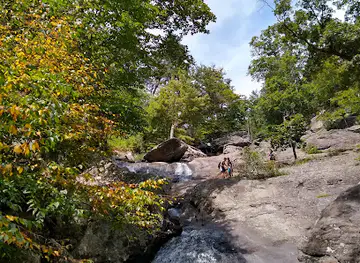
Cunningham Falls State Park - William Houck Area
Explore the breathtaking beauty of Cunningham Falls State Park, a natural paradise in Maryland perfect for hiking, picnicking, and reconnecting with nature.
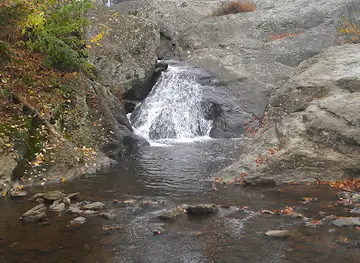
Catoctin Furnace
Explore the historic Catoctin Furnace, a charming piece of Maryland's iron-making past, set amidst beautiful natural landscapes perfect for outdoor adventures.

Best restaurants in Cunningham Falls State Park
Top-rated picks
Best Restaurants

Roy Rogers
Discover classic American flavors at Roy Rogers in Thurmont - where hearty meals meet warm hospitality.

Cunningham Falls State Park - William Houck Area
Explore Cunningham Falls State Park: A Natural Gem in Maryland with Scenic Trails and Stunning Waterfalls.

Cunningham Falls State Park
Discover the enchanting landscapes of Cunningham Falls State Park in Maryland - where waterfalls meet serene lakes amidst endless hiking trails.

The Furnace Grill and Crab House
Discover delicious seafood and grilled favorites at The Furnace Grill and Crab House in Thurmont - A must-visit for every foodie!

Best bars in Cunningham Falls State Park
Top-rated picks
Best Bars

Bollinger's Restaurant and Uncle Dirtys Brew Works
Explore the flavors of Maryland at Bollinger's Restaurant and Uncle Dirty's Brew Works, where hearty breakfasts meet craft brewing in a cozy setting.

The Furnace Grill and Crab House
Discover The Furnace Grill and Crab House, a culinary gem in Thurmont, Maryland, known for its delectable grilled dishes and fresh seafood.

10Tavern
Experience delightful American cuisine at 10Tavern, an inviting restaurant in the heart of Thurmont, MD, perfect for travelers and locals alike.

Main Street Cafe
Experience the essence of Irish hospitality at Main Street Cafe in Thurmont, where delicious comfort food meets a cozy atmosphere.

Best shops in Cunningham Falls State Park
Top-rated picks
Best Shops

Catoctin Mountain Park
Explore the breathtaking landscapes, diverse wildlife, and rich history of Catoctin Mountain Park, a nature lover's paradise in Maryland.

Cunningham Falls State Park
Discover the breathtaking waterfalls, scenic trails, and rich wildlife of Cunningham Falls State Park in Maryland's Catoctin Mountains.

Cunningham Falls State Park - William Houck Area
Discover the breathtaking waterfalls and scenic trails of Cunningham Falls State Park, a natural haven in Maryland's Catoctin Mountains.

Catoctin Mountain Park Visitor Center
Explore the Catoctin Mountain Park Visitor Center, your gateway to Maryland's stunning landscapes and rich natural history.

Explore Cunningham Falls State Park on the Map
A handpicked selection of must-see spots in Cunningham Falls State Park, mapped for you.
Cunningham Falls State Park Essentials
-
Cunningham Falls State Park is located in the Catoctin Mountains of Maryland. The nearest major city is Frederick, which is approximately 18 miles away. The most convenient airport is Washington Dulles International Airport, about 60 miles from the park. From Frederick, you can reach the park by car via US-15 North and MD-77 West, which takes around 30 minutes. If you're traveling from Baltimore, take I-70 West to US-15 North, then MD-77 West.
-
The best way to explore Cunningham Falls State Park is by car. There is no public transportation directly to the park, but you can rent a car from nearby cities like Frederick. Inside the park, there are several parking areas near the main attractions, such as the falls and the lake. Biking and hiking are popular ways to get around within the park itself.
-
The official currency in the United States is the US Dollar (USD). Credit cards are widely accepted in the nearby towns and within the park for amenities like parking and food. It is advisable to carry some cash for small purchases, especially if you plan to buy from local vendors or use the park's self-service facilities where card payments might not be possible.
-
Cunningham Falls State Park is generally a safe area for tourists. However, it's essential to follow standard safety precautions. Avoid leaving valuables in your car and always lock your vehicle. While there are no high-crime areas specifically targeting tourists, staying aware of your surroundings, especially in parking lots and remote trails, is advisable.
-
In case of emergency, dial 911 for immediate assistance. The park staff and rangers are also available to help with minor issues. The nearest hospital is Frederick Health Hospital, located about 18 miles away in Frederick. It is advisable to have travel insurance that covers medical emergencies. For minor health issues, there are first aid stations in the park.
-
Fashion: Do wear comfortable, weather-appropriate clothing and sturdy footwear for hiking. Avoid wearing flip-flops on trails. Religion: Do respect any private property or restricted areas within the park. Public Transport: Do note that there is no public transportation within the park, so plan your visit accordingly. Greetings: Do greet fellow hikers and park visitors with a friendly nod or hello. Eating & Drinking: Do carry out all trash and use designated picnic areas. Don't feed the wildlife, as it disrupts their natural behavior.
-
To experience Cunningham Falls State Park like a local, visit during weekdays to avoid the weekend crowds. Bring a picnic to enjoy by Hunting Creek Lake and don't miss the opportunity to hike the scenic trails leading to the falls. Early morning or late afternoon hikes offer the best lighting for photography. Engage with the park rangers who can provide unique insights and recommendations.
When is the best time to visit Cunningham Falls State Park?
Useful Local Phrases for Cunningham Falls State Park
You don't need to speak the language perfectly. Even learning a few simple words can make conversations warmer—and locals usually appreciate the effort.
— Eve

Here are the phrases I use most often in Cunningham Falls State Park. Try a few—you'll be surprised how far they go! 😊
❤️
-
- HelloHowdy
[haou-dee] - GoodbyeSee ya
[see-yuh] - YesYep
[yep] - NoNah
[nah] - Please/You're welcomePlease and thank ya
[pleez and thangk yuh] - Thank youMuch obliged
[muhch uh-blahyj] - Excuse me/SorryPardon me
[pahr-dn mee] - How are you?How y'all doin?
[haou y'all doo-in] - Fine. And you?Jus' fine. How 'bout y'all?
[juhs fahyn. haou 'bout y'all] - Do you speak English?Ya speak English?
[yuh speek ing-glish] - I don't understandI reckon I don't savvy
[I rek-uhn I dohnt sav-ee]
- HelloHowdy
-
- I'd like to see the menu, pleaseI reckon I'll take a gander at the bill o' fare, please
[I rek-uhn ayl tayk uh gahn-duhr at the bil uh fair, pleez] - I don't eat meatI ain't no carnivore
[I aint noh kahr-nuh-vohr] - Cheers!Bottoms up!
[baat-uhmz uhp] - I would like to pay, pleaseI reckon I'll settle up, please
[I rek-uhn ayl set-l uhp, pleez]
- I'd like to see the menu, pleaseI reckon I'll take a gander at the bill o' fare, please
-
- Help!Git some help!
[Git suhm help] - Go away!Skedaddle!
[skuh-dad-l] - Call the Police!Summon the Law!
[su-muhn the lah] - Call a doctor!Fetch a sawbones!
[fet-ch uh sah-bohns] - I'm lostI done gone astray
[I duhn gawn uh-stray] - I'm illI ain't feelin' right
[I aint fee-lin raht]
- Help!Git some help!
-
- I'd like to buy...I reckon I'll purchase...
[I rek-uhn ayl pur-chuhs] - I'm just lookingJus' browsin'
[juhs braou-zin] - How much is it?How much fer that?
[haou much fuh-r that] - That's too expensiveThat's mighty pricey
[That's mahy-tee prahy-see] - Can you lower the price?Kin ya haggle down the cost?
[Kin yuh hag-uhl daoun the kahst]
- I'd like to buy...I reckon I'll purchase...
-
- What time is it?What's the hour?
[whats the aw-er] - It's one o'clockIt's one bell
[its wuhn bel] - Half past (10)Half past ten
[haf past ten] - MorningMornin'
[mawrn-in] - AfternoonAfternoon
[af-ter-noon] - EveningEvenin'
[ee-ven-in] - YesterdayYest'day
[yest-duh] - TodayToday
[tuh-day] - TomorrowTomorra
[tuh-mor-uh] - 1One
[wuhn] - 2Two
[too] - 3Three
[three] - 4Four
[fohr] - 5Five
[fahyv] - 6Six
[siks] - 7Seven
[sev-uhn] - 8Eight
[eyt] - 9Nine
[nahyn] - 10Ten
[ten]
- What time is it?What's the hour?
-
- Where's a/the...?Whar's a/the...?
[wahrz a/the] - What's the address?Whut's the address?
[whuts the uh-dress] - Can you show me (on the map)?Kin ya show me (on the map)?
[Kin yuh sho muh (on the map)] - When's the next (bus)?Whens the next (bus)?
[whens the nekst (buhs)] - A ticket (to ....)A pass (to ....)
[A pas (to ....)]
- Where's a/the...?Whar's a/the...?
History of Cunningham Falls State Park
-
Cunningham Falls, originally known as McAfee Falls, was named after a photographer who captured the beauty of the area in the early 20th century. This stunning 78-foot cascading waterfall, the largest in Maryland, has been a natural marvel for centuries, attracting Native American tribes long before European settlers arrived.
-
Before the arrival of European settlers, the land that is now Cunningham Falls State Park was inhabited by various Native American tribes, including the Piscataway and Susquehannock. These tribes utilized the area's lush forests and abundant wildlife for hunting and gathering, leaving behind artifacts and trails that tell the story of their rich cultural heritage.
-
The first European settlers arrived in the 18th century, drawn by the fertile land and abundant natural resources. They established farms and small communities, laying the groundwork for the region's agricultural development. The settlers also utilized the area for logging, which played a significant role in the local economy.
-
During the 19th century, the area surrounding Cunningham Falls became a hub for the iron industry. The nearby Catoctin Iron Furnace, established in 1776, produced iron for various purposes, including the American Revolutionary War. The furnace operated until the late 19th century, shaping the local economy and landscape.
-
In 1954, the State of Maryland acquired the land that would become Cunningham Falls State Park. The park was established to preserve the natural beauty of the falls and surrounding area, providing recreational opportunities for the public. Today, the park covers over 6,000 acres and offers hiking, fishing, and camping.
-
Cunningham Falls State Park is closely linked to the adjacent Catoctin Mountain Park, which is managed by the National Park Service. This connection provides visitors with an extended network of trails and natural features to explore. Catoctin Mountain Park also houses the presidential retreat, Camp David, adding a layer of historical significance to the region.
-
Over the years, various conservation efforts have been implemented to protect the natural habitats within Cunningham Falls State Park. These efforts include reforestation projects, wildlife management, and educational programs aimed at promoting environmental stewardship among visitors.
Neighbouring destination travel guides
Browse our curated selection of top destinations, scenic points, and must-visit spots in the area.




Your all‑in‑one travel companion app
Explore expert travel guides, compare and book tours, experiences, hotels, and more—all from the palm of your hand. Download now for seamless trip planning wherever your wanderlust takes you.


Explore More of Catoctin Mountain Area
Looking beyond Cunningham Falls State Park? Discover Catoctin Mountain Area for broader travel guides, local hot-spots, and regional highlights.
Explore Catoctin Mountain AreaExplore More of Maryland

Looking beyond Cunningham Falls State Park? Discover Maryland for broader travel guides, local hot-spots, and regional highlights.
Explore MarylandCunningham Falls State Park in Photos
Browse through our photo collection highlighting the charm and character of the destination.




Discover the Natural Beauty of Cunningham Falls State Park
Cunningham Falls State Park, located in the scenic Catoctin Mountains of Maryland, offers visitors a tranquil escape into nature. The park is renowned for its breathtaking waterfall, from which it derives its name. Cunningham Falls, the largest cascading waterfall in Maryland, is a must-see. Whether you choose to hike the short but steep trail to the falls or prefer the easier boardwalk, the sight of the water rushing over the rocks is truly captivating. Beyond the falls, the park boasts a variety of outdoor activities for all ages. There are numerous hiking trails, ranging from easy to challenging, that wind through lush forests and offer stunning views of the surrounding mountains. The park also features a picturesque lake where visitors can enjoy swimming, fishing, and boating during the warmer months. In addition, there are picnic areas and playgrounds, making it an ideal spot for a family outing. Wildlife enthusiasts will find Cunningham Falls State Park a delightful place to observe local flora and fauna. The park is home to an array of bird species, and you might even spot deer or other woodland creatures during your visit. For those interested in history, the nearby Catoctin Iron Furnace offers a glimpse into the region's industrial past. Whether you are seeking adventure, relaxation, or a bit of both, Cunningham Falls State Park provides a perfect backdrop for a memorable day in the great outdoors.