

Free Southern Maryland Travel Guide & Mobile App
Explore Southern Maryland with free travel guides. Discover regional history, expert tips, proposed trips, and audio guides on web or mobile app.


Explore Southern Maryland for Chesapeake waterways, colonial history, fossil cliffs, seafood, rural roads and waterfront towns near Washington, DC.
Read more about Southern Maryland
When is the best time to visit Southern Maryland?
Best: May–June, September · 23–28°C| Month | High (°C) | Rainfall (mm) |
|---|---|---|
| January | 5 | 65 |
| February | 7 | 60 |
| March | 12 | 80 |
| April | 18 | 85 |
| May (best) | 23 | 95 |
| June (best) | 28 | 100 |
| July | 31 | 105 |
| August | 30 | 100 |
| September (best) | 26 | 90 |
| October | 19 | 75 |
| November | 13 | 70 |
| December | 8 | 75 |
Getting to and around Southern Maryland
How to get there
Transportation
Top city travel guides in Southern Maryland
The cities of Southern Maryland, and the easiest places to base yourself.
-

-

-


Swipe for more cities
Destinations in Southern Maryland
Resorts, valleys and scenic spots worth a trip of their own.
-
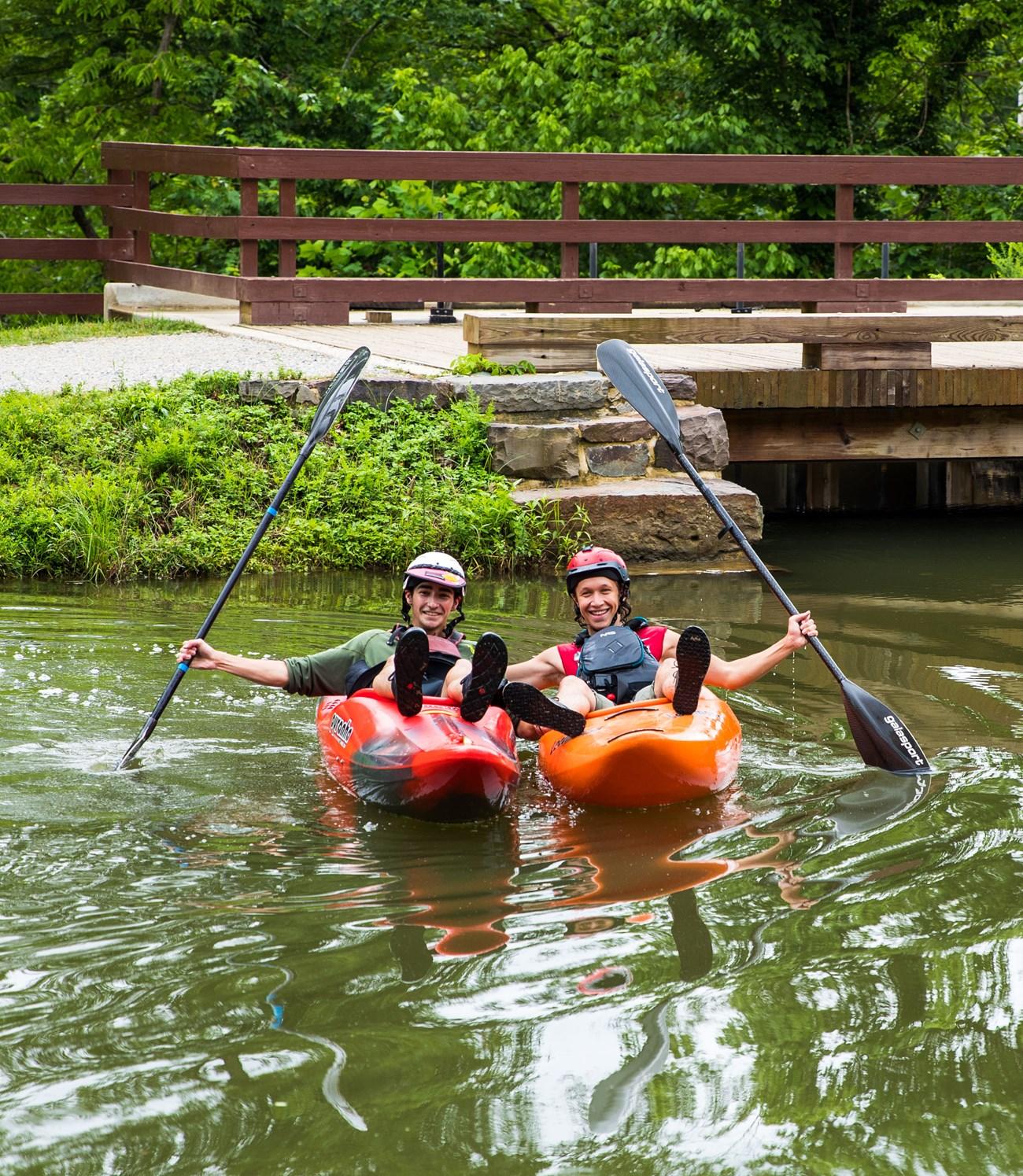 C&O Canal National Historical Park
Discover the blend of history and nature at C&O Canal National Historical Park, where miles of scenic towpath and historical landmarks await your exploration.
-

-

-

-
-


Swipe for more destinations
Best attractions in Southern Maryland
Southern Maryland’s attractions combine Chesapeake landscapes with unusually deep colonial, maritime and military history. Historic St Mary’s City interprets Maryland’s first capital through archaeology, reconstructed buildings and exhibitions, while Sotterley Plantation examines plantation society, enslavement and the changing agricultural landscape. In Charles County, Thomas Stone National Historic Site and the Dr Samuel A Mudd House Museum provide different perspectives on the region’s political and Civil War history. Calvert County’s Calvert Marine Museum in Solomons brings together fossils, estuarine wildlife, maritime collections and the Drum Point Lighthouse. Outdoor choices range from fossil hunting and shoreline walking at Calvert Cliffs State Park to birdwatching and beach time at Flag Ponds Nature Park and Point Lookout State Park. Annmarie Sculpture Garden and Arts Center offers a contrasting cultural experience, with sculpture set among woodland paths. Boating, fishing, kayaking and wildlife observation are especially rewarding on the Patuxent, Potomac and Bay shores, but tidal conditions and access arrangements should be checked in advance.
-
Theme park
Six Flags America
Experience the thrill of Six Flags America - a top theme park with world-class rides, water attractions, and live entertainment in Bowie, Maryland.
-
National museum
National Museum of the Marine Corps
Explore the National Museum of the Marine Corps, an inspiring tribute to military history and valor in Triangle, Virginia.
-
Tourist attraction
National Harbor
Explore National Harbor, a vibrant waterfront destination in Maryland with shopping, dining, and stunning views along the Potomac River.
-
State park
Point Lookout State Park
Explore the stunning landscapes and rich history of Point Lookout State Park, a premier destination for outdoor enthusiasts and history buffs in Maryland.


Best landmarks in Southern Maryland
St Mary’s City is Southern Maryland’s most important historic landmark landscape: the site of Maryland’s first capital preserves archaeological remains and reconstructed colonial buildings beside the St Mary’s River. St Clement’s Island, in the Potomac near Colton’s Point, commemorates the 1634 landing of the Maryland colonists and is reached by seasonal or arranged boat access rather than by road. In Solomons, the Drum Point Lighthouse is a recognisable nineteenth-century navigational landmark now preserved at the Calvert Marine Museum. Calvert Cliffs form one of the region’s most distinctive natural features, their fossil-bearing sediments rising above the western shore of the Chesapeake Bay. At the southern end of St Mary’s County, Point Lookout’s peninsula, lighthouse and Civil War associations give the landscape historical as well as geographical importance. Historic courthouses, churches and tobacco-era buildings in Leonardtown, Port Tobacco and other established communities add smaller-scale architectural markers, while the Patuxent River Naval Air Museum reflects the region’s modern identity as a centre of naval aviation research and testing.
-
State park
Point Lookout State Park
Explore the stunning landscapes and rich history of Point Lookout State Park, a perfect escape for nature lovers and history buffs in Maryland.
-
Museum
Calvert Marine Museum
Explore the Calvert Marine Museum in Solomons, MD – a fascinating journey through Chesapeake Bay's maritime history and natural wonders.
-
History museum
Piney Point Lighthouse Museum & Historic Park
Experience the maritime heritage and natural beauty of Piney Point Lighthouse Museum & Historic Park - a perfect blend of history and nature awaits.
-
Historical landmark
Tudor Hall
Discover Tudor Hall, a historical landmark in Leonardtown, Maryland, where history meets beauty in a serene setting perfect for tourists.


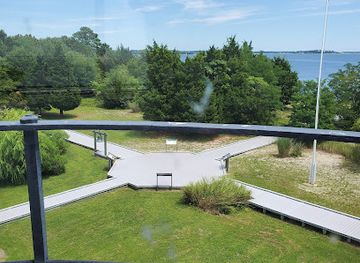

Explore Southern Maryland on the map
Plan your trip on one map. See where the top cities, national parks and sights are, and book hotels and experiences in a few clicks.
Best hotels in Southern Maryland
Best restaurants in Southern Maryland
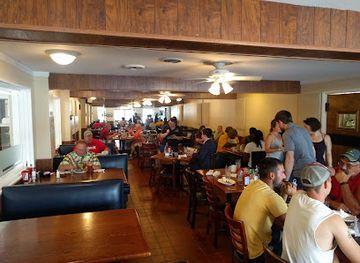
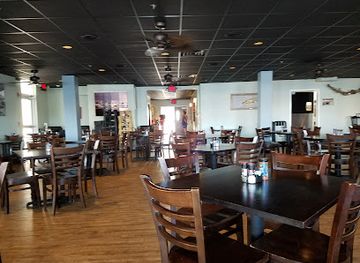
Dining in Southern Maryland is closely tied to the Chesapeake and the region’s farming country. Blue crab, oysters, rockfish and other seasonal seafood appear in waterfront restaurants, crab houses and casual local establishments, while farm stands and markets supply fruit, vegetables and other produce. Southern Maryland stuffed ham, a kale-filled cured ham traditionally associated with the region, is a notable local speciality, although it is not available everywhere throughout the year. Solomons, Leonardtown, La Plata and waterfront communities along the Patuxent and Potomac offer the broadest choice of restaurants, from seafood counters and cafés to contemporary dining rooms and relaxed pubs. Rural areas are better known for family-run eateries, bakeries, farm products and occasional country inns than for dense restaurant districts. Menus change with catches, harvests and seasons, so regional food is often best approached as a connection between the working landscape, tidal waters and Maryland’s wider Chesapeake cuisine.
-
Breakfast
Marie's Diner
Experience delightful breakfasts and satisfying lunches at Marie's Diner in La Plata, MD - where great food meets friendly service.
-
American
The Lighthouse Restaurant and Dockbar
Experience delicious American cuisine at The Lighthouse Restaurant & Dockbar with breathtaking waterfront views in Solomons, Maryland.
-
American
Cracker Barrel Old Country Store
Discover the warmth of Southern hospitality at Cracker Barrel Old Country Store with hearty meals and charming gifts.
-
Seafood
The Pier Restaurant (Solomons Island, MD)
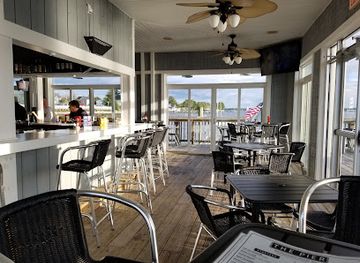
Experience mouthwatering seafood with stunning waterfront views at The Pier Restaurant in Solomons Island, MD.

Best bars in Southern Maryland
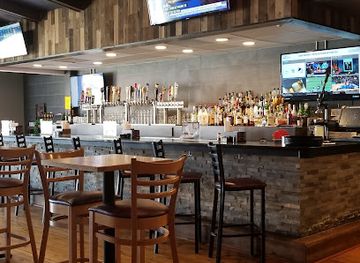
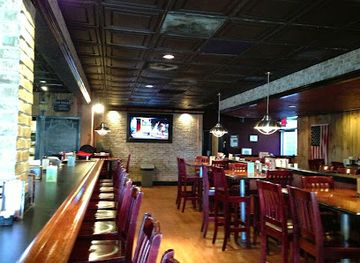
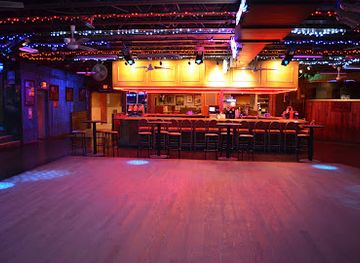
Evening life in Southern Maryland is generally low-key and dispersed rather than centred on a major nightclub district. Solomons Island has the strongest waterfront concentration of restaurants, pubs and bars, with a seasonal atmosphere shaped by boating and the harbour. Leonardtown, La Plata and Prince Frederick provide additional options for drinks, casual dining, live music and community events, while breweries and taprooms in the wider region offer locally produced beer in a relaxed setting. In rural areas, historic inns, neighbourhood pubs and restaurant bars are more typical than late-night clubs. Entertainment schedules and opening arrangements vary, particularly outside the larger towns, so check locally rather than assuming a venue operates every evening. Visitors seeking extensive club culture generally travel beyond Southern Maryland to Washington, DC, or Baltimore, both outside the region.
-
American
The Lighthouse Restaurant and Dockbar
Experience coastal dining at its finest at The Lighthouse Restaurant and Dockbar in Solomons, Maryland, where fresh seafood and stunning views await.
-
Bar
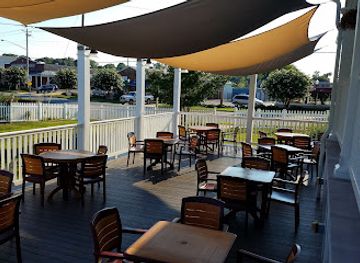
The Front Porch
Experience the best of Southern cuisine at The Front Porch in Leonardtown, MD, where delightful flavors meet charming hospitality.
-
Grill
Pax River Ale House
Experience the best of grill cuisine at Pax River Ale House in Lexington Park, where great food meets a lively atmosphere.
-
Pub
Olde Town Pub
Discover the vibrant atmosphere and delicious offerings at Olde Town Pub in Leonardtown, Maryland - a must-visit for every traveler.

Best nightclubs in Southern Maryland
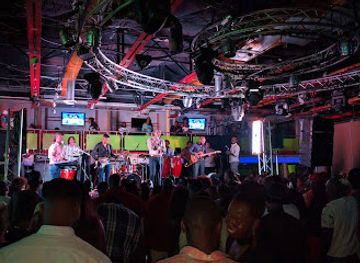
Evening life in Southern Maryland is generally low-key and dispersed rather than centred on a major nightclub district. Solomons Island has the strongest waterfront concentration of restaurants, pubs and bars, with a seasonal atmosphere shaped by boating and the harbour. Leonardtown, La Plata and Prince Frederick provide additional options for drinks, casual dining, live music and community events, while breweries and taprooms in the wider region offer locally produced beer in a relaxed setting. In rural areas, historic inns, neighbourhood pubs and restaurant bars are more typical than late-night clubs. Entertainment schedules and opening arrangements vary, particularly outside the larger towns, so check locally rather than assuming a venue operates every evening. Visitors seeking extensive club culture generally travel beyond Southern Maryland to Washington, DC, or Baltimore, both outside the region.
-
Lounge
SPECTRUM LOUNGE
Discover the vibrant flavors and lively atmosphere of Spectrum Lounge, where authentic African cuisine meets an energetic nightlife experience in Beltsville, MD.
-
Bar
Coco Cabana
Experience the vibrant nightlife of Adelphi at Coco Cabana, a lively bar and lounge featuring live music, delicious food, and a welcoming atmosphere.
-
Night club
Galaxy Night Club
Dive into the nightlife at Galaxy Night Club - a lively destination in Hyattsville blending music, dancing, and delicious dining.
-
Night club
The Original Cancun Cantina
Discover the vibrant nightlife at The Original Cancun Cantina in Hanover, where live music, karaoke, and dancing create unforgettable experiences.


Best shops in Southern Maryland
Shopping in Southern Maryland is based largely around market towns, independent businesses, waterfront galleries and local food rather than large luxury retail districts. Leonardtown’s historic centre has galleries, cafés, small shops and community events, while Solomons combines maritime views with art galleries, seasonal businesses and practical visitor services. La Plata and Prince Frederick provide broader everyday retail, supermarkets and national chains, but the region’s more distinctive purchases are found at farm stands, craft outlets, farmers’ markets and specialist food sellers. Look for Maryland seafood products, preserves, baked goods, local produce, regional beer and gifts inspired by the Chesapeake. Galleries and craft shops may offer paintings, sculpture, ceramics, jewellery and other work by artists from Southern Maryland and the wider Mid-Atlantic. Market schedules and seasonal trading can change, so check before making a special journey, particularly in the rural parts of Charles and St Mary’s counties.
-
Shopping mall
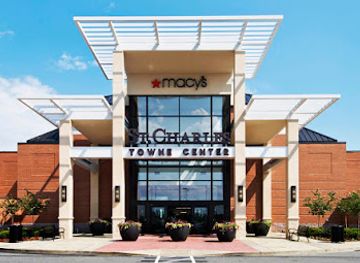
St. Charles Towne Center
Explore St. Charles Towne Center, Waldorf’s favorite shopping mall, offering diverse stores, delicious dining, and family-friendly entertainment.
-
Shopping mall
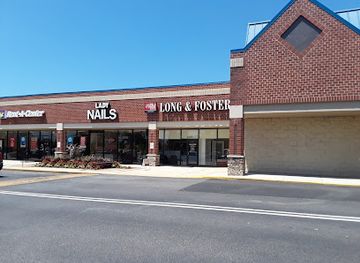
Shops at Waldorf Center
Experience shopping bliss at The Shops at Waldorf Center, where diverse stores, dining, and entertainment await in a vibrant atmosphere.
-
Cannabis store
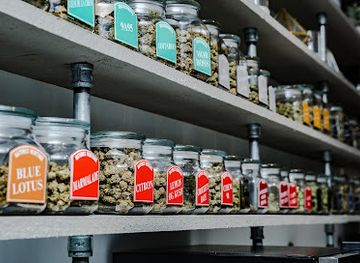
Story Cannabis Mechanicsville
Explore the vibrant world of cannabis at Story Cannabis Mechanicsville - a cultural gem in Maryland's cannabis landscape.
-
Shopping mall
St. Charles Towne Plaza
Experience the best shopping, dining, and entertainment at St. Charles Towne Plaza in Waldorf, Maryland, a perfect stop for every traveler.
Get your free copy of our complete guide to Southern Maryland, delivered straight to you.
Everything on this page, from attractions and restaurants to essentials and local phrases, in one PDF you can read offline, print or share.
Already have an account? Sign in
Your Southern Maryland guide is ready.
We'll send it to · Not you? Sign out

Getting your guide ready…
We are putting together a fresh copy of the Southern Maryland guide. This can take up to a minute.
This can take a few moments. If your browser asks, choose Allow so the download can start. You'll find the guide in your Downloads folder.
Nothing happened? Download it again
Sorry, the guide is taking longer than usual. Please try again in a minute, or get it by email instead.
Southern Maryland essentials
Currency and Payment
Safety
Emergency Situations
Do's and Don'ts
Local Tips
From Eve
Local phrases worth knowing
You don't need to get them perfect. A few words go a long way, and locals appreciate the effort.
Basics
| English | Local | Say it |
|---|---|---|
| Hello | Howdy | [Ha-dee] |
| Goodbye | See ya later | [See ya lay-tuh] |
| Yes | Yep | [Yep] |
| No | Nah | [Nah] |
| Please/You're welcome | No problem | [No prob-lem] |
| Thank you | Thanks a lot | [Thanks a lot] |
| Excuse me/Sorry | Pardon me | [Par-don me] |
| How are you? | How ya doin'? | [How ya do-in'?] |
| Fine. And you? | Good. And you? | [Good. An' you?] |
| Do you speak English? | You speakin' English? | [You speak-in' English?] |
| I don't understand | I ain't gettin' it | [I ain't gettin' it] |
Eating & Drinking
| English | Local | Say it |
|---|---|---|
| I'd like to see the menu, please | Can I see the menu? | [Can I see the men-u?] |
| I don't eat meat | I don't do meat | [I don't do meat] |
| Cheers! | Cheers! | [Cheers!] |
| I would like to pay, please | Can I get the check, please? | [Can I get the check, please?] |
Emergencies
| English | Local | Say it |
|---|---|---|
| Help! | Help! | [Help!] |
| Go away! | Get lost! | [Get lost!] |
| Call the Police! | Call the cops! | [Call the cops!] |
| Call a doctor! | Get a doctor! | [Get a doctor!] |
| I'm lost | I’m turned around | [I’m turned around] |
| I'm ill | I ain't feelin' good | [I ain't feelin' good] |
Shopping
| English | Local | Say it |
|---|---|---|
| I'd like to buy... | I wanna buy... | [I wanna buy...] |
| I'm just looking | Just browsin' | [Just brows-in'] |
| How much is it? | What’s the price? | [What’s the price?] |
| That's too expensive | That’s way too high | [That’s way too high] |
| Can you lower the price? | Can ya bring it down? | [Can ya bring it down?] |
Time & Numbers
| English | Local | Say it |
|---|---|---|
| What time is it? | What time ya got? | [What time ya got?] |
| It's one o'clock | It's one o'clock | [It's one o'clock] |
| Half past (10) | Half past ten | [Half past ten] |
| Morning | Mornin' | [Mornin'] |
| Afternoon | Afternoon | [Afternoon] |
| Evening | Evenin' | [Evenin'] |
| Yesterday | Yesterday | [Yesterday] |
| Today | Today | [Today] |
| Tomorrow | Tomorrow | [Tomorrow] |
| 1 | One | [One] |
| 2 | Two | [Two] |
| 3 | Three | [Three] |
| 4 | Four | [Four] |
| 5 | Five | [Five] |
| 6 | Six | [Six] |
| 7 | Seven | [Seven] |
| 8 | Eight | [Eight] |
| 9 | Nine | [Nine] |
| 10 | Ten | [Ten] |
Transport & Directions
| English | Local | Say it |
|---|---|---|
| Where's a/the...? | Where's the nearest...? | [Where's the nearest...?] |
| What's the address? | What’s the address? | [What’s the address?] |
| Can you show me (on the map)? | Can ya point it out? | [Can ya point it out?] |
| When's the next (bus)? | When's the next bus? | [When's the next bus?] |
| A ticket (to ....) | A ticket to... | [A ticket to...] |
History of Southern Maryland
Indigenous Chesapeake Communities Before European Settlement
Long before Maryland became an English colony, the lower Chesapeake region was occupied and used by Indigenous peoples, including communities associated with the Piscataway and Yaocomico. Rivers, wetlands and forests supported fishing, hunting, farming and extensive movement through the peninsula landscape. When English settlers arrived in 1634, they established St Mary’s City near a Yaocomico settlement, entering a world with existing political relationships and territorial understandings. Archaeology and interpretation at St Mary’s City and other regional sites continue to place Indigenous history alongside the colonial narrative rather than treating European settlement as the beginning of the region’s history.
St Mary’s City and the Founding of Maryland, 1634
English settlers led by Leonard Calvert founded St Mary’s City in 1634, making it the first capital of the Maryland colony. Its location on the St Mary’s River connected the settlement to the Chesapeake’s waterways and to Atlantic commerce. Maryland was established under the proprietorship of the Calvert family, whose Catholic faith influenced the colony’s early identity, although Protestant and Catholic settlers lived alongside one another. Archaeological remains, reconstructed buildings and museum interpretation at Historic St Mary’s City explain how an early colonial town developed and why this site remains central to Maryland’s political and religious history.
Tobacco, Plantations and Enslaved Labour
From the seventeenth century onwards, tobacco shaped Southern Maryland’s economy, settlement pattern and connections to the wider Atlantic world. River landings allowed planters to ship harvested tobacco, while plantations and smaller farms occupied the peninsulas between the tidal rivers. This system depended heavily on the labour of enslaved Africans and African Americans, whose work sustained agricultural wealth but whose lives were long marginalised in traditional accounts. Places such as Sotterley Plantation interpret the architecture, landscape and records of plantation society while also examining enslavement, resistance, family life and the community’s later history.
Religious Toleration and Colonial Political Change
Maryland’s early reputation for religious toleration was shaped by the Maryland Toleration Act of 1649, which offered legal protection to Trinitarian Christians while reflecting the limits of the period’s ideas about religious freedom. St Mary’s City was the setting for important colonial debates, including disputes over authority between the proprietary government, settlers and religious communities. The capital later moved to Annapolis in 1695, reducing St Mary’s City’s political importance. Its surviving archaeological landscape nevertheless preserves evidence of the colony’s early institutions, faith communities and evolving government.
The Chesapeake in the War of 1812
Southern Maryland’s waterways made it part of the strategic landscape of the War of 1812. British forces operated in the Chesapeake, and the region’s rivers, creeks and farms were exposed to military movement, raids and disruption. Communities around the Patuxent and lower Potomac were connected to the broader campaign that culminated in the British attack on Washington and the burning of public buildings in 1814. The war reinforced the importance of local waterways and left a historical legacy that can be explored through regional museums, maritime interpretation and sites associated with the Chesapeake campaign.
Civil War and the Point Lookout Prison Camp
During the American Civil War, Point Lookout at the southern tip of St Mary’s County became a Union military complex and the site of a large prison camp for Confederate soldiers. The location was chosen for its strategic position between the Chesapeake Bay and the Potomac River, but the camp became notorious for overcrowding, disease and harsh conditions. The wider Point Lookout landscape also included a hospital and military defences. Few camp structures survive, yet markers, interpretation and the geography of the peninsula help visitors understand the site’s military and humanitarian significance.
Naval Aviation and the Modern Patuxent River Economy
The establishment of Naval Air Station Patuxent River in St Mary’s County during the Second World War transformed the regional economy and connected Southern Maryland to the development and testing of naval aircraft. Research, flight testing and defence technology brought new employment, infrastructure and population to an area previously dominated by agriculture and maritime activity. The base remains an important presence, while the Patuxent River Naval Air Museum interprets the history of naval aviation and the technical work associated with the installation. This modern identity sits alongside the region’s older colonial and farming landscapes.
Southern Maryland in Photos
Browse through our photo collection highlighting the charm and character of the destination.
Neighbouring regions of Southern Maryland
The closest regions to Southern Maryland, if you have time for more than one.
-

-
-

-
-


Swipe for more regions
Explore more

Explore more of Maryland
Discover Maryland, where coastal charm meets rich history and outdoor adventure. Experience the best of the East Coast in this small but diverse state.
Explore Maryland