

Free Towson Travel Guide & Mobile App
Plan your Towson trip with Evendo. Get free guides to top attractions, restaurants, hotels, and bars. Web access or download the mobile app.


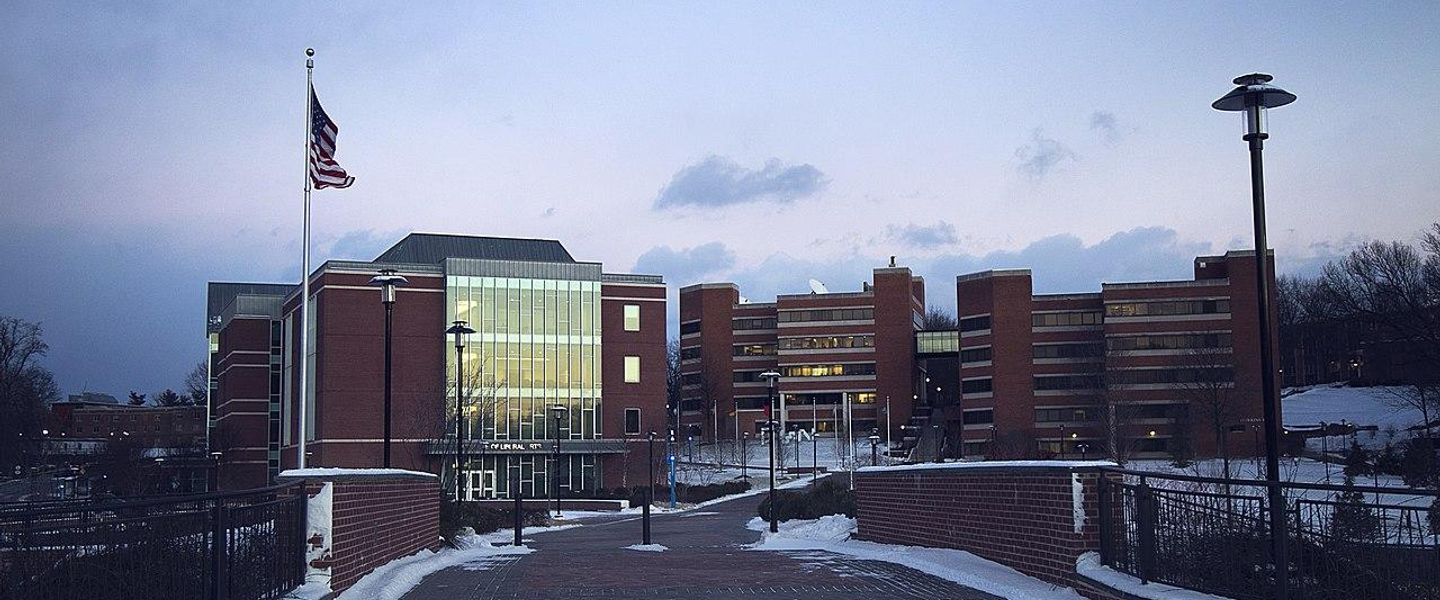


Towson, Maryland blends county history, Hampton National Historic Site, university culture, shopping, Chesapeake dining and easy access to Baltimore attractions.
A County Seat with Suburban Energy
Towson occupies a distinctive position in central Maryland: it is an established county seat with a walkable civic centre, a major university, substantial retail districts and easy access to the wider Baltimore region. Located north of Baltimore City, the community combines the practical character of a prosperous American suburb with a deeper historical layer visible in its courthouse precinct, older residential streets and surviving estates. York Road, the principal north–south artery, links the centre with neighbourhoods, shops, restaurants and transport services, while Towson University brings a large student population and a calendar of performances, lectures and sporting events.Read more about Towson
History in the Landscape
Shopping, Culture and Open Space
When is the best time to visit Towson?
Best: May–June, September · 22–27°C| Month | High (°C) | Rainfall (mm) |
|---|---|---|
| January | 4 | 71 |
| February | 6 | 66 |
| March | 11 | 84 |
| April | 17 | 89 |
| May (best) | 22 | 99 |
| June (best) | 27 | 99 |
| July | 29 | 104 |
| August | 29 | 99 |
| September (best) | 25 | 95 |
| October | 19 | 89 |
| November | 11 | 81 |
| December | 6 | 79 |
Getting to and around Towson
How to get there
Transportation
Best attractions in Towson
Towson’s attractions combine local history, education and suburban recreation. Hampton National Historic Site is the area’s foremost heritage experience, preserving an imposing Georgian mansion, formal gardens, agricultural buildings and a landscape that illuminates the Ridgely family’s wealth and the lives of enslaved and later free workers. The Towson Historic District offers a quieter exploration of nineteenth-century civic and residential architecture around the county seat, while the Baltimore County government precinct provides context for the community’s administrative role. Towson University contributes galleries, performances, lectures and campus spaces that broaden the cultural offering beyond shopping. Towson Town Center is a major indoor retail destination with dining and leisure facilities, and nearby Loch Raven Reservoir introduces wooded scenery, water views and outdoor walking opportunities outside the commercial core. Together, these places present Towson as more than a retail suburb, linking Maryland history with university life and the landscapes of northern Baltimore County.
-
Tourist attraction
Breakout Games - Baltimore (Timonium)
Experience the thrill of escape rooms at Breakout Games in Baltimore, where adventure and teamwork come together for unforgettable fun.
13 min drive · 4.2 km from city centre
-
Racecourse
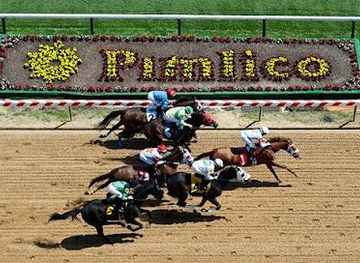
Pimlico Race Course
Explore the historic Pimlico Race Course in Baltimore, where tradition meets excitement in the heart of horse racing.
20 min drive · 6.5 km from city centre
-
Tourist attraction
Meadowood Regional Park
Explore Meadowood Regional Park, a serene retreat in Timonium, Maryland, offering trails, recreational activities, and beautiful landscapes for nature lovers.
15 min drive · 5.0 km from city centre
-
Tourist attraction
Lake Roland Nature Council
Experience the natural beauty and tranquility of Lake Roland Nature Council, a perfect retreat for hiking and connecting with nature in Baltimore.
8 min drive · 2.8 km from city centre
Best landmarks in Towson
Towson’s principal landmarks express its roles as county seat, historic settlement and educational centre. Hampton National Historic Site is the most significant historic structure, with its late-eighteenth-century Georgian mansion, landscaped grounds and surviving estate buildings illustrating the scale and social organisation of a major Maryland plantation. The Towson Historic District preserves houses and civic buildings associated with the nineteenth-century growth of the county seat, while the Baltimore County Circuit Courthouse and surrounding government complex embody the administrative function that anchored the community. Towson University’s campus provides a contrasting modern landmark landscape, including academic buildings, performance spaces and the institution’s substantial presence in local life. Towson Town Center represents a later phase of development, when enclosed regional shopping became a defining feature of American suburbia. Together these landmarks chart the movement from estate agriculture and courthouse town to university and commercial centre.
-
Shopping mall
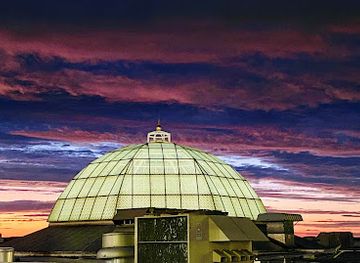
Towson Town Center
Discover the ultimate shopping experience at Towson Town Center, where retail, dining, and entertainment come together in Maryland's vibrant heart.
6 min drive · 2.0 km from city centre
-
Movie theater
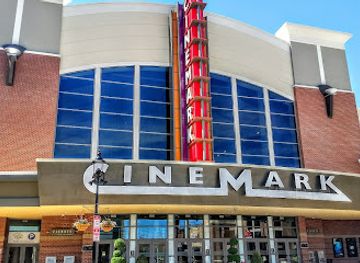
Cinemark Towson and XD
Experience the magic of movies at Cinemark Towson and XD, where comfort meets cutting-edge technology in a perfect cinematic atmosphere.
5 min drive · 1.8 km from city centre
-
Miniature golf course
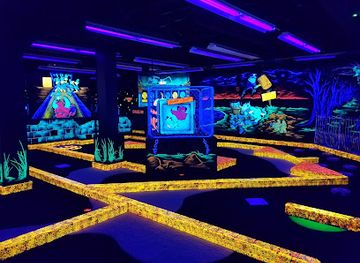
Monster Mini Golf Towson
Experience a whimsical world of fun at Monster Mini Golf Towson, where miniature golf and laser tag come together for an unforgettable adventure.
19 min drive · 6.3 km from city centre
-
Bistro
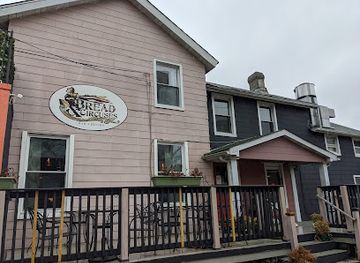
Bread & Circuses Bistro & Bar
Experience the best of American cuisine at Bread & Circuses Bistro & Bar in Towson, where every dish tells a story of fresh, local flavors.
5 min drive · 1.6 km from city centre
Explore Towson on the map
Plan your Towson trip on one map. See where the top attractions, landmarks, restaurants, bars and hotels are, find what's near where you're staying, and book hotels and experiences in a few clicks.
Best hotels in Towson
Best restaurants in Towson
Towson’s dining scene reflects its position between Baltimore’s urban food culture and the family-oriented suburbs of Baltimore County. Restaurants and cafés cluster around York Road, Allegheny Avenue, Towson University and the shopping districts, with a broad selection of American, Asian, Mediterranean and Latin American cooking alongside familiar casual dining. Chesapeake influences appear in menus featuring blue crab, crab cakes, oysters and other seafood, often seasoned with Maryland’s characteristic Old Bay blend, though the area’s contemporary restaurants are not limited to regional cuisine. Students support affordable and informal eateries, while the commercial centre provides more polished dining rooms and international options. Coffee shops, bakeries and quick-service restaurants make the central districts active throughout the day, and the diversity of the population is reflected in the range of ingredients and culinary traditions available rather than in one narrowly defined local style.
-
Restaurant
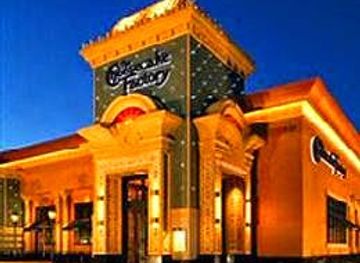
The Cheesecake Factory
Experience culinary delight at The Cheesecake Factory in Towson - where every meal ends on a sweet note!
6 min drive · 2.0 km from city centre
-
Restaurant
7 West Bistro Grille
Discover exceptional flavors at 7 West Bistro Grille in Towson—your go-to spot for delightful dining experiences.
18 min walk · 1.4 km from city centre
-
Breakfast
Towson Diner
Discover delicious breakfast options at Towson Diner - where American classics meet Greek specialties in a cozy setting.
5 min drive · 1.7 km from city centre
-
Steak
Stoney River Steakhouse and Grill
Discover exquisite steak dishes at Stoney River Steakhouse and Grill - where traditional American flavors meet exceptional dining experiences.
6 min drive · 1.9 km from city centre
Best bars in Towson
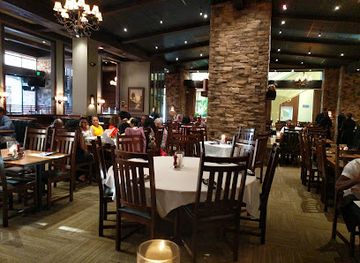
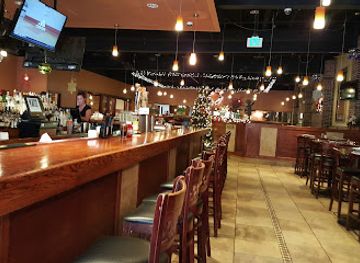
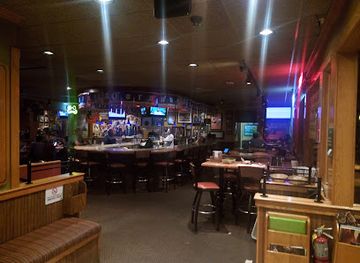
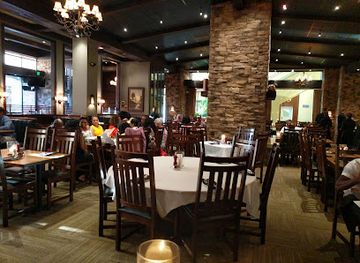
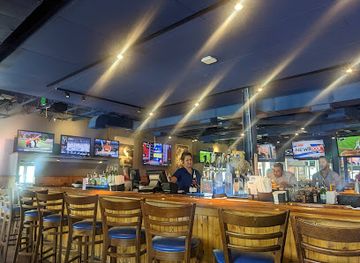
Towson’s evening life is modest but varied, shaped by the university, restaurants and a dispersed suburban layout rather than a concentrated nightclub quarter. Bars and casual pubs around York Road, Allegheny Avenue and the university area attract students and local residents, while restaurants often provide the main evening social setting. Sports bars and neighbourhood drinking spots are common forms of entertainment, supplemented by cultural events, performances and lectures at Towson University. The university’s arts programming can offer a more purposeful evening than the bar scene, with theatre, music and other public events depending on the calendar. After-dark activity generally becomes quieter away from the central commercial area, and visitors should expect to travel between venues by car, taxi or rideshare rather than rely on a continuous pedestrian nightlife district.
-
Bar
7 West Bistro Grille
Discover the flavors of Maryland at 7 West Bistro Grille, where fresh ingredients and creative dishes meet in a welcoming atmosphere.
18 min walk · 1.4 km from city centre
-
Restaurant
Applebee's Grill + Bar
Discover the heart of American dining at Applebee's Grill + Bar in Towson, MD, where delicious meals and a friendly atmosphere await.
11 min drive · 3.7 km from city centre
-
Bar
Stoney River Steakhouse and Grill
Discover the ultimate steakhouse experience at Stoney River Steakhouse and Grill, where quality meets comfort in a vibrant dining atmosphere.
6 min drive · 1.9 km from city centre
-
Sports bar
Glory Days Grill
Discover the excitement of Glory Days Grill in Towson, a perfect blend of great food, sports, and family-friendly fun for every visitor.
11 min drive · 3.7 km from city centre
Best nightclubs in Towson
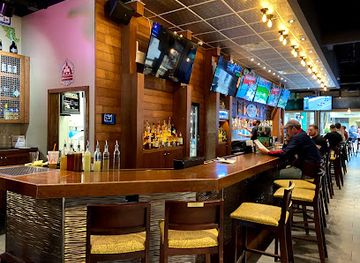
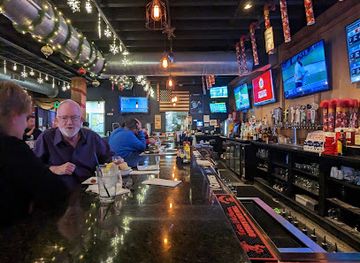
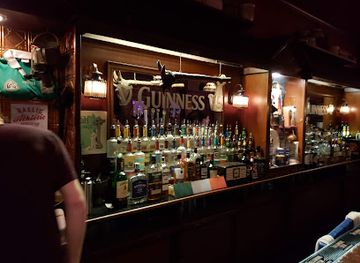
Towson’s evening life is modest but varied, shaped by the university, restaurants and a dispersed suburban layout rather than a concentrated nightclub quarter. Bars and casual pubs around York Road, Allegheny Avenue and the university area attract students and local residents, while restaurants often provide the main evening social setting. Sports bars and neighbourhood drinking spots are common forms of entertainment, supplemented by cultural events, performances and lectures at Towson University. The university’s arts programming can offer a more purposeful evening than the bar scene, with theatre, music and other public events depending on the calendar. After-dark activity generally becomes quieter away from the central commercial area, and visitors should expect to travel between venues by car, taxi or rideshare rather than rely on a continuous pedestrian nightlife district.
-
Bar
The Brass Tap
Discover Towson's finest craft beer haven at The Brass Tap, where over 60 beers on tap await you in a lively and inviting atmosphere.
6 min drive · 2.0 km from city centre
-
Bar
CVP Towson
Experience the vibrant nightlife and diverse menu at CVP Towson, the perfect bar and event venue in the heart of Towson, Maryland.
18 min walk · 1.5 km from city centre
-
Bar
The Kent House Irish Pub
Discover the charm of Ireland at The Kent House Irish Pub, where delightful cuisine and a festive atmosphere await in Towson, Maryland.
5 min drive · 1.6 km from city centre
-
Grill
The Rec Room
Experience local flavors and a vibrant atmosphere at The Rec Room, Towson's go-to grill and restaurant for a delightful culinary adventure.
5 min drive · 1.6 km from city centre
Best shops in Towson
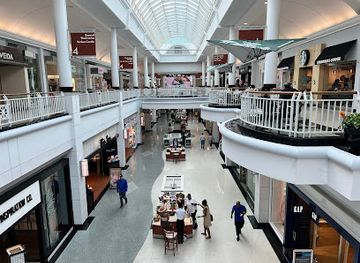
Shopping in Towson is led by Towson Town Center, a large enclosed regional shopping complex with national retailers, department-store-style shopping, dining and services. Around the centre and along York Road, visitors find additional commercial businesses, while Allegheny Avenue and nearby streets offer smaller independent shops, cafés and personal services with a more local atmosphere. Towson is not primarily a traditional craft-market destination, so the most characteristic purchases are likely to be Maryland food products, Chesapeake-themed gifts, university merchandise, books, clothing and items from specialist or independent retailers rather than a single signature handicraft. Seasonal events and campus activity can add temporary stalls or small-scale retail opportunities, but availability varies. For a broader historic shopping experience, Baltimore’s older commercial districts are accessible as a separate excursion rather than part of Towson’s own retail core.
-
Shopping mall
Towson Town Center
Explore Towson Town Center, Maryland's ultimate shopping mall featuring diverse stores, delightful dining, and vibrant entertainment for all ages.
6 min drive · 2.0 km from city centre
-
Shopping mall
Towson Place
Explore Towson Place, Maryland's premier shopping mall, featuring diverse stores, dining, and entertainment for the whole family!
10 min drive · 3.3 km from city centre
-
Shopping mall
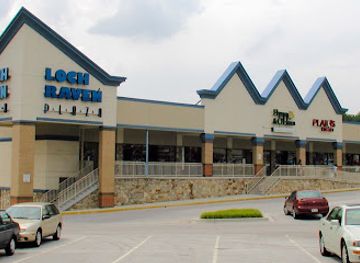
Loch Raven Plaza Shopping Ctr
Experience shopping, dining, and local culture at Loch Raven Plaza Shopping Center in Towson, Maryland, a vibrant hub for visitors and locals alike.
11 min drive · 3.7 km from city centre
-
Shopping mall
Ravenwood Shopping Center
Explore Ravenwood Shopping Center in Towson, Maryland, your ultimate destination for shopping, dining, and entertainment in one vibrant location.
11 min drive · 3.7 km from city centre
Get your free copy of our complete guide to Towson, delivered straight to you.
Everything on this page, from attractions and restaurants to essentials and local phrases, in one PDF you can read offline, print or share.
Already have an account? Sign in
Your Towson guide is ready.
We'll send it to · Not you? Sign out

Getting your guide ready…
We are putting together a fresh copy of the Towson guide. This can take up to a minute.
This can take a few moments. If your browser asks, choose Allow so the download can start. You'll find the guide in your Downloads folder.
Nothing happened? Download it again
Sorry, the guide is taking longer than usual. Please try again in a minute, or get it by email instead.
Towson essentials
Currency and Payment
Safety
Emergency Situations
Do's and Don'ts
Local Tips
From Eve
Local phrases worth knowing
You don't need to get them perfect. A few words go a long way, and locals appreciate the effort.
Basics
| English | Local | Say it |
|---|---|---|
| Hello | Hey | [hey] |
| Goodbye | See ya | [see ya] |
| Yes | Yep | [yep] |
| No | Nah | [nah] |
| Please/You're welcome | Please/No worries | [please/no worries] |
| Thank you | Thanks | [thanks] |
| Excuse me/Sorry | Sorry | [sorry] |
| How are you? | How you doin'? | [how you doin'] |
| Fine. And you? | Good. You? | [good. you?] |
| Do you speak English? | You speak English? | [you speak English?] |
| I don't understand | I don't get it | [I don't get it] |
Eating & Drinking
| English | Local | Say it |
|---|---|---|
| I'd like to see the menu, please | Can I see the menu? | [can I see the menu?] |
| I don't eat meat | I don't eat meat | [I don't eat meat] |
| Cheers! | Cheers! | [cheers!] |
| I would like to pay, please | I want to pay | [I want to pay] |
Emergencies
| English | Local | Say it |
|---|---|---|
| Help! | Help! | [help!] |
| Go away! | Get lost! | [get lost!] |
| Call the Police! | Call the cops! | [call the cops!] |
| Call a doctor! | Call a doc! | [call a doc!] |
| I'm lost | I'm lost | [I'm lost] |
| I'm ill | I'm sick | [I'm sick] |
Shopping
| English | Local | Say it |
|---|---|---|
| I'd like to buy... | I wanna buy... | [I wanna buy...] |
| I'm just looking | Just looking | [just looking] |
| How much is it? | How much? | [how much?] |
| That's too expensive | Too pricey | [too pricey] |
| Can you lower the price? | Can you drop the price? | [can you drop the price?] |
Time & Numbers
| English | Local | Say it |
|---|---|---|
| What time is it? | What's the time? | [what's the time?] |
| It's one o'clock | It's one | [it's one] |
| Half past (10) | Ten thirty | [ten thirty] |
| Morning | Morning | [morning] |
| Afternoon | Afternoon | [afternoon] |
| Evening | Evening | [evening] |
| Yesterday | Yesterday | [yesterday] |
| Today | Today | [today] |
| Tomorrow | Tomorrow | [tomorrow] |
| 1 | One | [one] |
| 2 | Two | [two] |
| 3 | Three | [three] |
| 4 | Four | [four] |
| 5 | Five | [five] |
| 6 | Six | [six] |
| 7 | Seven | [seven] |
| 8 | Eight | [eight] |
| 9 | Nine | [nine] |
| 10 | Ten | [ten] |
Transport & Directions
| English | Local | Say it |
|---|---|---|
| Where's a/the...? | Where's the...? | [where's the...?] |
| What's the address? | What's the address? | [what's the address?] |
| Can you show me (on the map)? | Show me on the map | [show me on the map] |
| When's the next (bus)? | When's the next bus? | [when's the next bus?] |
| A ticket (to ....) | A ticket to... | [a ticket to...] |
History of Towson
Native Homelands and Colonial Expansion
The land around present-day Towson formed part of the wider Chesapeake region inhabited and used by Native peoples long before European settlement. During the seventeenth and eighteenth centuries, colonial expansion transformed the area through land grants, farming and road building connected with Baltimore and the northern reaches of Maryland. European settlement did not create an empty landscape: it displaced Indigenous communities and reordered established patterns of movement and land use. By the eighteenth century, tobacco cultivation and mixed farming were shaping Baltimore County’s economy, while roads gradually connected rural estates with the growing port of Baltimore.
The Ridgely Estate at Hampton
One of the most important surviving chapters of local history is represented by Hampton, the Georgian mansion completed for Captain Charles Carnan Ridgely in 1790. The Ridgely family’s estate became a substantial agricultural and industrial enterprise, supported by the labour of enslaved people and later free workers. Its ironworks, farms, gardens and domestic buildings reveal how wealth in the early United States could be built through land, production and coerced labour. Hampton remained in the Ridgely family for generations and is now preserved as Hampton National Historic Site, where the house and grounds are interpreted alongside the lives of the people who worked there.
The Towson Family and a Growing Roadside Community
Towson takes its name from the Towson family, whose tavern and commercial presence helped give the settlement a recognisable identity along the road north of Baltimore. The community developed gradually during the late eighteenth and early nineteenth centuries as farms, inns, shops and transport routes expanded. Its location made it a useful meeting point for county residents travelling to conduct business, obtain supplies or reach Baltimore. The name became firmly associated with the settlement, even as the surrounding countryside retained a rural character and the road network remained central to local life.
A County Seat Takes Shape
Towson’s decisive civic transformation came in the nineteenth century when it became the seat of Baltimore County government. Courthouses, offices, churches, houses and commercial buildings gathered around the county’s administrative centre, creating the historic townscape still visible in parts of central Towson. The town’s growth reflected wider changes in Maryland, including improved transportation, expanding commerce and the gradual movement of population away from isolated farms. The courthouse role gave Towson an institutional importance that distinguished it from a simple roadside settlement and helped establish its long-term position within the county.
Twentieth-Century Suburban Growth
During the twentieth century, Towson changed from a small county seat into a major suburban centre as Baltimore expanded beyond its municipal boundaries. Improved roads, rising car ownership and post-war housing development brought new residential districts, offices and retail facilities. Towson State College, founded in 1866 as a normal school and later developed into Towson University, became an increasingly influential cultural and educational institution. The opening and expansion of major shopping facilities, together with new government and commercial buildings, reinforced Towson’s role as a regional centre rather than merely a historic town.
Preserving History in a Contemporary Centre
Modern Towson contains the overlapping identities created by its earlier development: county administrative capital, university community, retail destination and gateway to Baltimore County’s wooded northern landscapes. Preservation at Hampton and within the Towson Historic District has kept important evidence of earlier social and architectural life, while redevelopment around York Road and Towson Town Center reflects changing suburban patterns. The result is a place where Maryland’s plantation history, nineteenth-century civic growth and late twentieth-century commercial expansion remain visible within a relatively compact urban area.
Towson in Photos
Browse through our photo collection highlighting the charm and character of the destination.
Cities near Towson
The closest cities to Towson, if you have time for more than one stop.
-

-

-

-

-


Swipe for more cities
Explore more

Explore more of Maryland
Discover Maryland, where coastal charm meets rich history and outdoor adventure. Experience the best of the East Coast in this small but diverse state.
Explore Maryland