

Free New Bedford Travel Guide & Mobile App
Plan your New Bedford trip with Evendo. Get free guides to top attractions, restaurants, hotels, and bars. Web access or download the mobile app.


New Bedford, Massachusetts pairs whaling history, Portuguese culture, waterfront museums, historic architecture and South Coast arts with easy access to Cape Cod.
A Harbour Shaped by Whaling
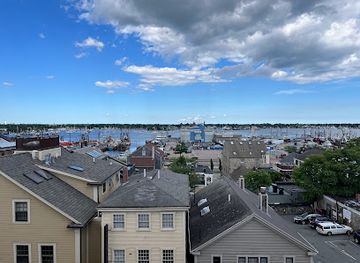
New Bedford occupies the northern shore of Buzzards Bay in southeastern Massachusetts, where a deep natural harbour helped make it one of the world’s leading whaling ports during the nineteenth century. The industry’s wealth survives in the brick warehouses, merchants’ houses and maritime institutions of the historic waterfront, particularly around the New Bedford Whaling National Historical Park. At its centre, the New Bedford Whaling Museum presents the region’s seafaring history alongside the stories of the Wampanoag, African Americans, Cape Verdeans, Portuguese and other communities connected to the port.Read more about New Bedford
Historic Streets and Living Traditions
Waterfront Landscapes and Contemporary New Bedford
When is the best time to visit New Bedford?
Best: June–July, September · 23–27°C| Month | High (°C) | Rainfall (mm) |
|---|---|---|
| January | 1 | 79 |
| February | 2 | 73 |
| March | 7 | 90 |
| April | 12 | 98 |
| May | 18 | 86 |
| June (best) | 24 | 79 |
| July (best) | 27 | 84 |
| August | 27 | 94 |
| September (best) | 23 | 83 |
| October | 17 | 100 |
| November | 11 | 98 |
| December | 4 | 90 |
Getting to and around New Bedford
How to get there
Transportation
Best attractions in New Bedford
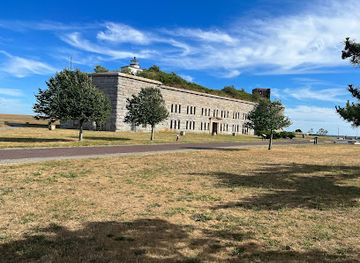
New Bedford’s principal attractions cluster around the historic waterfront, where the New Bedford Whaling Museum explains the city’s global maritime history through ship models, art, objects and personal stories. The nearby New Bedford Whaling National Historical Park encompasses streets, buildings and waterfront sites associated with the former whaling port, while Seamen’s Bethel offers a more intimate glimpse of the religious and working life of sailors. The Rotch-Jones-Duff House and Garden Museum presents the domestic world of a prosperous nineteenth-century family in a preserved Greek Revival house. For a change of pace, Buttonwood Park combines open lawns with the Buttonwood Park Zoo, and Fort Taber–Fort Rodman adds coastal scenery, military remains and harbour views at the city’s southern edge. The Zeiterion Performing Arts Center brings touring productions and performances to downtown, complementing the museums with a contemporary cultural dimension.
-
Tourist attraction
Buttonwood Park Zoo
Explore Buttonwood Park Zoo in New Bedford, MA, where family fun meets wildlife conservation in a beautiful outdoor setting.
6 min drive · 1.8 km from city centre
-
Visitor center
New Bedford Whaling National Historical Park Visitor Center
Uncover the maritime legacy of New Bedford at the Whaling National Historical Park Visitor Center, where history comes alive through interactive exhibits and guided tours.
6 min drive · 1.8 km from city centre
-
Visitor center
New Bedford Whaling National Historical Park Visitor Center
Explore the rich maritime history of New Bedford at the Whaling National Historical Park Visitor Center, a key destination for culture and heritage enthusiasts.
6 min drive · 1.8 km from city centre
-
Tourist attraction
New Bedford Whaling Museum
Discover the maritime history of New Bedford at the Whaling Museum, featuring engaging exhibits and a glimpse into the whaling era.
6 min drive · 1.9 km from city centre

Best landmarks in New Bedford
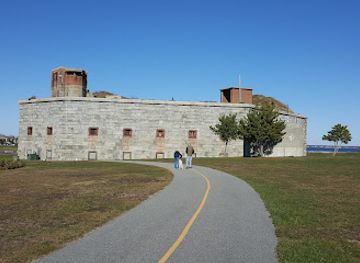
New Bedford’s landmarks preserve the physical story of a port city shaped by profit, faith, labour and migration. Seamen’s Bethel, a nineteenth-century sailors’ chapel, is closely associated with the maritime world represented in Herman Melville’s Moby-Dick. The New Bedford Whaling Museum’s large brick complex is both a major institution and a defining presence in the historic waterfront. Nearby warehouses, counting houses and merchants’ residences reveal the commercial scale of the whaling era, while the Rotch-Jones-Duff House and Garden Museum illustrates how that wealth entered domestic architecture. At the southern harbour, Fort Taber and the remains of Fort Rodman reflect the city’s coastal-defence history. The New Bedford Whaling National Historical Park gives these buildings and streets a broader historical setting, linking civic architecture with the ships, communities and international trade that made the port significant.
-
Visitor center
New Bedford Whaling National Historical Park Visitor Center
Explore the maritime history and whaling heritage of New Bedford at the Visitor Center, a captivating journey into America's seafaring past.
6 min drive · 1.8 km from city centre
-
Museum
New Bedford Whaling Museum
Discover the maritime legacy of New Bedford at the Whaling Museum, where history, art, and culture converge in a captivating experience.
6 min drive · 1.9 km from city centre
-
Park
Fort Taber Park
Explore Fort Taber Park: A beautiful waterfront haven in New Bedford, MA, rich in history and perfect for outdoor enthusiasts and families.
11 min drive · 3.8 km from city centre
-
Museum
Fort Rodman
Discover the historical significance and breathtaking views at Fort Rodman, a coastal gem in New Bedford, Massachusetts.
12 min drive · 4.0 km from city centre
Explore New Bedford on the map
Plan your New Bedford trip on one map. See where the top attractions, landmarks, restaurants, bars and hotels are, find what's near where you're staying, and book hotels and experiences in a few clicks.
Best hotels in New Bedford
Best restaurants in New Bedford
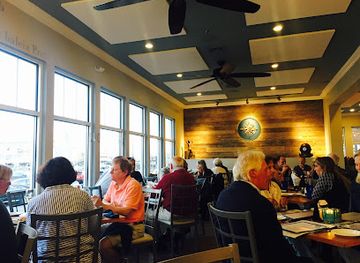
New Bedford’s dining culture reflects its Atlantic setting and its long history of migration. Portuguese and Azorean cooking is central, with grilled fish, seafood stews, soups, sweet breads and other dishes found in family-run restaurants, bakeries and cafés across the city. Cape Verdean traditions add another important layer, often combining seafood, beans, corn and richly seasoned stews. The harbour supports a strong connection to locally landed fish and shellfish, while Italian and broader New England influences also appear in the restaurant scene. Downtown and the North End offer a mixture of traditional eateries, casual takeaways and newer dining rooms, while Portuguese bakeries provide coffee, pastries and savoury snacks. Menus and businesses change, but the city’s most distinctive meals are rooted in working-port ingredients and the culinary memories of its immigrant communities.
-
Seafood
The Black Whale
Experience exquisite seafood dining at The Black Whale in New Bedford - where fresh flavors meet stunning harbor views.
6 min drive · 2.0 km from city centre
-
Portuguese
Antonio's Restaurant
Experience authentic Portuguese cuisine at Antonio's Restaurant in New Bedford—where tradition meets flavor in every dish.
12 min drive · 4.0 km from city centre
-
Restaurant
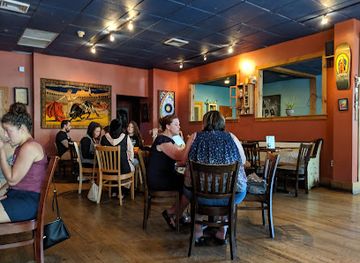
No Problemo
Discover the vibrant flavors of Mexico at No Problemo in New Bedford—a culinary haven offering delicious dishes at affordable prices.
5 min drive · 1.7 km from city centre
-
Italian
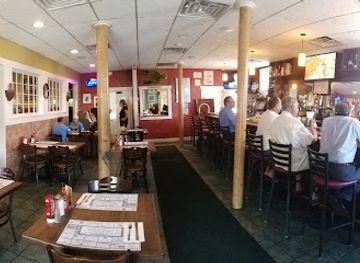
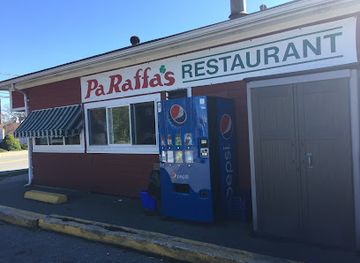
Pa Raffa's Italian Restaurant
Experience authentic Italian cuisine at Pa Raffa's Italian Restaurant - home of delicious pizzas and traditional pasta dishes in New Bedford.
26 min drive · 8.6 km from city centre
Best bars in New Bedford
New Bedford’s nightlife is modest and social rather than dominated by large clubs. Downtown bars and restaurants around Purchase Street and the waterfront provide spaces for drinks, conversation and occasional live music, with a clientele that includes residents, cultural visitors and people attending evening events. The Zeiterion Performing Arts Center is an important anchor for theatre, music and touring performances, while galleries and community venues sometimes host exhibitions, concerts and cultural programmes after dark. Portuguese and Cape Verdean musical traditions contribute to the city’s evening identity, particularly during festivals and community celebrations. Further from the centre, nightlife becomes more neighbourhood-based, and the city generally quietens earlier than Boston or Providence. Visitors should distinguish between permanent venues and seasonal events, as opening patterns and entertainment programmes can change.
-
Seafood
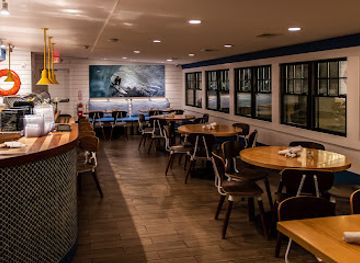
Fathoms Waterfront Bar & Grille
Discover the flavors of the sea at Fathoms Waterfront Bar & Grille, where fresh seafood meets stunning waterfront views in New Bedford.
8 min drive · 2.6 km from city centre
-
Sports bar
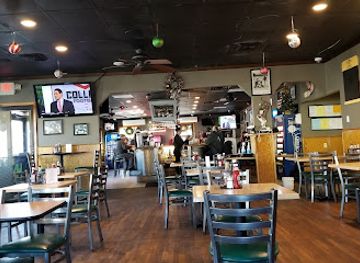
Knuckle Heads
Discover Knuckle Heads: New Bedford's premier sports bar, featuring delicious food, vibrant atmosphere, and live sports all year round.
15 min walk · 1.2 km from city centre
-
Seafood
Cisco Brewers Kitchen & Bar
Discover the best of New Bedford's seafood culture at Cisco Brewers Kitchen & Bar, where fresh catches meet coastal charm.
8 min drive · 2.5 km from city centre
-
Grill
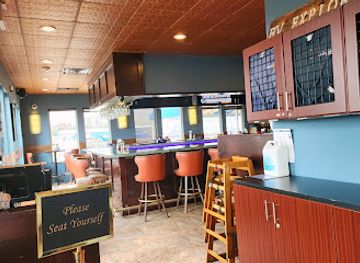
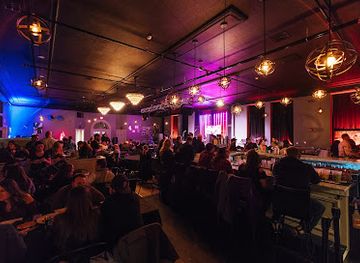
The Vault Music Hall & Pub
Experience the best of New Bedford at The Vault Music Hall & Pub, where live music meets delicious grill cuisine in a vibrant atmosphere.
5 min drive · 1.7 km from city centre
Best nightclubs in New Bedford
New Bedford’s nightlife is modest and social rather than dominated by large clubs. Downtown bars and restaurants around Purchase Street and the waterfront provide spaces for drinks, conversation and occasional live music, with a clientele that includes residents, cultural visitors and people attending evening events. The Zeiterion Performing Arts Center is an important anchor for theatre, music and touring performances, while galleries and community venues sometimes host exhibitions, concerts and cultural programmes after dark. Portuguese and Cape Verdean musical traditions contribute to the city’s evening identity, particularly during festivals and community celebrations. Further from the centre, nightlife becomes more neighbourhood-based, and the city generally quietens earlier than Boston or Providence. Visitors should distinguish between permanent venues and seasonal events, as opening patterns and entertainment programmes can change.
-
Grill
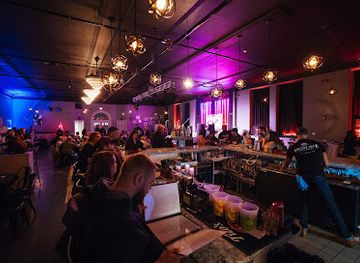
The Vault Music Hall & Pub
Discover New Bedford’s nightlife at The Vault Music Hall & Pub, where great food, drinks, and live music create unforgettable experiences.
5 min drive · 1.7 km from city centre
-
Night club
Strikers Sports Bar and Grill
Experience the thrilling ambiance of Strikers Sports Bar and Grill in New Bedford, MA, where great food meets unmatched sports excitement.
13 min drive · 4.5 km from city centre
-
Sports bar
Last Round Bar & Grille
Experience the lively atmosphere at Last Round Bar & Grille, New Bedford's premier sports bar with delicious food and great drinks.
6 min drive · 1.9 km from city centre
-
Bar
Redwood Saloon
Experience the vibrant nightlife at Redwood Saloon in New Bedford, MA, where friendly faces and affordable drinks come together for an unforgettable evening.
13 min walk · 1.0 km from city centre
Best shops in New Bedford
Shopping in New Bedford is concentrated around downtown streets, independent businesses and the city’s food traditions rather than a large luxury retail district. Purchase Street and adjoining central blocks contain small shops, galleries, cafés and service businesses, while Portuguese bakeries and specialist food stores are useful places to find regional pastries, imported ingredients and products connected with the South Coast’s Lusophone communities. Local markets and seasonal events may offer prepared foods, crafts and work by area makers, although dates and stallholders vary. Visitors interested in maritime history can find books, prints and nautical-themed gifts around the museum district, while the city’s galleries provide a more contemporary alternative to conventional souvenirs. Shopping here is closely connected to neighbourhood life, with the most distinctive purchases often coming from independent food businesses, artists and community retailers rather than national chains.
-
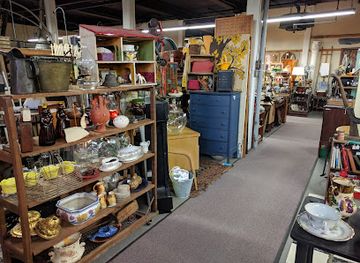
Antique store
New Bedford Antiques At The Cove
Explore unique vintage treasures at New Bedford Antiques At The Cove, a charming antique store on the picturesque waterfront of Massachusetts.
5 min drive · 1.6 km from city centre
-
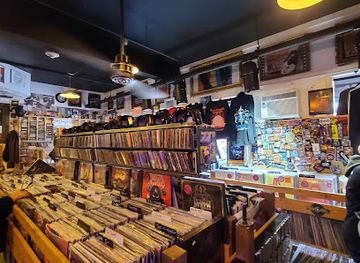
Record store
Purchase Street Records
Explore a musical paradise at Purchase Street Records, offering an extensive collection of vinyl, CDs, and exclusive memorabilia in New Bedford.
8 min drive · 2.8 km from city centre
-
Antique store
Acushnet River Antiques LLC
Explore the charm of Acushnet River Antiques LLC in New Bedford, Massachusetts, where unique treasures and rich history await every visitor.
11 min drive · 3.7 km from city centre
-
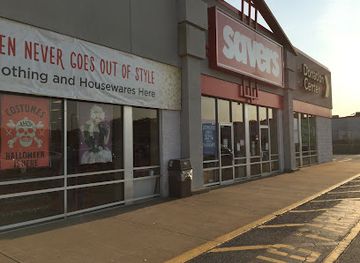
Thrift store
Savers
Explore unique finds at Savers Thrift Store in New Bedford, where every corner is filled with vintage clothing, books, and hidden treasures.
19 min drive · 6.2 km from city centre
Get your free copy of our complete guide to New Bedford, delivered straight to you.
Everything on this page, from attractions and restaurants to essentials and local phrases, in one PDF you can read offline, print or share.
Already have an account? Sign in
Your New Bedford guide is ready.
We'll send it to · Not you? Sign out

Getting your guide ready…
We are putting together a fresh copy of the New Bedford guide. This can take up to a minute.
This can take a few moments. If your browser asks, choose Allow so the download can start. You'll find the guide in your Downloads folder.
Nothing happened? Download it again
Sorry, the guide is taking longer than usual. Please try again in a minute, or get it by email instead.
New Bedford essentials
Currency and Payment
Safety
Emergency Situations
Do's and Don'ts
Local Tips
From Eve
Local phrases worth knowing
You don't need to get them perfect. A few words go a long way, and locals appreciate the effort.
Basics
| English | Local | Say it |
|---|---|---|
| Hello | Hey | [hey] |
| Goodbye | Cya | [see-ya] |
| Yes | Yep | [yep] |
| No | Nah | [nah] |
| Please/You're welcome | Please/No prob | [pleez/no prob] |
| Thank you | Thanks | [thanks] |
| Excuse me/Sorry | Sorry | [sorry] |
| How are you? | How you doin’? | [how-you-doin] |
| Fine. And you? | Good. You? | [good. you?] |
| Do you speak English? | You speak English? | [you-speak-english?] |
| I don't understand | I don't get it | [i-dont-get-it] |
Eating & Drinking
| English | Local | Say it |
|---|---|---|
| I'd like to see the menu, please | Menu, please | [menu-please] |
| I don't eat meat | No meat for me | [no-meat-for-me] |
| Cheers! | Cheers! | [cheers] |
| I would like to pay, please | Check, please | [check-please] |
Emergencies
| English | Local | Say it |
|---|---|---|
| Help! | Help! | [help] |
| Go away! | Go away! | [go-away] |
| Call the Police! | Call the cops! | [call-the-cops] |
| Call a doctor! | Call a doc! | [call-a-doc] |
| I'm lost | I'm lost | [im-lost] |
| I'm ill | I'm sick | [im-sick] |
Shopping
| English | Local | Say it |
|---|---|---|
| I'd like to buy... | I wanna buy... | [i-wanna-buy] |
| I'm just looking | Just looking | [just-looking] |
| How much is it? | How much? | [how-much] |
| That's too expensive | Too pricey | [too-pricey] |
| Can you lower the price? | Can you do less? | [can-you-do-less] |
Time & Numbers
| English | Local | Say it |
|---|---|---|
| What time is it? | What time is it? | [what-time-is-it] |
| It's one o'clock | It's one | [its-one] |
| Half past (10) | Half past ten | [half-past-ten] |
| Morning | Morning | [morning] |
| Afternoon | Afternoon | [afternoon] |
| Evening | Evening | [evening] |
| Yesterday | Yesterday | [yesterday] |
| Today | Today | [today] |
| Tomorrow | Tomorrow | [tomorrow] |
| 1 | One | [one] |
| 2 | Two | [two] |
| 3 | Three | [three] |
| 4 | Four | [four] |
| 5 | Five | [five] |
| 6 | Six | [six] |
| 7 | Seven | [seven] |
| 8 | Eight | [eight] |
| 9 | Nine | [nine] |
| 10 | Ten | [ten] |
Transport & Directions
| English | Local | Say it |
|---|---|---|
| Where's a/the...? | Where is...? | [where-is] |
| What's the address? | What's the address? | [whats-the-address] |
| Can you show me (on the map)? | Show me (on the map) | [show-me-on-the-map] |
| When's the next (bus)? | When's the next (bus)? | [whens-the-next-bus] |
| A ticket (to ....) | A ticket (to ....) | [a-ticket-to] |
History of New Bedford
Wampanoag Homeland and Early Settlement
The land around present-day New Bedford lies within the traditional homeland of the Wampanoag people, whose communities used the South Coast’s coastal waters, rivers and forests long before European settlement. English colonists established farms and trading connections in the region during the seventeenth century. The settlement that became New Bedford developed on the Acushnet River, where the harbour offered a sheltered setting for maritime commerce. Early colonial history was shaped by land transactions, agricultural expansion and the displacement of Indigenous communities, patterns common to New England but with lasting consequences for the region’s cultural landscape.
Founding of Bedford Village
The settlement was first known as Bedford Village and was incorporated as part of the town of Dartmouth in 1787, when it was renamed New Bedford. Its fortunes changed as local merchants and the Russell family promoted maritime trade and investment in the harbour. The town’s position on Buzzards Bay provided access to the Atlantic, while nearby Nantucket and the wider New England coast connected it to established seafaring networks. Commercial vessels initially carried timber, farm produce and other goods, laying the foundations for the more specialised maritime economy that followed.
The Rise of the Whaling Port
During the early and mid-nineteenth century, New Bedford became a major American whaling port, sending ships into the Atlantic and Pacific oceans in search of whale oil and baleen. Oil illuminated homes and factories, while baleen was used in nineteenth-century clothing and household goods. Wealth generated by the industry transformed the town, financing substantial homes, counting houses, churches and warehouses. The New Bedford Whaling Museum, Seamen’s Bethel and the surviving streets of the historic district reflect this era, although the industry also depended on dangerous labour and the exploitation of maritime workers from diverse backgrounds.
Immigration and Industrial Change
Whaling’s decline in the second half of the nineteenth century did not end New Bedford’s economic importance. Textile manufacturing expanded, powered by investment, mills and the city’s access to water and transport. Portuguese immigrants, many from the Azores and Madeira, arrived as whalers, fishermen, mill workers and merchants, while Cape Verdean migrants established one of the oldest Cape Verdean communities in the United States. Irish, French Canadian, African American and other communities also helped shape the city. Their institutions, churches, neighbourhoods and businesses remain central to New Bedford’s identity.
The Twentieth-Century Waterfront
New Bedford’s textile economy contracted during the twentieth century as manufacturing moved elsewhere, bringing unemployment and urban change. The port nevertheless retained an important commercial and fishing role, and its connection with the sea continued to sustain local employment and traditions. The city also experienced the effects of major storms, including the devastating 1938 New England hurricane, which damaged coastal communities across the region. Historic preservation and maritime interpretation later became important parts of New Bedford’s civic and cultural renewal, particularly through the creation of the New Bedford Whaling National Historical Park in 1996.
A Multicultural South Coast City
Contemporary New Bedford combines a working harbour with a diverse cultural life shaped by Portuguese, Cape Verdean, Caribbean, African American and other communities. Museums, performance venues, historic properties and cultural festivals present different chapters of the city’s past rather than a single maritime narrative. The waterfront continues to support commercial fishing and other marine activity, while redevelopment and transport investment have strengthened connections with the wider South Coast. New Bedford’s present character is therefore rooted in adaptation: a former whaling capital that became an industrial city and now draws on its layered heritage for education, arts and civic life.
New Bedford in Photos
Browse through our photo collection highlighting the charm and character of the destination.
Cities near New Bedford
The closest cities to New Bedford, if you have time for more than one stop.
-

-

-

-

-


Swipe for more cities
Explore more

Explore more of Massachusetts
Discover Massachusetts: A blend of rich history, stunning landscapes, and vibrant culture. From Boston's historic sites to Cape Cod's beaches, it's the heart of New England.
Explore Massachusetts