

Downtown Cancun (Cancun) Travel Guide - Free
Explore Downtown Cancun in Cancun with Evendo's free guide. Find the best shops, historic streets, restaurants, and gems on web or mobile.


Downtown Cancun explores Parque Las Palapas, Mercado 23, Mercado 28, local Yucatecan food, street life and practical links beyond the Hotel Zone.
A Planned City with an Everyday Pulse
Downtown Cancun, commonly referred to as El Centro, is the urban counterpart to the city’s resort-lined Hotel Zone. Set on the mainland beside the Nichupté lagoon, it was planned as part of the major tourism project that transformed a sparsely settled coastal area into a modern Mexican city from the 1970s onwards. Its broad avenues, numbered streets and practical commercial blocks reflect that recent origin, while its public squares, neighbourhood markets and busy bus terminal reveal the daily life that supports Cancun beyond the beaches.Read more about Downtown Cancun
Markets, Squares and Local Flavours
Beyond the Visitor Facade
Best attractions in Downtown Cancun
Downtown Cancun’s attractions are closely tied to public life, markets and the city’s modern identity rather than to colonial monuments. Parque Las Palapas is the central civic space, with shade, seating, food stalls and the Catholic church of Cristo Rey forming a familiar meeting point. Mercado 23 provides a more everyday look at local commerce, from fresh produce to prepared food, while Mercado 28 offers handicrafts, clothing, souvenirs and informal dining in a busier visitor-oriented setting. Avenida Tulum is worth exploring for its broad urban scale, shopfronts and links to the ADO terminal, and Avenida Nader provides an increasingly popular restaurant and café corridor. The district also works as a starting point for understanding Cancun as a planned mainland city, especially when contrasted with the resort development across the Nichupté lagoon.
-
Tourist attraction
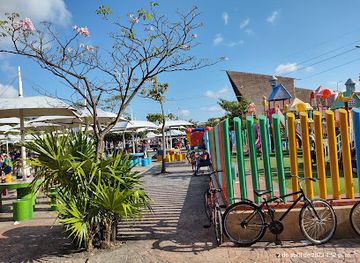
Parque de las Palapas
Discover the vibrant and lively Parque de las Palapas, a city park in Cancun filled with local food, culture, and entertainment.
7 min drive · 2.5 km from neighbourhood centre
Best landmarks in Downtown Cancun
The most recognisable landmarks in Downtown Cancun are civic and commercial rather than remnants of an old colonial centre. Parque Las Palapas functions as the city’s principal public square, and the adjacent Cristo Rey church is a familiar religious and visual reference point. Avenida Tulum is the district’s defining urban axis, lined with commercial buildings, services and transport connections that express Cancun’s planned twentieth-century origins. The ADO bus terminal is another important contemporary landmark, linking the city with the wider peninsula and making the centre a gateway as well as a destination. Mercado 23 and Mercado 28 are significant in different ways: the former represents everyday neighbourhood commerce, while the latter reflects the relationship between downtown retail and tourism. Together, these places show how Cancun’s identity developed through planning, migration, markets and resort infrastructure.
-
Market
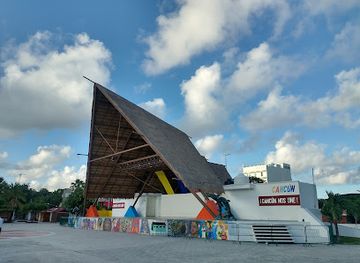
Mercado 28
Explore the heart of Cancun at Mercado 28, where vibrant culture, unique handicrafts, and delicious cuisine await every visitor.
5 min drive · 1.8 km from neighbourhood centre
-
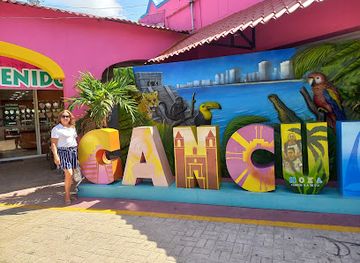
City park
Parque de las Palapas
Discover the beauty and culture of Cancun at Parque de las Palapas, a vibrant city park filled with local flavors, art, and entertainment.
7 min drive · 2.5 km from neighbourhood centre
Explore Downtown Cancun on the map
A handpicked selection of must-see spots in Downtown Cancun, mapped for you.
Best hotels in Downtown Cancun
Best restaurants in Downtown Cancun
Eating in Downtown Cancun offers a broader view of the city’s food culture than the resort restaurants of the Hotel Zone. Around Parque Las Palapas, informal stalls and casual eateries serve tacos, tortas, snacks and family-style dishes in an open public setting, while the markets provide opportunities to see the ingredients and cooking habits used in everyday local meals. Yucatecan influences appear in dishes such as cochinita pibil, sopa de lima and panuchos, although the centre’s food scene also reflects migration from many parts of Mexico. Avenida Nader has developed a more contemporary group of independent restaurants, cafés and bars, while streets around Avenida Tulum contain practical establishments catering to residents, workers and travellers. Prices, menus and opening arrangements vary, so visitors should check current details directly rather than assuming the district follows resort dining conventions.
-
Mexican
La Parrilla Cancún
Experience authentic Mexican cuisine at La Parrilla Cancún - where flavors come alive in a vibrant atmosphere.
7 min drive · 2.3 km from neighbourhood centre

Best bars in Downtown Cancun
Downtown Cancun’s evening scene is more varied and locally oriented than the large clubs associated with the Hotel Zone. Parque Las Palapas becomes a useful place for an evening snack and casual socialising, with public activity often continuing after the heat of the day has eased. Avenida Nader is the main area to explore for contemporary restaurants, bars and a more concentrated nightlife atmosphere, while parts of Avenida Tulum offer long-established cantinas, casual drinking spots and places used by local residents and workers. The district also has quieter residential blocks, so nightlife is uneven rather than continuous across downtown. Visitors should distinguish the centre’s mixed restaurant-and-bar scene from the late-night club strip across the lagoon and use established transport when returning to accommodation after dark.
-
Bar
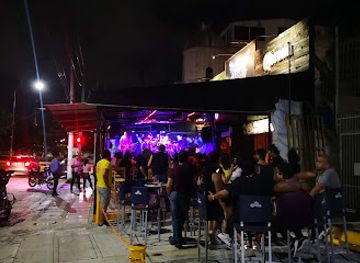
Route 666 Bikers Bar
Discover the lively atmosphere at Route 666 Bikers Bar in Cancún, where live music, great drinks, and unforgettable experiences await every visitor.
7 min drive · 2.4 km from neighbourhood centre
Best shops in Downtown Cancun
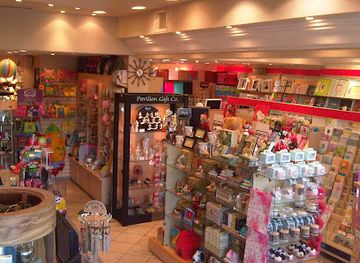
Shopping in Downtown Cancun ranges from practical local commerce to handicrafts aimed at visitors. Mercado 23 is the stronger choice for observing everyday trade, with food, household goods and market stalls serving residents, while Mercado 28 is known for souvenir browsing, Mexican crafts, clothing, jewellery and informal retail. Prices and quality vary between stalls, so visitors should compare goods and agree on the price before paying. Along Avenida Tulum and surrounding streets, small shops, pharmacies, convenience stores and locally used services sit beside businesses catering to tourists. The area is not a conventional luxury shopping district, and its appeal lies in the contrast between working-market activity and visitor-oriented retail. For more contemporary independent restaurants and lifestyle businesses, Avenida Nader offers a different commercial atmosphere from the market corridors.
-
Gift shop
Hallmark Shop Cancún
Explore the charm of Cancún at Hallmark Shop, where unique gifts and souvenirs await to capture your travel memories.
7 min drive · 2.3 km from neighbourhood centre
Downtown Cancun essentials
Getting There
Getting Around
Safety
Emergency Situations
Do's and Don'ts
Local Tips

From Eve
Local phrases worth knowing
You don't need to get them perfect. A few words go a long way, and locals appreciate the effort.
Basics
| English | Local | Say it |
|---|---|---|
| Hello | Hola | [oh-lah] |
| Goodbye | Adiós | [ah-dee-ohs] |
| Yes | Sí | [see] |
| No | No | [noh] |
| Please/You're welcome | Por favor/De nada | [por fah-vor/de nah-dah] |
| Thank you | Gracias | [grah-see-ahs] |
| Excuse me/Sorry | Perdón/Lo siento | [pair-dohn/loh see-en-toh] |
| How are you? | ¿Cómo estás? | [koh-moh ehs-tahs] |
| Fine. And you? | Bien. ¿Y tú? | [byen. ee too] |
| Do you speak English? | ¿Hablas inglés? | [ah-blahs een-glehs] |
| I don't understand | No entiendo | [noh ehn-tee-ehn-doh] |
Eating & Drinking
| English | Local | Say it |
|---|---|---|
| I'd like to see the menu, please | Me gustaría ver el menú, por favor | [meh goos-tah-ree-ah behr ehl meh-noo, por fah-vor] |
| I don't eat meat | No como carne | [noh koh-moh kahr-neh] |
| Cheers! | ¡Salud! | [sah-lood] |
| I would like to pay, please | Me gustaría pagar, por favor | [meh goos-tah-ree-ah pah-gahr, por fah-vor] |
Emergencies
| English | Local | Say it |
|---|---|---|
| Help! | ¡Ayuda! | [ah-yoo-dah] |
| Go away! | ¡Vete! | [veh-teh] |
| Call the Police! | ¡Llama a la Policía! | [yah-mah ah lah poh-lee-see-ah] |
| Call a doctor! | ¡Llama a un médico! | [yah-mah ah oon meh-dee-koh] |
| I'm lost | Estoy perdido/a | [ehs-toy pair-dee-doh/ah] |
| I'm ill | Estoy enfermo/a | [ehs-toy ehn-fehr-moh/ah] |
Shopping
| English | Local | Say it |
|---|---|---|
| I'd like to buy... | Me gustaría comprar... | [meh goos-tah-ree-ah kohm-prahr] |
| I'm just looking | Sólo estoy mirando | [soh-loh ehs-toy mee-rahn-doh] |
| How much is it? | ¿Cuánto cuesta? | [kwan-toh kwehs-tah] |
| That's too expensive | Eso es muy caro | [eh-soh ehs mwee kahr-oh] |
| Can you lower the price? | ¿Puedes bajar el precio? | [pweh-dehs bah-hahr ehl pree-syoh] |
Time & Numbers
| English | Local | Say it |
|---|---|---|
| What time is it? | ¿Qué hora es? | [keh o-rah ehs] |
| It's one o'clock | Es la una | [ehs lah oo-nah] |
| Half past (10) | Media (10) | [meh-dee-ah (diez)] |
| Morning | Mañana | [mah-nyah-nah] |
| Afternoon | Tarde | [tahr-deh] |
| Evening | Noche | [noh-cheh] |
| Yesterday | Ayer | [ah-yehr] |
| Today | Hoy | [oy] |
| Tomorrow | Mañana | [mah-nyah-nah] |
| 1 | Uno | [oo-noh] |
| 2 | Dos | [dohs] |
| 3 | Tres | [trehs] |
| 4 | Cuatro | [kwah-troh] |
| 5 | Cinco | [seen-koh] |
| 6 | Seis | [says] |
| 7 | Siete | [syeh-teh] |
| 8 | Ocho | [oh-choh] |
| 9 | Nueve | [nweh-veh] |
| 10 | Diez | [dee-ehs] |
Transport & Directions
| English | Local | Say it |
|---|---|---|
| Where's a/the...? | ¿Dónde está...? | [dohn-deh ehs-tah] |
| What's the address? | ¿Cuál es la dirección? | [kwahl ehs lah dee-rehk-syohn] |
| Can you show me (on the map)? | ¿Puedes mostrarme (en el mapa)? | [pweh-dehs mohs-trar-meh (ehn ehl mah-pah)] |
| When's the next (bus)? | ¿Cuándo es el próximo (autobús)? | [kwan-doh ehs ehl prohk-see-moh (ow-toh-booce)] |
| A ticket (to ....) | Un boleto (a ....) | [oon boh-leh-toh (ah)] |
History of Downtown Cancun
A Coastal Area Before the Resort
Before modern Cancun was planned, the area consisted largely of coastal wetlands, forest, lagoons and small settlements connected to the wider northeastern Yucatán region. The island that became the Hotel Zone was known for its beaches and fishing activity, while the mainland was not a substantial urban centre. The wider region nevertheless belonged to a long-established Maya cultural landscape, with communities, agricultural activity and transport links that predated the international resort project. Downtown Cancun’s recent appearance should therefore not be mistaken for an absence of local history: its urban story begins with the transformation of this environment rather than with a colonial town foundation.
The Birth of a Planned Resort City
Cancun’s modern development began in the late 1960s and early 1970s, when the Mexican government and the tourism agency that became FONATUR developed a planned resort destination on the barrier island and an accompanying mainland settlement. Downtown was designed to house the workers, services and civic functions needed by the expanding hotels, roads and infrastructure of the Hotel Zone. Avenida Tulum became the principal urban corridor, while the city’s organised street pattern reflected a modern planning project rather than the irregular layout of an older Mexican centre. The first major hotels opened in the early 1970s, accelerating growth on both sides of the lagoon.
Migration and Urban Expansion
As Cancun’s tourism economy expanded, workers and families arrived from many parts of Mexico, especially the Yucatán Peninsula and other regions with established links to the new resort. Downtown developed as a practical commercial and residential centre, with markets, shops, transport services, schools and food businesses serving a rapidly growing population. Places such as Mercado 23 gained importance through everyday trade, while public spaces including Parque Las Palapas provided settings for civic life and informal socialising. The resulting urban culture was shaped by migration and tourism together, combining regional Mexican and Yucatecan influences with the demands of an international visitor economy.
A Contemporary Commercial Centre
During the late twentieth and early twenty-first centuries, Downtown Cancun became denser and more commercially varied as the city grew beyond its original plan. The ADO bus terminal strengthened its role as a transport gateway, connecting the centre with destinations across the Yucatán Peninsula, while markets and independent businesses continued to serve residents as well as tourists. Areas around Avenida Tulum, Avenida Nader and the central parks have changed as new restaurants, cafés, bars and small hotels appeared alongside long-established services. This ongoing redevelopment has not replaced the district’s working-city character: downtown remains the administrative and commercial counterpart to the resort landscape across the lagoon.
Downtown Cancun in Photos
Browse through our photo collection highlighting the charm and character of the destination.
Neighbourhoods near Downtown Cancun
The closest neighbourhoods to Downtown Cancun, if you have time for more than one stop.

Swipe for more neighbourhoods
Explore more

Explore more of Cancun
Cancún, Mexico combines Caribbean beaches, Maya heritage, reef adventures, lively nightlife, cenotes and easy access to Yucatán’s cultural landscapes.
Explore Cancun