

Free Cozumel Travel Guide & Mobile App
Plan your Cozumel trip with Evendo. Get free guides to top attractions, restaurants, hotels, and bars. Web access or download the mobile app.


Cozumel, Mexico, pairs Mayan heritage and Caribbean culture with world-class reefs, island beaches, diving, snorkelling and memorable coastal escapes.
Island Setting
Cozumel lies off Mexico’s Yucatán Peninsula in the Caribbean Sea, a low limestone island whose western shore faces the mainland. San Miguel de Cozumel, the island’s principal town, forms its lively urban centre, with a waterfront promenade, ferry terminal, restaurants, dive shops and everyday Mexican businesses. Beyond the town, the landscape becomes quieter: scrub forest, mangrove wetlands and beaches extend towards Punta Sur at the island’s southern tip.Read more about Cozumel
Underwater World
Maya and Modern Cozumel
When is the best time to visit Cozumel?
Best: February–April · 28–30°C| Month | High (°C) | Rainfall (mm) |
|---|---|---|
| January | 28 | 39 |
| February (best) | 28 | 31 |
| March (best) | 29 | 26 |
| April (best) | 30 | 20 |
| May | 31 | 18 |
| June | 32 | 16 |
| July | 32 | 16 |
| August | 32 | 17 |
| September | 32 | 20 |
| October | 31 | 27 |
| November | 30 | 32 |
| December | 28 | 39 |
Getting to and around Cozumel
How to get there
Transportation
Best attractions in Cozumel
Cozumel’s attractions extend from San Miguel’s waterfront to reefs, forests and archaeological sites around the island. The Museo de la Isla de Cozumel introduces local geology, Maya history, marine ecology and the development of tourism, making it a useful starting point in town. South of San Miguel, Chankanaab Park combines a coastal lagoon, gardens, cultural displays and access to marine activities, while Punta Sur Ecological Park protects dunes, wetlands and the lighthouse at Celarain. Inland, San Gervasio offers a quiet walk through the remains of the island’s principal Maya ceremonial centre, with sacbés linking several archaeological groups. The western coast is the focus of boat-based diving and snorkelling, where visibility and coral formations draw experienced divers as well as first-time visitors. The eastern shore provides a wilder coastal landscape, with broad views and surf-exposed beaches rather than the sheltered swimming conditions found on much of the west coast.
-
Amusement park
Xcaret Park
Experience the magic of Xcaret Park, an eco-archaeological paradise in Playa del Carmen, where nature meets culture and adventure awaits.
47 min drive · 27 km from city centre
-
Amusement park
Xel-Há Park
Explore Xel-Há Park, a paradise of adventure and serenity in Quintana Roo's natural waterscape, perfect for families and thrill-seekers alike.
1 h 7 min drive · 47 km from city centre
-
Theme park
Xplor Park
Experience the thrill of adventure at Xplor Park in Playa del Carmen, where zip-lining, cave exploration, and nature come together for a perfect day out.
48 min drive · 28 km from city centre
-
Park
Parque Los Fundadores
Explore the beauty and culture at Parque Los Fundadores in Playa del Carmen, a perfect blend of nature and local artistry by the Caribbean Sea.
47 min drive · 27 km from city centre


Best landmarks in Cozumel
San Miguel’s most recognisable civic landmark is the waterfront promenade, which frames views across the channel and gives the town its public-facing Caribbean character. In the centre, Parque Benito Juárez and the surrounding streets form the urban heart of Cozumel, while the Iglesia de San Miguel Arcángel reflects the island’s Catholic heritage and remains an important local place of worship. Offshore and along the west coast, the reefs protected by Arrecifes de Cozumel National Park are environmental landmarks as well as defining features of the island’s identity. At Punta Sur, the Faro de Celarain lighthouse marks the southern reserve and its maritime history. Inland, the structures and raised ceremonial roads of San Gervasio preserve Cozumel’s Maya past, while the Museo de la Isla gives cultural and natural context to the buildings, landscapes and communities encountered elsewhere on the island.
-
Tourist attraction
Mr Sanchos Beach Club
Discover the ultimate tropical escape at Mr Sanchos Beach Club in Cozumel, where adventure meets relaxation in a stunning Caribbean setting.
31 min drive · 11 km from city centre
-
Island
Cozumel
Explore the beauty of Cozumel Island, a tropical paradise in Quintana Roo known for its stunning beaches, vibrant marine life, and rich cultural heritage.
1 min walk · 0.1 km from city centre
-
Cruise terminal
International Cruise Terminal Cozumel
Discover the International Cruise Terminal Cozumel - Your Gateway to Stunning Beaches, Vibrant Culture, and Unforgettable Adventures in Paradise.
25 min drive · 8.2 km from city centre
-
Beach club
Paradise Beach Cozumel
Discover the ultimate beach experience at Paradise Beach Cozumel, where sun, sand, and sea come together for an unforgettable tropical getaway.
30 min drive · 10 km from city centre
Explore Cozumel on the map
Plan your Cozumel trip on one map. See where the top attractions, landmarks, restaurants, bars and hotels are, find what's near where you're staying, and book hotels and experiences in a few clicks.
Neighbourhoods in Cozumel
-

-

-


Swipe for more neighbourhoods
Best hotels in Cozumel
Best restaurants in Cozumel
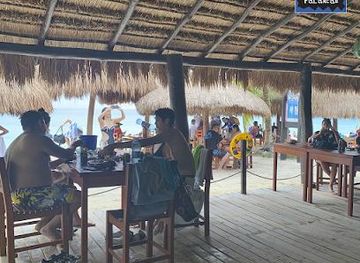
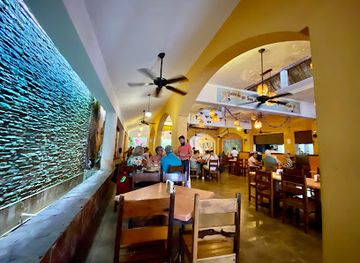
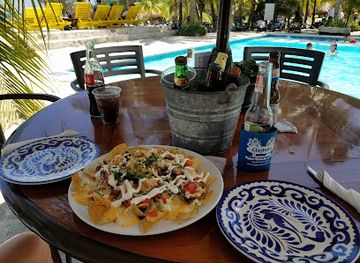
Cozumel’s food culture reflects Yucatecan, Mexican and Caribbean influences, with San Miguel providing the broadest choice of casual eateries, cafés and restaurants. Local specialities may include cochinita pibil, slow-roasted pork seasoned with achiote; papadzules, tortillas filled with egg and covered in a pumpkin-seed sauce; sopa de lima; and fresh fish or seafood prepared with citrus, chilli and herbs. Tacos, tamales, ceviches and grilled dishes are found alongside familiar Mexican staples, while bakeries and cafés serve breakfast and snacks suited to early boat departures. The waterfront contains many visitor-oriented restaurants, whereas streets just inland reveal more everyday local dining. Fresh produce, seafood and regional seasonings connect the island’s kitchens to the Yucatán Peninsula, although menus vary considerably according to catch, season and the restaurant’s style.
-
Restaurant
Playa Palancar
Serene Caribbean sanctuary with powder-white sands, fresh seafood, and world-class snorkeling just minutes from downtown Cozumel.
33 min drive · 13 km from city centre
-
Mexican
La Choza Cozumel
Discover authentic Mexican flavors at La Choza Cozumel - your go-to spot for breakfast delights in San Miguel de Cozumel.
30 min drive · 9.9 km from city centre
-
Grill
Skyreef Beach Club Cozumel
Unwind at Cozumel's chillest beach club: prime reef snorkeling, fresh coastal eats, massages by the sea, and tequila tastings in a serene, uncrowded paradise just minutes from cruise ports.
26 min drive · 8.6 km from city centre
-
Restaurant
Buccanos
Discover exquisite seafood and stunning ocean views at Buccanos in Cozumel - where fine dining meets beachside bliss.
34 min drive · 14 km from city centre

Best bars in Cozumel
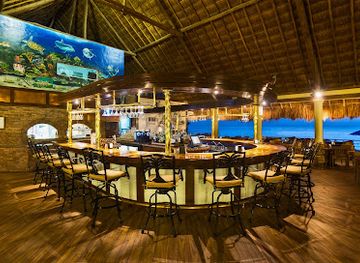
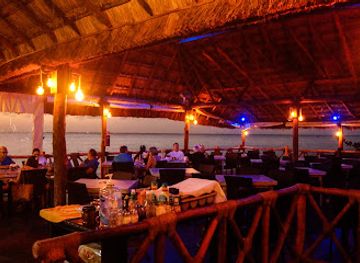
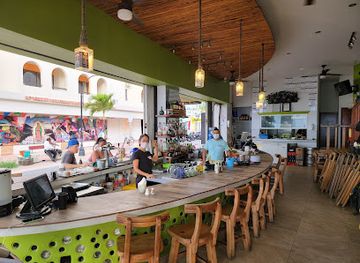
Evenings in Cozumel are generally social and relaxed rather than dominated by large-scale clubbing. San Miguel’s waterfront and central streets contain cantinas, cocktail bars, casual pubs and venues with live music, while restaurants often remain part of the night-time scene. Visitors may find Mexican beer, tequila and mezcal alongside Caribbean-style drinks, but the atmosphere changes according to cruise-ship departures, weekends and seasonal trade. Dive-oriented bars often attract guests discussing the day’s sites, and central plazas provide an easy setting for an unhurried evening. Entertainment becomes quieter outside San Miguel, with resorts and coastal properties offering their own programmes rather than a continuous strip of nightlife. Taxis are preferable to walking unfamiliar roads late at night, and responsible drinking matters particularly when returning by scooter, car or boat.
-
Bar
The Money Bar Beach Club
Experience the vibrant atmosphere and exquisite Mexican cuisine at The Money Bar Beach Club, your ultimate beachside escape in Cozumel.
23 min drive · 7.7 km from city centre
-
Restaurant
Hemingway Restaurant Beach & Nightclub Cozumel
Experience the best of Cozumel at Hemingway Restaurant Beach & Nightclub, where delectable brunch meets vibrant nightlife by the beach.
31 min drive · 11 km from city centre
-
Cocktail bar
Thirsty Cougar
Experience the vibrant flavors of Cozumel at Thirsty Cougar, a cocktail bar blending American, Mexican, and seafood delights in a lively atmosphere.
30 min drive · 10 km from city centre
-
Grocery store
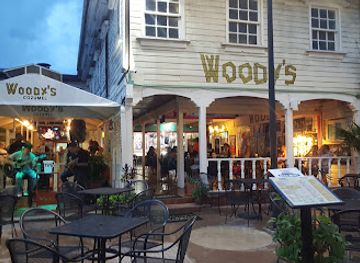
Woody's
Experience the perfect blend of grocery shopping and delightful dining at Woody's in Cozumel, where local flavors meet vibrant atmosphere.
30 min drive · 10 km from city centre
Best nightclubs in Cozumel
Evenings in Cozumel are generally social and relaxed rather than dominated by large-scale clubbing. San Miguel’s waterfront and central streets contain cantinas, cocktail bars, casual pubs and venues with live music, while restaurants often remain part of the night-time scene. Visitors may find Mexican beer, tequila and mezcal alongside Caribbean-style drinks, but the atmosphere changes according to cruise-ship departures, weekends and seasonal trade. Dive-oriented bars often attract guests discussing the day’s sites, and central plazas provide an easy setting for an unhurried evening. Entertainment becomes quieter outside San Miguel, with resorts and coastal properties offering their own programmes rather than a continuous strip of nightlife. Taxis are preferable to walking unfamiliar roads late at night, and responsible drinking matters particularly when returning by scooter, car or boat.
-
Bar
The Money Bar Beach Club
Discover the perfect blend of relaxation and entertainment at The Money Bar Beach Club in Cozumel, where delicious food meets stunning beach views.
23 min drive · 7.7 km from city centre
-
Restaurant
Hemingway Restaurant Beach & Nightclub Cozumel
Discover the perfect blend of beachside dining and nightlife at Hemingway Restaurant Beach & Nightclub in Cozumel, where every meal is a celebration.
31 min drive · 11 km from city centre
-
Bar
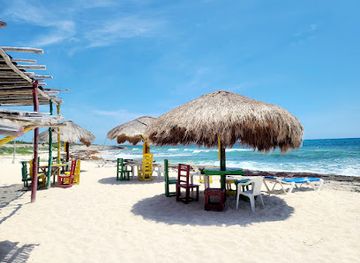
Freedom in Paradise Reggae Beach Bar & Grill
Experience the ultimate Caribbean vibe at Freedom in Paradise Reggae Beach Bar & Grill - where delicious food meets unforgettable views.
35 min drive · 15 km from city centre
-
Bar
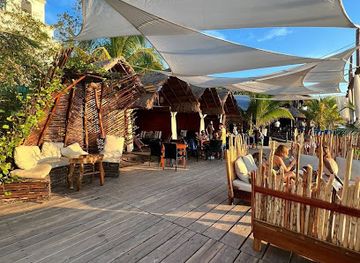
No Name Bar
Experience the vibrant nightlife of Cozumel at No Name Bar, where great drinks, live music, and unforgettable memories await.
30 min drive · 9.9 km from city centre
Best shops in Cozumel
Shopping in Cozumel centres on San Miguel, where the waterfront, central streets and areas around the ferry terminal contain craft shops, jewellery stores, galleries, pharmacies and practical island businesses. Visitors will encounter embroidered textiles, woven goods, ceramics, Mexican folk art, leather products, cocoa, vanilla, spices and locally themed souvenirs, although quality and provenance vary between retailers. The town’s markets and smaller food shops offer a more everyday view of island life, with snacks, fresh produce and packaged regional products alongside tourist merchandise. Silver jewellery and coral-themed items are common, but buyers should avoid anything presented as genuine protected coral or wildlife material. Outside San Miguel, retail options become limited and are usually connected with parks, attractions or beach facilities, so shopping for essentials in town is sensible before travelling around the island.
-
Shopping mall
Quinta Alegría Shopping Mall
Explore the vibrant Quinta Alegría Shopping Mall in Playa del Carmen for a unique shopping and dining experience that captures the essence of this beautiful coastal city.
48 min drive · 28 km from city centre
-
Shopping mall
Paseo del Carmen Shopping Mall
Discover an exciting blend of shopping, dining, and entertainment at Paseo del Carmen in Playa del Carmen, the ultimate shopping destination.
47 min drive · 27 km from city centre
-
Shopping mall
Calle Corazón
Discover the vibrant charm of Calle Corazón in Playa del Carmen, a shopping paradise filled with local culture, delicious food, and endless entertainment.
48 min drive · 28 km from city centre
-
Shopping mall
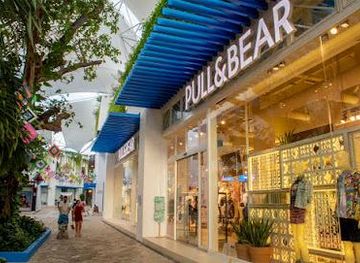
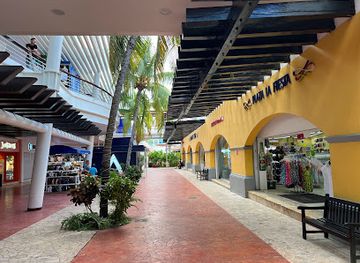
Plaza Punta Langosta
Discover unique shopping and local culture at Plaza Punta Langosta, the heart of retail in Cozumel, Mexico.
30 min drive · 9.9 km from city centre


Get your free copy of our complete guide to Cozumel, delivered straight to you.
Everything on this page, from attractions and restaurants to essentials and local phrases, in one PDF you can read offline, print or share.
Already have an account? Sign in
Your Cozumel guide is ready.
We'll send it to · Not you? Sign out

Getting your guide ready…
We are putting together a fresh copy of the Cozumel guide. This can take up to a minute.
This can take a few moments. If your browser asks, choose Allow so the download can start. You'll find the guide in your Downloads folder.
Nothing happened? Download it again
Sorry, the guide is taking longer than usual. Please try again in a minute, or get it by email instead.
Cozumel essentials
Currency and Payment
Safety
Emergency Situations
Do's and Don'ts
Local Tips
From Eve
Local phrases worth knowing
You don't need to get them perfect. A few words go a long way, and locals appreciate the effort.
Basics
| English | Local | Say it |
|---|---|---|
| Hello | Hola | [oh-lah] |
| Goodbye | Adiós | [ah-dee-ohs] |
| Yes | Sí | [see] |
| No | No | [noh] |
| Please/You're welcome | Por favor/De nada | [por fah-vor/de nah-dah] |
| Thank you | Gracias | [grah-see-ahs] |
| Excuse me/Sorry | Perdón | [pair-dohn] |
| How are you? | ¿Cómo estás? | [koh-moh ehs-tahs] |
| Fine. And you? | Bien. ¿Y tú? | [bee-ehn. ee too] |
| Do you speak English? | ¿Hablas inglés? | [ah-blahs een-glehs] |
| I don't understand | No entiendo | [noh ehn-tee-ehn-doh] |
Eating & Drinking
| English | Local | Say it |
|---|---|---|
| I'd like to see the menu, please | Me gustaría ver el menú, por favor | [may goo-stah-ree-ah ver el meh-noo, poor fah-vor] |
| I don't eat meat | No como carne | [noh koh-moh kahr-neh] |
| Cheers! | ¡Salud! | [sah-lood] |
| I would like to pay, please | Me gustaría pagar, por favor | [may goo-stah-ree-ah pah-gahr, poor fah-vor] |
Emergencies
| English | Local | Say it |
|---|---|---|
| Help! | ¡Ayuda! | [ah-yoo-dah] |
| Go away! | ¡Vete! | [veh-teh] |
| Call the Police! | ¡Llama a la policía! | [yah-mah ah lah poh-lee-see-ah] |
| Call a doctor! | ¡Llama a un doctor! | [yah-mah ah oon dohk-tohr] |
| I'm lost | Estoy perdido | [ehs-toy pair-dee-doh] |
| I'm ill | Estoy enfermo | [ehs-toy ehn-fehr-moh] |
Shopping
| English | Local | Say it |
|---|---|---|
| I'd like to buy... | Me gustaría comprar... | [may goo-stah-ree-ah kohm-prahr] |
| I'm just looking | Sólo estoy mirando | [soh-loh ehs-toy mee-rahn-doh] |
| How much is it? | ¿Cuánto cuesta? | [kwan-to kwes-tah] |
| That's too expensive | Eso es demasiado caro | [eh-soh ehs deh-mah-see-ah-doh kah-roh] |
| Can you lower the price? | ¿Puede bajar el precio? | [pweh-deh bah-har el preh-syoh] |
Time & Numbers
| English | Local | Say it |
|---|---|---|
| What time is it? | ¿Qué hora es? | [keh oh-rah ehs] |
| It's one o'clock | Es la una | [ehs lah oo-nah] |
| Half past (10) | Diez y media | [dyehs ee meh-dee-ah] |
| Morning | Mañana | [mah-nyah-nah] |
| Afternoon | Tarde | [tahr-deh] |
| Evening | Noche | [noh-cheh] |
| Yesterday | Ayer | [ah-yehr] |
| Today | Hoy | [oy] |
| Tomorrow | Mañana | [mah-nyah-nah] |
| 1 | Uno | [oo-noh] |
| 2 | Dos | [dohs] |
| 3 | Tres | [trehs] |
| 4 | Cuatro | [kwah-troh] |
| 5 | Cinco | [seen-koh] |
| 6 | Seis | [seys] |
| 7 | Siete | [syeh-teh] |
| 8 | Ocho | [oh-choh] |
| 9 | Nueve | [nweh-veh] |
| 10 | Diez | [dyehs] |
Transport & Directions
| English | Local | Say it |
|---|---|---|
| Where's a/the...? | ¿Dónde está...? | [dohn-deh ehs-tah] |
| What's the address? | ¿Cuál es la dirección? | [kwal ehs lah dee-rehk-syohn] |
| Can you show me (on the map)? | ¿Puedes mostrarme (en el mapa)? | [pweh-dehs mohs-trahr-meh (ehn el mah-pah)] |
| When's the next (bus)? | ¿Cuándo es el próximo (autobús)? | [kwan-doh ehs ehl proh-ksee-moh (ow-toh-boos)] |
| A ticket (to ....) | Un boleto (para ....) | [oon boh-leh-toh (pah-rah)] |
History of Cozumel
Maya Island of Ix Chel
Cozumel was an important Maya island settlement and pilgrimage centre before the arrival of the Spanish. It was especially associated with Ix Chel, a goddess connected with fertility, childbirth and weaving, and women travelled to the island to visit her sanctuaries. The settlement now known as San Gervasio was the island’s principal ceremonial and administrative centre, linked by sacbés, or raised roads, to other ritual buildings. Cozumel’s position along Caribbean trading routes also connected it to communities on the Yucatán mainland. The surviving remains are generally modest in scale compared with the great Maya cities, but they demonstrate the island’s religious importance and its role in maritime exchange.
Spanish Encounters and Colonial Change
Spanish expeditions reached Cozumel in the early sixteenth century, including the voyage led by Juan de Grijalva in 1518 and Hernán Cortés’s expedition in 1519. The encounters brought new political and religious forces to an island already integrated into Maya networks. Spanish campaigns, disease and colonial disruption severely affected the indigenous population. Cozumel did not develop into a major colonial urban centre, and its isolated position contributed to a long period of relatively limited settlement. The island’s Maya heritage nevertheless continued to shape local memory and remains visible through the archaeological landscape at San Gervasio.
Settlement after the Caste War
Modern settlement expanded during the nineteenth century, particularly after the Caste War of Yucatán began in 1847. Refugees and migrants from the mainland established or strengthened communities on Cozumel, including the settlement that developed into San Miguel. The island’s economy drew on fishing, small-scale agriculture and the collection of forest products, while maritime connections linked residents with the Yucatán coast. This period helped create the mixed cultural foundations of contemporary Cozumel, combining Maya and wider Yucatecan influences with Caribbean connections. San Miguel’s position on the western shore gave it increasing importance as the island’s commercial and administrative centre.
From Island Industries to Tourism
During the late nineteenth and early twentieth centuries, Cozumel’s economy included coconut production, fishing and the harvesting of chicle, a natural gum used in chewing gum. Transport and communication gradually improved, strengthening San Miguel’s links with the mainland. Tourism expanded more decisively in the twentieth century as visitors were drawn by the island’s beaches, warm waters and accessible marine life. The growth of recreational diving gave Cozumel a new international profile, while cruise shipping later increased the volume of short-stay visitors. San Miguel consequently developed a wider range of restaurants, shops, marine operators and visitor services without losing its role as an inhabited island town.
Reef Protection and Contemporary Cozumel
Cozumel’s modern identity is closely tied to the protection and interpretation of its marine environment. The island’s western reefs form part of Arrecifes de Cozumel National Park, established in 1996, and conservation measures regulate activities in an ecosystem vulnerable to anchoring, pollution and careless contact. Tourism remains a major economic force, but the island also retains residential neighbourhoods, local schools, fishing traditions and a living cultural identity beyond the resort shoreline. Today, archaeological sites, protected reefs, mangrove habitats and San Miguel’s urban waterfront together express the different strands of Cozumel’s history, from Maya pilgrimage centre to internationally recognised Caribbean destination.
Travel experiences inspired by this city


Swipe for more travel diaries
Cozumel in Photos
Browse through our photo collection highlighting the charm and character of the destination.
Cities near Cozumel
The closest cities to Cozumel, if you have time for more than one stop.
-

-

-

-

-


Swipe for more cities
Explore more

Explore more of Mexico
Discover Mexico: A land of ancient ruins, vibrant culture, and stunning natural landscapes. Experience diverse cuisine, rich traditions, and warm hospitality.
Explore Mexico