

Free Playa del Carmen Travel Guide & Mobile App
Plan your Playa del Carmen trip with Evendo. Get free guides to top attractions, restaurants, hotels, and bars. Web access or download the mobile app.


Playa del Carmen blends Caribbean beaches, Maya heritage, lively Quinta Avenida, cenotes and Riviera Maya adventures in Mexico’s Yucatán Peninsula, Mexico.
Caribbean Setting
Playa del Carmen occupies a stretch of Mexico’s Riviera Maya on the Caribbean coast of the Yucatán Peninsula. Once a small fishing settlement and ferry point for travellers heading to Cozumel, it has grown into a cosmopolitan beach town while retaining a distinctly walkable centre. The shoreline, pale sand and turquoise water remain central to its appeal, but the city’s character is shaped just as much by its links to Maya culture, tropical ecology and contemporary Mexican life.Read more about Playa del Carmen
Streets, Beaches and City Life
Maya Landscapes
When is the best time to visit Playa del Carmen?
Best: February–April · 28–29°C| Month | High (°C) | Rainfall (mm) |
|---|---|---|
| January | 28 | 43 |
| February (best) | 28 | 32 |
| March (best) | 29 | 27 |
| April (best) | 29 | 20 |
| May | 30 | 13 |
| June | 31 | 11 |
| July | 32 | 12 |
| August | 32 | 14 |
| September | 31 | 20 |
| October | 30 | 28 |
| November | 29 | 39 |
| December | 28 | 47 |
Getting to and around Playa del Carmen
How to get there
Transportation
Best attractions in Playa del Carmen
Playa del Carmen’s principal attractions centre on the Caribbean shore and the lively urban strip behind it. Parque Fundadores is the city’s principal public gathering place, with the Portal Maya sculpture facing the sea and performances sometimes associated with Mexican and Maya cultural traditions. The beach provides space for swimming, sunbathing and watersports, although conditions and seasonal seaweed can vary. Quinta Avenida offers a long pedestrian route through restaurants, cafés, galleries and shops, while the Museo Frida Kahlo Riviera Maya presents an art-focused experience in the centre. The ferry terminal is the departure point for Cozumel, whose reefs attract divers and snorkellers. Within and around the modern city, the small archaeological site of Xaman-Há preserves evidence of the pre-Hispanic settlement that once stood here. Further excursions reach cenotes, jungle parks and larger Maya sites, but these are regional outings rather than attractions in central Playa del Carmen.
-
Amusement park
Xcaret Park
Discover the enchanting blend of culture, adventure, and nature at Xcaret Park, a top-tier ecotourism destination in Playa del Carmen, Mexico.
20 min drive · 6.6 km from city centre
-
Amusement park
Xel-Há Park
Explore Xel-Há Park for an unforgettable aquatic adventure in the heart of Quintana Roo, Mexico, where nature and fun meet spectacularly.
1 h 5 min drive · 45 km from city centre
-
Theme park
Xplor Park
Experience the thrill of adventure at Xplor Park, Playa del Carmen's premier theme park with zip lines, underground rivers, and ATV rides.
19 min drive · 6.3 km from city centre
-
Park
Parque Los Fundadores
Explore the beauty of Parque Los Fundadores, a lush park and public beach in Playa del Carmen, offering cultural experiences and stunning ocean views.
2 min walk · 0.2 km from city centre


Best landmarks in Playa del Carmen
Parque Fundadores is one of Playa del Carmen’s most recognisable civic landmarks, occupying the seafront beside the ferry terminal and framing views across the Caribbean. Its Portal Maya sculpture, a monumental circular composition depicting human figures, has become closely associated with the modern city’s identity. Nearby, the Iglesia de Nuestra Señora del Carmen is a contemporary Catholic church whose white façade and seaside position reflect Playa del Carmen’s development as a coastal settlement and tourist centre. The small archaeological site of Xaman-Há, situated within the urban area, connects the modern city with the Maya coastal community that existed before Spanish colonisation. The ferry terminal is also a significant piece of contemporary infrastructure, linking the mainland with Cozumel and symbolising the maritime movement that has long shaped this stretch of coast. Together, these places show the city’s blend of religious, Indigenous, civic and commercial histories.
-
Amusement park
Xcaret Park
Discover Xcaret Park, an eco-archaeological wonder in Playa del Carmen, where adventure meets Mexican culture amidst stunning natural beauty.
20 min drive · 6.6 km from city centre
-
Park
Parque Los Fundadores
Explore the lush landscapes and cultural gems of Parque Los Fundadores in Playa del Carmen, a serene escape for tourists and locals alike.
2 min walk · 0.2 km from city centre
-
Tourist attraction
Portal Maya
Discover the cultural heartbeat of Playa del Carmen at Portal Maya, a stunning monument celebrating ancient Mayan heritage and vibrant local traditions.
3 min walk · 0.2 km from city centre
-
Mexican
La Cueva del Chango
Experience the vibrant tastes of Mexico at La Cueva del Chango, where fresh ingredients meet traditional recipes in a charming setting.
5 min drive · 1.6 km from city centre


Explore Playa del Carmen on the map
Plan your Playa del Carmen trip on one map. See where the top attractions, landmarks, restaurants, bars and hotels are, find what's near where you're staying, and book hotels and experiences in a few clicks.
Neighbourhoods in Playa del Carmen
-

-

-

-


Swipe for more neighbourhoods
Best hotels in Playa del Carmen
Best restaurants in Playa del Carmen
Playa del Carmen’s food scene draws on the cooking of the Yucatán Peninsula, the wider Mexican tradition and the international population created by tourism. Visitors will find cochinita pibil, slow-roasted pork traditionally seasoned with achiote and citrus, alongside sopa de lima, panuchos, salbutes and richly spiced recados. Seafood is prominent, with ceviche, grilled fish and Caribbean-influenced preparations appearing in restaurants near the shore and in local neighbourhoods. Quinta Avenida and the streets around Avenida 30 offer everything from polished dining rooms and contemporary Mexican menus to tacos, tortas, bakeries and casual cafés. Smaller markets and independent eateries can provide a more everyday perspective, while the city’s international population has brought Italian, Lebanese, Argentine, Asian and vegetarian cooking into the mix. Menus and quality vary, so local habits and the busiest service periods can be useful guides.
-
Mexican
El Fogón
Experience the vibrant flavors of Mexico at El Fogón in Playa del Carmen - where authentic street food meets casual dining.
13 min walk · 1.0 km from city centre
-
Mexican
La Cueva del Chango
Experience authentic Mexican cuisine at La Cueva del Chango in Playa del Carmen - perfect for families and food lovers alike.
5 min drive · 1.6 km from city centre
-
French
Chez Céline
Experience authentic French cuisine at Chez Céline in Playa del Carmen - renowned for its delightful breakfasts and charming atmosphere.
18 min walk · 1.4 km from city centre
-
Hamburger
Mu. Burgerhouse
Experience the best burgers in Playa del Carmen at Mu. Burgerhouse – where flavor meets quality in every bite.
9 min walk · 0.7 km from city centre


Best bars in Playa del Carmen
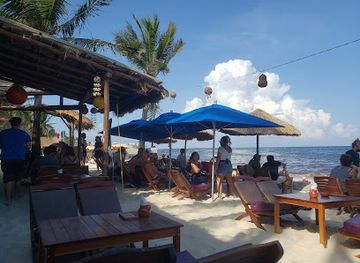
After dark, Playa del Carmen’s social life concentrates around Quinta Avenida, the beachfront and Calle 12, where bars, cocktail lounges, live-music venues and nightclubs create the city’s most energetic evening district. The atmosphere ranges from relaxed mezcal and tequila tastings to louder venues with DJs and dancing, while quieter streets offer wine bars, casual terraces and cafés. Beach clubs may combine sunset drinks with music, though their character and programming can change. The centre attracts an international crowd, but Mexican music, regional spirits and local hospitality remain important parts of the evening scene. Visitors should keep valuables secure in crowded areas, use recognised transport when travelling late and remember that venues, noise levels and entry arrangements can vary by night. Playa del Carmen also has cultural performances and occasional live events beyond the club strip, providing alternatives to nightlife focused on drinking.
-
Restaurant
Mamita's Beach Club
Experience the vibrant atmosphere of Mamita's Beach Club in Playa del Carmen, where stunning views meet exquisite dining and lively entertainment.
17 min walk · 1.4 km from city centre
-
Restaurant
Zenzi Beach
Discover the vibrant atmosphere of Zenzi Beach, a top restaurant and bar in Playa del Carmen, offering beachside dining and nightlife.
7 min walk · 0.5 km from city centre
-
Bar
Fusion Beach Bar Cuisine
Experience the best of Playa del Carmen at Fusion Beach Bar Cuisine, where exceptional food meets breathtaking ocean views.
4 min walk · 0.3 km from city centre
-
Bar
Fah
Discover the vibrant nightlife at Fah, a must-visit bar in Playa del Carmen offering refreshing cocktails and a lively atmosphere.
5 min walk · 0.4 km from city centre



Best nightclubs in Playa del Carmen
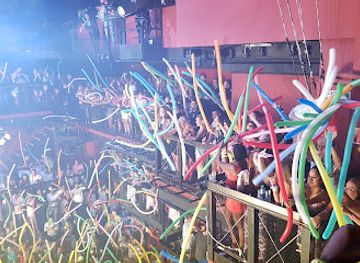
After dark, Playa del Carmen’s social life concentrates around Quinta Avenida, the beachfront and Calle 12, where bars, cocktail lounges, live-music venues and nightclubs create the city’s most energetic evening district. The atmosphere ranges from relaxed mezcal and tequila tastings to louder venues with DJs and dancing, while quieter streets offer wine bars, casual terraces and cafés. Beach clubs may combine sunset drinks with music, though their character and programming can change. The centre attracts an international crowd, but Mexican music, regional spirits and local hospitality remain important parts of the evening scene. Visitors should keep valuables secure in crowded areas, use recognised transport when travelling late and remember that venues, noise levels and entry arrangements can vary by night. Playa del Carmen also has cultural performances and occasional live events beyond the club strip, providing alternatives to nightlife focused on drinking.
-
Restaurant
Mamita's Beach Club
Experience the vibrant atmosphere and breathtaking views at Mamita's Beach Club, a top destination for relaxation in Playa del Carmen.
17 min walk · 1.4 km from city centre
-
Night club
Zenzi Beach
Experience the vibrant atmosphere of Zenzi Beach, a beachfront gem in Playa del Carmen offering dining, drinks, and nightlife with stunning ocean views.
7 min walk · 0.5 km from city centre
-
Night club
Martina Beach Club
Experience the vibrant nightlife and relaxing beach atmosphere at Martina Beach Club, a must-visit destination in Playa del Carmen.
6 min drive · 1.9 km from city centre
-
Night club
Coco Bongo
Dive into the electrifying nightlife of Playa del Carmen at Coco Bongo, where spectacular shows and unforgettable parties await.
7 min walk · 0.6 km from city centre


Best shops in Playa del Carmen
Shopping in Playa del Carmen is concentrated along Quinta Avenida, where jewellery shops, resort wear, art galleries, souvenir stores and international brands share space with cafés and restaurants. The retail experience becomes less polished and more everyday around Avenida 30 and the streets west of the main tourist corridor, where local food shops, small businesses and practical services serve residents as well as visitors. Typical purchases include Mexican textiles, woven bags, embroidered clothing, ceramics, carved objects, silver jewellery, chocolate, coffee and bottles of regional spirits, though provenance and materials should be checked carefully. Markets and independent stalls are useful for comparing designs and practising polite bargaining, while established shops may provide clearer information about quality and origin. Respect restrictions on archaeological materials, protected wildlife products and goods whose export may be controlled.
-
Shopping mall
Quinta Alegría Shopping Mall
Discover the vibrant Quinta Alegría Shopping Mall in Playa del Carmen, where fantastic shopping, dining, and entertainment await every visitor.
11 min walk · 0.8 km from city centre
-
Shopping mall
Plaza Las Américas
Experience the ultimate shopping and dining destination at Plaza Las Américas in Playa del Carmen, where excitement meets convenience.
9 min drive · 2.9 km from city centre
-
Shopping mall
CENTRO MAYA
Discover a vibrant shopping experience at Centro Maya in Playa del Carmen, featuring diverse shops, dining options, and entertainment for all.
8 min drive · 2.6 km from city centre
-
Shopping mall
Paseo del Carmen Shopping Mall
Explore the vibrant Paseo del Carmen Shopping Mall in Playa del Carmen for a unique shopping and dining experience that captures the essence of local culture.
3 min walk · 0.2 km from city centre


Get your free copy of our complete guide to Playa del Carmen, delivered straight to you.
Everything on this page, from attractions and restaurants to essentials and local phrases, in one PDF you can read offline, print or share.
Already have an account? Sign in
Your Playa del Carmen guide is ready.
We'll send it to · Not you? Sign out

Getting your guide ready…
We are putting together a fresh copy of the Playa del Carmen guide. This can take up to a minute.
This can take a few moments. If your browser asks, choose Allow so the download can start. You'll find the guide in your Downloads folder.
Nothing happened? Download it again
Sorry, the guide is taking longer than usual. Please try again in a minute, or get it by email instead.
Playa del Carmen essentials
Currency and Payment
Safety
Emergency Situations
Do's and Don'ts
Local Tips
From Eve
Local phrases worth knowing
You don't need to get them perfect. A few words go a long way, and locals appreciate the effort.
Basics
| English | Local | Say it |
|---|---|---|
| Hello | Hola | [oh-lah] |
| Goodbye | Adiós | [ah-dee-ohs] |
| Yes | Sí | [see] |
| No | No | [noh] |
| Please/You're welcome | Por favor/De nada | [pohr fah-bohr/deh nah-dah] |
| Thank you | Gracias | [grah-syahs] |
| Excuse me/Sorry | Disculpe/Lo siento | [dees-kool-peh/loh syen-toh] |
| How are you? | ¿Cómo estás? | [koh-moh ehs-tahs] |
| Fine. And you? | Bien. ¿Y tú? | [byen. ee too] |
| Do you speak English? | ¿Hablas inglés? | [ah-blahs een-glehs] |
| I don't understand | No entiendo | [noh ehn-tyen-doh] |
Eating & Drinking
| English | Local | Say it |
|---|---|---|
| I'd like to see the menu, please | Me gustaría ver el menú, por favor | [meh goos-tah-ree-ah behr ehl meh-noo, pohr fah-bohr] |
| I don't eat meat | No como carne | [noh koh-moh kahr-neh] |
| Cheers! | ¡Salud! | [sah-loohd] |
| I would like to pay, please | Me gustaría pagar, por favor | [meh goos-tah-ree-ah pah-gahr, pohr fah-bohr] |
Emergencies
| English | Local | Say it |
|---|---|---|
| Help! | ¡Ayuda! | [ah-yoo-dah] |
| Go away! | ¡Vete! | [veh-teh] |
| Call the Police! | ¡Llama a la policía! | [yah-mah ah lah poh-lee-see-ah] |
| Call a doctor! | ¡Llama a un doctor! | [yah-mah ah oon dohk-tohr] |
| I'm lost | Estoy perdido | [ehs-toy pehr-dee-doh] |
| I'm ill | Estoy enfermo | [ehs-toy ehn-fehr-moh] |
Shopping
| English | Local | Say it |
|---|---|---|
| I'd like to buy... | Me gustaría comprar... | [meh goos-tah-ree-ah kohm-prahr] |
| I'm just looking | Solo estoy mirando | [soh-loh ehs-toy meer-ahn-doh] |
| How much is it? | ¿Cuánto cuesta? | [kwan-toh kwehs-tah] |
| That's too expensive | Eso es demasiado caro | [eh-soh ehs deh-mah-syah-doh kah-roh] |
| Can you lower the price? | ¿Puedes bajar el precio? | [pweh-dehs bah-har ehl preh-syoh] |
Time & Numbers
| English | Local | Say it |
|---|---|---|
| What time is it? | ¿Qué hora es? | [keh oh-rah ehs] |
| It's one o'clock | Es la una | [ehs lah oo-nah] |
| Half past (10) | Y media (10) | [ee meh-dee-ah (deez)] |
| Morning | Mañana | [mah-nyah-nah] |
| Afternoon | Tarde | [tahr-deh] |
| Evening | Noche | [noh-cheh] |
| Yesterday | Ayer | [ah-yehr] |
| Today | Hoy | [oy] |
| Tomorrow | Mañana | [mah-nyah-nah] |
| 1 | Uno | [oo-noh] |
| 2 | Dos | [dohs] |
| 3 | Tres | [trehs] |
| 4 | Cuatro | [kwah-troh] |
| 5 | Cinco | [seen-koh] |
| 6 | Seis | [seys] |
| 7 | Siete | [syeh-teh] |
| 8 | Ocho | [oh-choh] |
| 9 | Nueve | [nweh-veh] |
| 10 | Diez | [dyehs] |
Transport & Directions
| English | Local | Say it |
|---|---|---|
| Where's a/the...? | ¿Dónde está...? | [dohn-deh ehs-tah] |
| What's the address? | ¿Cuál es la dirección? | [kwal ehs lah dee-rehk-syohn] |
| Can you show me (on the map)? | ¿Puedes mostrarme (en el mapa)? | [pweh-dehs mohs-trahr-meh (ehn ehl mah-pah)] |
| When's the next (bus)? | ¿Cuándo es el próximo (autobús)? | [kwan-doh ehs ehl proh-ksee-moh (ow-toh-boos)] |
| A ticket (to ....) | Un boleto (a ...) | [oon boh-leh-toh (ah ...)] |
History of Playa del Carmen
Maya Settlement on the Coast
The area around present-day Playa del Carmen formed part of the Maya world long before the modern town emerged. Coastal settlements used the Yucatán shoreline for fishing, trade and travel, while the island of Cozumel became an important pilgrimage centre associated with Ix Chel, a Maya deity linked with fertility and childbirth. Xaman-Há, a coastal settlement in the present urban area, served as one of the stopping points for pilgrims crossing to Cozumel. Surviving traces are modest compared with the monumental cities farther inland, but they establish Playa del Carmen within a long network of maritime exchange and religious movement.
Spanish Conquest and Colonial Change
Spanish expeditions reached the eastern Yucatán in the early sixteenth century, bringing military conquest, missionary activity and new political structures to Maya communities. The coastal settlement later known as Playa del Carmen remained relatively small and did not develop into a major colonial city. Its wider region experienced changes in population, landholding and religious practice, while Maya communities preserved languages, customs and local knowledge. For centuries, the coast’s reefs, forests and limited overland connections kept it considerably less urbanised than the colonial centres of the peninsula.
A Fishing Village and Ferry Point
Modern Playa del Carmen developed as a small coastal settlement known in Spanish as Playa del Carmen, with fishing and maritime connections shaping everyday life. Its position opposite Cozumel made it a natural departure point for boats crossing the channel, but the town remained modest through much of the twentieth century. The surrounding coast was also associated with coconut cultivation and other small-scale economic activities. Roads and communications gradually improved, yet the settlement’s identity continued to be defined by the sea, the forest and the nearby Maya communities rather than by large-scale tourism.
Tourism and the Riviera Maya
Tourism transformed Playa del Carmen from the late twentieth century onwards, particularly as visitors began combining a stay on the mainland with excursions to Cozumel and other Riviera Maya sites. Improved road connections, international air access through Cancún and growing interest in Caribbean beaches, diving and Maya archaeology accelerated expansion. Hotels, restaurants and services spread beyond the original settlement, bringing residents from across Mexico and from abroad. This rapid growth created the dense commercial centre visible around Quinta Avenida, while also placing pressure on beaches, water resources, traffic and the fragile coastal environment.
A Contemporary Caribbean City
Today Playa del Carmen is a multicultural city whose economy is closely tied to hospitality, transport, food, retail and marine recreation. Its public spaces reflect both local and international influences: Parque Fundadores, the ferry terminal and the beachfront form a civic and tourist landscape, while residential districts extend well beyond the traditional centre. Maya heritage remains present through nearby archaeological sites, cultural traditions and the region’s Indigenous communities, although the modern city is largely a product of recent expansion. Its continuing challenge is to balance economic growth with coastal conservation, infrastructure needs and respect for the history of the land.
Travel experiences inspired by this city


Swipe for more travel diaries
Playa del Carmen in Photos
Browse through our photo collection highlighting the charm and character of the destination.
Cities near Playa del Carmen
The closest cities to Playa del Carmen, if you have time for more than one stop.
-

-

-

-

-


Swipe for more cities
Explore more

Explore more of Mexico
Discover Mexico: A land of ancient ruins, vibrant culture, and stunning natural landscapes. Experience diverse cuisine, rich traditions, and warm hospitality.
Explore Mexico