

Free East Michigan Travel Guide & Mobile App
Explore East Michigan with free travel guides. Discover regional history, expert tips, proposed trips, and audio guides on web or mobile app.


Explore East Michigan for Detroit heritage, Great Lakes shores, river towns, university culture, maritime history and distinctive regional food.
Read more about East Michigan
Getting to and around East Michigan
How to get there
Transportation
Top city travel guides in East Michigan
The cities of East Michigan, and the easiest places to base yourself.
-

-

-

-

-


Swipe for more cities
Destinations in East Michigan
Resorts, valleys and scenic spots worth a trip of their own.

Swipe for more destinations
Best attractions in East Michigan
East Michigan's attractions range from major urban museums to broad lakeshore landscapes. Detroit offers the Detroit Institute of Arts, the Motown Museum, the Charles H. Wright Museum of African American History and the Detroit Historical Museum, each presenting a different part of the region's cultural and industrial story. In nearby Dearborn, the Henry Ford and Greenfield Village interpret American innovation, domestic life and mechanical history through extensive collections and historic structures. Belle Isle, an island park in the Detroit River, combines green space, water views, the Belle Isle Aquarium and the Dossin Great Lakes Museum. Ann Arbor adds university museums, galleries and riverside trails, while Flint is closely associated with automotive and labour history. Farther north and east, Port Huron, the Thumb and Saginaw Bay provide beaches, marinas, lighthouses, wetlands, birdwatching and fishing. River Raisin National Battlefield near Monroe offers a focused historical visit, while rural parks and conservation areas provide walking, cycling and wildlife observation. The variety lies in the contrast between metropolitan institutions, working waterfronts and open agricultural country.
-
State park
Tahquamenon Falls State Park
Experience the breathtaking beauty and outdoor adventures at Tahquamenon Falls State Park, a natural gem in Michigan's Upper Peninsula.
-
Amusement park
Michigan's Adventure
Experience the thrill of Michigan's Adventure, the ultimate amusement and water park for family fun in Muskegon, Michigan.
-
Tourist attraction
Sleeping Bear Dunes National Lakeshore
Experience the breathtaking beauty of Sleeping Bear Dunes National Lakeshore, where towering sand dunes meet the pristine shores of Lake Michigan.
-
Historical landmark
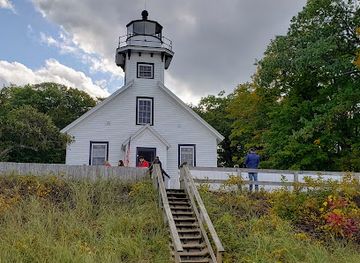
Mission Point Lighthouse
Discover the historical allure of Mission Point Lighthouse, a captivating landmark in Traverse City offering stunning lake views and rich maritime heritage.


Best landmarks in East Michigan
-
Christmas store
Bronner's CHRISTmas Wonderland
Explore Bronner's CHRISTmas Wonderland, the world's largest Christmas store in Frankenmuth, Michigan, filled with enchanting decorations and holiday cheer.
-
Casino
Hollywood Casino at Greektown
Discover the ultimate gaming experience at Hollywood Casino at Greektown, offering thrilling games, exquisite dining, and vibrant entertainment in Detroit.
-
Shopping mall
Frankenmuth River Place Shops
Discover unique boutiques and Bavarian charm at Frankenmuth River Place Shops, a delightful shopping destination in Michigan.
-
 Art museum
Detroit Institute of Arts
Explore the Detroit Institute of Arts, home to over 65,000 artworks, including masterpieces by Van Gogh and Rivera, in a stunning architectural setting.


Explore East Michigan on the map
Plan your trip on one map. See where the top cities, national parks and sights are, and book hotels and experiences in a few clicks.
Best hotels in East Michigan
Best restaurants in East Michigan
Dining in East Michigan reflects industrial migration, Great Lakes geography and strong local food traditions. Detroit-style pizza, baked in a rectangular pan with a crisp, caramelised cheese edge, is widely associated with the city, while coney dogs remain a characteristic part of its informal dining culture. Dearborn is particularly known for Middle Eastern restaurants, bakeries and food shops, reflecting the area's large Arab American communities. Hamtramck contributes Polish and Central European traditions alongside a broad contemporary scene, and Ann Arbor has an extensive range of cafés, international restaurants and vegetarian-friendly cooking linked partly to its university population. Fish from the Great Lakes appears in some regional menus, while farms and orchards in the Thumb and adjacent eastern counties supply apples, cherries, seasonal vegetables, cider and baked goods. Detroit's historic neighbourhoods, waterfront districts and newer downtown restaurants offer different atmospheres, while smaller towns tend towards diners, family restaurants, breweries, farm stands and traditional inns. Menus and businesses change, so local markets and current community listings are useful for seasonal discoveries.
-
German
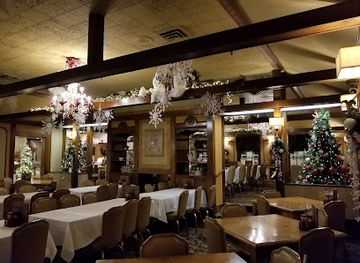
Bavarian Inn Restaurant
Discover the taste of Germany at Bavarian Inn Restaurant in Frankenmuth - where authentic flavors meet family-friendly dining.
-
Resort hotel
Great Wolf Lodge Water Park | Traverse City
Experience endless fun at Great Wolf Lodge Water Park in Traverse City – your ultimate family-friendly destination with thrilling attractions and relaxation.
-
American
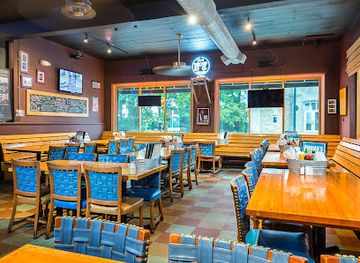
Bubba's
Discover Bubba's in Traverse City: A delightful American bar & grill serving creative dishes in a warm atmosphere.
-
Restaurant
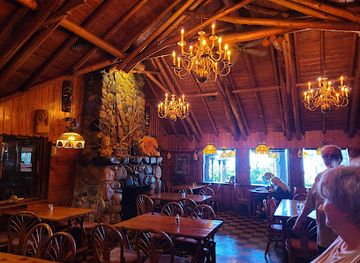
Legs Inn
Experience authentic Eastern European cuisine at Legs Inn in Cross Village with stunning lake views and rich cultural heritage.
Best bars in East Michigan
Nightlife is concentrated in Detroit, with downtown, Midtown, Corktown and adjacent neighbourhoods offering cocktail bars, breweries, live music, comedy, sports venues and late-night restaurants. The city's musical history is represented through Motown-related venues and a continuing range of jazz, electronic, rock, hip-hop and independent performances, although schedules and individual businesses change regularly. Ann Arbor has a compact evening scene shaped by university life, with pubs, music venues, cinemas and restaurants around the central districts. Flint and Port Huron provide smaller selections of bars, breweries, live entertainment and waterfront dining. In rural eastern Michigan, evening life generally centres on local taverns, restaurants, seasonal events and community venues rather than large clubs. Visitors should check age-identification requirements, arrange a safe journey between venues and remember that many lakeshore and small-town establishments close earlier than metropolitan venues.
-
Irish pub
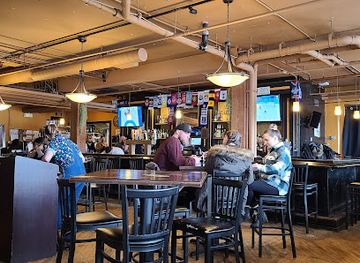
McShane's Irish Pub & Whiskey Bar
Discover the authentic Irish experience at McShane's Pub, where lively music, delicious food, and an extensive whiskey selection await you in Corktown.
-
Restaurant
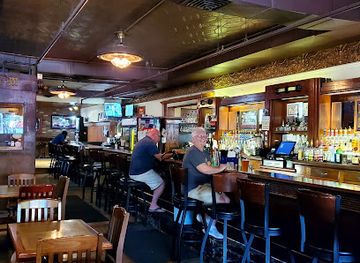
SpeakEZ Lounge
Explore SpeakEZ Lounge in Grand Rapids for a unique blend of delicious brunch options and creative cocktails in a cozy, vibrant setting.
-
Cocktail bar
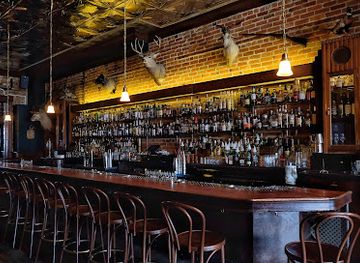
The Sugar House
Discover The Sugar House, Detroit's premier cocktail bar, where mixology meets history in a vibrant Corktown setting.
-
Grill
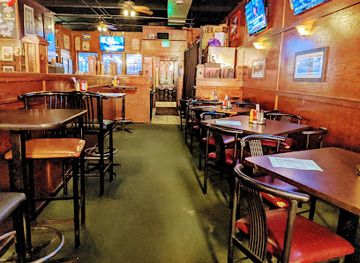
Tap Room
Discover Tap Room: Ypsilanti's lively grill and bar offering delicious food, craft beers, and vibrant live music in a welcoming atmosphere.
Best nightclubs in East Michigan
Nightlife is concentrated in Detroit, with downtown, Midtown, Corktown and adjacent neighbourhoods offering cocktail bars, breweries, live music, comedy, sports venues and late-night restaurants. The city's musical history is represented through Motown-related venues and a continuing range of jazz, electronic, rock, hip-hop and independent performances, although schedules and individual businesses change regularly. Ann Arbor has a compact evening scene shaped by university life, with pubs, music venues, cinemas and restaurants around the central districts. Flint and Port Huron provide smaller selections of bars, breweries, live entertainment and waterfront dining. In rural eastern Michigan, evening life generally centres on local taverns, restaurants, seasonal events and community venues rather than large clubs. Visitors should check age-identification requirements, arrange a safe journey between venues and remember that many lakeshore and small-town establishments close earlier than metropolitan venues.
-
Live Music
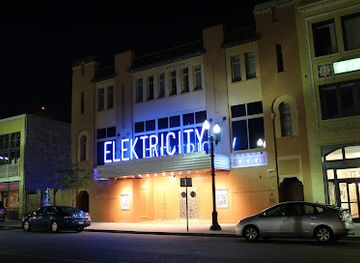
ELEKTRICITY
Discover the electrifying nightlife at ELEKTRICITY, Pontiac's premier live music venue, featuring vibrant performances and a lively atmosphere.
-
Night club
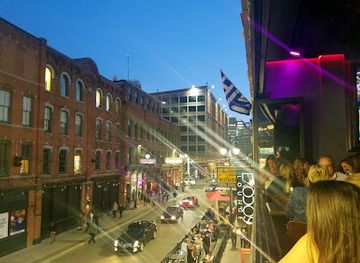
Exodos Rooftop
Experience the best of Detroit's nightlife at Exodos Rooftop, where stunning views and vibrant energy meet for an unforgettable evening.
-
Dance club
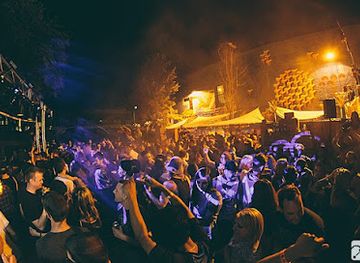
Necto
Experience the vibrant nightlife at Necto, Ann Arbor's premier dance club, where music, fun, and inclusivity come together.
-
Night club
T V Lounge
Discover the vibrant nightlife of Detroit at T V Lounge, where great DJs and a lively atmosphere create unforgettable experiences.

Best shops in East Michigan
Shopping in East Michigan ranges from urban districts and independent boutiques to produce stands and small-town markets. Detroit's Eastern Market is the region's best-known market landscape, with food sellers, seasonal produce, flowers, specialty goods, art and locally made products; market arrangements vary by day and season. Downtown and Midtown Detroit contain independent design, book, clothing and gift shops, while neighbourhood commercial streets offer more specialised local businesses. Ann Arbor is known for walkable central shopping, bookstores, galleries, clothing retailers and university-oriented stores, with additional independent businesses in nearby districts. Dearborn is a useful place to browse Middle Eastern bakeries, grocers, sweet shops and specialist food retailers. In the Thumb and around Saginaw Bay, farm stands, orchards, cideries, antique shops and craft galleries are more characteristic than large shopping centres. Regional purchases may include apple and cherry products, locally made foods, ceramics, artwork, books about Great Lakes history and Detroit-related design. Opening patterns for rural businesses can be seasonal, so checking locally before making a long drive is sensible.
-
Outlet mall
Great Lakes Crossing Outlets
Discover a shopper's paradise at Great Lakes Crossing Outlets: over 185 stores, diverse dining, and endless entertainment await in Auburn Hills.
-
Shopping mall
Frankenmuth River Place Shops
Discover the Bavarian charm at Frankenmuth River Place Shops, where unique shopping meets delightful dining and seasonal festivities.
-
Outlet mall
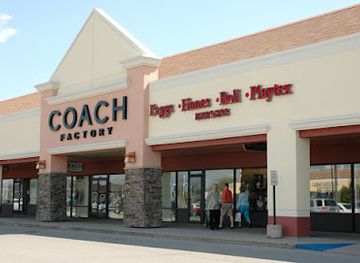
Birch Run Premium Outlets
Explore Birch Run Premium Outlets for unparalleled shopping experiences, featuring over 100 stores with incredible discounts on top brands in Michigan.
-
Outlet mall
Tanger Outlets Howell
Explore Tanger Outlets Howell: Your ultimate shopping destination for brand-name savings and an enjoyable retail experience.

Get your free copy of our complete guide to East Michigan, delivered straight to you.
Everything on this page, from attractions and restaurants to essentials and local phrases, in one PDF you can read offline, print or share.
Already have an account? Sign in
Your East Michigan guide is ready.
We'll send it to · Not you? Sign out

Getting your guide ready…
We are putting together a fresh copy of the East Michigan guide. This can take up to a minute.
This can take a few moments. If your browser asks, choose Allow so the download can start. You'll find the guide in your Downloads folder.
Nothing happened? Download it again
Sorry, the guide is taking longer than usual. Please try again in a minute, or get it by email instead.
East Michigan essentials
Currency and Payment
Safety
Emergency Situations
Do's and Don'ts
Local Tips
From Eve
Local phrases worth knowing
You don't need to get them perfect. A few words go a long way, and locals appreciate the effort.
Basics
| English | Local | Say it |
|---|---|---|
| Hello | Hey | [Hey] |
| Goodbye | See ya | [See ya] |
| Yes | Yeah | [Yeah] |
| No | Nah | [Nah] |
| Please/You're welcome | No problem | [No pro-blem] |
| Thank you | Thanks | [Thanks] |
| Excuse me/Sorry | Sorry 'bout that | [Sorry 'bout that] |
| How are you? | How ya doin'? | [How ya doin'?] |
| Fine. And you? | Good. You? | [Good. You?] |
| Do you speak English? | Do ya speak English? | [Do ya speak English?] |
| I don't understand | I dunno | [I dunno] |
Eating & Drinking
| English | Local | Say it |
|---|---|---|
| I'd like to see the menu, please | Can I see the menu? | [Can I see the menu?] |
| I don't eat meat | I don't do meat | [I don't do meat] |
| Cheers! | Cheers! | [Cheers!] |
| I would like to pay, please | Can I get the check, please? | [Can I get the check, please?] |
Emergencies
| English | Local | Say it |
|---|---|---|
| Help! | Help! | [Help!] |
| Go away! | Get lost! | [Get lost!] |
| Call the Police! | Call the cops! | [Call the cops!] |
| Call a doctor! | Get a doc! | [Get a doc!] |
| I'm lost | I'm turned around | [I'm turned around] |
| I'm ill | I'm not feelin' good | [I'm not feelin' good] |
Shopping
| English | Local | Say it |
|---|---|---|
| I'd like to buy... | I wanna buy... | [I wanna buy...] |
| I'm just looking | Just browsin' | [Just browsin'] |
| How much is it? | How much’s this? | [How much’s this?] |
| That's too expensive | That's too pricey | [That's too pricey] |
| Can you lower the price? | Can ya knock down the price? | [Can ya knock down the price?] |
Time & Numbers
| English | Local | Say it |
|---|---|---|
| What time is it? | What time is it? | [What time is it?] |
| It's one o'clock | It's one | [It's one] |
| Half past (10) | Half past ten | [Half past ten] |
| Morning | Mornin' | [Mornin'] |
| Afternoon | Afternoon | [Afternoon] |
| Evening | Evenin' | [Evenin'] |
| Yesterday | Yesterday | [Yesterday] |
| Today | Today | [Today] |
| Tomorrow | Tomorrow | [Tomorrow] |
| 1 | One | [One] |
| 2 | Two | [Two] |
| 3 | Three | [Three] |
| 4 | Four | [Four] |
| 5 | Five | [Five] |
| 6 | Six | [Six] |
| 7 | Seven | [Seven] |
| 8 | Eight | [Eight] |
| 9 | Nine | [Nine] |
| 10 | Ten | [Ten] |
Transport & Directions
| English | Local | Say it |
|---|---|---|
| Where's a/the...? | Where's the...? | [Where's the...?] |
| What's the address? | What's the address? | [What's the address?] |
| Can you show me (on the map)? | Can ya show me on the map? | [Can ya show me on the map?] |
| When's the next (bus)? | When's the next bus? | [When's the next bus?] |
| A ticket (to ....) | A ticket to ... | [A ticket to ...] |
History of East Michigan
Indigenous Nations and Great Lakes Trade
Long before European settlement, the waterways and forests of eastern Michigan were home to Indigenous peoples including the Anishinaabe nations, among them the Ojibwe, Odawa and Potawatomi. Rivers such as the Detroit, St Clair and Saginaw connected communities, supported fishing and transport, and formed part of wider Great Lakes trading networks. The region remains connected to Indigenous communities and cultural institutions, although colonial expansion, treaty-making and forced displacement profoundly altered Indigenous life. Visitors should understand that the area's history begins with living nations rather than with European exploration.
French Settlement and the Detroit River, 1701 Onwards
Antoine de la Mothe Cadillac founded Fort Pontchartrain du Détroit in 1701 on the Detroit River, establishing a French settlement intended to control an important water route. The narrow river corridor linked the Great Lakes and became a strategic frontier contested by France, Britain, Indigenous nations and later the United States. French agricultural settlement along the river left a distinctive legacy in property divisions, place names and Catholic institutions. Detroit's strategic importance continued after Britain took control in the eighteenth century and after the United States acquired the territory.
Territorial Growth and the War of 1812
Eastern Michigan stood at the centre of conflict during the War of 1812 because control of the Great Lakes and Detroit River affected military supply routes. The United States surrendered Detroit early in the war, and later fighting took place around the western basin of Lake Erie and the River Raisin near present-day Monroe. River Raisin National Battlefield commemorates the January 1813 battle and the subsequent deaths of American regulars and Kentucky volunteers. The conflict helped establish the strategic and symbolic importance of the region's waterways within the expanding United States.
Canals, Railways and Industrial Expansion
During the nineteenth century, eastern Michigan changed rapidly as canals, railways, ports and improved roads connected farms, forests and factories to Great Lakes markets. Detroit grew as a commercial and manufacturing centre, while towns such as Port Huron, Flint, Saginaw and Bay City developed around shipping, lumber, agriculture and processing industries. The St Clair River and Lake Huron formed part of a major shipping corridor, and the opening of the St Marys Falls Ship Canal in the Upper Peninsula further strengthened Great Lakes commerce. Industrial growth also brought migration, urban expansion and difficult working conditions.
The Rise of the Automobile Industry
The Detroit region became the centre of mass automobile production during the early twentieth century. Henry Ford's Highland Park plant introduced moving assembly-line production for the Model T in 1913, helping to transform manufacturing worldwide. Ford, General Motors and Chrysler created vast networks of factories, suppliers and skilled trades across southeastern Michigan, including communities such as Dearborn, Hamtramck, Flint and Pontiac. The industry attracted migrants from the American South and immigrants from many countries, reshaping the region's neighbourhoods, labour politics, foodways and cultural life.
Labour, Civil Rights and the Great Migration
Industrial employment drew African American migrants north during the Great Migration, making Detroit and other eastern Michigan cities important centres of Black cultural, religious and political life. Workers' campaigns led to the recognition of the United Auto Workers and major advances in industrial unionism, while the 1943 Detroit race riot exposed severe housing and employment tensions. The 1967 Detroit uprising became a defining event in the city's modern history, reflecting racial inequality, policing disputes and wider civil-rights struggles. The legacy remains visible in museums, neighbourhood institutions, music and debates about urban policy.
Deindustrialisation, Renewal and a Diversifying Economy
From the late twentieth century, automation, overseas competition, suburbanisation and factory closures reduced industrial employment across eastern Michigan. Flint became a prominent example of the social consequences of deindustrialisation, while Detroit experienced population loss, infrastructure pressures and municipal bankruptcy in 2013. At the same time, the region developed new strengths in education, health care, technology, design, logistics, culture and small-scale manufacturing. Downtown Detroit's renewed investment, the expansion of university and research activity in Ann Arbor, and waterfront regeneration in several communities illustrate an ongoing transformation rather than a simple break with the industrial past.
East Michigan in Photos
Browse through our photo collection highlighting the charm and character of the destination.
Neighbouring regions of East Michigan
The closest regions to East Michigan, if you have time for more than one.
-

-

-

-

-


Swipe for more regions
Explore more

Explore more of Michigan
Explore Michigan's stunning Great Lakes, vibrant cities, and untouched natural beauty. Discover the state's rich cultural heritage and endless outdoor adventures.
Explore Michigan