

Free Lansing Travel Guide & Mobile App
Plan your Lansing trip with Evendo. Get free guides to top attractions, restaurants, hotels, and bars. Web access or download the mobile app.


Lansing, Michigan blends state history, riverfront parks, museums, local food, university culture and welcoming neighbourhoods for thoughtful city breaks.
A Capital Shaped by the River
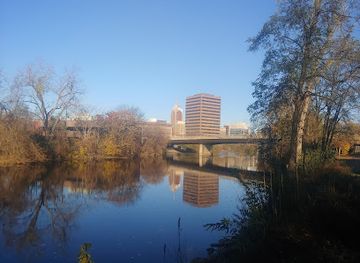
Lansing stands in south-central Michigan, where the Grand River passes through a city shaped by government, education and manufacturing. It became Michigan’s capital in 1847, replacing Detroit, and its public buildings, civic institutions and broad avenues still reflect that role. The neoclassical Michigan State Capitol anchors downtown, while the nearby River Trail follows the water through parks, museums and former industrial districts. Lansing is compact enough for visitors to explore in manageable sections, yet its neighbourhoods each have a distinct character, from the historic storefronts and galleries of Old Town to the independent restaurants and renovated industrial spaces of REO Town.Read more about Lansing
Museums, Neighbourhoods and Local Life
When is the best time to visit Lansing?
Best: June, August–September · 22–27°C| Month | High (°C) | Rainfall (mm) |
|---|---|---|
| January | 0 | 40 |
| February | 1 | 35 |
| March | 8 | 46 |
| April | 15 | 65 |
| May | 21 | 75 |
| June (best) | 26 | 85 |
| July | 28 | 90 |
| August (best) | 27 | 80 |
| September (best) | 22 | 70 |
| October | 16 | 60 |
| November | 8 | 50 |
| December | 1 | 45 |
Getting to and around Lansing
How to get there
Transportation
Best attractions in Lansing
Lansing’s sightseeing begins at the Michigan State Capitol, where guided and self-guided visits reveal the building’s dome, legislative chambers and elaborate nineteenth-century interiors. Nearby, the Michigan History Center traces the state’s story through Indigenous history, settlement, industry and modern civic life, while the Library of Michigan adds an important documentary and cultural dimension. Families and science enthusiasts can explore interactive exhibits at Impression 5 Science Center, and the R.E. Olds Transportation Museum examines the city’s influential automotive past through vehicles and industrial artefacts. Potter Park Zoo offers a more relaxed attraction south of downtown, with animal habitats set beside parkland. The Lansing River Trail provides a way to connect museums, riverbanks and green spaces, and Old Town contributes galleries, historic commercial buildings and independent businesses. Together these attractions present Lansing as a capital city with substantial local history rather than simply a collection of government offices.
-
Escape room center
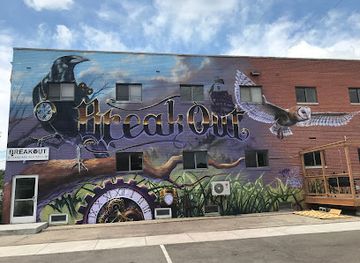
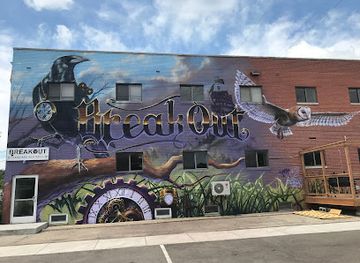
Breakout Escape Rooms Lansing
Discover the thrill of teamwork and adventure at Breakout Escape Rooms Lansing, where every puzzle brings you closer to victory.
11 min drive · 3.5 km from city centre
-
Tourist attraction
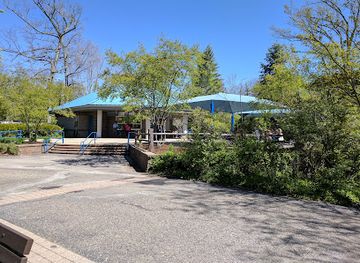
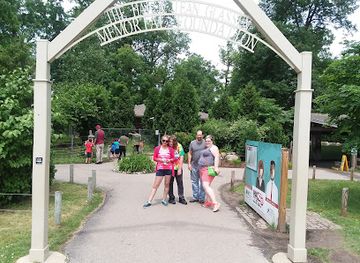
Potter Park Zoo
Discover Potter Park Zoo in Lansing, Michigan, where wildlife conservation meets family fun and education amidst beautiful landscapes.
8 min drive · 2.8 km from city centre
-
Tourist attraction
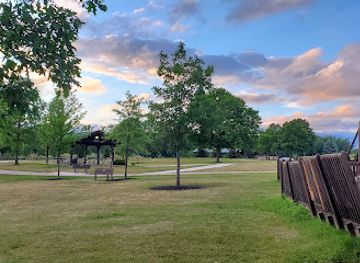
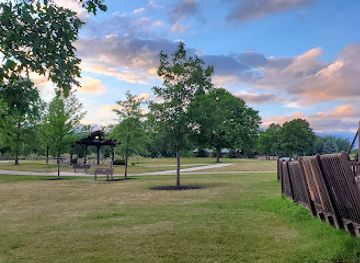
Hawk Island Park
Experience the beauty of nature at Hawk Island Park in Lansing, MI, a perfect getaway for families and outdoor enthusiasts with trails, a beach, and abundant wildlife.
15 min drive · 5.0 km from city centre
-
Tourist attraction
Impression 5 Science Center
Experience the wonders of science at Impression 5 Science Center in Lansing, MI, where interactive exhibits spark curiosity and creativity for all ages.
7 min walk · 0.6 km from city centre
Best landmarks in Lansing
The Michigan State Capitol is Lansing’s defining landmark, its 1879 dome and Renaissance Revival design expressing the authority of Michigan’s state government while its carefully restored interior remains in active civic use. The nearby Hall of Justice and surrounding Capitol complex reinforce the city’s institutional character, though the Capitol itself is the principal architectural focus. The Turner-Dodge House, an Italianate residence overlooking the Grand River, represents Lansing’s nineteenth-century civic and domestic history and is associated with one of the city’s early prominent families. The historic Old Town commercial district preserves an older street pattern and buildings linked to Lansing’s early growth, while the R.E. Olds Transportation Museum embodies the city’s industrial identity through its connection with automobile production. Bridges, river corridors and the restored commercial architecture of neighbourhood districts complete a landmark landscape shaped as much by civic and industrial history as by monumental buildings.
-
Escape room center
Breakout Escape Rooms Lansing
Experience the thrill of escape at Breakout Escape Rooms Lansing, where adventure awaits in every room for families, friends, and corporate teams.
11 min drive · 3.5 km from city centre
-
Zoo
Potter Park Zoo
Discover the enchanting wildlife at Potter Park Zoo, a must-visit destination in Lansing, Michigan, perfect for families and animal lovers alike.
8 min drive · 2.8 km from city centre
-
Bar
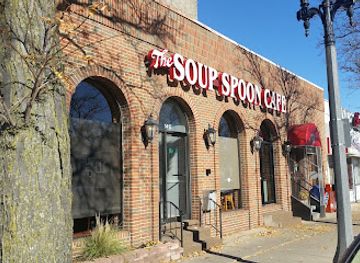
Soup Spoon Café
Discover the warmth of Soup Spoon Café in Lansing, MI, where delicious soups and brunch favorites create a cozy dining experience.
6 min drive · 2.1 km from city centre
-
Park
Hawk Island Park
Explore the beauty of Hawk Island Park in Lansing, Michigan – a perfect blend of lush landscapes, recreational activities, and community events.
15 min drive · 5.0 km from city centre
Explore Lansing on the map
Plan your Lansing trip on one map. See where the top attractions, landmarks, restaurants, bars and hotels are, find what's near where you're staying, and book hotels and experiences in a few clicks.
Best hotels in Lansing
Best restaurants in Lansing
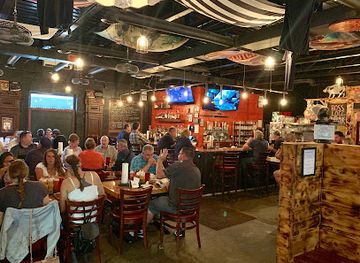
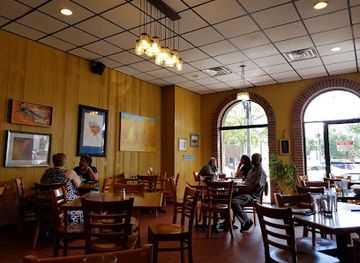
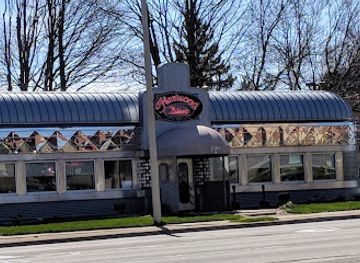
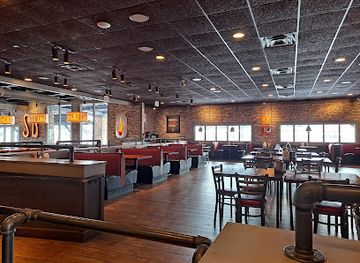
Lansing’s dining scene is spread across downtown, Old Town, REO Town and the Eastside, with independent cafés, neighbourhood restaurants, breweries and casual eateries reflecting the city’s mixed population and university surroundings. Michigan comfort food features prominently, including Coney-style hot dogs and the state’s broader fondness for diner cooking, burgers and generous portions, while contemporary kitchens draw on Midwestern produce and changing seasonal menus. The Lansing City Market and farmers’ markets provide opportunities to encounter regional ingredients, baked goods and prepared foods, though individual vendors and schedules vary. Old Town is known for a concentration of locally owned dining and drinking venues, while REO Town has developed a more industrial, neighbourhood-oriented character. Restaurants near the Capitol cater to government workers and visitors, and East Lansing adds a strong student and international influence just across the city boundary.
-
Barbecue
Meat BBQ
Discover the ultimate barbecue experience at Meat BBQ in Lansing, where smoked meats and Southern flavors come together in perfect harmony.
5 min drive · 1.8 km from city centre
-
Restaurant
Soup Spoon Café
Discover the flavors of Lansing at Soup Spoon Café – where comfort meets culinary excellence in every bowl.
6 min drive · 2.1 km from city centre
-
Breakfast
Fleetwood Diner
Discover Fleetwood Diner in Lansing - your go-to spot for delicious breakfast classics served all day long in a cozy setting.
8 min drive · 2.7 km from city centre
-
American
Smokey Bones Lansing
Discover Smokey Bones Lansing: A premier destination for barbecue lovers featuring American classics in a lively setting.
13 min drive · 4.5 km from city centre
Best bars in Lansing
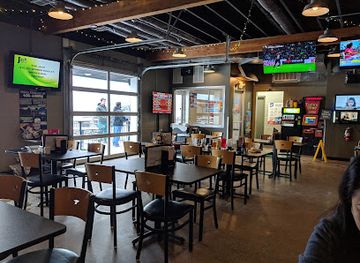
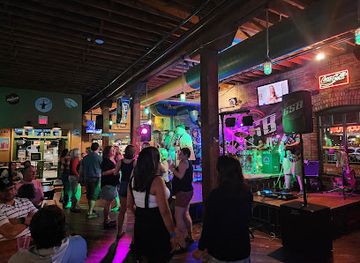
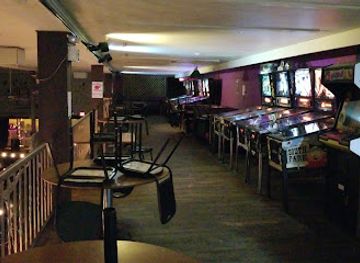
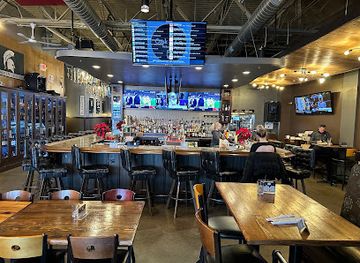
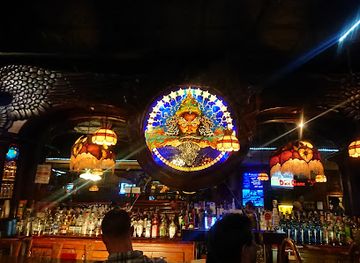
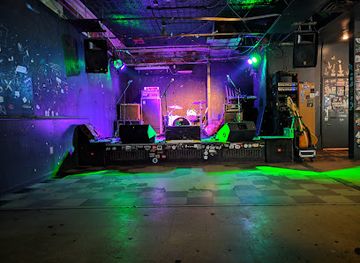
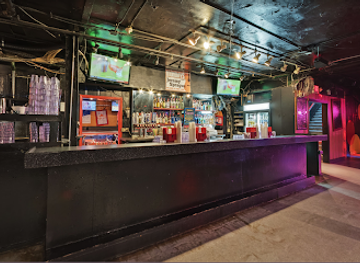
Lansing’s evening life is varied but generally low-key, centred on independent bars, breweries, music venues and restaurants rather than a large club circuit. Old Town has one of the city’s most concentrated after-dark scenes, with live music, locally operated bars and cultural events in converted or historic commercial spaces. Downtown venues serve the state workforce, theatre audiences and visitors attending performances or civic events, while REO Town and the Eastside offer smaller neighbourhood settings. The city’s arts calendar can include concerts, gallery openings, comedy and community festivals, with nearby East Lansing providing additional university-oriented entertainment. Evening activity changes with the academic calendar and seasonal events, so current listings are useful. As in the rest of Michigan, alcohol service is subject to United States drinking-age laws and venue-specific entry requirements.
-
Bar
Art's Pub
Experience the vibrant flavors of Lansing at Art's Pub, a top-rated bar and grill with unique brunch options and a lively atmosphere.
16 min walk · 1.2 km from city centre
-
Sports bar
Nuthouse Sports Grill
Experience the ultimate sports bar at Nuthouse Sports Grill in Lansing, where delicious food, live music, and sports unite for an unforgettable night out.
9 min walk · 0.7 km from city centre
-
Bar
The Avenue
Experience the best of Lansing at The Avenue, where innovative cocktails meet authentic ramen in a lively atmosphere.
8 min drive · 2.8 km from city centre
-
Restaurant
Cask & Company Kitchen & Bar
Experience the vibrant flavors of Cask & Company Kitchen & Bar in Lansing, where sushi, cocktails, and a lively atmosphere await.
13 min drive · 4.3 km from city centre
Best nightclubs in Lansing
Lansing’s evening life is varied but generally low-key, centred on independent bars, breweries, music venues and restaurants rather than a large club circuit. Old Town has one of the city’s most concentrated after-dark scenes, with live music, locally operated bars and cultural events in converted or historic commercial spaces. Downtown venues serve the state workforce, theatre audiences and visitors attending performances or civic events, while REO Town and the Eastside offer smaller neighbourhood settings. The city’s arts calendar can include concerts, gallery openings, comedy and community festivals, with nearby East Lansing providing additional university-oriented entertainment. Evening activity changes with the academic calendar and seasonal events, so current listings are useful. As in the rest of Michigan, alcohol service is subject to United States drinking-age laws and venue-specific entry requirements.
-
Cocktail bar
Stober's Bar
Experience Lansing's nightlife at Stober's Bar, where expertly crafted cocktails meet a vibrant atmosphere in an inviting setting.
16 min walk · 1.2 km from city centre
-
Night club
Macs Bar
Discover the vibrant nightlife at Macs Bar in Lansing, Michigan, where live music and great drinks create unforgettable memories.
10 min drive · 3.4 km from city centre
-
Night club
Rick's American Cafe
Discover the lively nightlife of East Lansing at Rick's American Cafe, where music, drinks, and fun come together in a vibrant atmosphere.
18 min drive · 5.9 km from city centre
-
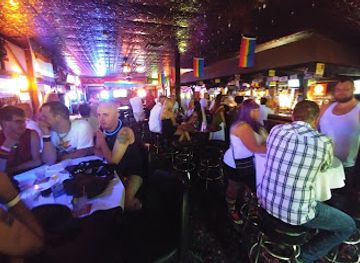
Gay bar
Esquire Bar
Discover the heart of Lansing's nightlife at Esquire Bar, a vibrant gay bar known for its welcoming atmosphere, exciting events, and great drinks.
6 min drive · 1.9 km from city centre
Best shops in Lansing
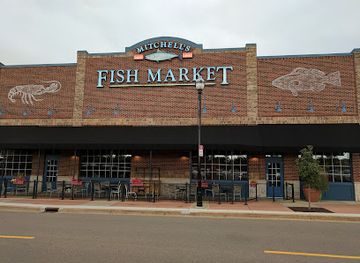
Shopping in Lansing ranges from locally owned boutiques and galleries to practical retail districts and seasonal markets. Old Town is the most distinctive area for independent shops, antiques, art, gifts and design-led goods set among historic commercial buildings. REO Town and the Eastside offer smaller businesses, cafés and specialist retailers, while downtown shopping is closely tied to offices, public institutions and event traffic. Farmers’ markets and the Lansing City Market are useful for Michigan-grown produce, preserves, baked goods and other regional food products when operating. Visitors may also find locally made art, prints and craft items that reflect the city’s riverfront and industrial heritage. Larger retail centres lie beyond the historic core, so the most characterful shopping is usually found by exploring neighbourhood businesses rather than expecting a single enclosed shopping district or a dense luxury retail scene.
-
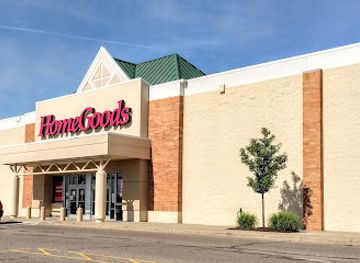
Shopping mall
Frandor Shopping Center
Discover a shopping paradise at Frandor Shopping Center, where unique finds, dining delights, and entertainment await in Lansing, Michigan.
12 min drive · 4.0 km from city centre
-
Shopping mall
Eastwood Towne Center
Discover shopping, dining, and entertainment at Eastwood Towne Center, Lansing's premier retail destination for tourists and locals.
14 min drive · 4.7 km from city centre
-
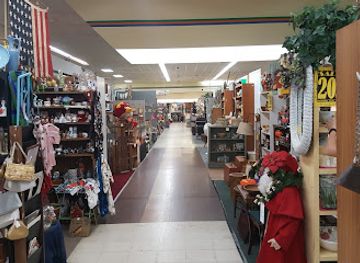
Antique store
The Mega Mall
Explore The Mega Mall in Lansing, Michigan for an unforgettable antique shopping experience filled with unique treasures and timeless charm.
20 min drive · 6.7 km from city centre
-
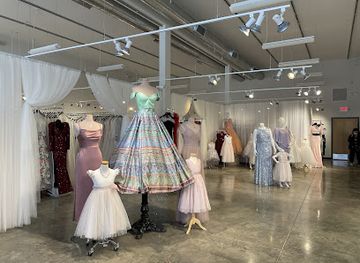
Bridal shop
Fantastic Finds
Discover the ultimate bridal experience at Fantastic Finds, Lansing's premier destination for wedding dresses and formal wear.
13 min drive · 4.3 km from city centre
Get your free copy of our complete guide to Lansing, delivered straight to you.
Everything on this page, from attractions and restaurants to essentials and local phrases, in one PDF you can read offline, print or share.
Already have an account? Sign in
Your Lansing guide is ready.
We'll send it to · Not you? Sign out

Getting your guide ready…
We are putting together a fresh copy of the Lansing guide. This can take up to a minute.
This can take a few moments. If your browser asks, choose Allow so the download can start. You'll find the guide in your Downloads folder.
Nothing happened? Download it again
Sorry, the guide is taking longer than usual. Please try again in a minute, or get it by email instead.
Lansing essentials
Currency and Payment
Safety
Emergency Situations
Do's and Don'ts
Local Tips
From Eve
Local phrases worth knowing
You don't need to get them perfect. A few words go a long way, and locals appreciate the effort.
Basics
| English | Local | Say it |
|---|---|---|
| Hello | Howdy | [haw-dee] |
| Goodbye | See ya | [see yah] |
| Yes | Yeah | [yeh] |
| No | Nah | [nah] |
| Please/You're welcome | Please/No problem | [pleez/no problem] |
| Thank you | Thanks | [thanks] |
| Excuse me/Sorry | Pardon me/My bad | [par-dun mee/my bad] |
| How are you? | How ya doin'? | [how yah doo-in] |
| Fine. And you? | Good. You? | [good. yoo] |
| Do you speak English? | Ya speak English? | [yah speak ing-glish] |
| I don't understand | I ain't gettin' it | [I aint get-tin it] |
Eating & Drinking
| English | Local | Say it |
|---|---|---|
| I'd like to see the menu, please | Can I check the menu? | [can I chek the menu] |
| I don't eat meat | I don't do meat | [I don't do meat] |
| Cheers! | Prost! | [prohst] |
| I would like to pay, please | Check please | [chek please] |
Emergencies
| English | Local | Say it |
|---|---|---|
| Help! | Help! | [help] |
| Go away! | Get lost! | [get lost] |
| Call the Police! | Call the cops! | [call the cops] |
| Call a doctor! | Get a doctor! | [get a doctor] |
| I'm lost | I'm turned around | [I'm turned around] |
| I'm ill | I'm sick | [I'm sick] |
Shopping
| English | Local | Say it |
|---|---|---|
| I'd like to buy... | I wanna buy... | [I wanna buy] |
| I'm just looking | Just browsing | [just brows-ing] |
| How much is it? | How much does it cost? | [how much duz it cost] |
| That's too expensive | That's pricey | [that's pry-see] |
| Can you lower the price? | Can ya drop the price? | [can yah drop the price] |
Time & Numbers
| English | Local | Say it |
|---|---|---|
| What time is it? | What's the time? | [whats the time] |
| It's one o'clock | It's one | [its one] |
| Half past (10) | Ten-thirty | [ten-thur-tee] |
| Morning | Mornin' | [mornin] |
| Afternoon | Afternoon | [afternoon] |
| Evening | Evenin' | [evenin] |
| Yesterday | Yest'day | [yest-day] |
| Today | Today | [today] |
| Tomorrow | Tomorra | [tomorra] |
| 1 | One | [wun] |
| 2 | Two | [too] |
| 3 | Three | [three] |
| 4 | Four | [four] |
| 5 | Five | [five] |
| 6 | Six | [six] |
| 7 | Seven | [seven] |
| 8 | Eight | [ate] |
| 9 | Nine | [nine] |
| 10 | Ten | [ten] |
Transport & Directions
| English | Local | Say it |
|---|---|---|
| Where's a/the...? | Where's the...? | [wheres the] |
| What's the address? | What's the address? | [whats the address] |
| Can you show me (on the map)? | Can ya show me (on the map)? | [can yah show me on the map] |
| When's the next (bus)? | When's the next (bus)? | [whens the next bus] |
| A ticket (to ....) | A ticket (to ....) | [a ticket to] |
History of Lansing
Anishinaabe Homeland and Early Settlement
The Lansing area lies within the historic homeland of Anishinaabe peoples, including the Odawa, Ojibwe and Potawatomi, whose communities, movement and trade were connected to the Grand River and the wider Great Lakes region. Following United States expansion and the treaties that transferred Indigenous lands, non-Indigenous settlement grew in the area during the 1830s. The settlement developed around the river and the meeting of important routes through the interior of Michigan. Early Lansing was not initially the state’s principal town, but its central position helped it gain political importance as Michigan’s population and administrative needs expanded.
Michigan’s New Capital
In 1847, Michigan legislators selected Lansing as the state capital, moving the seat of government from Detroit to a more central location. The decision accelerated settlement, infrastructure and civic construction around the Grand River. The first permanent Capitol building was completed in 1848 and later replaced as the state’s institutions expanded. Government employment and related professional services became enduring features of Lansing’s economy, while roads and railways strengthened its links with other Michigan communities. The choice of Lansing also helped establish the city’s long-standing identity as an administrative centre rather than a port or purely commercial town.
The Present Capitol Takes Shape
Michigan’s current State Capitol opened in 1879, replacing the earlier building and expressing the confidence of a rapidly developing state. Designed by Elijah E. Myers in a Renaissance Revival manner, it features a prominent dome, cast-iron structure and carefully detailed public interiors. The building remains the symbolic centre of Michigan government and one of Lansing’s most important historic landmarks. Around it, the capital district developed with offices, institutions and residential areas that connected political life to the wider city. Preservation work in the twentieth century ensured that the Capitol’s decorative interiors and architectural character could continue to be used as a working public building.
Oldsmobile and Industrial Lansing
Lansing became closely associated with the rise of the American automobile industry through Ransom E. Olds, who established the Olds Motor Vehicle Company in the city in the late nineteenth century. The company’s early production helped make Lansing an important manufacturing centre, and Oldsmobile became one of the defining names in Michigan automotive history. Industrial employment attracted workers and encouraged the growth of neighbourhoods, transport links and commercial services. The R.E. Olds Transportation Museum preserves vehicles and artefacts connected with this story, while the former industrial landscape remains visible in districts that have since developed new residential, cultural and small-business uses.
A Modern Civic and Cultural City
During the twentieth century, Lansing’s economy broadened beyond automobile manufacturing through state government, education, healthcare and service industries. Michigan State University in neighbouring East Lansing became an influential part of the metropolitan area’s intellectual and cultural life, while Lansing expanded its own museums, libraries, parks and community institutions. Like many American industrial cities, it experienced redevelopment and changes in manufacturing employment, followed by efforts to restore historic districts and reconnect neighbourhoods with the Grand River. Contemporary Lansing retains its capital functions alongside a growing interest in heritage conservation, local food, arts programming and public riverfront spaces.
Lansing in Photos
Browse through our photo collection highlighting the charm and character of the destination.
Cities near Lansing
The closest cities to Lansing, if you have time for more than one stop.
-

-

-

-

-


Swipe for more cities
Explore more

Explore more of Michigan
Explore Michigan's stunning Great Lakes, vibrant cities, and untouched natural beauty. Discover the state's rich cultural heritage and endless outdoor adventures.
Explore Michigan