

Free Southeast Michigan Travel Guide & Mobile App
Explore Southeast Michigan with free travel guides. Discover regional history, expert tips, proposed trips, and audio guides on web or mobile app.


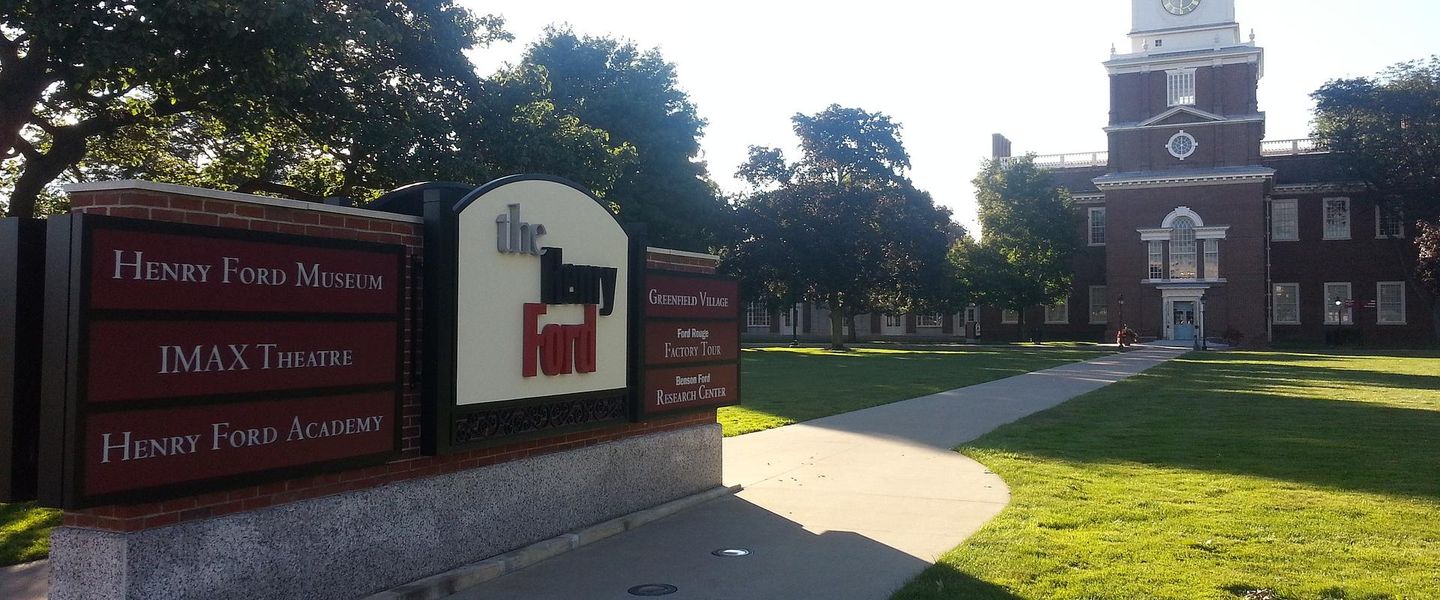


Explore Southeast Michigan for Detroit architecture, Motown history, Great Lakes waterfronts, Ann Arbor culture and distinctive regional food.
Read more about Southeast Michigan
When is the best time to visit Southeast Michigan?
Best: June, August–September · 23–27°C| Month | High (°C) | Rainfall (mm) |
|---|---|---|
| January | 1 | 50 |
| February | 2 | 40 |
| March | 9 | 50 |
| April | 15 | 80 |
| May | 21 | 90 |
| June (best) | 26 | 90 |
| July | 29 | 90 |
| August (best) | 27 | 80 |
| September (best) | 23 | 80 |
| October | 16 | 70 |
| November | 9 | 70 |
| December | 3 | 60 |
Getting to and around Southeast Michigan
How to get there
Transportation
Top city travel guides in Southeast Michigan
The cities of Southeast Michigan, and the easiest places to base yourself.
-

-

-

-


Swipe for more cities
Best attractions in Southeast Michigan
Southeast Michigan’s attractions range from major urban museums to riverfront parks and open countryside. Detroit’s cultural core includes the Detroit Institute of Arts, the Charles H. Wright Museum of African American History and the Motown Museum, while the Detroit RiverWalk and Belle Isle offer public space beside the international waterway. In Dearborn, The Henry Ford combines the Henry Ford Museum of American Innovation with Greenfield Village, where historic buildings and demonstrations illuminate American technological and social history. Ann Arbor adds university collections, independent cultural venues and access to the Huron River, while Cranbrook in Bloomfield Hills brings together art, architecture, education and landscaped grounds. Rural Washtenaw County has trails, farms and small towns around the Huron River, and Monroe County provides access to the western Lake Erie shoreline and wetlands. Sports, theatre, music and seasonal festivals broaden the offering, but the region’s strongest attraction is the contrast between industrial heritage, living city culture, freshwater landscapes and nearby farmland.
-
Museum
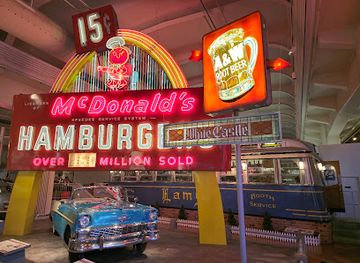
Henry Ford Museum of American Innovation
Discover the essence of American innovation at the Henry Ford Museum, a captivating destination showcasing history, technology, and groundbreaking achievements.
-
Botanical garden
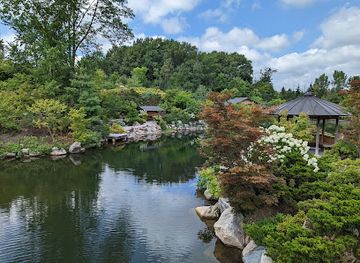
Frederik Meijer Gardens & Sculpture Park
Explore the breathtaking beauty of Frederik Meijer Gardens & Sculpture Park, where nature and art unite in a stunning outdoor experience.
-
Art museum
Detroit Institute of Arts
Explore the rich tapestry of art and culture at the Detroit Institute of Arts, featuring masterpieces and exhibitions that inspire and educate.
-
State park
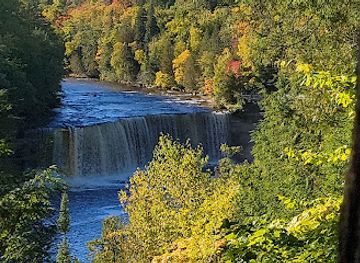
Tahquamenon Falls State Park
Explore the breathtaking landscapes and cascading waterfalls of Tahquamenon Falls State Park in Michigan’s Upper Peninsula, a must-visit for nature lovers.

Best landmarks in Southeast Michigan
The Renaissance Center, on the Detroit riverfront, remains one of Southeast Michigan’s most recognisable modern landmarks and signals Detroit’s relationship with international commerce and the Great Lakes. The Guardian Building is a celebrated Art Deco skyscraper whose richly coloured interior reflects the city’s early twentieth-century confidence, while the Fox Theatre and Detroit Opera House represent the architectural ambition of the theatre district. The Ambassador Bridge connects Detroit with Windsor, Canada, but lies at an international border and should not be confused with a purely local monument. Belle Isle’s conservatory, aquarium and island setting form a significant designed landscape within the Detroit River. In Dearborn, the vast River Rouge industrial complex is a powerful symbol of automobile manufacturing, while Greenfield Village preserves historic buildings in a deliberately assembled setting. Ann Arbor’s university architecture and the Huron River provide a different kind of landmark identity, combining civic, educational and natural associations. Cranbrook’s campus in Bloomfield Hills is notable for its architecture, sculpture and landscape design.
-
Botanical garden
Matthaei Botanical Gardens
Discover the beauty of Matthaei Botanical Gardens, a serene escape in Ann Arbor, Michigan, filled with diverse flora and tranquil landscapes.
-
Non-profit organization
Domino’s Farms Petting Farm
Experience hands-on fun and learning at Domino’s Farms Petting Farm, a premier destination for animal lovers and families in Ann Arbor.
-
Historical landmark
Novi Birthplace Special Water Tower
Explore the Novi Birthplace Special Water Tower, a historical landmark showcasing unique architecture and rich local heritage in Novi, Michigan.


Explore Southeast Michigan on the map
Plan your trip on one map. See where the top cities, national parks and sights are, and book hotels and experiences in a few clicks.
Best hotels in Southeast Michigan
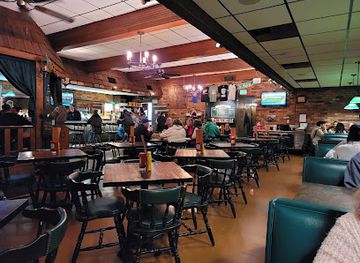
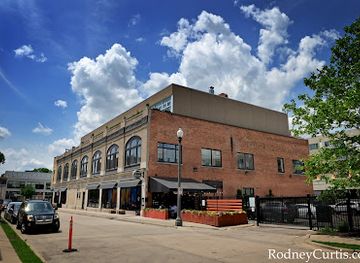
Best restaurants in Southeast Michigan
Dining in Southeast Michigan reflects successive waves of migration and the region’s industrial history. Detroit-style pizza, baked in a square pan with a substantial crust and caramelised cheese at the edges, is a local speciality, while Coney Island restaurants serve Detroit’s distinctive style of chilli-topped hot dog. Dearborn is particularly noted for Arab American restaurants, bakeries and cafés, with Lebanese, Yemeni, Iraqi and other Middle Eastern traditions represented across the city. Detroit and Ann Arbor offer contemporary restaurants, independent cafés, bakeries, breweries and food halls alongside long-established diners and neighbourhood bars. Eastern European influences remain visible in pierogi, sausages and pastry traditions, while farmers’ markets and rural producers contribute seasonal fruit, vegetables, cider and baked goods. Around the Great Lakes, seafood appears on menus, though the region’s culinary identity is broader than a single waterfront cuisine. Tipping is customary in table-service establishments, and menus may add sales tax separately.
-
American
Ford's Garage Dearborn
Experience American cuisine with a twist at Ford's Garage Dearborn, where automotive nostalgia meets delicious comfort food.
-
New American
Green Dot Stables
Experience the unique flavors of New American cuisine at Green Dot Stables in Detroit—where every bite tells a story.
-
Restaurant
220 Merrill
Experience fine dining at 220 Merrill in Birmingham - where innovative cuisine meets exceptional service for an unforgettable meal.
-
New American
Grey Ghost Detroit
Experience innovative New American cuisine and unique cocktails at Grey Ghost Detroit in Brush Park, a top destination for food lovers.


Best bars in Southeast Michigan
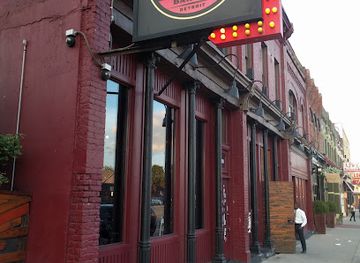
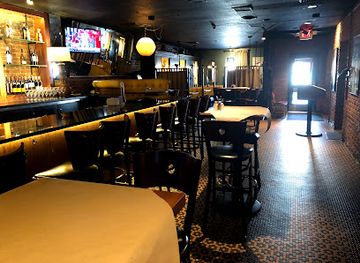
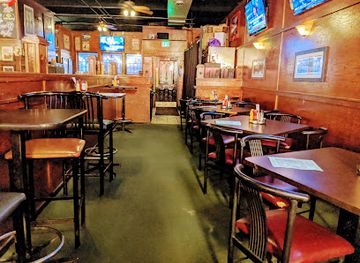
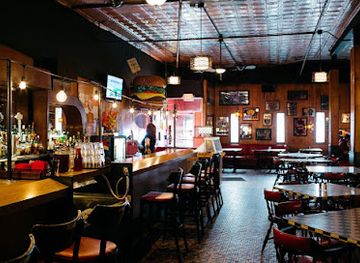
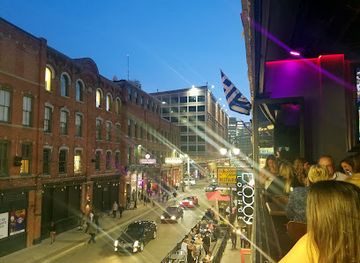
Evening life is concentrated in Detroit, Ann Arbor and selected suburban centres rather than spread evenly across Southeast Michigan. Detroit offers historic bars, breweries, cocktail lounges, live music rooms and venues clustered around downtown, Midtown, Corktown, Eastern Market and nearby neighbourhoods, alongside major concerts and sporting events. Ann Arbor’s university population supports a dense choice of pubs, cafés, music venues and late-evening restaurants, with a more compact, student-influenced atmosphere. Dearborn and Royal Oak also have established restaurant and bar scenes, while rural communities tend to favour local taverns, breweries, restaurants and occasional live music over large clubs. Motown, jazz, rock, electronic music and contemporary performance all feature in the region’s cultural calendar. Check current arrangements before travelling, as venue schedules, licensing conditions and event programmes change frequently; alcohol is only one part of the region’s evening culture.
-
Bar
Slows Bar BQ
Experience the best of Detroit's barbecue scene with flavorful dishes, a vibrant atmosphere, and local brews at Slows Bar BQ in Corktown.
-
Pub
Grand Trunk Pub
Experience the vibrant atmosphere and authentic Irish cuisine at Grand Trunk Pub, a top destination in Downtown Detroit.
-
Irish pub
McShane's Irish Pub & Whiskey Bar
Discover the charm of McShane's Irish Pub & Whiskey Bar, where authentic Irish cuisine meets a vibrant atmosphere in Detroit's Corktown.
-
Grill
Checker Bar Detroit
Discover the fun-filled Checker Bar in Downtown Detroit – where great food, refreshing drinks, and arcade excitement await!
Best nightclubs in Southeast Michigan
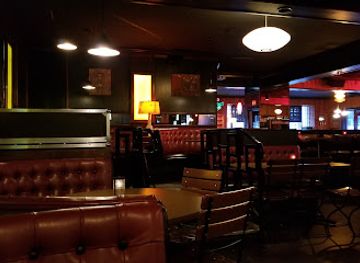
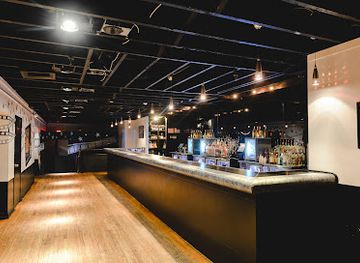
Evening life is concentrated in Detroit, Ann Arbor and selected suburban centres rather than spread evenly across Southeast Michigan. Detroit offers historic bars, breweries, cocktail lounges, live music rooms and venues clustered around downtown, Midtown, Corktown, Eastern Market and nearby neighbourhoods, alongside major concerts and sporting events. Ann Arbor’s university population supports a dense choice of pubs, cafés, music venues and late-evening restaurants, with a more compact, student-influenced atmosphere. Dearborn and Royal Oak also have established restaurant and bar scenes, while rural communities tend to favour local taverns, breweries, restaurants and occasional live music over large clubs. Motown, jazz, rock, electronic music and contemporary performance all feature in the region’s cultural calendar. Check current arrangements before travelling, as venue schedules, licensing conditions and event programmes change frequently; alcohol is only one part of the region’s evening culture.
-
Night club
Northern Lights Lounge
Discover the lively Northern Lights Lounge in Detroit, where live music, a vibrant atmosphere, and delicious food create unforgettable nights out.
-
Live Music
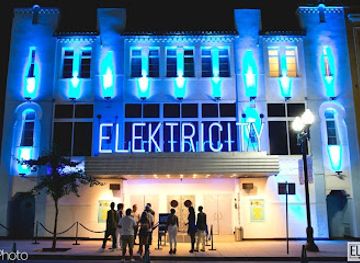
ELEKTRICITY
Discover the electrifying nightlife at ELEKTRICITY in Pontiac, MI – a premier destination for live music, dancing, and vibrant entertainment.
-
Night club
Exodos Rooftop
Discover the vibrant nightlife of Detroit at Exodos Rooftop, where stunning views meet an electrifying atmosphere for an unforgettable experience.
-
Dance club
Necto
Experience the heart of Ann Arbor's nightlife at Necto, a lively dance club offering vibrant music, inclusive vibes, and unforgettable moments.
Best shops in Southeast Michigan
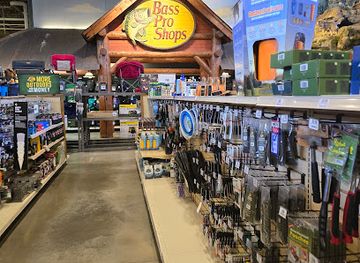
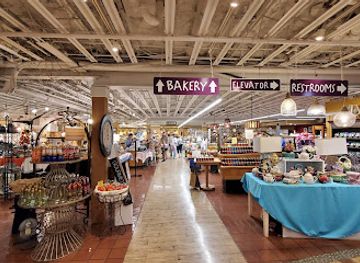
Shopping varies from Detroit’s historic market culture to Ann Arbor’s independent retail streets and the suburban centres of Oakland County. Eastern Market in Detroit is the region’s best-known public market district, combining produce, prepared food, murals and small businesses, although market days and individual trader participation should be checked in advance. Downtown and Midtown Detroit offer local design, books, art and speciality goods, while Dearborn is a useful destination for Middle Eastern groceries, sweets, baked goods, spices and gifts. Ann Arbor’s compact commercial districts contain independent bookshops, galleries, clothing retailers and cafés, with university-related merchandise widely available. Royal Oak and other established Oakland County communities provide further independent shops and restaurants alongside conventional retail. Regional purchases can include Detroit-made food products, craft beer, automotive design items, locally produced art, ceramics and books about Motown, social history or architecture. Large suburban shopping areas exist, but the most distinctive souvenirs are usually tied to the region’s food, music, industry and creative communities.
-
Outlet mall
Great Lakes Crossing Outlets
Discover unbeatable deals at Great Lakes Crossing Outlets, Michigan's largest outlet mall offering shopping, dining, and entertainment for all ages.
-
Shopping mall
Frankenmuth River Place Shops
Explore the enchanting Frankenmuth River Place Shops, where shopping meets Bavarian charm and seasonal festivities create a unique tourist experience.
-
Shopping mall
Somerset Collection
Experience the ultimate shopping journey at Somerset Collection, where luxury brands meet unique finds in a stunning environment.
-
Shopping mall
Twelve Oaks Mall
Explore Twelve Oaks Mall: A premier shopping and dining destination in Novi, Michigan, featuring diverse stores and entertainment options for the whole family.
Get your free copy of our complete guide to Southeast Michigan, delivered straight to you.
Everything on this page, from attractions and restaurants to essentials and local phrases, in one PDF you can read offline, print or share.
Already have an account? Sign in
Your Southeast Michigan guide is ready.
We'll send it to · Not you? Sign out

Getting your guide ready…
We are putting together a fresh copy of the Southeast Michigan guide. This can take up to a minute.
This can take a few moments. If your browser asks, choose Allow so the download can start. You'll find the guide in your Downloads folder.
Nothing happened? Download it again
Sorry, the guide is taking longer than usual. Please try again in a minute, or get it by email instead.
Southeast Michigan essentials
Currency and Payment
Safety
Emergency Situations
Do's and Don'ts
Local Tips
From Eve
Local phrases worth knowing
You don't need to get them perfect. A few words go a long way, and locals appreciate the effort.
Basics
| English | Local | Say it |
|---|---|---|
| Hello | Hi | [hai] |
| Goodbye | See ya | [si yah] |
| Yes | Yep | [yehp] |
| No | Nah | [nah] |
| Please/You're welcome | No problem | [noh proh-buhm] |
| Thank you | Thanks | [thangks] |
| Excuse me/Sorry | Sorry | [sor-ee] |
| How are you? | How ya doin'? | [how yah doin'] |
| Fine. And you? | Good. You? | [guhd. yoo?] |
| Do you speak English? | You speakin' English? | [yoo speekin' ing-glish?] |
| I don't understand | I don't get it | [ai dont get it] |
Eating & Drinking
| English | Local | Say it |
|---|---|---|
| I'd like to see the menu, please | Can I see the menu? | [kan ai si thuh men-yoo?] |
| I don't eat meat | I'm not a meat eater | [aim not a meet ee-ter] |
| Cheers! | Cheers! | [cheerz] |
| I would like to pay, please | Can I get the check? | [kan ai get thuh chek?] |
Emergencies
| English | Local | Say it |
|---|---|---|
| Help! | Help! | [help] |
| Go away! | Leave me alone! | [leev mee uh-lohn] |
| Call the Police! | Call the cops! | [kall thuh kops] |
| Call a doctor! | Get a doctor! | [get a dok-tor] |
| I'm lost | I’m lost | [aim lost] |
| I'm ill | I’m not feeling well | [aim not feel-ing wel] |
Shopping
| English | Local | Say it |
|---|---|---|
| I'd like to buy... | I wanna buy... | [ai wanna buy...] |
| I'm just looking | Just looking, thanks | [just looking, thanks] |
| How much is it? | How much? | [how much?] |
| That's too expensive | That's too pricey | [thats too pry-see] |
| Can you lower the price? | Can you drop the price? | [kan yoo drop thuh pryce?] |
Time & Numbers
| English | Local | Say it |
|---|---|---|
| What time is it? | What time is it? | [what time iz it?] |
| It's one o'clock | It's one o'clock | [its wun uh-clock] |
| Half past (10) | Half past ten | [haf past ten] |
| Morning | Morning | [mor-ning] |
| Afternoon | Afternoon | [af-ter-noon] |
| Evening | Evening | [eev-ning] |
| Yesterday | Yesterday | [yes-ter-day] |
| Today | Today | [to-day] |
| Tomorrow | Tomorrow | [to-mor-row] |
| 1 | One | [wun] |
| 2 | Two | [too] |
| 3 | Three | [three] |
| 4 | Four | [for] |
| 5 | Five | [fiv] |
| 6 | Six | [siks] |
| 7 | Seven | [sev-en] |
| 8 | Eight | [ate] |
| 9 | Nine | [nyn] |
| 10 | Ten | [ten] |
Transport & Directions
| English | Local | Say it |
|---|---|---|
| Where's a/the...? | Where's the...? | [wheres thuh...?] |
| What's the address? | What's the address? | [whats thuh uh-dress?] |
| Can you show me (on the map)? | Can you show me on the map? | [kan yoo show mee on thuh map?] |
| When's the next (bus)? | When's the next bus? | [whens thuh nekst bus?] |
| A ticket (to ....) | A ticket to ... | [a tiket to ...] |
History of Southeast Michigan
Indigenous Homelands and the Detroit River Corridor
Southeast Michigan lies within the historic homelands of Anishinaabe peoples, including the Ojibwe, Odawa and Potawatomi, whose communities used the river, wetlands and forests for travel, trade, fishing and seasonal settlement. The Detroit River was a strategic waterway connecting the Great Lakes, and Indigenous diplomacy continued to shape relations with European powers and later the United States. Contemporary visitors should understand Detroit and the surrounding region as places with Indigenous histories that long predate the city’s colonial foundation.
French Detroit and Fort Pontchartrain, 1701
Antoine de la Mothe Cadillac established Fort Pontchartrain du Détroit in 1701 on the river between Lakes Erie and St Clair. The French settlement became a trading and agricultural outpost, with farms laid out along the river and relationships with Indigenous nations influencing its survival. Detroit’s name comes from the French word for strait, referring to the waterway connecting the Great Lakes. Though little of the original fort remains, the city’s street pattern and riverine position reflect this early colonial history.
British Rule and the American Frontier
Britain took control of Detroit after the French and Indian War and retained the settlement after the Treaty of Paris in 1763. The strategic post remained important during the American Revolution and the War of 1812, when control of the Great Lakes was contested. The United States gained permanent possession under the Treaty of Ghent, although Detroit was occupied by British and Indigenous forces during part of the War of 1812. This history established the city as a border and military centre long before industrial expansion.
The Erie Canal and Nineteenth-Century Growth
The opening of the Erie Canal in 1825 strengthened Detroit’s connection with the eastern United States and helped turn the city into a major Great Lakes port and commercial centre. Grain, timber, flour and manufactured goods moved through the region, while river transport linked Detroit with communities around Lake St Clair and Lake Erie. Ann Arbor, founded in the 1820s, developed as a regional settlement and later as an educational centre. Railways and steamboats accelerated population growth and connected Southeast Michigan to wider markets.
Automobile Manufacturing and Mass Production
The modern identity of Southeast Michigan was transformed by automobile manufacturing in the late nineteenth and early twentieth centuries. Henry Ford’s Highland Park plant became associated with moving-line production, and the River Rouge complex in Dearborn demonstrated the scale of integrated industrial manufacture. General Motors, Ford and Chrysler created extensive networks of factories, suppliers and transport links across the region. The industry generated jobs and migration from the American South, Europe and elsewhere, while also producing segregated housing patterns, environmental pressures and powerful labour movements.
Migration, Labour and the Making of Modern Communities
Industrial growth drew African American workers north during the Great Migration, as well as immigrants from Europe, the Middle East, Latin America and other parts of the United States. Detroit’s 1943 and 1967 civil disturbances exposed deep inequalities in housing, employment and policing, while the labour movement secured important gains for industrial workers. Dearborn became a major centre of Arab American life, and Detroit developed influential Black cultural, religious and business institutions. These migration histories remain visible in neighbourhoods, places of worship, food traditions, music and civic organisations.
Motown, Design and Urban Reinvention
In the late twentieth century, Southeast Michigan’s cultural influence extended well beyond manufacturing. Berry Gordy founded Motown Records in Detroit in 1959, developing a sound that shaped international popular music and helped establish the careers of artists including The Supremes, Marvin Gaye and Stevie Wonder. At the same time, Detroit’s architecture, museums and design traditions gained renewed recognition. The region has faced industrial decline and population loss, but continued investment in neighbourhoods, public spaces, technology, higher education and cultural institutions has produced an uneven, ongoing urban reinvention.
Southeast Michigan in Photos
Browse through our photo collection highlighting the charm and character of the destination.
Neighbouring regions of Southeast Michigan
The closest regions to Southeast Michigan, if you have time for more than one.
-

-

-

-

-


Swipe for more regions
Explore more

Explore more of Michigan
Explore Michigan's stunning Great Lakes, vibrant cities, and untouched natural beauty. Discover the state's rich cultural heritage and endless outdoor adventures.
Explore Michigan