

Soulard (St. Louis) Travel Guide - Free
Explore Soulard in St. Louis with Evendo's free guide. Find the best shops, historic streets, restaurants, and gems on web or mobile.


Soulard, St. Louis pairs French Creole roots with red-brick streets, Soulard Market, craft beer, live music and Mardi Gras tradition near the Mississippi River.
French Roots and Brick Architecture
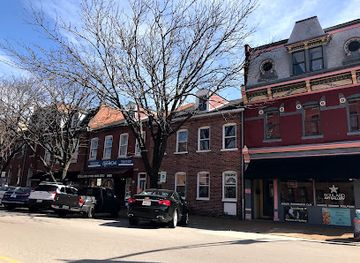
South of downtown St. Louis, Soulard is a compact historic neighbourhood of narrow streets, shaded pavements and tightly packed red-brick houses. Its name honours Antoine Soulard, a land surveyor whose early nineteenth-century property helped shape the area, while its architectural character reflects several later influences: French Creole traditions, German immigration, nineteenth-century urban growth and the practical density of a working river city. Federal, Greek Revival and Victorian details appear in rows of townhouses, corner buildings and residential streets, often with gated alleys and small front gardens.Read more about Soulard
Markets, Breweries and Community Life
Festivals and Evening Streets
Best attractions in Soulard
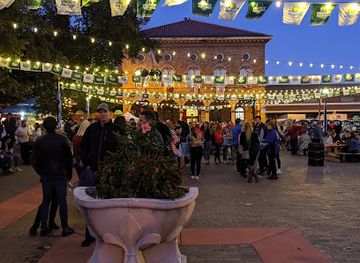
Soulard Market is the neighbourhood’s most characteristic daytime attraction, bringing together a long-standing public-market tradition, historic market architecture and stalls selling produce, meat, baked goods and prepared food. The Anheuser-Busch Brewery complex adds a substantial heritage and visitor presence, with historic brewing buildings and brewery tours subject to current arrangements. Visitors can also explore the streets around Russell Boulevard and South Ninth Street, where brick townhouses, corner businesses, decorative façades and gated alleys create an engaging self-guided walk. The Basilica of St. Vincent de Paul and St. Michael the Archangel Church provide important cultural and architectural stops, while the neighbourhood’s pubs, restaurants and live-music venues extend the experience into the evening. Soulard’s annual Mardi Gras celebrations are its largest organised attraction, although crowds, access and road arrangements differ markedly from an ordinary visit.
-
Escape room center
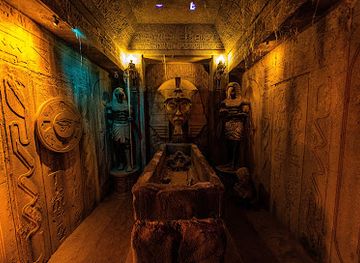
St Louis Escape
Experience the thrill of adventure and teamwork at St. Louis Escape, where every puzzle reveals a new layer of fun in the heart of Soulard.
3 min walk · 0.2 km from neighbourhood centre
-
Haunted house
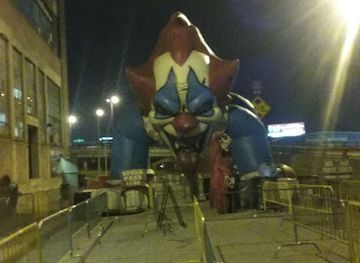
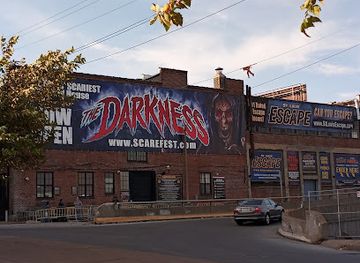
The Darkness Haunted House
Explore the spine-chilling thrills of The Darkness Haunted House in St. Louis, where immersive scares and stunning set designs await horror enthusiasts.
3 min walk · 0.2 km from neighbourhood centre
-
Art gallery
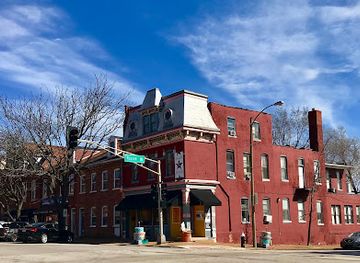
Soulard Art Gallery
Explore the heart of St. Louis' creative scene at Soulard Art Gallery, where local artistry thrives in a vibrant community atmosphere.
9 min walk · 0.8 km from neighbourhood centre
-
City park
Soulard Park
Experience the charm of Soulard Park, a city oasis in St. Louis offering beautiful landscapes, community events, and access to the historic Soulard Farmers Market.
2 min walk · 0.2 km from neighbourhood centre
Best landmarks in Soulard
Soulard Market is the neighbourhood’s central landmark, a substantial early twentieth-century market building that continues a public-market tradition associated with St. Louis’s French colonial past. The Anheuser-Busch Brewery complex is another defining presence, with historic red-brick industrial buildings that document the growth of one of the city’s most influential brewing enterprises. The Basilica of St. Vincent de Paul, begun in the 1840s, is notable for its imposing Catholic architecture and long connection with the local community. St. Michael the Archangel Church, founded in 1848 for German Catholics, records a different but equally important strand of Soulard’s nineteenth-century development. Beyond these major structures, the neighbourhood’s rows of brick houses, commercial corners, ironwork and alley gates form a collective historic landmark landscape rather than a single monument.
-
Escape room center
St Louis Escape
Immersive escape rooms, retro mini-golf, and vintage arcade games in St. Louis' historic Soulard neighborhood. An unforgettable adventure awaits!
3 min walk · 0.2 km from neighbourhood centre
-
Haunted house
The Darkness Haunted House
Experience heart-pounding terror at The Darkness Haunted House, St. Louis's legendary and longest-running haunted attraction!
3 min walk · 0.2 km from neighbourhood centre
-
Event venue
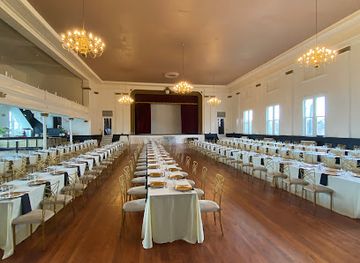
The Franklin of Soulard
A historic and elegant event venue in St. Louis' vibrant Soulard neighborhood, perfect for weddings, galas, and unforgettable celebrations.
7 min walk · 0.6 km from neighbourhood centre
-
Art gallery
Soulard Art Gallery
Discover local artistry in a historic setting at Soulard Art Gallery, showcasing diverse works by St. Louis artists in the heart of Soulard.
9 min walk · 0.8 km from neighbourhood centre
Explore Soulard on the map
A handpicked selection of must-see spots in Soulard, mapped for you.
Best hotels in Soulard
Best restaurants in Soulard
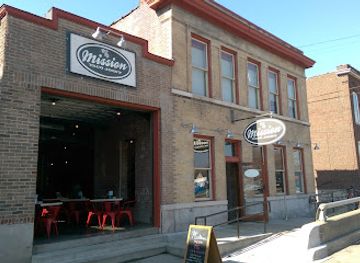
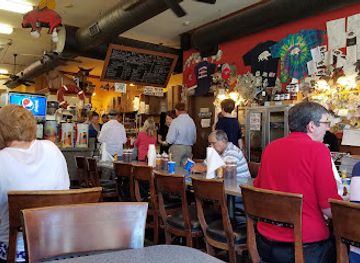
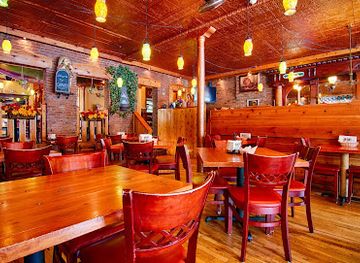
Soulard’s dining scene combines old St. Louis comfort food, barbecue, pub meals and contemporary independent restaurants in a setting shaped by the market and brewery traditions. Soulard Market is useful for casual browsing and prepared food, while Russell Boulevard and the blocks around South Ninth Street contain much of the neighbourhood’s restaurant and bar concentration. Established names such as Sidney Street Cafe, Bogart’s Smokehouse, Molly’s in Soulard and Hammerstone’s represent different sides of the local offer, from more formal dining to smoked meats and relaxed neighbourhood meals. Irish-inspired pub food and American beer-hall fare are especially visible, while nearby businesses add burgers, tacos, sandwiches and late-evening options. The area is well suited to combining a market visit with an informal meal, but individual venues may alter menus, hours or service arrangements.
-
Irish pub
John D. McGurk's Irish Pub and Garden
Discover John D. McGurk's Irish Pub & Garden - A vibrant blend of authentic Irish cuisine and lively ambiance in St. Louis' Soulard neighborhood.
10 min walk · 0.8 km from neighbourhood centre
-
Restaurant
Mission Taco Joint - Historic Soulard
Experience vibrant Mexican cuisine at Mission Taco Joint in Historic Soulard - where tradition meets innovation!
2 min walk · 0.2 km from neighbourhood centre
-
Barbecue
Bogart's Smokehouse
Experience authentic St. Louis barbecue at Bogart's Smokehouse, where every bite is infused with flavor and tradition.
2 min walk · 0.2 km from neighbourhood centre
-
Tex Mex
Chava's Mexican Restaurant
Experience the vibrant flavors of Tex-Mex at Chava's Mexican Restaurant in Soulard, St. Louis - where every bite tells a story.
6 min walk · 0.4 km from neighbourhood centre
Best bars in Soulard
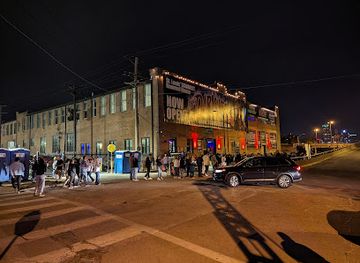
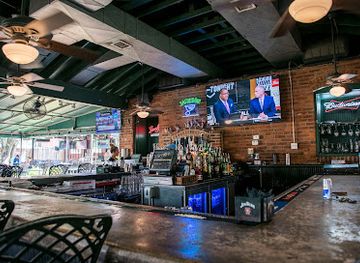
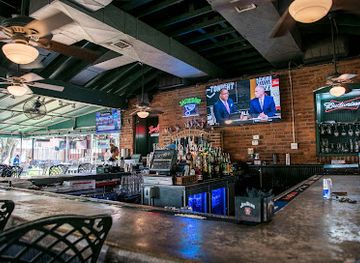
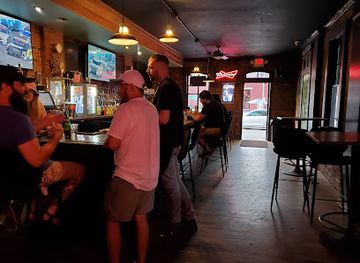
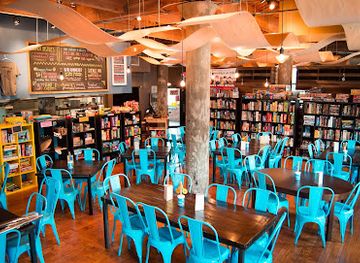
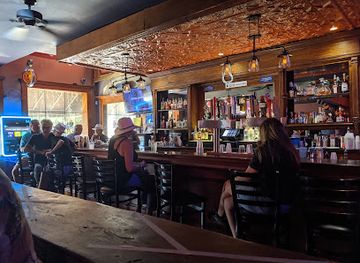
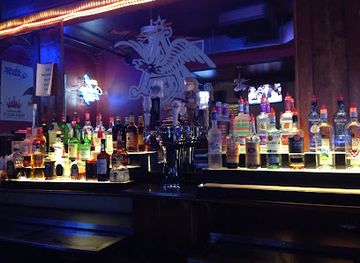
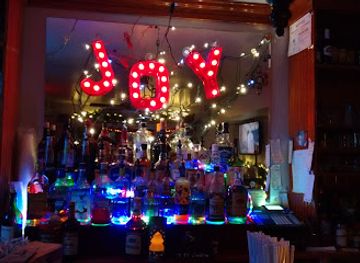
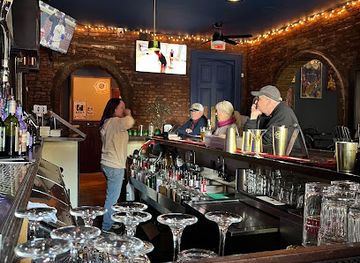
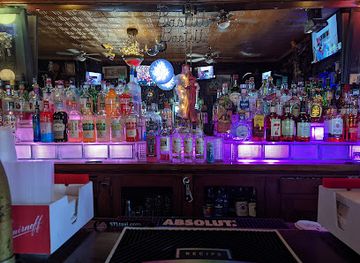
Soulard’s nightlife is centred more on pubs, restaurants, live music and sociable drinking than on a dense concentration of large nightclubs. Russell Boulevard and South Ninth Street are key evening corridors, with established venues including McGurk’s Irish Pub, Llywelyn’s Pub, Hammerstone’s and other bars serving the neighbourhood’s regular crowd. Music, sports broadcasts, dancing and seasonal events contribute to the atmosphere, particularly at weekends and during the Mardi Gras period. The Anheuser-Busch connection is also reflected in the area’s long-standing beer culture, though visitors should distinguish brewery heritage from the independently run bars nearby. Noise and foot traffic rise around popular venues, while surrounding residential streets remain quieter, so evening visitors should keep to public routes and respect homes after leaving the main entertainment blocks.
-
Irish pub
John D. McGurk's Irish Pub and Garden
Discover the heart of Irish culture at John D. McGurk's, a St. Louis gem featuring vibrant gardens, traditional cuisine, and lively entertainment.
10 min walk · 0.8 km from neighbourhood centre
-
Bar
Molly's In Soulard
Discover the lively atmosphere of Molly's In Soulard, a premier bar, restaurant, and event venue in the heart of St. Louis, perfect for all travelers.
6 min walk · 0.5 km from neighbourhood centre
-
Bar
Pieces Board Game Bar And Restaurant
Explore the ultimate board game experience at Pieces Board Game Bar and Restaurant in St. Louis, where great food meets fun gaming.
3 min walk · 0.2 km from neighbourhood centre
-
Bar
1860 Saloon, Game Room, & Hardshell Café
Discover the lively 1860 Saloon, Game Room, & Hardshell Café in St. Louis, where great food, drinks, and live music create unforgettable moments.
6 min walk · 0.4 km from neighbourhood centre
Best nightclubs in Soulard
Soulard’s nightlife is centred more on pubs, restaurants, live music and sociable drinking than on a dense concentration of large nightclubs. Russell Boulevard and South Ninth Street are key evening corridors, with established venues including McGurk’s Irish Pub, Llywelyn’s Pub, Hammerstone’s and other bars serving the neighbourhood’s regular crowd. Music, sports broadcasts, dancing and seasonal events contribute to the atmosphere, particularly at weekends and during the Mardi Gras period. The Anheuser-Busch connection is also reflected in the area’s long-standing beer culture, though visitors should distinguish brewery heritage from the independently run bars nearby. Noise and foot traffic rise around popular venues, while surrounding residential streets remain quieter, so evening visitors should keep to public routes and respect homes after leaving the main entertainment blocks.
-
Sports bar
Carson's Sports Bar & Restaurant
Discover Carson's Sports Bar & Restaurant in Soulard, St. Louis – where sports, karaoke, and delicious bites come together in a lively atmosphere.
3 min walk · 0.2 km from neighbourhood centre
-
Bar
Historic Crossroads
Experience the vibrant nightlife and live music at Historic Crossroads, a bar in Soulard, St. Louis, where local culture thrives.
10 min walk · 0.8 km from neighbourhood centre
-
Bar
The Hi-Hat
Discover The Hi-Hat: A charming bar in Soulard, St. Louis, famous for its unique ambiance and diverse drink selection, perfect for nightlife enthusiasts.
8 min walk · 0.7 km from neighbourhood centre
-
Gay bar
Bastille
Dive into the lively atmosphere at Bastille, St. Louis' premier gay bar, where fun, drinks, and community come together for an unforgettable night.
9 min walk · 0.7 km from neighbourhood centre
Best shops in Soulard
Shopping in Soulard is anchored by Soulard Market, where visitors can browse food stalls and buy produce, meat, baked goods and other everyday provisions in a historic market setting. The surrounding streets offer a smaller-scale mix of independent businesses, antiques, vintage goods, gifts, clothing and specialist food shopping rather than a conventional enclosed retail centre. South Broadway and the blocks near Russell Boulevard are useful areas for browsing, although the retail scene shares space with restaurants, pubs and residential properties. The neighbourhood’s most distinctive purchases are generally edible or characterful rather than luxury-oriented: market ingredients, local provisions, beer-related gifts and finds from independent shops. Stock and individual businesses change, so the strongest reason to shop locally is the combination of market atmosphere, historic surroundings and small-scale retail rather than guaranteed access to particular products.
-
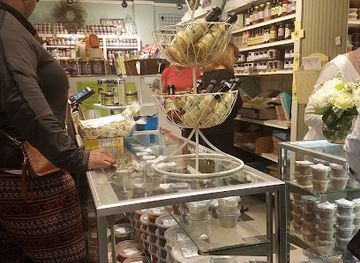
Spice store
Soulard Spice Shop
Discover a world of flavor at Soulard Spice Shop, St. Louis' premier destination for spices, herbs, and gourmet ingredients.
3 min walk · 0.2 km from neighbourhood centre
-
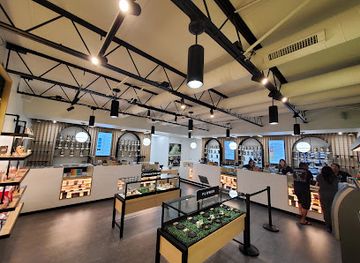
Cannabis store
Kind Goods Recreational Dispensary - Soulard
Experience the best of cannabis culture at Kind Goods Recreational Dispensary in Soulard, St. Louis, with quality products and expert staff.
5 min walk · 0.4 km from neighbourhood centre
-
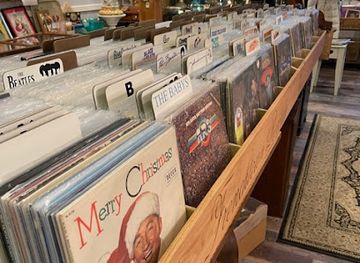
Store
Frenchtown Records, Antiques & More
Discover a unique blend of vintage records and eclectic antiques at Frenchtown Records, Antiques & More in St. Louis, an unmissable spot for treasure hunters.
3 min walk · 0.3 km from neighbourhood centre
-
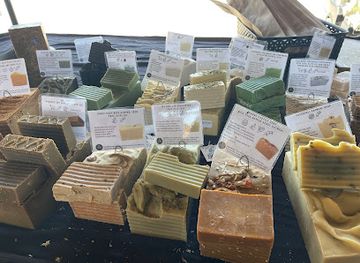
Natural goods store
The Sudsy Soapery Natural Products St. Louis Handcrafted Wholesale Soap
Experience the charm of handcrafted natural soaps and health products at The Sudsy Soapery in St. Louis, where wellness meets artistry.
3 min walk · 0.2 km from neighbourhood centre
Soulard essentials
Getting There
Getting Around
Safety
Emergency Situations
Do's and Don'ts
Local Tips

From Eve
Local phrases worth knowing
You don't need to get them perfect. A few words go a long way, and locals appreciate the effort.
Basics
| English | Local | Say it |
|---|---|---|
| Hello | Howdy | [haw-dee] |
| Goodbye | See ya later | [see yah lay-ter] |
| Yes | Yep | [yep] |
| No | Nah | [nah] |
| Please/You're welcome | Please/No problem | [pleez/no prob-lem] |
| Thank you | Thanks | [thanks] |
| Excuse me/Sorry | Pardon me/My bad | [par-dun me/my bad] |
| How are you? | How ya doin'? | [how yah doin'] |
| Fine. And you? | Good. How 'bout you? | [good. how 'bout yah] |
| Do you speak English? | Ya speak English? | [yah speak ing-glish] |
| I don't understand | I ain't gettin' ya | [I ain't get-tin' yah] |
Eating & Drinking
| English | Local | Say it |
|---|---|---|
| I'd like to see the menu, please | Can I check out the menu? | [can I chek out the menu] |
| I don't eat meat | I don't eat no meat | [I don't eat no meat] |
| Cheers! | Bottoms up! | [bot-toms up] |
| I would like to pay, please | I'll settle up, thanks | [I'll set-tle up, thanks] |
Emergencies
| English | Local | Say it |
|---|---|---|
| Help! | I need a hand! | [I need a hand] |
| Go away! | Get lost! | [get lost] |
| Call the Police! | Ring the cops! | [ring the cops] |
| Call a doctor! | Get a doc! | [get a doc] |
| I'm lost | I'm all turned around | [I'm all turned around] |
| I'm ill | I'm feelin' under the weather | [I'm feelin' under the weather] |
Shopping
| English | Local | Say it |
|---|---|---|
| I'd like to buy... | I wanna pick up... | [I wanna pick up] |
| I'm just looking | Just browsin' | [just brows-in'] |
| How much is it? | What's the damage? | [what's the dam-age] |
| That's too expensive | That's a bit steep | [that's a bit steep] |
| Can you lower the price? | Can ya knock somethin' off? | [can yah knock sum-thin' off] |
Time & Numbers
| English | Local | Say it |
|---|---|---|
| What time is it? | What's the time? | [what's the time] |
| It's one o'clock | It's one | [it's one] |
| Half past (10) | Half ten | [half ten] |
| Morning | Mornin' | [mornin'] |
| Afternoon | Afternoon | [afternoon] |
| Evening | Evenin' | [evenin'] |
| Yesterday | Yesterdee | [yes-ter-dee] |
| Today | Today | [to-day] |
| Tomorrow | Tomorra | [tom-or-ra] |
| 1 | One | [wun] |
| 2 | Two | [too] |
| 3 | Three | [three] |
| 4 | Four | [four] |
| 5 | Five | [five] |
| 6 | Six | [six] |
| 7 | Seven | [seven] |
| 8 | Eight | [eight] |
| 9 | Nine | [nine] |
| 10 | Ten | [ten] |
Transport & Directions
| English | Local | Say it |
|---|---|---|
| Where's a/the...? | Where's the... | [where's the] |
| What's the address? | What's the addy? | [what's the addy] |
| Can you show me (on the map)? | Can ya point it out (on the map)? | [can yah point it out (on the map)] |
| When's the next (bus)? | When's the next (bus)? | [when's the next] |
| A ticket (to ....) | A ticket (to ....) | [a ticket (to)] |
History of Soulard
French Landholding and Early Settlement
Soulard developed on land connected with the French and Spanish colonial settlement of St. Louis rather than as a planned nineteenth-century suburb. Antoine Soulard, a surveyor associated with Spanish Upper Louisiana, held property in the area in the late eighteenth and early nineteenth centuries, and the neighbourhood eventually took his name. Early land use combined agricultural plots, scattered dwellings and access to the river-oriented town to the north. The area’s position south of the original settlement allowed it to retain a distinct identity while becoming increasingly tied to St. Louis’s expanding residential and commercial economy.
Urban Growth in the Nineteenth Century
During the nineteenth century, Soulard changed from a semi-rural edge into a dense city neighbourhood. Streets were laid out and built up with brick houses, corner shops, churches and small businesses, while the district attracted both established French Creole families and newcomers connected with St. Louis’s trade and manufacturing economy. Its architecture records this transition: row houses and compact townhouses made efficient use of narrow lots, while Federal, Greek Revival and later Victorian details expressed changing tastes. The growing market tradition also gave residents a practical commercial centre close to home.
Churches and German Community Life
Religious institutions helped anchor Soulard as immigration reshaped St. Louis in the mid-nineteenth century. The Basilica of St. Vincent de Paul, begun in the 1840s, served the area’s Catholic population, while St. Michael the Archangel Church, founded in 1848 for German Catholics, reflected the arrival and consolidation of German-speaking residents. Their substantial masonry buildings, schools and parish networks contributed to the neighbourhood’s social stability and architectural identity. The coexistence of French foundations and German institutions illustrates the layered character of nineteenth-century Soulard rather than a single, unchanging cultural origin.
Brewing and the Anheuser-Busch Era
Brewing became increasingly important to Soulard after Eberhard Anheuser acquired a struggling brewery on Pestalozzi Street in 1860 and his son-in-law Adolphus Busch joined the enterprise. The Anheuser-Busch company expanded through the late nineteenth and early twentieth centuries, creating a large industrial complex whose brick buildings, production facilities and employment shaped the surrounding neighbourhood. Brewing brought working families and commercial activity to the district while linking its local economy to St. Louis’s national reputation as a beer-producing city. The surviving complex remains one of Soulard’s defining historical presences.
The Market and Historic Preservation
Soulard’s public-market tradition continued as the surrounding city grew, and the present Soulard Market building opened in 1920. Its market halls preserved a place for everyday trade while nearby residential streets retained much of their nineteenth-century form. In the twentieth century, changes in industry, population and urban development affected many older St. Louis districts, but Soulard’s cohesive brick architecture encouraged preservation and rehabilitation. Historic homes, churches, breweries and commercial buildings were increasingly valued as an interconnected neighbourhood landscape, helping establish the area’s present identity as both a residential district and a destination for food, heritage and festivals.
Soulard in Photos
Browse through our photo collection highlighting the charm and character of the destination.
Neighbourhoods near Soulard
The closest neighbourhoods to Soulard, if you have time for more than one stop.
-

-

-

-

-


Swipe for more neighbourhoods
Explore more

Explore more of St. Louis
St. Louis blends Gateway Arch views, blues and barbecue, grand museums, historic neighbourhoods and Mississippi River heritage for memorable Missouri city breaks.
Explore St. Louis