

Free Souss-Massa Travel Guide & Mobile App
Explore Souss-Massa with free travel guides. Discover regional history, expert tips, proposed trips, and audio guides on web or mobile app.


Explore Souss-Massa from Agadir's Atlantic coast to argan forests, historic ramparts, Amazigh mountain towns and the Anti-Atlas.
Read more about Souss-Massa
When is the best time to visit Souss-Massa?
Best: April–May, October · 24–27°C| Month | High (°C) | Rainfall (mm) |
|---|---|---|
| January | 20 | 25 |
| February | 21 | 20 |
| March | 23 | 15 |
| April (best) | 24 | 10 |
| May (best) | 27 | 5 |
| June | 31 | 3 |
| July | 33 | 1 |
| August | 33 | 1 |
| September | 31 | 3 |
| October (best) | 27 | 10 |
| November | 23 | 15 |
| December | 21 | 20 |
Getting to and around Souss-Massa
How to get there
Transportation
Top city travel guides in Souss-Massa
The cities of Souss-Massa, and the easiest places to base yourself.
-

-

-

-


Swipe for more cities
Destinations in Souss-Massa
Resorts, valleys and scenic spots worth a trip of their own.
-

-
-

-

-

-


Swipe for more destinations
Best attractions in Souss-Massa
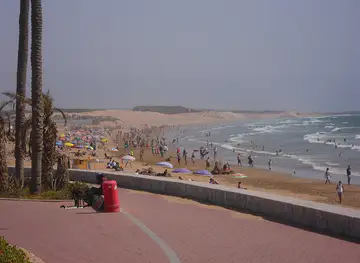
Souss-Massa offers a broad range of experiences, beginning with Agadir's seafront, rebuilt urban districts, museums and hilltop kasbah ruins. The Souss-Massa National Park is the region's principal nature destination, combining estuaries, dunes, coastal habitats and birdwatching opportunities, including protected areas associated with the northern bald ibis. The park is best approached with current local guidance because access is regulated in some locations. Inland, Taroudant's markets and ramparts provide a historic counterpoint to Agadir, while Tiznit combines old walls, souks and silver workshops. The agricultural plains around the two towns reveal the importance of citrus, argan and other cultivation. In the Anti-Atlas, Tafraoute is a base for walks, granite landscapes and the Aït Mansour gorges, while Tata and surrounding oasis settlements offer a drier environment, ksour and prehistoric rock-art sites. Beaches, bird habitats, mountain roads, palm-filled valleys and cultural museums give the region a more varied attraction landscape than its reputation as a coastal holiday area suggests.
-
Historical landmark
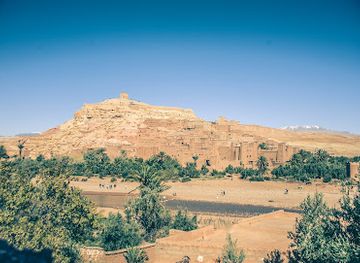
Ksar Ait Ben Haddou
Explore Ksar Ait Ben Haddou, a UNESCO World Heritage site in Morocco, known for its stunning architecture and rich cultural history.
-
Cultural center
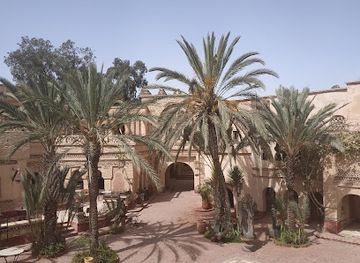
Agadir Medina
Explore the vibrant Agadir Medina, a cultural center brimming with Moroccan heritage, stunning architecture, and delectable cuisine.
-
Zoo
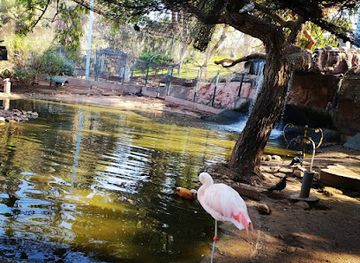
Agadir Birds Valley
Explore the enchanting Agadir Birds Valley, a vibrant zoo showcasing exotic birds and lush gardens in the heart of Agadir, Morocco.
-
Mountain cable car
Station Téléphérique - Cable Car Station
Experience the breathtaking views of Agadir from Station Téléphérique, a stunning cable car ride that showcases the beauty of Morocco's mountains and coastline.
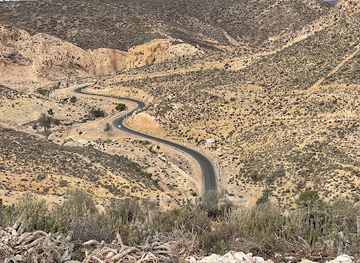
Best landmarks in Souss-Massa
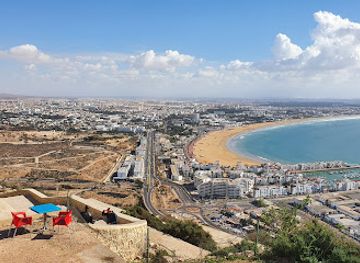
Agadir Oufella, the hilltop site of the old kasbah, is the region's most recognisable historic landmark, overlooking the rebuilt city, port and Atlantic coast. Its surviving walls and inscriptions are especially significant because the 1960 earthquake transformed Agadir and erased much of the historic urban fabric below. Taroudant's ochre defensive walls remain an imposing expression of the city's history as a southern market and political centre; their gates and surrounding streets frame the old town without reducing it to a museum piece. Tiznit's long ramparts give the town a distinct visual identity and enclose a medina associated with craft and commerce. In the Anti-Atlas, the granite formations around Tafraoute and the palm-lined Aït Mansour gorges are natural landmarks shaped by geology, water and settlement. Further east, oasis landscapes and fortified earthen communities around Tata demonstrate how architecture adapted to arid conditions, while the estuaries and coastal wetlands of the Souss-Massa area form landmarks of ecological rather than monumental importance.
-
Market
Souk El Had
Discover the vibrant culture and authentic crafts of Morocco at Souk El Had in Agadir, a must-visit market for every traveler.
-
Historical landmark
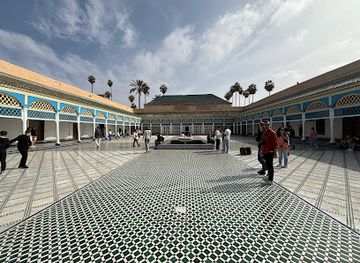
Bahia Palace
Discover the breathtaking beauty and rich history of Bahia Palace, a must-visit historical landmark in the heart of Marrakesh, Morocco.
-
Historical landmark
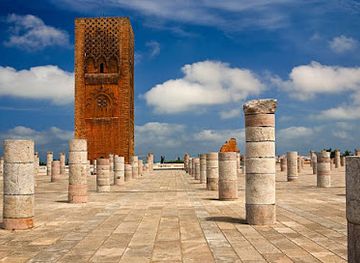
Hassan Tower
Explore the rich history and stunning architecture of Hassan Tower, a must-visit landmark in Rabat, Morocco, showcasing the grandeur of its past.
-
Tourist attraction
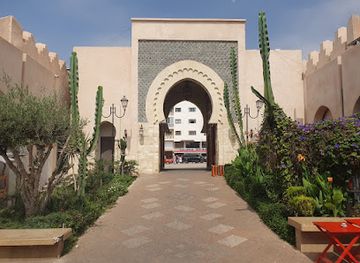
Agadir Oufella
Discover the breathtaking views and rich history of Agadir Oufella, a cultural landmark that overlooks the vibrant coastal city of Agadir.
Explore Souss-Massa on the map
Plan your trip on one map. See where the top cities, national parks and sights are, and book hotels and experiences in a few clicks.
Best hotels in Souss-Massa
Best restaurants in Souss-Massa
Dining in Souss-Massa draws on the produce of the Souss Valley, the Atlantic coast and the Anti-Atlas. Agadir has the widest choice, from seafood restaurants near the port and beachfront to Moroccan cafés, international dining and hotel restaurants. Grilled fish, sardines, salads, tagines and couscous are common, while inland menus make more use of seasonal vegetables, lamb, dates and almonds. Argan oil is a defining regional ingredient, served with bread or incorporated into dishes, and amlou combines roasted almonds, argan oil and honey or another sweetener for a rich breakfast spread. Cooperatives sell edible oil and related products, although cosmetic argan oil should not be confused with culinary oil. The Taroudant area is associated with saffron production, and the wider region is known for citrus, prickly pears and other farm produce. In Tafraoute and Tata, simple cafés and family-run establishments are usually more useful than formal dining, so meal times and choices may be limited outside larger towns.
-
Restaurant
Restaurant Le Petit Pêcheur - Imi Ouaddar
Experience exquisite seafood and traditional Moroccan cuisine at Restaurant Le Petit Pêcheur in Imi Ouaddar.
-
Restaurant
Restaurant Le Nil Bleu
Experience the perfect blend of Moroccan and international cuisine at Restaurant Le Nil Bleu in Agadir's vibrant tourist sector.
-
Restaurant
Ô Playa
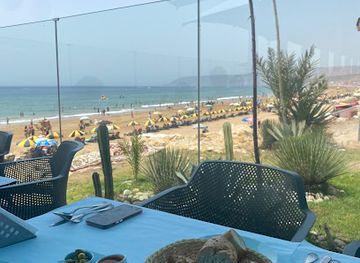
Experience exquisite Moroccan and international cuisine with stunning ocean views at Ô Playa in Agadir.
-
Restaurant
Pure Passion
Discover culinary excellence at Pure Passion in Agadir – where Moroccan flavors meet international flair for an unforgettable dining experience.

Best bars in Souss-Massa
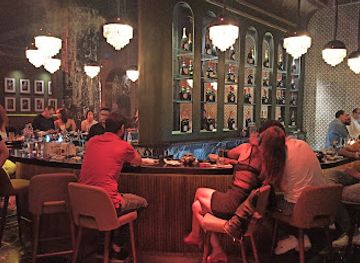
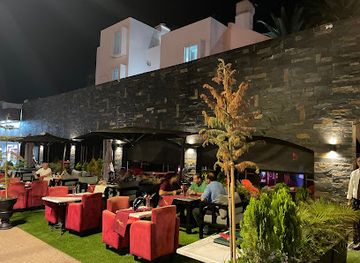
Agadir contains the region's most developed evening scene, centred on hotel areas, the seafront and the modern city, with restaurants, lounges, live music and a limited selection of clubs whose operation can change. Visitors seeking a quieter evening can choose cafés, rooftop settings or established hotel bars, while nightlife outside Agadir is generally based on restaurants, tea houses and traditional cafés rather than late-night venues. Taroudant and Tiznit have sociable evening activity around central streets and squares, but their character is more local and relaxed. In Tafraoute, Tata and smaller Anti-Atlas settlements, evenings often finish early and accommodation may be the main place to dine or gather. Alcohol is available in licensed venues, principally in larger tourist establishments, but it is not central to regional social life; visitors should observe local laws and dress and behave discreetly away from resort settings.
-
Bar
Zanzibar Lounge
Discover the vibrant nightlife and delicious cuisine at Zanzibar Lounge in Agadir, a perfect blend of relaxation and entertainment.
-
Bar
Pirate Pub Restaurant Lounge
Discover the vibrant atmosphere of Pirate Pub Restaurant Lounge in Agadir, where delicious cuisine meets a lively nautical theme for an unforgettable dining experience.
-
Bar
Le Fouquet's
Discover the vibrant flavors of Morocco and beyond at Le Fouquet's, Agadir's premier bar and restaurant with a welcoming atmosphere.
-
Bar
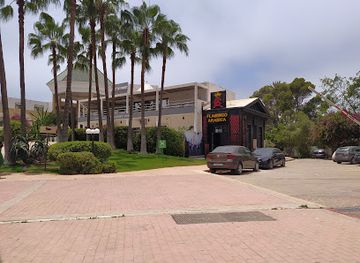
Flamingo Night Club
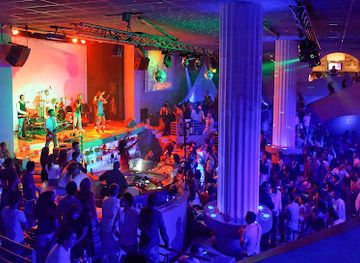
Discover the heart of Agadir's nightlife at Flamingo Night Club, where music, dancing, and unforgettable memories await.
Best nightclubs in Souss-Massa
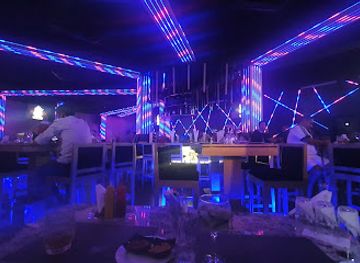
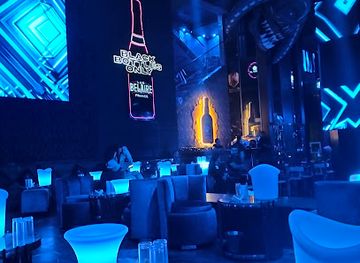
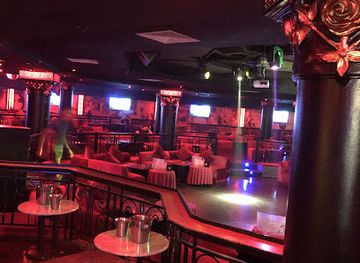
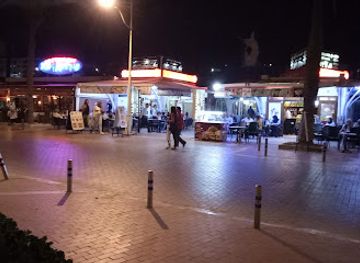
Agadir contains the region's most developed evening scene, centred on hotel areas, the seafront and the modern city, with restaurants, lounges, live music and a limited selection of clubs whose operation can change. Visitors seeking a quieter evening can choose cafés, rooftop settings or established hotel bars, while nightlife outside Agadir is generally based on restaurants, tea houses and traditional cafés rather than late-night venues. Taroudant and Tiznit have sociable evening activity around central streets and squares, but their character is more local and relaxed. In Tafraoute, Tata and smaller Anti-Atlas settlements, evenings often finish early and accommodation may be the main place to dine or gather. Alcohol is available in licensed venues, principally in larger tourist establishments, but it is not central to regional social life; visitors should observe local laws and dress and behave discreetly away from resort settings.
-
Disco club
Naya Club Agadir
Unleash your inner party spirit at Naya Club Agadir, where unforgettable nights and vibrant music await in the heart of Agadir's nightlife.
-
Disco club
So Lounge Agadir
Experience the vibrant nightlife of Agadir at So Lounge, where music and elegance come together for an unforgettable evening.
-
Bar
Flamingo Night Club
Discover the vibrant nightlife at Flamingo Night Club in Agadir, where unforgettable music, lively dancing, and a friendly atmosphere await.
-
Night club
rotana night club
Immerse yourself in the vibrant nightlife of Agadir at Rotana Night Club, where electrifying music and an inviting atmosphere await you.
Best shops in Souss-Massa
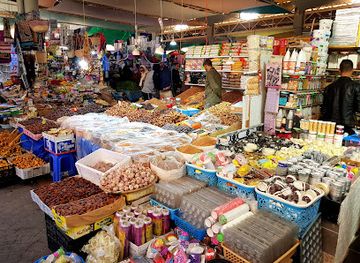
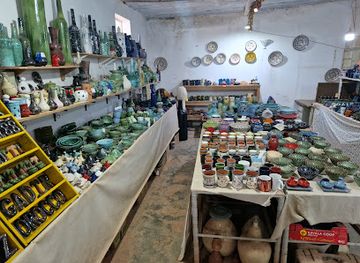
Agadir offers the region's broadest retail selection, including modern commercial areas, supermarkets, craft shops and souks selling Moroccan clothing, leather goods, ceramics, spices and decorative objects. Taroudant is particularly suited to browsing a traditional market environment, with produce, woven goods, leatherwork and household items mixed with everyday local commerce. Tiznit is widely associated with silver jewellery, and its souk is a useful place to compare styles and workmanship, though buyers should ask about materials and prices before committing. Across the region, reputable argan cooperatives sell culinary oil, cosmetics and amlou, while markets may offer almonds, dates, saffron from the Taroudant area, honey and seasonal fruit. Tafraoute and the Anti-Atlas have small craft and food shops rather than large retail districts, with locally made products varying between communities. Bargaining may be appropriate in souks, but fixed-price cooperatives and established shops can make quality and provenance easier to assess.
-
Market
Souk El Had
Experience the cultural heartbeat of Agadir at Souk El Had, a vibrant market filled with local crafts, delicious cuisine, and a lively atmosphere.
-
Market
Kasbat Souss
Explore Kasbat Souss Market in Agadir – A vibrant hub of local culture, crafts, and delicious Moroccan cuisine.
-
Electronics store
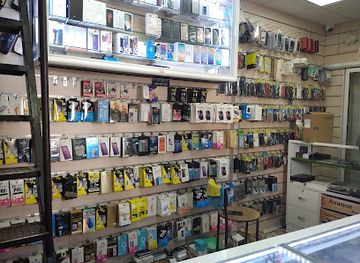
Shopagadir
Discover the latest electronics and gadgets at Shopagadir, Agadir's leading electronics store, where quality meets exceptional service.
-
Jewelry store
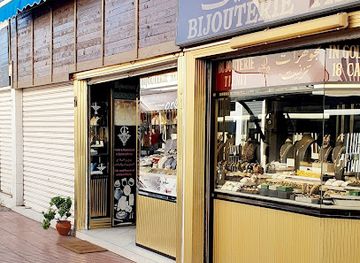
Bijouterie Tiznit _haute joaillerie_
Discover the exquisite craftsmanship of Bijouterie Tiznit in Agadir, where traditional Moroccan jewelry shines with elegance and style.
Get your free copy of our complete guide to Souss-Massa, delivered straight to you.
Everything on this page, from attractions and restaurants to essentials and local phrases, in one PDF you can read offline, print or share.
Already have an account? Sign in
Your Souss-Massa guide is ready.
We'll send it to · Not you? Sign out

Getting your guide ready…
We are putting together a fresh copy of the Souss-Massa guide. This can take up to a minute.
This can take a few moments. If your browser asks, choose Allow so the download can start. You'll find the guide in your Downloads folder.
Nothing happened? Download it again
Sorry, the guide is taking longer than usual. Please try again in a minute, or get it by email instead.
Souss-Massa essentials
Currency and Payment
Safety
Emergency Situations
Do's and Don'ts
Local Tips
From Eve
Local phrases worth knowing
You don't need to get them perfect. A few words go a long way, and locals appreciate the effort.
Basics
| English | Local | Say it |
|---|---|---|
| Hello | سلام | [Salam] |
| Goodbye | مع السلامة | [Ma'a as-salama] |
| Yes | نعم | [Na'am] |
| No | لا | [La] |
| Please/You're welcome | من فضلك | [Min fadlik] |
| Thank you | شكرا | [Shukran] |
| Excuse me/Sorry | عفوا | [Afwan] |
| How are you? | كيف حالك؟ | [Kayfa halak?] |
| Fine. And you? | بخير. وأنت؟ | [Bikhayr. Wa anta?] |
| Do you speak English? | هل تتحدث الإنجليزية؟ | [Hal tatahadath al-ingliziyya?] |
| I don't understand | لا أفهم | [La afham] |
Eating & Drinking
| English | Local | Say it |
|---|---|---|
| I'd like to see the menu, please | أود رؤية القائمة، من فضلك | [Awad ru'yat al-qa'ima, min fadlik] |
| I don't eat meat | لا آكل اللحم | [La akul al-lahm] |
| Cheers! | في صحتك! | [Fi sihatak!] |
| I would like to pay, please | أود الدفع، من فضلك | [Awad ad-daf', min fadlik] |
Emergencies
| English | Local | Say it |
|---|---|---|
| Help! | نجدة! | [Najda!] |
| Go away! | ابتعد! | [Ibt'ad!] |
| Call the Police! | اتصل بالشرطة! | [Ittasil bil-shurta!] |
| Call a doctor! | اتصل بالطبيب! | [Ittasil bil-tabib!] |
| I'm lost | أنا ضائع | [Ana dai'] |
| I'm ill | أنا مريض | [Ana marid] |
Shopping
| English | Local | Say it |
|---|---|---|
| I'd like to buy... | أود شراء... | [Awad shira...] |
| I'm just looking | أنا فقط أنظر | [Ana faqat anzur] |
| How much is it? | كم ثمنه؟ | [Kam thamanuh?] |
| That's too expensive | هذا مكلف جدا | [Hatha mukallif jidan] |
| Can you lower the price? | هل يمكنك تخفيض السعر؟ | [Hal yumkinuka takhfid as-si'r?] |
Time & Numbers
| English | Local | Say it |
|---|---|---|
| What time is it? | كم الساعة؟ | [Kam as-saa'a?] |
| It's one o'clock | الساعة واحدة | [As-saa'a wahida] |
| Half past (10) | العشرة والنصف | [Al-'ashara wa an-nisf] |
| Morning | صباح | [Sabah] |
| Afternoon | بعد الظهر | [Ba'd az-zuhur] |
| Evening | مساء | [Masa'] |
| Yesterday | أمس | [Ams] |
| Today | اليوم | [Al-yawm] |
| Tomorrow | غدا | [Ghadan] |
| 1 | ١ | [Wahid] |
| 2 | ٢ | [Ithnayn] |
| 3 | ٣ | [Thalatha] |
| 4 | ٤ | [Arba'a] |
| 5 | ٥ | [Khamsa] |
| 6 | ٦ | [Sitta] |
| 7 | ٧ | [Sab'a] |
| 8 | ٨ | [Thamaniya] |
| 9 | ٩ | [Tis'a] |
| 10 | ١٠ | [Ashara] |
Transport & Directions
| English | Local | Say it |
|---|---|---|
| Where's a/the...? | أين الـ...؟ | [Ayn al...?] |
| What's the address? | ما هو العنوان؟ | [Ma huwa al-'unwan?] |
| Can you show me (on the map)? | هل يمكنك إظهار لي (على الخريطة)؟ | [Hal yumkinuka izhar li (ala al-kharita)?] |
| When's the next (bus)? | متى سيكون الباص التالي؟ | [Mata sayakoon al-bas al-tali?] |
| A ticket (to ....) | تذكرة (إلى ....) | [Tadhkara (ila ....)] |
History of Souss-Massa
Prehistoric rock art and early settlement
The valleys and plateaux of southern Souss-Massa preserve evidence of long-standing human occupation, including rock engravings and paintings in parts of the Anti-Atlas and Tata region. These images depict animals, weapons and symbolic forms that reflect changing environments and communities over many centuries. Archaeological interpretation varies by site, and some locations are remote or locally protected rather than developed as formal attractions. Together, the evidence shows that the region was not an empty desert before the rise of historic states: pastoralists, farmers and traders used its springs, oases and mountain corridors well before the medieval period.
Caravan routes and medieval dynasties
The Souss Valley and Anti-Atlas formed part of a network connecting Atlantic ports and agricultural centres with the Sahara and the western Sudan. Medieval dynasties, including the Almoravids and Almohads, exerted influence over these routes and over important settlements in southern Morocco. Trade in metals, leather, agricultural produce and other goods helped sustain market towns and fortified communities. The region's kasbahs, walled settlements and surviving route corridors reflect the need to protect people and commodities across a landscape where political authority was often negotiated through local tribal and religious institutions.
Agadir, Atlantic trade and European rivalry
Agadir became an important Atlantic harbour during the early modern period, known to European powers as Santa Cruz do Cabo de Aguer. Portuguese forces occupied the port in the sixteenth century before being defeated by Saadian forces in 1541. Under the Saadians, Agadir's commercial importance grew through links with the trans-Saharan trade and the export of goods from the Souss. The episode illustrates the strategic value of the southern Atlantic coast and the continuing importance of the region's hinterland, rather than presenting Agadir simply as a modern seaside resort.
Sultanate, colonial rule and changing administration
During the nineteenth and early twentieth centuries, the Souss remained an important agricultural and trading region, but authority was contested between the Moroccan sultanate, local communities and European powers. France established a protectorate over most of Morocco in 1912, while southern areas experienced military campaigns and gradual administrative incorporation. Roads, administrative centres and commercial agriculture altered patterns of movement, although local social structures and Amazigh cultural life remained influential. Independence in 1956 brought the region into the institutions of the modern Moroccan state and accelerated investment in transport, irrigation and urban services.
The 1960 Agadir earthquake
On 29 February 1960, a devastating earthquake destroyed much of Agadir and killed thousands of people. The old city, including the historic settlement below the kasbah, was largely lost, and the town was rebuilt on a new plan farther south and on safer ground. Modern Agadir's wide avenues, planned neighbourhoods and contemporary architecture are inseparable from this reconstruction. The kasbah ruins on Agadir Oufella and the memorials to the disaster provide a connection with the pre-earthquake city, while the rebuilt urban form helped establish Agadir as a major Moroccan tourism and commercial centre.
Argan landscapes and regional economic change
Argan trees have long supported farming and pastoral communities across the Souss and adjacent foothills, providing oil, fodder and a valuable adaptation to dry conditions. In recent decades, cooperatives and improved processing have made argan oil a prominent regional product, while concerns about water use, land pressure and climate change have increased attention to the conservation of argan forests. Modern Souss-Massa also combines irrigated agriculture, fishing, tourism and expanding cities. This mixture of traditional resource use and contemporary development shapes the region's economy and its environmental challenges.
Souss-Massa in Photos
Browse through our photo collection highlighting the charm and character of the destination.
Neighbouring regions of Souss-Massa
The closest regions to Souss-Massa, if you have time for more than one.
-

-

-

-

-


Swipe for more regions
Explore more

Explore more of Morocco
Discover Morocco: A land of rich history, vibrant culture, and stunning landscapes, where ancient traditions meet modern allure.
Explore Morocco