

Free Saharan Morocco Travel Guide & Mobile App
Explore Saharan Morocco with free travel guides. Discover regional history, expert tips, proposed trips, and audio guides on web or mobile app.


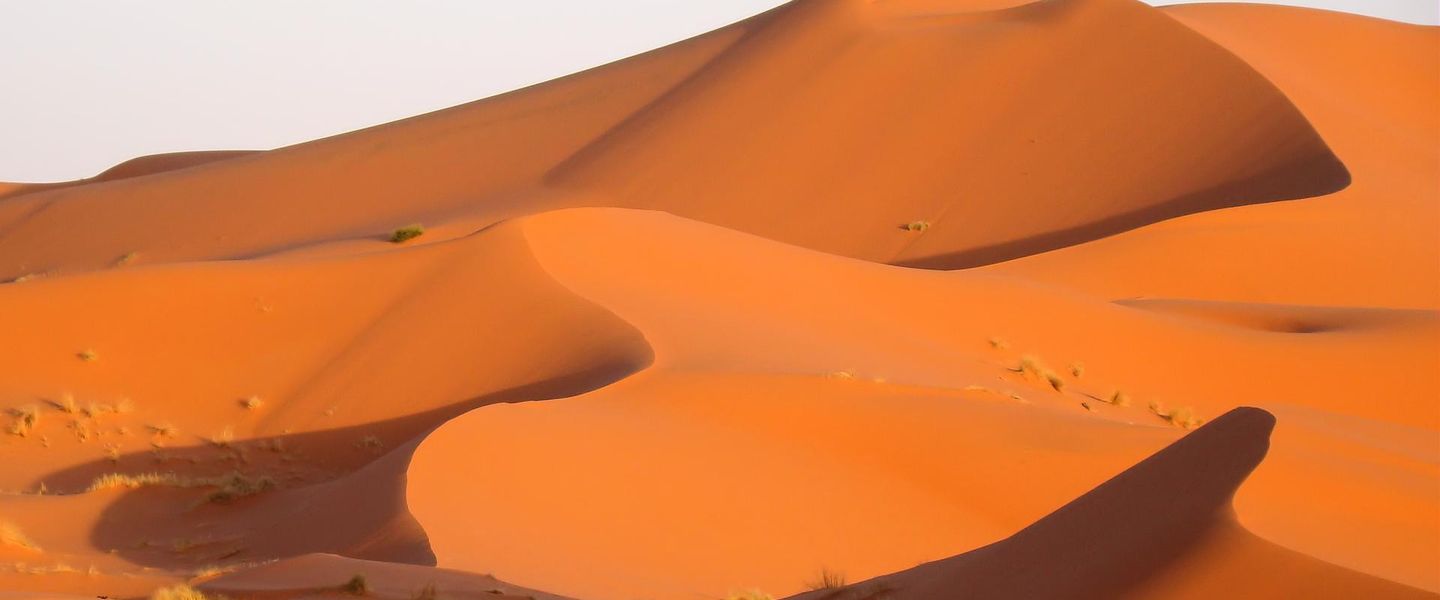


Explore Saharan Morocco through kasbahs, palm oases, caravan towns, Atlantic desert landscapes and guided journeys across the dunes.
Read more about Saharan Morocco
When is the best time to visit Saharan Morocco?
Best: February–March, November · 22–25°C| Month | High (°C) | Rainfall (mm) |
|---|---|---|
| January | 20 | 1 |
| February (best) | 22 | 1 |
| March (best) | 25 | 1 |
| April | 29 | 1 |
| May | 33 | 0 |
| June | 36 | 0 |
| July | 40 | 0 |
| August | 39 | 0 |
| September | 36 | 0 |
| October | 30 | 1 |
| November (best) | 24 | 1 |
| December | 21 | 1 |
Getting to and around Saharan Morocco
How to get there
Transportation
Top city travel guides in Saharan Morocco
The cities of Saharan Morocco, and the easiest places to base yourself.
-

-

-


Swipe for more cities
Destinations in Saharan Morocco
Resorts, valleys and scenic spots worth a trip of their own.
-

-

-

-

-

-


Swipe for more destinations
Best attractions in Saharan Morocco
Saharan Morocco’s attractions are defined by changing terrain and the cultural systems that make life possible in it. The dune fields of Erg Chebbi near Merzouga are the best-known setting for camel excursions, guided walks and night-sky experiences, while the more remote Erg Chigaga near M’Hamid offers a longer overland approach across desert tracks. The Drâa and Ziz valleys provide a contrasting landscape of palms, fields, mud-brick villages and historic ksour, where irrigation and settlement patterns are as important as the scenery. Around Erfoud and the eastern desert, fossil-rich geological landscapes support local workshops and museums, though visitors should buy responsibly rather than collect specimens. Oases, kasbahs and market towns offer insight into architecture, agriculture and caravan history. Farther south, the Atlantic-facing provinces around Laayoune and Dakhla combine open desert with beaches, lagoons, fishing communities and wind-shaped coastal terrain. These areas require more careful logistical planning and should not be folded casually into a short Merzouga itinerary. Across the region, the strongest experiences are often guided and interpretive: walking through a palm grove, learning how a khettara or irrigation channel works, listening to local music, or travelling between settlements with an understanding of the desert’s environmental limits.
-
Tourist attraction
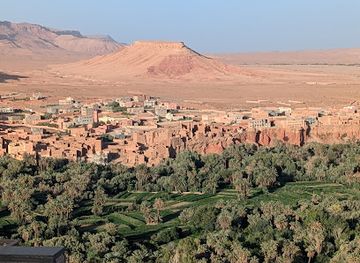
Todgha Gorge
Explore the breathtaking Todgha Gorge in Morocco, an awe-inspiring natural wonder perfect for adventurers and nature lovers alike.
-
Tourist attraction
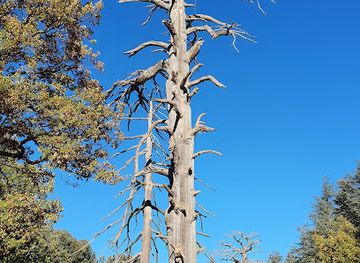
Cèdre Gouraud Forest
Experience the serene beauty of Cèdre Gouraud Forest in Morocco, a natural wonder filled with towering cedar trees, diverse wildlife, and scenic hiking trails.
-
Museum
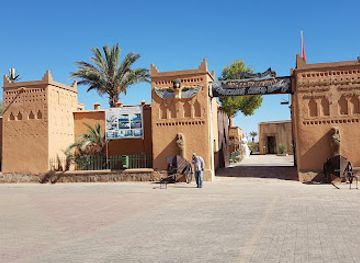
Cinema Museum
Explore Ouarzazate's Cinema Museum: A captivating journey through film history in Morocco's cinematic capital.
-
Tourist attraction
Timlalin Dunes
Experience the breathtaking beauty and adventure of Timlalin Dunes, a must-visit Moroccan attraction for nature lovers and thrill-seekers.
Best landmarks in Saharan Morocco
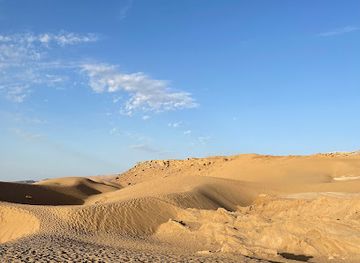
The most recognisable landmarks of Saharan Morocco are often works of earth, water and landscape rather than monumental stone. The dunes of Erg Chebbi form the region’s most familiar natural image, rising beside the oasis settlement of Merzouga, while Erg Chigaga marks the southern edge of the M’Hamid desert corridor with a more remote dune environment. Along the Drâa and Ziz valleys, fortified ksour and kasbahs display layered earthen walls, corner towers and shaded passages built for a dry climate and historically vulnerable routes. The Draa Valley’s palm-lined settlements are significant not only for their appearance but also for their irrigation heritage. Near Erfoud, exposed geological strata and fossil-bearing material reveal a far older landscape beneath the modern desert. In the southern provinces, the Atlantic coast around Dakhla introduces a different landmark vocabulary of lagoon, peninsula, salt flats and wind-shaped desert. Guelmim’s position between the Anti-Atlas and the Sahara reflects its historic role as a meeting point for southern trade. These landmarks are fragile: rainfall, erosion, uncontrolled building and heavy visitor traffic can damage earthen structures and desert surfaces, so guided access and respectful photography are important.
-
Garden
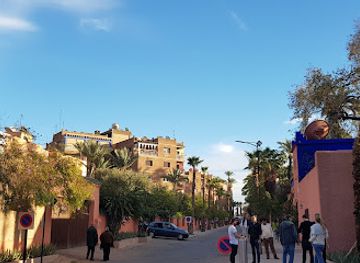
Jardin Majorelle
Explore the vibrant Jardin Majorelle, a lush botanical garden in Marrakech, renowned for its stunning colors, exotic plants, and cultural heritage.
-
Cultural landmark
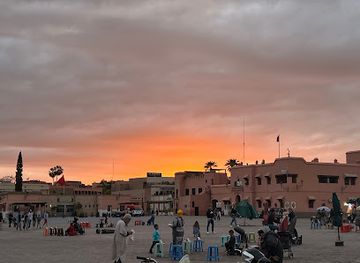
Jemaa el-Fnaa
Discover the vibrant atmosphere of Jemaa el-Fnaa, Marrakesh's cultural landmark filled with local cuisine, shopping, and unforgettable experiences.
-
Mosque
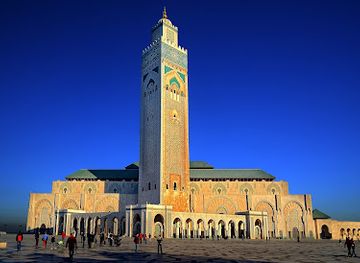
Hassan II Mosque
Explore the breathtaking Hassan II Mosque in Casablanca, a stunning architectural marvel blending rich culture, intricate design, and panoramic ocean views.
-
Tourist attraction
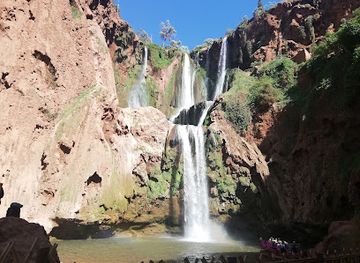
Ouzoud Waterfalls
Experience the breathtaking beauty of Ouzoud Waterfalls, Morocco's natural gem, where cascading waters and stunning landscapes create unforgettable adventures.
Explore Saharan Morocco on the map
Plan your trip on one map. See where the top cities, national parks and sights are, and book hotels and experiences in a few clicks.
Best hotels in Saharan Morocco
Best restaurants in Saharan Morocco
Food in Saharan Morocco is shaped by preservation, portability, oasis agriculture and hospitality. Menus commonly feature Moroccan staples such as tagines, couscous, harira, salads, brochettes and freshly baked breads, with dates, almonds, olives and mint tea appearing widely. In the southeast, palm groves support date cultivation, while local cooks use grains, vegetables and meat according to season and availability. Desert camps and rural guesthouses often serve communal meals prepared over charcoal or in a tagine, but choices may be limited, so visitors with dietary requirements should inform hosts in advance. In larger towns such as Zagora, Erfoud, Merzouga, Guelmim, Laayoune and Dakhla, cafés and restaurants provide broader menus, including southern and Atlantic influences. The coastal provinces are more associated with fish and seafood, whereas inland oasis cooking relies more heavily on preserved, dried and slow-cooked ingredients. Markets are useful for dates, nuts, spices and breads, but food hygiene standards vary; choose busy stalls, wash produce and carry safe drinking water on remote journeys.
-
Restaurant
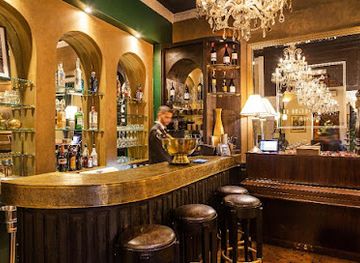
Le Bistro Arabe - Moroccan Jazz Restaurant in Marrakech
Discover culinary excellence at Le Bistro Arabe - where Moroccan cuisine meets live jazz in Marrakech's enchanting Medina.
-
Moroccan
Safran by Koya
Experience authentic Moroccan and Mediterranean cuisine at Safran by Koya in Marrakech's historic Medina.
-
Moroccan
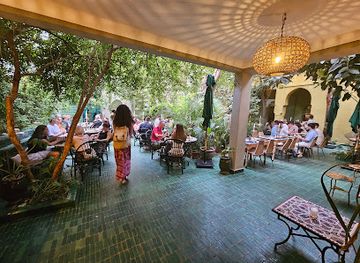
Le Jardin Restaurant Marrakech Medina
Discover authentic Moroccan cuisine at Le Jardin Restaurant in Marrakech's Medina - an oasis of flavor and tranquility amidst vibrant surroundings.
-
Moroccan
Dar Essalam
Indulge in authentic Moroccan flavors at Dar Essalam, a fine dining gem in Marrakech's historic Medina.

Best bars in Saharan Morocco
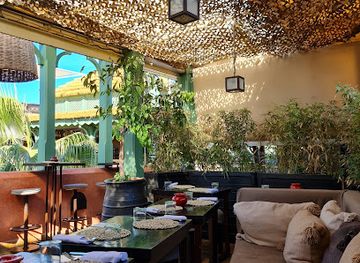
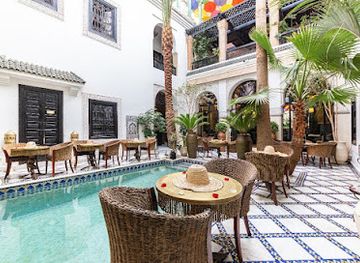
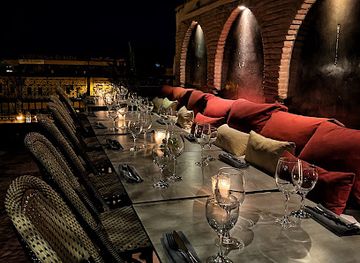
Nightlife in Saharan Morocco is generally low-key and social rather than club-oriented. In oasis towns and desert gateways, evenings centre on cafés, hotel terraces, restaurants and traditional music, with tea remaining more characteristic than a late-night bar scene. Larger towns may have hotel lounges and a small number of licensed venues, but opening arrangements and alcohol availability vary, particularly outside tourist-focused properties. Desert camps often organise music around a fire or under the stars, yet these performances should be understood as hospitality and local entertainment rather than a guaranteed scheduled event. Dakhla has a more developed visitor economy, with restaurants, cafés and watersports-oriented venues, while towns farther inland become quiet after dinner. In rural areas, plan evening transport in advance and follow local expectations around photography, dress and alcohol. Clear skies and the desert’s natural darkness make astronomy and quiet night walks with a guide more dependable evening activities than seeking a nightclub.
-
Bar
La Pergola
Discover the vibrant flavors of Marrakech at La Pergola, where Moroccan hospitality meets international cuisine in a lively atmosphere.
-
Restaurant
Le Bistro Arabe - Moroccan Jazz Restaurant in Marrakech
Experience the vibrant fusion of Moroccan cuisine and live jazz at Le Bistro Arabe, a fine dining gem in the heart of Marrakech.
-
Bar
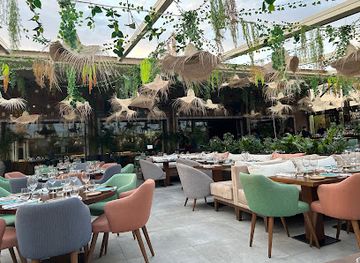
Le Salama Sky-bar
Discover the charm of Moroccan cuisine and breathtaking views at Le Salama Sky-bar, a unique rooftop experience in the heart of Marrakech.
-
Lounge
Kosybar Marrakech (Restaurant Bar & Spa)
Experience the perfect blend of Moroccan and Japanese cuisine in a vibrant lounge setting at Kosybar Marrakech, your oasis in the Medina.

Best nightclubs in Saharan Morocco
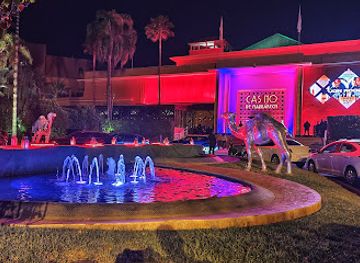
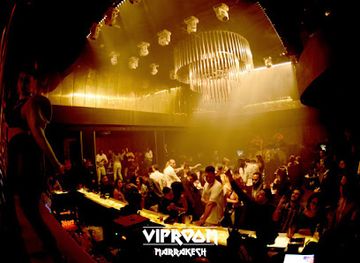
Nightlife in Saharan Morocco is generally low-key and social rather than club-oriented. In oasis towns and desert gateways, evenings centre on cafés, hotel terraces, restaurants and traditional music, with tea remaining more characteristic than a late-night bar scene. Larger towns may have hotel lounges and a small number of licensed venues, but opening arrangements and alcohol availability vary, particularly outside tourist-focused properties. Desert camps often organise music around a fire or under the stars, yet these performances should be understood as hospitality and local entertainment rather than a guaranteed scheduled event. Dakhla has a more developed visitor economy, with restaurants, cafés and watersports-oriented venues, while towns farther inland become quiet after dinner. In rural areas, plan evening transport in advance and follow local expectations around photography, dress and alcohol. Clear skies and the desert’s natural darkness make astronomy and quiet night walks with a guide more dependable evening activities than seeking a nightclub.
-
Disco club
Theatro Marrakech
Discover the vibrant nightlife of Marrakech at Theatro, where electrifying music and stunning performances create unforgettable experiences.
-
Night club
BABOUCHKA
Discover Marrakech's nightlife at Babouchka, an upscale night club offering vibrant music, exquisite drinks, and an unforgettable party atmosphere.
-
Restaurant
Montecristo
Experience exquisite dining and vibrant nightlife at Montecristo in Marrakech, where culinary delights meet electrifying entertainment.
-
Disco club
SECRET ROOM MARRAKECH
Discover Marrakech's vibrant nightlife at Secret Room, where electrifying music and unforgettable moments await every night.


Best shops in Saharan Morocco
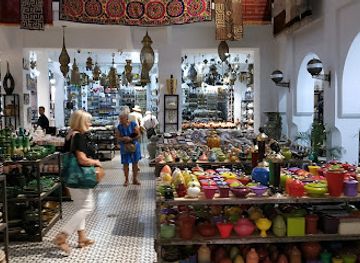
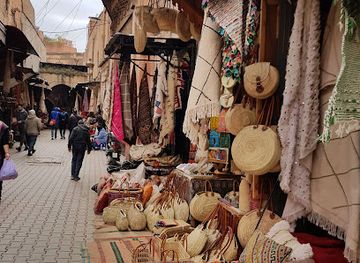
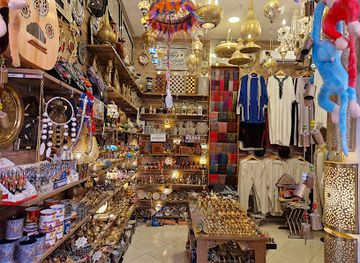
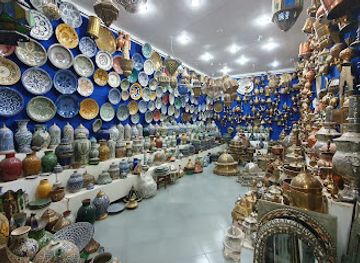
Shopping in Saharan Morocco is strongest in market towns, oasis settlements and craft workshops rather than in large retail districts. Zagora, Erfoud, Merzouga and Guelmim offer dates, spices, woven textiles, leather goods, carpets, jewellery and practical desert clothing, while souks in the southern provinces reflect both inland and Atlantic trade. Fossil products are especially associated with the Erfoud area, but buyers should ask about legal sourcing and avoid purchasing freshly removed material from protected or uncertain locations. Useful regional purchases include high-quality dates, argan products where genuinely sourced from the appropriate regions, saffron and spices, though provenance and quality vary. Artisans may sell silver jewellery, decorated leather, baskets and textiles whose patterns differ between Amazigh, Arab and Hassani communities. Bargaining is common in many souks but should remain courteous and proportionate; fixed-price cooperatives can make costs clearer. In remote villages, cash is essential, and visitors should remember that buying directly from a craft worker is preferable to removing stones, fossils or plants from the surrounding landscape.
-
Gift shop
Dar Bouchaib
Discover the essence of Morocco at Dar Bouchaib, where handcrafted treasures await every visitor in the heart of Marrakesh.
-
Store
Max & Jan Medina
Explore the vibrant world of Moroccan fashion at Max & Jan Medina, where unique clothing and accessories await in the heart of Marrakesh's Medina.
-
Shopping mall
Medina Mall Marrakech Shopping Center Artisanal
Discover shopping, dining, and Moroccan craftsmanship at the Medina Mall in Marrakech, a vibrant hub of culture and creativity.
-
Antique store
labyrinthe de sud
Discover rare antiques and immerse yourself in Morocco's rich heritage at Labyrinthe de Sud in Tarmigt.
Get your free copy of our complete guide to Saharan Morocco, delivered straight to you.
Everything on this page, from attractions and restaurants to essentials and local phrases, in one PDF you can read offline, print or share.
Already have an account? Sign in
Your Saharan Morocco guide is ready.
We'll send it to · Not you? Sign out

Getting your guide ready…
We are putting together a fresh copy of the Saharan Morocco guide. This can take up to a minute.
This can take a few moments. If your browser asks, choose Allow so the download can start. You'll find the guide in your Downloads folder.
Nothing happened? Download it again
Sorry, the guide is taking longer than usual. Please try again in a minute, or get it by email instead.
Saharan Morocco essentials
Currency and Payment
Safety
Emergency Situations
Do's and Don'ts
Local Tips
From Eve
Local phrases worth knowing
You don't need to get them perfect. A few words go a long way, and locals appreciate the effort.
Basics
| English | Local | Say it |
|---|---|---|
| Hello | سلام | [salam] |
| Goodbye | مع السلامة | [ma'a as-salama] |
| Yes | نعم | [naam] |
| No | لا | [la] |
| Please/You're welcome | من فضلك | [min fadlik] |
| Thank you | شكرا | [shukran] |
| Excuse me/Sorry | عفوا | [afwan] |
| How are you? | كيف حالك؟ | [kayfa halak?] |
| Fine. And you? | بخير. وأنت؟ | [bikhayr. wa anta?] |
| Do you speak English? | هل تتحدث الإنجليزية؟ | [hal tatahaddath al-ingliziyya?] |
| I don't understand | لا أفهم | [la afham] |
Eating & Drinking
| English | Local | Say it |
|---|---|---|
| I'd like to see the menu, please | أود رؤية القائمة، من فضلك | [awad ru'yat al-qa'ima, min fadlik] |
| I don't eat meat | لا أكل اللحم | [la akul al-lahm] |
| Cheers! | في صحتك! | [fi sihhatak!] |
| I would like to pay, please | أود أن أدفع، من فضلك | [awad an adfa', min fadlik] |
Emergencies
| English | Local | Say it |
|---|---|---|
| Help! | نجدة! | [najda!] |
| Go away! | اذهب بعيدا! | [idhhab ba'idan!] |
| Call the Police! | اتصل بالشرطة! | [ittasil bil-shurta!] |
| Call a doctor! | اتصل بالطبيب! | [ittasil bil-tabeeb!] |
| I'm lost | أنا ضائع | [ana da'i'] |
| I'm ill | أنا مريض | [ana marid] |
Shopping
| English | Local | Say it |
|---|---|---|
| I'd like to buy... | أود شراء... | [awad shira'] |
| I'm just looking | أنا فقط أنظر | [ana faqat anzur] |
| How much is it? | كم ثمنه؟ | [kam thamanu?] |
| That's too expensive | هذا مكلف جدا | [hatha mukallaf jiddan] |
| Can you lower the price? | هل يمكنك تخفيض السعر؟ | [hal yumkinuka takhfid as-si'r?] |
Time & Numbers
| English | Local | Say it |
|---|---|---|
| What time is it? | ما الساعة؟ | [ma as-saa'a?] |
| It's one o'clock | إنها الساعة الواحدة | [innaha as-saa'a al-wahidah] |
| Half past (10) | نصف الساعة (10) | [nisf as-saa'a (10)] |
| Morning | صباحا | [sabahaan] |
| Afternoon | بعد الظهر | [ba'd al-zuhur] |
| Evening | مساء | [masa'a] |
| Yesterday | أمس | [ams] |
| Today | اليوم | [al-yawm] |
| Tomorrow | غدا | [ghadan] |
| 1 | 1 | [1] |
| 2 | 2 | [2] |
| 3 | 3 | [3] |
| 4 | 4 | [4] |
| 5 | 5 | [5] |
| 6 | 6 | [6] |
| 7 | 7 | [7] |
| 8 | 8 | [8] |
| 9 | 9 | [9] |
| 10 | 10 | [10] |
Transport & Directions
| English | Local | Say it |
|---|---|---|
| Where's a/the...? | أين ...؟ | [ayn ...?] |
| What's the address? | ما هو العنوان؟ | [ma huwa al-'unwan?] |
| Can you show me (on the map)? | هل يمكنك أن تري لي (على الخريطة)؟ | [hal yumkinuka an turi li (ala al-kharita)?] |
| When's the next (bus)? | متى تكون الحافلة التالية؟ | [mata takun al-hafila at-talia?] |
| A ticket (to ....) | تذكرة (إلى ...) | [tadhkara (ila ...)] |
History of Saharan Morocco
Prehistoric communities and rock art
The Sahara was not always as dry as it is today. Rock engravings, burial sites and scattered archaeological remains across southern Morocco record changing climates and human activity over thousands of years. Images of animals and traces of past settlement show that communities adapted to periods when grassland and surface water were more widespread. As aridity increased, populations became increasingly dependent on wells, seasonal watercourses and oasis agriculture. Much of the archaeological record remains remote and can be difficult to visit responsibly, but it provides essential context for understanding the desert as a changing environment with a long human history.
Caravan trade across the Sahara
For centuries, camel caravans connected Morocco’s southern oases with markets and settlements across the Sahara and the Sahel. Routes passed through valleys and fortified communities such as those of the Drâa and Ziz, carrying commodities including salt, textiles, metals, dates and gold at different periods. Caravan commerce helped sustain oasis towns, religious institutions and local elites, while cultural and linguistic influences travelled with merchants, scholars and pastoral groups. The trade declined as maritime commerce and modern transport expanded, but its legacy remains visible in caravan towns, ksour, oral traditions and the continuing importance of routes through the desert.
Islamisation, dynasties and oasis settlements
Islam spread through the Maghreb and Sahara through a combination of political expansion, trade, scholarship and local adoption. Later Moroccan dynasties sought influence over southern routes and oasis communities, while zawiyas—religious institutions associated with learning and hospitality—played important regional roles. Earthen settlements developed around defensible compounds, mosques, granaries and irrigation systems. The exact political reach of central authorities varied over time, but the southern oases were repeatedly drawn into wider Moroccan networks. Their built heritage reflects both local adaptation and connections with the historic kingdoms of Morocco.
The Saadian and Alaouite southern connections
The Saadian dynasty, which ruled Morocco in the sixteenth and early seventeenth centuries, developed strong interests in trans-Saharan commerce and expeditions towards the Niger bend. Later Alaouite sultans maintained relationships with southern tribes, oasis communities and caravan routes, although authority was negotiated differently across the desert than in settled northern cities. Kasbahs, religious lineages and regional leaders helped organise security, taxation and movement. These political and commercial connections contributed to the architectural and cultural links between Morocco’s oases and the wider Saharan world.
Colonial frontiers and twentieth-century transformation
In the late nineteenth and early twentieth centuries, European colonial expansion reshaped the political geography of the Sahara. French influence extended across much of Morocco’s interior, while Spanish control affected parts of the Atlantic Sahara. New administrative borders, military posts and roads altered older patterns of movement and authority. After Morocco regained independence in 1956, southern development continued through roads, schools, public services and new urban centres. The period also left complex political legacies, particularly in the Western Sahara, whose status remains internationally disputed; travellers should distinguish this unresolved issue from ordinary tourism descriptions.
Modern tourism, roads and desert heritage
Since the late twentieth century, improved roads, air links and international interest in desert landscapes have transformed places such as Merzouga, Zagora and M’Hamid into established tourism centres. Tourism has created employment in guiding, transport, accommodation, crafts and hospitality, while also placing pressure on water supplies, dunes and rural infrastructure. Film production has been important around Ouarzazate and nearby landscapes, although that city lies at the northern gateway to the desert rather than in every definition of Saharan Morocco. Current heritage work increasingly focuses on maintaining earthen architecture and protecting fragile ecosystems.
Saharan Morocco in Photos
Browse through our photo collection highlighting the charm and character of the destination.
Neighbouring regions of Saharan Morocco
The closest regions to Saharan Morocco, if you have time for more than one.
-

-

-

-

-


Swipe for more regions
Explore more

Explore more of Morocco
Discover Morocco: A land of rich history, vibrant culture, and stunning landscapes, where ancient traditions meet modern allure.
Explore Morocco