

Eugene T. Mahoney State Park, Nebraska Travel Guide
Discover the natural beauty and outdoor adventures at Eugene T. Mahoney State Park, Nebraska's premier destination for relaxation and family fun.
Nestled along the Platte River, Eugene T. Mahoney State Park is a lush escape in the heart of Nebraska. This sprawling park is a haven for nature enthusiasts, offering a mix of activities and serene landscapes that make it a perfect getaway for families, couples, and solo travelers alike. The park boasts a year-round indoor aquatic center, offering a reprieve from the hot summer sun or a cozy escape during the colder months. For those looking to stay active, there are miles of hiking and biking trails that traverse through dense woodlands and alongside picturesque river views. Wildlife lovers will be thrilled by the abundance of native animals that call the park home. Birdwatchers can spot a variety of species, while those with a keen eye may catch a glimpse of deer or other mammals. The park's observation tower provides panoramic views of the surrounding area, making it a must-visit spot for photographers and nature lovers. For a more relaxed experience, visitors can enjoy paddle boating on the park’s tranquil lake, or try their hand at fishing. The park also features a modern marina, offering boat rentals and other amenities. Families will enjoy the mini-golf course, playgrounds, and picnic areas scattered throughout the park. Accommodations range from cozy cabins to spacious lodges, ensuring a comfortable stay for every visitor. The park also hosts various events and programs throughout the year, from outdoor concerts to educational nature talks, adding another layer of enjoyment to your visit.

Know before you go
Hi, I'm Eve. Here are a few practical things to know before exploring Eugene T. Mahoney State Park.
- Book your accommodations in advance, especially during peak seasons, to ensure availability.
- Visit the observation tower during sunset for breathtaking views and photo opportunities.
- Pack a picnic to enjoy at one of the scenic picnic areas scattered throughout the park.
- Check the park's event calendar beforehand to catch any special programs or activities during your visit.
- Bring binoculars for birdwatching and wildlife spotting opportunities.
Explore Eugene T. Mahoney State Park: Things to Do, Places to Eat, Hotels & More
Handpicked recommendations for top attractions, local dining, accommodations, and more

Best attractions in Eugene T. Mahoney State Park
Top-rated picks
Best Attractions

Heartland of America Park at The RiverFront
Explore the Heartland of America Park, a beautiful urban oasis in Omaha offering stunning landscapes, recreational activities, and vibrant community events.

Joslyn Art Museum
Discover the Joslyn Art Museum, Omaha's premier destination for art lovers, featuring a remarkable collection, stunning architecture, and beautiful gardens.

Louisville State Recreation Area
Discover the serene beauty of Louisville State Recreation Area, where camping, fishing, and hiking await amidst Nebraska's natural landscapes.

Indian Cave State Park
Discover the beauty and history of Indian Cave State Park, a serene retreat for outdoor enthusiasts and history buffs in Nebraska.

Best landmarks in Eugene T. Mahoney State Park
Top-rated picks
Best Landmarks

E.T. Mahoney State Park Activity Center, Venture Climb, and Seasonal Ice Skating Rink
Discover fun year-round at E.T. Mahoney State Park Activity Center, featuring rock climbing, ice skating, and endless family-friendly activities in Nebraska's scenic outdoors.

Water Park at Eugene T. Mahoney State Park
Dive into adventure at the Water Park at Eugene T. Mahoney State Park, where thrilling slides and relaxing pools await in a scenic outdoor setting.

Eugene T. Mahoney Kingdoms of the Night
Explore the enchanting Eugene T. Mahoney Kingdoms of the Night and experience the magic of wildlife after dark in Omaha, Nebraska.

Best restaurants in Eugene T. Mahoney State Park
Top-rated picks
Best Restaurants

Eugene T. Mahoney State Park
Explore Eugene T. Mahoney State Park: A Nebraska haven with stunning landscapes and diverse outdoor activities perfect for family adventures.

Parker's Smokehouse
Discover the authentic taste of Southern barbecue at Parker's Smokehouse in Ashland - where every bite is infused with smoky goodness.

Best bars in Eugene T. Mahoney State Park
Top-rated picks
Best Bars

Round the Bend Steakhouse
Experience the best steakhouse in Ashland, Nebraska, where delicious flavors meet exceptional service in a charming setting.

Parker's Smokehouse
Discover the best barbecue in Ashland, Nebraska, at Parker's Smokehouse, where every meal is a smoky delight.

Glacial Till Cider House & Tasting Room
Explore the delightful tastes of Nebraska at Glacial Till Cider House & Tasting Room, where local ciders and wines await your discovery.

BW's Pub & Grill
Experience family-friendly American dining at BW's Pub & Grill, where delicious food and inviting atmosphere create lasting memories.

Best shops in Eugene T. Mahoney State Park
Top-rated picks
Best Shops

Nebraska Crossing
Discover unbeatable deals and a delightful shopping experience at Nebraska Crossing, your ultimate outlet destination in Gretna, Nebraska.

Eugene T. Mahoney State Park
Explore Eugene T. Mahoney State Park, Nebraska's outdoor gem, offering hiking, fishing, and family-friendly activities in a stunning natural setting.

E.T. Mahoney State Park Activity Center, Venture Climb, and Seasonal Ice Skating Rink
Experience the thrill of indoor play, rock climbing, and ice skating at E.T. Mahoney State Park Activity Center in Nebraska.

Platte Valley Antique Mall, Cafe & Pub
Explore the Platte Valley Antique Mall, Cafe & Pub for unique antiques, delightful dining, and a charming pub atmosphere in Greenwood, Nebraska.

Explore Eugene T. Mahoney State Park on the Map
A handpicked selection of must-see spots in Eugene T. Mahoney State Park, mapped for you.
Eugene T. Mahoney State Park Essentials
-
Eugene T. Mahoney State Park is located in eastern Nebraska, midway between Omaha and Lincoln. The nearest major airport is Eppley Airfield in Omaha, approximately 35 miles away. From Omaha, you can rent a car or take a taxi to the park. Alternatively, you can fly into Lincoln Airport, which is about 40 miles from the park. Interstate 80 runs adjacent to the park, making it easily accessible by car.
-
Once inside Eugene T. Mahoney State Park, transportation options are limited to personal vehicles, bicycles, and walking. The park is expansive, so having a car is convenient for getting around. Bicycles can be rented within the park, providing a scenic and eco-friendly way to explore the area. There is no public transportation within the park itself.
-
The currency used in Nebraska is the United States Dollar (USD). Credit and debit cards are widely accepted at the park's facilities, including the lodge, restaurants, and activity centers. It's advisable to carry some cash for smaller transactions, especially if you plan to visit nearby local towns where card acceptance may vary. ATMs are available at the park's main lodge.
-
Eugene T. Mahoney State Park is generally very safe for tourists. However, like any public space, it is wise to take standard precautions. Lock your vehicle and do not leave valuables in plain sight. Be aware of your surroundings, especially during evening hours. The park has a dedicated security team, and park rangers are available to assist visitors.
-
In case of an emergency, dial 911 for immediate assistance. The park is equipped with first aid stations, and staff members are trained to respond to emergencies. For minor injuries or health issues, there is a medical clinic within a short drive from the park. It is recommended to have travel insurance that covers medical emergencies.
-
Fashion: Do wear comfortable outdoor clothing and sturdy shoes for hiking and other activities. Don't wear overly revealing or inappropriate attire. Religion: There are no specific religious customs to adhere to in the park. Public Transport: There is no public transport within the park, so plan accordingly. Greetings: Do greet park staff and fellow visitors with a friendly hello or nod. Eating & Drinking: Do try the local food offerings at the park's restaurants. Do not litter; use designated trash and recycling bins.
-
To experience Eugene T. Mahoney State Park like a local, consider visiting during off-peak times such as weekdays or early mornings. Engage in popular local activities like fishing, hiking, and attending summer theater performances. Explore the park's lesser-known trails for a more secluded and peaceful experience. Don't miss the observation tower for panoramic views of the Platte River.
When is the best time to visit Eugene T. Mahoney State Park?
Useful Local Phrases for Eugene T. Mahoney State Park
You don't need to speak the language perfectly. Even learning a few simple words can make conversations warmer—and locals usually appreciate the effort.
— Eve

Here are the phrases I use most often in Eugene T. Mahoney State Park. Try a few—you'll be surprised how far they go! 😊
❤️
-
- HelloHowdy
[haʊ-di] - GoodbyeSo long
[soʊ lɔŋ] - YesYup
[jʌp] - NoNah
[nɑː] - Please/You're welcomePlease
[pliːz] - Thank youThanks
[θæŋks] - Excuse me/SorryPardon me
[pɑːrdn miː] - How are you?Howdy
[haʊ-di] - Fine. And you?All good. You?
[ɔːl ɡʊd juː] - Do you speak English?Ya speak English?
[jə spiːk ɪŋɡlɪʃ] - I don't understandI ain't got a clue
[aɪ eɪnt ɡɒt ə kluː]
- HelloHowdy
-
- I'd like to see the menu, pleaseShow me the grub, please
[ʃoʊ miː ðə ɡrʌb pliːz] - I don't eat meatI don't do meat
[aɪ doʊnt duː miːt] - Cheers!Cheers!
[ʧɪrz] - I would like to pay, pleasePay up, please
[peɪ ʌp pliːz]
- I'd like to see the menu, pleaseShow me the grub, please
-
- Help!Help!
[hɛlp] - Go away!Scram!
[skræm] - Call the Police!Get the cops!
[ɡɛt ðə kɒps] - Call a doctor!Call the doc!
[kɔːl ðə dɒk] - I'm lostI'm turned around
[aɪm tɜrnd əˈraʊnd] - I'm illI'm feeling under the weather
[aɪm ˈfiːlɪŋ ˈʌndər ðə ˈwɛðər]
- Help!Help!
-
- I'd like to buy...I wanna buy...
[aɪ ˈwɑnə baɪ] - I'm just lookingJust browsing
[ʤʌst ˈbraʊzɪŋ] - How much is it?How much for that?
[haʊ mʌʧ fɔr ðæt] - That's too expensiveThat's a rip-off
[ðæts ə rɪp-ɔf] - Can you lower the price?Can ya do it cheaper?
[kæn jə duː ɪt ˈʧiːpər]
- I'd like to buy...I wanna buy...
-
- What time is it?What's the time?
[wɑts ðə taɪm] - It's one o'clockIt's one on the dot
[ɪts wʌn ɒn ðə dɒt] - Half past (10)Half ten
[hæf tɛn] - MorningMornin'
[ˈmɔrnɪn] - AfternoonArvo
[ˈɑːvoʊ] - EveningEvenin'
[ˈiːvnɪn] - YesterdayYest'day
[ˈjɛstdˌdeɪ] - TodayToday
[təˈdeɪ] - TomorrowTomorra
[təˈmɒrə] - 1One
[wʌn] - 2Two
[tuː] - 3Three
[θriː] - 4Four
[fɔːr] - 5Five
[faɪv] - 6Six
[sɪks] - 7Seven
[ˈsɛvən] - 8Eight
[eɪt] - 9Nine
[naɪn] - 10Ten
[tɛn]
- What time is it?What's the time?
-
- Where's a/the...?Where's the...?
[ˈwɛərz ðə] - What's the address?What's the addy?
[wɑts ðə ˈædi] - Can you show me (on the map)?Can ya point it out (on the map)?
[kæn jə pɔɪnt ɪt aʊt ɒn ðə mæp] - When's the next (bus)?When's the next (bus)?
[wɛns ðə nɛkst (bʌs)] - A ticket (to ....)A pass (to ....)
[ə pæs (tuː ....)]
- Where's a/the...?Where's the...?
History of Eugene T. Mahoney State Park
-
Eugene T. Mahoney State Park was established in 1985 and named after Nebraska state senator Eugene T. Mahoney, who was instrumental in the development of the state's park system. The park was developed to provide a modern recreational area for Nebraska's residents and visitors, set against the backdrop of the Platte River.
-
Before the establishment of the park, the Platte River Valley was a significant landmark for Native American tribes, including the Pawnee and Otoe. The river served as a vital resource for food, water, and transportation. European settlers followed, using the valley as a route along the Oregon Trail in the mid-19th century.
-
The creation of Eugene T. Mahoney State Park saw the development of a variety of amenities, from the construction of the Peter Kiewit Lodge to the installation of family cabins, an aquatic center, and a marina. These facilities were designed to provide a comprehensive recreational experience that includes fishing, boating, and swimming.
-
Eugene T. Mahoney was a visionary who recognized the need for a state park that could offer year-round recreational activities. His strategic vision included not just outdoor activities but also cultural and educational programs. This vision has led to the park hosting numerous events, workshops, and nature programs.
-
The park has been involved in various environmental conservation efforts, focusing on preserving the natural habitat of the Platte River Valley. These efforts include wildlife management programs, habitat restoration projects, and educational initiatives aimed at raising awareness about the importance of conservation.
-
Today, Eugene T. Mahoney State Park is a modern recreational hub that blends natural beauty with contemporary amenities. The park features a variety of attractions, including the popular observation tower, which offers panoramic views of the Platte River. The park's cultural impact extends to its role in promoting outdoor activities and environmental stewardship among visitors.
Neighbouring destination travel guides
Browse our curated selection of top destinations, scenic points, and must-visit spots in the area.



Your all‑in‑one travel companion app
Explore expert travel guides, compare and book tours, experiences, hotels, and more—all from the palm of your hand. Download now for seamless trip planning wherever your wanderlust takes you.


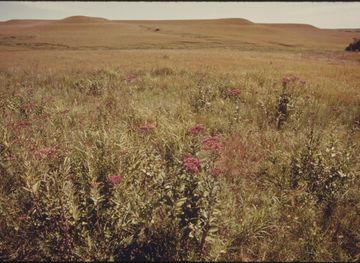
Explore More of Dissected Till Plains
Looking beyond Eugene T. Mahoney State Park? Discover Dissected Till Plains for broader travel guides, local hot-spots, and regional highlights.
Explore Dissected Till PlainsExplore More of Nebraska

Looking beyond Eugene T. Mahoney State Park? Discover Nebraska for broader travel guides, local hot-spots, and regional highlights.
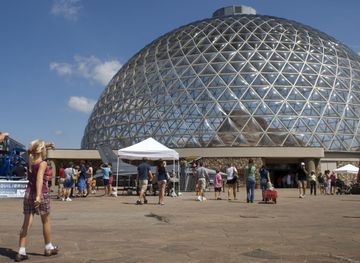
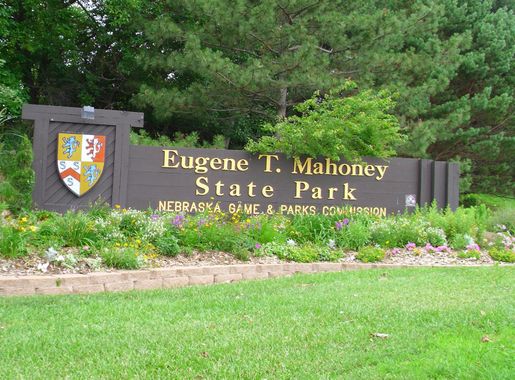
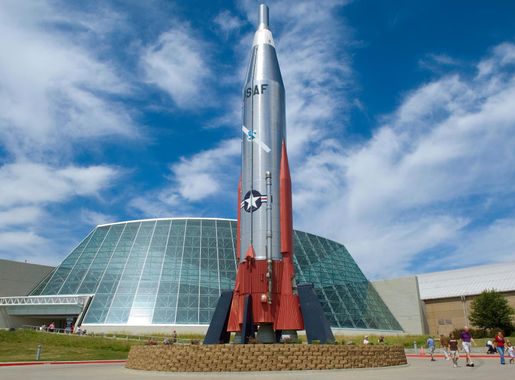
Explore NebraskaEugene T. Mahoney State Park in Photos
Browse through our photo collection highlighting the charm and character of the destination.




Eugene T. Mahoney State Park: A Natural Wonderland in Nebraska
Nestled along the Platte River, Eugene T. Mahoney State Park is a lush escape in the heart of Nebraska. This sprawling park is a haven for nature enthusiasts, offering a mix of activities and serene landscapes that make it a perfect getaway for families, couples, and solo travelers alike. The park boasts a year-round indoor aquatic center, offering a reprieve from the hot summer sun or a cozy escape during the colder months. For those looking to stay active, there are miles of hiking and biking trails that traverse through dense woodlands and alongside picturesque river views. Wildlife lovers will be thrilled by the abundance of native animals that call the park home. Birdwatchers can spot a variety of species, while those with a keen eye may catch a glimpse of deer or other mammals. The park's observation tower provides panoramic views of the surrounding area, making it a must-visit spot for photographers and nature lovers. For a more relaxed experience, visitors can enjoy paddle boating on the park’s tranquil lake, or try their hand at fishing. The park also features a modern marina, offering boat rentals and other amenities. Families will enjoy the mini-golf course, playgrounds, and picnic areas scattered throughout the park. Accommodations range from cozy cabins to spacious lodges, ensuring a comfortable stay for every visitor. The park also hosts various events and programs throughout the year, from outdoor concerts to educational nature talks, adding another layer of enjoyment to your visit.